Is it Safe to Self-Drive Namibia in 2027? A Guide
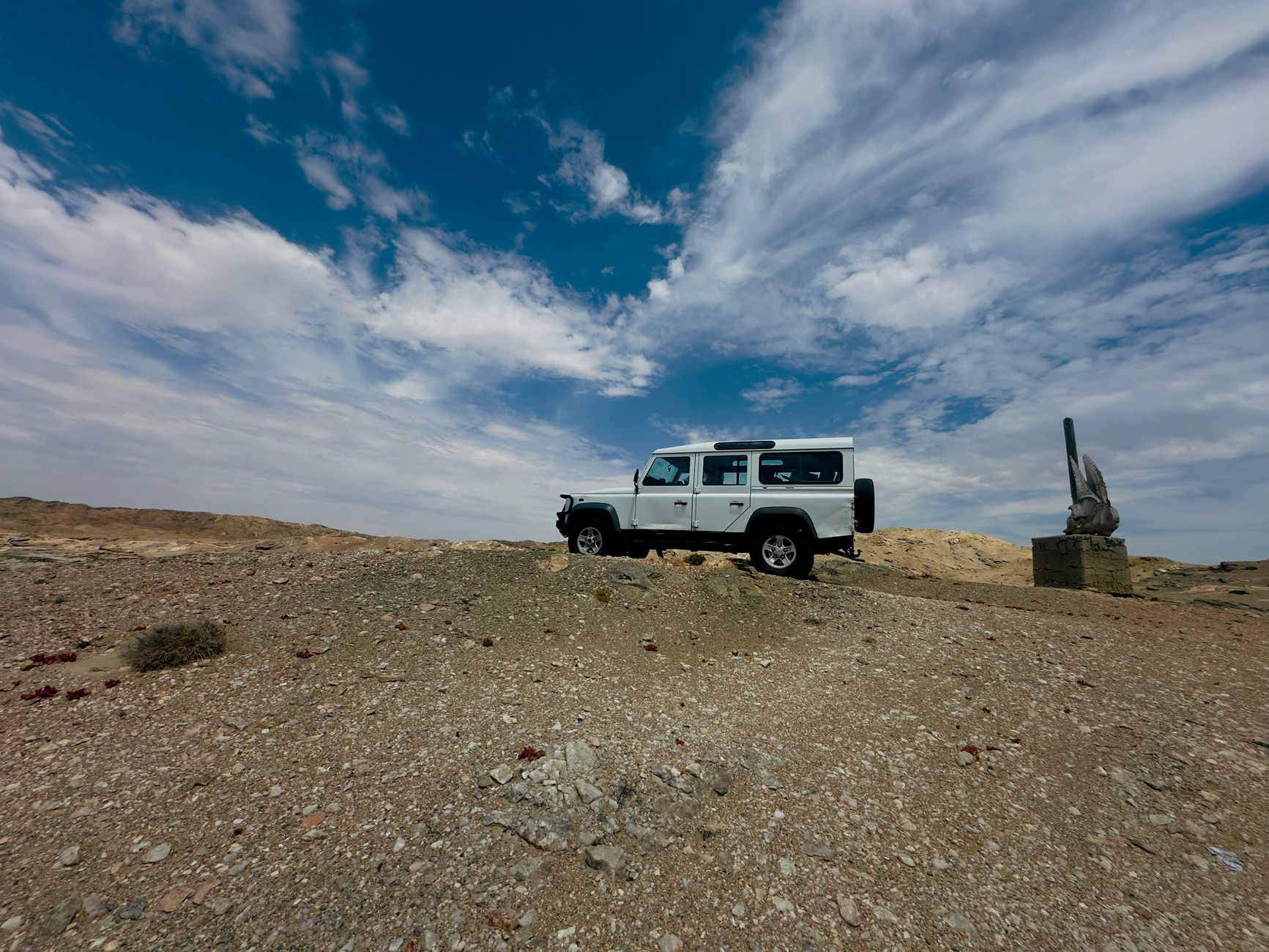
The question comes up often as adventurers begin to sketch out their great Namibian road trip: is it safe to self drive Namibia 2027? The short answer is a confident yes. Namibia is one of Africa’s premier self-drive destinations, offering a level of freedom and discovery that is simply unparalleled. With its well-maintained primary road network, clear signage, and welcoming communities, the country is perfectly suited for exploration on four wheels.
However, a Namibian self-drive is an adventure, not a commute. The vast, wild landscapes that make it so breathtaking also demand respect and preparation. This guide is designed to give you a clear-eyed, practical overview of what to expect on the road in 2027, ensuring your journey is not just safe, but truly the experience of a lifetime.
Understanding Namibia's Roads: Tar, Gravel, and Sand
The first step in planning a safe self-drive is understanding the terrain. Namibia's road system is categorised by letters. 'B' roads are the main arteries, tarred and in excellent condition, connecting major hubs like Windhoek, Swakopmund, and the gateways to Etosha. Driving on these is straightforward and comfortable.
The real adventure begins when you turn onto the 'C' and 'D' designated roads. These are primarily gravel roads and they form the vast network that gets you to the country's most iconic and remote locations. The quality of these roads can vary significantly, from smooth, hard-packed gravel to corrugated surfaces (known locally as 'ribbelpad') and sections with loose stones.
This is not a reason for concern, but for awareness. These roads are the heart and soul of a Namibian journey, leading you through spectacular, evolving landscapes. Journeys through regions like the rugged and beautiful Damaraland are defined by these gravel tracks, which wind through dramatic rock formations and past ancient valleys.
The key is to adapt your driving. Speeds that are normal on tar are hazardous on gravel. You will need to slow down, stay alert for changes in the road surface, and choose a vehicle that is up to the task. While a 2WD can handle many C-roads in the dry season, a 4x4 offers greater stability, clearance, and peace of mind, making it our standard recommendation.
Is It Safe to Self-Drive Namibia in 2027? Key Safety Considerations
Beyond the road surfaces, safety in Namibia is about smart preparation and mindful driving. The environment itself presents the main challenges, all of which are easily managed with a bit of foresight.
Wildlife on the Roads
Namibia is teeming with wildlife, which doesn't always respect road boundaries. You may encounter anything from warthogs and baboons to majestic kudu and giraffe. The risk is highest during dawn and dusk when many animals are most active and visibility is low. Never drive at night if you can avoid it; the potential for collision is simply too high.
Distances, Fuel, and Water
The scale of Namibia can be deceptive on a map. Distances between towns—and, more importantly, fuel stations—can be vast. A cardinal rule of Namibian self-driving is to never pass a fuel station without filling up your tank, even if you think you have plenty. This is especially true when venturing into remote areas like the expansive Kalahari.
The same logic applies to supplies. Always carry more water than you think you will need, for both drinking and emergencies (a good rule of thumb is 5 litres per person, per day). A stock of non-perishable snacks is also a wise precaution.
The Importance of Speed (or Lack Thereof)
The single most critical safety factor on a Namibian self-drive is your speed. On gravel, the recommended maximum is 80 km/h, but you should often be going slower, around 60 km/h, depending on the conditions. High speeds on loose surfaces drastically increase braking distances and the risk of losing control. Remember, your holiday is about the journey, not just the destination. Rushing is the quickest way to run into trouble.
Tyres are Everything
You will quickly come to appreciate the importance of your tyres. The gravel roads are notorious for causing punctures. Before you leave the rental agency, ensure you have at least one, preferably two, good spare tyres and that you know how to change them. Check your tyre pressure regularly; slightly lower pressure can improve traction and comfort on corrugated roads, but your rental company will provide the best guidance for your specific vehicle.
Planning Your 2027 Self-Drive Itinerary
A successful trip is a well-paced one. Trying to cram too much into your schedule is a common mistake that leads to long, rushed days behind the wheel.

Choosing Your Vehicle
As mentioned, a 4x4 is highly recommended. For most travellers, a robust 4x4 SUV like a Toyota Fortuner is perfect for lodge-to-lodge trips. If you are planning to camp, or want to tackle more serious off-road tracks in places like the Kunene region, a fully-equipped Toyota Hilux with a rooftop tent is the classic choice. It provides the capability, durability, and self-sufficiency needed for deep exploration.
Pacing and Navigation
Look at distances and assume an average speed of no more than 60-70 km/h on gravel roads when calculating travel times. A 300km journey can easily take 4-5 hours of driving, plus stops. Plan your overnight stays accordingly so you arrive well before sunset. For navigation, a GPS is essential, but always have a physical map as a backup. We also strongly recommend downloading offline maps for your route using an app like Google Maps or Maps.me before you lose signal.
The Essential Self-Drive Kit
Your vehicle should come with a basic toolkit and jack, but it’s wise to have a few personal items on hand. Your daily driving kit should always include:
- A well-stocked first-aid kit.
- Ample drinking water and emergency snacks.
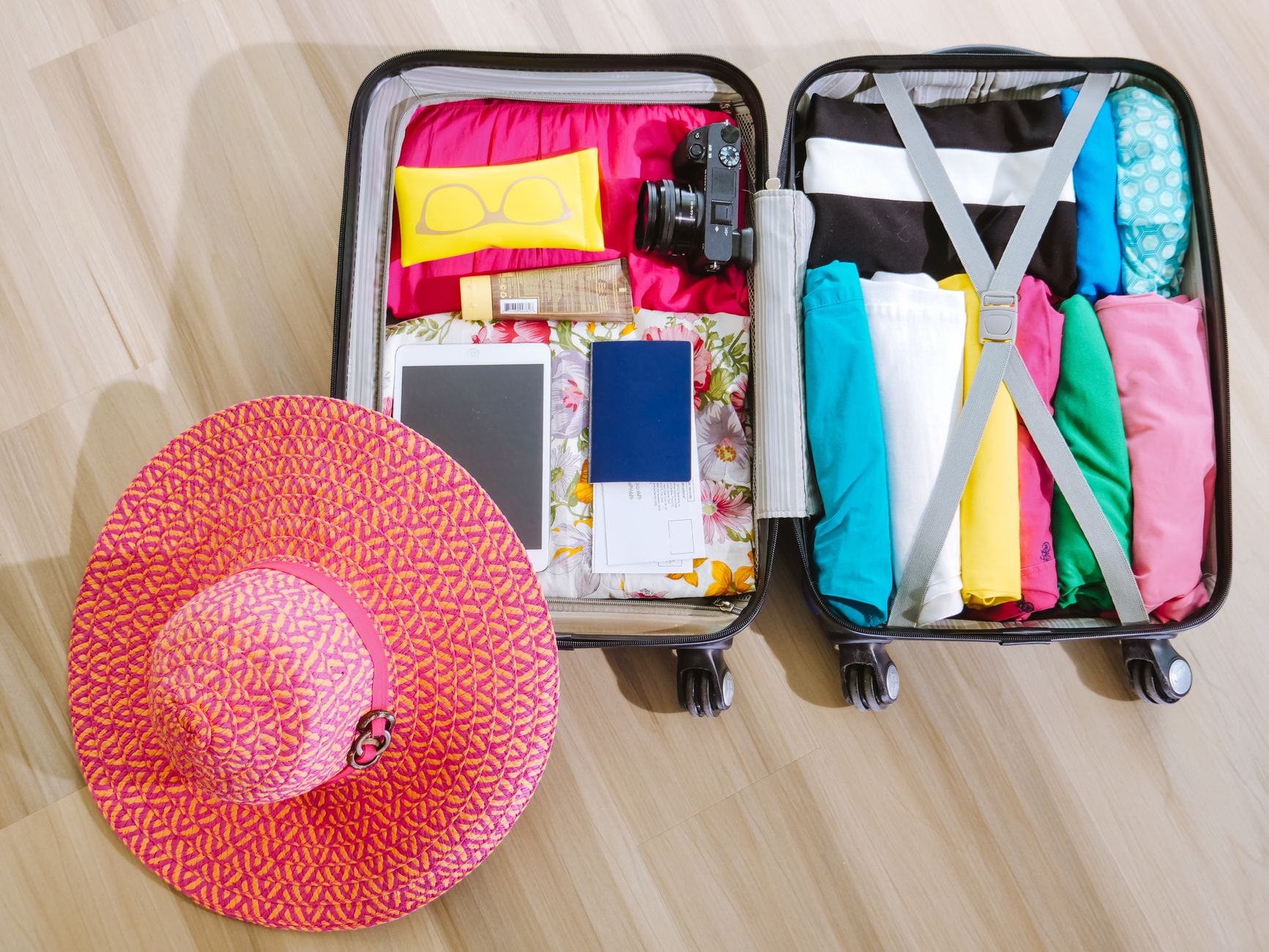
- Sunscreen, sunglasses, and a wide-brimmed hat.
- A powerful torch or headlamp.
- A power bank to keep your phone and navigation devices charged.
- Your physical map and itinerary documentation.
- A small tyre pressure gauge.
Navigating Namibia's Diverse Regions
Different parts of Namibia present unique driving environments. Knowing what to expect will make your journey smoother.
Southern Namibia: Canyons and Dunes
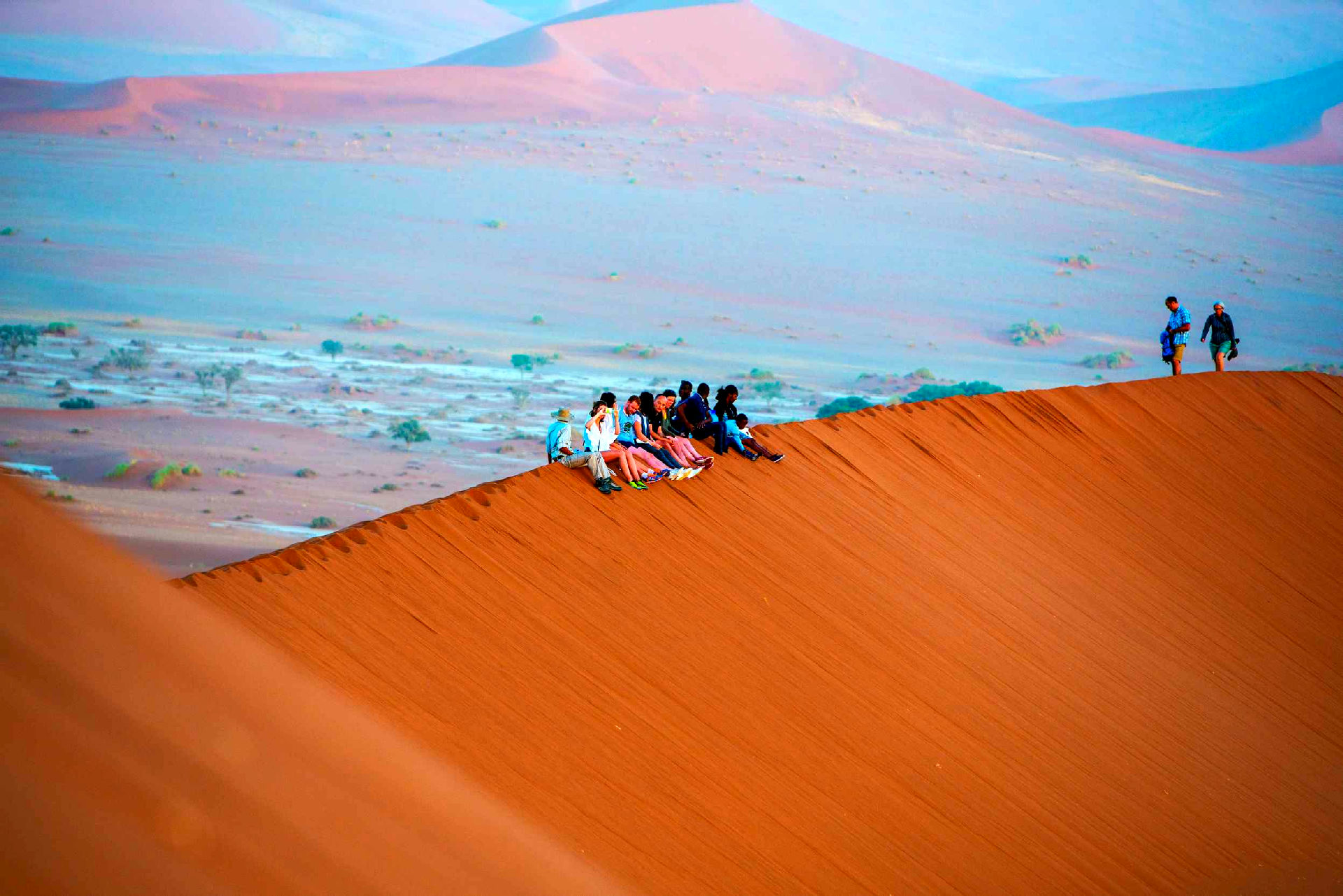
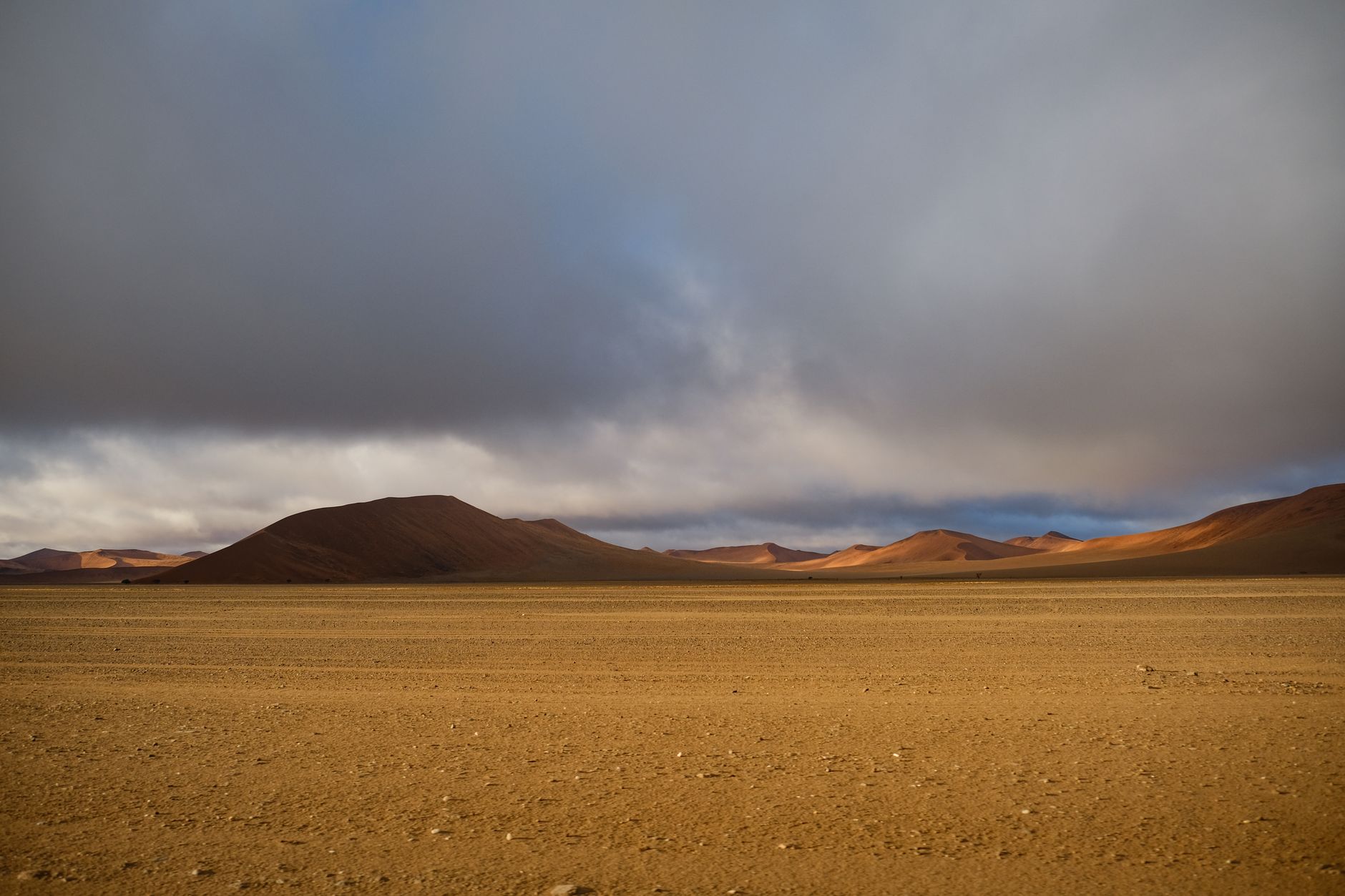
The routes south of Windhoek leading to the Kalahari and the Fish River Canyon are often long and straight. The gravel roads leading towards the iconic dunes of Sossusvlei are generally well-maintained. The final 5km to Deadvlei and the Big Daddy dune, however, are thick sand and are strictly for 4x4s only. Staying at a nearby lodge like the exceptional Hoodia Desert Lodge allows you to use their guided transfer for this section if you're not confident on deep sand.
The Atlantic Coast: Fog and Salt
The coastal roads connecting Swakopmund, Walvis Bay, and Henties Bay are unique. Some are 'salt roads,' created by spraying salt water onto the gravel, which binds it into a hard, smooth surface. They are excellent when dry, but the dense coastal fog can make them unexpectedly slippery. Drive with caution, especially in the early mornings. This is the gateway to the hauntingly beautiful Skeleton Coast, an epic drive culminating in the otherworldly experience of a stay at Shipwreck Lodge, nestled among the dunes.
The North: Etosha and the Green Zambezi
The journey north to Etosha National Park is mostly on excellent tar roads. Inside the park, you will find a network of well-graded gravel roads that are suitable for all vehicle types. The main consideration here is driving slowly to protect the wildlife and to maximise your viewing opportunities. Basing yourself at a lodge just outside the park gates, like the beautiful Etosha Oberland Lodge, provides a perfect launchpad for daily game drives. Further northeast, the Zambezi Region (formerly Caprivi Strip) is a different world of rivers and lush vegetation, where you may encounter wet conditions and muddy tracks, again making a 4x4 essential.
Ultimately, a self-drive trip in Namibia is an exercise in preparation and presence. By understanding the environment, choosing the right vehicle, and adopting a slow, steady pace, you will find that the answer to "is it safe to self drive Namibia 2027" is a resounding, adventurous yes. It’s a journey that rewards the mindful traveller with moments of profound beauty and solitude, creating memories that will last a lifetime.
Where to stay in Sossusvlei & Namib
Browse handpicked places to stay — many with live availability and instant booking.
 3.9(19)
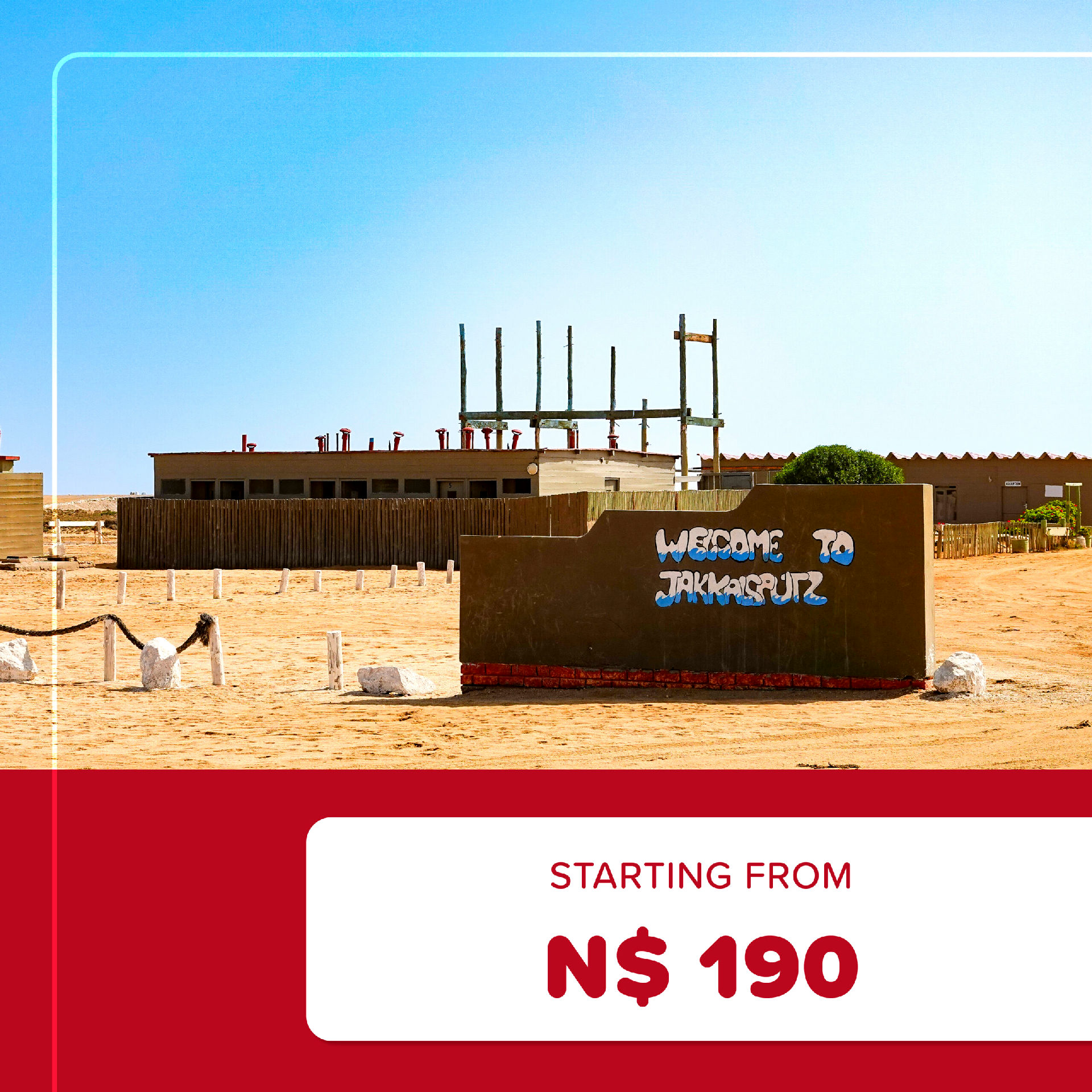
Jakkalsputz Campsite
Dorob National Park, near Henties Bay, Erongo
 3.8(1370)
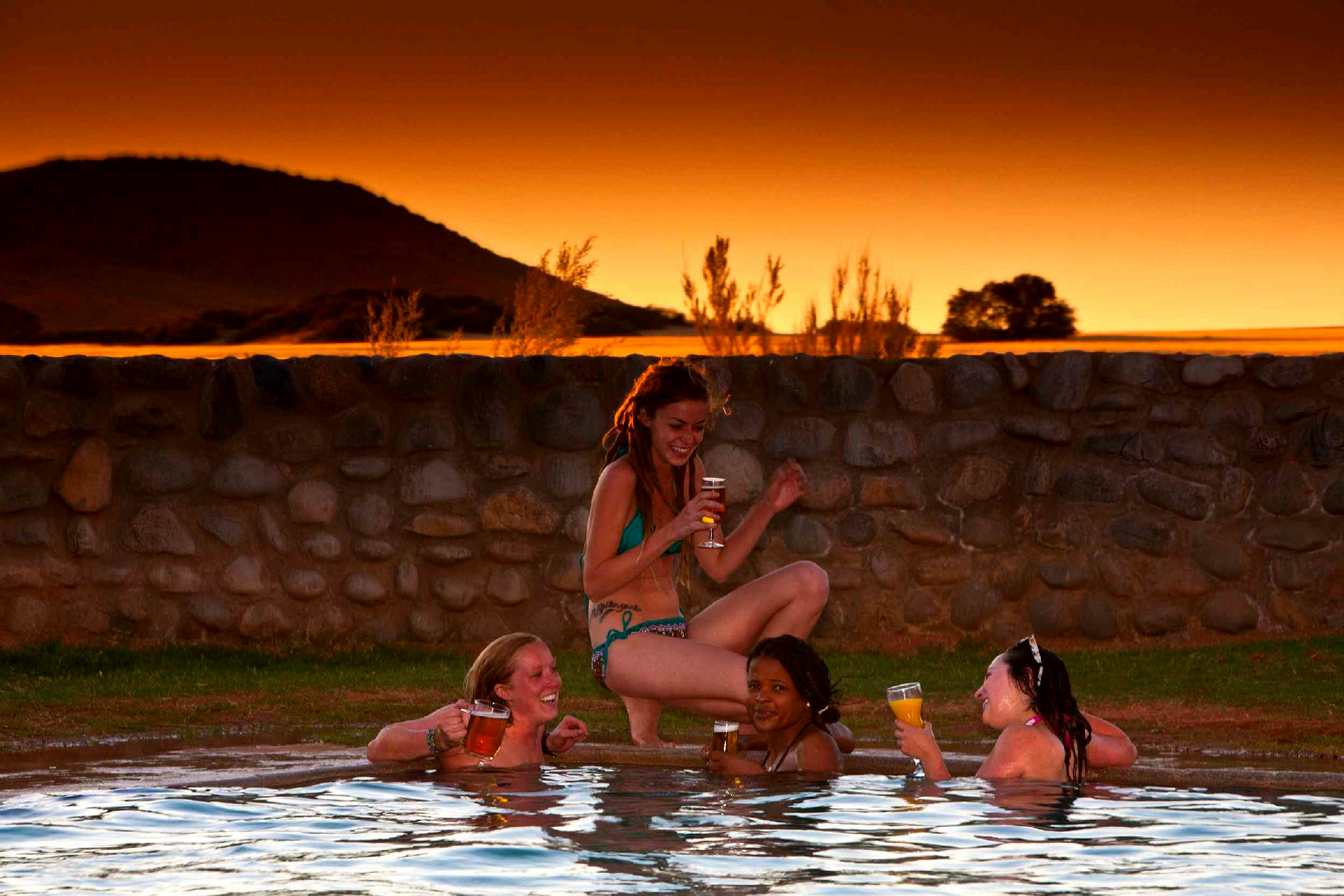
Sesriem Campsite
Sesriem, Namib-Naukluft National Park, Hardap
 4.1(272)
Sossus Dune Lodge
Sesriem, Namib-Naukluft National Park, Hardap
 4.4(291)
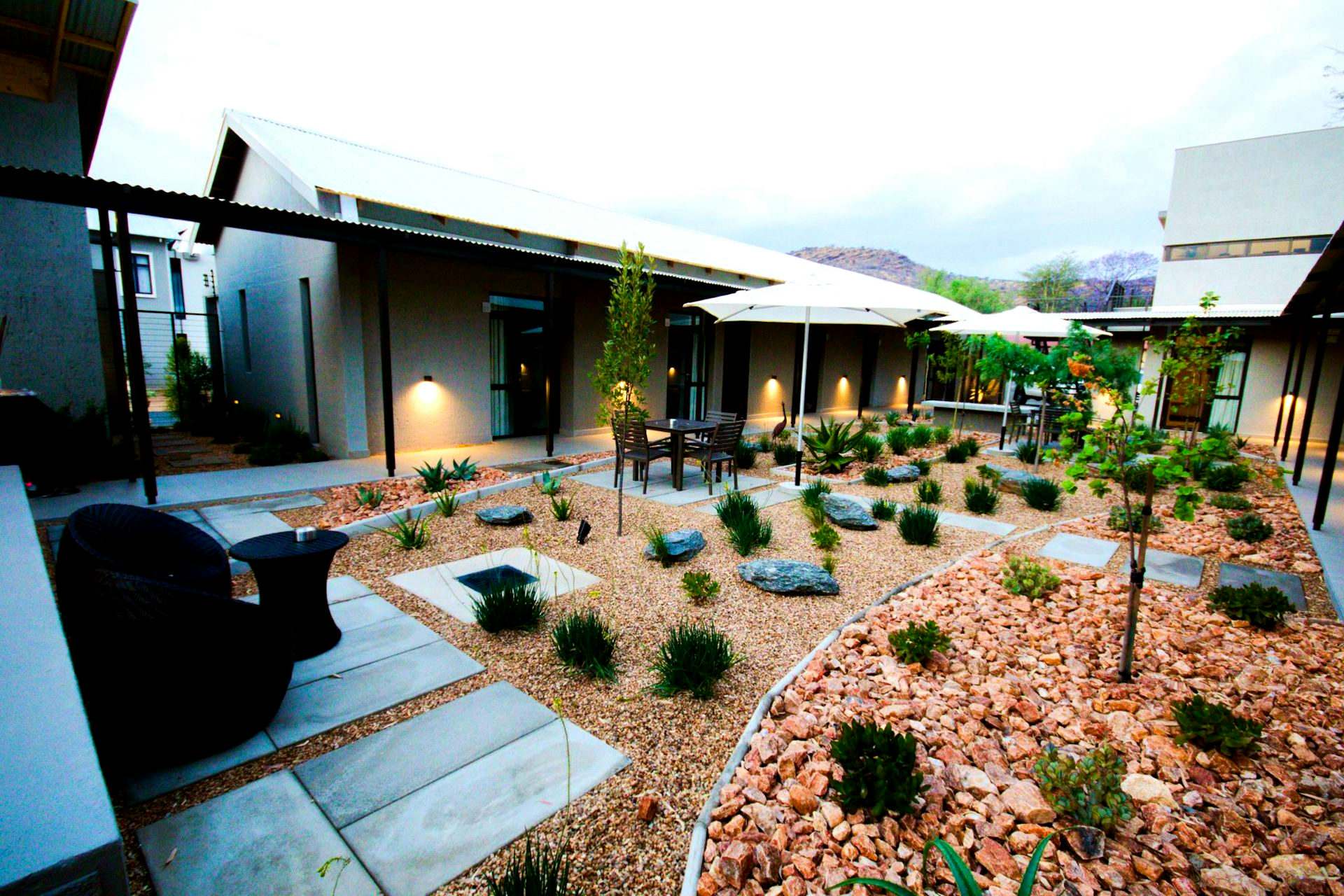
The Elegant Guest House
Klein Windhoek, Khomas
 4.4(387)
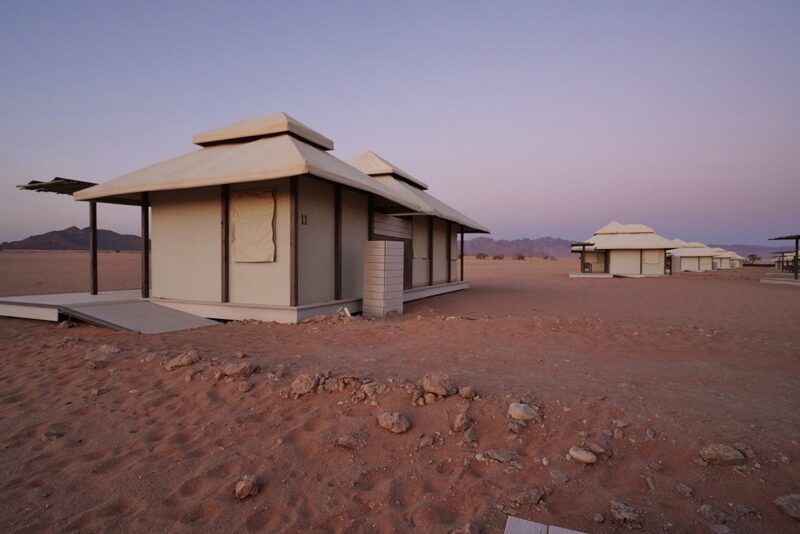
The Elegant Desert Lodge
Sesriem, Hardap
 4.3(249)
Dead Valley Lodge
Sesriem, Sossusvlei, Hardap
Ready to plan your trip?
Check live availability, compare lodges and book instantly — or send us an enquiry and we'll help shape the route.
Keep reading

See our safari advice first on Google
One tap tells Google you want Safari Stays shown higher when you search for safari and travel news. It takes a second and you can undo it anytime.
Make Safari Stays a preferred source on Google