Your Guide: What to Pack for a Namibia Safari
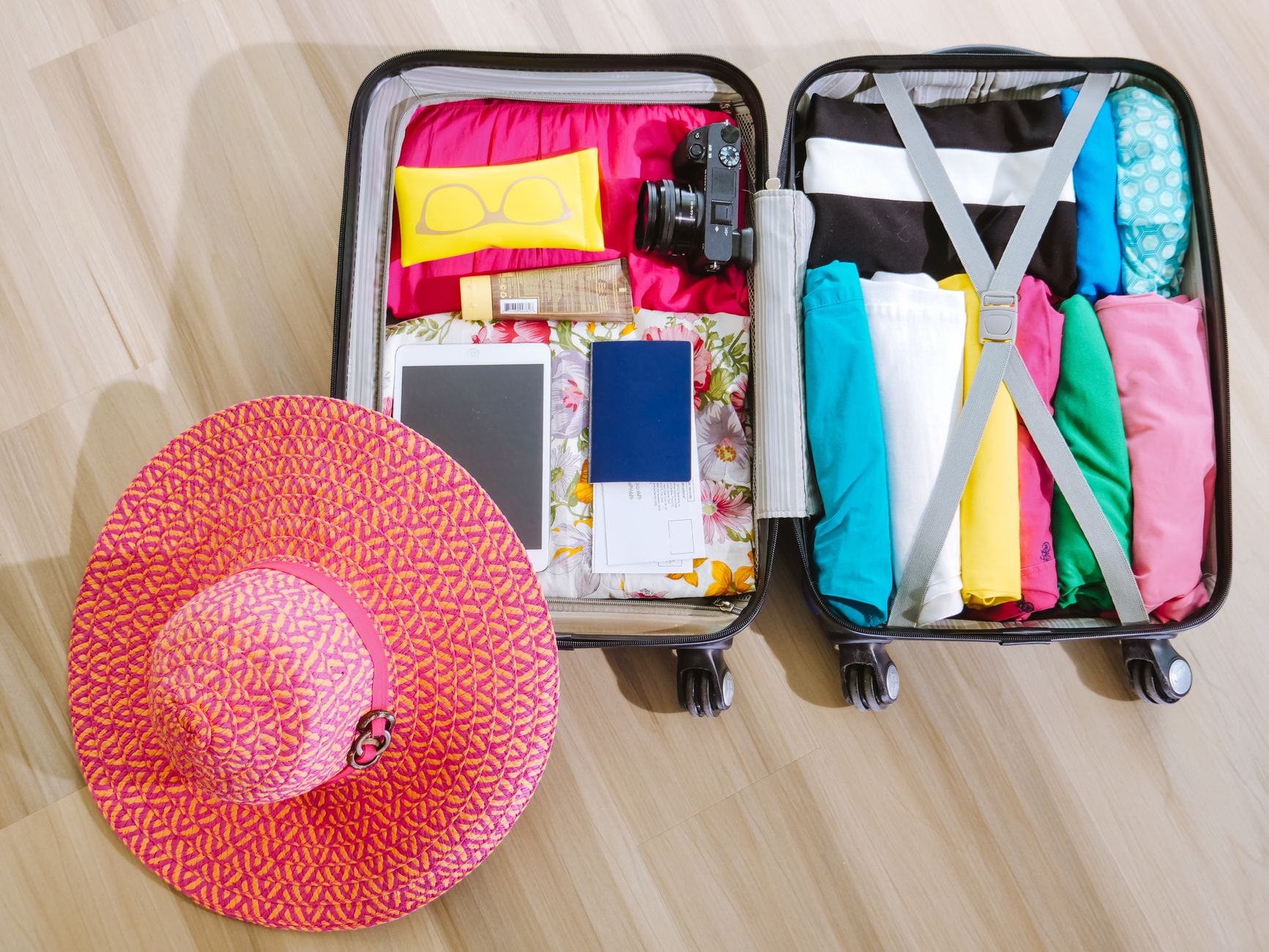
The thrill of a Namibian safari begins long before you touch down on its vast, ancient soils. It starts with a whisper of anticipation, a pin on a map, and the satisfying process of planning. As you prepare for your journey in early 2027, one of the most practical questions you'll ask is what to pack for a Namibia safari. Answering it correctly is the first step toward a seamless and comfortable adventure, ensuring you’re prepared for everything this land of dramatic contrasts has to offer.
Packing for Namibia isn't about bringing everything; it's about bringing the right things. This guide is designed to help you curate a suitcase that is light, versatile, and perfectly suited for the diverse climates and activities you will encounter, from the shimmering salt pans of Etosha to the stark beauty of the Skeleton Coast.
Understanding Namibia's Climate: January to June
The period from January to June marks a beautiful transition in Namibia. It begins in the heart of the southern hemisphere's summer, often called the 'green season,' and moves gently into the milder, drier days of autumn. Understanding this seasonal flow is key to packing effectively.
Inland, areas like the Kalahari and Etosha experience their hottest temperatures in January and February, often accompanied by spectacular afternoon thunderstorms that clear the air and bring the landscape to life. This is a time of renewal, when newborn animals dot the plains and the colours are at their most vibrant. By April and May, the rains typically subside, leaving behind lush greenery, clean air, and pleasantly warm days with cooler nights.
Conversely, the Atlantic coast maintains its own unique microclimate. Towns like Swakopmund can be surprisingly cool, even foggy, in the mornings, thanks to the cold Benguela Current. The sun often burns through the mist by midday, but a cool breeze is a near-constant companion. This dramatic difference between the coast and the interior is why a layered approach to your wardrobe is not just a suggestion, but a necessity.
The Safari Wardrobe: Layers and Neutral Colours
Your clothing choices will be the foundation of your comfort. The golden rules are to pack layers and stick to a palette of neutral, earthy tones. Bright colours can startle wildlife, while dark blue and black are known to attract tsetse flies in other parts of Africa (though less of a concern in arid Namibia, it's a good safari habit). White clothing, while cool, shows the inevitable dust of the road almost instantly.
Focus on lightweight, breathable, and quick-drying fabrics like cotton, linen, or modern technical blends. Mornings on a game drive vehicle can be brisk, but as the sun climbs higher, you’ll want to shed layers. Your daily attire should be adaptable.
For an ideal safari wardrobe, consider packing the following:
- Lightweight Tops: A mix of short-sleeved and long-sleeved t-shirts and shirts. Long sleeves are excellent for sun protection and keeping mosquitos at bay in the evenings.
- Fleece or Mid-Layer: A fleece jacket or warm mid-layer is essential for cool mornings and evenings, especially from April onwards.
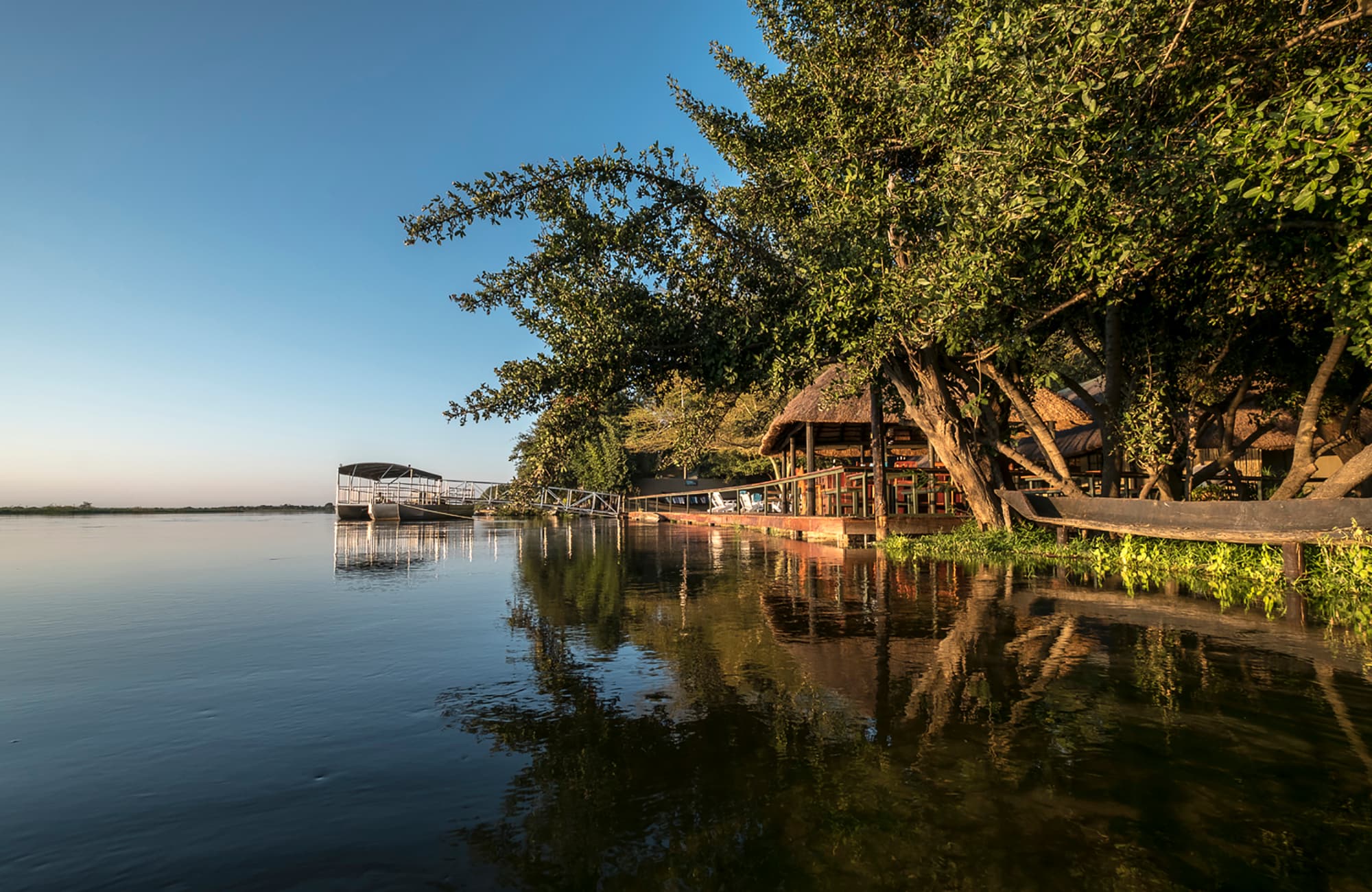
- A Windproof/Water-Resistant Jacket: A light jacket is perfect for wind protection on game drives and for the occasional shower during the green season. It's particularly useful for boat cruises in the lush Zambezi Region.
- Comfortable Trousers: Two to three pairs of durable trousers, such as chinos, convertible zip-off pants, or comfortable cargo pants.
- Shorts: A pair of shorts is great for warmer afternoons or relaxing around the lodge.
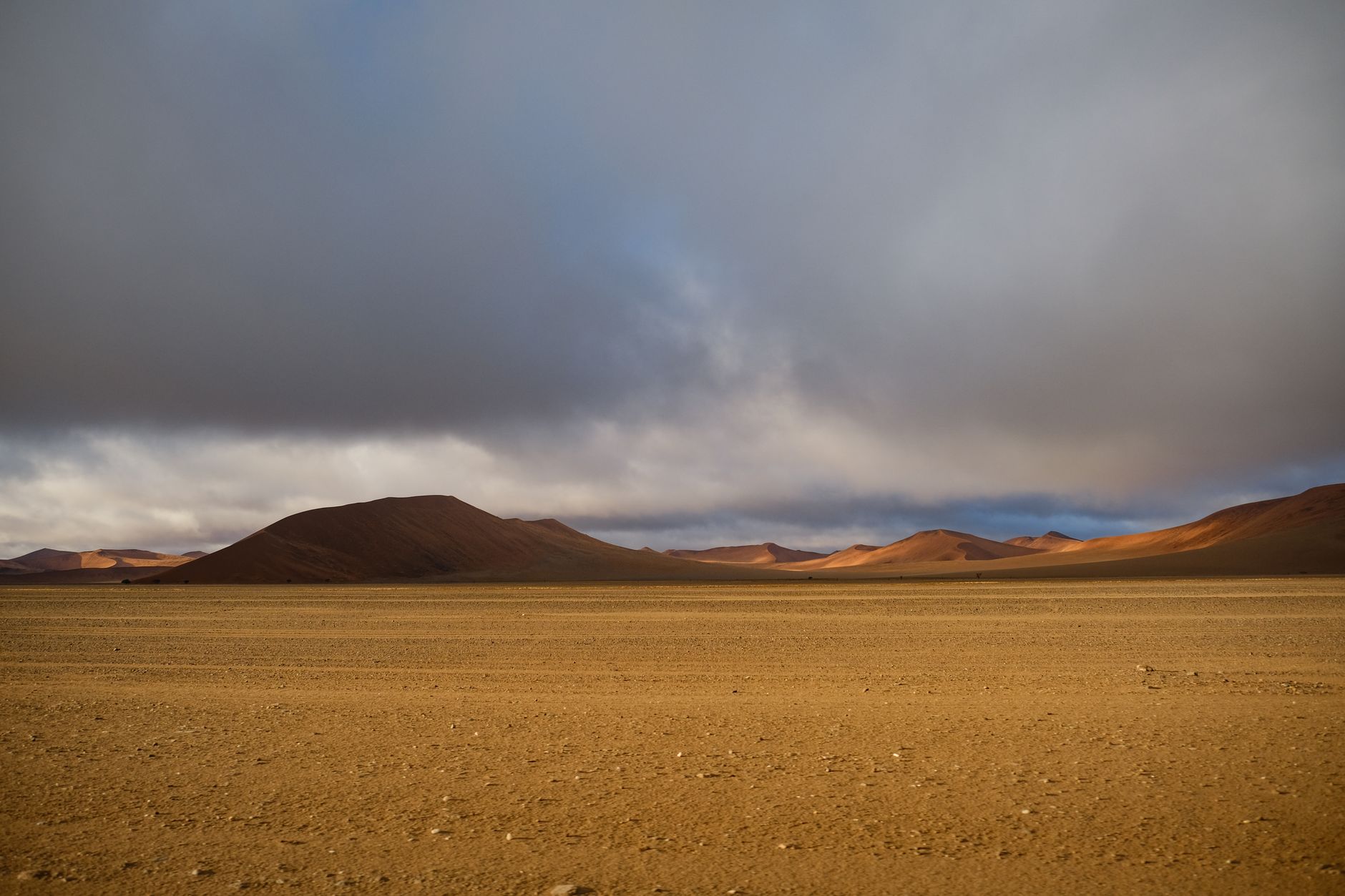
- Swimsuit: Many lodges, from the desert oases of Sossusvlei to the riverfront retreats of the north, have beautiful swimming pools. A stay at a place like Hoodia Desert Lodge isn't complete without a cooling dip after a day exploring the dunes.
- Smart-Casual Evening Wear: One or two slightly smarter outfits for dinner. There’s no need for formal wear; a clean shirt or a simple dress is perfectly appropriate for an evening at the lodge.
Footwear, Headwear, and Key Accessories
Beyond clothing, your choice of accessories can make or break your comfort. Your feet, in particular, will thank you for making wise decisions.
Sturdy, comfortable, and well-worn-in walking shoes are non-negotiable. Whether you’re climbing the iconic Dune 45 or taking a guided walk in Damaraland, you need reliable footwear. Trail running shoes or light hiking boots are ideal. Alongside these, pack a pair of sandals, flip-flops, or comfortable slip-on shoes for downtime at your accommodation.
Sun protection is paramount. The Namibian sun is intense, even on overcast days. A wide-brimmed hat is your most important shield against the sun's rays—more effective than a simple baseball cap, as it protects your neck and ears. Pair this with high-quality, polarized sunglasses to cut through the glare and protect your eyes.
A lightweight scarf, shawl, or Buff is another incredibly versatile item. It can provide sun protection for your neck, be used to cover your mouth and nose on dusty roads, or add a little extra warmth on a chilly evening.
Finally, a comfortable daypack is essential for excursions. Use it to carry your water bottle, sunscreen, camera, binoculars, and any layers you might shed during the day. It keeps your hands free and your essentials organised and accessible.
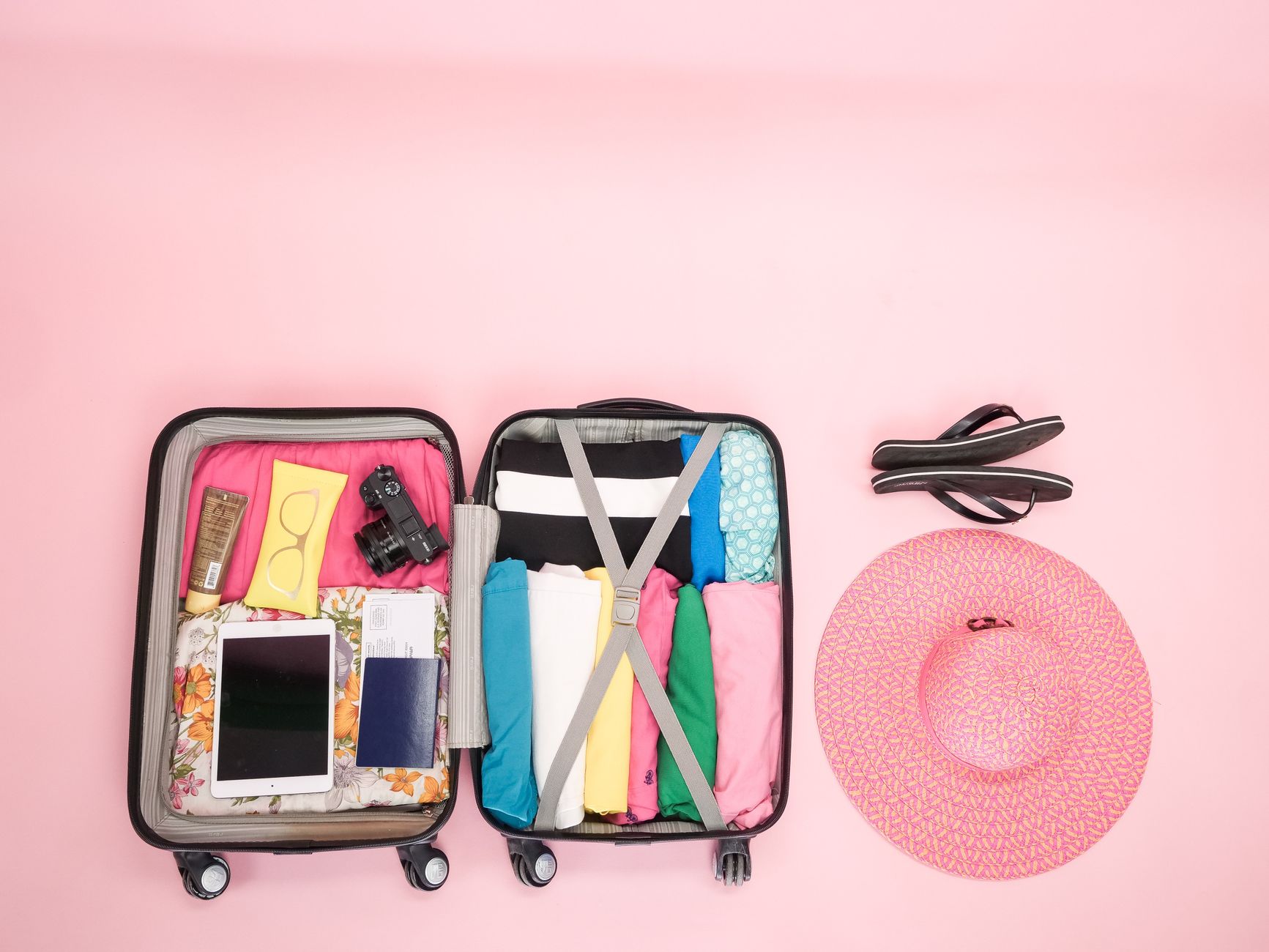
What to Pack for a Namibia Safari: Beyond the Clothes
With your wardrobe sorted, it’s time to consider the other items that will ensure a smooth journey. These are the practical tools and documents that round out a well-packed bag.
Health and Toiletries
While you can buy basics in larger towns, it’s best to bring your preferred brands from home. Pack high-SPF, broad-spectrum sunscreen (SPF 30-50+), a good insect repellent containing DEET for evenings (especially in the northern regions), and SPF lip balm. A small personal first-aid kit with plasters, antiseptic wipes, pain relievers, and any personal prescription medications is also a wise addition.
Electronics and Optics
Namibia is a photographer’s dream, so don't forget your camera. Bring extra batteries and memory cards, as you'll take more photos than you expect. A power bank is a lifesaver for charging devices on the go, especially if you're camping or moving between lodges. Namibia uses Type D and M plug sockets, so a universal travel adapter is crucial.
Perhaps the most important piece of safari equipment is a good pair of binoculars. They transform a wildlife sighting from a distant speck into an intimate observation. A pair for each person is ideal to avoid disappointment.
Important Documents
Keep your passport (valid for at least six months), visa (if required for your nationality), and flight details in a safe, accessible place. Also carry your driver’s license if you're on a self-drive adventure, as well as a copy of your travel insurance policy. It's a good practice to have both digital and physical copies of these critical documents.
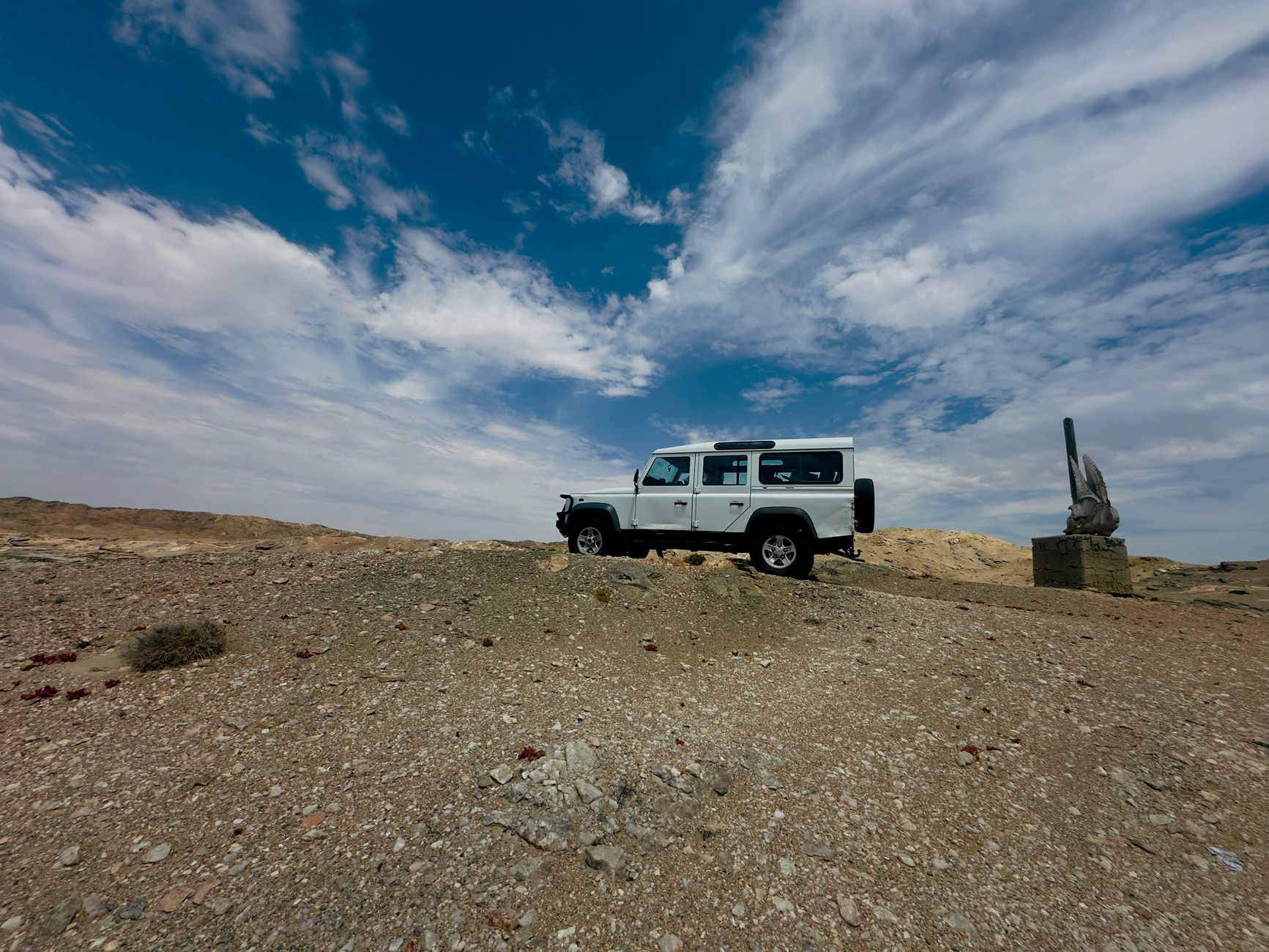
For those embarking on an epic self-drive journey through the country's wilder corners, a well-equipped 4x4 and a lodge like Serondela Lodge on the banks of the Chobe River can serve as a perfect, restorative base.
Luggage Considerations
If your itinerary includes any light aircraft flights, such as to remote lodges in Etosha or the Skeleton Coast, be aware of strict luggage limitations. These flights typically require soft-sided bags (no hard shells or wheels) and have weight restrictions, often around 15-20 kg per person including hand luggage. Always check with your airline or tour operator in advance.
Ultimately, preparing for your trip is an act of imagination, a way of stepping into the adventure before it begins. By carefully considering what to pack for a Namibia safari, you free yourself to fully immerse in the experience—to feel the sun on your skin, to watch an elephant silently amble past, and to gaze upon a sky so full of stars you’ll feel like you can touch them. Pack smart, travel light, and prepare for the journey of a lifetime.
Where to stay in Sossusvlei & Namib
Browse handpicked places to stay — many with live availability and instant booking.
 4.4(291)
The Elegant Guest House
Klein Windhoek, Khomas
 4.4(387)
The Elegant Desert Lodge
Sesriem, Hardap
 4.3(249)
Dead Valley Lodge
Sesriem, Sossusvlei, Hardap
 5(3)
5(3)Hakusembe River Camping2Go
Kavango River, 16km west of Rundu
 4(378)
Brandberg Rest Camp
Uis, Damaraland, Erongo
 4.5(346)
Zambezi Mubala Camp
Zambezi River, 40km east of Katima Mulilo
Ready to plan your trip?
Check live availability, compare lodges and book instantly — or send us an enquiry and we'll help shape the route.
Keep reading

See our safari advice first on Google
One tap tells Google you want Safari Stays shown higher when you search for safari and travel news. It takes a second and you can undo it anytime.
Make Safari Stays a preferred source on Google