Is it Safe to Self-Drive in Namibia? A 2027 Guide

The question echoes in the minds of many planning their first great African road trip: is it safe to self drive in Namibia? As curators of the country's finest lodges, it's a query we receive often. The short answer is a resounding yes. Namibia is not only safe for a self-drive adventure, it is arguably one of the best ways to experience the profound, soul-stirring beauty of its vast landscapes.
The longer answer is that safety here is synonymous with preparation. A self-drive trip in Namibia is unlike a road trip in Europe or North America. It’s an adventure that rewards the well-informed traveller with unparalleled freedom, solitude, and moments of pure wonder. As you begin planning your journey for early 2027, this guide will provide the grounded, practical advice you need to explore with confidence.
The Freedom of the Open Road
There is a unique magic to being behind the wheel in Namibia. It’s the feeling of watching the tarred road dissolve into a perfectly graded gravel track, leading you deeper into an ancient desert. It’s the freedom to stop and watch a herd of springbok pronk across the plains, with no other vehicle in sight for miles.
A self-drive itinerary puts you in complete control. You can linger over a breathtaking sunrise in the Kalahari, take an impromptu detour to a roadside farm stall, or spend an extra hour tracking desert-adapted elephants. You are not bound by a group’s schedule; the rhythm of the journey is entirely your own.
This independence allows you to connect with the country on a much deeper level, creating a narrative that is uniquely yours. From the stark beauty of the south to the lush river systems of the north, the entire country unfolds before you, accessible and awe-inspiring.
So, Is It Safe to Self-Drive in Namibia? The Real Considerations
Yes, it is. But safety isn’t a passive state; it’s a result of conscious choices and good planning. The risks involved in a Namibian self-drive are not typically related to crime, but rather to the environment itself: the vast distances, the road surfaces, and the ever-present wildlife. Understanding these factors is the key to a secure and seamless journey.
Navigating Namibia’s Roads
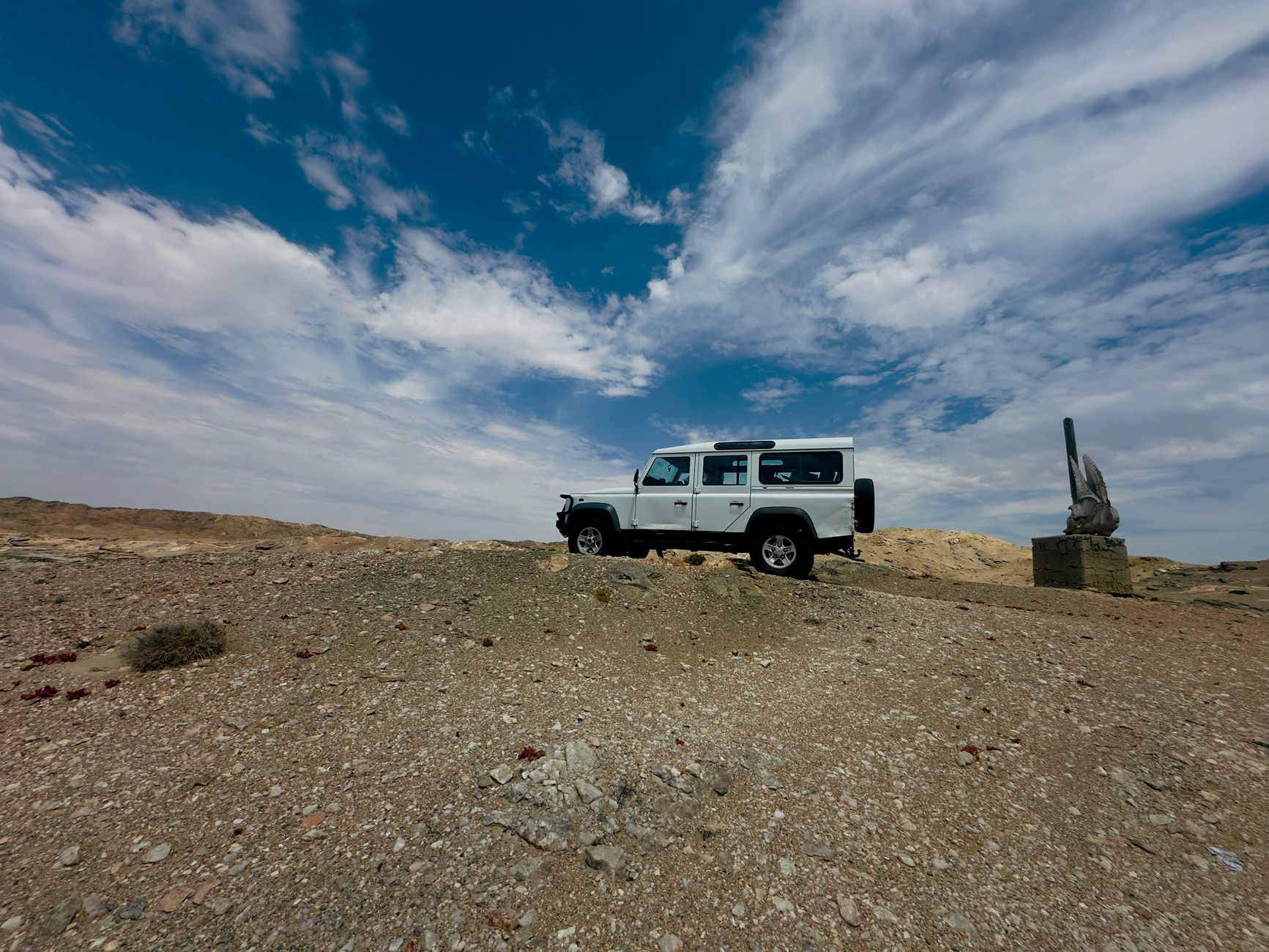
Namibia's road network is excellent but different from what many international visitors are used to. Main arteries (B-roads) are generally tarred and in excellent condition. However, the majority of the roads that lead to the country's most iconic destinations are gravel (C and D-roads).
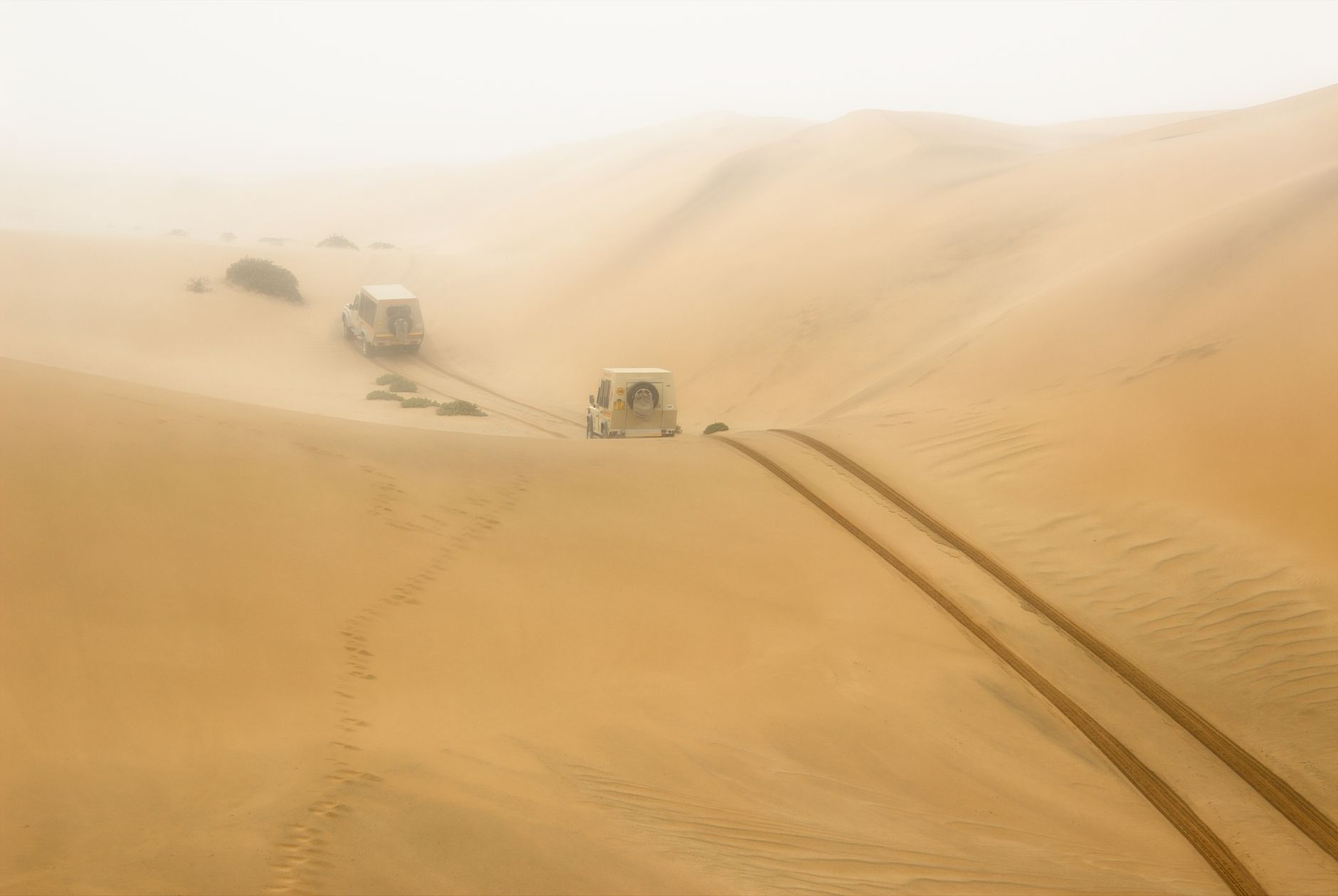
These gravel roads are well-maintained, but they command respect. Speed is the single most important safety factor. Driving too fast on gravel can easily lead to a loss of control or a tyre puncture. The golden rule is to reduce your speed significantly—80 km/h is a widely recommended maximum, but you should always adjust for the specific conditions.
For those venturing into more remote regions like the iconic Damaraland or the far north, a 4x4 vehicle is not just a recommendation, it's a necessity. Even on main routes, the higher clearance and more robust suspension of a 4x4 provide a safer, more comfortable ride. As you plan for the January to June season, remember that the early months can still see rainfall, making some tracks muddy or impassable without four-wheel drive.
Wildlife on and off the Road
One of the great joys of driving through Namibia is the unfenced nature of its wild spaces. This means you can encounter anything from an oryx to a giraffe right beside the road. While an incredible sight, it also requires constant vigilance.
Kudu are particularly notorious for jumping in front of vehicles, especially during the low-light hours of dawn and dusk. This is the primary reason why driving after sunset is strongly discouraged. Plan your daily travel to ensure you arrive at your destination, such as the tranquil Desert Whisper near Sossusvlei, with plenty of daylight to spare.
When you see animals, slow down and give them space. Never hoot or try to chase them. Remember, you are a guest in their home. The simple act of slowing down protects both you and Namibia's precious wildlife.
Personal Safety and Security
For visitors, Namibia has a low rate of violent crime. The primary concern, as in any travel destination, is petty theft, particularly in larger urban centres. When in cities like Windhoek or Swakopmund, it’s wise to practice common-sense security.
- Always lock your vehicle's doors, whether you are inside it or not.
- Never leave valuables like cameras, phones, or wallets visible in the car. Store them in the boot or your glove compartment.
- Be aware of your surroundings when drawing cash from an ATM.
- When you check into your accommodation for the night, take your important documents and electronics inside.
Starting or ending your journey at a secure, welcoming property like The Weinberg Urban Pods in the capital provides peace of mind and a comfortable base from which to organise your vehicle and supplies before heading into the wild.
Essential Tips for Your 2027 Namibian Road Trip
Preparation is everything. With your trip planned for the first half of 2027, you have ample time to get the details right. Beyond choosing the right vehicle, a few key preparations will make all the difference.
Fuel and Supplies: Distances between towns can be vast. The rule is to never pass a petrol station without filling up your tank if it's less than half full. Many modern 4x4 rentals come equipped with a long-range fuel tank, which is an excellent feature. Always carry a generous supply of drinking water (at least 5 litres per person per day) and some non-perishable snacks in case of a delay.
Navigation: While major roads are well-signposted, you cannot rely solely on your phone's data connection for navigation. Download offline maps using an app like Google Maps or, for more detailed tracks, invest in Tracks4Africa. A traditional paper map is also a fantastic, fail-safe backup and a great tool for visualising your epic journey.
Communication: Purchase a local SIM card from MTC or TN Mobile upon arrival at Hosea Kutako International Airport. This will provide you with affordable data and a local number, which is invaluable for confirming bookings or calling for assistance if needed. Coverage is good around towns but will be patchy or non-existent in remote areas and national parks. Many travellers opt to rent a satellite phone for absolute peace of mind, especially if journeying to very remote locations like the Skeleton Coast and its otherworldly Shipwreck Lodge.
Tyres: You must know how to change a tyre. Punctures are the most common issue travellers face on gravel roads. Ensure your rental vehicle comes with two full-size spare tyres and that you know where the jack and tools are located. Ask the rental company for a demonstration before you depart.
Ultimately, a self-drive trip in Namibia is an accessible and deeply rewarding adventure for the prepared traveller. By respecting the road conditions, being mindful of wildlife, and taking sensible precautions, you are setting yourself up for the journey of a lifetime. The answer to is it safe to self drive in Namibia is a confident yes—an invitation to embrace the open road and discover a land of staggering beauty at your own pace.
Where to stay in Sossusvlei & Namib
Browse handpicked places to stay — many with live availability and instant booking.
 4.4(291)
The Elegant Guest House
Klein Windhoek, Khomas
 4(378)
Brandberg Rest Camp
Uis, Damaraland, Erongo
 3.9(19)
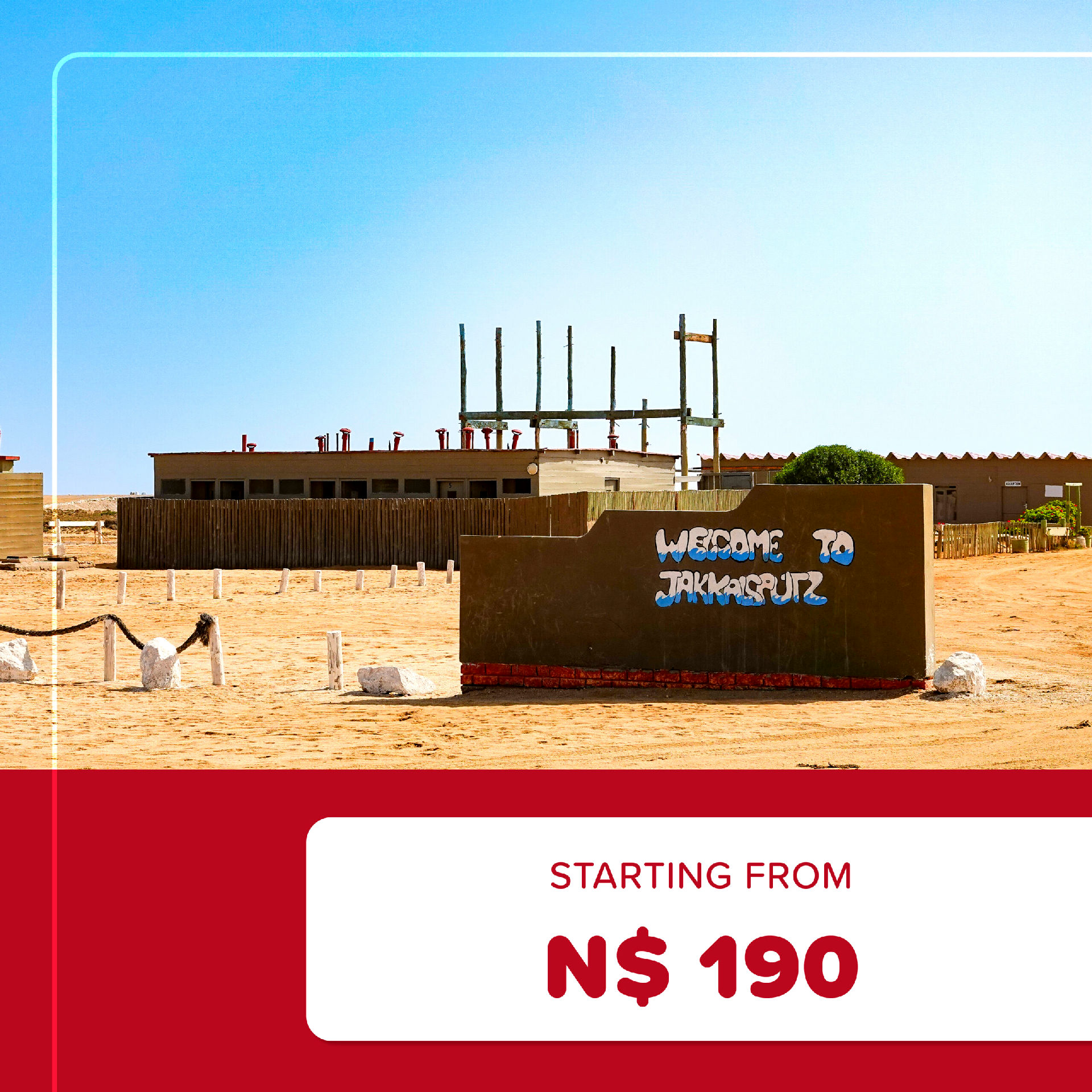
Jakkalsputz Campsite
Dorob National Park, near Henties Bay, Erongo
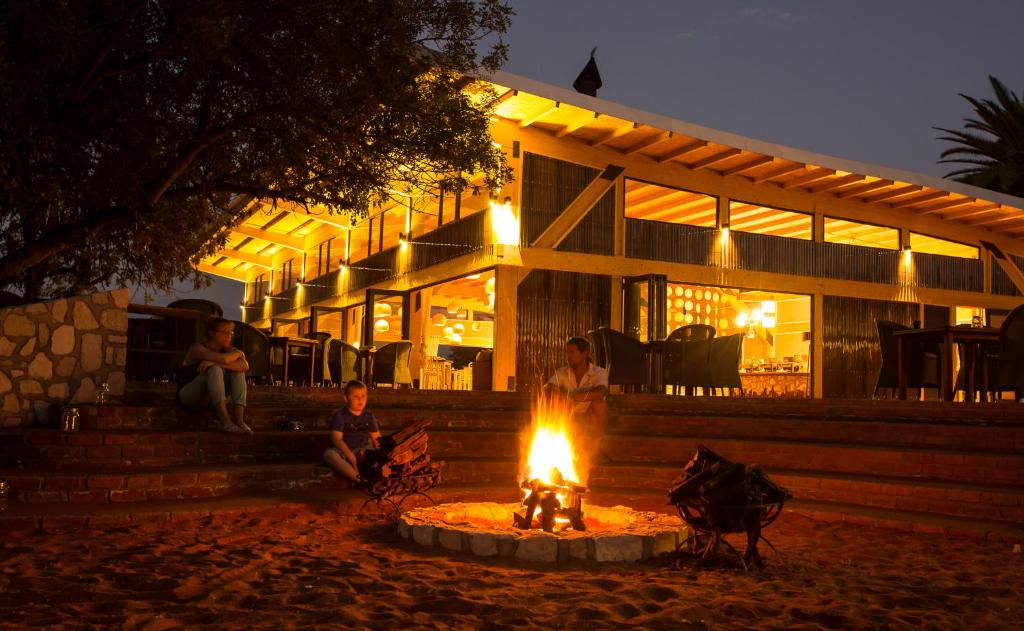 4.6(1136)
Kalahari Anib Lodge
Kalahari, 30 km from Mariental
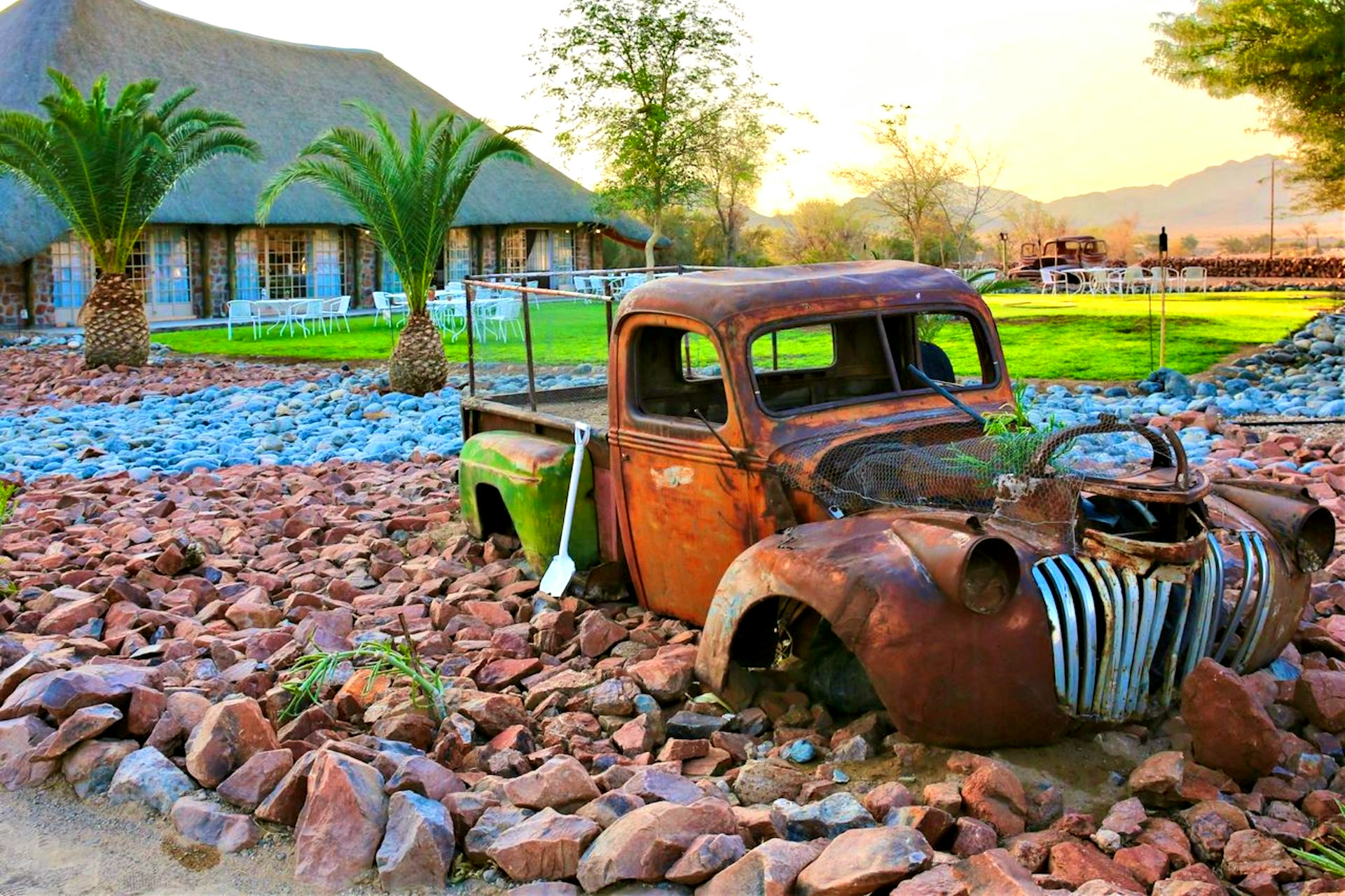 4.4(387)
The Elegant Desert Lodge
Sesriem, Hardap
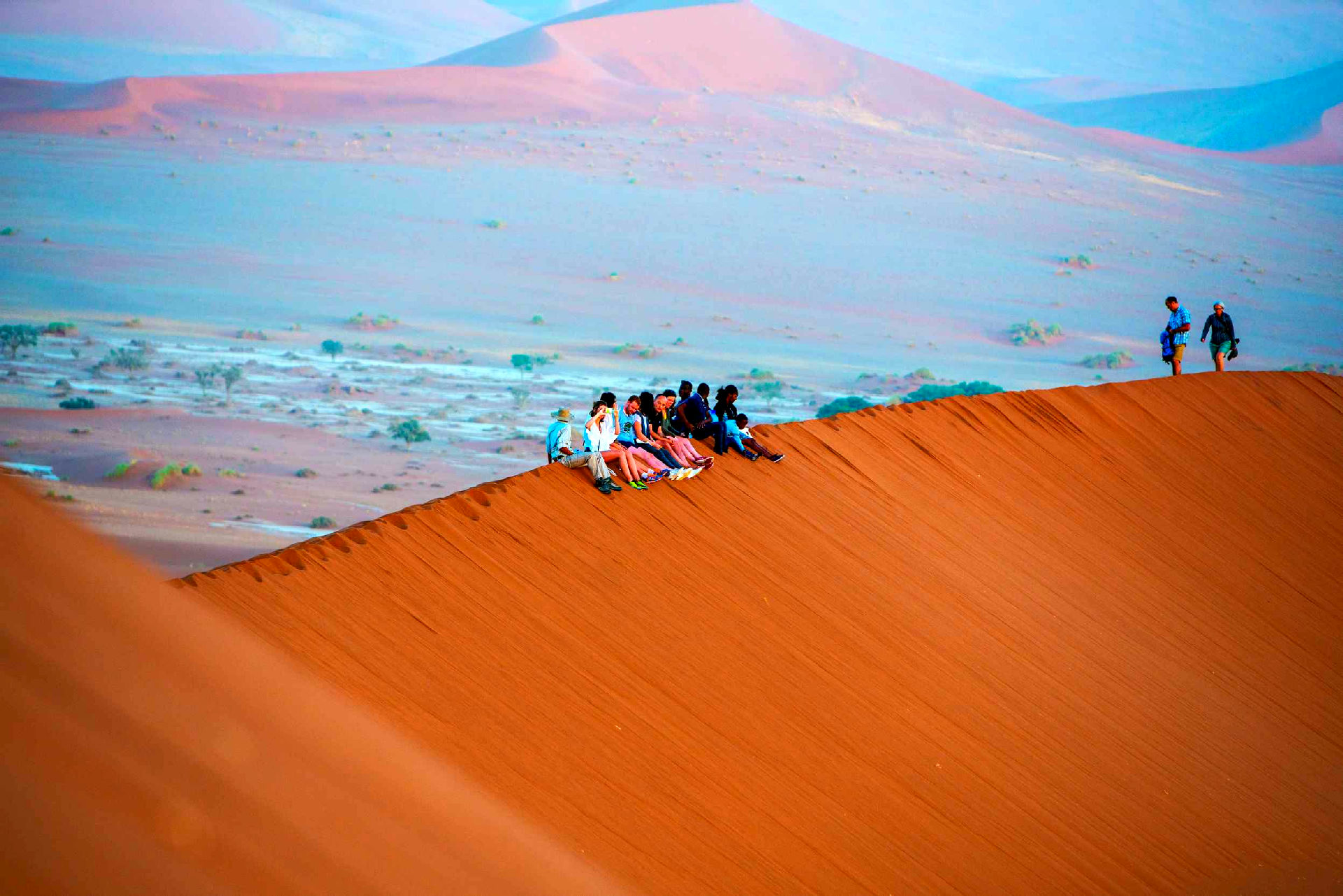 4.1(272)
Sossus Dune Lodge
Sesriem, Namib-Naukluft National Park, Hardap
Ready to plan your trip?
Check live availability, compare lodges and book instantly — or send us an enquiry and we'll help shape the route.
Keep reading
See our safari advice first on Google
One tap tells Google you want Safari Stays shown higher when you search for safari and travel news. It takes a second and you can undo it anytime.
Make Safari Stays a preferred source on Google