What to Pack for Namibia's Rainy Season
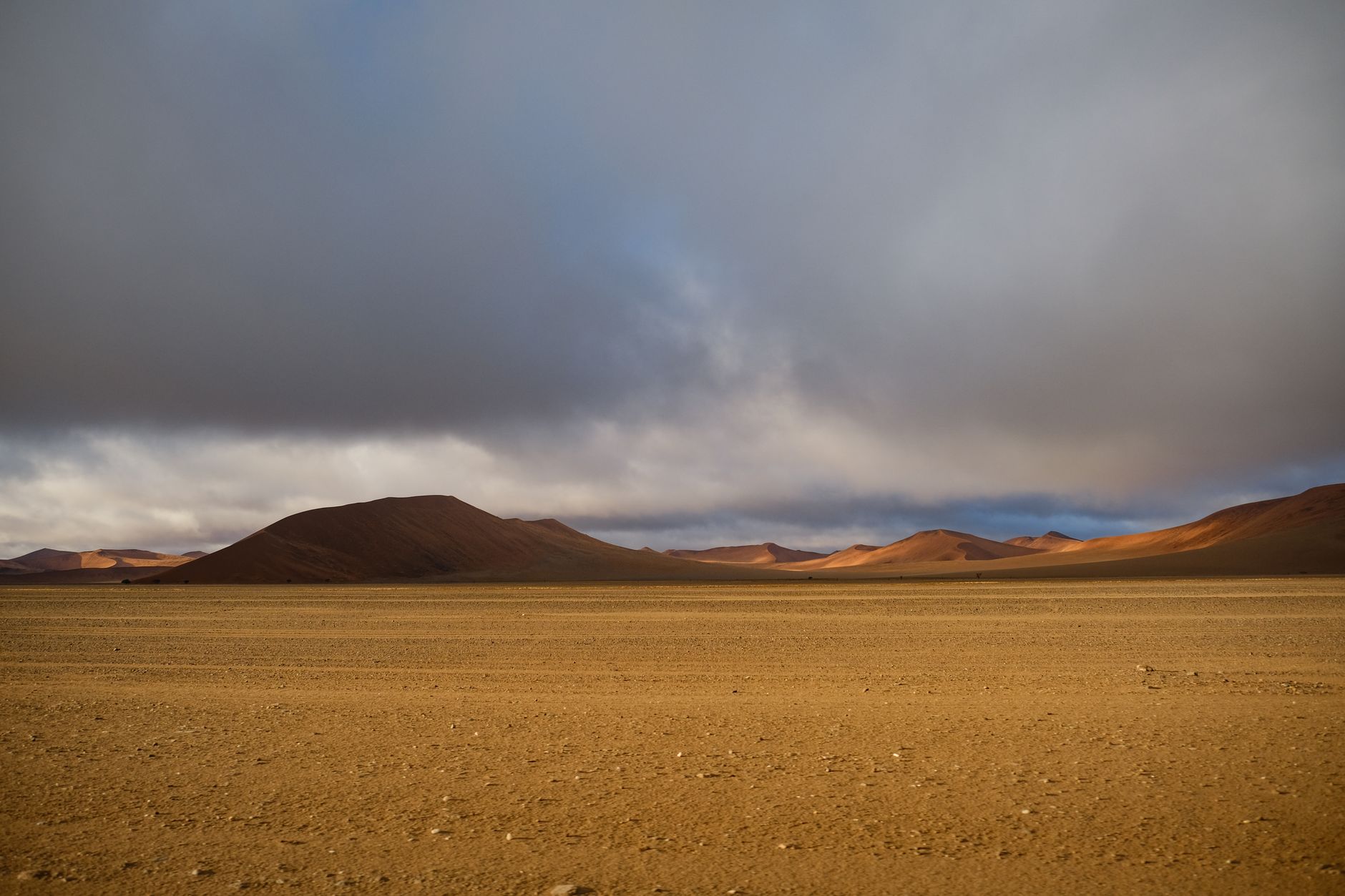
Namibia’s rainy season is a time of profound transformation, a period when the vast, sun-baked landscapes receive life-giving water and burst into vibrant life. If you are planning a trip for early next year, you might be wondering exactly what to pack for Namibia rainy season. It's a valid question for a country primarily known for its arid deserts. This guide is here to ensure you arrive perfectly prepared for one of the most magical times to visit.
Often called the ‘green season’, this period—typically from January to April—is not one of constant downpours. Instead, it’s characterized by magnificent afternoon thunderstorms that are as dramatic as they are brief, clearing the air and leaving behind a world washed clean and shimmering. It’s a time of baby animals, incredible birdwatching, and photography opportunities that are simply without parallel.
Understanding Namibia's 'Green Season'
The term ‘rainy season’ can be misleading. Unlike tropical destinations with relentless monsoons, Namibia’s rains are often localized and fleeting. The days are generally hot and sunny, with clouds building in the afternoon for a spectacular, and often welcome, downpour that cools the earth and settles the dust.
Temperatures during these months can be high, often exceeding 30°C (86°F), especially in the interior. The humidity also rises, which can be a change for those accustomed to Namibia’s typically dry heat. The key takeaway is that you will be travelling in a warm, and occasionally wet, environment.
This is the season of renewal. The parched riverbeds of Damaraland may see flowing water for the first time in months, triggering a flush of green across the plains. In Etosha, waterholes fill, dispersing wildlife across the park but also bringing out a dazzling array of birdlife. It’s a spectacle of nature at its most resilient and rewarding.
Different regions experience the season differently. The northern and Zambezi regions receive significantly more rainfall than the southern deserts. Your itinerary will influence your packing specifics, but a core set of principles applies to any green season safari.
What to Pack for Namibia Rainy Season: The Essentials
Packing for this dynamic season is about versatility. Think lightweight layers, quick-drying fabrics, and reliable protection from both sun and rain. Forget heavy winter gear; think smart, adaptable, and comfortable.
Clothing: Lightweight and Layerable
Your wardrobe should be built around breathable fabrics that dry quickly. Cotton is generally best avoided as it holds moisture and takes a long time to dry. Opt for technical fabrics, merino wool blends, or linen.
- Lightweight long-sleeved shirts: These are your best friend in the Namibian bush. They protect you from the intense sun during the day and from mosquitoes in the evening. Choose neutral, earthy tones like khaki, beige, or olive.
- T-shirts and tops: A few comfortable t-shirts or tank tops are great for relaxing at your lodge or for hotter parts of the day.
- Comfortable trousers or shorts: A couple of pairs of sturdy safari trousers are ideal. Zip-off convertible pants can be very practical. Bring a pair of shorts for warm days.
- A fleece or mid-layer: Evenings and early mornings can still have a chill, especially in the desert or at higher altitudes. A fleece or light sweater is essential for layering.
- Swimsuit: Many lodges, like the stunning Hoodia Desert Lodge near Sossusvlei, have beautiful pools that are perfect for cooling off during the midday heat.
- Smart-casual evening wear: For dinners at the lodge, a fresh shirt or a simple dress is a nice touch. There's no need for formal wear.
Footwear: Sturdy and Sensible
Your feet will carry you through some incredible places, so treat them well. You’ll need a combination of sturdy and comfortable options.
For most activities, like game drives and guided walks, a pair of closed-toe, waterproof walking shoes with good grip is perfect. You don’t need heavy-duty hiking boots unless you have specific, strenuous treks planned. Comfort and support are the main goals.
A pair of comfortable sandals or flip-flops is essential for wearing around the lodge, by the pool, or to give your feet a break at the end of the day.
Outerwear: Essential Rain Protection
This is the one item that defines a rainy season packing list. A lightweight, breathable, and properly waterproof jacket is non-negotiable. It will be your shield during those sudden afternoon showers, whether you are on a game drive or exploring on foot. Look for one that can be easily packed into a small day bag.
A small, collapsible umbrella can also be surprisingly useful, both for rain and as a personal sunshade during the hot, clear parts of the day.
Beyond the Basics: Health, Tech, and Documents
With your wardrobe sorted, a few other key items will ensure your trip is smooth, safe, and well-documented.
Health and Wellness
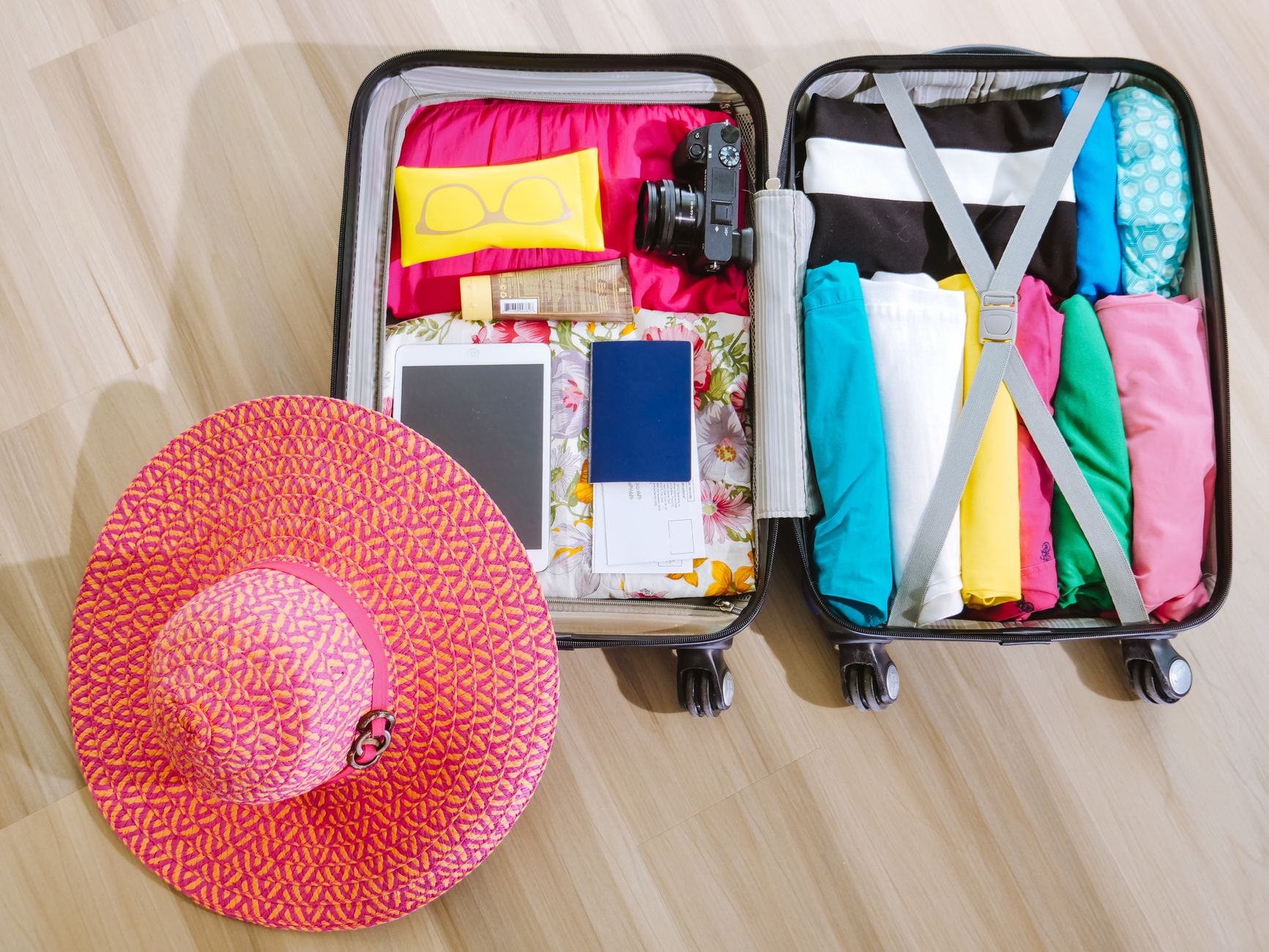
Protection from the elements is crucial. A high-SPF sunscreen (SPF 30+) is a must, as the sun is fierce even on cloudy days. A wide-brimmed hat and quality sunglasses are equally important for sun protection.
With more standing water, mosquito populations increase, especially in the northern regions like the Zambezi. A good insect repellent containing DEET is essential. It's also wise to consult your doctor or a travel clinic well in advance of your trip regarding malaria prophylaxis, particularly if you are visiting the Zambezi Region.
Always travel with a personal first-aid kit containing basics like antiseptic wipes, plasters, pain relievers, and any personal prescription medications. It’s also wise to include antihistamines and after-sun lotion.
Electronics and Photography
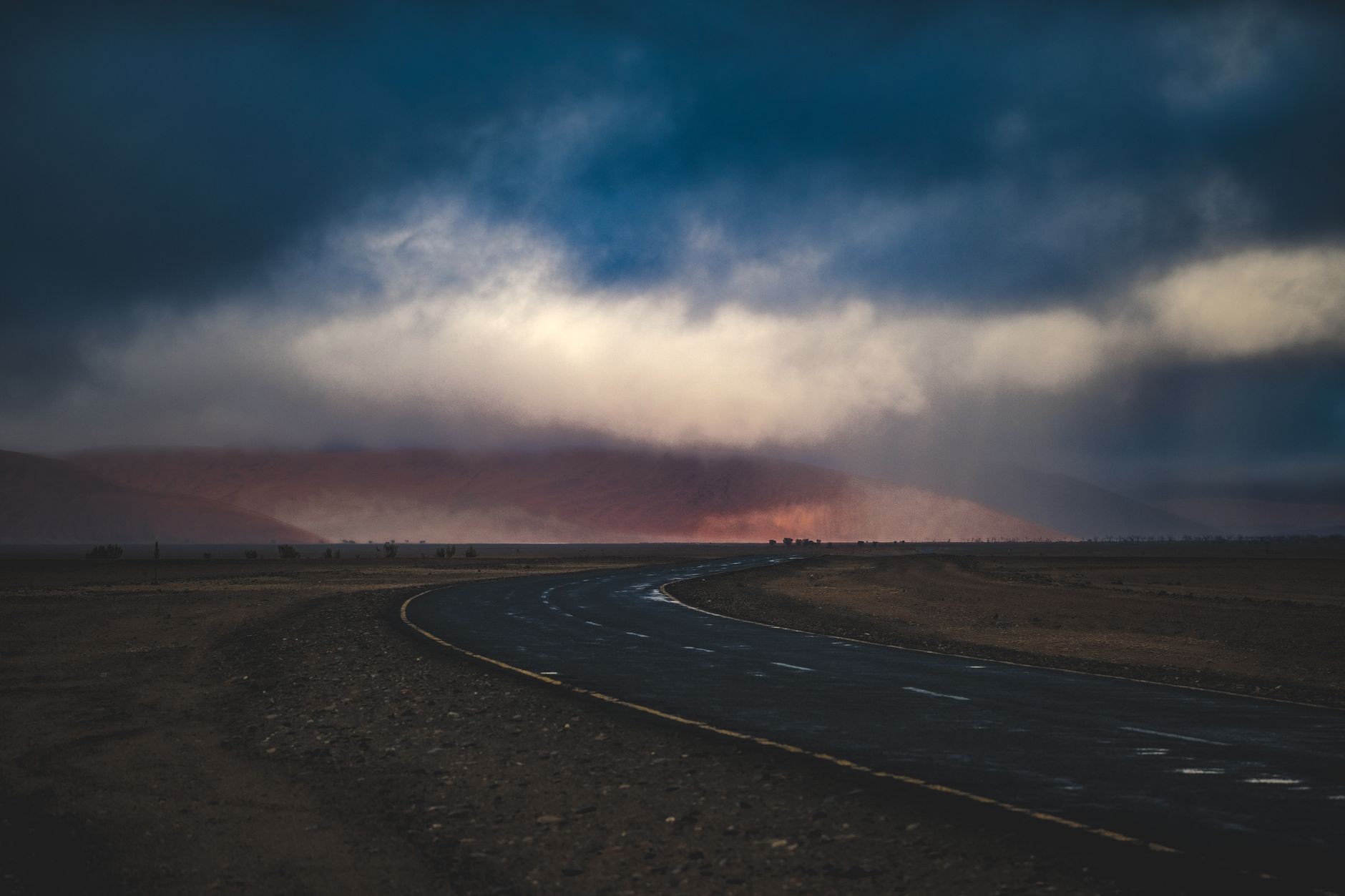
The green season is a photographer's dream. The dramatic skies, lush landscapes, and vibrant wildlife create endless opportunities. Make sure you are ready to capture it.
Bring extra batteries for your camera and a power bank. While lodges have charging facilities, a power bank ensures your phone and camera are always ready, especially on long drives. A universal travel adapter is also essential.
To protect your gear from sudden downpours, consider a waterproof camera bag or, at a minimum, a few dry bags. These are inexpensive, lightweight, and can save your valuable electronics from water damage. A lens cloth is also handy for wiping away raindrops.
Important Documents
Ensure your passport is valid for at least six months beyond your planned departure date from Namibia. Check visa requirements for your nationality well in advance.
Carry both physical and digital copies of your passport, flight tickets, travel insurance, and lodge booking confirmations. Save digital copies to a secure cloud service or email them to yourself.
If you are planning a self-drive adventure, don't forget your valid driver's license. An International Driving Permit is recommended.
Region-Specific Considerations
While the core list remains the same, you might add a few items depending on where your Namibian journey takes you.
For the sub-tropical north, especially the riverine environments of the Zambezi, your waterproof gear and insect repellent are paramount. Here, lodges like the beautiful Serondela Lodge offer incredible water-based activities where you will be grateful for that rain jacket.
In the southern deserts like the Kalahari and near Sossusvlei, rain is less frequent but can cause flash floods when it arrives. The landscape transformation is breathtaking. Here, the focus remains on sun protection and preparing for hot days and cooler nights.
Along the coast at Swakopmund and the Skeleton Coast, the climate is a world apart. It's much cooler, often misty, and largely unaffected by the interior’s rainfall patterns. You will definitely need that fleece or mid-layer here.
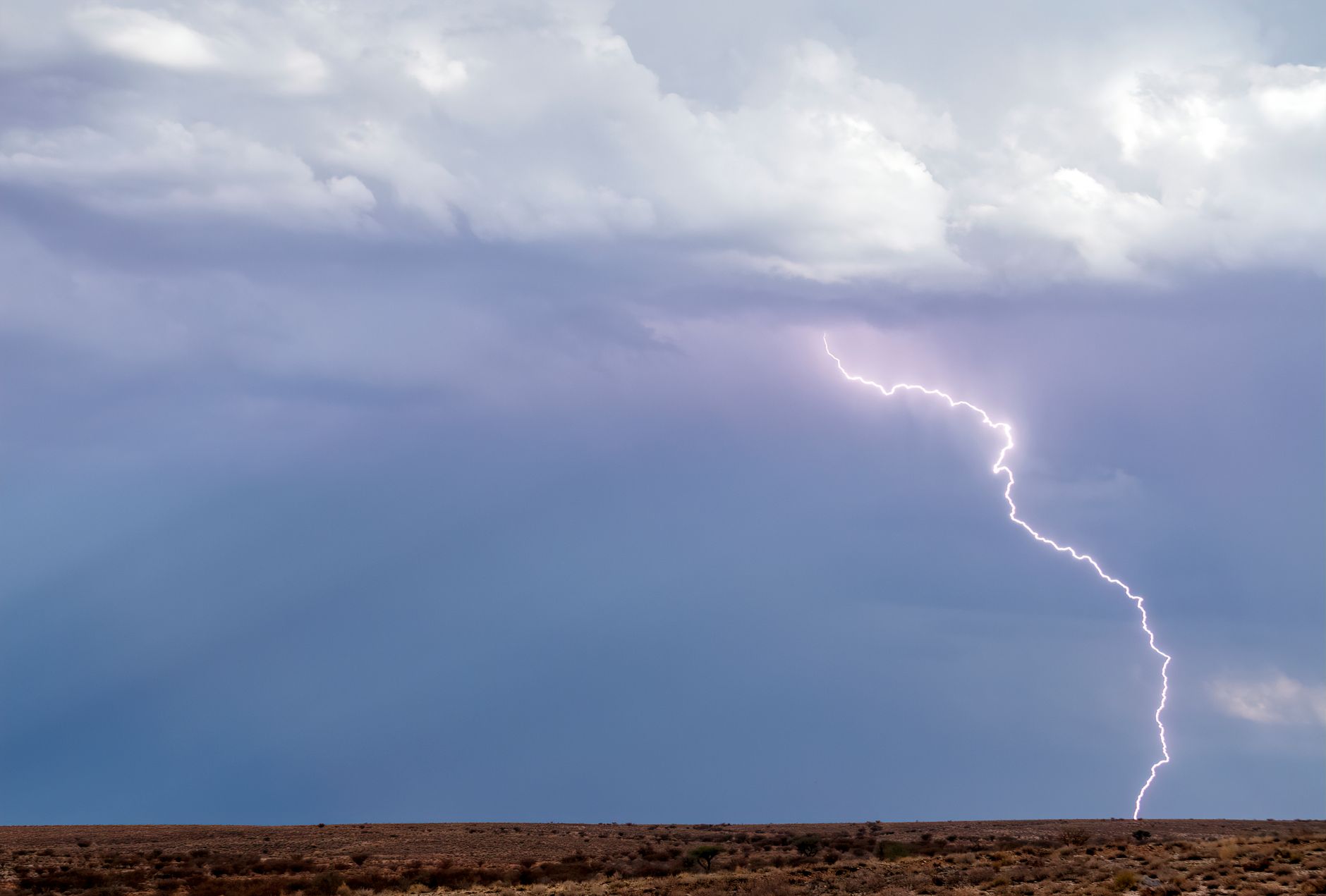
Ultimately, a trip to Namibia during the green season is an experience of spectacular renewal and life. The dramatic storms, the emerald landscapes, and the abundant wildlife create a safari that is deeply memorable. By knowing what to pack for Namibia rainy season, you ensure that you are prepared for every beautiful eventuality, allowing you to simply immerse yourself in the magic of it all.
Where to stay in Sossusvlei & Namib
Browse handpicked places to stay — many with live availability and instant booking.
 4.4(387)
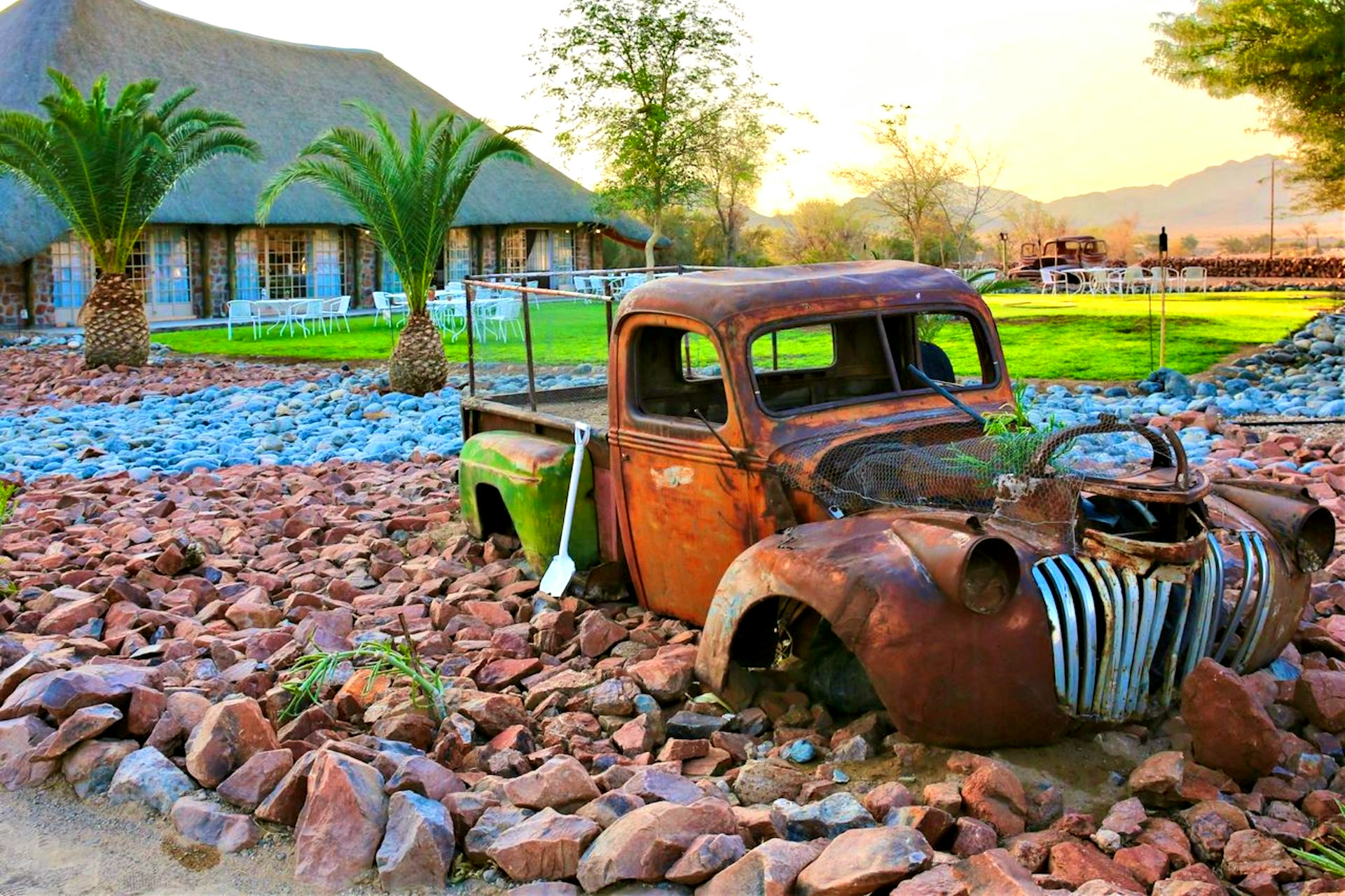
The Elegant Desert Lodge
Sesriem, Hardap
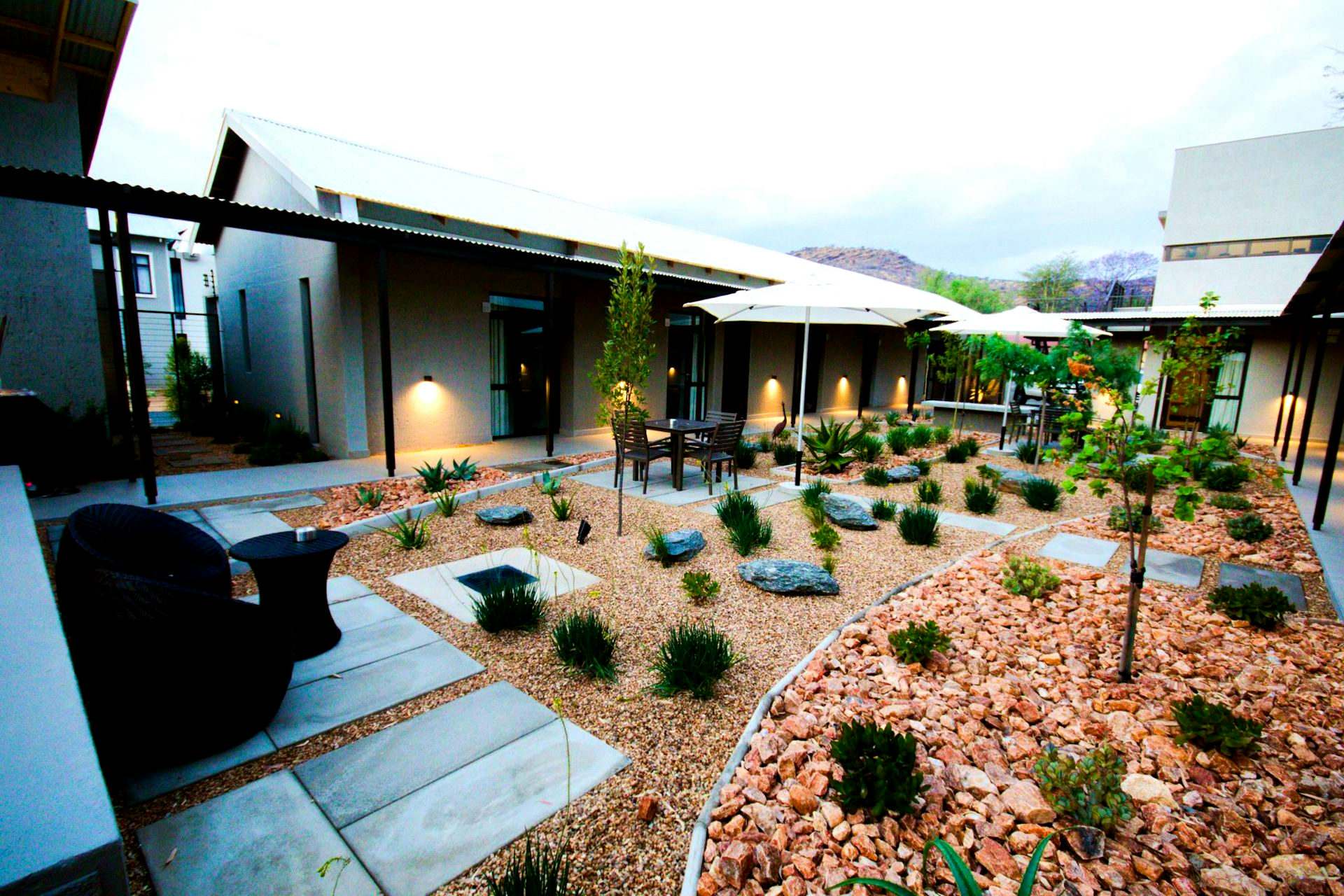 4.4(291)
The Elegant Guest House
Klein Windhoek, Khomas
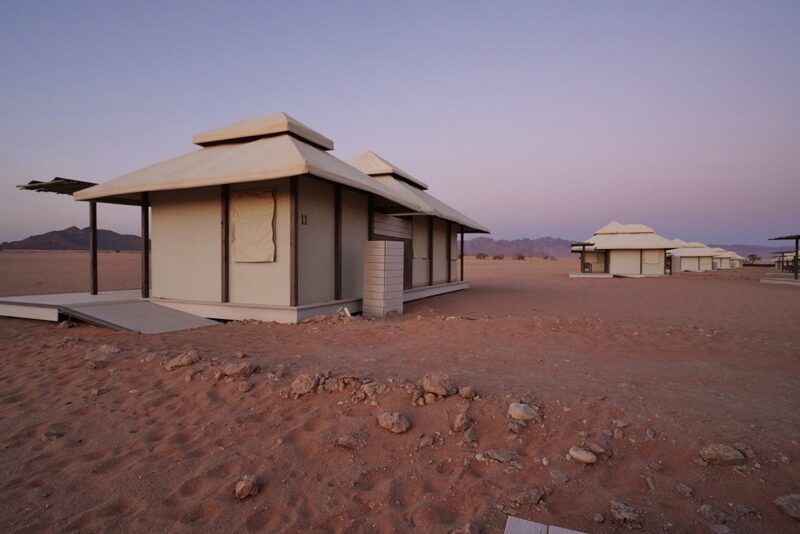 4.3(249)
Dead Valley Lodge
Sesriem, Sossusvlei, Hardap
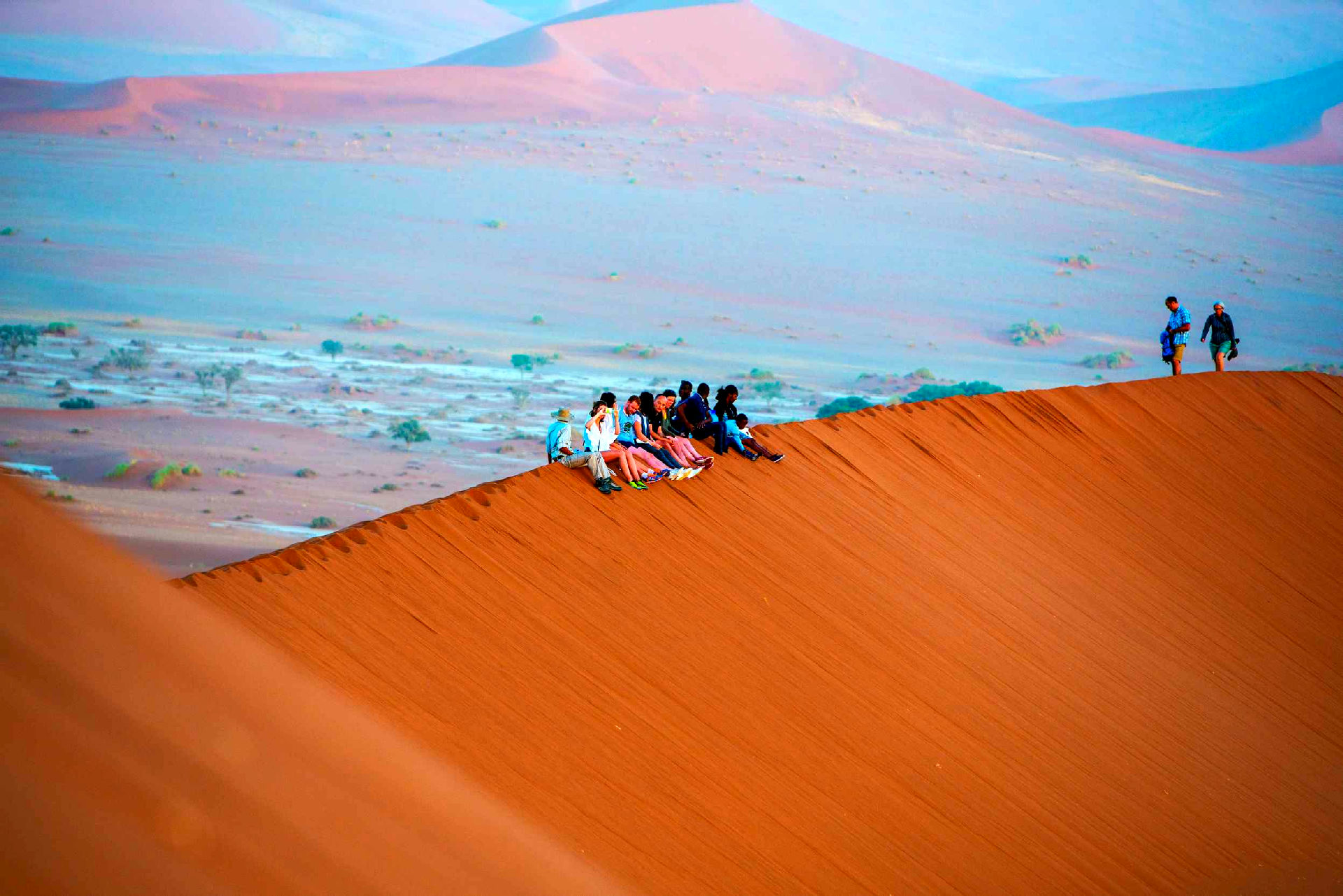 4.1(272)
Sossus Dune Lodge
Sesriem, Namib-Naukluft National Park, Hardap
 3.9(19)
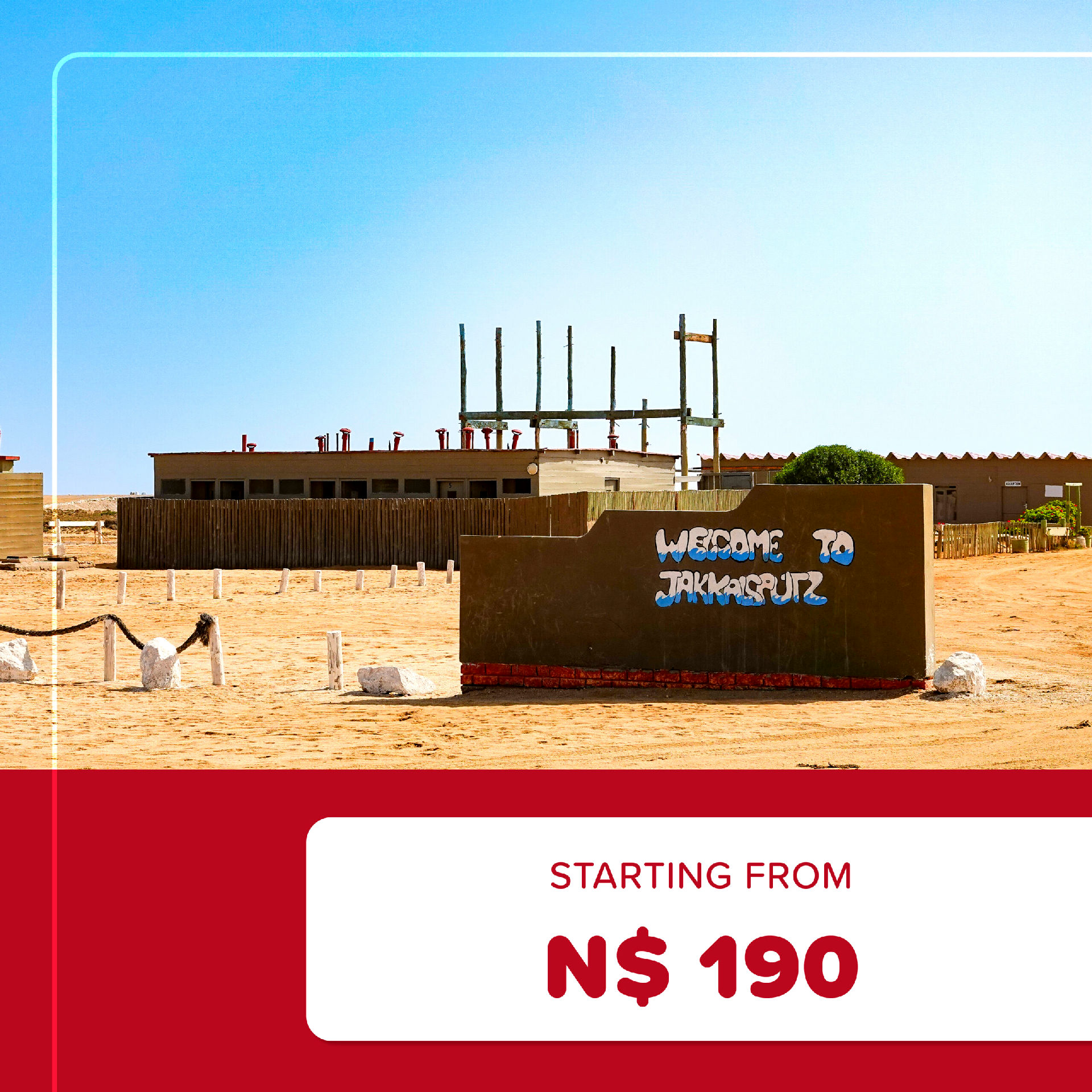
Jakkalsputz Campsite
Dorob National Park, near Henties Bay, Erongo
 4(378)
Brandberg Rest Camp
Uis, Damaraland, Erongo
Ready to plan your trip?
Check live availability, compare lodges and book instantly — or send us an enquiry and we'll help shape the route.
Keep reading

See our safari advice first on Google
One tap tells Google you want Safari Stays shown higher when you search for safari and travel news. It takes a second and you can undo it anytime.
Make Safari Stays a preferred source on Google