Okonjima Nature Reserve Leopard Tracking: 2027 Guide

Few wildlife encounters rival the heart-stopping moment an amber eye catches the sun through thick golden acacia scrub. For travellers preparing their Namibian journey for the middle months of 2027, taking part in Okonjima Nature Reserve leopard tracking stands out as one of the most rewarding wilderness experiences in southern Africa. It is an immersive field venture that strips away conventional safari staged encounters in favor of genuine bush craft and conservation science.
Nestled against the dramatic backdrop of the Omboroko Mountains, Okonjima spans over 20,000 hectares of restored wilderness. Long before it became a premier wildlife destination, this land bore the scars of overgrazing and intense human-wildlife conflict. Today, it serves as a global benchmark for carnivore conservation and habitat rehabilitation.
The Roots of Conservation: The AfriCat Foundation
To appreciate the tracking experience at Okonjima, one must understand its conservation foundation. The reserve is home to the AfriCat Foundation, an organisation founded in the early 1990s dedicated to the protection and long-term survival of Namibia's large carnivores. Decades ago, commercial livestock farmers routinely trapped or shot leopards and cheetahs perceived as threats to their livelihoods.
AfriCat pioneered a different path: rescue, rehabilitation, and farmer outreach. Over the years, hundreds of trapped predators were rescued, treated, and returned to the wild. While the emphasis has shifted toward non-invasive community education and human-wildlife conflict mitigation, a select cohort of wild leopards within Okonjima's expansive private reserve wear research radio-collars.
These collars are not decorative trinkets for easy tourism sightings. They are vital scientific tools used to study carnivore home ranges, territorial overlaps, hunting patterns, and health in a regenerating ecosystem. When you venture out to track them, you are participating in ongoing ecological monitoring.
The Field Experience: Okonjima Nature Reserve Leopard Tracking
Tracking begins in the clean, crisp chill of early morning or the golden cooling hours of late afternoon. Boarding an open four-wheel-drive vehicle, guests accompany an experienced guide equipped with a high-frequency directional VHF receiver and an antenna. As the vehicle winds through thick sand tracks and dense umbrella thorn thickets, the air remains thick with anticipation.
Unlike traditional game drives where sightings depend purely on chance along established road networks, tracking a leopard demands patience, acute observation, and bush craft. The guide listens through headphones to the rhythmic audio ping of the receiver, turning the directional antenna to gauge signal strength and bearing.
Reading the Signs of the Wild
Telemetry provides only an approximate vector; the true hunt for sightings relies on classic field tracking. Guests quickly learn to read the subtle signatures of the African bush alongside their guide:
- Alarm Calls: The sudden, chattering alarm bark of a troop of baboons or the sharp whistle of an impala often pinpoints a cat on the prowl long before any receiver does.
- Fresh Spoor: Soft sand retains delicate pugmarks, showing whether an animal is walking deliberately, stalking, or moving with urgency.
- Scat and Scratch Marks: Fresh territorial claw marks on the bark of a shepherd’s tree signal an active resident male.
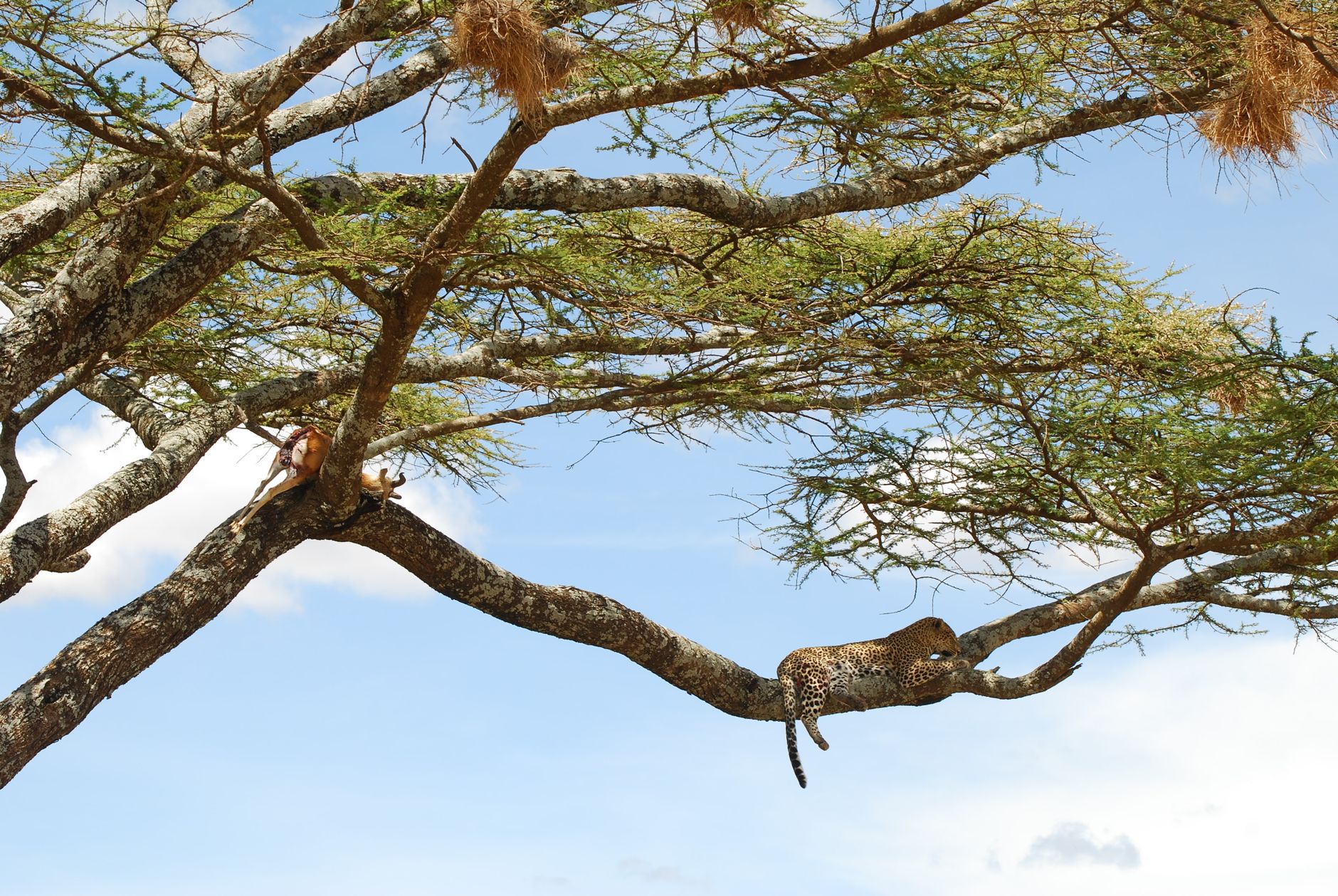
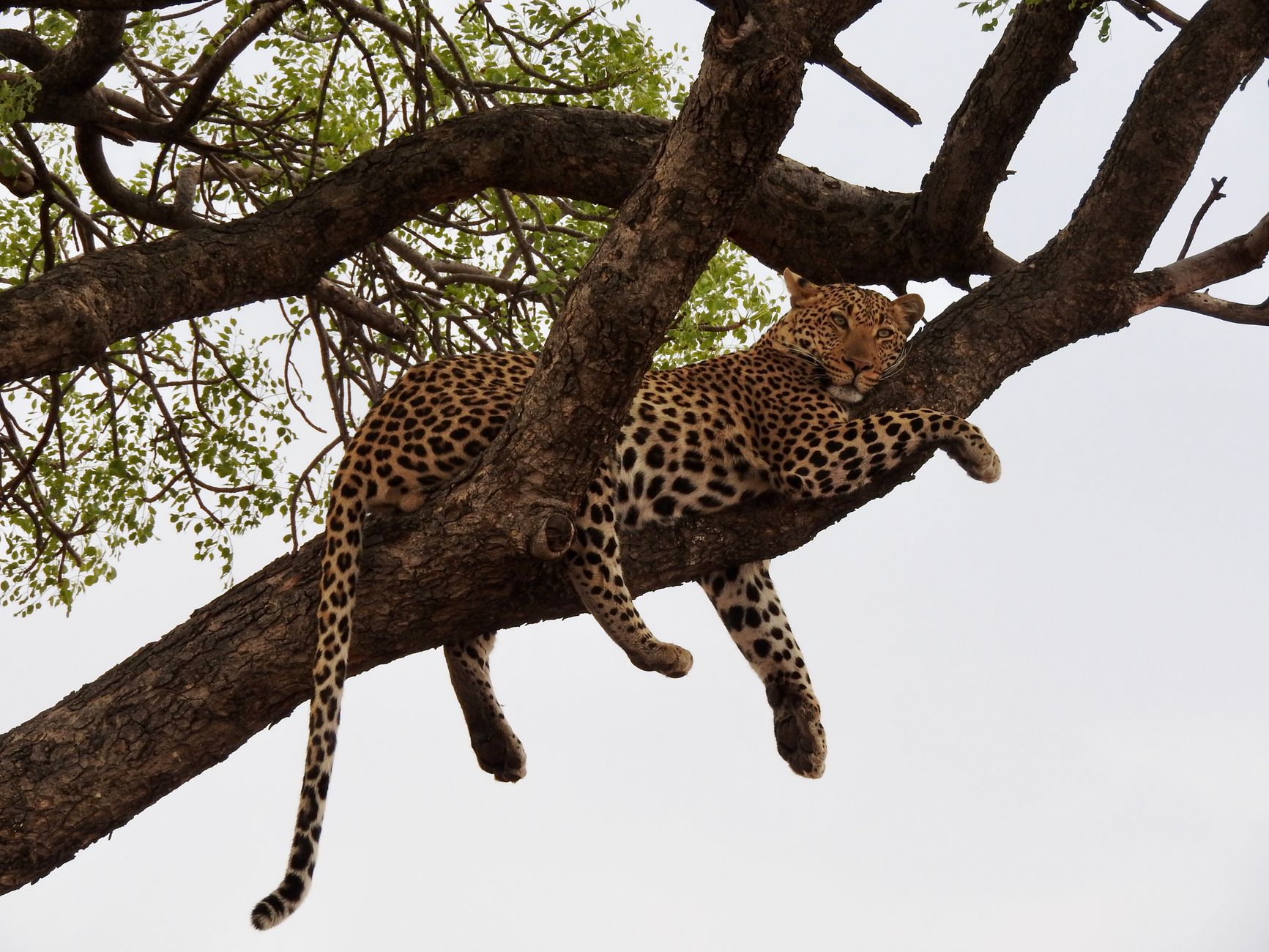
Once the signal peaks and the terrain tightens, guides navigate off-road with extreme care to position the vehicle without disturbing the predator. Leopards are masters of camouflage, their rosettes dissolving seamlessly into dappled shade. Often, the animal is lying just meters away atop an ochre termite mound or draped languidly across a horizontal branch, observing the approach with quiet composure.
Best Season to Track Leopards: Planning for 2027
When organizing your safari for 2027, timing your visit between May and August offers substantial advantages. The Namibian winter brings clear, cloudless skies, virtually zero rainfall, and cool mornings that sharpen sensory awareness in the field.
As the winter dry season advances, the dense summer vegetation thins out dramatically. Deciduous scrub sheds its leaves, grass wilts down to low gold stubble, and natural surface water vanishes. These environmental shifts work in the tracker's favor:
1. Sightlines Expand: Thinned foliage reveals resting cats that would otherwise remain invisible behind summer thickets.
2. Concentrated Wildlife: Prey species gather around remaining boreholes, creating predictable hunting territories along dry river courses.
3. Active Midday Behavior: In the winter months, crisp daytime temperatures encourage leopards to bask in the open sun well into late morning, extending viewing windows.
Because this window represents the most sought-after travel period across Namibia, safari lodges and private guiding permits for mid-2027 are routinely secured six to twelve months in advance.
Integrating Okonjima into Your Northern Circuit Route
Geographically, Okonjima sits midway between the capital city and the legendary salt flats of the north, making it an organic anchor point for any regional itinerary. Travelers starting their adventure from Windhoek can easily pause here before pressing onward.
If you prefer to break your drive before reaching the reserve, staying at The Weinberg Urban Pods provides a sleek, modern staging post on the city's outskirts. From there, the smooth drive north through the acacia savannah leads directly into the broader Waterberg plateau region, famous for its sandstone cliffs and wildlife conservancies.
Travelers looking to immerse themselves in the surrounding thornveld will find serene wilderness settings nearby. Accommodations such as Otjiwa Collection - Mountain Lodge allow you to acclimatize to the bushveld rhythm with private rhino tracking and expansive views over pristine plains.
For those with a deep passion for predator research, combining your excursion with an educational stay at Babson House @ Cheetah Conservation Fund deepens your understanding of central Namibia's carnivore corridors. From the central plateau, itineraries naturally flow onward into Etosha, where luxury outposts like Etosha Oberland Lodge provide front-row access to the park’s wildlife-dense waterholes.
Ethical Field Tracking and Photographic Etiquette
True luxury in the modern safari era is defined by exclusivity and respect for the natural world. Okonjima enforces strict operational protocols to ensure research animals are never harassed for the sake of a photograph. Vehicles maintain a respectful distance, engine idling is kept to an absolute minimum, and viewing times are carefully regulated.
Photographers should pack a versatile telephoto zoom lens—such as a 100–400mm or a 70–200mm paired with a prime body. Because these cats frequently seek dappled woodland shade, practicing low-light handling with higher ISO settings before your trip will yield far sharper, more atmospheric images.
Above all, remember to lower your camera. Watching a wild leopard rise, stretch, and melt effortlessly into the scrub without looking back is a rare privilege that deserves your complete, unmediated attention.
As you finalize your travel calendar for the coming dry season, investing in Okonjima Nature Reserve leopard tracking directly fuels ongoing landscape restoration, scientific inquiry, and carnivore conservation. It is an unforgettable safari chapter that connects you profoundly to the raw resilience of the African wilderness.
Where to stay
Browse handpicked places to stay — many with live availability and instant booking.
 4.3(249)
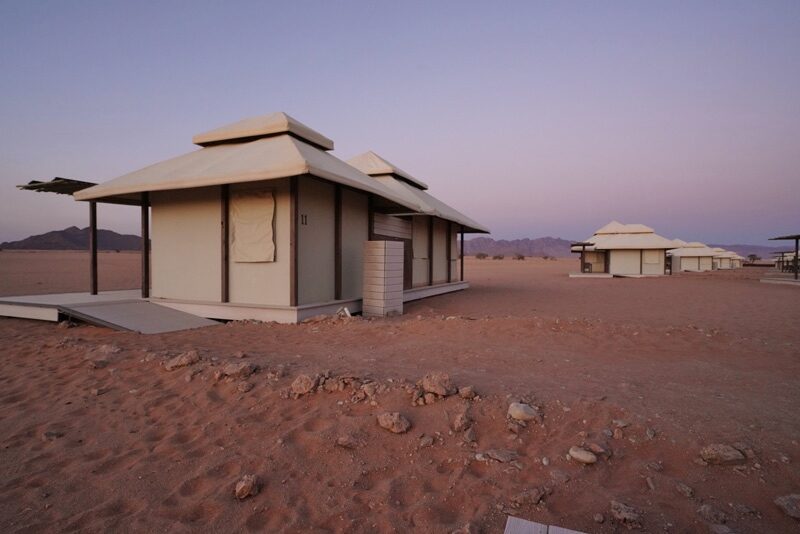
Dead Valley Lodge
Sesriem, Sossusvlei, Hardap
 4.6(524)
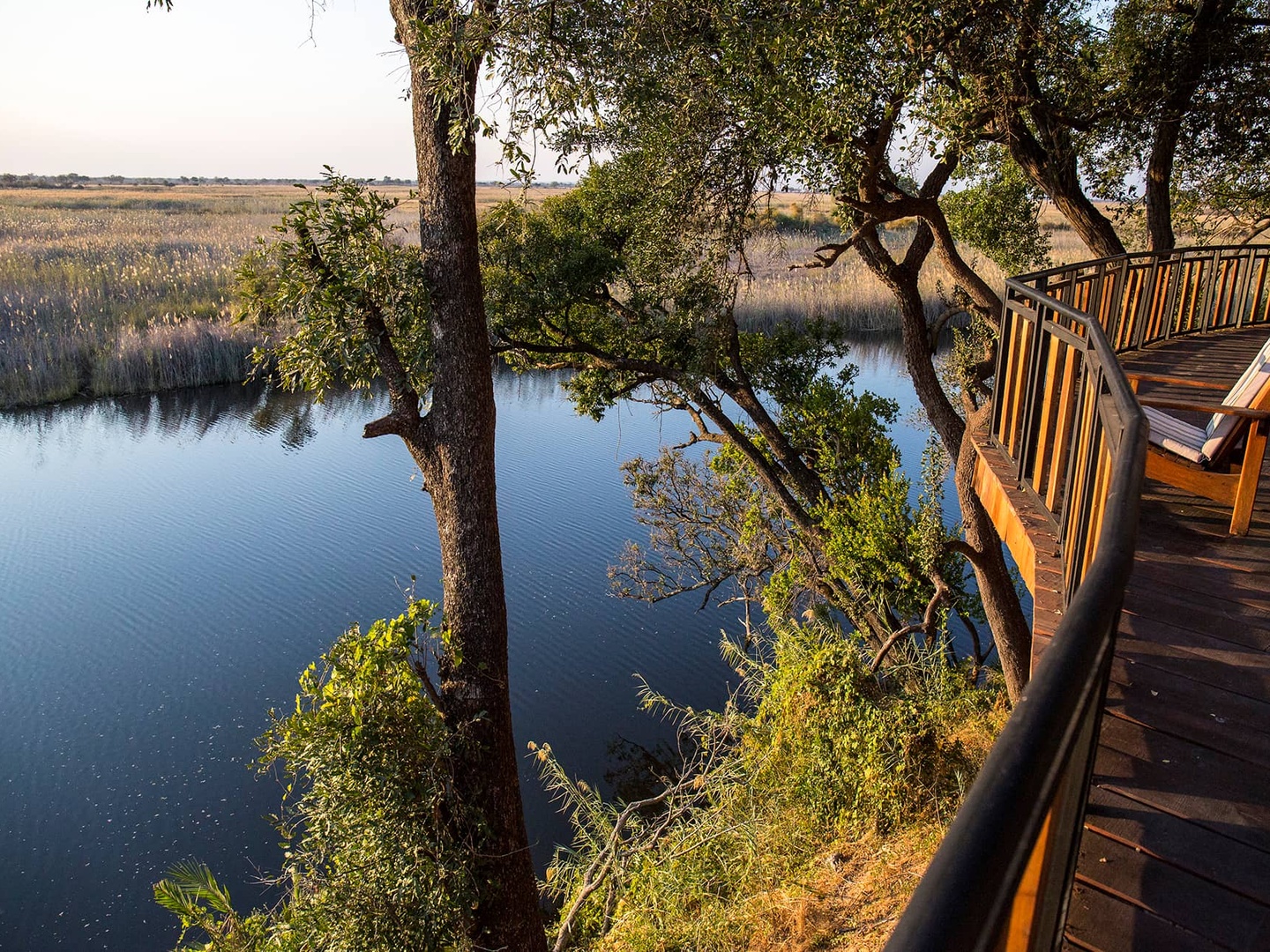
Namushasha River Lodge
Kwando River, 24km south of Kongola, Zambezi
 4.4(291)
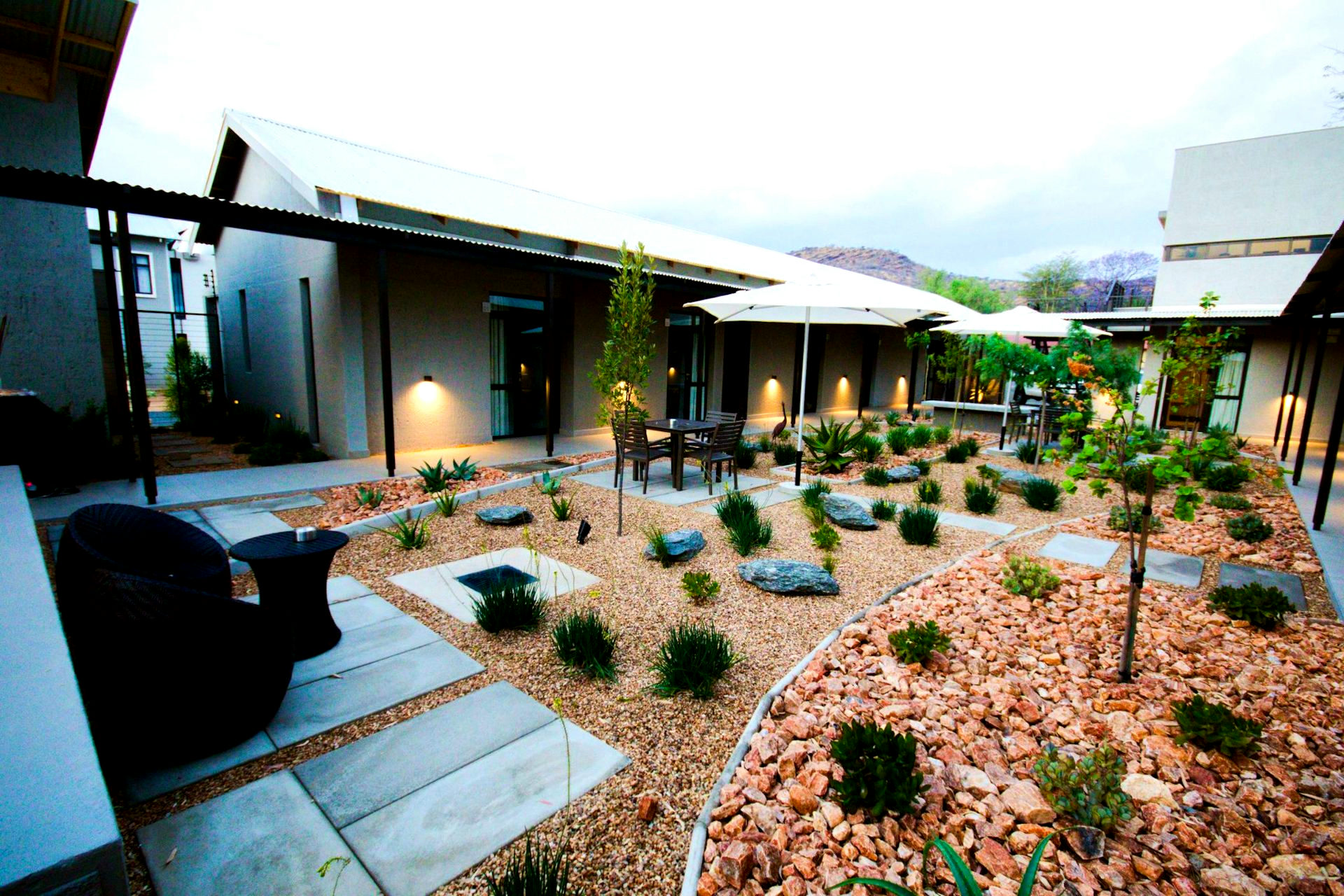
The Elegant Guest House
Klein Windhoek, Khomas
 4.4(387)
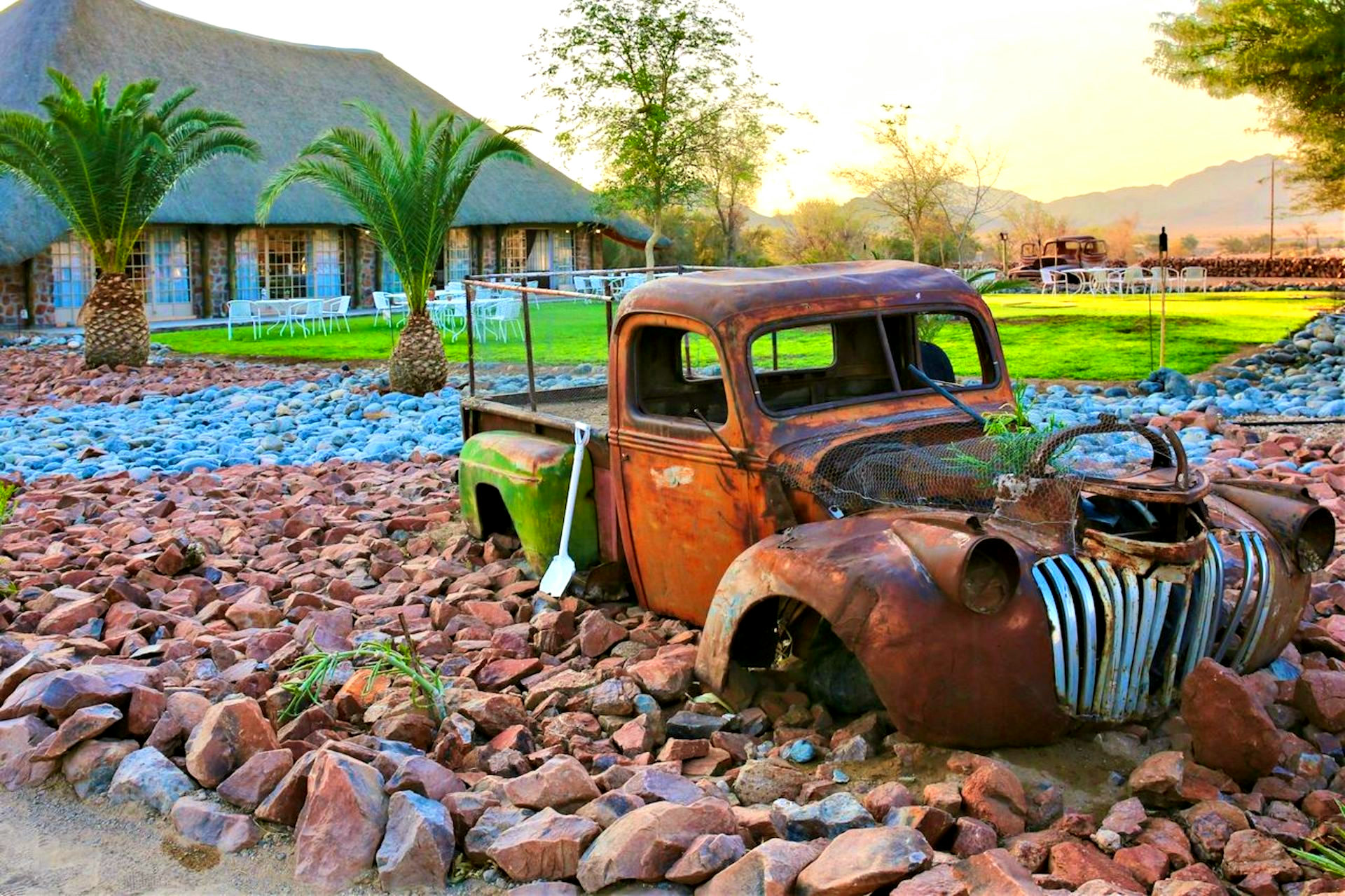
The Elegant Desert Lodge
Sesriem, Hardap
 4.8(25)
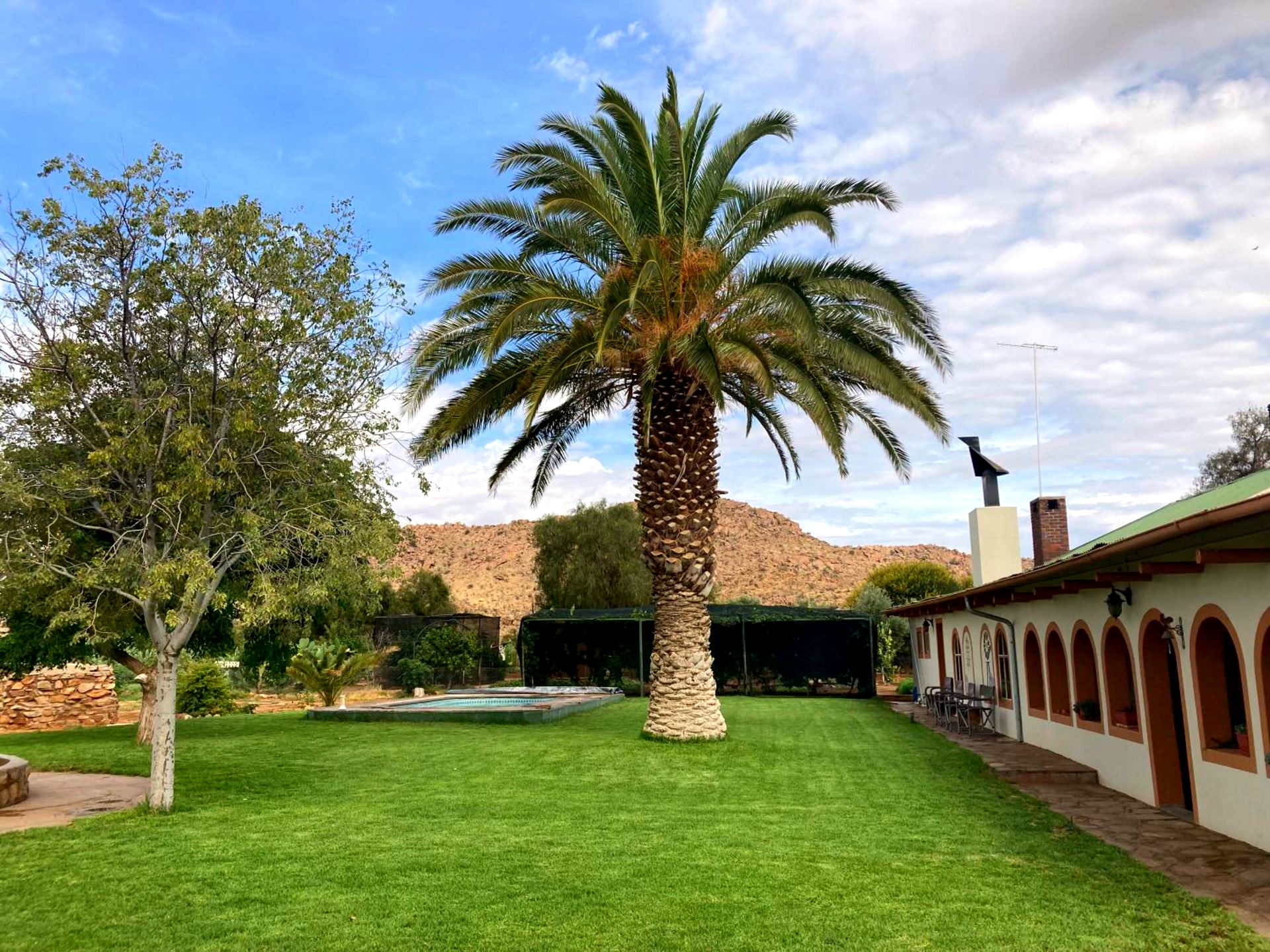
Swartfontein Game & Adventure Lodge
Guisis, Spreetshoogte Pass
 4.9(126)
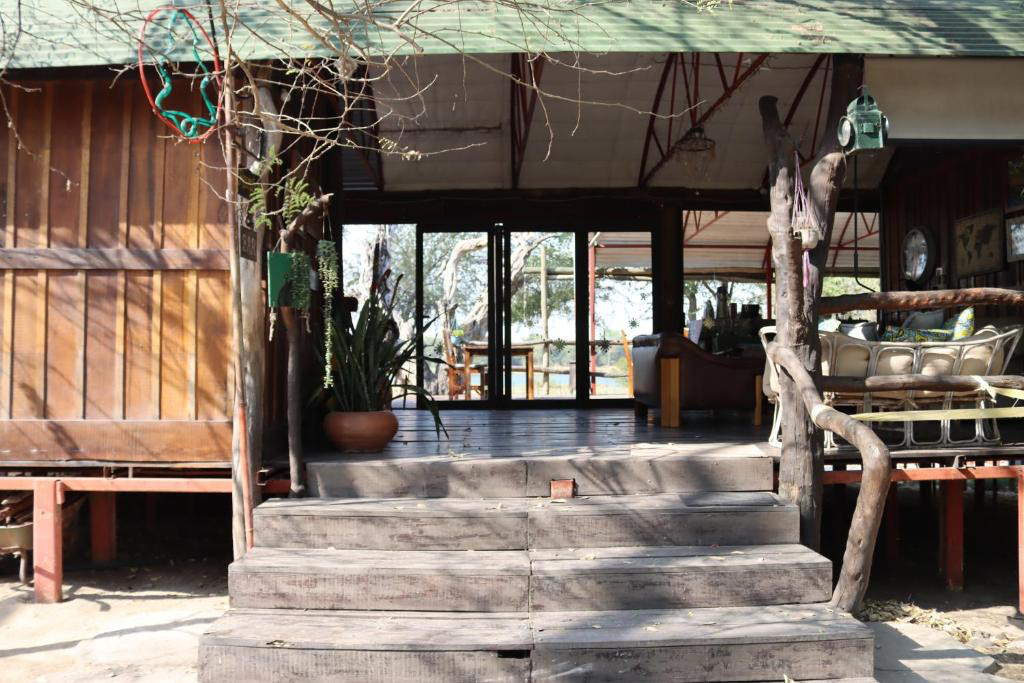
Mukuku Oasis Lodge
Mupapama, Kavango River
Let us plan this trip for you
Send us your dates, party and budget and we'll come back with a costed itinerary, with lodges, flights, transfers and activities in one place. No obligation.
Keep reading


See our safari advice first on Google
One tap tells Google you want Safari Stays shown higher when you search for safari and travel news. It takes a second and you can undo it anytime.
Make Safari Stays a preferred source on Google