Your Guide to Palmwag Concession Rhino Tracking

In the vast, silent landscapes of northwestern Namibia, time is measured not in hours, but in the slow turning of the earth and the patient tread of ancient creatures. It is here, among the basalt mountains and sun-scorched plains, that one of Africa’s most profound conservation stories unfolds. For those planning an unforgettable journey in the coming year, this Palmwag concession rhino tracking guide is your essential introduction to a truly life-changing experience.
The Palmwag Concession: A Realm of Stone and Survival
Stretching across an immense 5,500 square kilometres, the Palmwag Concession is a landscape forged by volcanic fire and carved by millennia of wind and water. This is not a national park in the traditional sense, but a pioneering conservation area—a partnership between private enterprise and local communities who share the land with its wild inhabitants.
The scenery is stark, almost prehistoric. Flat-topped mountains rise from plains dotted with euphorbia, shepherd’s trees, and the strange, contorted forms of commiphora that seem to bleed red sap. This is the heart of Damaraland, a region defined by its raw, untamed beauty and its remarkable ability to sustain life against the odds.
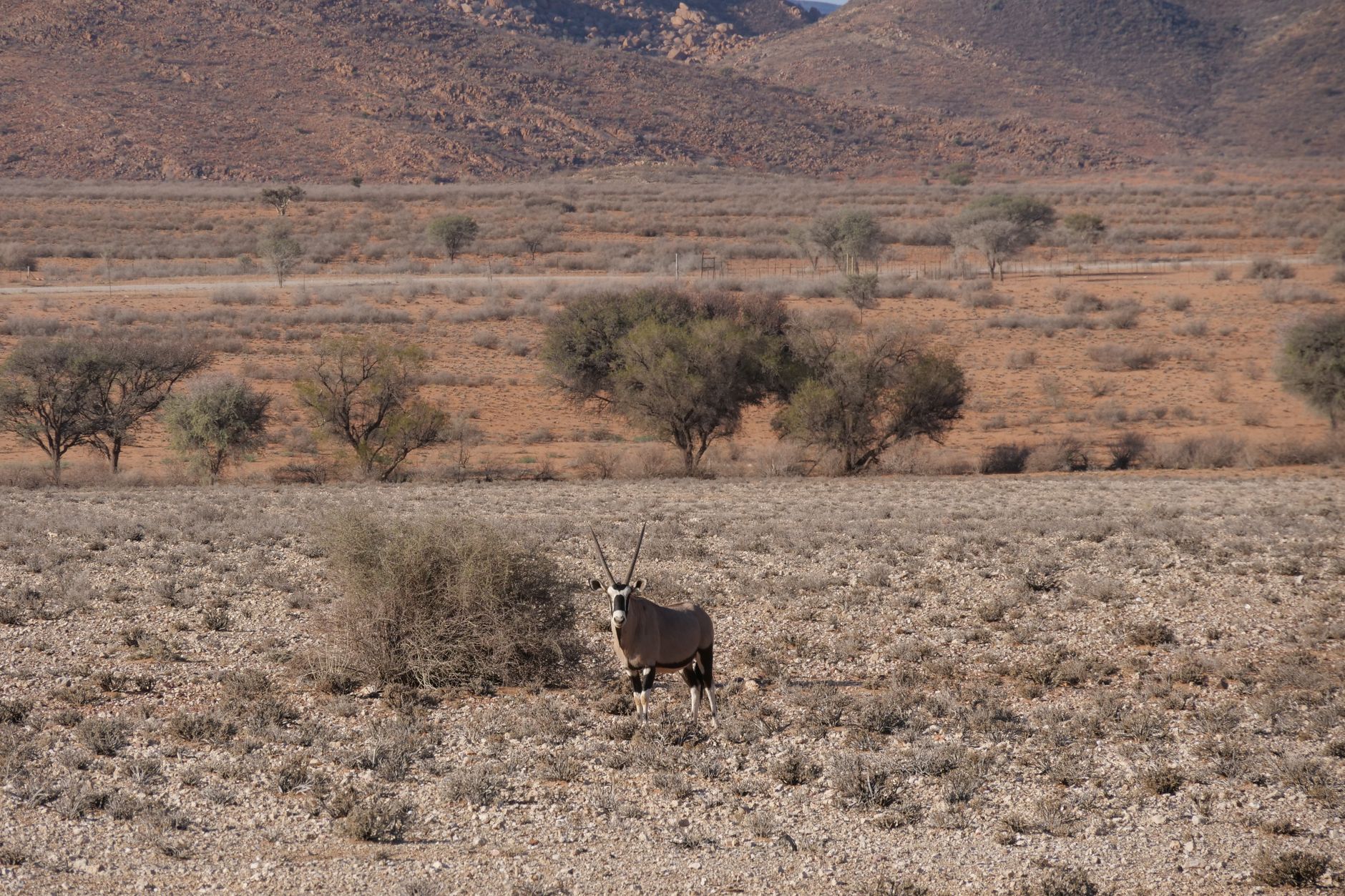
While the black rhinoceros is the area's most famous resident, it is far from the only one. This arid environment is home to a surprising diversity of desert-adapted wildlife, including elephants that travel vast distances, stealthy lions, giraffe, Hartmann's mountain zebra, and nimble klipspringer that defy gravity on the rocky slopes.
Your Palmwag Concession Rhino Tracking Guide for 2027
Tracking desert-adapted black rhino on foot is an experience that transcends a typical safari. It is a quiet, respectful, and deeply immersive activity that connects you directly to the pulse of the wilderness. The upcoming season, from roughly February to July 2027, is a fantastic time to plan for. The landscape, flushed with green from any early-year rains, is at its most vibrant, and the cooler morning temperatures are ideal for tracking.
The activity is conducted in close partnership with the pioneering trackers of Save the Rhino Trust (SRT) Namibia. These men and women are the guardians of this precious rhino population. A portion of the activity fee goes directly to SRT, meaning your visit contributes tangibly to the protection of these magnificent animals.
A typical tracking excursion begins in the cool, blue light of dawn. With your expert guide and SRT tracker, you’ll set out in a 4x4 vehicle, scanning the horizon and the ground for signs—a displaced rock, a fresh track in the sand, a browsed branch. The search itself is a lesson in bushcraft, a process of reading a story written on the land.
Once recent tracks are found, the true adventure begins. You will leave the vehicle behind and proceed on foot. Your guide will brief you on safety and etiquette; silence and slow movements are key. The feeling of walking through this ancient landscape, knowing a two-tonne prehistoric giant may be just over the next rise, is an unforgettable thrill. The goal is not just a photograph, but a respectful, low-impact sighting that leaves the animal undisturbed.
Preparing for the Track: What to Expect and How to Pack
To make the most of your rhino tracking experience, some preparation is essential. While the pace is measured, the terrain is wild, rocky, and uneven. A moderate level of fitness is required, as you may walk for several kilometres.
Your guide's expertise is your greatest asset. Their instructions are paramount for both your safety and the well-being of the rhino. By listening closely and moving quietly, you become part of a respectful observation, not an intrusion.
Here’s a simple checklist to help you prepare for your day in the field:
- Footwear: Sturdy, comfortable walking shoes or boots with good ankle support are non-negotiable. Ensure they are well worn-in before your trip.
- Clothing: Wear neutral-coloured clothing (khaki, beige, olive) to blend in with the environment. Avoid white, black, or bright colours. Layers are best, as mornings can be cool and days warm quickly.
- Sun Protection: A wide-brimmed hat, high-SPF sunscreen, and sunglasses are essential.
- Optics: Binoculars are a must for spotting wildlife from a distance. A camera with a decent zoom lens will be invaluable, but remember to enjoy the moment with your own eyes, too.
- Hydration: Always carry a reusable water bottle. Your guide will have plenty of water for refills.
Choosing a well-located base is key to exploring this vast area. A lodge like Ondjamba Hills offers an authentic gateway to the wilderness of the Kunene and Damaraland regions, placing you right at the edge of this incredible conservation area.

More Than Rhinos: The Concession's Other Treasures
While the rhinos are undoubtedly the stars, the Palmwag Concession offers a rich tapestry of experiences. The dramatic landscapes alone are a photographer's dream, with the light constantly changing the colours of the basalt and ochre earth.
Tracking the famed desert-adapted elephants is another highlight. These intelligent giants have larger feet and longer legs than their savannah cousins, adaptations for covering the enormous distances between water sources. Following their trail through riverbeds and across plains offers a different, but equally compelling, tracking experience.
This is a land of immense scale and solitude. It invites contemplation. A journey through the rugged heart of the concession pairs beautifully with the ethereal landscapes of the nearby coast. Imagine extending your itinerary to the otherworldly shores of the Skeleton Coast, perhaps staying at the unique Shipwreck Lodge, where the desert dunes crash into the cold Atlantic.
From the stone-and-sand wilderness of the Kunene, you gain a new perspective on Namibia's diversity. It is this contrast—between the inland deserts, the dramatic coast, and the lush riverine ecosystems further north—that makes this country so captivating.

To walk in the Palmwag Concession is to walk through a living museum, a testament to the resilience of nature and the power of community-led conservation. It is an experience that stays with you long after the dust has settled on your boots.
As you begin to piece together your 2027 Namibian adventure, let this Palmwag concession rhino tracking guide be your inspiration. This is more than a holiday activity; it is a chance to participate, in a small but meaningful way, in one of Africa's greatest conservation success stories.
Where to stay in Skeleton Coast
Browse handpicked places to stay — many with live availability and instant booking.
 4.3(618)
Palmwag Lodge & Camp
Palmwag Concession, Damaraland
 4.4(291)
The Elegant Guest House
Klein Windhoek, Khomas
 4.6(1136)
Kalahari Anib Lodge
Kalahari, 30 km from Mariental
 4(378)
Brandberg Rest Camp
Uis, Damaraland, Erongo
 4.3(249)
Dead Valley Lodge
Sesriem, Sossusvlei, Hardap
 4.8(69)
Kazile Island Lodge
Kwando River, Bwabwata National Park, Zambezi
Let us plan this trip for you
Send us your dates, party and budget and we'll come back with a costed itinerary — lodges, flights, transfers and activities in one place. No fee, no obligation.
Keep reading


See our safari advice first on Google
One tap tells Google you want Safari Stays shown higher when you search for safari and travel news. It takes a second and you can undo it anytime.
Make Safari Stays a preferred source on Google