Rewilding the Red Sands: The Gondwana Kalahari Park Project
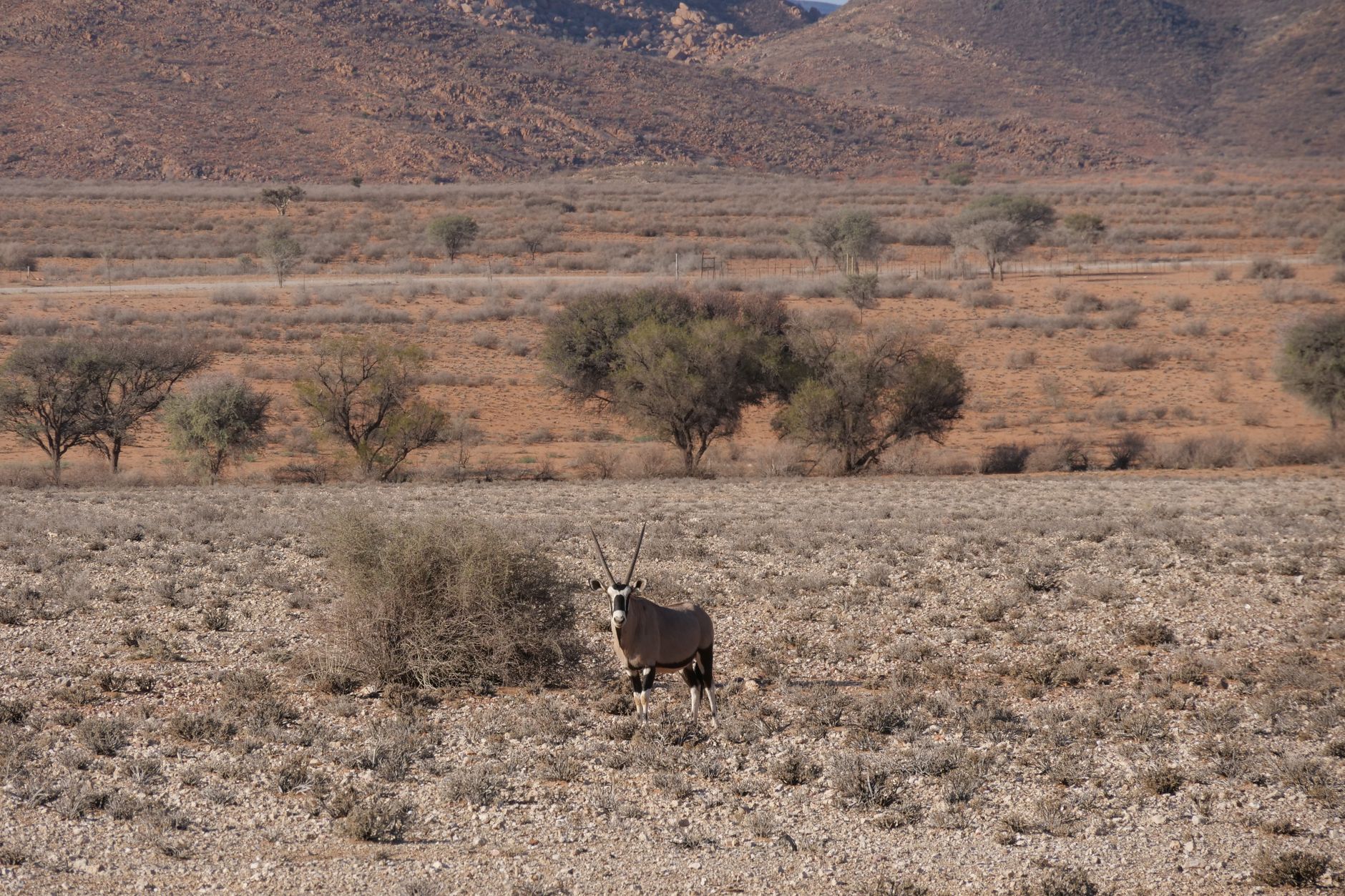
The Kalahari is a landscape of profound and subtle beauty. It’s a place of ancient, rust-red dunes, tenacious camelthorn trees, and a sky so vast it feels as if it could hold the secrets of the universe. For those planning a journey to Namibia, this semi-desert holds a powerful allure. Yet, beneath its tranquil surface lies a story of radical transformation and hope: the gondwana kalahari park rewilding project. This pioneering conservation initiative is not just healing the land; it is rewriting the future for wildlife and offering a more profound, impactful experience for travellers.
As you begin to map out your Namibian adventure for the coming year, consider looking beyond the typical safari. Imagine witnessing a landscape in the process of returning to its wildest, most authentic state. This is the promise of the Kalahari, a story of resilience you can be a part of.
From Farmland to Free-Roaming Wilderness
To truly appreciate the scale of this project, one must understand the history etched into this land. For decades, the area that now constitutes the 100 square kilometre Gondwana Kalahari Park was not a single, seamless ecosystem. Instead, it was a patchwork of 18 individual sheep farms, demarcated by thousands of kilometres of fencing.
While vital for livestock management, these fences carved up the landscape, creating impassable barriers for wildlife. The natural, large-scale migratory routes of animals like gemsbok, blue wildebeest, and springbok—patterns followed for millennia—were severed. This fragmentation led to genetic isolation, overgrazing in confined areas, and a disruption of the delicate predator-prey dynamics that keep an ecosystem healthy.
Recognising this ecological challenge, Gondwana Collection Namibia embarked on an audacious vision. The goal was simple in concept but monumental in execution: to acquire these farms one by one, methodically remove the internal fences, and allow the land to heal. It was a commitment to stitch the landscape back together, creating a vast, contiguous wilderness where nature could once again call the shots.
This process marked the birth of a conservation area founded on the principle of restoration. It’s a move away from simply preserving what is left, towards actively rebuilding what was lost, allowing the ancient rhythms of the Kalahari to re-emerge.
The Gondwana Kalahari Park Rewilding Project in Action
Turning this vision into a reality has been a long-term, multi-faceted undertaking. The most visible and physically demanding task was the removal of internal fences. Tonnes of wire and countless posts were systematically dismantled and removed, erasing the artificial lines that had constrained the wilderness for so long. The result is an immense, open space where animals can roam freely according to seasonal changes in food and water availability.
With the barriers gone, the next step was to help nature recolonise. While many species were already present, their populations were fragmented and under pressure. The rewilding project focuses on creating an environment where these native species can thrive and naturally expand their territories.
This involved several key actions:
- Wildlife Reintroduction: In areas where certain species had been locally extirpated, the project has carefully reintroduced animals that historically belonged in the ecosystem. This includes browsers and grazers that play a crucial role in shaping the vegetation.
- Restoration of Water Sources: Artificial water points were re-evaluated, and efforts were made to restore natural pans and vleis, ensuring water is available in patterns that encourage natural movement and dispersal of game.
- Habitat Recovery: By removing the intense grazing pressure of domestic livestock, the native grasses, shrubs, and trees of the Kalahari have been given a chance to recover. This botanical regeneration is the foundation of a healthy ecosystem, providing food and shelter for everything from the smallest insects to the largest antelope.
- Monitoring and Research: The entire process is underpinned by scientific research. Animal populations, movement patterns, and vegetation health are continuously monitored to gauge the success of the project and make informed management decisions. This ensures the rewilding is not just hopeful, but effective.
What This Means for Your 2027 Safari
As you plan your trip for the February to July 2027 season, understanding this project adds a rich layer of meaning to your visit. A safari in the Gondwana Kalahari Park is an opportunity to witness conservation in real time. The price of your stay and your game drive contributes directly to the funding of this ongoing work, turning your holiday into a partnership for preservation.
The experience here is different from that in more concentrated game parks. It’s about scale, space, and subtlety. Game drives traverse vast, open plains where you can feel the true expanse of the Kalahari. Sightings feel earned and intimate—a solitary cheetah scanning the horizon from a dune crest, a herd of gemsbok moving like spectres through the morning mist, or the comical dash of a warthog family.
Your visit next year, whether in the lush, green aftermath of the summer rains (February-March) or the cooler, crisp, and dry months that follow (April-July), will showcase a landscape brimming with life. The green season brings dramatic thunderstorms and newborn animals, while the dry season offers superb visibility and greater concentrations of wildlife around remaining water sources.
Witnessing the Transformation
A stay within the park places you at the very heart of the story. Lodges are designed to immerse you in the landscape with minimal impact, offering a sanctuary of comfort after a day of exploration. From a base like the beautiful Kalahari Red Dunes Lodge, you can embark on guided drives that reveal the nuances of this recovering ecosystem. Your guide won’t just point out animals; they will interpret the landscape, explaining the role of a particular plant, the importance of a dry riverbed, and the significance of the unfenced horizon.

Beyond the Park: Connecting Your Kalahari Journey
Namibia is a country of epic contrasts, and a visit to the Kalahari is perfectly complemented by exploring its other iconic regions. The deep-red sands of the Kalahari stand in beautiful opposition to the towering, apricot-coloured dunes of Sossusvlei, home to the world’s highest sand mountains and the hauntingly beautiful Deadvlei.
Combining these two deserts into a single itinerary creates a powerful narrative of sand, sky, and survival. Your journey south from Windhoek can lead you first into the gentle longitudinal dunes of the Kalahari, allowing you to settle into the rhythm of the desert.
After a few days spent absorbing the rewilding story and enjoying the unique wildlife, you can continue your journey west or south. The region offers a variety of unique stays that capture the spirit of the south, from the charming chalets at Teufelskrallen Lodge, nestled amongst the Kalahari's characteristic 'devil's claw' plants, to other secluded desert outposts.
This combination allows you to experience the full spectrum of Namibia's southern landscapes, from a living, breathing conservation success story to the stark, geological masterpieces of the Namib Desert. It's a route that speaks of resilience, beauty, and the profound power of wild spaces.

Ultimately, the Gondwana Kalahari Park rewilding project is more than just a conservation initiative; it's an invitation. It’s an invitation to see a landscape being reborn, to understand that tourism can be a powerful force for ecological good, and to connect with a wilderness that is actively being restored to its former glory. As you finalise your plans for 2027, consider placing this story of hope at the centre of your Namibian adventure. Witnessing the gondwana kalahari park rewilding project is to witness the enduring resilience of the African continent.
Where to stay in Sossusvlei & Namib
Browse handpicked places to stay — many with live availability and instant booking.
 4.6(1136)
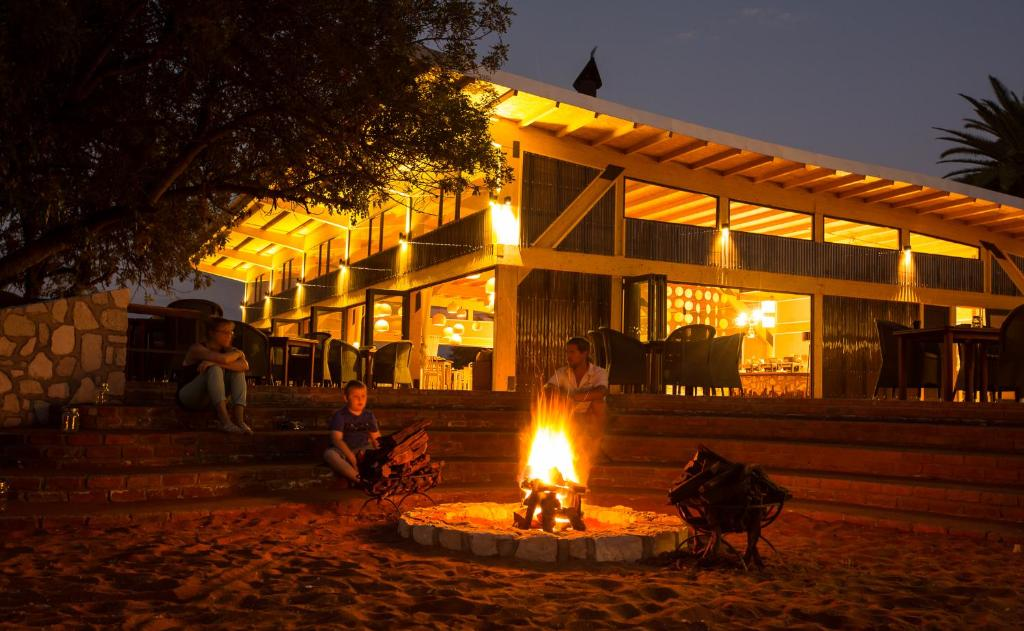
Kalahari Anib Lodge
Kalahari, 30 km from Mariental
 5(3)
Reverie Kalahari Pod
Kalahari, 30 km from Mariental
 4.3(249)
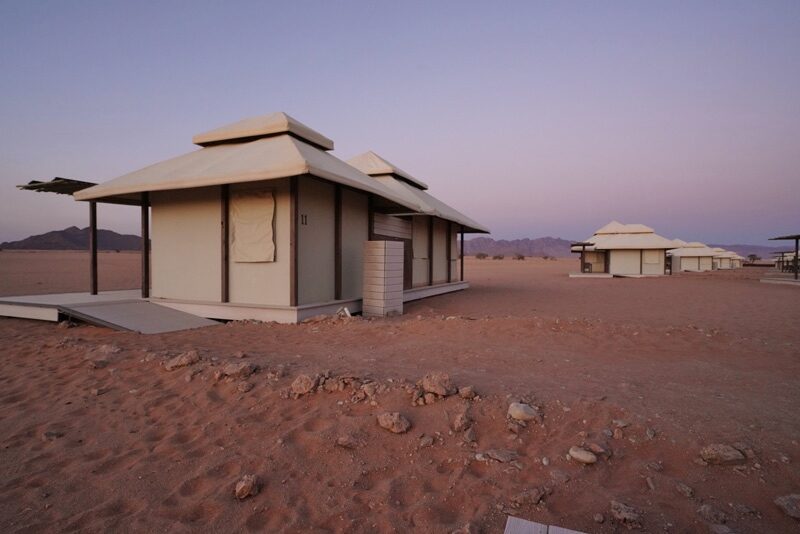
Dead Valley Lodge
Sesriem, Sossusvlei, Hardap
 4.6(524)
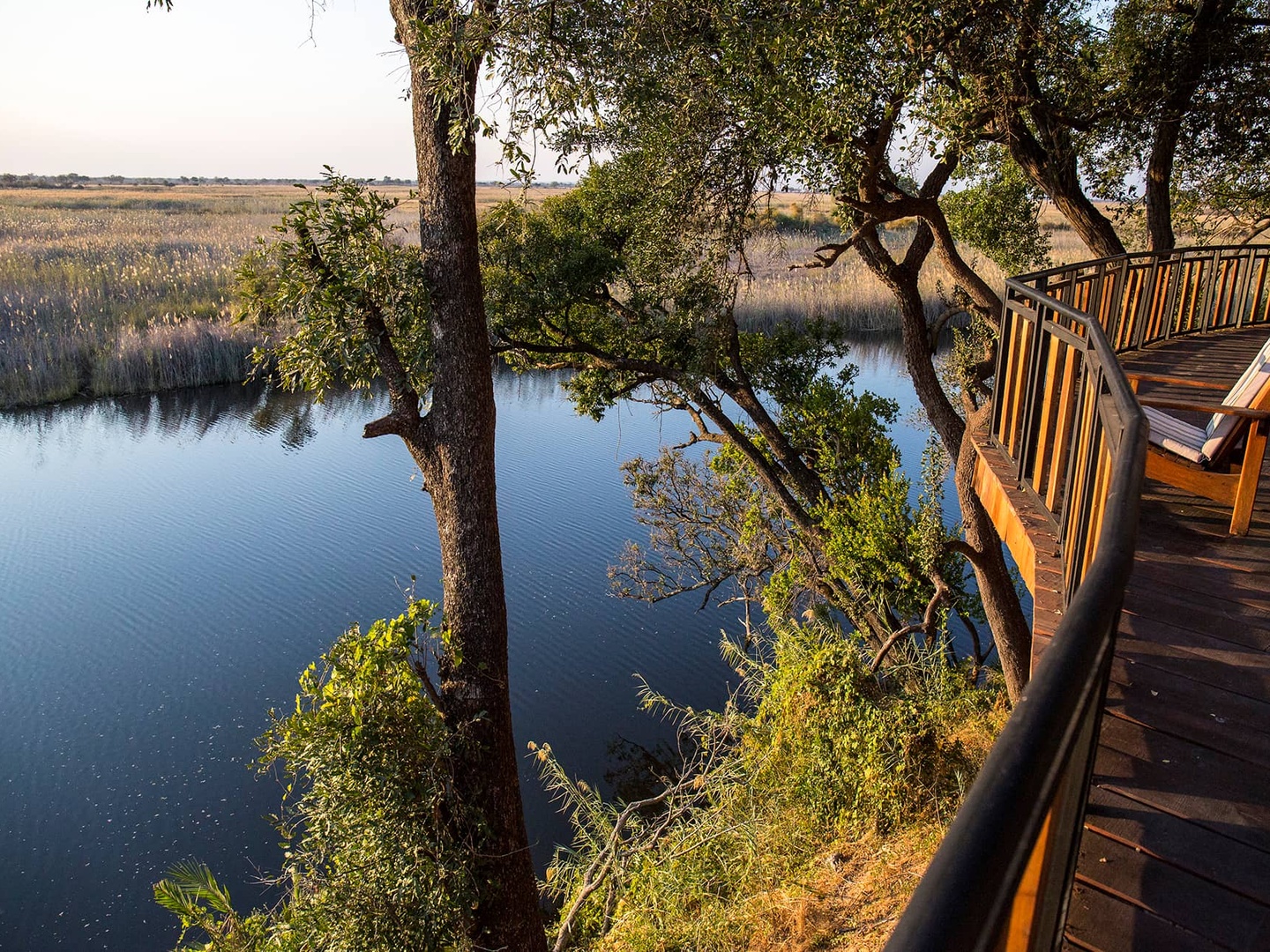
Namushasha River Lodge
Kwando River, 24km south of Kongola, Zambezi
 4.4(291)
The Elegant Guest House
Klein Windhoek, Khomas
 4.6(524)
Namushasha River Villa
Kwando River, 24km south of Kongola, Zambezi
Let us plan this trip for you
Send us your dates, party and budget and we'll come back with a costed itinerary — lodges, flights, transfers and activities in one place. No fee, no obligation.
Keep reading

See our safari advice first on Google
One tap tells Google you want Safari Stays shown higher when you search for safari and travel news. It takes a second and you can undo it anytime.
Make Safari Stays a preferred source on Google