Your Guide to the Etosha Birding Season April 2027
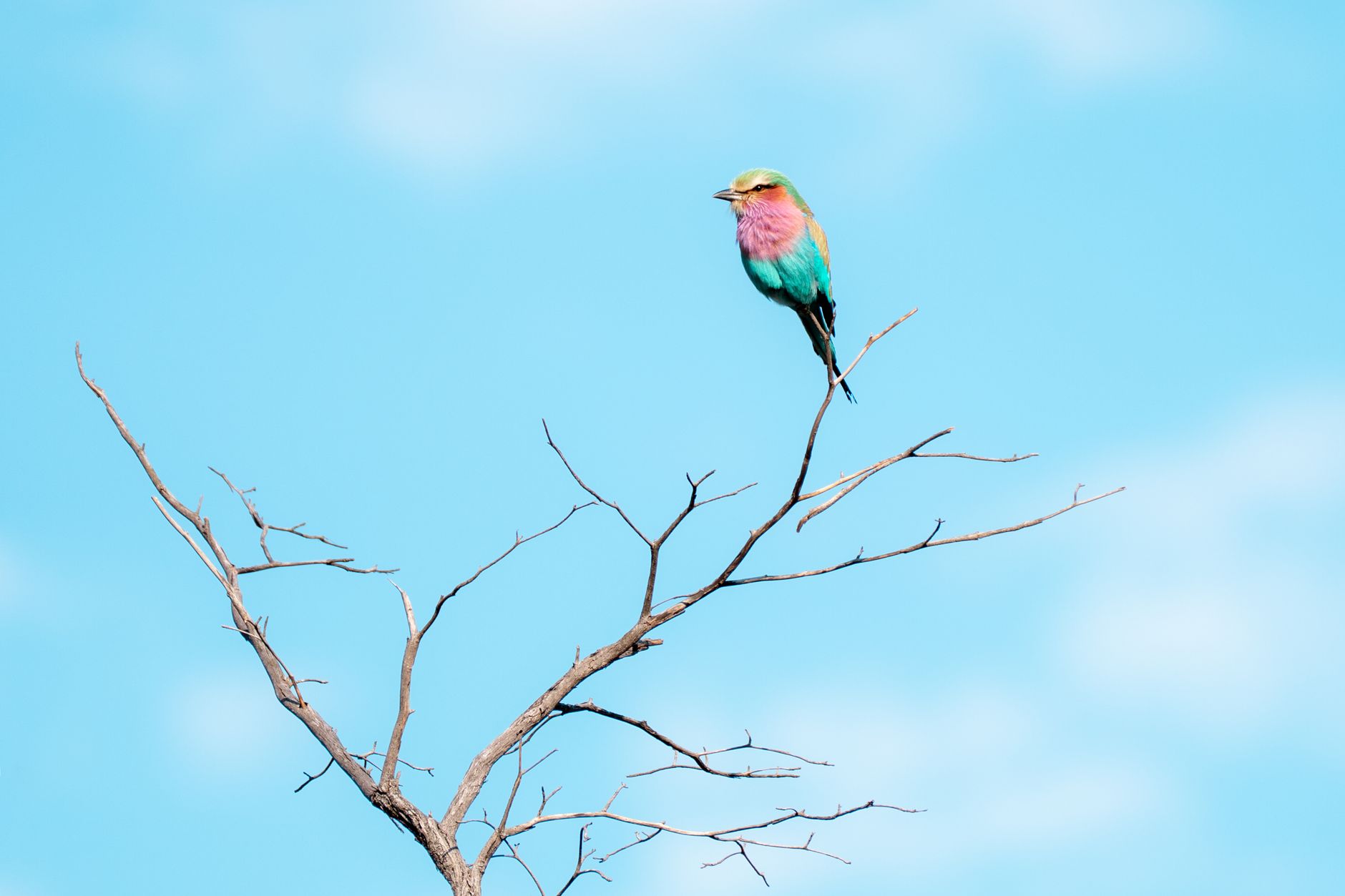
As the Namibian summer gracefully bows out, a special window of opportunity opens for nature lovers. For those with a keen eye and a love for avian life, planning for the etosha birding season april 2027 offers a chance to experience this world-famous national park in a state of beautiful transition. It’s a time when the land, still verdant from the seasonal rains, begins its slow shift towards the iconic dry season, creating a dynamic and rewarding environment for birdwatching.
April is what many call a ‘shoulder season’ in Etosha. It lacks the dramatic, dusty concentrations of game found at waterholes in the peak of the dry season, but it compensates with lush scenery, contented wildlife, and a fascinating mix of lingering migrant birds and resident species. The air is clear, the temperatures are pleasant, and the park is quieter, allowing for a more intimate and unhurried safari experience.
The Magic of April: A Season of Transition
To understand birding in Etosha in April, one must first appreciate the season. The summer rains, which typically fall from January to March, will have transformed the usually arid landscape into a flush of green. Grasses are tall, trees are in full leaf, and natural pans and depressions away from the main tourist routes still hold water.
This abundance changes the behaviour of both birds and mammals. Unlike the dry winter months when life is tethered to a few permanent waterholes, in April, the animals are dispersed across the vast plains of Etosha. This may sound like it makes viewing more difficult, but it simply offers a different, more exploratory kind of safari. The reward is seeing wildlife in a vibrant, thriving ecosystem.
For birders, this means the last of the Palearctic and intra-African migrants may still be present, fattening up before their long journeys north. Waterbirds, which flocked to the great Etosha Pan when it was flooded, will still be found in the remaining pools, particularly around Fisher’s Pan in the east. It's a time of flux and farewells, offering a unique snapshot of the park’s annual cycle.
Your Guide to the Etosha Birding Season April 2027
Planning a trip for April requires a slightly different approach than a dry-season safari. While the main waterholes on the tourist circuit remain productive, the secret to exceptional birding is to slow down and scan the entire landscape. Look for movement in the flowering trees, listen for calls in the scrub, and patiently watch the smaller, temporary water sources you may pass.
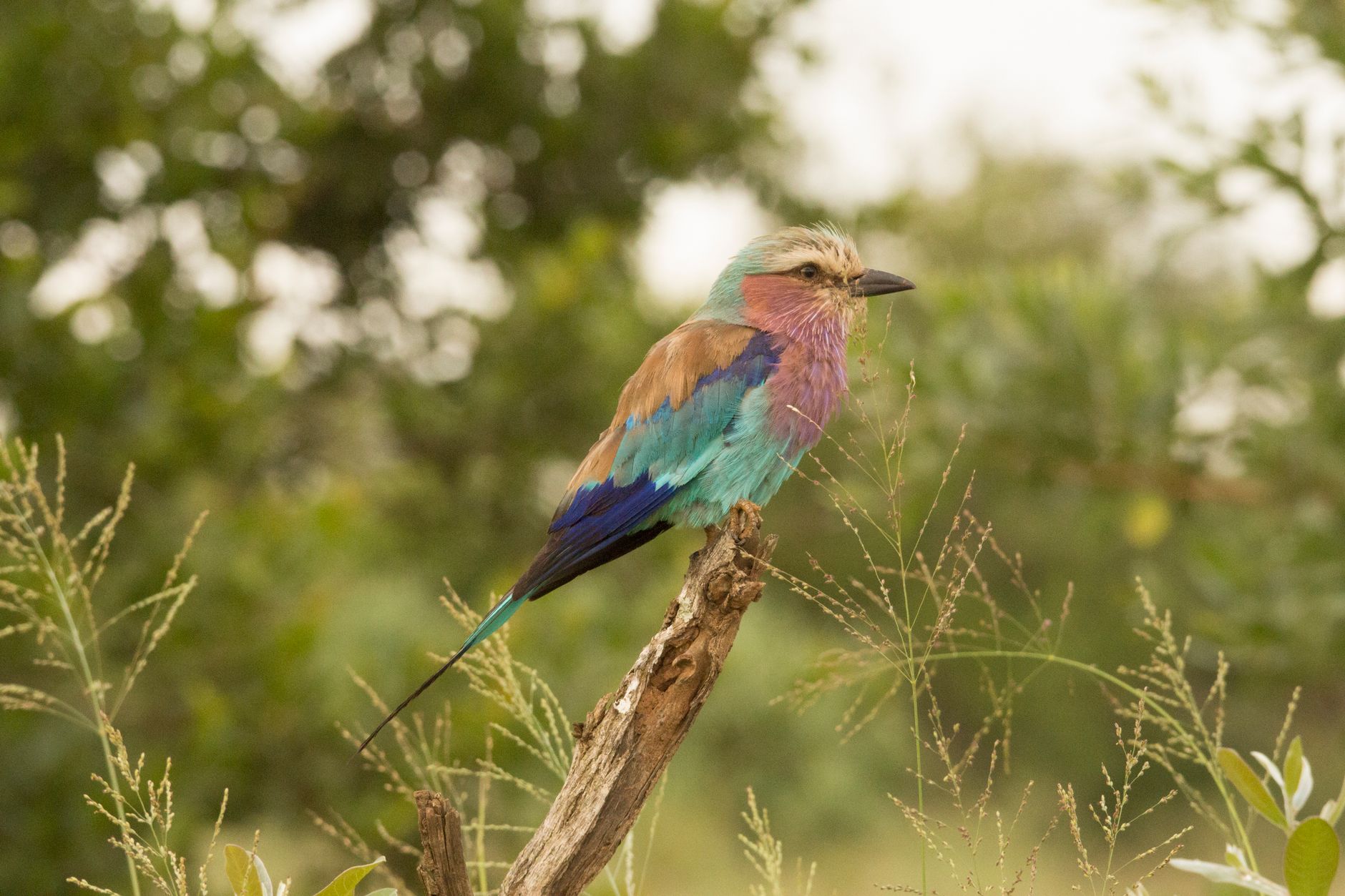
Namutoni Camp, on the eastern side of the park, is an excellent base. Its proximity to Fisher's Pan makes it a hotspot for remaining waders and flamingos, should the water levels permit. The camp itself is renowned for its birdlife, with species like the Purple Roller and various hornbills often seen in the trees.
Halali, situated midway between Namutoni and Okaukuejo, offers access to a different mix of habitats. The Moringa waterhole here is legendary, and the surrounding Mopane woodland is home to a variety of resident species. Okaukuejo, the park’s main administrative camp, is famous for its floodlit waterhole, which attracts owls and nightjars after dark, in addition to the rhinos and elephants it’s known for.
Key Species to Look For in April
While sightings are never guaranteed, April is a fantastic time to tick off an impressive list of birds. The lingering moisture and abundant insects mean the activity is high, especially in the cool mornings and late afternoons. Keep your binoculars ready for:
- Raptors: The park is home to a stunning array of birds of prey. Look for the Tawny Eagle, Bateleur, and both the Lappet-faced and White-backed Vultures soaring on thermals. The diminutive Pygmy Falcon is also a prized sighting, often seen perched atop sociable weaver nests.
- Corvids and Bustards: The world’s largest flying bird, the Kori Bustard, stalks the grasslands, as does the elegant Blue Crane, Namibia's national bird. The comical and highly intelligent Secretarybird can also be seen striding through the plains in search of snakes.
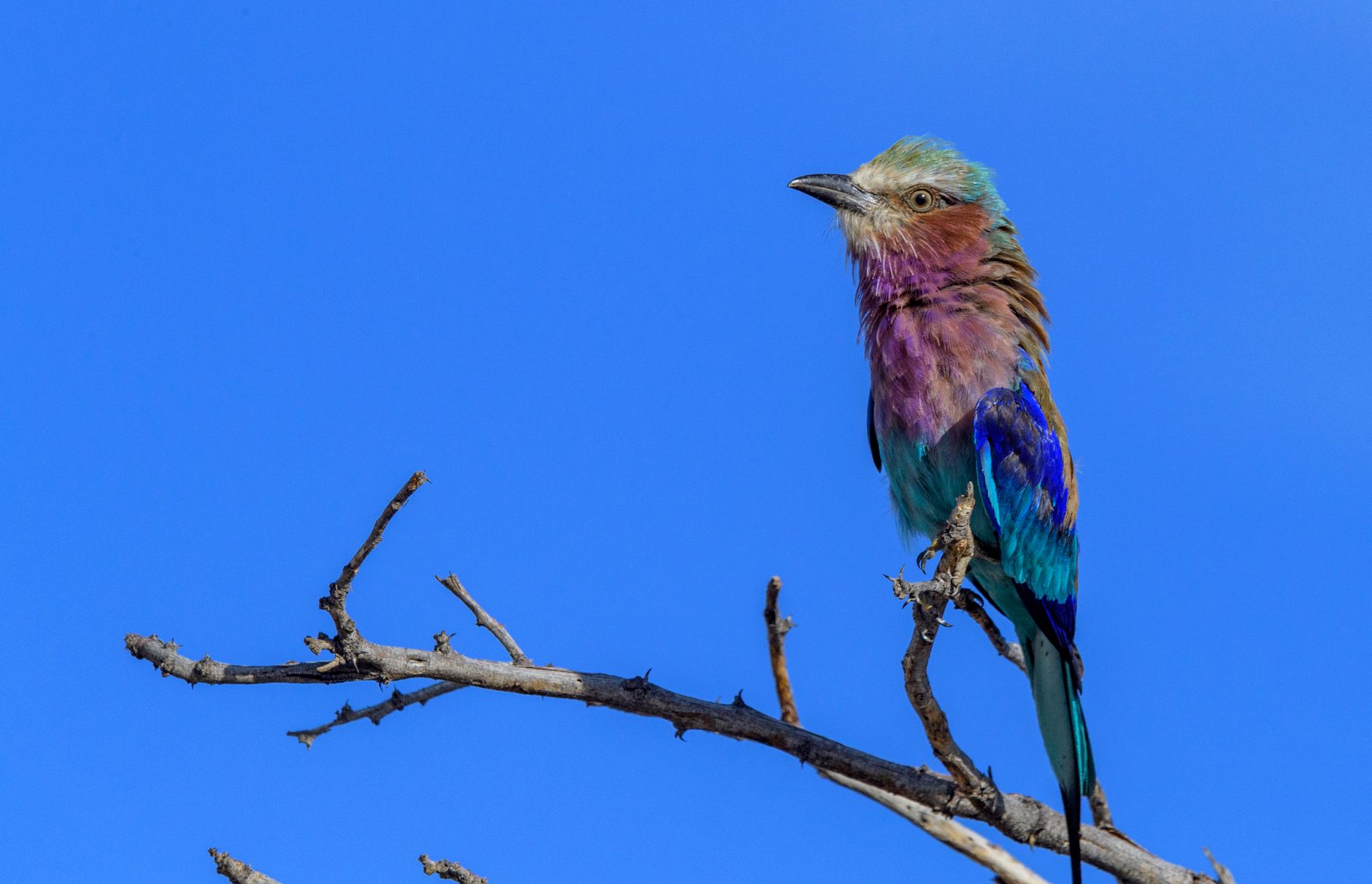
- Rollers and Bee-eaters: The dazzling Lilac-breasted Roller is a photographic favourite, and you may still catch the last of the European Bee-eaters before they depart. Their vibrant colours are a perfect contrast to the greening landscape.
- Waterbirds: Depending on the state of the pan, you could see Greater and Lesser Flamingos, Spoonbills, Black-winged Stilts, and a variety of ducks and teals congregating in the shallows.
- Endemics and Near-Endemics: Etosha is a key location for species with a limited range. Look for the Bare-cheeked Babbler, Monteiro's Hornbill, and the Carp's Tit in the woodlands, particularly in the western parts of the park.
Beyond the Birds: General Wildlife Viewing
An Etosha safari in April is not just for the birding enthusiast. The park’s famous big game is still very much in evidence, and the lush backdrop makes for breathtaking photography. Elephants, giraffe, zebra, wildebeest, and springbok are spread throughout the plains, often with young born during the season of plenty.
Predator sightings are still common. Lions may be found resting in the shade of a tree after a night’s hunt, and cheetahs use the taller grasses to their advantage when stalking prey. The dispersed nature of the game means you’ll be exploring more of the park's diverse habitats, from the open plains to the dense woodlands of the western corridors.
For a truly comfortable and immersive stay, consider a lodge just outside the park gates, like the beautiful Etosha Oberland Lodge, which allows for easy access at dawn. Combining your Etosha adventure with a trip to the starkly beautiful landscapes of Damaraland can create a wonderfully balanced Namibian itinerary, showcasing the country's incredible ecological diversity.
Planning Your Etosha Birding Safari
Most journeys to Etosha begin and end in the capital city of Windhoek, which is a scenic drive south of the park. From there, you can rent a vehicle and embark on a self-drive adventure, which is the most popular way to experience the park's freedom and scale.
En route, a stop in the Otjiwarongo area offers a chance to learn about conservation at the Cheetah Conservation Fund, where you can even stay at the exclusive Babson House @ Cheetah Conservation Fund. This breaks up the journey and adds another fascinating layer to your wildlife experience.
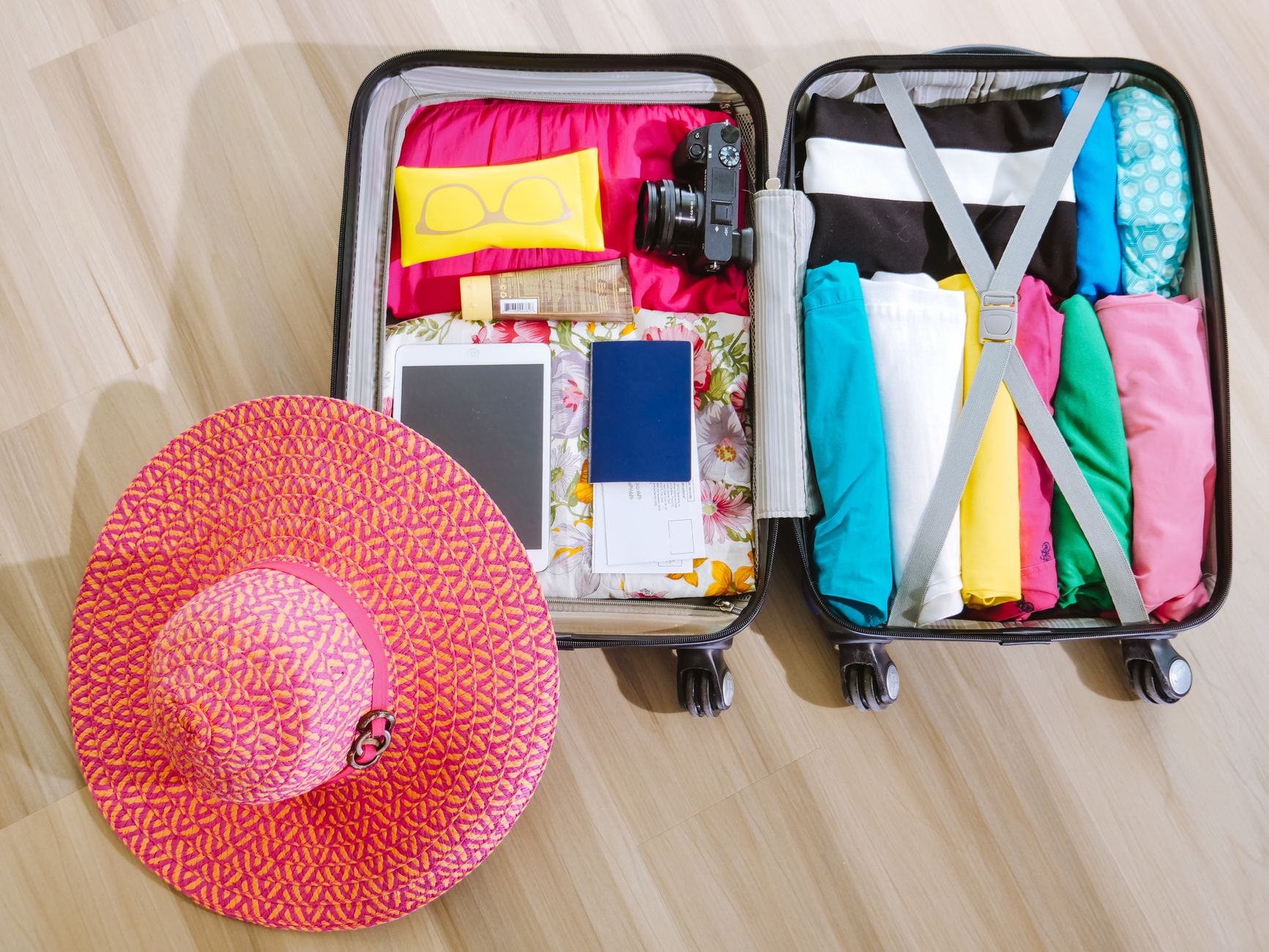
Be sure to pack layers of clothing. April mornings can be cool, while midday can be quite warm. A good pair of binoculars is essential, as is a reliable bird field guide. For those looking to expand their birding horizons, a trip to Etosha can be combined with the riverine forests of the Zambezi Region, which hosts an entirely different suite of tropical species, providing a spectacular contrast.
Ultimately, a safari in Etosha is a deeply personal experience, and the month you choose shapes that encounter. While many are drawn by the stark drama of the dry season, those who choose April are rewarded with life, colour, and a sense of renewal. The etosha birding season april 2027 promises a unique and memorable adventure for both seasoned birders and general nature lovers alike.
It is an invitation to witness one of Africa’s greatest wildlife sanctuaries at its most vibrant, a fleeting moment of green before the great drying begins.
Where to stay in South Africa
Browse handpicked places to stay — many with live availability and instant booking.
 4.3(249)
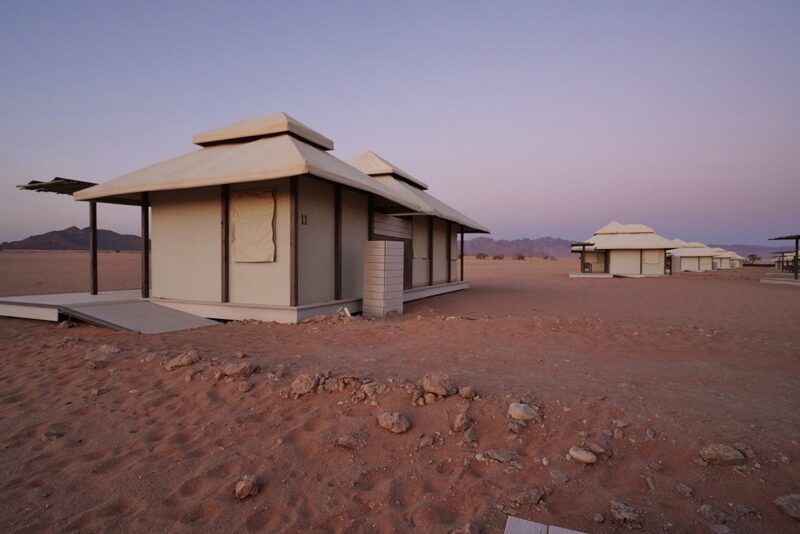
Dead Valley Lodge
Sesriem, Sossusvlei, Hardap
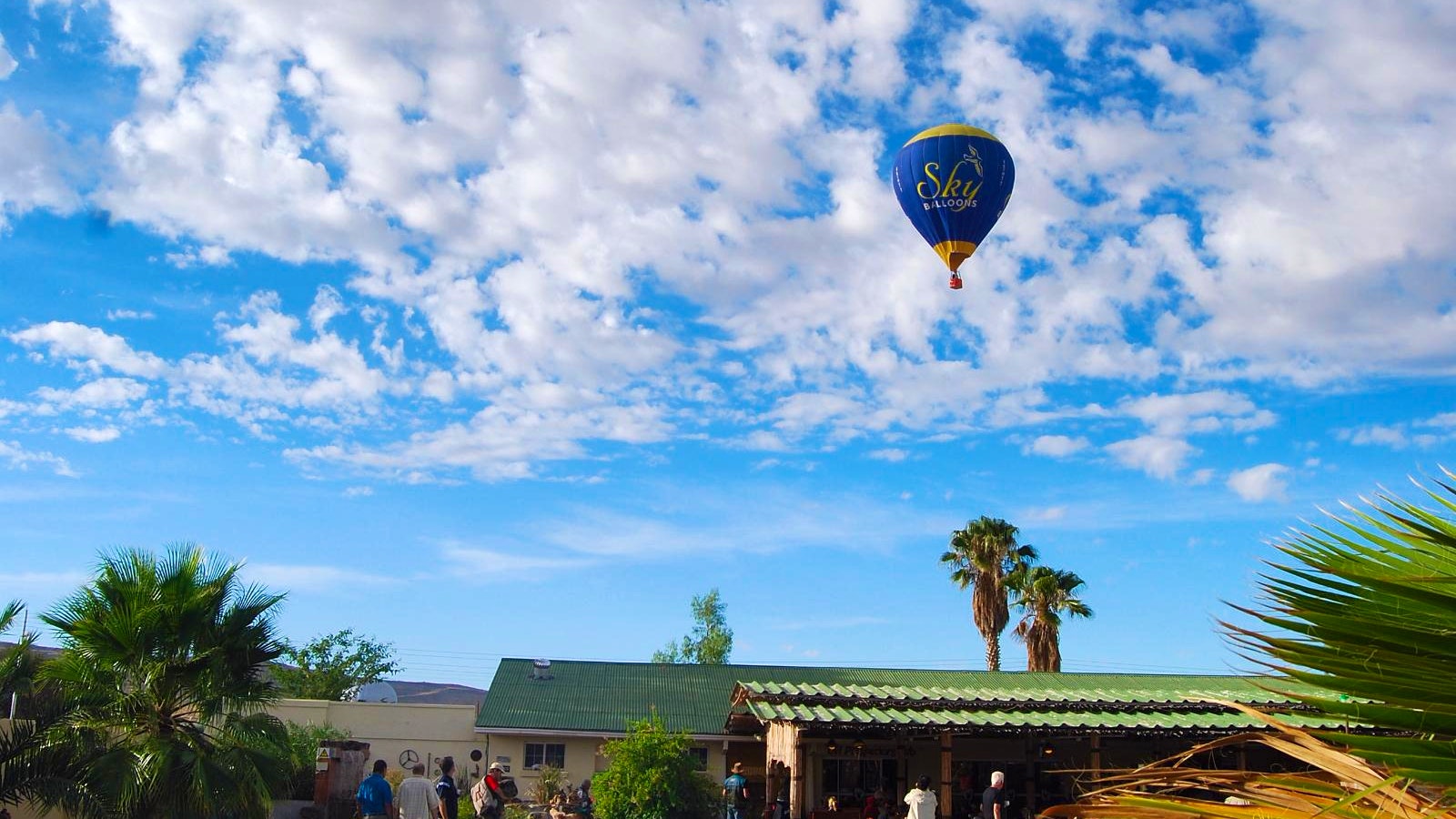 4(378)
Brandberg Rest Camp
Uis, Damaraland, Erongo
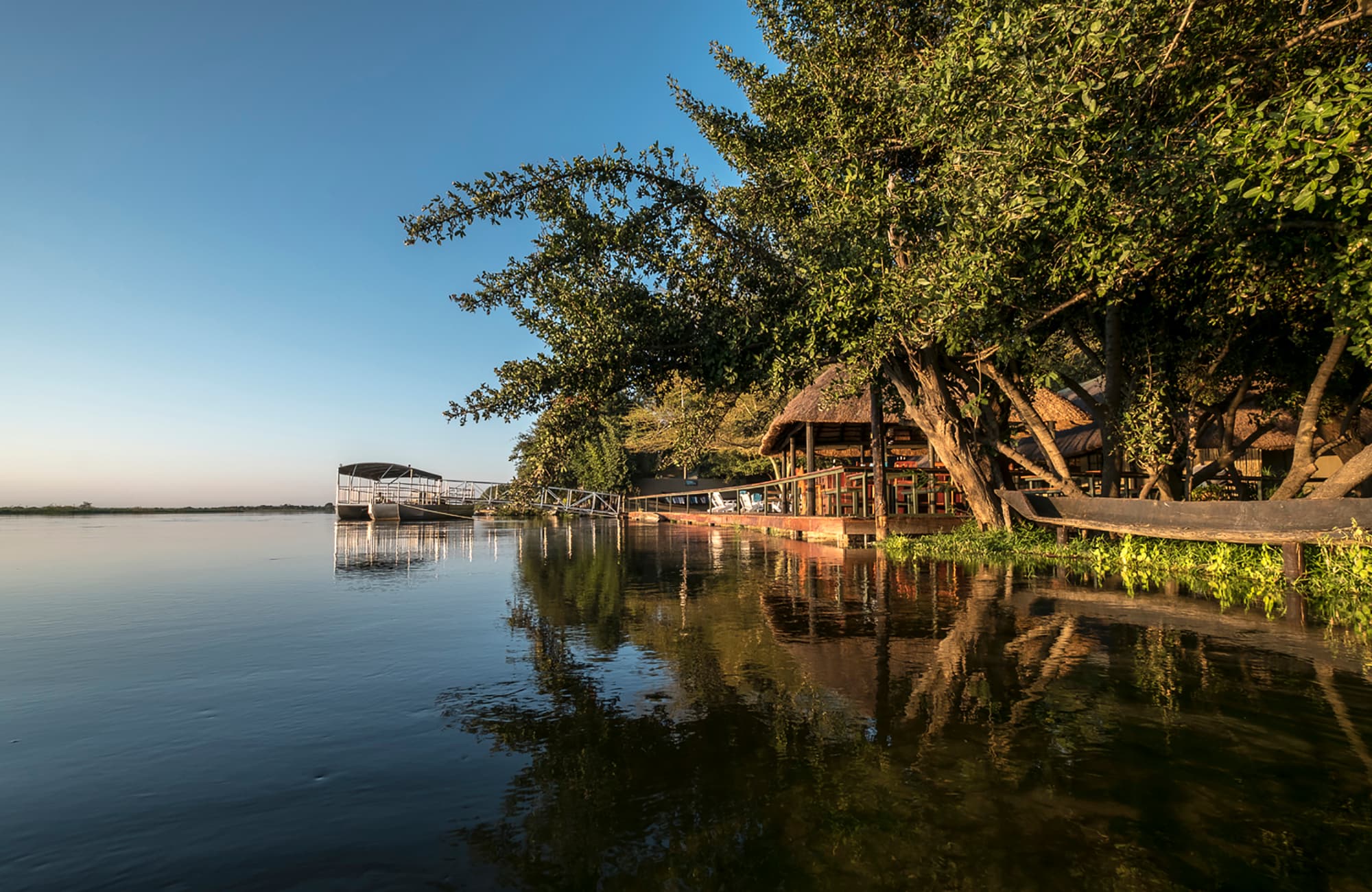 4.5(346)
Zambezi Mubala Camp
Zambezi River, 40km east of Katima Mulilo
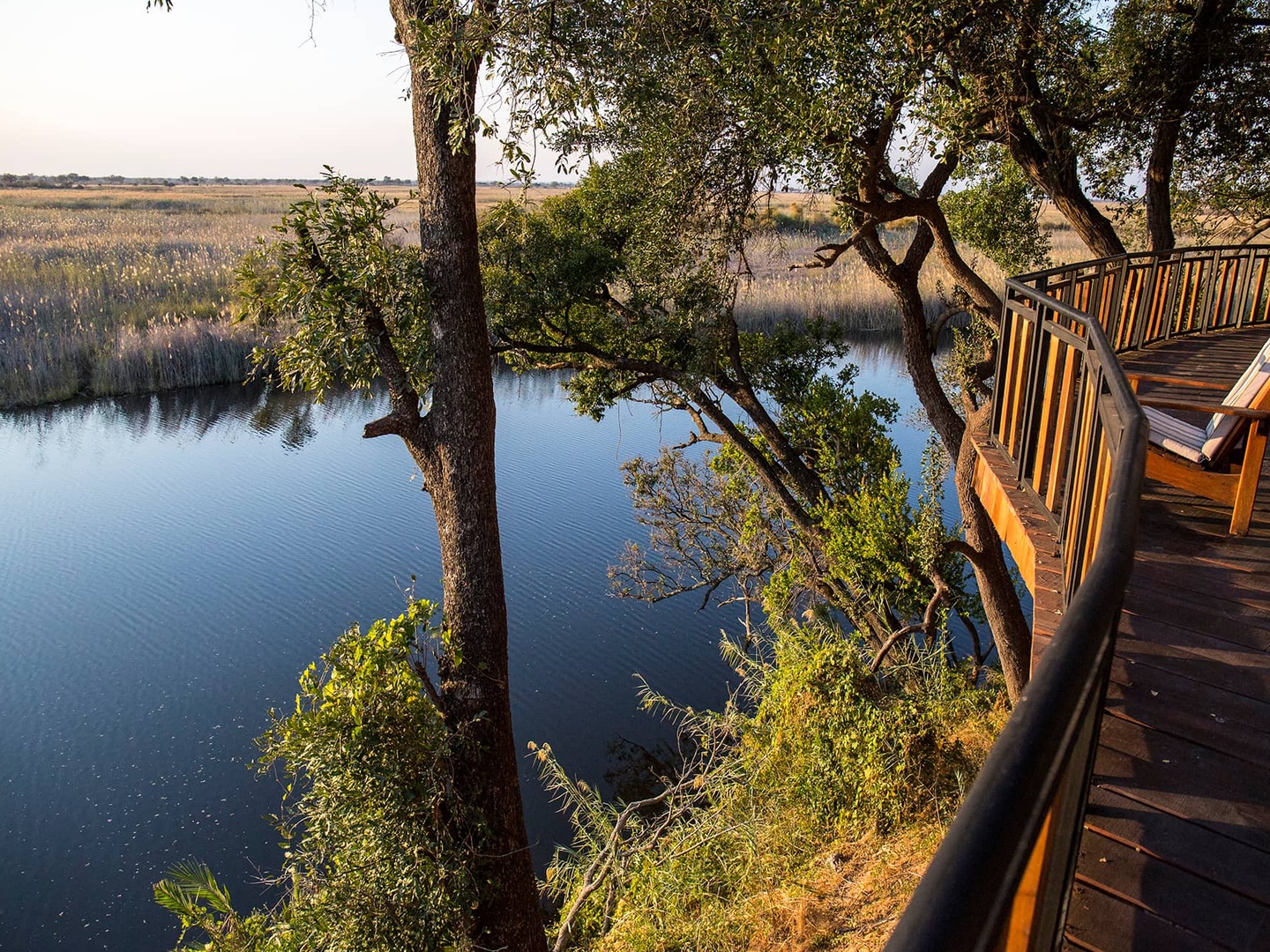 4.6(524)
Namushasha River Lodge
Kwando River, 24km south of Kongola, Zambezi
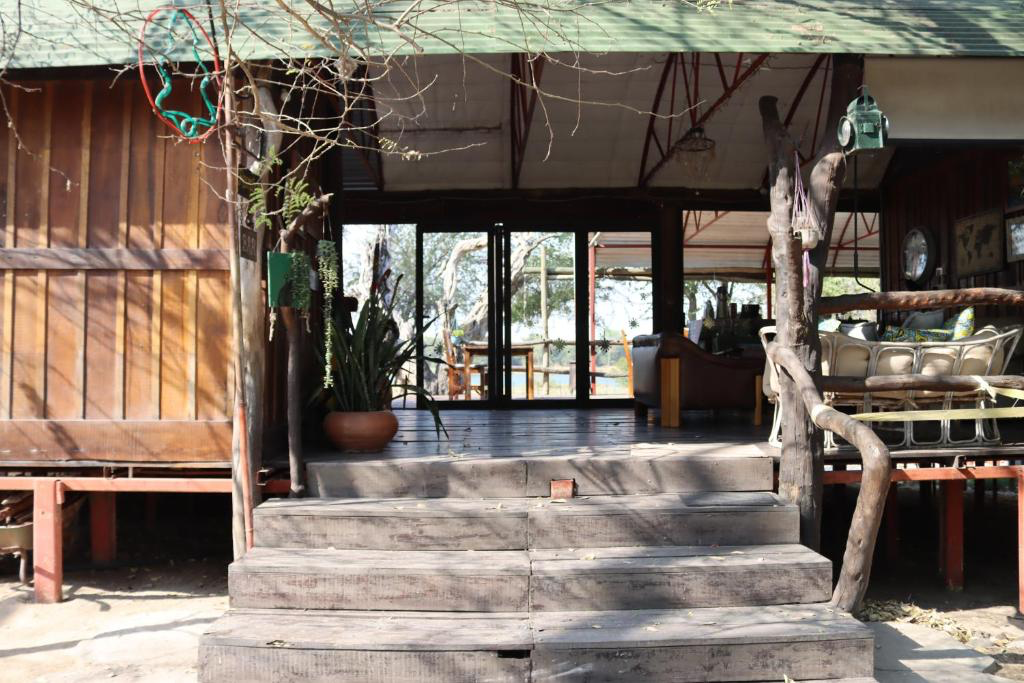 4.9(126)
Mukuku Oasis Lodge
Mupapama, Kavango River
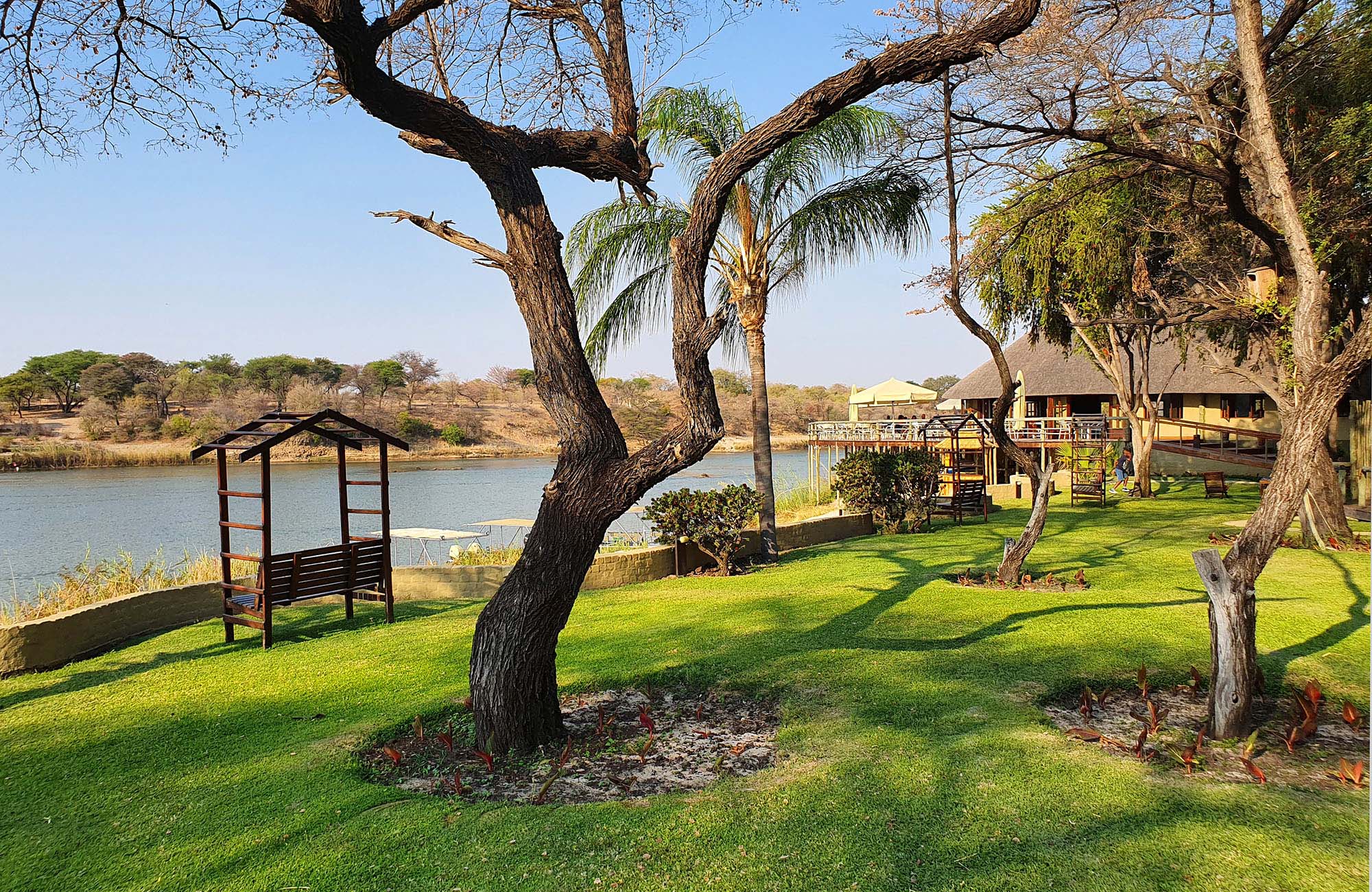 5(3)
5(3)Hakusembe River Camping2Go
Kavango River, 16km west of Rundu
Ready to plan your trip?
Check live availability, compare lodges and book instantly — or send us an enquiry and we'll help shape the route.
Keep reading

See our safari advice first on Google
One tap tells Google you want Safari Stays shown higher when you search for safari and travel news. It takes a second and you can undo it anytime.
Make Safari Stays a preferred source on Google