Namibia in January 2027: A Green Season Safari Guide
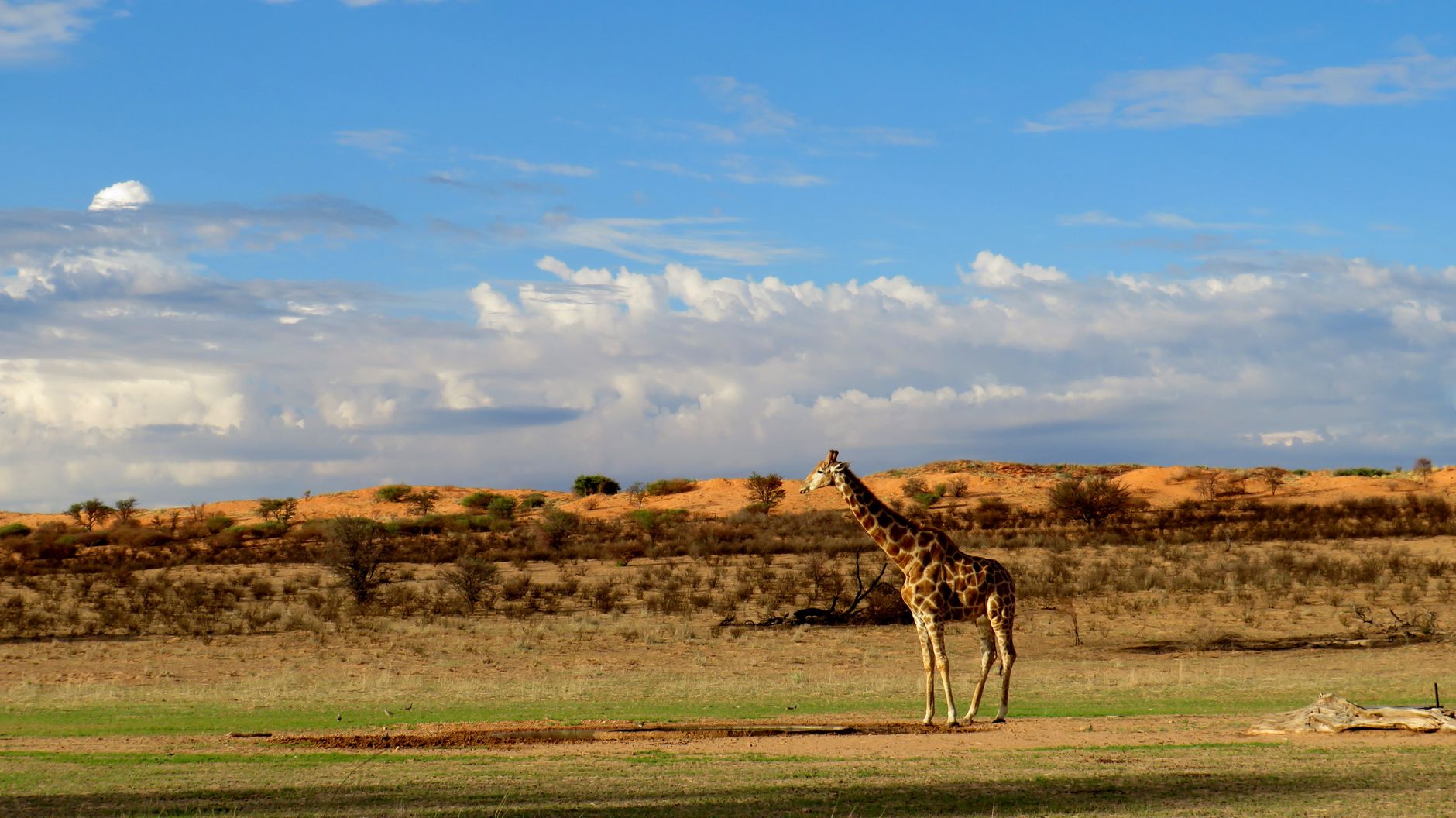
As you begin planning your journey for early 2027, the month of January in Namibia presents a picture quite different from the classic dry-season imagery. This is the heart of the ‘Green Season,’ a time of dramatic transformation and unique rewards for the well-prepared traveller. Understanding the nuances of Namibia in January 2027 weather and wildlife is the key to unlocking an experience filled with vibrant colour, new life, and breathtaking landscapes.
January turns much of the country into a photographer's dream. The air is washed clean of dust, colours become deeply saturated, and the skies are often filled with magnificent cloud formations. It’s a time of renewal, offering a safari experience that feels lush, alive, and profoundly different.
Understanding Namibia's Green Season
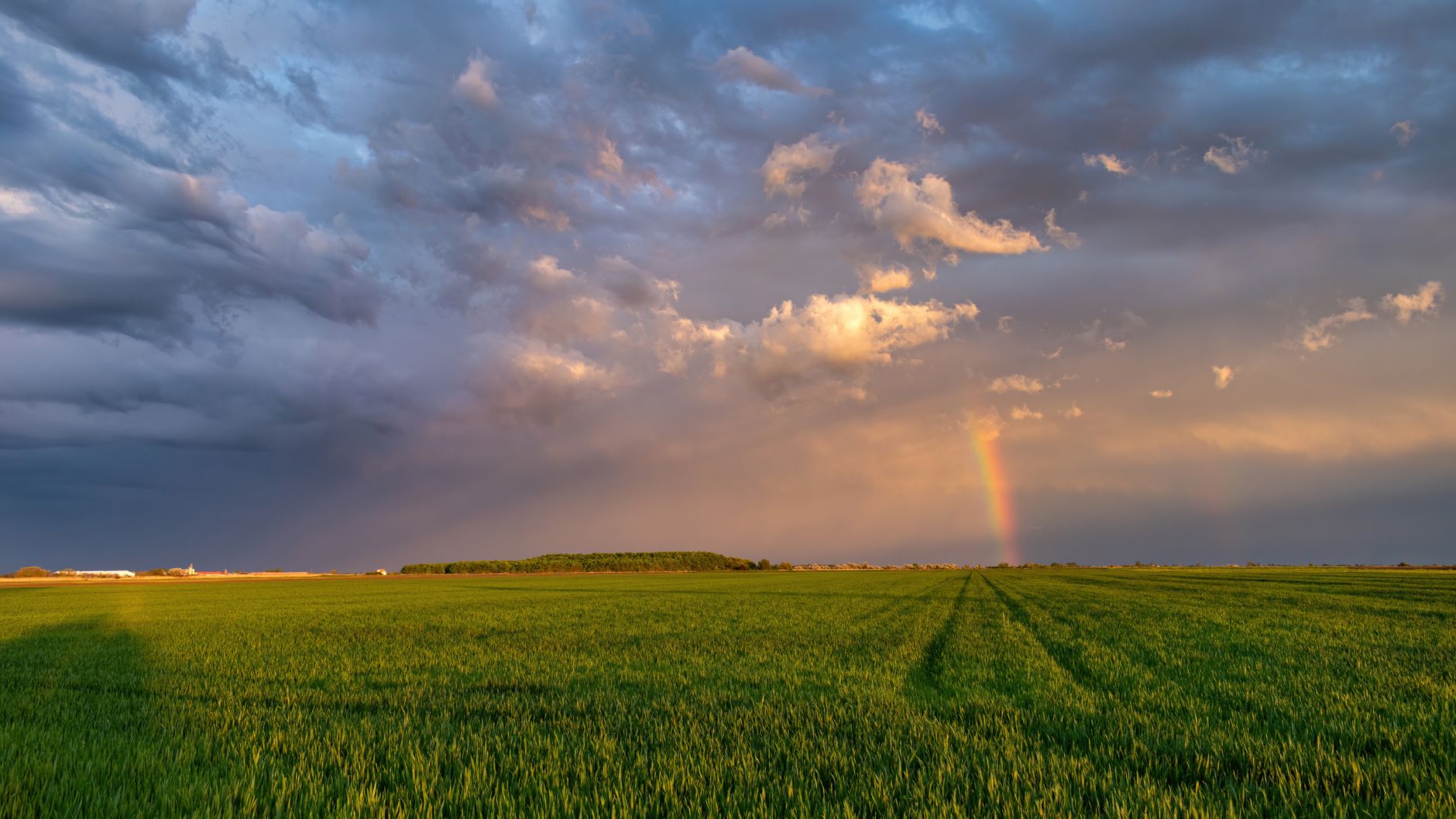
January falls squarely in Namibia's summer, which is also its primary rainy season. This can sound daunting, but the reality is often far from a constant downpour. The weather pattern typically involves hot, clear mornings followed by the build-up of spectacular cumulus clouds in the afternoon, culminating in short, intense, and localised thunderstorms. These moments of rain are what give the season its name, coaxing a blanket of green from the arid earth.
Temperatures during the day can be high, frequently reaching 30-38°C (86-100°F) in central and northern areas. The humidity is higher than during the dry winter months, but the afternoon rains often bring a welcome coolness to the evenings. The coast, however, remains a temperate escape, with the cool Benguela Current keeping places like Swakopmund and Henties Bay misty and mild.
This season is considered the 'low season' for tourism, which translates to fewer vehicles at sightings and a more intimate connection with the environment. For those seeking solitude and a different perspective on this iconic destination, January is a superb choice.
Namibia in January 2027 Weather and Wildlife: A Regional Guide
Namibia is a vast country, and the Green Season's impact varies dramatically from one region to another. Knowing what to expect in each area is crucial for planning your itinerary.
Etosha National Park
In the dry season, Etosha is defined by its waterholes, where wildlife congregates in huge numbers. In January, the dynamic shifts. Natural pans throughout the park fill with water, allowing animals to disperse across the vast landscape. While you may not see the sheer concentrations found in winter, the viewing is rewarding in other ways. The park is lush and green, providing a stunning backdrop for photography. This is also the primary calving season, and the plains are dotted with newborn springbok, zebra, and wildebeest, their spindly legs a testament to the season of plenty. Birdwatching in Etosha is nothing short of world-class in January, with migratory species flocking to the ephemeral wetlands. A stay at a lodge like Etosha Oberland Lodge provides a comfortable base for exploring this transformed ecosystem.
The Kalahari Desert
The word ‘desert’ feels like a misnomer for the Kalahari in January. The iconic red dunes become streaked with verdant grasses and wildflowers, creating a spectacle of contrasting colours. The ancient, fossilised riverbeds of the Auob and Nossob might even see some flow, a rare and magical sight. Wildlife, including gemsbok, springbok, and the famous black-maned Kalahari lions, is healthy and active, benefiting from the abundance of food.
Sossusvlei and the Namib Desert
The world’s oldest desert receives the least rain, and some years, almost none at all. However, when the rains do reach Sossusvlei, the effect is extraordinary. Even a small amount of moisture can trigger the germination of dormant grasses, casting a faint green veil over the landscape. On very rare occasions, enough water flows down the Tsauchab River to fill the white clay pan at Deadvlei or Sossusvlei, creating surreal reflections of the red dunes. Mornings are the best time for exploration, as midday heat is intense. An exclusive retreat like &Beyond Sossusvlei Desert Lodge allows for early access to the dunes before the day's heat sets in.
The Zambezi Region
Formerly known as the Caprivi Strip, the Zambezi region is Namibia's tropical paradise, and in January, it is at its most lush. This is the wettest part of the country, and water levels in the Kwando, Linyanti, and Zambezi rivers are rising. Activities shift to the water, with boat cruises and mokoro excursions offering fantastic opportunities to see elephants, hippos, and crocodiles. The birdlife is simply spectacular, with breeding plumage on display and migratory birds swelling the ranks. Lodges such as Kazile Island Lodge, situated in the wetlands, offer an immersive experience in this water-world.
Planning Your January Adventure: Packing and Travel Tips
Travelling during the Green Season requires slightly different preparation than a dry-season trip. With the right gear and mindset, you'll be comfortable and ready for anything.
What to Pack
Your packing list should focus on managing heat, sun, and potential rain. Here are some essentials:
- Lightweight Clothing: Loose-fitting shirts and trousers in breathable fabrics like cotton or linen are ideal. Neutral, earthy colours are best for wildlife viewing.
- Waterproof Gear: A lightweight, breathable rain jacket is non-negotiable. A waterproof cover for your camera bag or backpack is also a wise investment.
- Sun Protection: A wide-brimmed hat, polarised sunglasses, and a high-SPF, broad-spectrum sunscreen are crucial. The Namibian sun is powerful, even on cloudy days.
- Footwear: Bring comfortable, closed-toe walking shoes. If you plan on significant walking, a pair that can handle mud and water is recommended.
- Insect Repellent: With more standing water, mosquito populations increase. An effective repellent is important, especially in the evenings and in the northern regions.
Travel Considerations
The main arteries connecting Namibia's towns are paved and generally unaffected by the rains. However, many lodges and park entrances are accessed via gravel roads. While most are well-maintained, heavy downpours can make them slippery or cause wash-outs. For this reason, renting a 4x4 vehicle is highly recommended for a January trip. It provides better handling, higher clearance, and peace of mind when navigating more remote tracks.
Embrace the rhythm of the season. Plan for early morning and late afternoon activities to avoid the midday heat. Use the quiet midday hours for relaxing at your lodge, enjoying a swim, or catching up on your reading. The dramatic afternoon light and storm clouds offer some of the year's best photographic opportunities, so be ready to capture the show.
Beyond the Safari: Coastal Retreats and City Life
While the interior landscapes transform, Namibia's coastline offers a cool and pleasant counterpoint. The towns of Swakopmund and Lüderitz are wonderful escapes from the heat, shrouded in morning fog that gives way to mild, sunny afternoons. This is a great time for dune-boarding, exploring the coast, or simply enjoying the German-influenced architecture and seaside cafes.
In the capital, life buzzes on. Windhoek is a clean, safe, and engaging city with a vibrant culinary scene and excellent craft markets. Starting or ending your journey here with a stay at a chic spot like The Weinberg Urban Pods provides a gentle immersion into Namibian culture before you head out into the wild.

Ultimately, a journey to Namibia in January is for the traveller who appreciates nature in its most dynamic state. It’s a time of birth, of colour, and of immense atmospheric beauty. It may require a bit more flexibility, but the rewards are a deeper, more nuanced understanding of this incredible country. If you are captivated by the idea of dramatic skies, green-tinged deserts, and the energy of a landscape coming to life, then exploring Namibia in January 2027 weather and wildlife will deliver an adventure you will never forget.
Where to stay in Sossusvlei & Namib
Browse handpicked places to stay — many with live availability and instant booking.
 4.3(249)
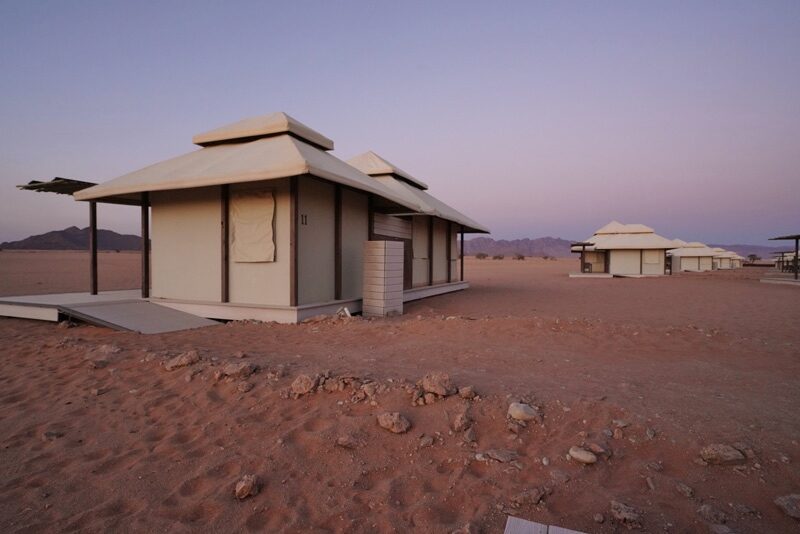
Dead Valley Lodge
Sesriem, Sossusvlei, Hardap
 4.4(387)
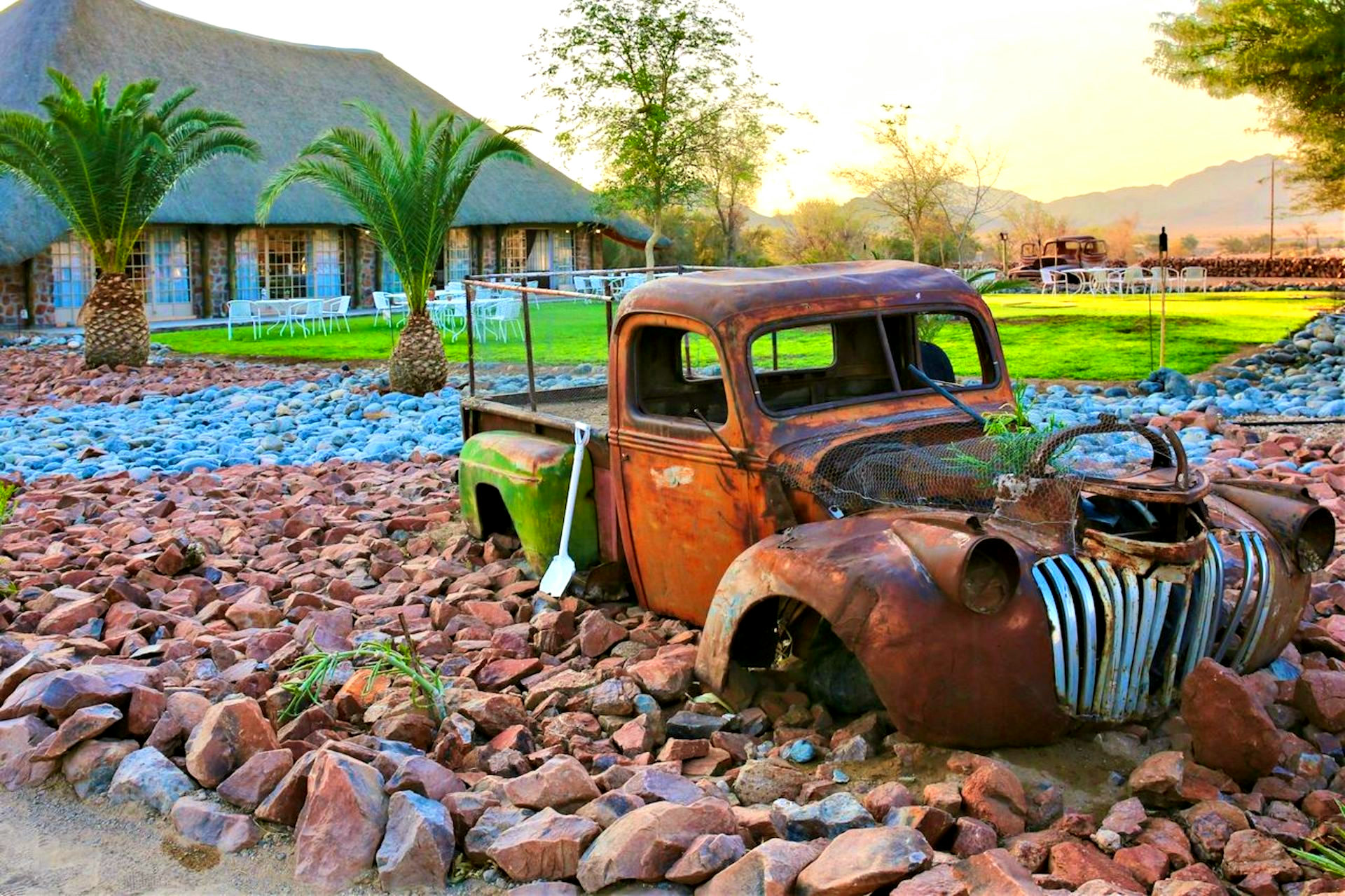
The Elegant Desert Lodge
Sesriem, Hardap
 5(3)
Hakusembe River Camping2Go
Kavango River, 16km west of Rundu
 4.6(524)
Namushasha River Lodge
Kwando River, 24km south of Kongola, Zambezi
 3.9(19)
Jakkalsputz Campsite
Dorob National Park, near Henties Bay, Erongo
 4(378)
Brandberg Rest Camp
Uis, Damaraland, Erongo
Let us plan this trip for you
Send us your dates, party and budget and we'll come back with a costed itinerary — lodges, flights, transfers and activities in one place. No fee, no obligation.
Keep reading


See our safari advice first on Google
One tap tells Google you want Safari Stays shown higher when you search for safari and travel news. It takes a second and you can undo it anytime.
Make Safari Stays a preferred source on Google