Your Guide to Etosha: Wildlife Viewing in September 2026
There is a palpable sense of anticipation in the air across Namibia as winter gives way to the heat of late spring. For those who know the rhythms of the bush, this is a magical time. We're often asked when the best time to visit our country is, and for wildlife lovers, the answer is unequivocal. Planning for exceptional etosha wildlife viewing september 2026 means positioning yourself for one of the planet's greatest natural spectacles.
September marks the zenith of the dry season. The vast Etosha Pan, a shimmering silver-white expanse that gives the park its name—'Great White Place'—is bone dry. The mopane woodlands are sparse and brittle, their leaves turned to gold and rust. It is this scarcity of water that creates the abundance of sightings, drawing life from all corners of the park to the few remaining waterholes in a daily drama of survival and coexistence.
Why September is Prime Time in Etosha
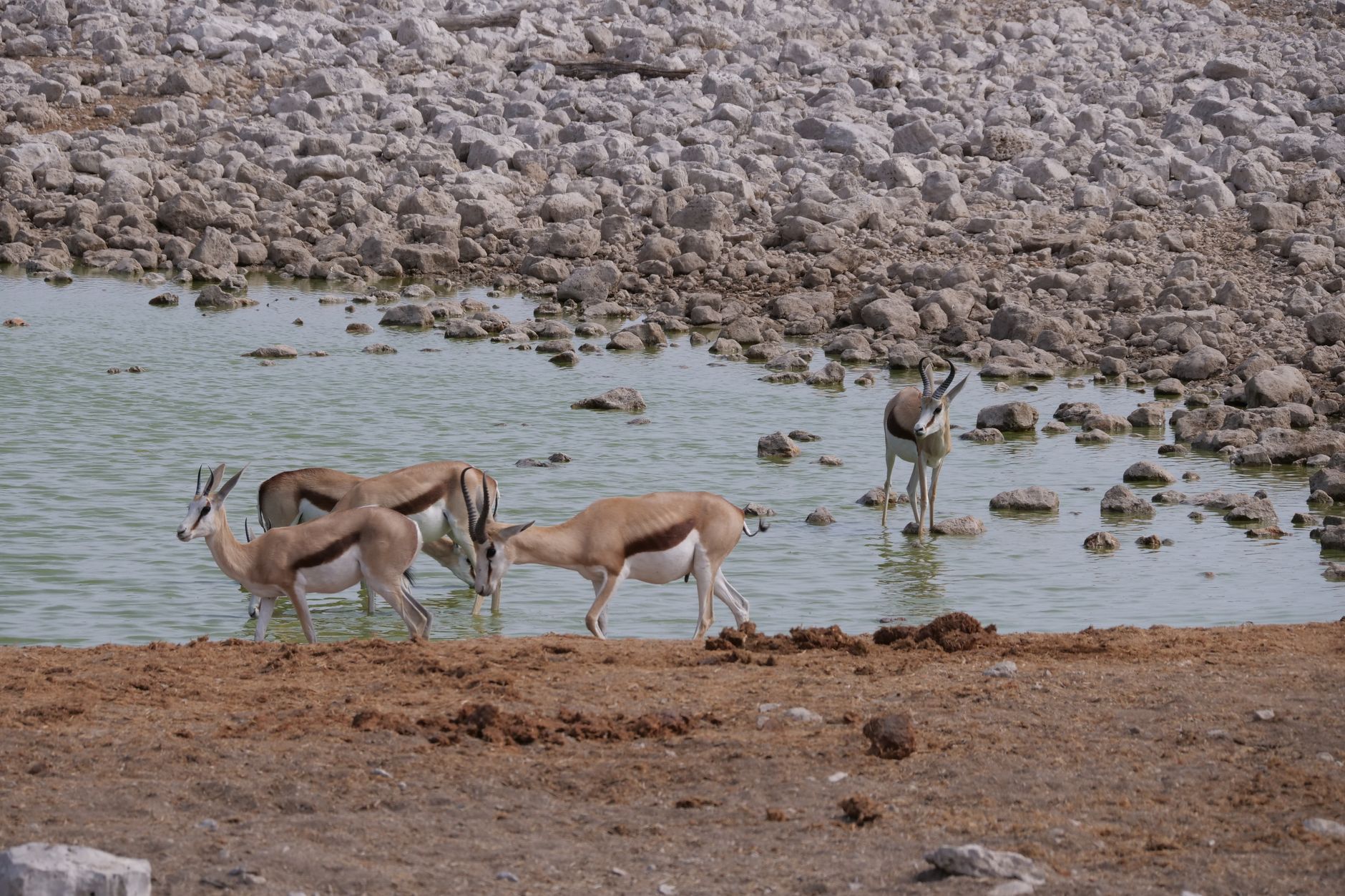
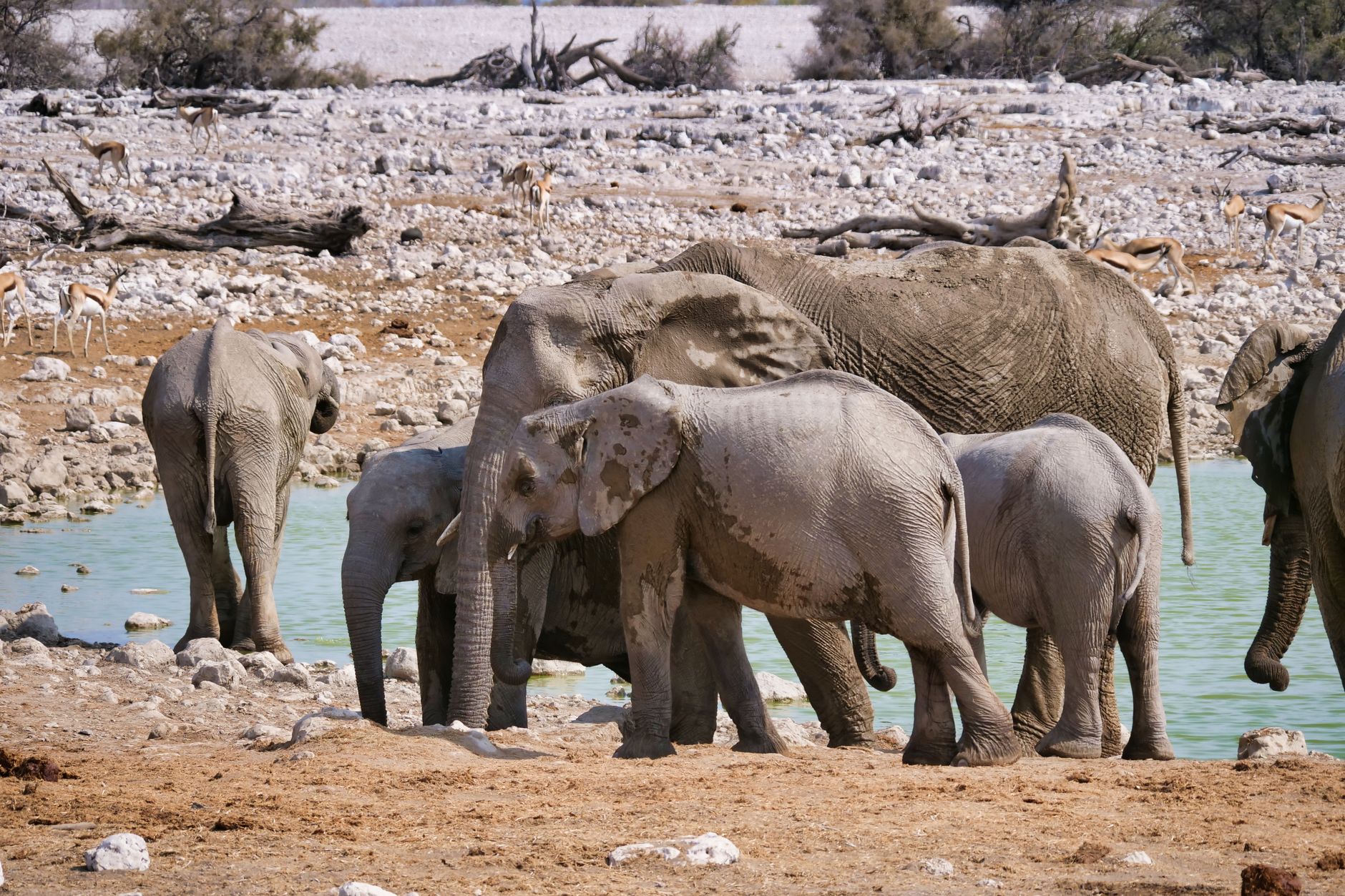
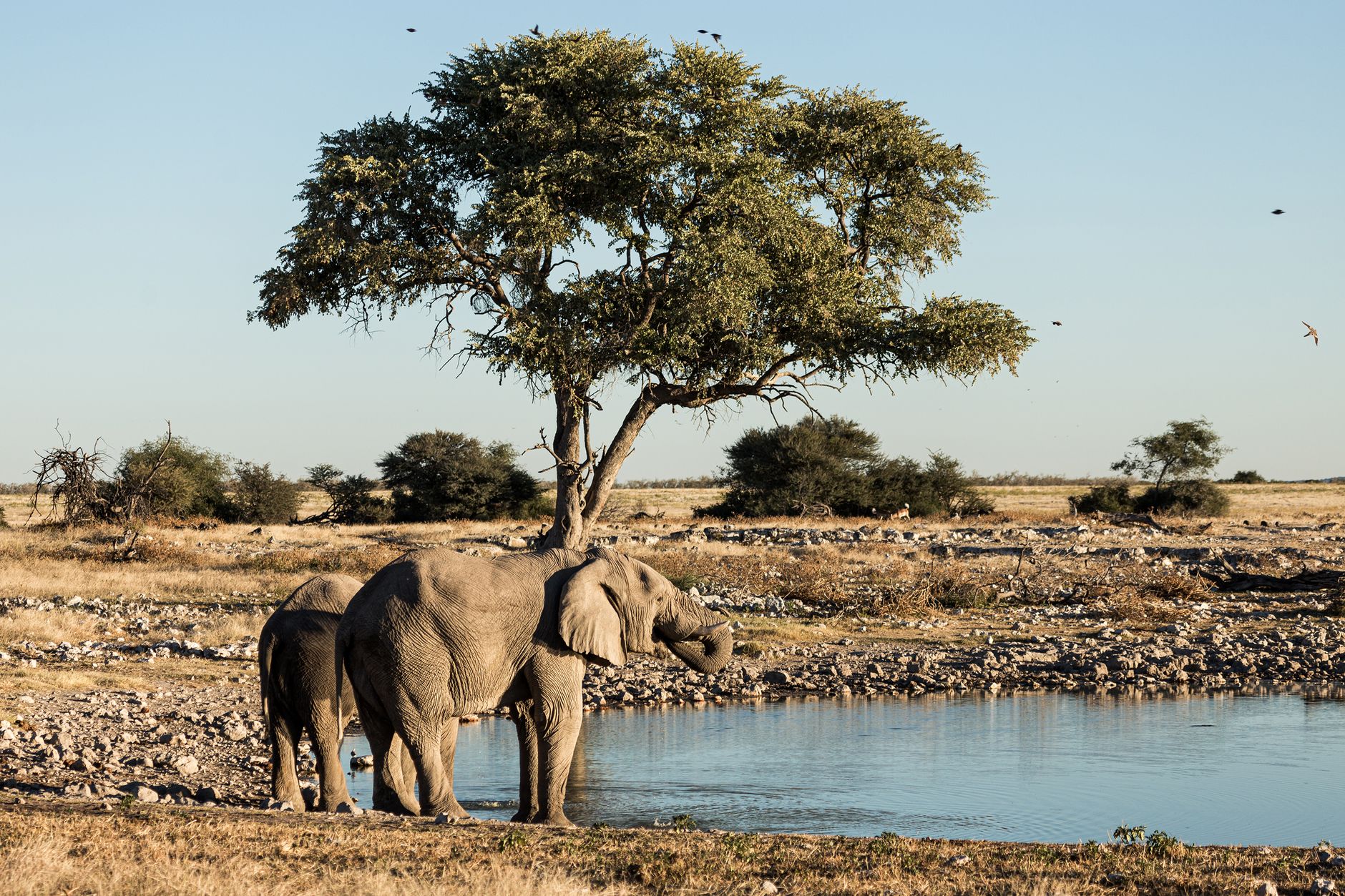
Imagine the scene: the air is warm and still, the sun high in a cloudless sky. The only sound is the soft crunch of gravel under your tyres and the distant call of a dove. As you approach a waterhole, the scene unfolds. A herd of elephants, numbering in the dozens, dominates the water's edge, drinking deeply and spraying themselves with mud. Zebra and springbok wait patiently on the periphery, while a lone giraffe stands sentinel, its long neck silhouetted against the acacia trees.
This is the essence of Etosha in September. The landscape, stripped of its dense summer vegetation, offers clear, unobstructed views. Animals cannot hide. More importantly, they are forced to congregate around the permanent and supplemented waterholes scattered throughout the park. This transforms each water source into a natural theatre, a stage where the cast of characters changes throughout the day.
Unlike the wet season when water is plentiful and animals disperse across the park's immense 22,270 square kilometres, the dry season concentrates the action. Game drives become less about searching and more about observing. You can spend hours at a single waterhole, watching the intricate social dynamics play out before you, from the cautious approach of a black-faced impala to the confident swagger of a lion pride.
The Waterhole Theatre: Where to Go
The park is broadly divided into three main areas, each anchored by a camp and a cluster of productive waterholes. Driving through the vast Etosha region reveals an ever-changing landscape and promises unique sightings.
Okaukuejo: The Elephant and Rhino Hub
Located in the south of the park, Okaukuejo is famous for its floodlit waterhole, arguably one of the best places in Africa to see the critically endangered black rhino. As dusk settles, visitors gather on benches to watch in hushed silence as these prehistoric-looking creatures emerge from the darkness to drink. During the day, its surrounding waterholes, like Gemsbokvlakte and Olifantsbad, are hotspots for elephants, lions, and vast herds of plains game.
Halali: The Leopard's Lair
Situated midway between Okaukuejo and Namutoni, Halali feels more secluded, nestled amongst mopane trees. Its floodlit Moringa waterhole is known for leopard sightings, though they require patience and a bit of luck. The camp also provides access to the edge of the pan itself, offering those iconic, heat-hazed views. Goas and Rietfontein are nearby waterholes that reliably attract a mix of predators and prey.
Namutoni and the East: Birdlife and Big Cats
The eastern side of Etosha, near Fort Namutoni, has a slightly different character due to the presence of the Fischer's Pan. Even in the dry season, some waterholes here, like Chudop and Klein Namutoni, hold water and attract an incredible variety of life. It’s an excellent area for lion and cheetah sightings, as well as for water-loving birds that persist.
Planning Your Etosha Wildlife Viewing for September 2026
September is a popular month, so early planning is crucial. Accommodation, both inside and outside the park, gets booked up well in advance. Deciding on your base is a key first step. Staying at a lodge on the park's periphery, such as the beautifully appointed Etosha Oberland Lodge, offers a luxurious retreat after a day of dusty game drives, combining proximity with comfort and exclusive guided safari options.
A Typical Day on Safari
A day in Etosha starts early. The park gates open at sunrise, and this is the best time to be out. The light is soft and golden, and predators are often still active after their nocturnal hunts. A typical safari day might involve:
- Morning Drive: A 3-4 hour exploration, moving between different waterholes, stopping for coffee and rusks as the sun climbs higher.
- Midday Rest: The midday heat can be intense, and animal activity lulls. This is the perfect time to return to your lodge for lunch, a swim, or simply a rest in the shade.
- Afternoon Drive: Head out again around 3 PM as the temperature begins to drop and animals make their way back to the water. This drive lasts until the park gates close at sunset.
- Evening Viewing: If you are staying at a camp with a floodlit waterhole, the show continues long after dinner.
Remember to drive slowly, keep your voice down, and turn off your engine at sightings. The more you blend into the environment, the more natural behaviour you will witness. Pack layers, as early mornings can be cool, along with sunscreen, a wide-brimmed hat, binoculars, and of course, your camera.
Beyond the Pan: Extending Your Namibian Journey
Etosha is a cornerstone of any northern Namibian itinerary, but it's just one chapter of a larger story. The park's location in the Kunene region makes it a perfect gateway to other dramatic landscapes. After a few days of intense wildlife viewing, consider heading west into the starkly beautiful and remote landscapes of Damaraland, home to desert-adapted elephants and ancient rock art.
Alternatively, your route to or from Etosha offers its own rewards. The journey from Windhoek is an adventure in itself, with charming stopovers that enrich the experience. A stay at a place like Dornhügel Guestfarm near Grootfontein allows you to experience authentic Namibian hospitality and break up the drive, arriving at the park gates refreshed and ready for adventure.
Many travellers combine Etosha with a visit to the Waterberg Plateau or the lush Zambezi Region for a contrasting safari experience. For more ideas on how to build your perfect trip, explore our other articles on the Safari Stays /namibia/blog.

Ultimately, a safari in Etosha is a lesson in patience and observation. It’s about the quiet moments: the flick of an ear, the low rumble of a communicating elephant, the intense stare of a lioness. It is these details, set against the grand stage of the pan, that create memories to last a lifetime. As you finalize your plans for etosha wildlife viewing september 2026, prepare to be captivated by the raw, untamed, and profoundly beautiful soul of Namibia.
Ready to plan your trip?
Check live availability, compare lodges and book instantly — or send us an enquiry and we'll help shape the route.