

Safari Stays Across Africa
Handpicked lodges, game reserves & safari experiences across the continent
Book handpicked safari stays at the best rates — no hidden fees, just unforgettable experiences.
Choose Your Destination
Select a country to explore handpicked safari stays
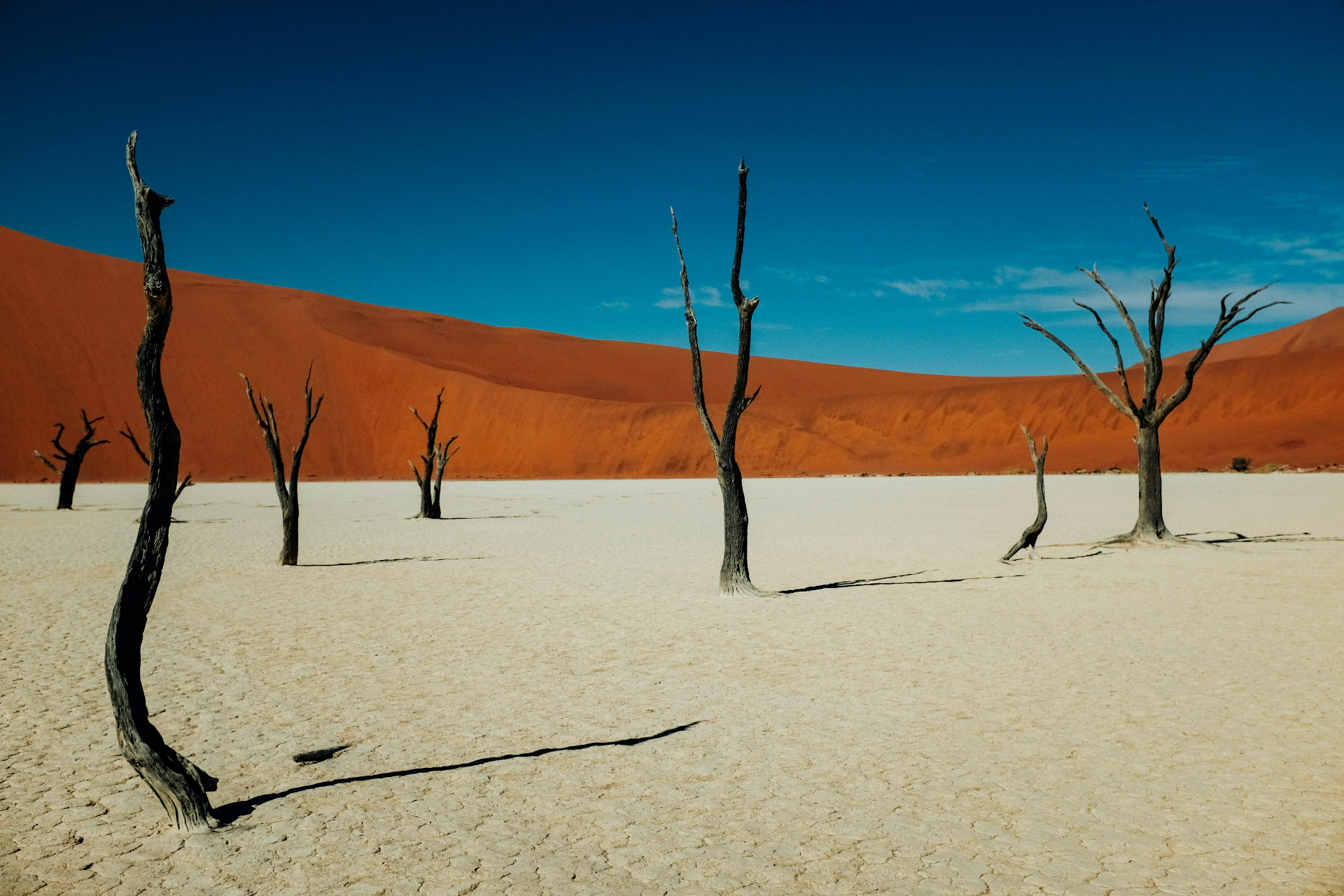
Namibia
Dunes, deserts & unforgettable wildlife
South Africa
Big Five safaris, coastlines & wine country
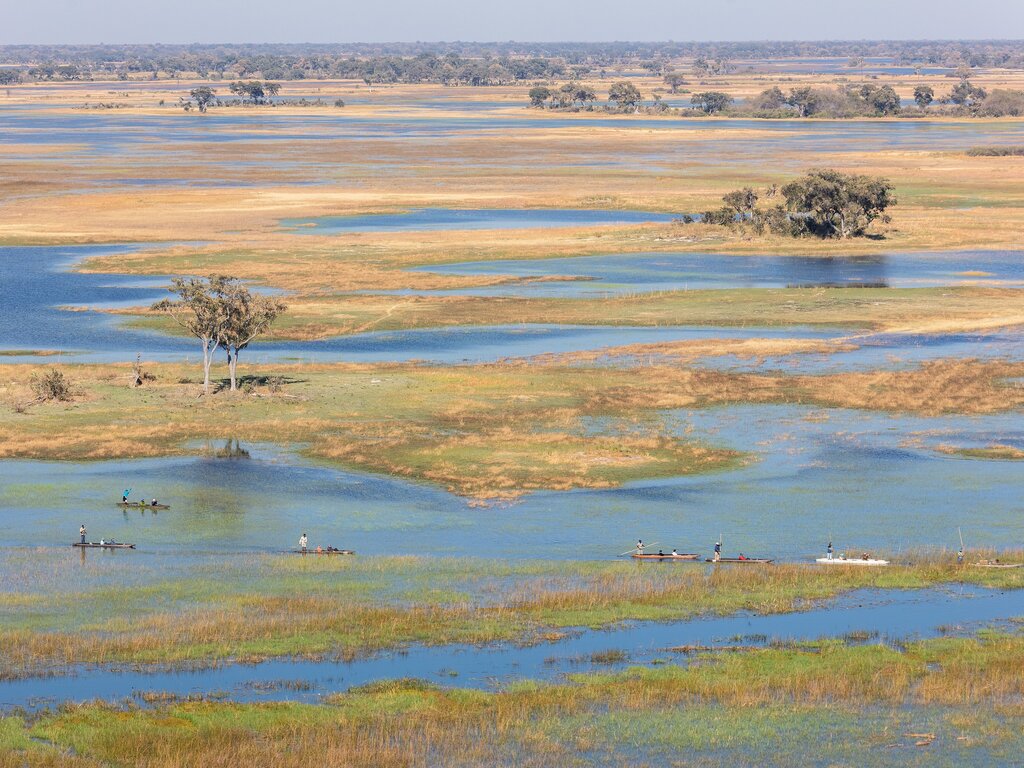
Botswana
The Okavango Delta, Chobe & Kalahari
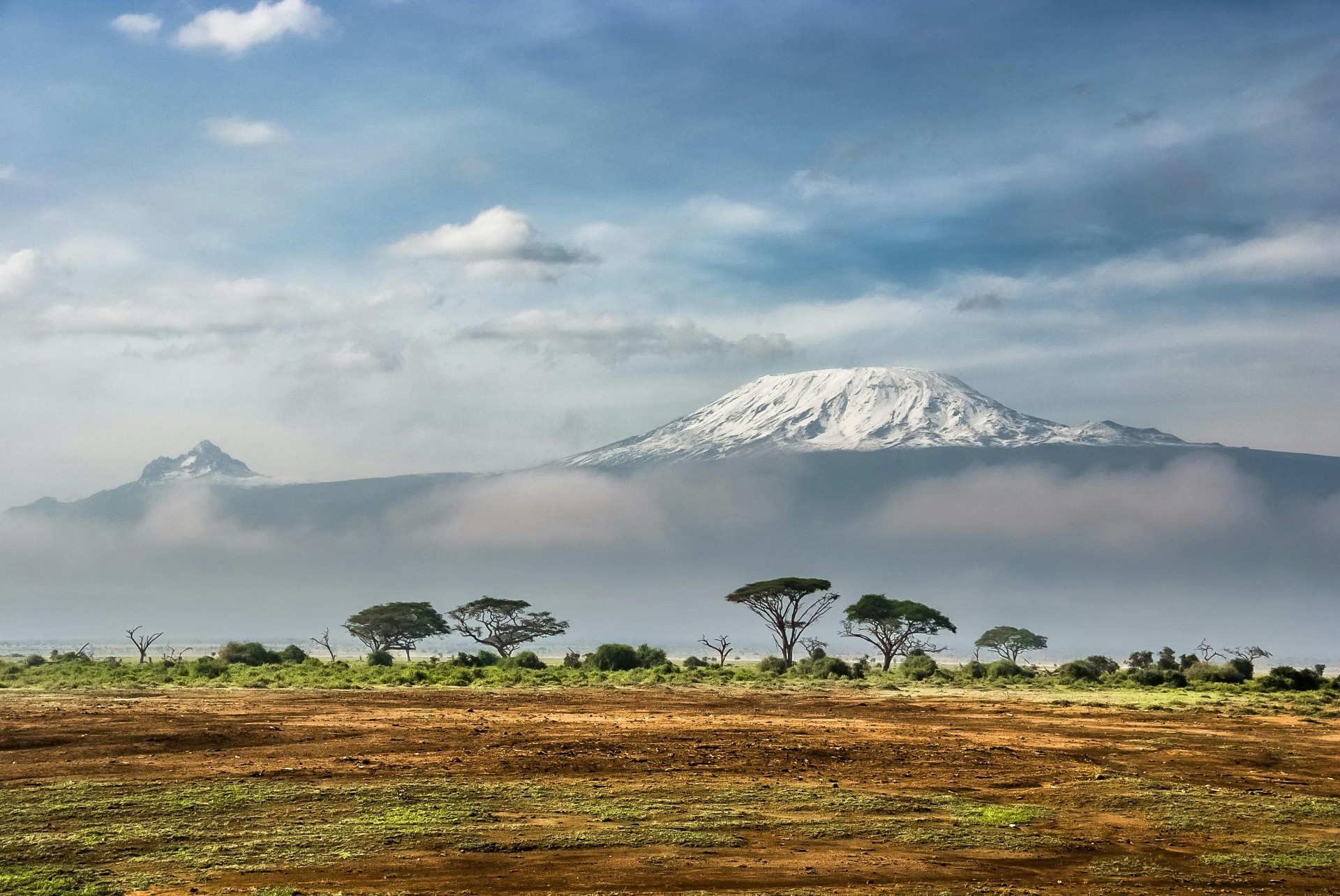
Tanzania
The Serengeti, Kilimanjaro & Zanzibar
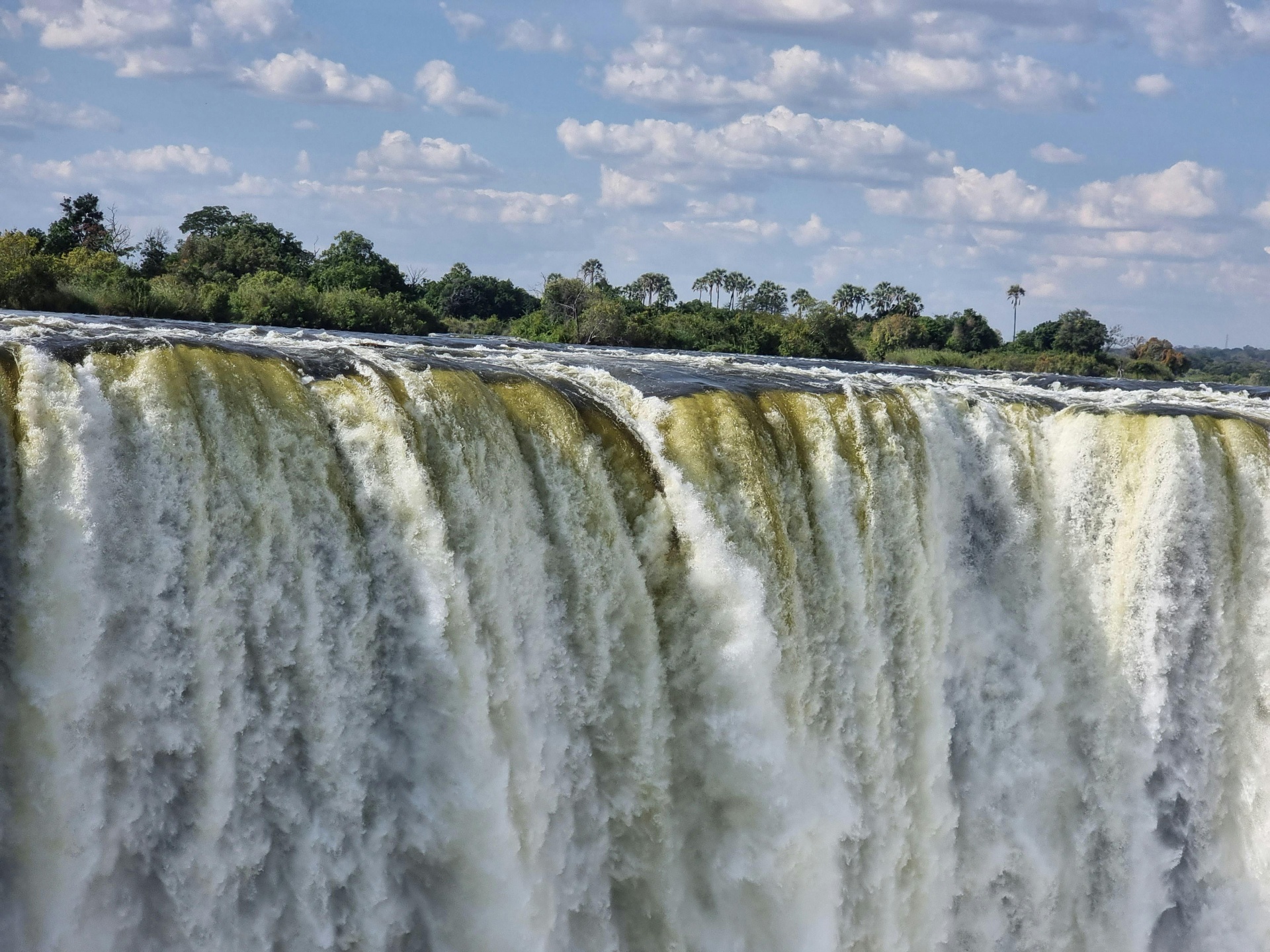
Zimbabwe
Victoria Falls, Hwange & Mana Pools
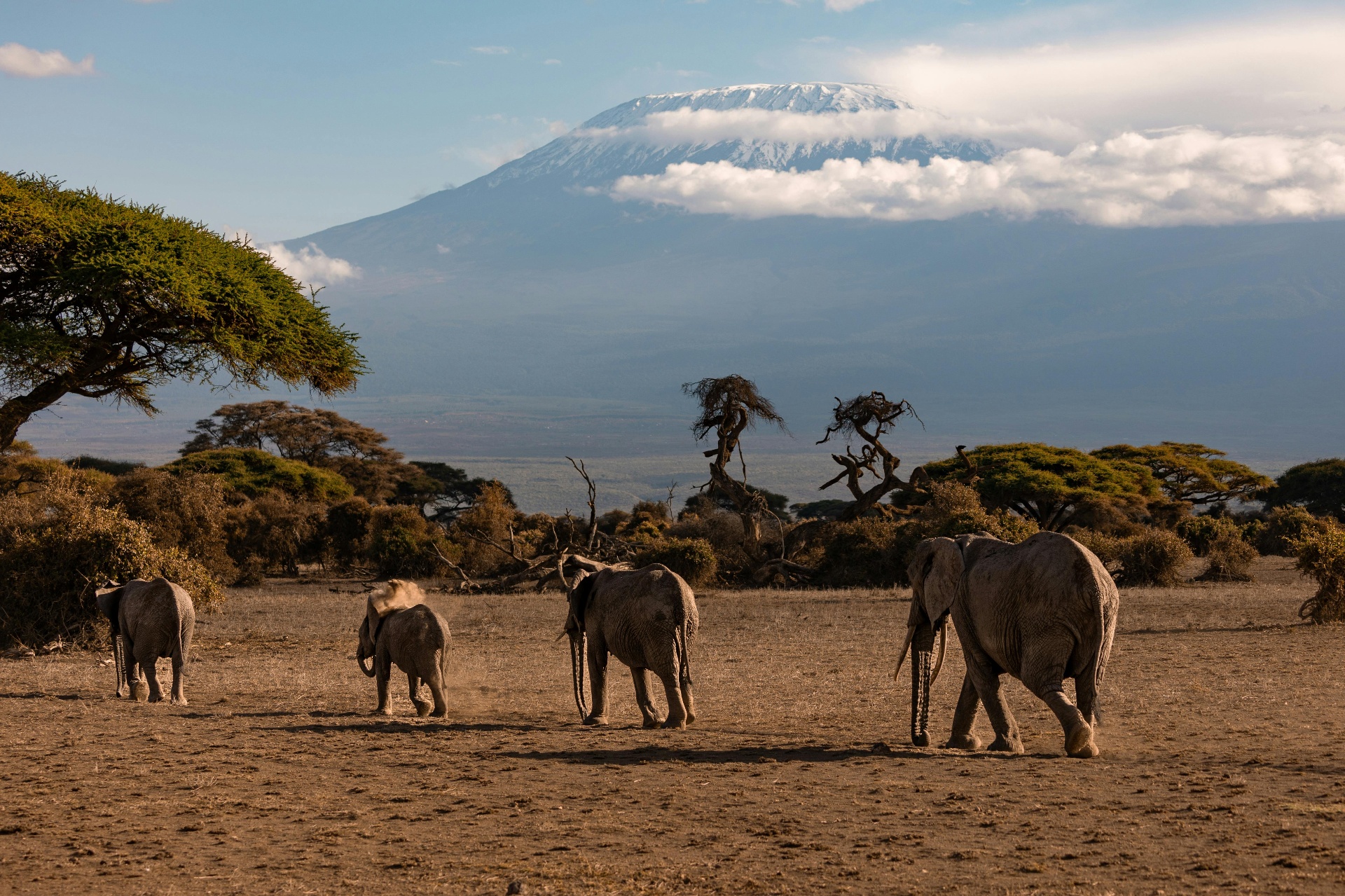
Kenya
The Masai Mara & Indian Ocean coast
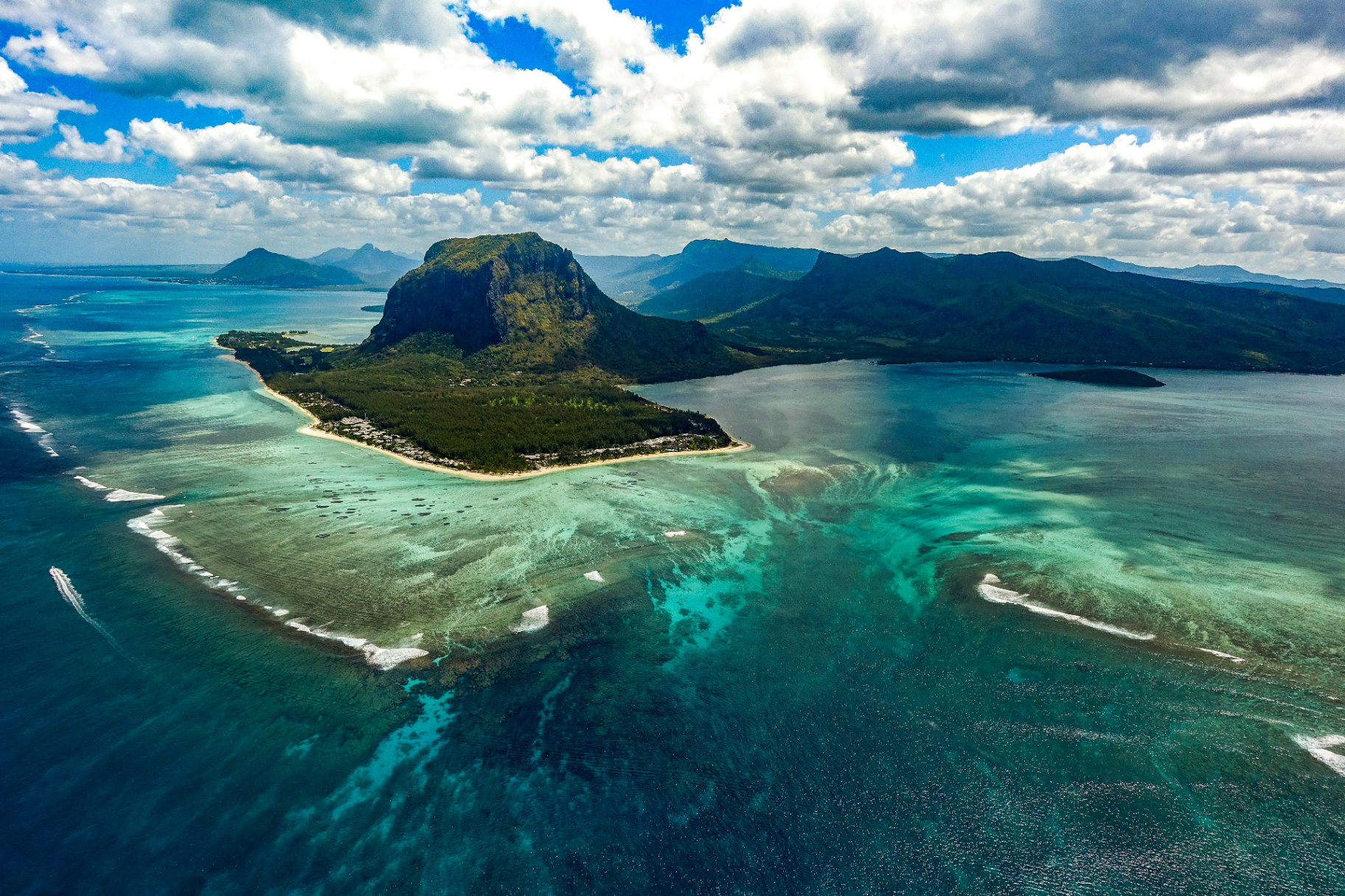
Mauritius
Turquoise lagoons, coral reefs & island luxe
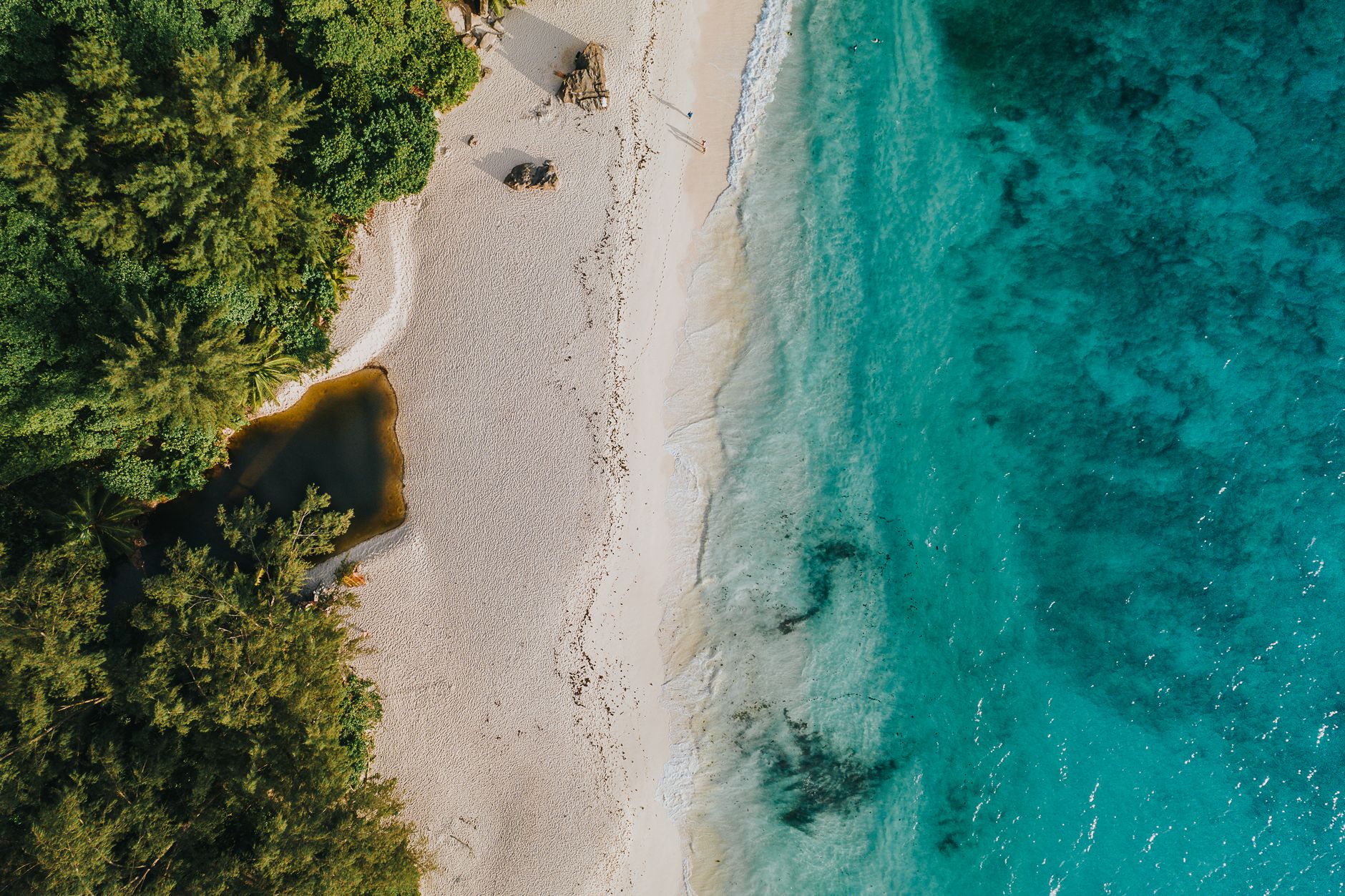
Seychelles
Granite peaks, coral atolls & Aldabra tortoises
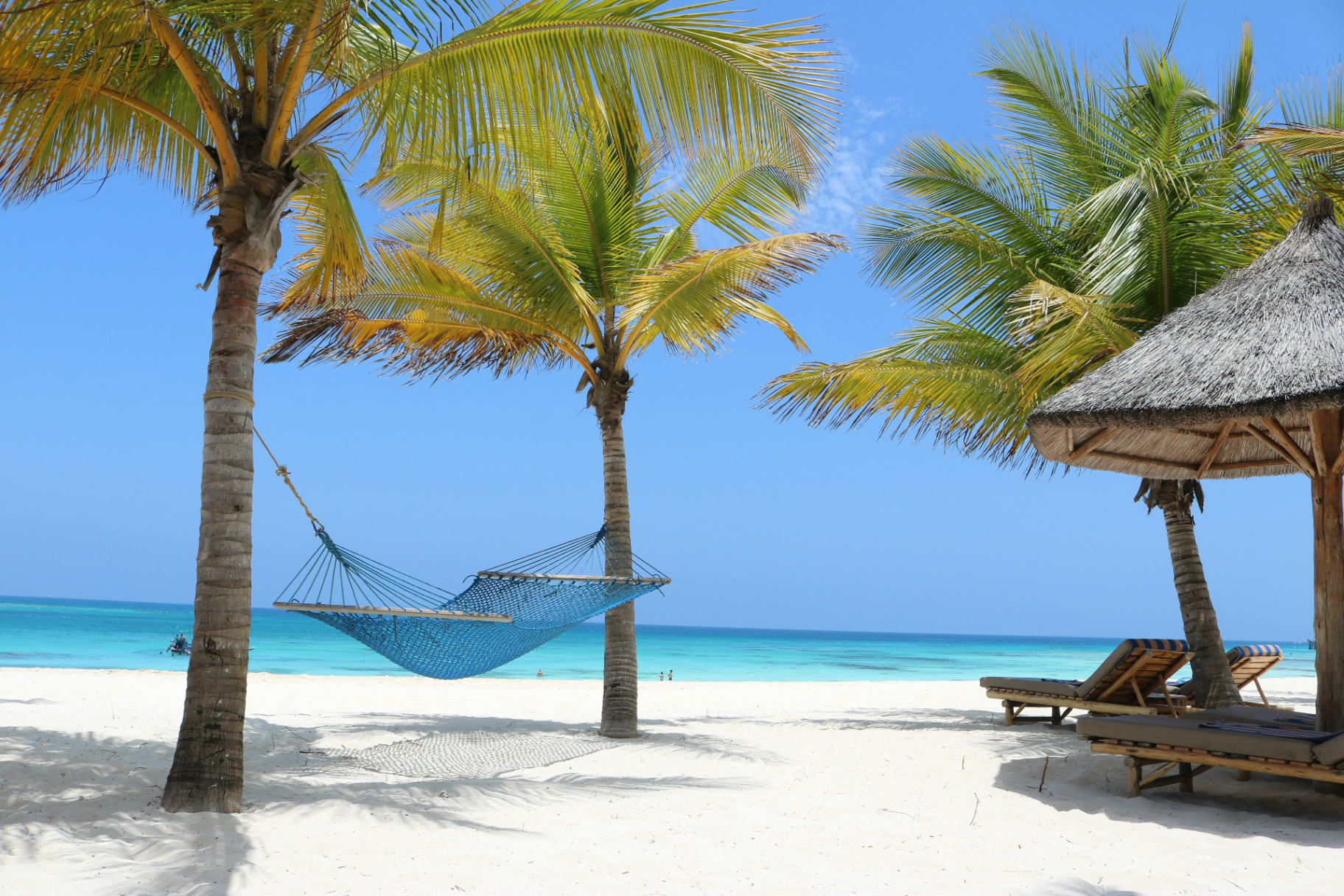
Zanzibar
Spice islands, dhow sunsets & barefoot beaches
Prefer us to plan the whole trip?
Cape Town & Kruger, the Namibian grand loop, the Okavango Delta, the Serengeti and Zanzibar — send us your dates and we come back within a working day with a first-draft itinerary and an all-in price.
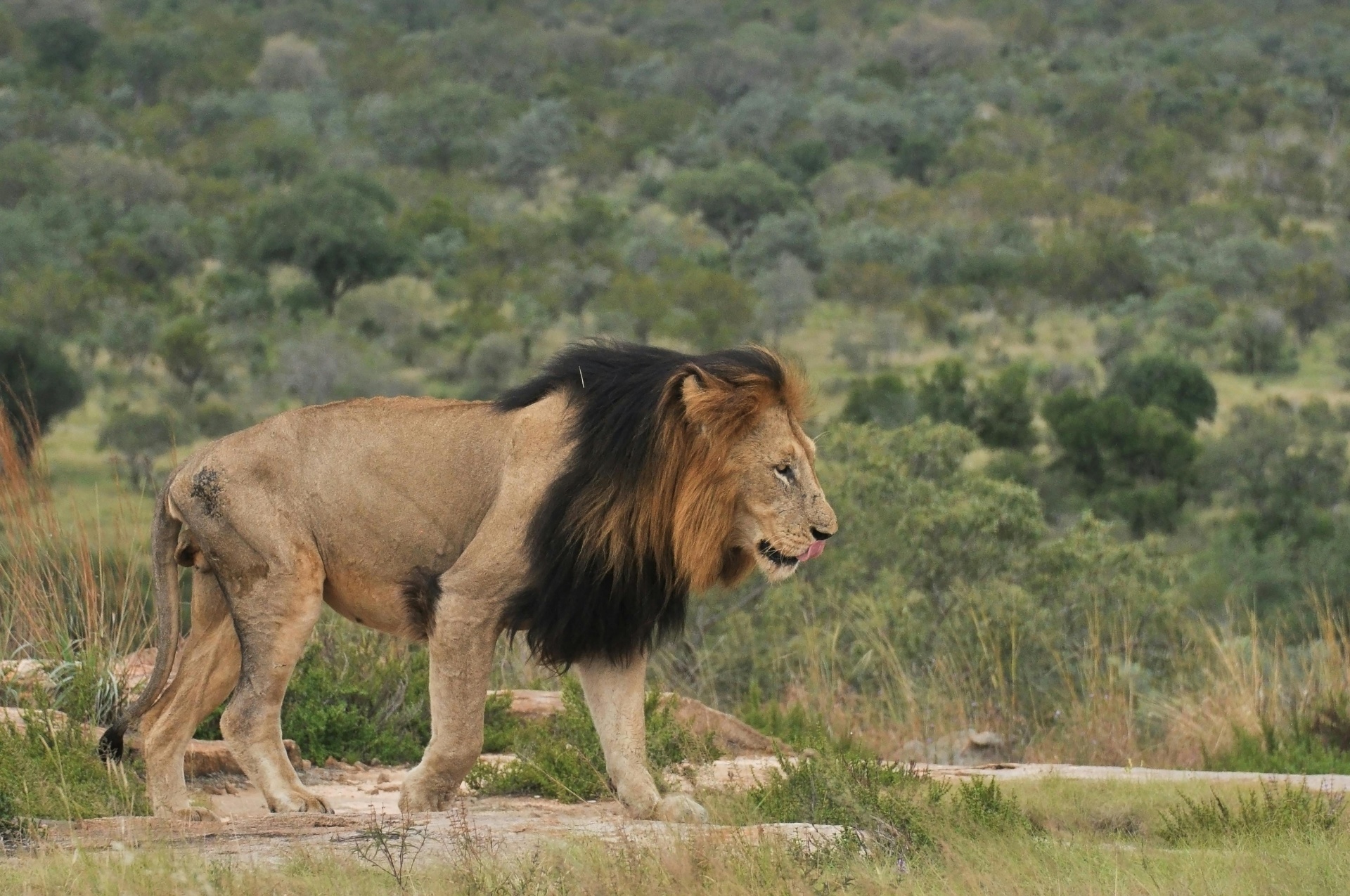
5% of Booking Profits Go to Wildlife
Every booking made through SafariStays contributes directly to conservation. We pledge 5% of our booking profits to local wildlife conservation funds in each country we operate in — because Africa's wilderness deserves to thrive for generations to come.
Stories from the Bush
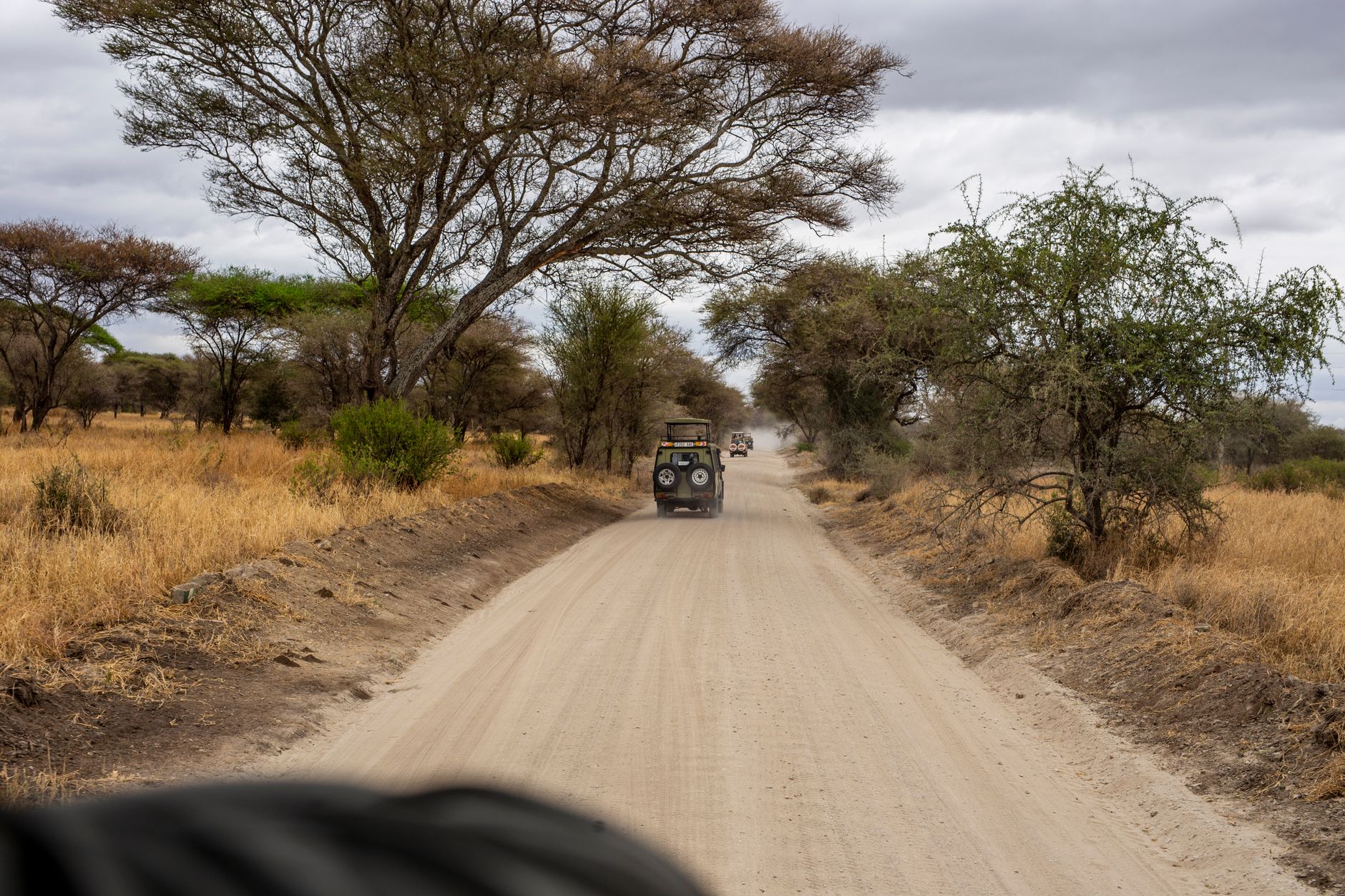
Family Safari Deals July August 2026: Your Planning Guide
Discover the best family safari deals for July and August 2026. Our expert guide helps you plan an unforgettable African adventure during the peak season.
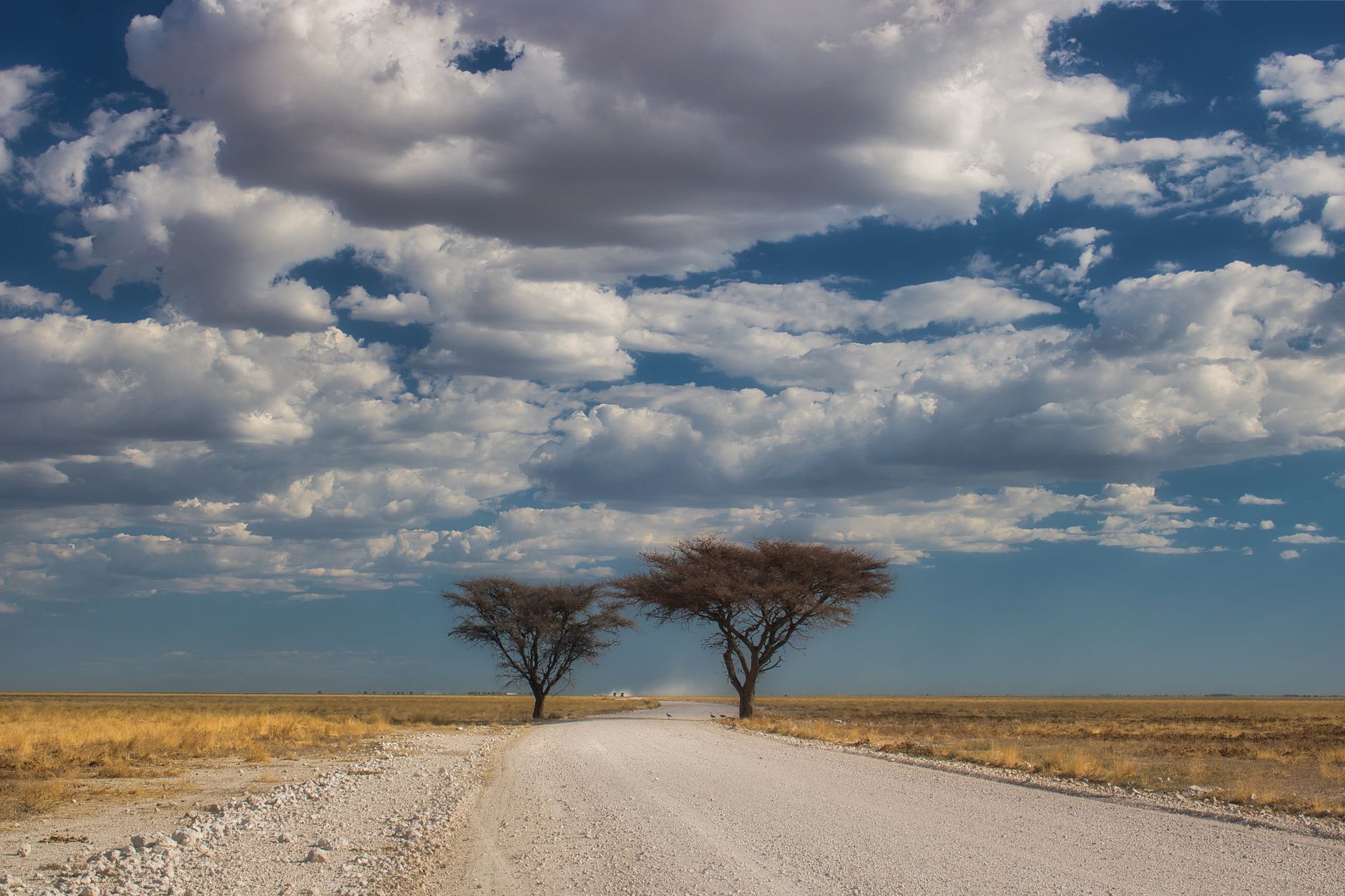
Is It Safe to Self-Drive in Namibia? A Complete Guide
Planning a road trip? We answer the crucial question: is it safe to self-drive in Namibia? Discover expert tips on road conditions, wildlife, and planning.

Hermanus Whale Watching August 2026: An Expert Guide
Planning for Hermanus whale watching in August 2026? Our expert guide covers everything you need for this incredible wildlife spectacle on the Whale Coast.
Host With Us — For Free
Own a lodge, guesthouse or safari camp in Africa? List your property on SafariStays at no cost. Reach travellers from around the world and join a community of responsible hosts.
Apply Now