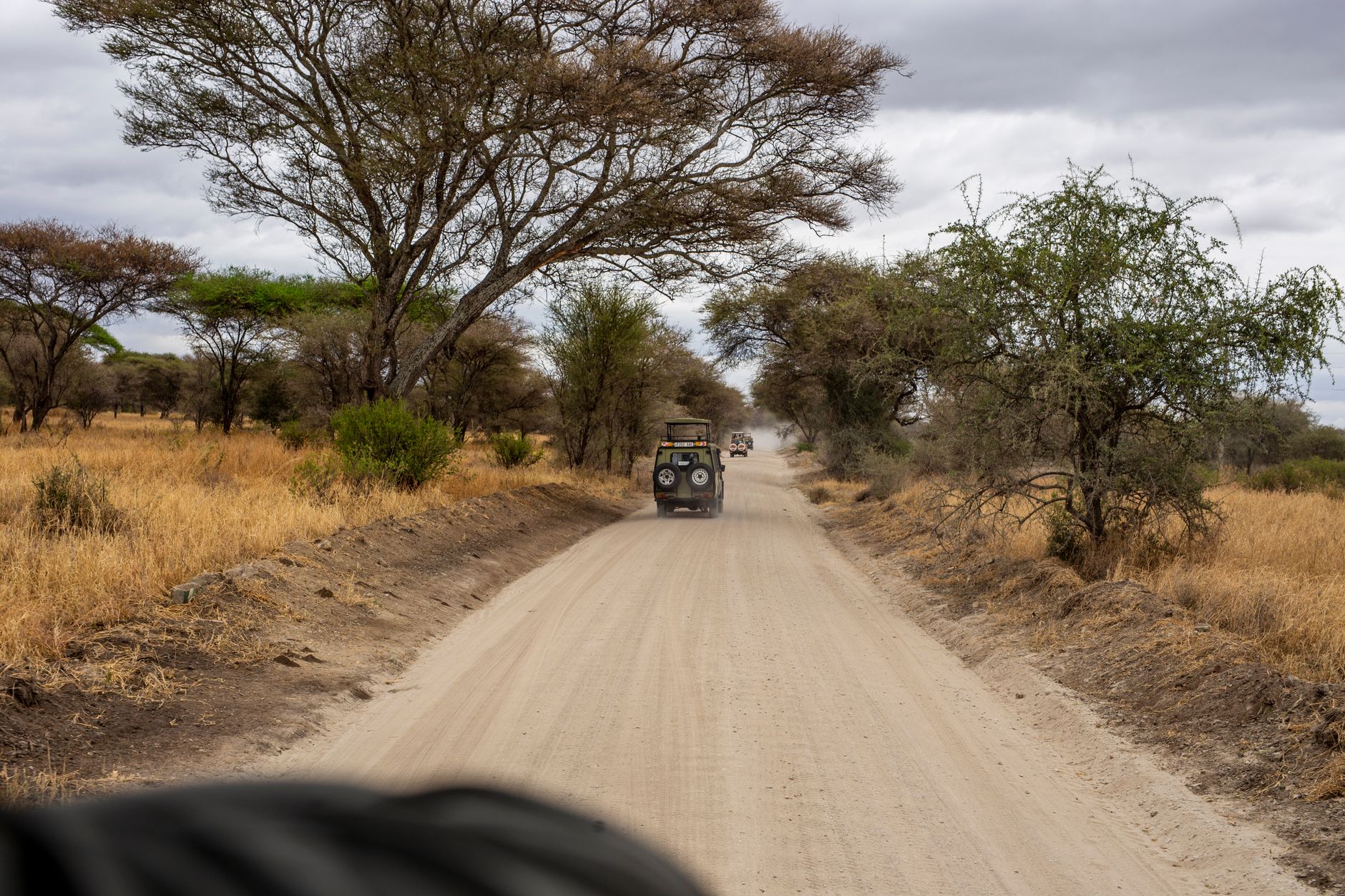
Is It Safe to Self-Drive in Namibia? A Complete Guide
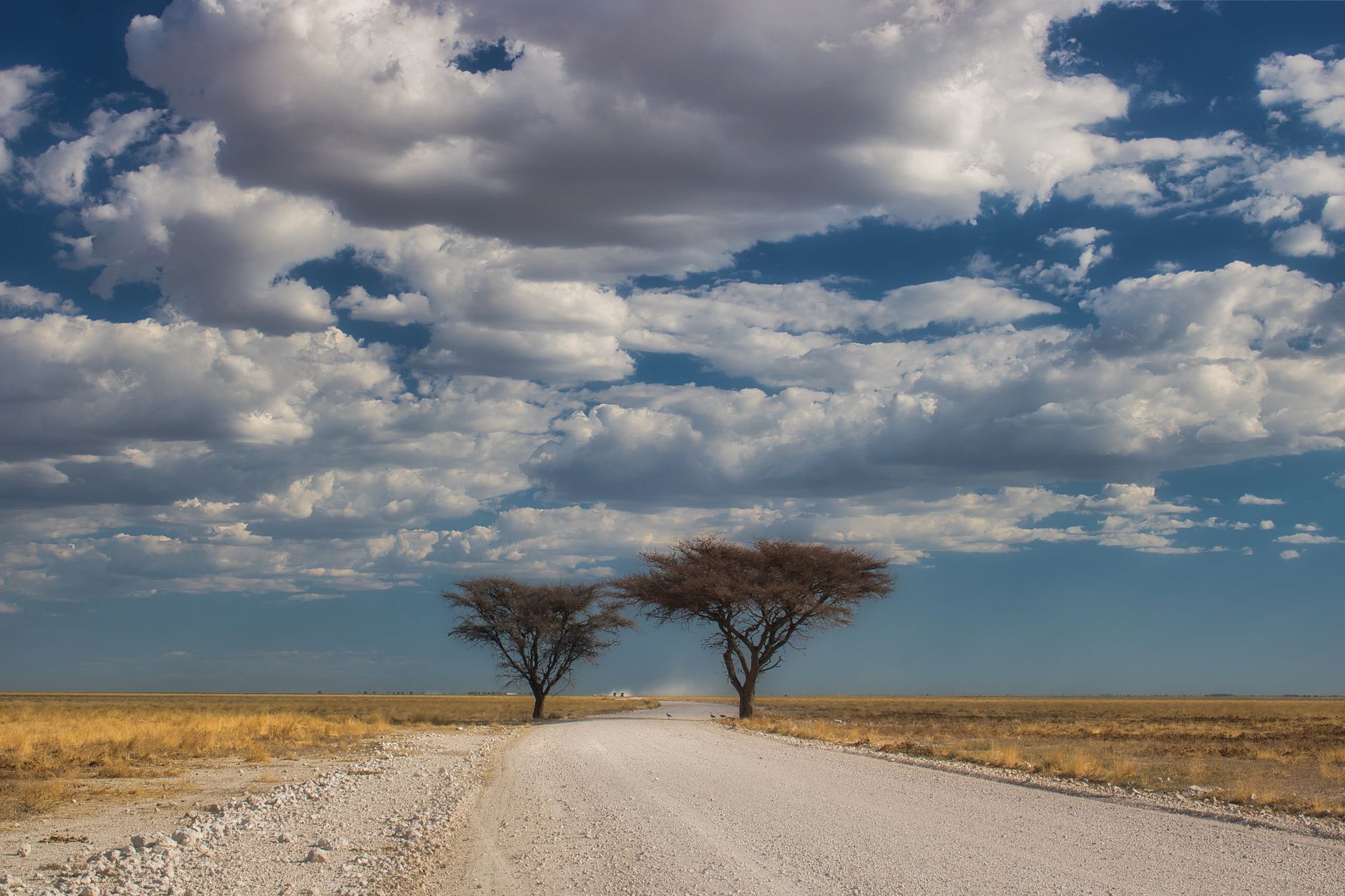
The idea of a Namibian road trip is pure adventure. It conjures images of endless gravel roads stretching towards a shimmering horizon, vast desert landscapes, and the freedom to explore one of Africa’s most spectacular countries at your own pace. But alongside this excitement, a practical question often arises: is it safe to self drive in Namibia? The short answer is a resounding yes. It is not only safe but is arguably the best way to experience the country's soul-stirring beauty, provided you are well-prepared.
Namibia is a nation built for the road-tripper. Its infrastructure is geared towards independent travel, and with the right knowledge and a spirit of adventure, you can navigate its wonders confidently. This guide will walk you through everything you need to know, from the reality of its famous gravel roads to choosing the right vehicle and staying safe around wildlife.
Understanding Namibia's Roads: The Gravel Reality
First, let's talk about the roads themselves. While you’ll find smooth tarmac (B-roads) connecting major cities like Windhoek, Swakopmund, and the main arteries to South Africa and Botswana, the vast majority of your journey will be on gravel. These are Namibia's C and D roads, and they are the veins that lead to the country's heart.
Unlike the neglected dirt tracks you might imagine, most of these gravel roads are well-maintained public highways. However, they demand a completely different approach to driving. The single most important rule is to reduce your speed. A typical rental car agreement will recommend a maximum of 80 km/h (50 mph) on gravel, but often, a safer and more comfortable speed is closer to 60-70 km/h.
High speeds on loose gravel significantly increase your risk of skidding or losing control, especially on bends. The mesmerising, seemingly endless straight sections can lull you into a false sense of security, but conditions can change in an instant. Dust, wildlife, and the occasional pothole require your full attention.
Near the Skeleton Coast, you will also encounter salt roads. These are surprisingly smooth and hard-surfaced, but they can become extremely slippery when the coastal fog, or 'haar,' rolls in. Treat them with the same caution as you would an icy road, driving slowly and avoiding sudden manoeuvres.
Is It Safe to Self-Drive in Namibia from a Vehicle Perspective?
Your safety and comfort are directly linked to the vehicle you choose. While it's technically possible to see parts of Namibia in a 2WD sedan, we strongly recommend hiring a 4x4. The added cost is an investment in safety, capability, and peace of mind, opening up more remote and rewarding areas that are inaccessible to smaller cars.
A high-clearance 4x4 isn't just for tackling extreme terrain. The higher driving position gives you better visibility over the vast plains, and the robust suspension provides a much smoother, more comfortable ride on corrugated gravel roads. This reduces fatigue on long driving days, which is a safety factor in itself. Furthermore, the 4-wheel-drive capability is essential for sandy riverbeds or the final tracks leading to a secluded desert lodge within Damaraland's vast wilderness.
Before you leave the rental depot in Windhoek, conduct a thorough inspection of your vehicle. A reputable company will walk you through this, but it’s crucial that you feel confident. Don't be shy about asking questions.
### Essential Vehicle Checks
Your rental should be equipped with the following, and you should know where they are and how to use them:
- Two Full-Size Spare Tyres: Punctures are the most common issue on Namibian roads. One spare is good, but two are essential for true self-sufficiency, as you could be hundreds of kilometres from the nearest tyre repair shop.
- A Functioning Jack and Wheel Spanner: Check that the jack works and you know the vehicle's specific jacking points. Practice changing a tyre in the depot car park if you're unsure.
- Tyre Pressure Gauge: You may need to lower tyre pressure for soft sand and re-inflate for hard gravel or tarmac. Knowing your recommended pressures is key.
- Basic Toolkit and First-Aid Kit: Ensure the vehicle has a basic set of tools and a well-stocked first-aid kit for any minor issues that may arise.
- Rooftop Tent & Camping Gear (if applicable): If you've opted for a fully equipped 4x4 with a rooftop tent, get a full demonstration of how to set it up and pack it away.
Navigating Wildlife and Remote Areas Safely
One of the greatest joys of a Namibian self-drive is the spontaneous wildlife encounter. You might see a giraffe loping alongside the road in Damaraland or springboks pronking across the plains near Etosha National Park. However, this also means you must remain vigilant. Wildlife, big and small, can step onto the road without warning.
This is the primary reason why driving at night is strongly discouraged and, in fact, forbidden by most rental car agreements. Visibility is drastically reduced, and many of Namibia's animals are most active at dawn and dusk. Plan your daily drives to ensure you arrive at your lodge or campsite well before sunset. This not only keeps you and the animals safe but also allows you to enjoy a sundowner with a clear conscience.
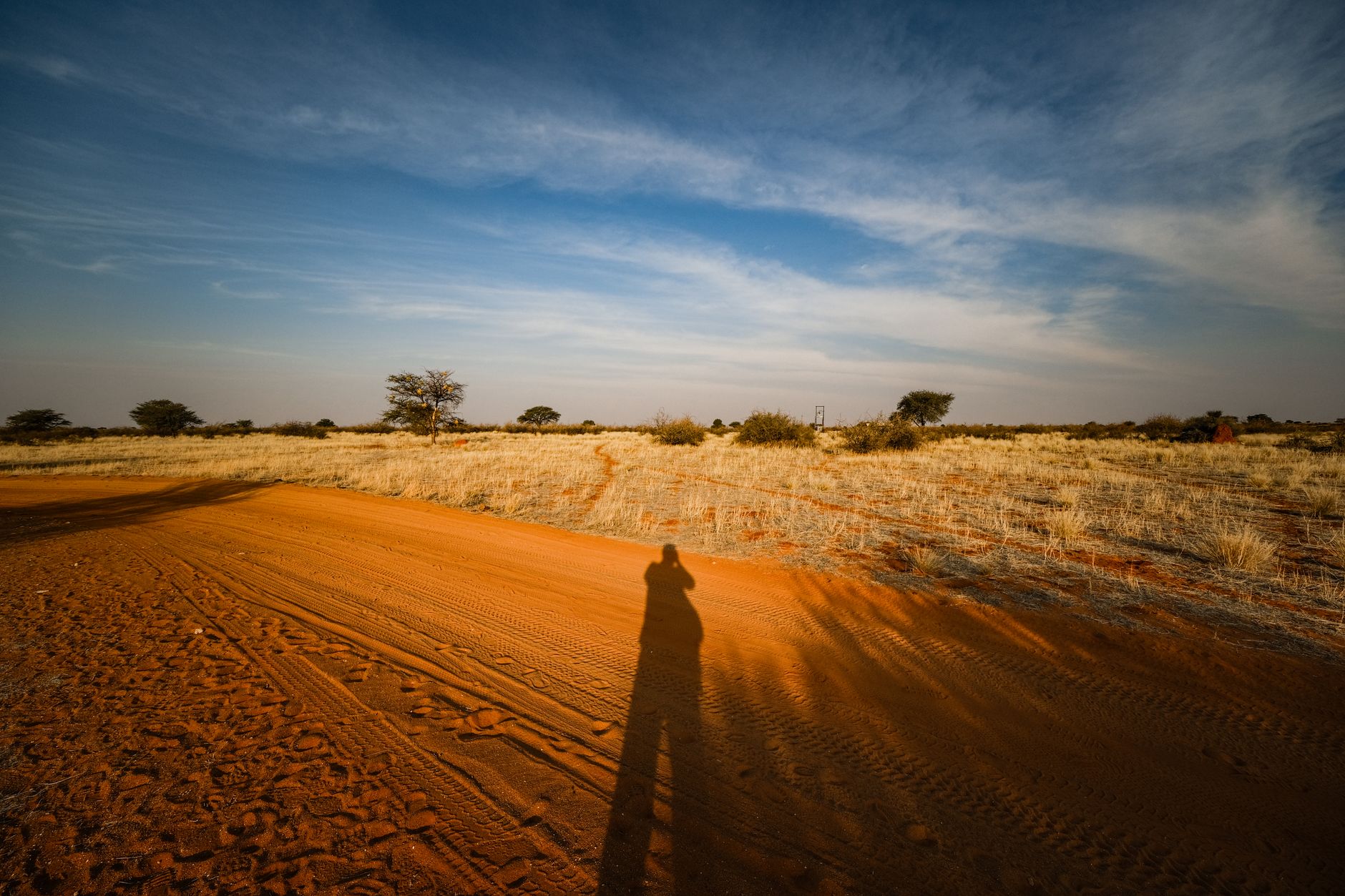
Remoteness is another key factor. Distances in Namibia are vast, and you can often drive for an hour or more without seeing another soul. This solitude is a huge part of the appeal, but it requires planning. Fuel stations can be few and far between, so adopt the golden rule: never pass a fuel station without filling up your tank, even if it's only half-empty.
Similarly, always carry a surplus of drinking water (at least 5 litres per person per day) and some non-perishable snacks in the car. While it is highly unlikely you will get stranded, having these provisions provides a critical safety buffer in case of a breakdown or delay. Many of our partner curated lodges, nestled deep within these remote landscapes, are oases of comfort, but reaching them is part of the adventure.
Personal Safety and Practical Tips
Namibia is widely regarded as one of the safest countries in Africa. The people are famously warm and welcoming to tourists. Violent crime against travellers is extremely rare. However, as in any country, it's wise to take common-sense precautions, particularly in larger towns like Windhoek and Swakopmund.
Petty crime, such as theft from vehicles, can occur. Always lock your car and never leave valuables like cameras, phones, or wallets in plain sight. When staying in towns, park in a well-lit, secure area if possible. Out in the remote wilderness, this is far less of a concern.
For navigation, a GPS or an app like Google Maps or Maps.me is invaluable. However, technology can fail. Always carry a good-quality physical map of Namibia as a backup. Download your digital maps for offline use before you travel, as mobile signal is non-existent in most rural areas.
Speaking of connectivity, embrace the digital detox. The lack of signal is a feature, not a bug, of the Namibian experience. Inform your family that you will be out of touch for periods. If you require a constant connection for safety, consider renting a satellite phone for emergencies. You can find more advice on our Safari Stays blog.
So, when asking is it safe to self drive in Namibia, the answer lies not in the potential dangers, but in your preparation to mitigate them. By driving cautiously, choosing the right vehicle, respecting the wildlife and the environment, and planning your journey, you are setting yourself up for an unforgettable adventure.
The freedom of the open road awaits. It’s a journey that will reward you with unparalleled scenery, profound silence, and a deep connection to one of the world's last great wildernesses. The road is yours to discover.

Ready to plan your trip?
Check live availability, compare lodges and book instantly — or send us an enquiry and we'll help shape the route.