Serengeti National Park: Complete Travel Guide for Safari Visitors
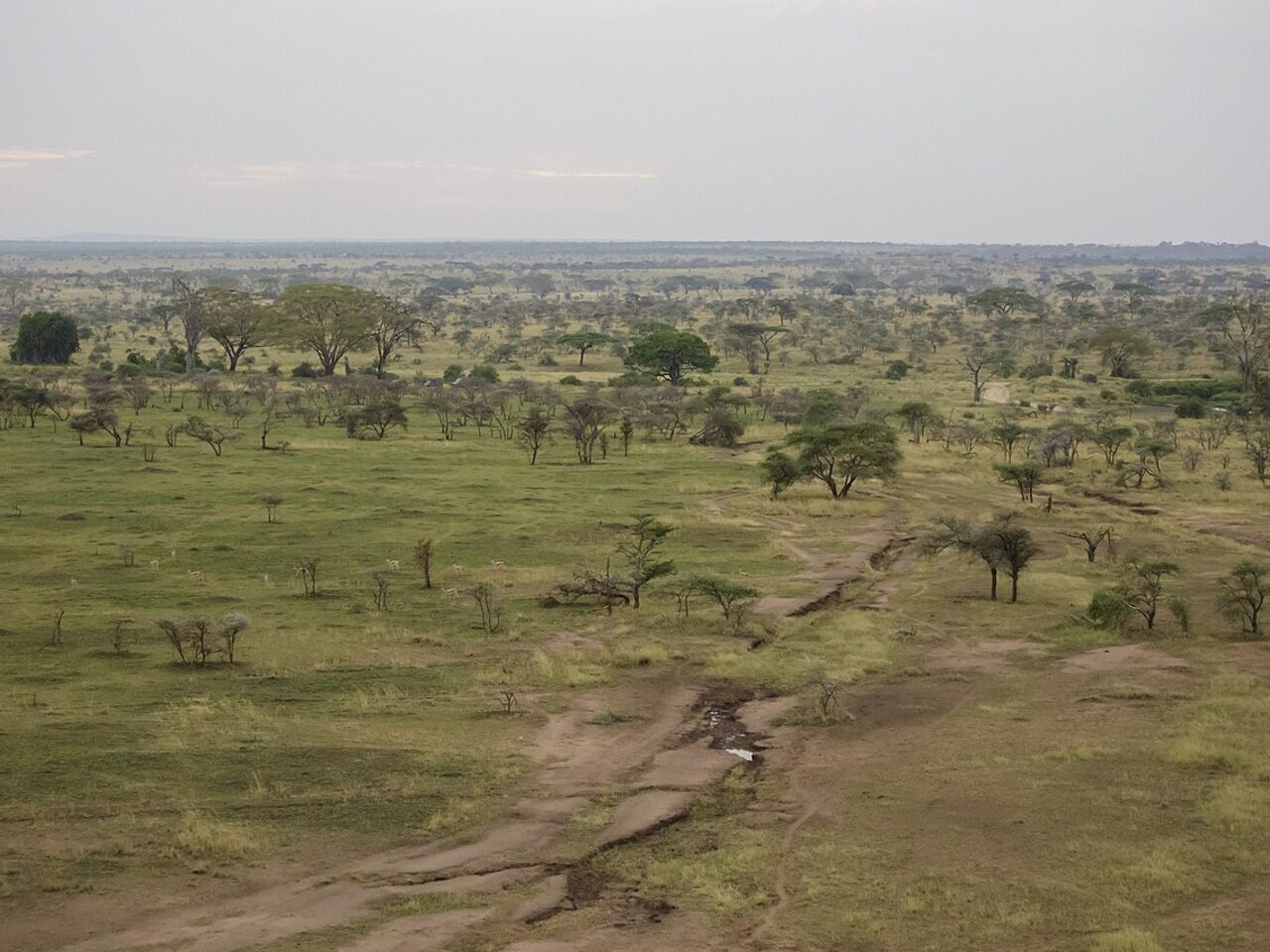
The Serengeti is the benchmark against which all other safari destinations are measured. Covering approximately 14,750 km² of open savannah, woodland, and riverine forest in northern Tanzania, it supports the largest concentration of large mammals on Earth and hosts the Great Wildebeest Migration — the largest overland animal movement on the planet.
Understanding the Serengeti's geography and seasonal rhythms is the key to planning a visit that matches your expectations.
The Great Migration: A Year in the Serengeti
The Migration is not an event — it is a continuous cycle driven by rainfall and grass. Approximately 1.5 million wildebeest, 200,000 zebra, and 500,000 gazelle move in a roughly circular route through the Serengeti ecosystem and into Kenya's Masai Mara, following the rains.
| Period | Location | Spectacle |
|---|---|---|
| January – February | Southern Serengeti (Ndutu) | Calving season — predator density extraordinary |
| March – May | Central Serengeti | Herd moving north, long rains beginning |
| June – July | Central to Northern Serengeti | Herd massing near Mara River |
| August – October | Northern Serengeti (Kogatende) | Mara River crossings — the iconic spectacle |
| November – December | Eastern Serengeti | Herd moving south, short rains |
No one can predict exactly when a river crossing will happen. Even experienced guides cannot guarantee a crossing on any given day. The crossings are spontaneous — herds can mass on the riverbank for hours or days before committing. Budget at least three nights in the northern Serengeti during crossing season for a reasonable chance of witnessing one.
The Serengeti's Key Areas
Southern Serengeti (Ndutu)
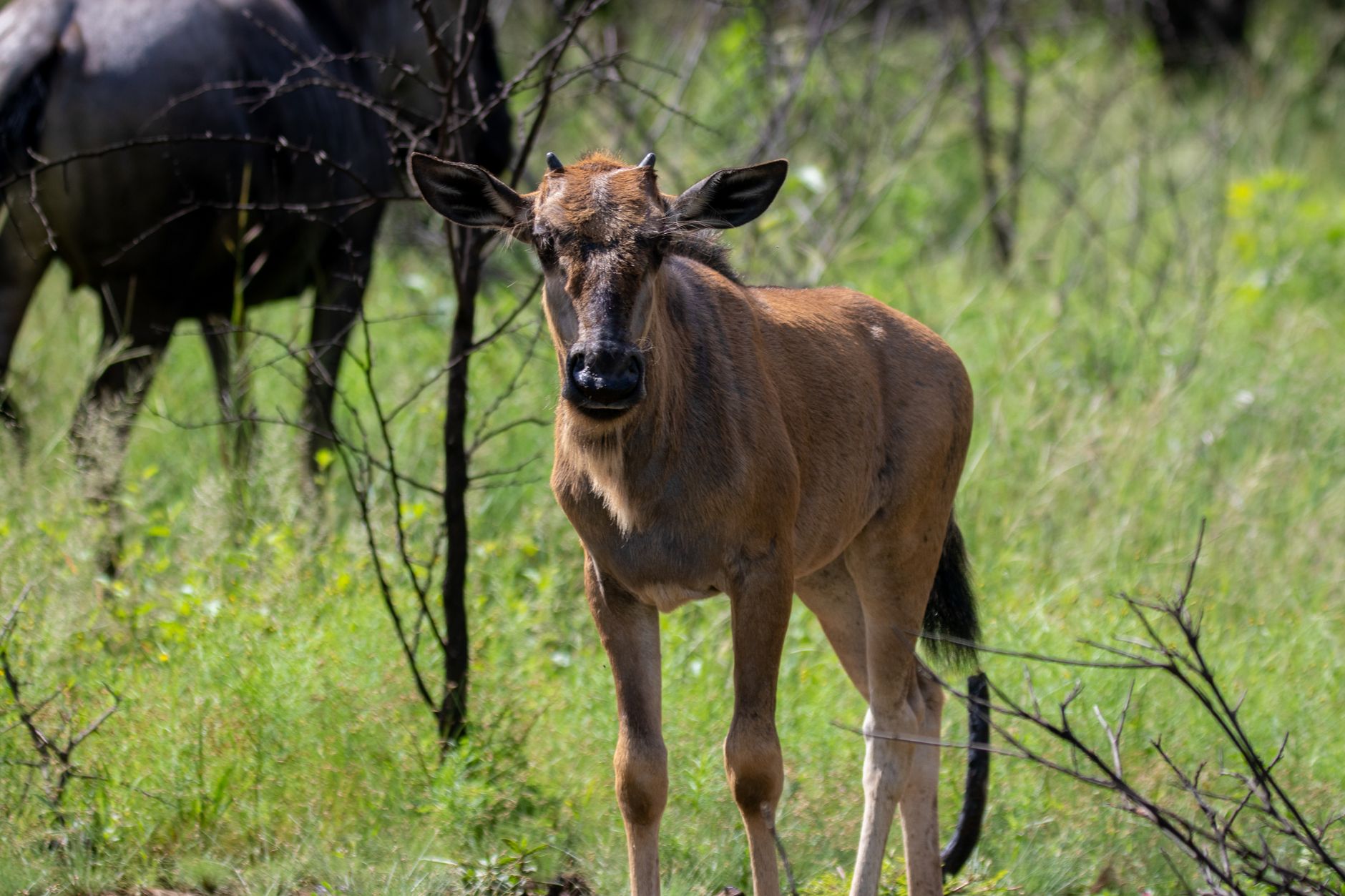
The calving grounds. Short-grass plains stretching to the horizon, dotted with kopjes (granite outcrops) that provide shelter for lions and cheetah. January and February here — with tens of thousands of newborn wildebeest and the predators pursuing them — is one of Africa's defining wildlife experiences.
Central Serengeti (Seronera)
The year-round core of the park. Seronera Valley has the highest permanent resident wildlife density in the Serengeti — large lion prides, leopard along the river, and good cheetah sightings on the plains. The main public campsite and several lodges are located here. Busiest area year-round.
Western Corridor
The narrow western arm extending toward Lake Victoria. The Grumeti River here hosts enormous Nile crocodiles and a secondary river crossing in June and July as the migration passes through. Less visited than the north or south.
Northern Serengeti (Kogatende / Lamai)
The stage for the Mara River crossings. Remote, relatively few camps, and extraordinary wildlife from July to October. Several intimate tented camps overlook the river crossing points. Getting here requires either a flight into Kogatende airstrip or a long drive from Seronera.
Serengeti Wildlife Beyond the Migration
The Migration dominates the Serengeti's reputation, but resident wildlife is exceptional year-round. The Serengeti supports:
- One of Africa's largest lion populations (estimated 3,000+ lions)
- Cheetah — the Serengeti is one of the best places in the world to observe them
- Leopard, particularly along the Seronera River
- Elephant, giraffe, hippo, buffalo, and over 500 bird species
- Wild dog (present but less common than in southern Tanzania)
- Large hyena clans
How to Get to the Serengeti
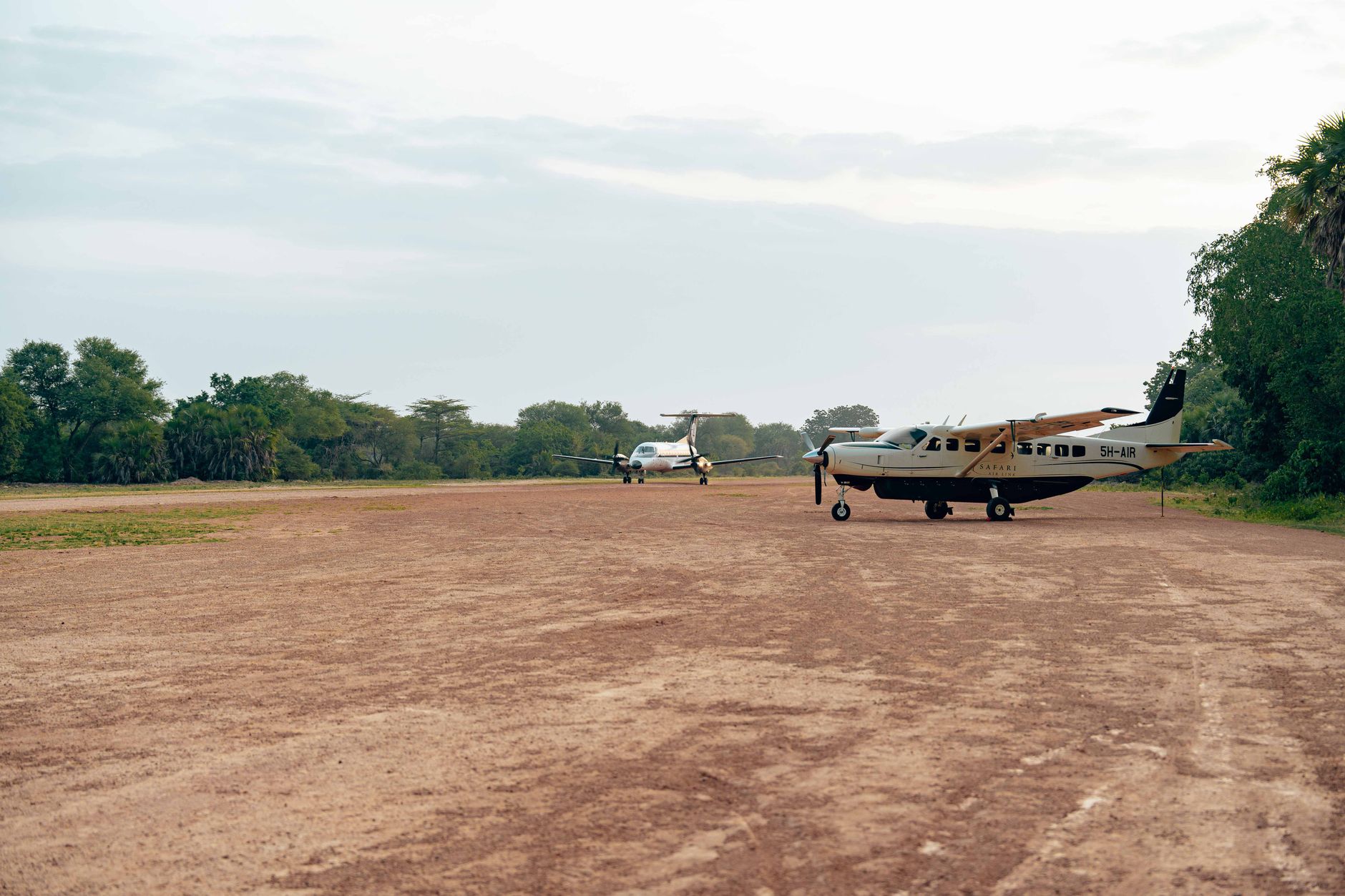
By air: The fastest and most practical option. Flights from Kilimanjaro or Arusha airports to Serengeti airstrips (Seronera, Kogatende, Ndutu) take 45–90 minutes in light aircraft. Most camps include airstrip transfers.
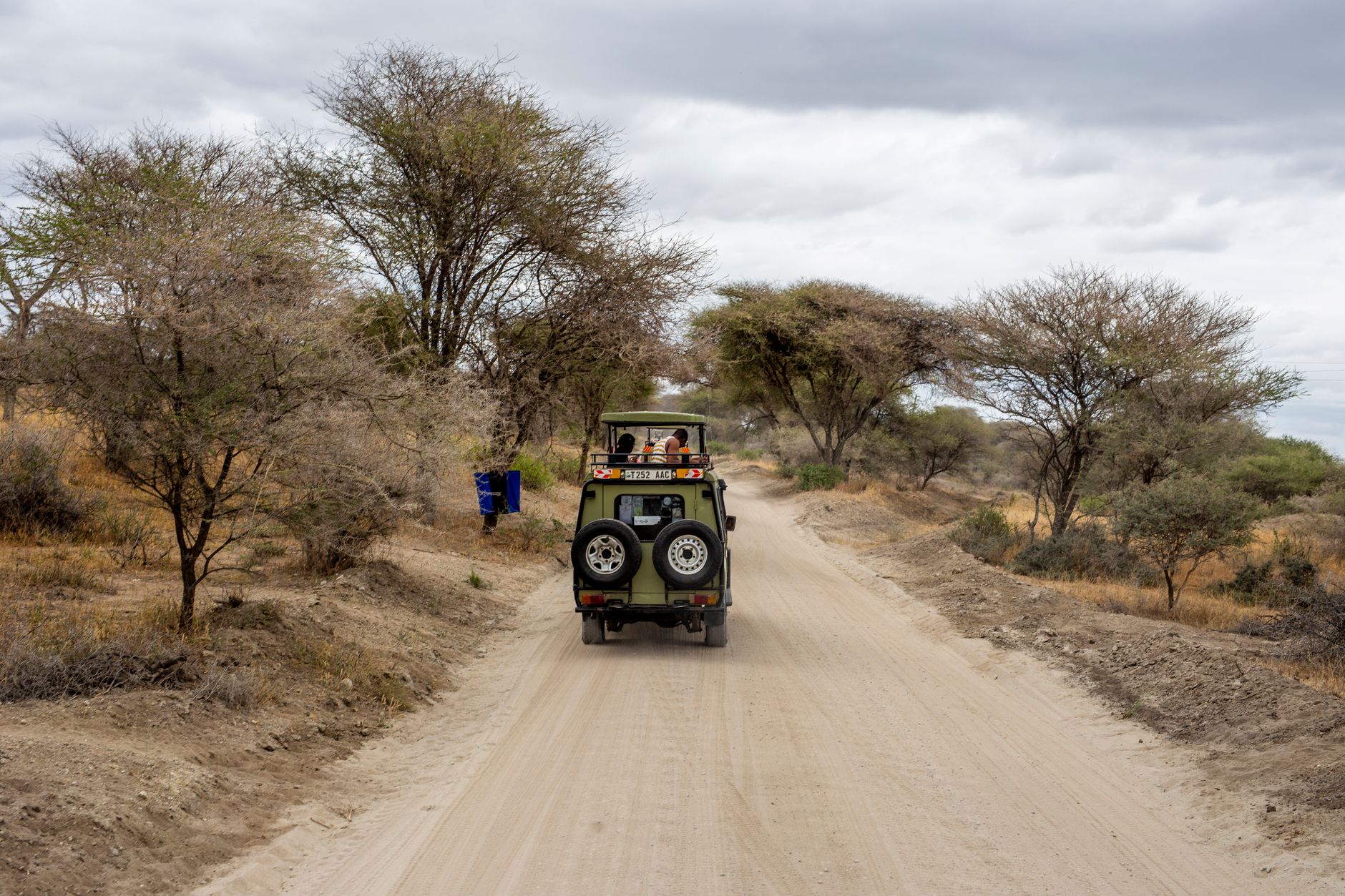
By road: The drive from Arusha through the Ngorongoro Conservation Area to Seronera takes approximately 8 hours. Some operators combine this with a stop at Ngorongoro Crater. Not recommended as a one-way transfer given the time cost, but reasonable as part of a longer overland itinerary.
Accommodation in the Serengeti
Luxury tented camps: The Serengeti's premium segment. Permanent or semi-permanent canvas structures with proper beds, en-suite bathrooms, and evening game drives. Several camps are "mobile" — they relocate seasonally to follow the migration. Prices typically USD 600–1,500 per person per night all-inclusive.
Mid-range lodges: Several fixed lodges operate year-round in the central Serengeti, offering solid comfort at USD 250–500 per person per night. A strong option for first-time visitors who want reliability without the luxury price tag.
Public campsites: Operated by TANAPA (Tanzania National Parks), public campsites are available at Seronera and several other locations. Very basic (bring everything), but significantly cheaper. Popular with overlanders and budget self-drivers.
Private conservancies adjacent to the park: Several private wildlife areas border the Serengeti and offer walking safaris, night drives, and off-road driving not permitted inside the national park itself.
Frequently Asked Questions
How many days should I spend in the Serengeti? A minimum of three nights is recommended to experience the park meaningfully. Five to seven nights — particularly if you want to cover different areas or maximise crossing chances in the north — is better. Many visitors combine the Serengeti with Ngorongoro and Tarangire on a 10–14 day northern circuit.
Is the Serengeti worth visiting without the Migration? Absolutely. The resident wildlife year-round is outstanding, and visiting outside peak migration months means fewer vehicles, lower prices, and a more intimate experience. The calving season (January–February) is arguably more moving than the river crossings for many visitors.
Can I self-drive in the Serengeti? Technically yes, but it is not recommended — see our Tanzania safari planning guide for detail. The vast majority of visitors use a local operator with a driver-guide.
What is the difference between the Serengeti and the Masai Mara? The Serengeti (Tanzania) and Masai Mara (Kenya) are one contiguous ecosystem divided by a border. The Mara crossings happen on the Kenyan side of the river; the Tanzanian (Serengeti) crossings happen slightly upstream. The Serengeti is significantly larger and less visited per hectare than the Mara. Many travellers choose based on which country they're primarily visiting.
Browse Serengeti lodges and tented camps on our Tanzania accommodation page.
Ready to plan your trip?
Check live availability, compare lodges and book instantly — or send us an enquiry and we'll help shape the route.