Tanzania Safari Planning Guide: Everything You Need to Know Before You Go
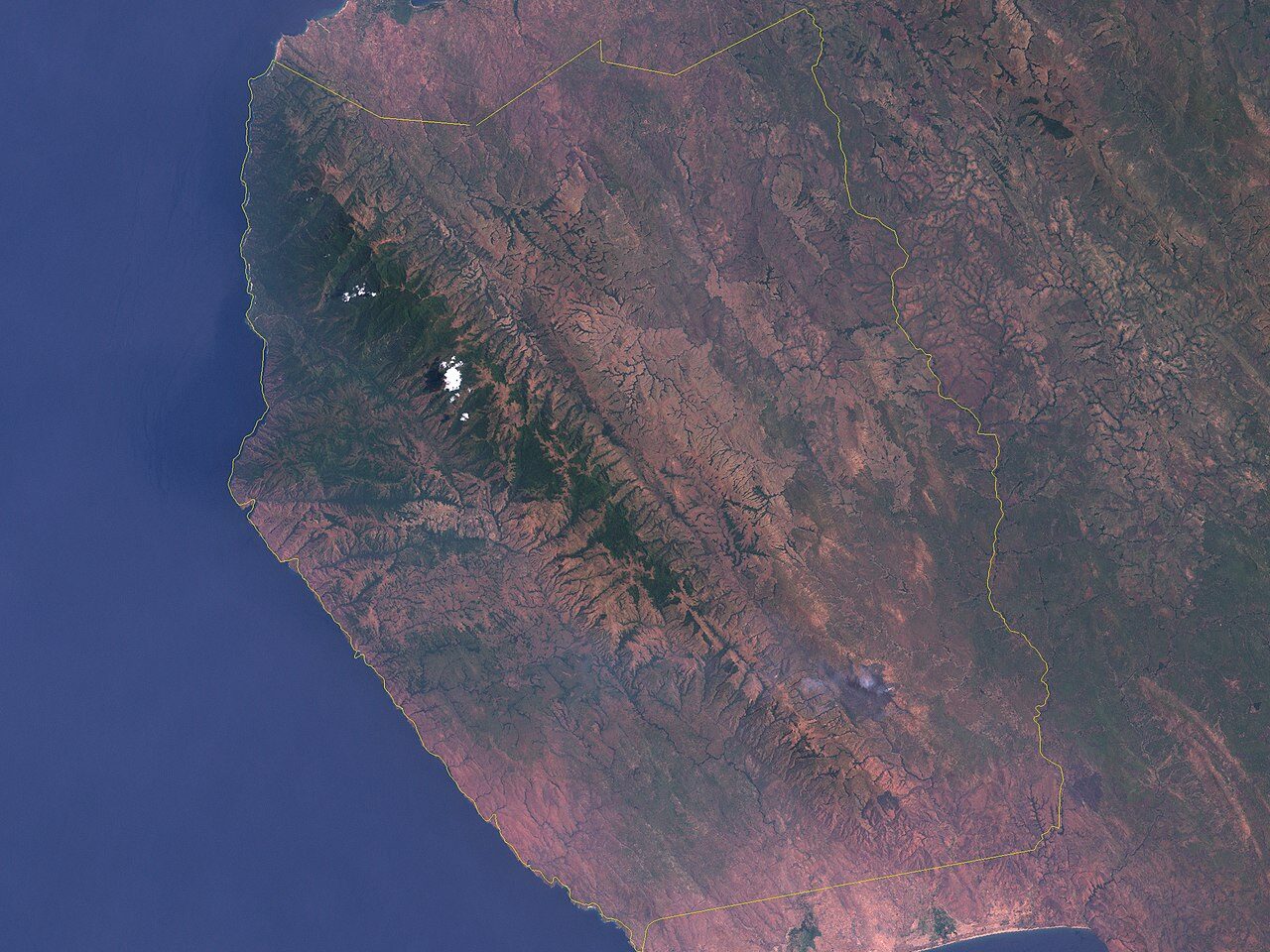
Tanzania is home to the Serengeti, the Ngorongoro Crater, Mount Kilimanjaro, and Zanzibar's coral reefs. It is one of the world's great travel destinations — and one that rewards thorough planning. Unlike some African safari markets where self-drive is common, Tanzania is predominantly a guided safari destination. Understanding how the country works before you arrive will save you time, money, and frustration.
This guide covers the practical essentials: visas, health requirements, costs, how to get around, and how to choose between the country's main safari regions.
Visas and Entry Requirements
Most nationalities — including UK, EU, and US citizens — require a visa to enter Tanzania. The good news is that the process is straightforward.
eVisa: Tanzania operates an online visa system. Apply at least two weeks before travel at immigration.go.tz. The standard tourist visa costs USD 50 for most nationalities and is valid for 90 days. Processing typically takes 5–10 business days.
Visa on arrival is technically available but queues at Kilimanjaro and Dar es Salaam airports can be long. The eVisa is strongly recommended.
Passport validity: Your passport must be valid for at least six months beyond your intended departure date from Tanzania.
Health and Vaccinations
Yellow fever: A yellow fever vaccination certificate is required if you are arriving from a yellow fever-endemic country (this includes many other African countries). If you're flying direct from the UK or Europe, it is not required — but check the current requirement for your specific routing.
Malaria: Malaria is present throughout Tanzania, including Zanzibar. Prophylaxis (Malarone, Doxycycline, or Lariam) is strongly recommended. Consult a travel health clinic at least 6–8 weeks before departure.
Other recommended vaccinations: Hepatitis A, Typhoid, Tetanus, and Rabies (for longer trips or wildlife-adjacent work).
Travel insurance: Essential. Ensure your policy covers emergency medical evacuation — in a remote safari camp, helicopter evacuation to Arusha or Nairobi may be the fastest medical option.
Guided Safari vs Self-Drive
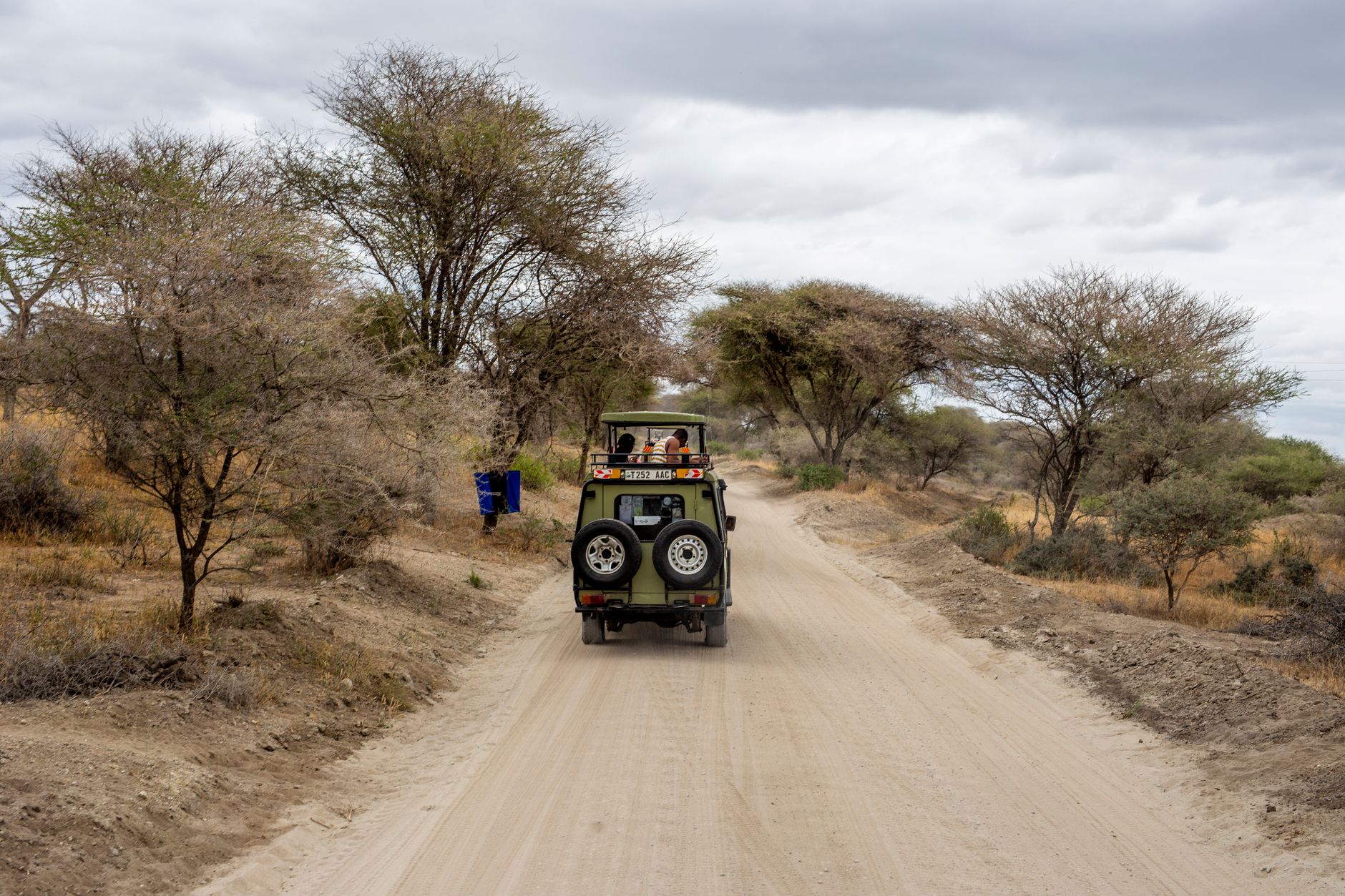
Tanzania is fundamentally different from Botswana or Namibia in this regard. Self-drive is technically permitted in most Tanzanian national parks, but it is not recommended for most travellers, for several reasons:
- Roads inside the Serengeti, Tarangire, and Ruaha are poorly marked and change seasonally
- Park regulations require staying on designated roads, which are not always clearly indicated
- A knowledgeable guide dramatically improves wildlife sightings — animals are often invisible to the untrained eye
- Vehicle breakdowns in remote areas are genuinely dangerous and difficult to resolve independently
The practical reality is that almost all independent travellers book Tanzania safaris through a local operator based in Arusha, who handles the vehicle, driver-guide, park fees, and accommodation logistics.
What you retain as an independent traveller:
- Choice of camp or lodge (rather than being placed in a group tour's pre-selected accommodation)
- Flexible itinerary design
- Private vehicle (rather than sharing with strangers in a group tour)
- The ability to move at your own pace within each park
A private guided safari costs more than a group tour but delivers a fundamentally better experience. Mid-range private safaris in the northern circuit typically run USD 350–600 per person per day all-inclusive, depending on accommodation standard.
Getting to Tanzania
Main international airports:
- Kilimanjaro International Airport (JRO): The gateway for northern circuit safaris. Direct flights from Amsterdam (KLM), Doha (Qatar Airways), and connections via Nairobi or Addis Ababa.
- Dar es Salaam (DAR): The commercial capital, with more international connections. Gateway for southern Tanzania and Zanzibar.
- Zanzibar (ZNZ): Receives some direct international charter flights from Europe in peak season, plus scheduled connections from Nairobi and Dar es Salaam.
Getting Around Inside Tanzania
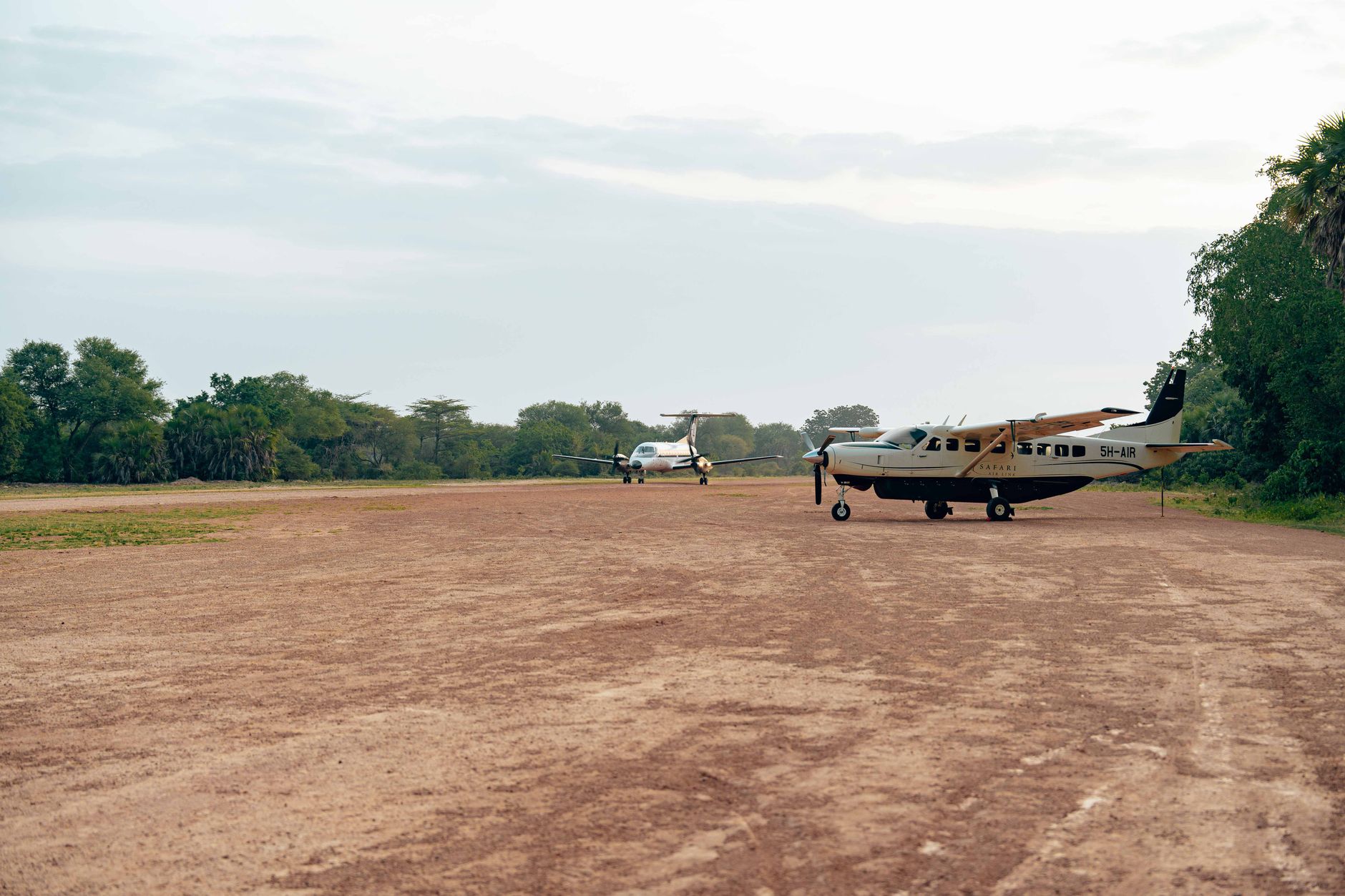
Domestic flights: The most practical option between safari regions and Zanzibar. Coastal Aviation, Auric Air, and Air Excel operate scheduled services between Arusha, the Serengeti airstrips, Ruaha, Selous/Nyerere, and Zanzibar. Flights are in small propeller aircraft (6–12 seats) and offer extraordinary aerial views.
Road transfers: Arusha to Tarangire is approximately 2 hours by road. Arusha to the Serengeti is 6–8 hours, making a flight worthwhile for most travellers. Road transfers are used for shorter legs and are included in most operator packages.
Park Fees and Costs
Tanzania's national park fees are among the highest in Africa, which funds conservation and keeps visitor numbers manageable.
- Serengeti: Approximately USD 70–80 per person per day (adult non-resident)
- Ngorongoro Crater: Approximately USD 70–80 per person per day, plus a vehicle fee of around USD 70 per descent
- Tarangire: Approximately USD 50–60 per person per day
- Ruaha / Nyerere: Approximately USD 30–50 per person per day
These fees are typically included in package pricing when booking through an operator. If planning independently, factor them into your budget explicitly.
Frequently Asked Questions
Is Tanzania expensive compared to other African safari destinations? Tanzania sits in the mid-to-upper tier. Park fees are high by regional standards. Accommodation ranges from budget camping (USD 50–100 per person per night) to ultra-luxury tented camps (USD 1,000+ per person per night). A well-planned mid-range private safari is achievable for USD 350–500 per person per day all-inclusive.
Do I need a local operator, or can I book everything myself? You can book accommodation independently, but without a vehicle and guide, you cannot effectively safari in Tanzania. Most independent travellers book accommodation themselves and contract a local Arusha-based operator for the vehicle, guide, and park fee logistics. This hybrid approach gives more accommodation flexibility at a similar overall cost.
Is Tanzania safe for travellers? Tanzania has a stable political environment and a strong tourism infrastructure in the northern circuit and Zanzibar. Normal travel precautions apply. The main risks for safari travellers are health-related (malaria, stomach illness) rather than security-related.
How far in advance should I book a Tanzania safari? For peak season (July–September), 6–12 months in advance is standard for preferred lodges. Shoulder season (June, October, November) can often be arranged with 3–6 months' notice. Last-minute availability occasionally exists but rarely at the best properties.
Browse Tanzania safari lodges and tented camps on our Tanzania accommodation page.
Ready to plan your trip?
Check live availability, compare lodges and book instantly — or send us an enquiry and we'll help shape the route.