Is It Safe to Self-Drive in Tanzania? A Guide
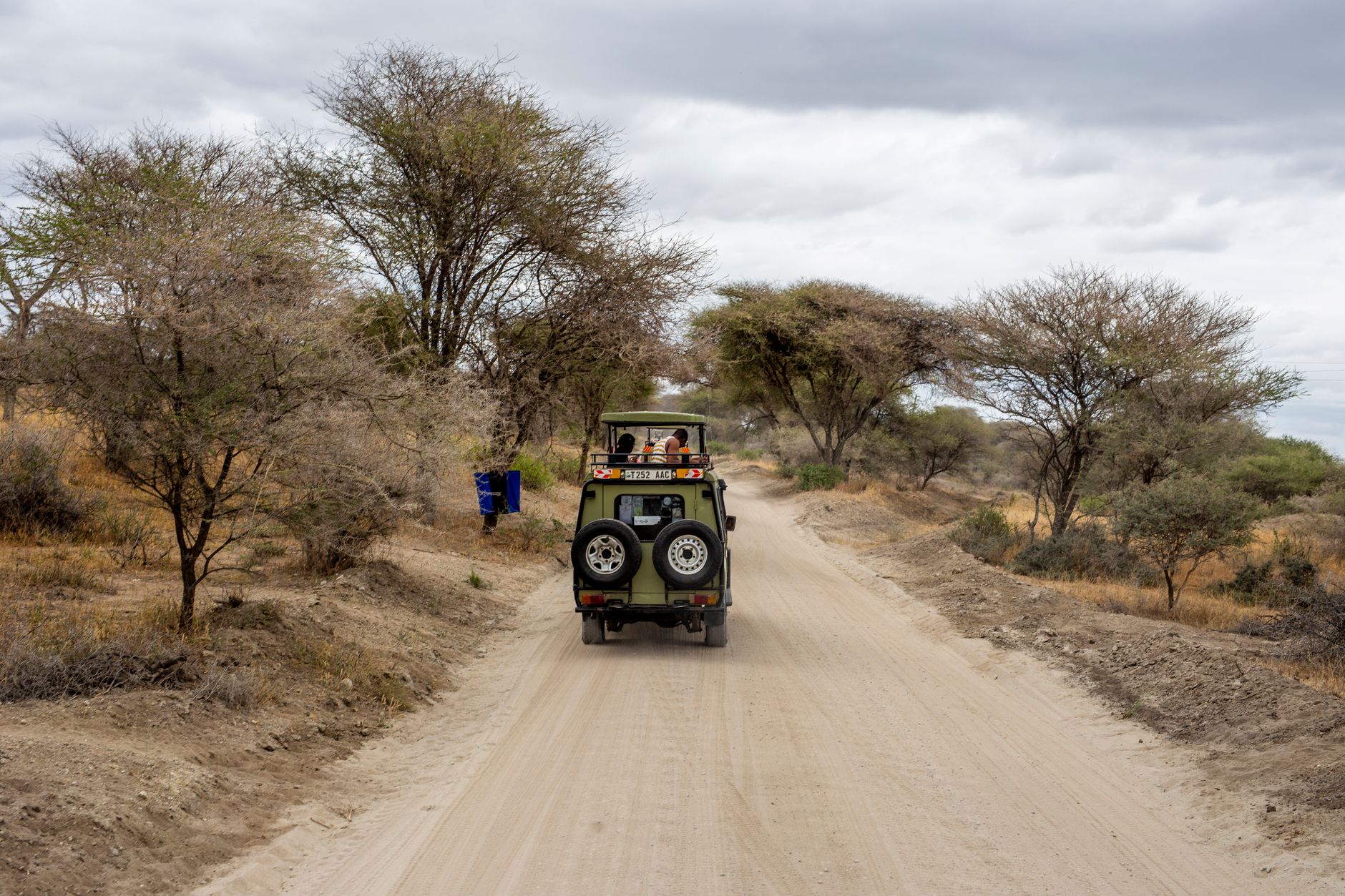
The idea of a Tanzanian self-drive safari is pure romance. It evokes images of dusty Land Cruisers, maps spread across the bonnet, and the freedom to chart your own course through vast, wildlife-rich landscapes. It’s an adventure of a lifetime, but it comes with a crucial question that demands a thoughtful answer: is it safe to self drive in Tanzania?
As curators of Tanzania’s finest safari lodges, we believe in empowering travellers with honest, expert advice. The short answer is yes, it can be remarkably safe. But this safety is not a given; it is earned through meticulous planning, the right mindset, and a deep respect for the environment you’re entering. This is not a casual road trip—it is an expedition. For the prepared adventurer, it promises an unparalleled sense of discovery and connection to the wild heart of Africa.
The Reality of Tanzanian Roads
First, let’s talk about the terrain. Tanzania’s road network is a study in contrasts. You will find smooth, modern tarmac highways connecting major hubs like Arusha, Moshi, and Dar es Salaam. These are generally well-maintained and make covering long distances between regions relatively straightforward.
However, the moment you turn off these main arteries and head towards the national parks, the landscape changes. The roads you’ll spend most of your time on are unpaved. They can range from graded gravel tracks to deeply corrugated, bone-jarring surfaces that demand slow speeds and constant attention. In the Serengeti or a remote part of the Southern Circuit like Ruaha, you will encounter sandy riverbeds, rocky sections, and the infamous “black cotton soil,” which becomes an impassable, sticky mire during the rainy seasons.
Driving here is an active, physical experience. It requires a capable 4x4 vehicle and a driver who is comfortable handling it on challenging surfaces. The journey itself becomes a central part of the adventure, not just a means to an end.
So, Is It Safe to Self-Drive in Tanzania? The Verdict
With a clear understanding of the road conditions, let's revisit the core question. Yes, embarking on a self-drive safari in Tanzania is a safe undertaking for the right kind of traveller: one who is experienced, resourceful, and, above all, thoroughly prepared.
It offers a level of freedom and solitude that a guided safari cannot replicate. You can wait for an hour for a leopard to descend from a tree, spend a whole afternoon by a waterhole, and move entirely at your own pace. The trade-off is that you are responsible for everything: navigation, vehicle maintenance, wildlife spotting, and your own safety.
Success hinges on preparation. A last-minute rental and a casual attitude is a recipe for trouble. A well-researched itinerary and the right gear will make it one of the most rewarding journeys you will ever take.
Essential Preparations for a Safe Self-Drive
Your safety isn’t about luck; it’s about a checklist. Before you even think about turning the key, ensure these elements are in place.
- The Right Vehicle: This is non-negotiable. You need a robust, high-clearance 4x4, typically a Toyota Land Cruiser or similar, from a reputable rental company. It should be equipped with all-terrain tyres, a long-range fuel tank (or dual tanks), and a high-lift jack. A snorkel is highly recommended if you are travelling during or near the wet season for water crossings.
- Navigation Tools: Do not rely solely on Google Maps. Invest in a dedicated GPS unit loaded with Tracks4Africa (T4A), which provides detailed mapping of remote tracks. As a backup, always carry physical, detailed paper maps of the regions and parks you plan to visit. Mobile apps like Maps.me can also be useful for offline navigation in a pinch.
- Documentation: Keep your documents organised and accessible. This includes your passport, visa, valid driver's licence from your home country, and an International Driving Permit (IDP). You will also need all vehicle rental paperwork and proof of park fee payments.
- Communication & First Aid: Mobile phone service is patchy at best and non-existent in most park interiors. Renting a satellite phone or carrying a personal locator beacon (PLB) is a critical safety measure. A comprehensive first-aid kit is also essential.
- Supplies: Always carry more water and non-perishable food than you think you’ll need. Vehicle breakdowns can happen, and you must be self-sufficient for at least 24-48 hours. Plan your fuel stops meticulously and carry extra fuel in jerry cans.

Navigating National Parks On Your Own
Driving inside Tanzania’s famed parks is a privilege with its own set of rules designed to protect both the wildlife and you.
Park Rules and Etiquette
The rules are simple and strictly enforced. Stay on the designated tracks at all times—off-roading is forbidden and causes irreparable damage to the fragile ecosystem. Adhere to the park speed limits, which are typically low (40-50 km/h) to protect wildlife. Most importantly, never get out of your vehicle except in designated picnic sites, viewpoints, or at your lodge. Your car is your mobile hide; it keeps you safe and prevents you from disturbing the animals.
Wildlife Encounters
Seeing a large bull elephant ambling towards your car is a humbling and exhilarating experience. The key is to remain calm and respectful. Never drive directly at an animal or block its path. If an elephant herd wants to cross the road, you yield. Turn off your engine and enjoy the moment. If an animal seems agitated, give it space and slowly back away.
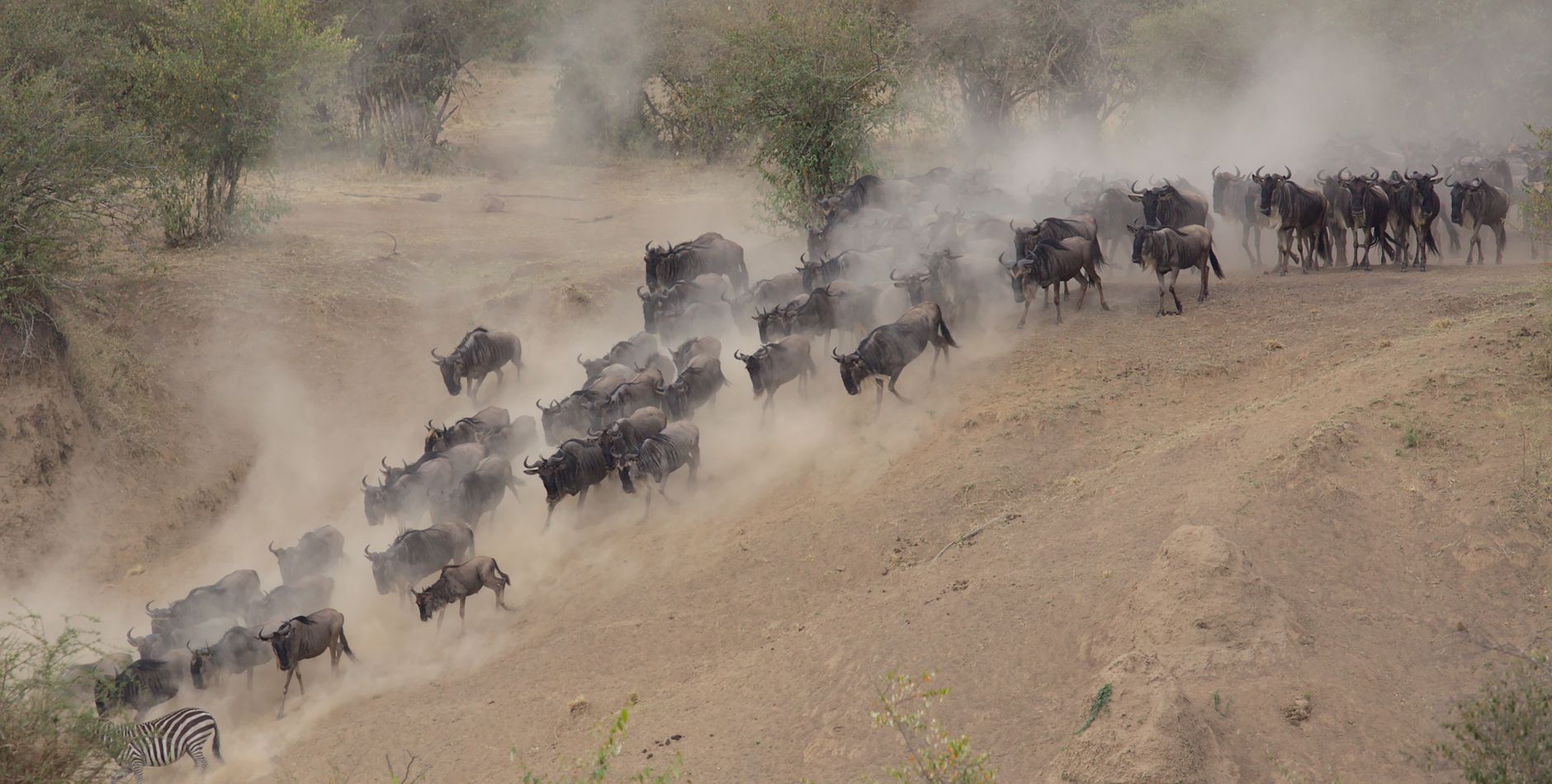
Remember, you are a guest in their home. Quiet observation from a respectful distance is the golden rule. For more on animal behaviour, our blog post on spotting wildlife during the Great Migration offers added insight.
The Cultural Aspect: Driving in Towns and Villages
Your driving skills will be tested just as much in bustling towns as in the wild. Driving in Arusha or other urban centres requires a defensive mindset. The flow of traffic can seem chaotic, with pedestrians, cyclists, livestock, and dala-dalas (local minibuses) all vying for space on the road. The key is to be patient, predictable, and alert.
We strongly advise against driving at night, especially outside of major cities. Roads are poorly lit, if at all, and you may encounter unlit vehicles, pedestrians, or animals. It significantly increases the risk of accidents.

The Alternative: Combining Freedom with Expert Guidance
If the logistics of a full self-drive expedition feel daunting, it doesn't mean you must forgo the experience of independent travel. A wonderful alternative is to self-drive between pre-booked lodges and camps.
This hybrid approach gives you the freedom of the open road while ensuring you have a comfortable and safe haven to look forward to each evening. You can handle the driving on the main roads between, say, Tarangire and the Ngorongoro highlands, and then leave the expert game driving to the resident guides at a property like the beautiful Serengeti Savannah Camp. It’s a perfect blend of adventure and relaxation.
For many, having a professional guide and driver remains the ultimate way to experience Tanzania. Their trained eyes will spot wildlife you would have missed, their knowledge enriches every sighting, and they handle all the navigation and park logistics, allowing you to simply immerse yourself in the experience without stress.
Ultimately, the answer to is it safe to self drive in Tanzania comes down to your personal travel style, experience, and appetite for adventure. For the well-prepared, it is a safe and profoundly rewarding way to connect with this incredible country on your own terms. It offers stories you will tell for the rest of your life.
When you are ready to anchor your adventure with stays in some of the country’s most exceptional and welcoming lodges, we invite you to explore the Safari Stays collection. We have handpicked properties that offer the perfect refuge after a long day's drive. See our curated Tanzanian safari listings to start planning your route.
Ready to plan your trip?
Check live availability, compare lodges and book instantly — or send us an enquiry and we'll help shape the route.