Your Guide: What to Pack for Safari in Tanzania
The thrill of a Tanzanian safari begins long before you first see a giraffe silhouetted against an acacia tree. It starts with the quiet anticipation of planning and preparation. As you envision the vast plains of the Serengeti or the dramatic caldera of the Ngorongoro Crater, the practical question arises: exactly what to pack for safari in Tanzania? Thoughtful packing is the secret to comfort and confidence, allowing you to fully immerse yourself in the magic of the bush. This guide is designed to move beyond generic lists, offering curated advice grounded in years of experience.
The Safari Wardrobe: Function, Layers, and Colour
Your clothing choices are about more than just aesthetics; they are a key part of your safari equipment. The temperature in Tanzania can shift dramatically throughout the day. Early morning game drives often begin in the crisp, cool air of dawn, while midday can bring intense sun and heat. As evening descends, the temperature drops again. The solution is intelligent layering.
Think in terms of a functional system. A lightweight t-shirt or shirt forms your base, a warm fleece or mid-weight jacket goes over it for the cooler hours, and a windproof or waterproof outer shell can be added for protection against an unexpected breeze or shower. This approach allows you to adapt seamlessly as the day unfolds, ensuring you're never too cold or too hot.
The Importance of Neutral Tones
There is a very good reason safari veterans dress in shades of khaki, green, olive, and brown. Firstly, these colours blend beautifully with the natural landscape, making you less obtrusive to wildlife. While animals are largely used to vehicles, bright colours like red or purple can be jarring and unnatural, potentially disturbing behaviour you’ve travelled so far to witness.
Secondly, certain colours are best avoided. Dark blue and black are known to attract tsetse flies, which have a painful bite. While many popular safari areas in northern Tanzania have minimal tsetse fly populations, it's a simple precaution worth taking. Similarly, stark white clothing gets dusty and dirty almost immediately and stands out in the bush. We also strongly advise against any camouflage patterns, as this is reserved for the military in Tanzania and is illegal for civilians to wear.
From Dawn Patrol to Sundowners
For those chilly morning and evening game drives, especially in higher altitude areas like the incredible Ngorongoro Highlands, a warm fleece is non-negotiable. A beanie and a scarf or buff can also add a surprising amount of warmth and comfort as you scan the horizon in an open-sided vehicle.
During the heat of the day, or when relaxing back at your lodge, you'll want lightweight, breathable fabrics. Long-sleeved shirts made from cotton or technical fabrics are fantastic as they protect your arms from the sun without causing you to overheat. A pair of comfortable shorts and swimwear are essential for enjoying the lodge pool, perhaps at a property as serene as Chem Chem Safari Lodge, between safari excursions.
Essential Gear: Footwear, Bags, and Optics
Beyond clothing, a few key pieces of gear will significantly enhance your comfort and overall experience. When it comes to safari, practicality always wins.
Footwear for Bush and Lodge
Unless your itinerary includes dedicated, multi-day walking safaris, you do not need heavy, technical hiking boots. For most guests on vehicle-based safaris, the priority is comfort. A pair of broken-in, closed-toe walking shoes or comfortable trainers is perfectly sufficient for getting in and out of the vehicle and for any short, guided walks around the lodge. For your downtime, a pair of sandals or flip-flops is ideal for relaxing and walking to the pool.
Headwear and Eyewear
The Tanzanian sun is strong, even on overcast days. A wide-brimmed hat is one of your most important items for protecting your face, ears, and neck from sunburn. Choose one that is crushable for easy packing. Alongside your hat, a quality pair of polarized sunglasses is crucial. They not only protect your eyes but also cut through the glare, making it easier to spot wildlife in the shimmering midday heat.
Choosing the Right Luggage
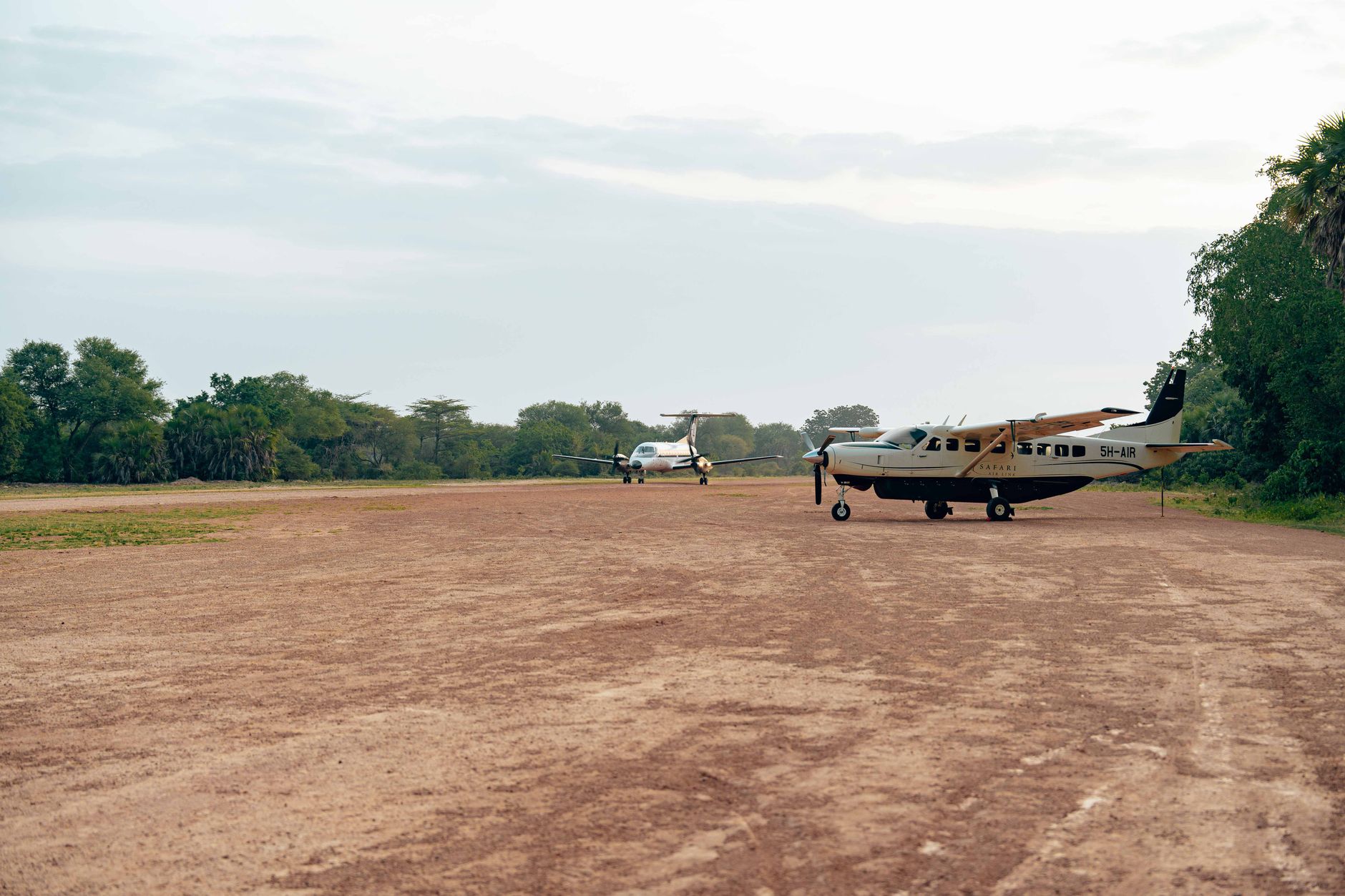
This is a critical point. Many safaris in Tanzania involve internal flights on small bush planes to get between parks and reserves. These aircraft have strict luggage restrictions, both in terms of weight (usually 15-20kg per person) and bag type. Hard-sided suitcases are often not permitted. A soft-sided duffel bag or holdall is the required standard, as it can be easily manipulated into the small luggage compartments. For your daily excursions, a small backpack or daypack is perfect for carrying your camera, binoculars, sunscreen, a book, and an extra layer of clothing.
The Complete Checklist: What to Pack for Safari in Tanzania
To make it simple, here is a comprehensive checklist. Use it as a starting point and adapt it to the length of your trip and the specific lodges you'll be visiting.
- Clothing
- 4-5 T-shirts or polo shirts (neutral colours)
- 2-3 Long-sleeved shirts for sun protection and layering
- 1 Pair of comfortable shorts
- 2-3 Pairs of lightweight trousers or convertible safari pants
- 1 Warm fleece or mid-layer jacket
- 1 Lightweight waterproof and windproof jacket
- Smart casual outfits for evenings (e.g., clean trousers and a shirt, or a dress)
- Swimwear
- Socks and underwear
- Pajamas
- Footwear, Headwear & Bags
- Comfortable, closed-toe walking shoes
- Sandals or flip-flops for the lodge
- Wide-brimmed hat
- Soft-sided duffel bag or holdall
- Small daypack for the safari vehicle
- Health & Toiletries
- Personal prescription medications (in original packaging)
- High-SPF sunscreen (SPF 30+)
- SPF lip balm
- Insect repellent containing DEET
- Basic first-aid kit (plasters, pain relievers, antihistamines, antiseptic wipes)
- Motion sickness medication if you are susceptible
- Electronics & Documents
- Camera with extra batteries and memory cards
- Binoculars (essential – one pair per person is ideal)
- Power bank to charge devices on the go
- Universal travel adapter (Tanzania uses Type G and D plugs)
- Headlamp or small torch for navigating your tent or room at night
- Passport, visa, and a copy (digital and physical)
- Airline tickets and travel insurance documents
- Vaccination certificates (e.g., Yellow Fever, if required)

Thoughtful Extras to Elevate Your Trip
While the list above covers the necessities, a few additional items can make your journey even more memorable. A good pair of binoculars, for example, is not an extra—it's an absolute essential. They transform a distant speck into a clear view of a Lilac-breasted Roller or a lounging leopard. For more insight on safari activities, consider reading our Guide to Walking Safaris in Tanzania.
Consider bringing a small journal and pen to jot down your daily sightings and reflections. A reusable water bottle is an eco-friendly choice that helps you stay hydrated. Finally, while our lodges provide wonderful amenities, having your favourite travel-sized toiletries can add a small touch of home.
Packing correctly is the final step in preparing for an adventure of a lifetime. It’s about ensuring your comfort so that your focus can remain where it should be: on the breathtaking landscapes and extraordinary wildlife of this remarkable country. Now that you have a clear idea of what to pack for safari in Tanzania, the real excitement can begin.
Your safari adventure awaits. Explore our curated collection of extraordinary lodges across Tanzania and find the perfect setting for your journey into the wild.
Ready to plan your trip?
Check live availability, compare lodges and book instantly — or send us an enquiry and we'll help shape the route.