Your Namibia Safari in July 2026: An Expert Guide

Namibia, a land of stark beauty and silent, ancient landscapes, offers a safari experience unlike any other. Planning a Namibia safari in July 2026 is an exceptional choice, placing you squarely in the heart of the country's prime dry season. This is a time when the vast wilderness reveals its secrets most generously, with clear cobalt skies, comfortable daytime temperatures, and wildlife drawn together in breathtaking concentrations.
At Safari Stays, we believe that a journey is defined by its details. This guide is crafted from our deep-rooted expertise to help you envision and plan an unforgettable adventure into one of Africa's most soul-stirring destinations. Forget the crowds of other safari hotspots; Namibia in July is about space, silence, and profound encounters with nature.
Why July is the Perfect Month for a Namibian Adventure
July falls in the middle of Namibia's winter, which is also its long dry season. This period, from May to October, is widely considered the best time to visit for most travellers, especially those focused on wildlife. The weather is characterized by brilliant, sun-filled days that are pleasantly warm, contrasted by cold nights where temperatures can drop close to freezing, particularly in the desert.
The absence of rain has a transformative effect on the landscape. The air is crisp and clear, free from the dust and haze of warmer months, making it a photographer's dream. The sunrises and sunsets, unhindered by clouds, paint the skies in fiery gradients of orange, pink, and purple. This clarity extends to the night sky, where the Milky Way glitters with an intensity rarely seen in the northern hemisphere.
This predictable, dry weather also means that travel logistics are simpler. The country's extensive network of gravel roads, which can become challenging during the summer rains, are generally in their best condition. This makes self-drive itineraries, a popular way to experience Namibia's freedom and scale, more accessible and reliable.
What to Expect on a Namibia Safari in July 2026
For wildlife enthusiasts, July is a month of unparalleled opportunity. The lack of widespread water forces animals to congregate around the few remaining perennial water sources, such as waterholes and rivers. This natural concentration makes game viewing not only easier but often more dramatic and predictable. Nowhere is this more apparent than in the country's premier wildlife sanctuary.
Game Viewing in Etosha National Park
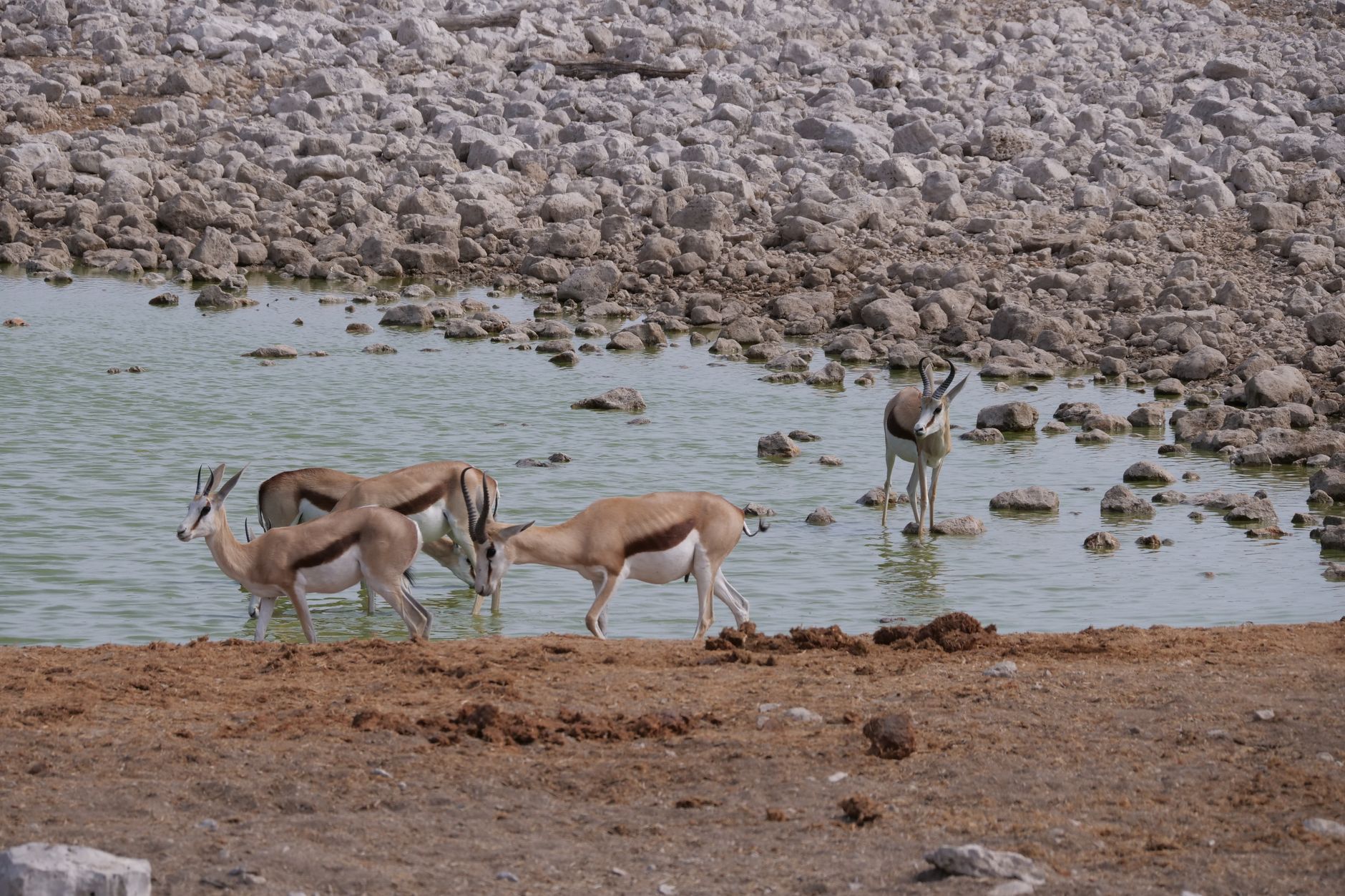
Etosha becomes the stage for an extraordinary wildlife spectacle. The park is centred around the vast, shimmering salt pan, but its lifeblood in the dry season are the numerous man-made and natural waterholes along its southern edge. Herds of springbok, zebra, wildebeest, and oryx gather to drink, their movements stirring up clouds of white dust.
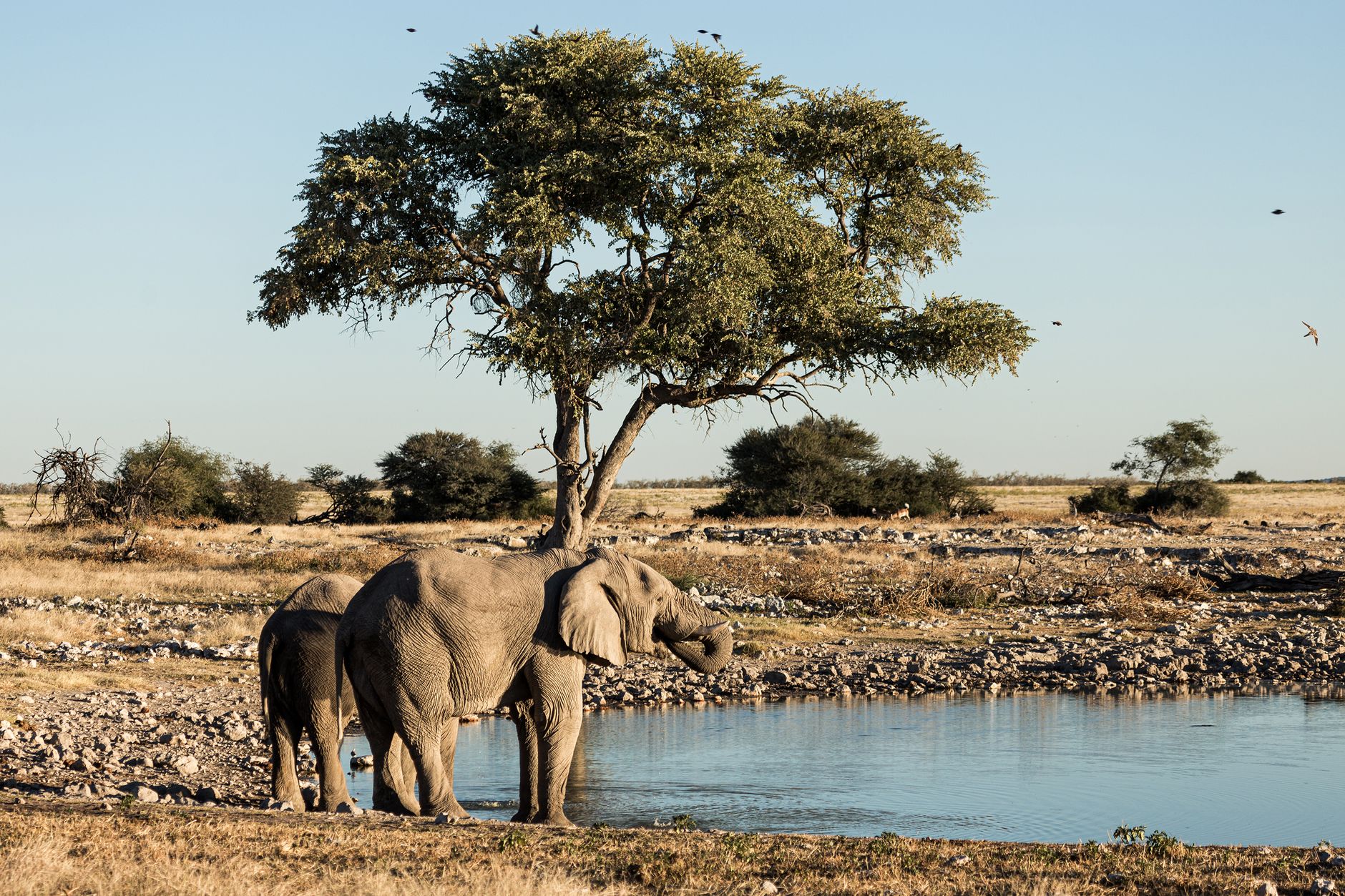
These gatherings attract predators. Lions are often seen lounging in the shade nearby, patiently waiting for an opportunity, while the elusive leopard may be spotted resting in the branches of a camelthorn tree. The park is also a stronghold for both black and white rhinos, and spotting one of these prehistoric giants emerging from the bush is a truly humbling experience. Spending hours at a single waterhole, watching the constant procession of animals, is a core part of the Etosha experience.
Beyond Etosha: Desert-Adapted Wildlife
Namibia's wildlife wonders are not confined to its national parks. The rugged, arid region of Damaraland is home to remarkable desert-adapted species. Here, you can track the elusive desert elephant, a taller, leaner relative of the savanna elephant, as they navigate ancient riverbeds in search of water and sustenance. You might also encounter the desert-dwelling black rhino, a critically endangered species that survives against all odds in this harsh environment.
A Journey Through Namibia's Iconic Landscapes
While the wildlife is a major draw, a Namibian safari is also a journey through some of the world's most dramatic and ancient scenery. A classic itinerary seamlessly blends these elements.
The Red Dunes of Sossusvlei
No trip to Namibia is complete without witnessing the monumental sand dunes of Sossusvlei. In July, the cool morning air is perfect for climbing iconic dunes like Dune 45 or the towering Big Daddy. The reward is a panoramic view of an endless sea of apricot-coloured sand, sculpted by the wind into knife-edge crests. The low sun of the early morning creates a mesmerising play of light and shadow, highlighting every curve and ripple.
Nearby, the stark, white clay pan of Deadvlei offers a surreal contrast. Here, 900-year-old skeletal camelthorn trees stand frozen in time, their dark forms silhouetted against the red dunes. For a truly special experience, staying at a lodge with private access, such as the secluded Hoodia Desert Lodge, allows you to enter the park for sunrise before the main gates open.
The Ethereal Skeleton Coast
From the desert's heat, the journey often moves west to the coast, where the cold Benguela Current creates a dramatically different climate. The shoreline known as the Skeleton Coast is a place of haunting beauty, where dense fogs roll in off the Atlantic, blanketing the dunes and creating an ethereal atmosphere. This coastline is famously littered with whale bones and the decaying hulls of shipwrecks, testament to its treacherous nature.
Exploring this remote wilderness offers a unique perspective on survival. Here you can find vast seal colonies at Cape Cross and, for the truly adventurous, stay in a location that embodies the spirit of the place. The remarkable Shipwreck Lodge is designed to mimic the wrecks that dot the coast, offering a luxurious and utterly unique base from which to explore this wild frontier.
Planning and Packing for Your July Trip
Given that July is peak season, early planning is crucial. Popular lodges and 4x4 vehicle rentals can be fully booked more than a year in advance. We recommend finalising your core itinerary and accommodations for July 2026 by mid-2025 to ensure you have the best choice of stays and experiences.
When it comes to packing, layering is key. Your packing list should include:
- Lightweight shirts and trousers in neutral colours (khaki, beige, green) for daytime.
- A very warm fleece or down jacket for cold mornings and evenings.
- A windproof jacket, especially for the coast.
- A beanie, scarf, and gloves for early morning game drives.
- Comfortable, sturdy closed-toe shoes.
- Sunscreen, a wide-brimmed hat, and sunglasses – the sun is strong even in winter.
- Binoculars and a good camera with extra batteries and memory cards.
Choosing the right accommodation elevates your journey from a simple holiday to a collection of unforgettable moments. For those seeking proximity to Etosha's wildlife theatre, the beautifully appointed Etosha Oberland Lodge offers luxurious chalets and an authentic connection to the surrounding bush, just a short drive from the park's entrance.

Namibia in the dry season is a land of profound contrasts and stark beauty. It’s a destination that rewards the prepared traveller with moments of pure wonder, from the silence of a desert morning to the vibrant drama of a crowded waterhole. With its clear skies, comfortable days, and exceptional wildlife viewing, your dream Namibia safari in July 2026 is poised to become a deeply cherished memory.
Ready to plan your trip?
Check live availability, compare lodges and book instantly — or send us an enquiry and we'll help shape the route.