Namibia's Green Season: A Guide for December to March
While many travellers dream of Namibia’s classic dry-season landscapes, there is a secret, vibrant chapter in its annual story that unfolds for those in the know. As you begin to plan your upcoming adventure, consider a time of dramatic transformation and rebirth. This is the namibia green season december to march, a period when summer rains wash the dust from the air, coax green shoots from the parched earth, and fill the landscape with life and colour.
Often called the ‘rainy season,’ this term can be misleading. It doesn't mean constant downpours that will spoil your trip. Instead, it’s a time of spectacular afternoon thunderstorms that roll in, electrify the sky, and then pass just as quickly, leaving behind cooler air and the incredible scent of rain on dry soil, known as petrichor. This season offers a completely different, yet equally breathtaking, perspective on one of Africa’s most soul-stirring destinations.
What to Expect from the 'Summer Rains'
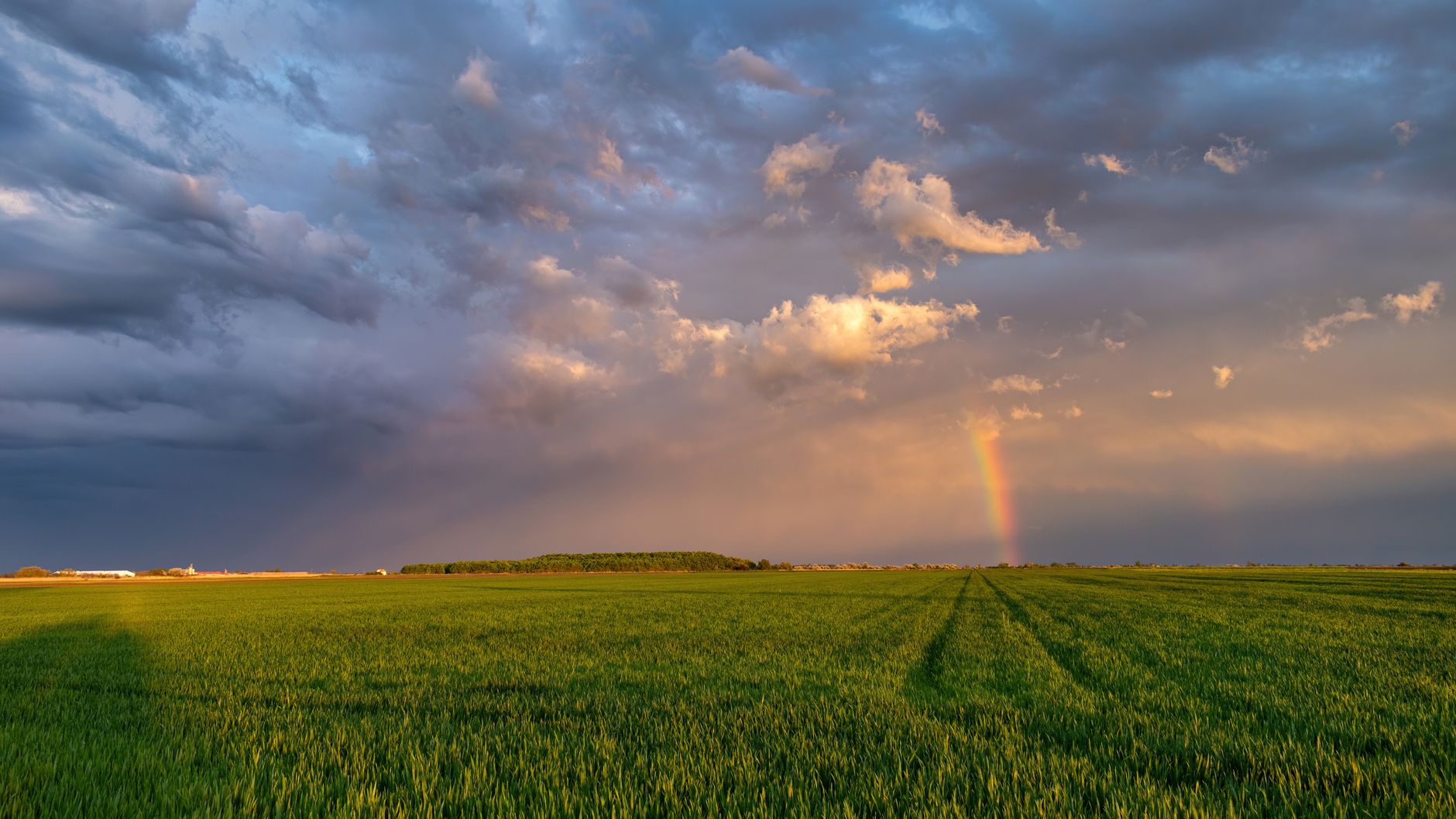
The green season in Namibia, which typically runs from late November into April, is characterised by short, intense bursts of rain, usually in the late afternoon. This is not a monsoon. Mornings are often clear and bright, offering ample time for activities before the clouds begin to gather, building a sense of dramatic anticipation.
The storms themselves are a spectacle. Towering cumulonimbus clouds create theatrical, brooding skies that are a dream for any photographer. When the rain finally breaks, it is a moment of pure release. The land, so thirsty for most of the year, drinks it in, and the transformation is almost immediate. The air feels cleaner, the light softer, and the colours more saturated.
For travellers, this means planning your days to make the most of the mornings and being prepared for a possible afternoon shower. Most lodges are well-equipped for this, and there is something uniquely cosy about watching a dramatic African storm from the shelter of your veranda, a cool drink in hand.
A Photographer's Dream: Landscapes in Bloom
If you are a keen photographer, the green season is arguably the best time to visit Namibia. The harsh, high-contrast light of the dry season is replaced by a softer, more diffused light, and the interplay between sunshine and storm clouds creates unparalleled drama. The dust is settled, offering crisp, clear vistas, especially after a rain shower.
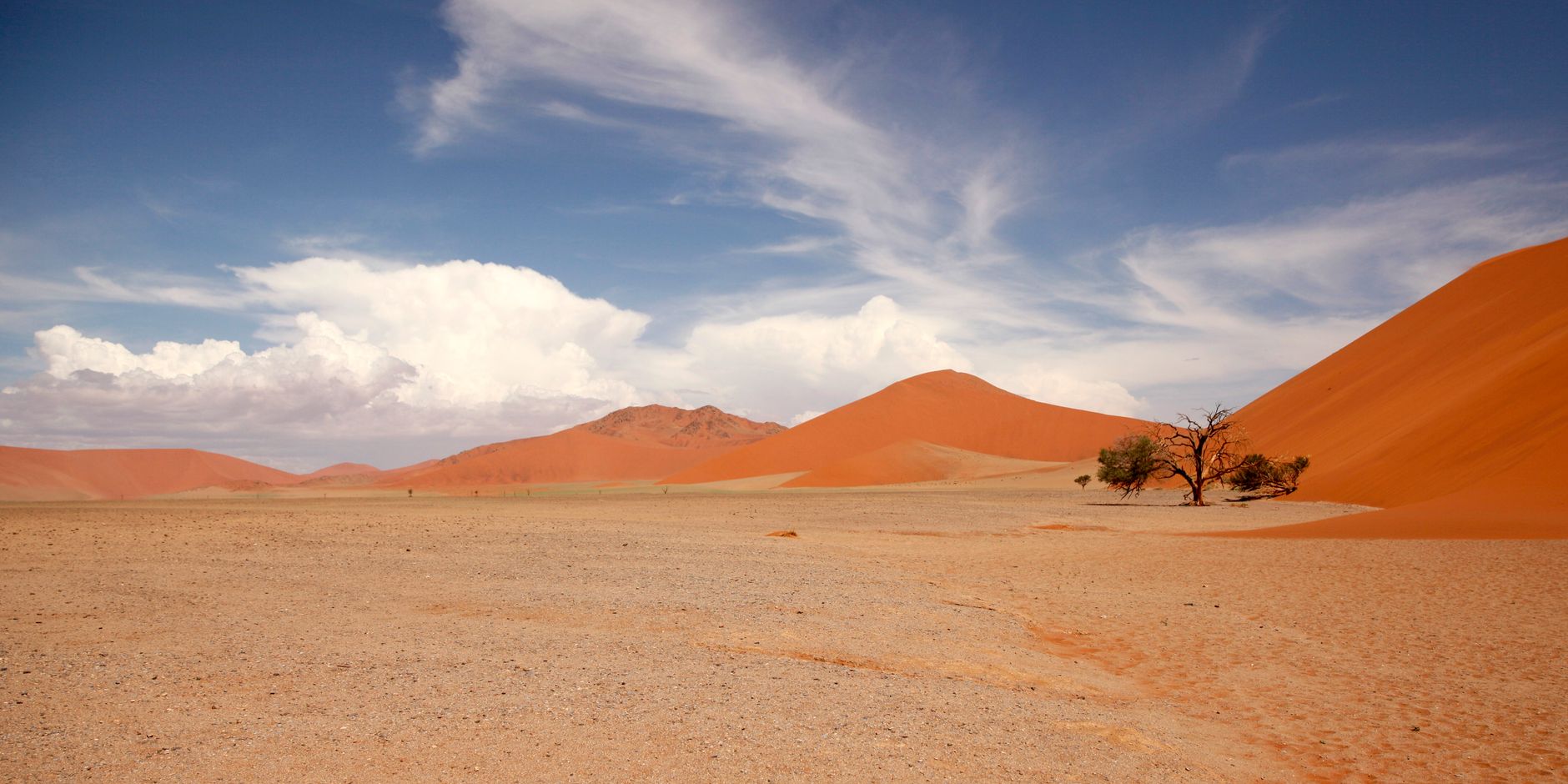
The most astonishing change is the colour palette. The country’s iconic ochre and khaki tones are suddenly accented with vibrant, almost fluorescent greens. The red dunes of the Kalahari become even more striking when fringed with fresh grasses, offering a visual contrast that feels both impossible and beautiful. Staying at a dedicated lodge like the Kalahari Red Dunes Lodge during this time provides a front-row seat to this stunning metamorphosis.
Even famously arid areas like Sossusvlei can be transformed. While the ancient pans themselves may not see grass, the surrounding plains can sprout a delicate green carpet, and ephemeral flowers may bloom. The contrast between the ancient, rust-coloured dunes and the new life at their feet is profoundly beautiful.
Wildlife Viewing During the Namibia Green Season December to March
It is a common misconception that wildlife viewing is difficult during the green season. While it's true that animals are no longer concentrated around the few remaining waterholes, the experience is simply different, not diminished. The bush is thick and lush, and the animals are healthy, well-fed, and energetic.
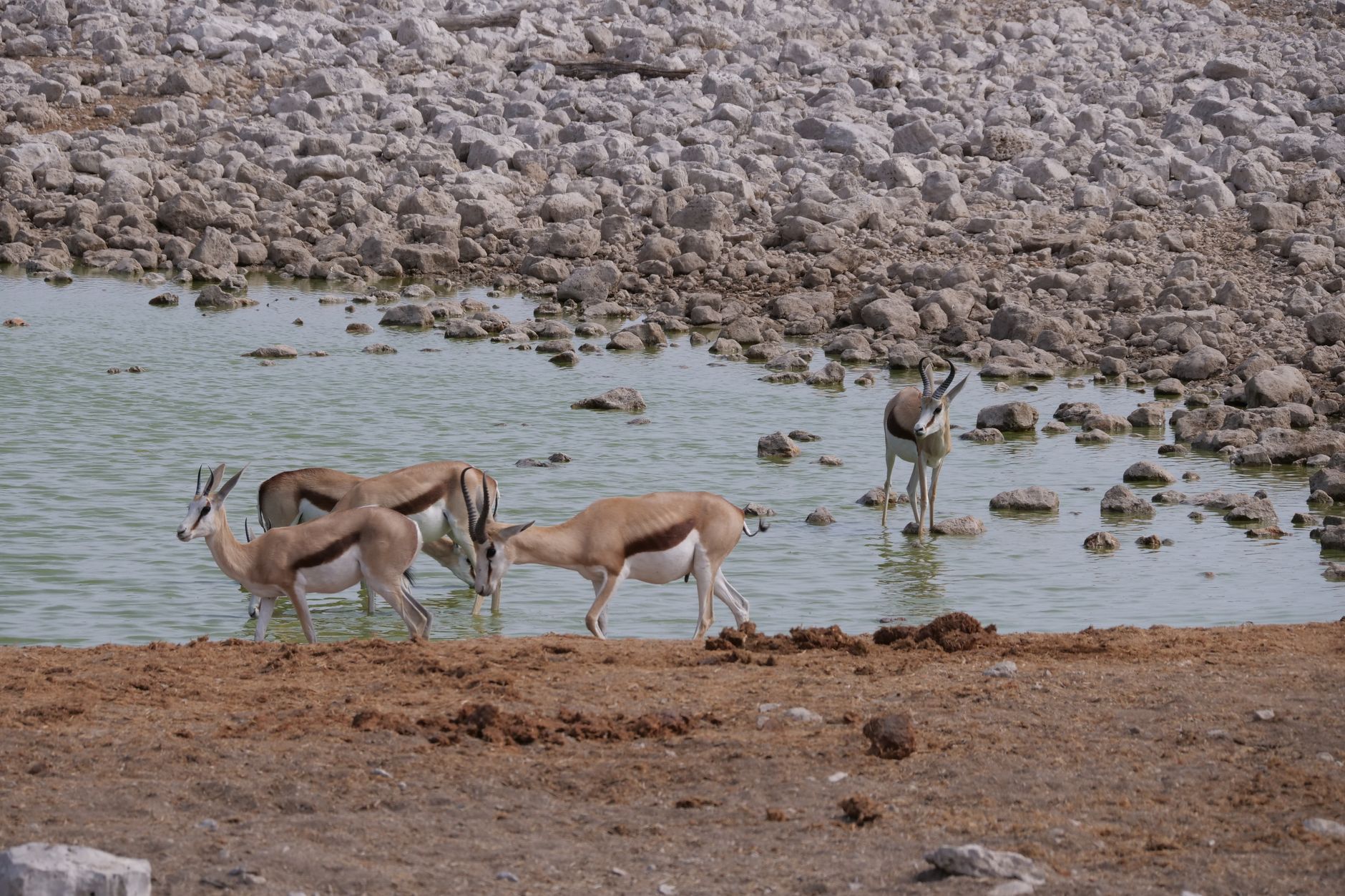
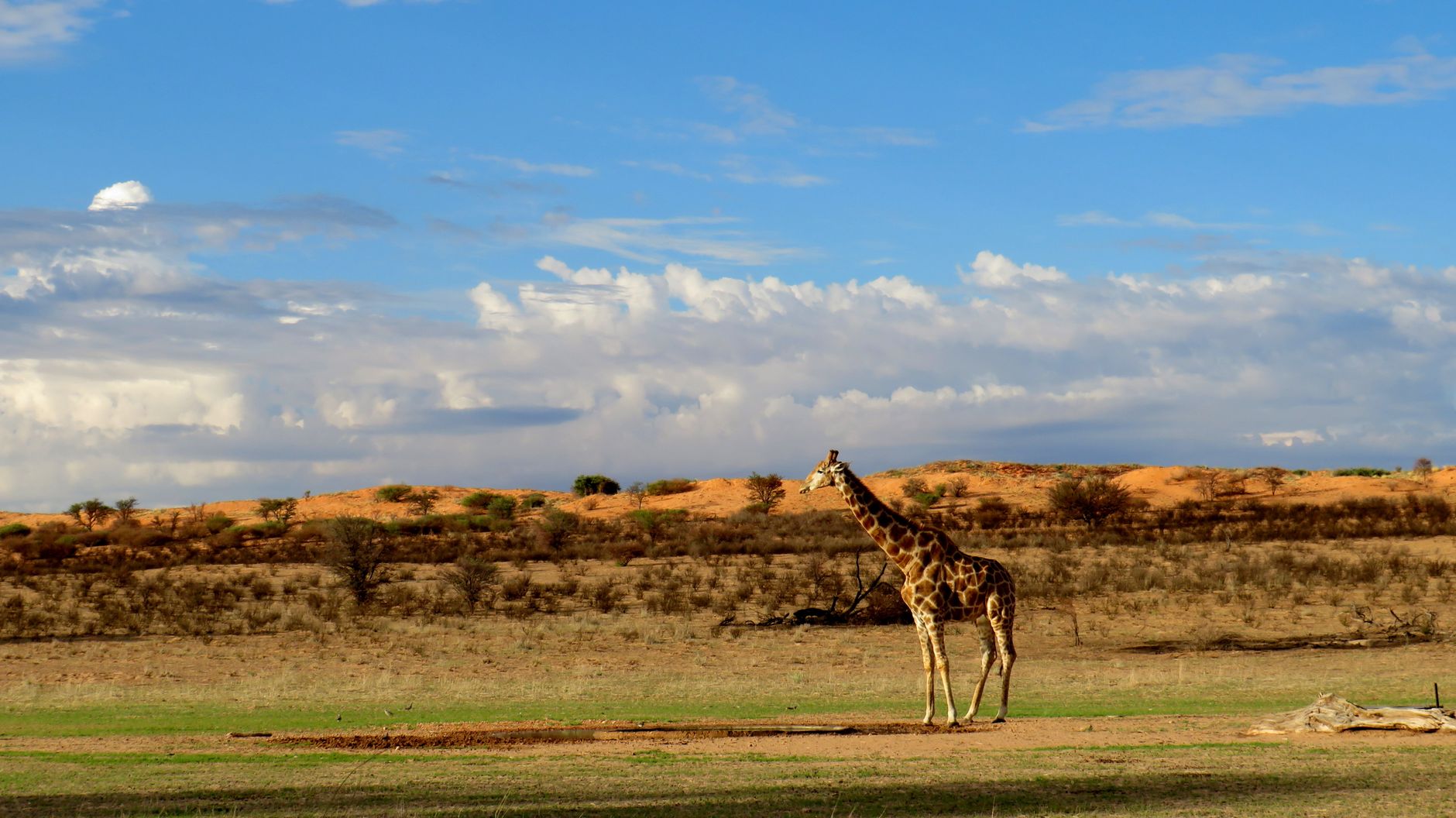
This is the season of birth. You will have a high chance of seeing newborn springbok, zebra foals, and gangly baby giraffes taking their first steps. The predators are never far behind, creating dynamic viewing opportunities. In parks like Etosha, the vast pans may fill with water, attracting huge flocks of flamingos and creating a water-world in the middle of the desert.
Instead of just ticking off species at a waterhole, game viewing becomes a more immersive search through a thriving ecosystem. Your guide’s tracking skills become paramount, adding an element of adventure to every drive. You will find animals in their prime, set against a verdant, beautiful backdrop rather than a dusty, barren one.
Birdwatching Paradise
For bird enthusiasts, there is no question: the green season is the ultimate time to visit. Hundreds of intra-African and Palearctic migratory species arrive to take advantage of the abundance of water and insects. The bird populations swell, and their breeding plumage is at its most spectacular.
Regions like the Zambezi become a cacophony of birdsong. Waterways that are quiet for much of the year burst into life. It's a time of plenty, and the air is filled with the colour and sound of weavers, bishops, kingfishers, and cuckoos. It is a sensory overload in the best possible way.
Planning Your Green Season Safari
Embracing the green season opens up a world of rewarding travel possibilities. Certain areas of Namibia are particularly special during this time, and a well-planned itinerary will ensure you experience the very best of it. The lush, riverine environment of the Zambezi Region is in its element, offering incredible boat-based safaris and a true sense of watery wilderness at camps like Jackalberry Tented Camp.
There are several distinct advantages to travelling at this time of year:
- Fewer Crowds: You will share Namibia’s vast landscapes with far fewer people, leading to a more exclusive and intimate experience at major sights and within national parks.
- Lower Rates: Many lodges and camps offer attractive shoulder-season rates, providing excellent value for money.
- Exceptional Photography: As mentioned, the combination of dramatic skies, vibrant colours, and clear air creates photographic opportunities you simply cannot get at other times of the year.
- Witnessing Rebirth: There is a profound joy in seeing a desert landscape come to life. It’s a powerful reminder of nature’s resilience and cycles of renewal.
While some unpaved roads can become challenging, particularly in the far north-west, most major routes are easily navigable, and a 4x4 vehicle is always a wise choice for a Namibian self-drive adventure. A journey through Namibia during this period is not for everyone, but for the repeat visitor, the photographer, the bird lover, or the traveller seeking a more profound connection with the land, it is an unparalleled experience.
A trip planned for the namibia green season december to march reveals a side of the country that many miss—one that is soft, vibrant, and bursting with new life. It’s a time to slow down, embrace the drama of the afternoon storms, and witness the desert bloom.

Ready to plan your trip?
Check live availability, compare lodges and book instantly — or send us an enquiry and we'll help shape the route.