Best Time to Visit Namibia 2027: A Green Season Guide
As you begin to sketch the outlines of your 2027 travels, the vast, soul-stirring landscapes of Namibia are likely calling. A common question we hear is about timing, and while the dry winter months are famously popular, we want to let you in on a secret. The period from late 2026 through to May 2027, often called the 'green season', may just be the best time to visit Namibia 2027 for a truly unique and transformative experience.
This is a time of renewal and drama, when summer rains breathe life into the arid plains, creating a spectacle of colour, life, and light that few travellers get to witness. It's a season for the discerning visitor, one who seeks solitude and is captivated by the powerful beauty of nature in flux.
Embracing Namibia’s Emerald Season
Spanning roughly from December to April, Namibia’s green season is characterized by the arrival of summer rains. But banish any thoughts of a dreary, continuous downpour. Rain in Namibia is often a spectacular event in itself—brief, intense afternoon thunderstorms that roll across the horizon, clearing the air of dust and leaving behind the scent of petrichor on the thirsty earth.
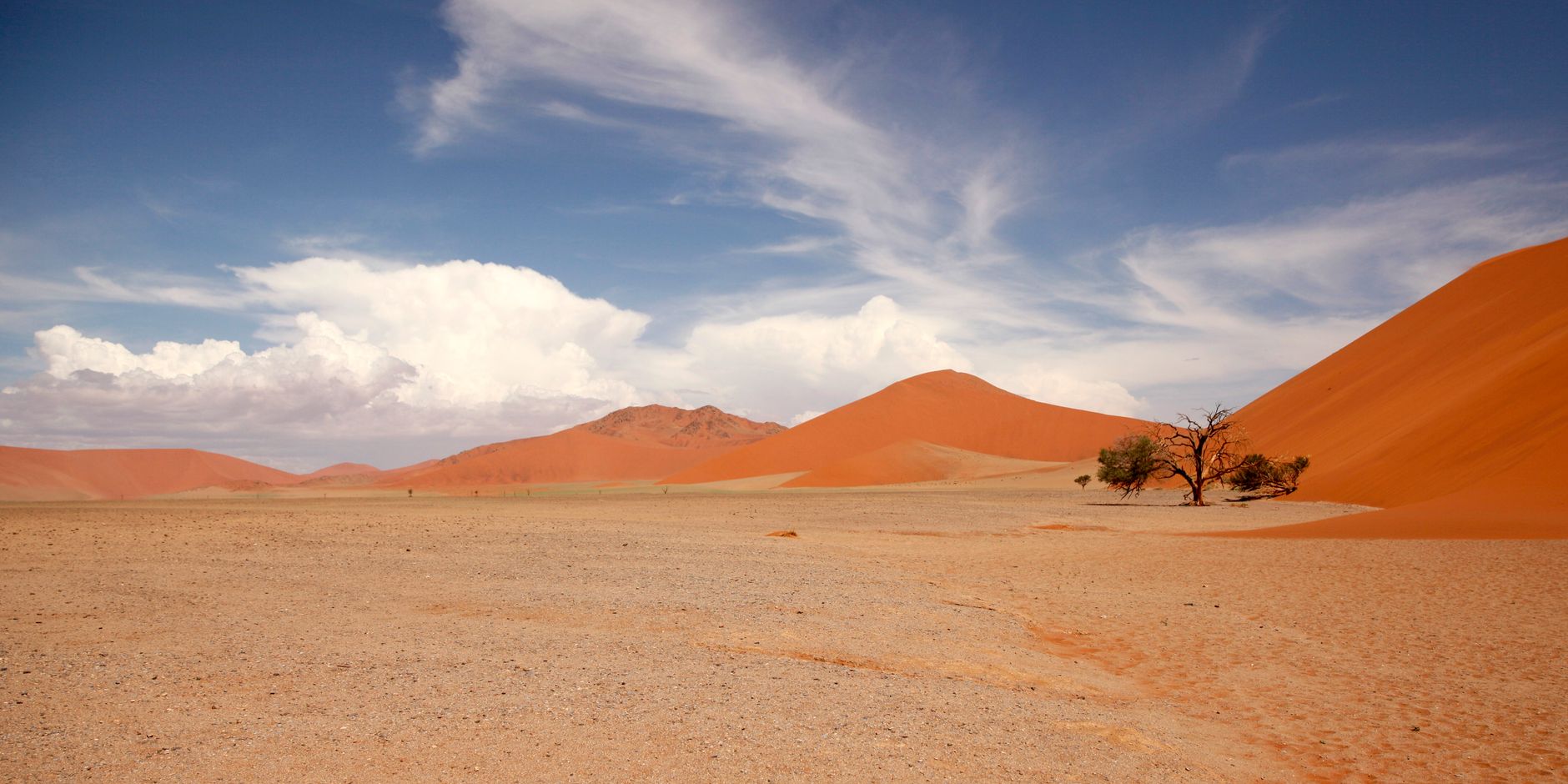
These showers are the catalyst for a profound transformation. The stark, sun-baked landscapes erupt in a surprising palette of greens. Grasses sprout on the plains and even on the edges of the iconic red dunes, creating a stunning visual contrast. For photographers, this season is unparalleled. The dramatic, cloud-filled skies create a soft, diffused light, and the chance to capture lightning over the desert is a thrilling possibility.
A Time of New Beginnings
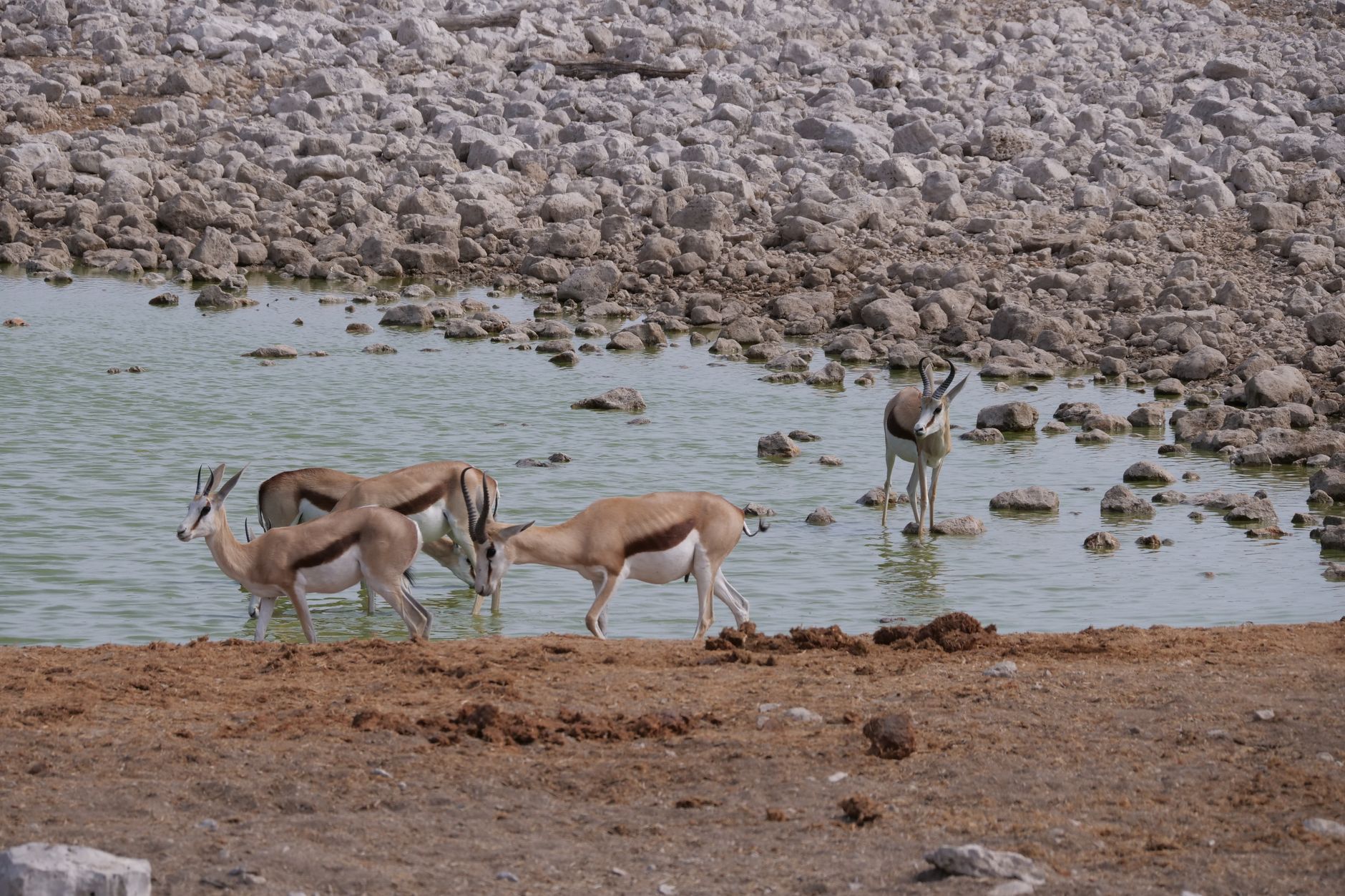
While the denser vegetation can make wildlife spotting more of a challenge than in the dry season, the rewards are different and deeply moving. This is the calving and birthing season for much of Namibia's wildlife. Plains are dotted with newborn springbok, wobbly on their new legs, and you may see young zebra, wildebeest, and other antelope taking their first steps.
This season is also a paradise for birdwatchers. The wetlands and waterholes are brimming, and the arrival of migratory species from Europe and northern Africa creates a flurry of activity and birdsong. The birdlife is vibrant, diverse, and abundant, making it a prime time for ornithological enthusiasts.
What is the Best Time to Visit Namibia 2027? A Month-by-Month Look
Every month within this special period offers a slightly different character. Your ideal time will depend on what you hope to experience, from the peak of the rains to the lush, temperate days of the shoulder season.
December & January: The Heart of Summer
The festive season brings hot summer days and the first, most welcome rains. The landscape begins its slow shift from ochre to green. While afternoon temperatures can be high, particularly in the desert, the coast around Swakopmund offers a cool and pleasant escape. It’s a time of dramatic cloud build-ups and the promise of life-giving water.
February & March: Peak Transformation
These months are typically the wettest and the greenest. The transformation is complete, with landscapes across the country looking lush and vibrant. This is the prime time for birding in the north, especially in the magnificent Zambezi Region, which becomes a true water-world. A lodge like Serondela Lodge on the Chobe River becomes a gateway to this incredible biodiversity. The rains are still mostly short-lived storms, leaving the rest of the day clear and bright.
April & May: The Shoulder Season Sweet Spot
For many, this is the perfect compromise. The rains have mostly subsided, but the land is still gorgeously green and the air is free of dust. Temperatures begin to cool to a very pleasant level, and as the vegetation starts to recede and seasonal water sources dry up, wildlife begins to congregate more predictably around permanent waterholes. You get the beauty of the green season with the added benefit of increasingly excellent game viewing, particularly in parks like Etosha.
Regional Highlights: Where to Go
The green season doesn’t affect all of Namibia uniformly. Certain regions offer particularly magical experiences during this time, showcasing a side of the country that is completely hidden during the dry winter.
Sossusvlei and the Namib Desert
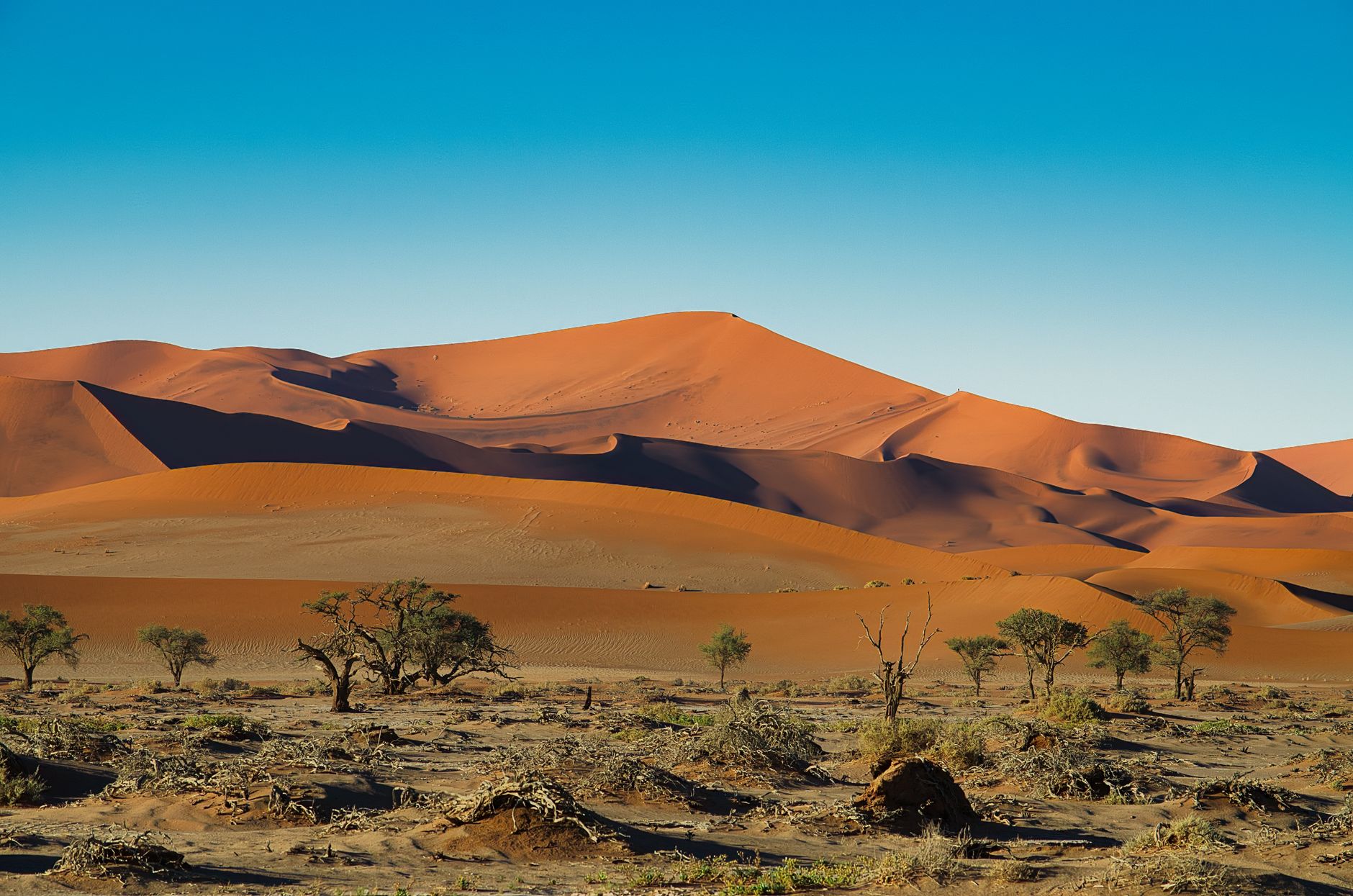
Seeing rain in the world’s oldest desert is a profound experience. While it doesn't happen often, even a small amount can trigger a super-bloom of desert flowers and a faint green carpet across the red sands of the dunes near Sossusvlei. On very rare occasions, the iconic pan at Deadvlei can hold water, creating a surreal mirror that reflects the ancient camel thorn trees. A stay at a lodge like &Beyond Sossusvlei Desert Lodge provides an exceptional base for witnessing these potential miracles.
The Kalahari
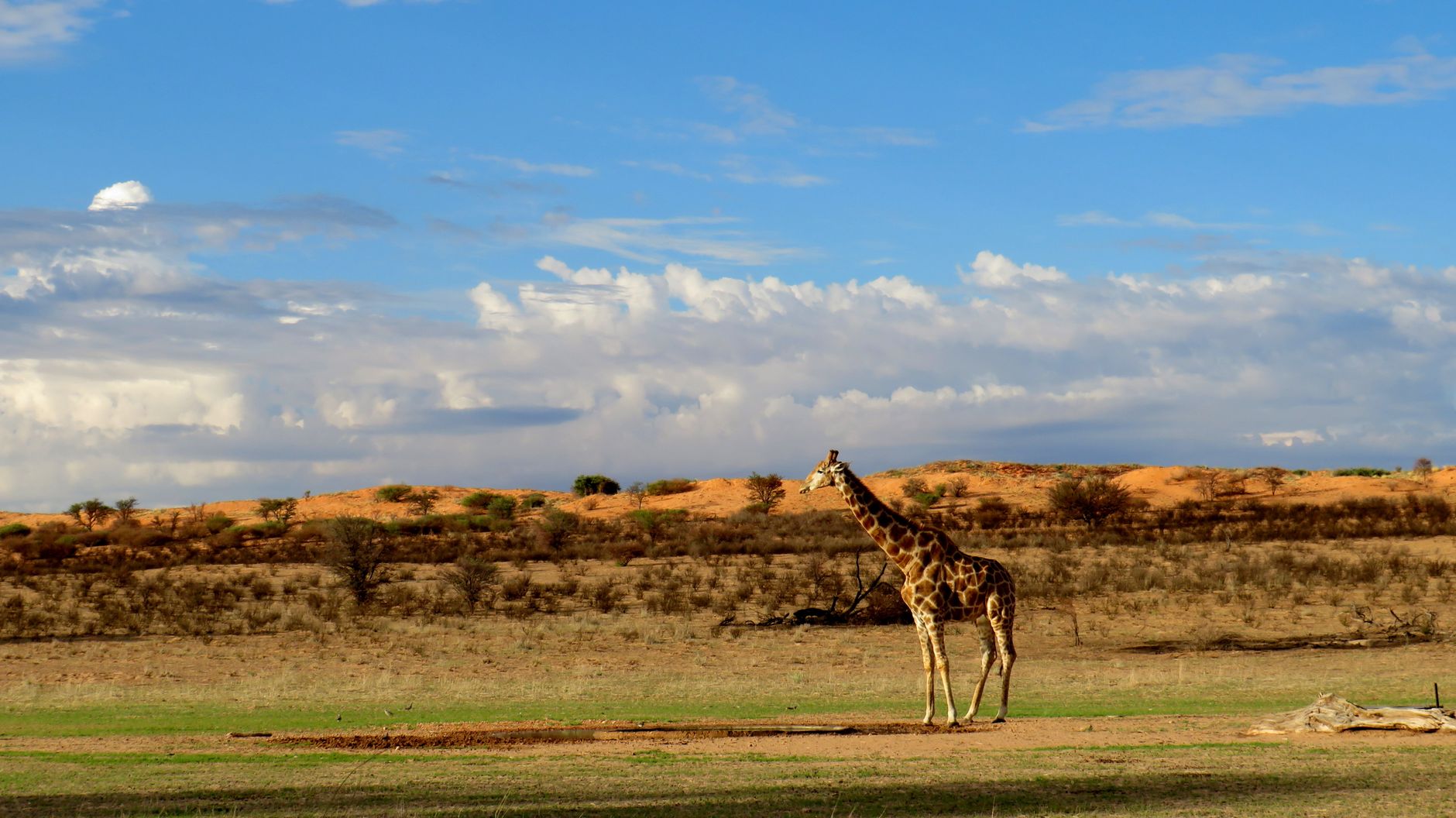
The Kalahari, often considered a semi-desert, responds beautifully to the summer rains. The ancient red dunes become cloaked in verdant grasses and wildflowers, attracting herds of gemsbok and springbok. This is a time when the desert feels alive and bountiful. A unique accommodation such as the Reverie Kalahari Pod allows you to immerse yourself in this revitalised landscape, offering incredible photographic opportunities of green against the iconic red earth of the Kalahari.
Etosha National Park
While the peak dry season is famous for its waterhole congregations, the green season in Etosha offers a different kind of beauty. The vast salt pan can fill with a shallow layer of water, attracting immense flocks of flamingos. The plains are full of newborn animals, and the park feels lush and expansive. It is a time of plenty, when the animals are dispersed but healthy and active.
Practical Considerations for Your 2027 Trip
Travelling during this season is immensely rewarding, but it pays to be prepared. A little planning ensures your journey is smooth, safe, and comfortable.
- Vehicle Choice: We strongly recommend a 4x4 vehicle. While many of Namibia's main roads are paved, the gravel tracks that lead to more remote lodges and park areas can become muddy or experience wash-outs after heavy rain.
- Driving Times: Be prepared for journeys to take a little longer. Drive with caution on wet gravel roads and never attempt to cross a fast-flowing river. The golden rule is to wait it out—most flash floods subside quickly.
- Accommodation: While there are generally fewer visitors than in the peak season, it is still wise to book your accommodation well in advance, especially for popular lodges in key areas.
- Health and Packing: This is the highest-risk season for malaria in the northern parts of the country, including the Zambezi Region. Consult your doctor about appropriate prophylaxis. Pack a lightweight waterproof jacket, insect repellent, layers for cool evenings, and, of course, all your camera equipment to capture the stunning light and landscapes.

Ultimately, choosing to visit Namibia between December and May is a choice to see the country at its most dynamic and vital. It’s an opportunity to escape the crowds, to witness the powerful forces of nature at play, and to experience the desert in bloom. For those seeking a deeper, more nuanced adventure, this vibrant, life-affirming window is truly the best time to visit Namibia 2027.
Ready to plan your trip?
Check live availability, compare lodges and book instantly — or send us an enquiry and we'll help shape the route.