Etosha in January: What to Expect for Your Safari

Visiting Namibia’s premier wildlife sanctuary during the rains is a profoundly different experience from a classic dry-season safari. If you’re currently planning your adventure and asking, etosha in january what to expect, you are contemplating a journey into the park’s most vibrant and dramatic season. January marks the heart of the green season, a time when the iconic white plains are transformed by life-giving water, offering a unique and rewarding safari for the discerning traveller.
This is not the Etosha of stark, dry waterholes and desperate, dusty gatherings of game. This is Etosha reborn: lush, green, and teeming with new life. It’s a time of theatrical thunderstorms, brilliant birdlife, and a sense of renewal that permeates the very air you breathe. It’s an experience for photographers, birders, and anyone seeking to witness the incredible resilience of the African bush.
The Green Season Transformation
January sits squarely in Namibia’s summer rainy season. This period, often called the ‘green season’, sees the arid landscapes of the park undergo a remarkable metamorphosis. The dust settles, replaced by a carpet of new grass that unfurls across the plains, sometimes astonishingly quickly after the first substantial showers.
Ephemeral rivers begin to flow, and natural pans away from the main tourist waterholes fill with water. The great Etosha Pan itself, a seemingly endless salt flat for most of the year, may even hold a shimmering, shallow layer of water, attracting flocks of flamingos and creating mirror-like reflections of the vast African sky. The air is thick with the scent of petrichor—the earthy smell of rain on dry ground.
Skies become a spectacle in their own right. Towering cloud formations build up during the heat of the day, culminating in spectacular late-afternoon thunderstorms. These electrical shows are a photographer's dream, with dramatic light and bolts of lightning creating a powerful backdrop for your wildlife sightings. The landscape, washed clean by the rain, appears more vivid, the colours richer and more saturated.
Wildlife Viewing in a Time of Plenty
A common misconception is that wildlife viewing is poor during the green season. It is more accurate to say it is different. During the dry winter months, animals are forced to congregate around a few permanent waterholes, making them easy to find. In January, with water abundant across the park, the game disperses.
You will need to work a little harder for your sightings, driving more slowly and scanning the now-dense bush more carefully. But the rewards are immense. The animals are in peak condition, their coats gleaming with health. You won’t see the desperation of the dry season, but the contentment of a landscape in a time of plenty.
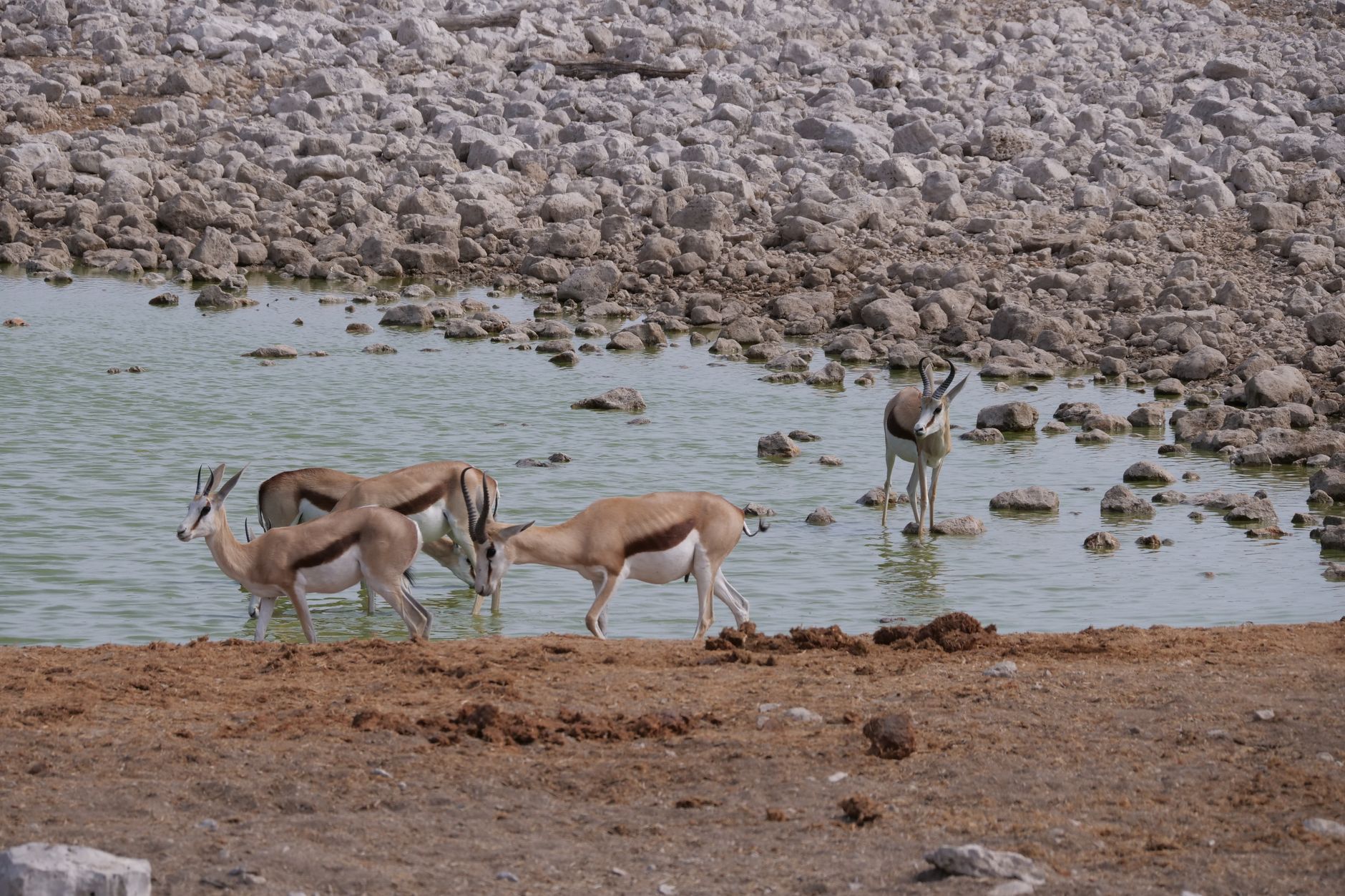
Crucially, January is calving and lambing season for many species. The plains are dotted with nursery herds. You’ll see wobbly-legged zebra foals, tiny springbok lambs sticking close to their mothers, and lanky giraffe calves taking their first tentative steps. This explosion of new life also brings predators. Lions, cheetahs, and leopards are ever-watchful, taking advantage of the vulnerable young, and the circle of life plays out in a lush, green theatre.
Etosha in January: What to Expect for Your Safari
Understanding the practicalities of a green season visit will ensure you are well-prepared for this unique adventure. From weather to road conditions, here’s what you need to know.
Weather and What to Pack
Expect hot and humid conditions. Daytime temperatures often exceed 30°C (86°F), with high humidity before and after rain showers. Pack lightweight, breathable clothing in neutral colours. A lightweight waterproof jacket is essential for the sudden downpours, which are usually intense but short-lived. Also crucial are sunscreen, a wide-brimmed hat, and effective insect repellent, as mosquitoes are more prevalent during the rains.
Driving and Park Conditions
While the main roads in Etosha are well-maintained gravel, some of the smaller tracks can become muddy or even impassable after heavy rain. A 4x4 vehicle is highly recommended for a January trip, giving you better traction and peace of mind. Driving slowly is key, not just for safety on potentially slippery surfaces, but also because it’s the best way to spot wildlife partially hidden by the verdant foliage.
Photography Opportunities
For photographers, January is arguably the most exciting time to visit. The harsh, white glare of the dry season is replaced by a softer, more diffused light. The contrast between dark, stormy skies and bright green landscapes is stunning. Capturing images of newborns, the vibrant birdlife, and animals set against a lush background offers a completely different portfolio to the classic dry-season shots.
A Birdwatcher's Paradise
January is the absolute peak of the birding season in Etosha. The park’s resident species are in their breeding plumage and are joined by a host of migratory birds from the Northern Hemisphere. The water-filled pans and lush vegetation attract an incredible diversity of avian life. Keep an eye out for:
- Migratory waders and flamingos on the main pan if it has water.
- Colourful species like the Violet-backed Starling and Blue-cheeked Bee-eater.
- Multiple species of cuckoo, which are vocal and active at this time.
- Impressive birds of prey, including the Bateleur and Tawny Eagle.

Planning Your January Itinerary
A January visit to Etosha pairs wonderfully with other regions that are also at their best during the green season. Instead of heading to the coast, which can be foggy, consider travelling north or east. For a truly immersive experience, you can base yourself at a comfortable lodge just outside the park gates, like Etosha Oberland Lodge, which provides a luxurious retreat after a day of exploring.
From Etosha, you could travel towards Grootfontein, stopping at a welcoming place like Dornhügel Guestfarm to experience Namibian hospitality. Continue on to the lush, riverine woodlands of the Zambezi Region, which becomes a watery wonderland at this time of year, offering fantastic boat-based safaris.
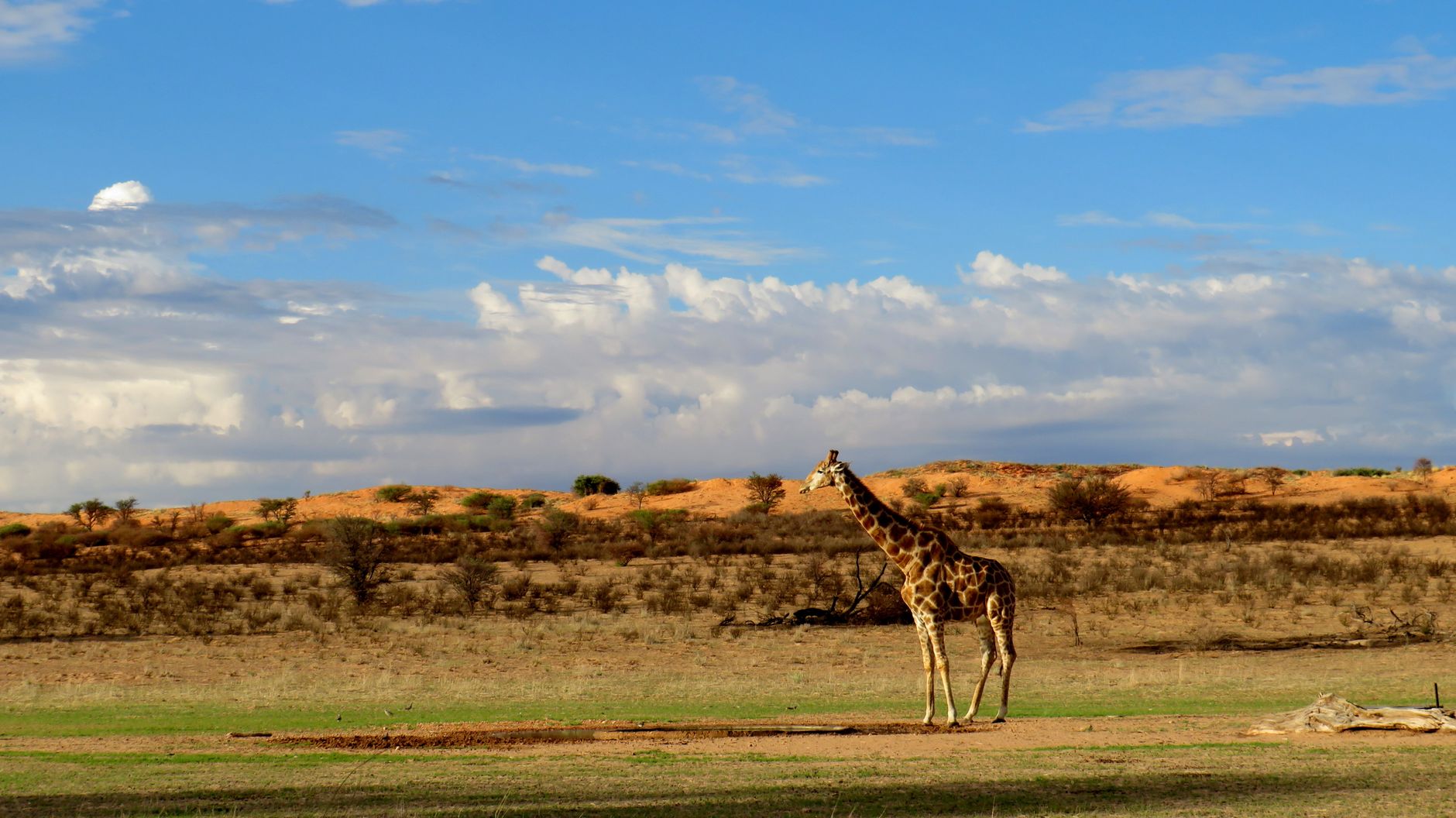
Alternatively, head south to explore the Kalahari. While known as a desert, the Kalahari also springs to life after the rains, with ancient riverbeds flowing and the red dunes tinged with green. It’s a spectacular contrast and a chance to see different desert-adapted species in a time of abundance.
The choice to visit Etosha in January is a choice to embrace the bush in its most dynamic state. It means trading the convenience of guaranteed waterhole sightings for the thrill of discovery, the drama of a thunderstorm, and the heart-lifting sight of new life. It’s a safari that engages all the senses, from the smell of the rain to the chorus of frogs at dusk.
For travellers seeking a deeper, more nuanced understanding of this incredible ecosystem, it is an unforgettable time to visit. By preparing for the conditions and embracing a different pace of safari, you will have a clear and wonderful answer to the question of etosha in january what to expect.

Ready to plan your trip?
Check live availability, compare lodges and book instantly — or send us an enquiry and we'll help shape the route.