Crafting Your Namibia Safari Itinerary for 2027
As the landscapes of Southern Africa begin to stir with anticipation, the thoughtful traveller looks ahead, sketching out journeys for the coming year. If you are starting to envision your adventure for late 2026 or the first half of 2027, you are in the perfect position to create an unforgettable trip. Now is the ideal time to start planning your Namibia safari itinerary 2027, especially if you wish to experience the country during its most transformative and photogenic season.
Namibia is often pictured as a land of stark, arid beauty. While this is true for much of the year, the period from December to May ushers in the 'Green Season'. This is a time of renewal, when sporadic life-giving rains wash the dust from the air, coax green shoots from the parched earth, and trigger a surge of life across the country. For the discerning visitor, it is a time of fewer crowds, dramatic cloud-filled skies, and exceptional wildlife viewing opportunities.
Why Travel During Namibia's Green Season?
Many seasoned travellers believe the Green Season is Namibia’s best-kept secret. While the peak dry season has its own appeal, the months of December through May offer a unique and deeply rewarding experience. The landscapes are transformed, with plains and mountainsides carpeted in a soft green haze, creating a stunning contrast against the iconic red dunes and dark rock.
This is the season of new life. Antelope, zebra, and wildebeest give birth, their vulnerable young attracting the close attention of predators. It’s a phenomenal time for photographers, as the air is clear, the colours are saturated, and the dramatic afternoon thunderstorms build breathtaking backdrops for your images. Birdwatching is also at its absolute peak, with the arrival of migratory species from the northern hemisphere.
It’s true that you can expect rain, but it typically comes in the form of short, intense afternoon showers that are more a welcome refreshment than a travel disruption. These storms pass quickly, leaving behind clean air, happy wildlife, and the sweet scent of rain on the desert soil.
A Classic Namibia Safari Itinerary 2027: The Green Season Loop
This 14-day self-drive itinerary is a classic for a reason. It balances iconic sights with hidden gems and is perfectly paced to allow for both exploration and relaxation. It is specifically tailored to showcase the best of the Green Season, starting from the capital and looping through the country's most spectacular regions.
Days 1-3: Arrival and the Awakening Kalahari
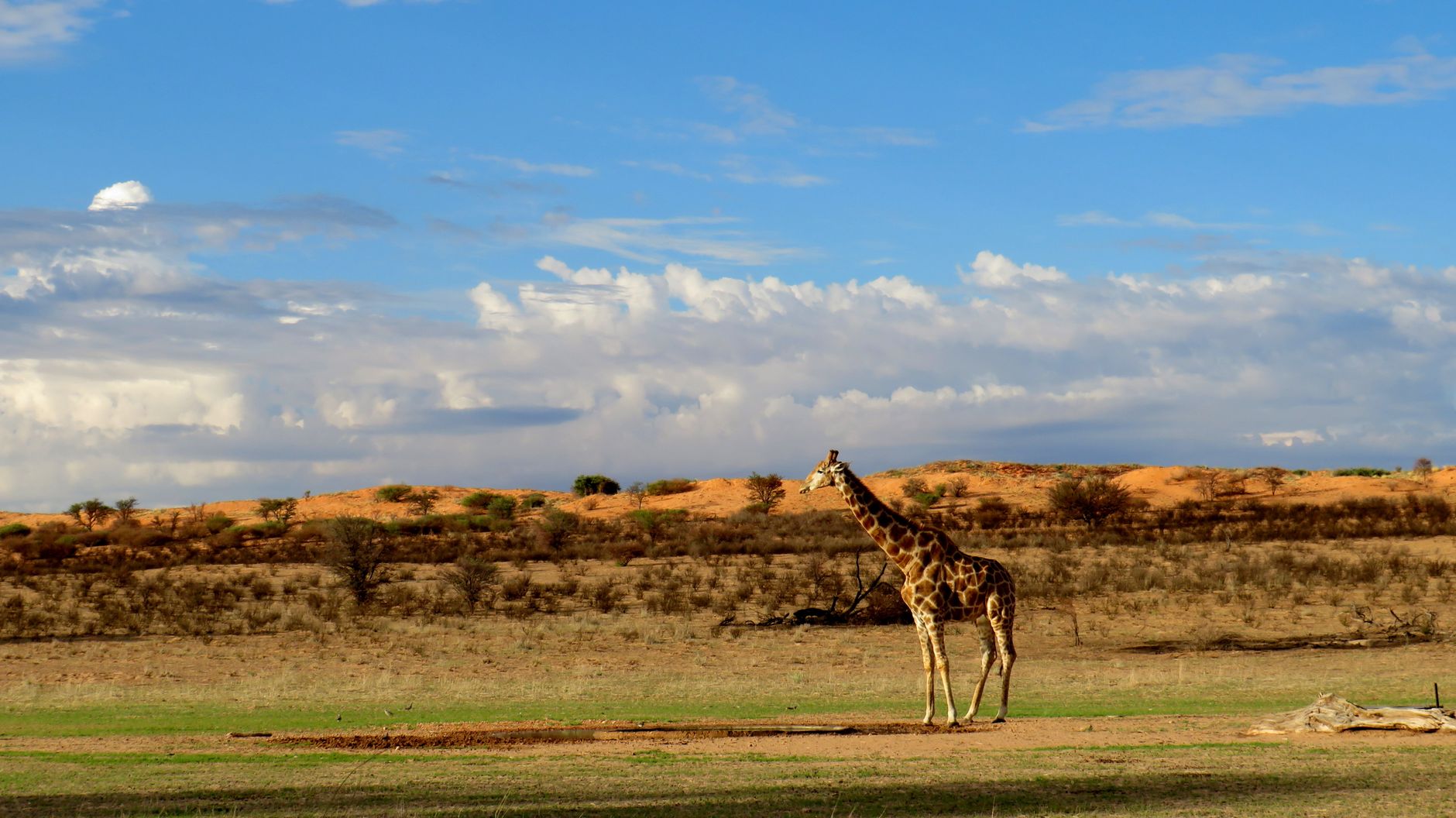
Your journey begins in Windhoek, Namibia's charming and relaxed capital. After collecting your 4x4 vehicle—essential for this time of year—you’ll head south. The destination is the vast Kalahari Desert, which, contrary to its name, is a fossil desert with ancient, tree-studded dunes.
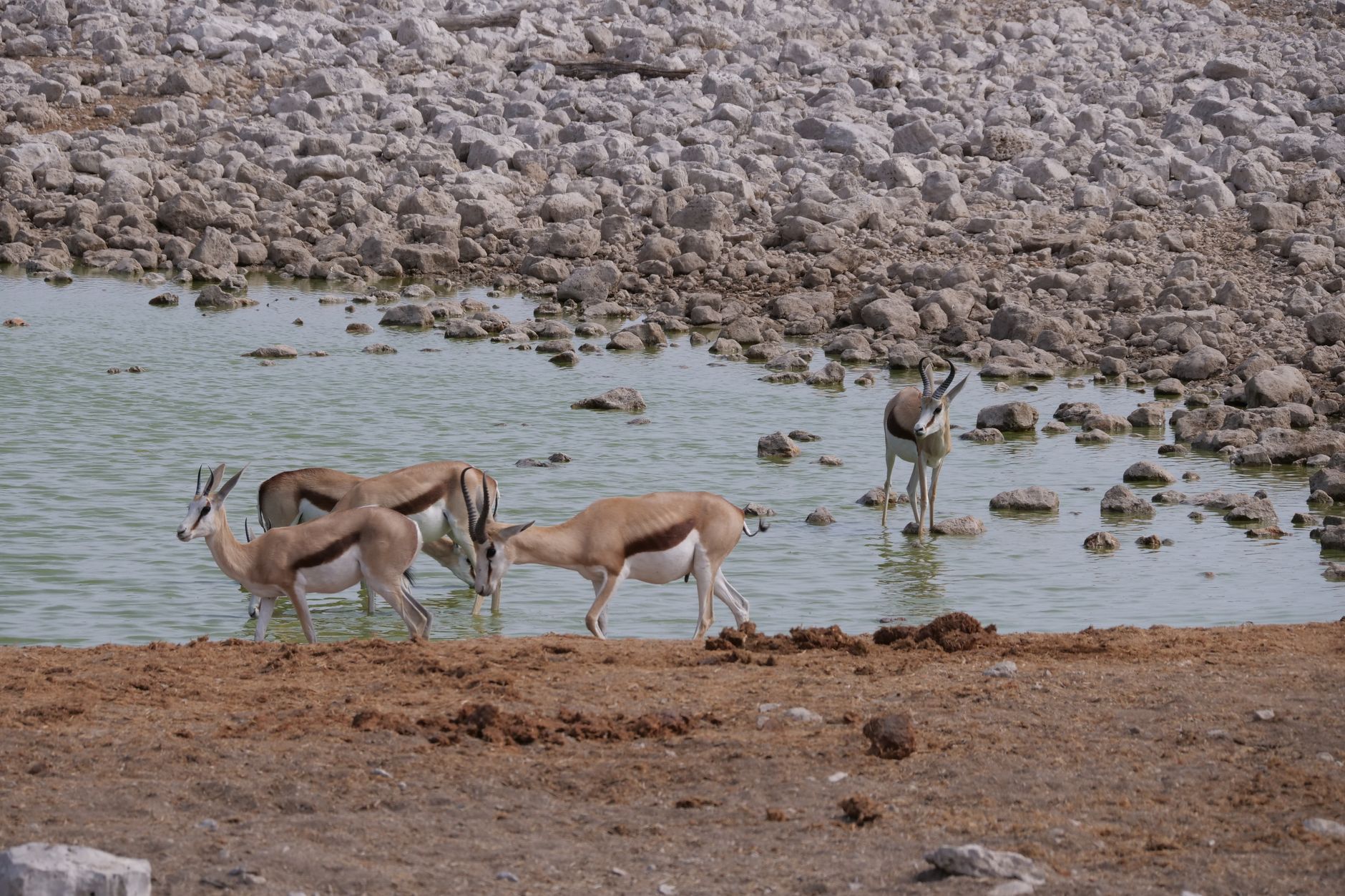
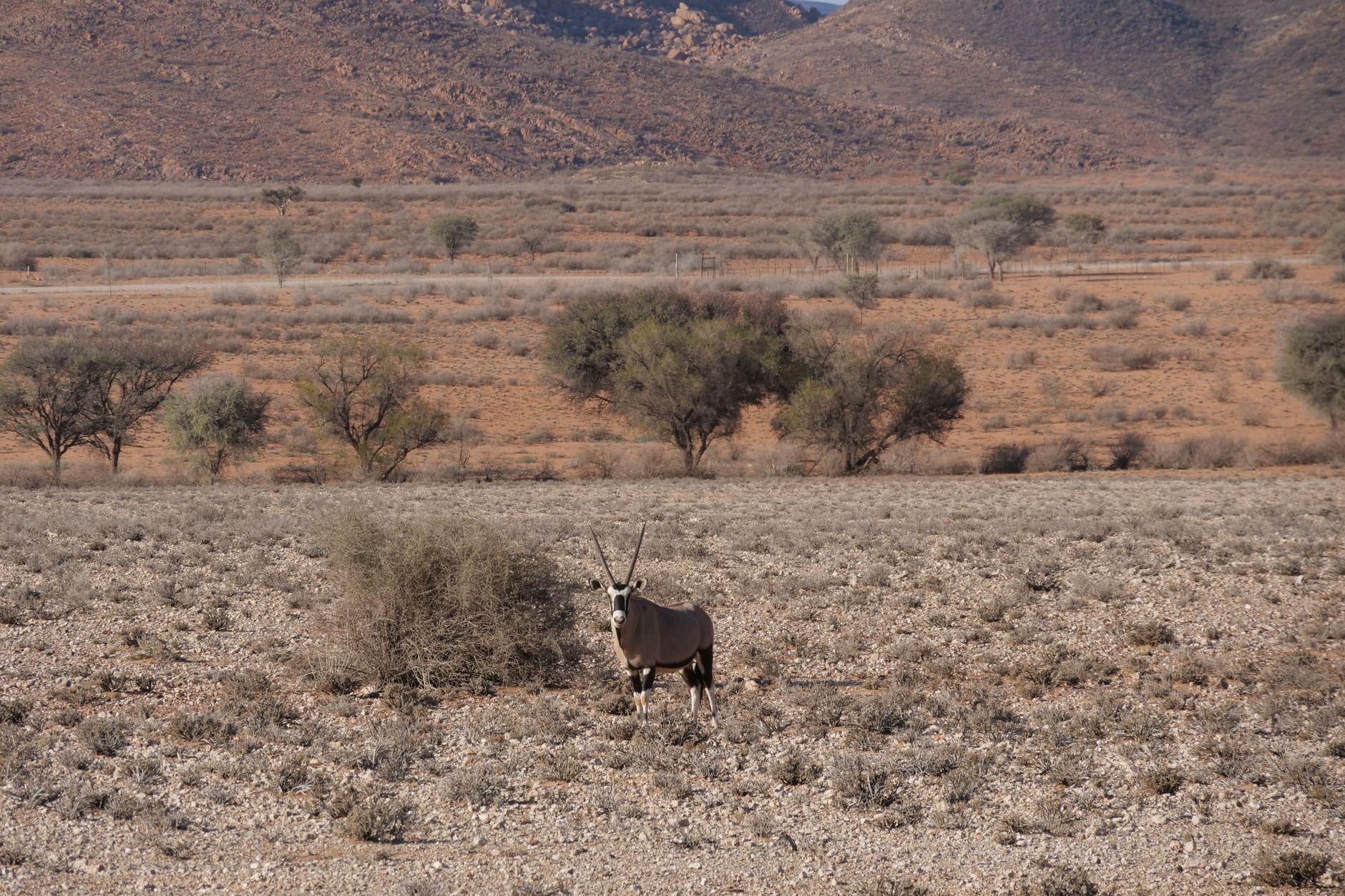
During the Green Season, the valleys between these linear dunes flush with nutritious grasses, attracting herds of oryx, springbok, and an abundance of smaller creatures. The red sands of the Kalahari are beautifully offset by the fresh green growth, and the air is alive with birdsong. Settle into a lodge like the beautiful Kalahari Red Dunes Lodge, which offers a perfect immersion into this suddenly lush environment.
Days 4-6: Sossusvlei's Contrasting Drama
From the Kalahari, your route takes you west into the heart of the Namib, the world's oldest desert. Here lies the iconic clay pan of Sossusvlei, home to some of the highest sand dunes on Earth. The Green Season adds a layer of sublime drama to this already awe-inspiring landscape.
Towering clouds build in the afternoon, creating a spectacle of light and shadow across the dunes. If you are lucky enough to visit after significant rains, you may witness the rare sight of the Sossusvlei or Deadvlei pans holding water, creating mirror-like reflections of the giant orange dunes. Climbing Dune 45 or Big Daddy for sunrise is a must, offering a panoramic view that is simply without equal.

Days 7-8: Coastal Relief in Swakopmund
After the intense heat and colour of the interior, the drive to the Atlantic coast brings a welcome change of pace and temperature. The charming town of Swakopmund, with its German colonial architecture and fresh sea breeze, serves as a perfect base for exploration and adventure.
Here, the cool Benguela Current creates a persistent coastal fog that rolls inland, providing life-sustaining moisture to a unique ecosystem. You can spend your days exploring the 'living desert' on a guided tour, kayaking with seals at Walvis Bay, or enjoying the town's excellent cafés and restaurants. It’s a wonderful interlude to recharge before heading back inland.
Days 9-11: The Ancient Lands of Damaraland
Your journey continues north and east into the rugged, mountainous expanse of Damaraland. This is a region of profound, wild beauty, characterised by vast gravel plains, sun-scorched mountains, and ephemeral riverbeds that become corridors of life during the rains.
This is prime territory for tracking desert-adapted elephants and the critically endangered desert black rhino. The Green Season makes tracking more of a challenge but also more rewarding, as animals disperse from permanent water sources. You'll also visit Twyfelfontein, a UNESCO World Heritage site with one of Africa's largest concentrations of ancient rock engravings. A stay at a remote, beautifully integrated camp like Ondjamba Hills connects you deeply to this timeless landscape.
Days 12-14: Life Abounds in Etosha National Park
The grand finale of your safari is Etosha, one of Africa’s greatest wildlife sanctuaries. In the dry season, the park is defined by its massive, shimmering salt pan and the waterholes that line its edge. In the Green Season, Etosha transforms.
The vast pan may flood, attracting immense flocks of flamingos and pelicans. The grasslands become a verdant sea, dotted with newborn springbok and zebra foals finding their legs. While wildlife can be more spread out, the viewing experience is intimate and rich with narrative. The bush is alive, and every sighting feels earned and special before you begin the drive back towards Windhoek, full of memories.
Essential Tips for a Green Season Safari
Planning a trip during this period requires a little extra thought. Here are a few tips to ensure your journey is seamless:
- Book Ahead: While there are fewer visitors than in peak season, popular lodges and campsites still fill up. It is wise to secure your accommodation and vehicle well in advance.
- Choose Your Vehicle Wisely: A 4x4 is non-negotiable. Rain can make gravel roads slippery and cause ephemeral rivers to flow. A high-clearance 4x4 provides safety and peace of mind.
- Pack Smart: Bring lightweight layers for warm days and cool evenings. A reliable waterproof jacket is essential for afternoon downpours. Don't forget high-SPF sunscreen, a wide-brimmed hat, and effective insect repellent.
- Embrace Flexibility: The Green Season is dynamic. A river crossing might delay you, or a sudden burst of wildflowers might invite an unscheduled stop. Travel with a sense of adventure.

Customising Your Journey
This itinerary provides a fantastic framework, but Namibia’s sheer scale means there is always more to discover. If you have more time, consider heading into the lush, water-rich Zambezi Region (formerly the Caprivi Strip) for a completely different safari experience, or venture into the far north to meet the Himba people in the remote wilderness of the Kunene.
Ultimately, Namibia in the Green Season offers a perspective that few travellers get to see. It is a time of vibrant life, astonishing beauty, and profound solitude. By planning now, you are taking the first step towards an extraordinary adventure. This Namibia safari itinerary 2027 is just a starting point; the real journey begins when you arrive and let the wild, renewed landscapes of this incredible country capture your heart.
Ready to plan your trip?
Check live availability, compare lodges and book instantly — or send us an enquiry and we'll help shape the route.