Best Photography Spots: Namibia Green Season
Photographing Namibia's Emerald Season: A Guide for 2027
Namibia is a land of epic scale and stark beauty, a destination synonymous with towering red dunes and vast, arid plains. But for a few precious months each year, the country undergoes a spectacular transformation. As the summer rains arrive, the desert blushes green, and the landscape reveals a softer, more vibrant character. For photographers planning ahead for early 2027, this is the time to discover the best photography spots namibia green season has to offer, a period of dramatic skies, abundant new life, and colours that feel almost impossibly intense.
This is Namibia's 'emerald season', a secret chapter in the country's story. It is a time when familiar vistas are reimagined, offering a unique photographic portfolio for those willing to trade the dry season's predictable gatherings at waterholes for the wild, atmospheric beauty of the rains.
The Magic of the Emerald Season
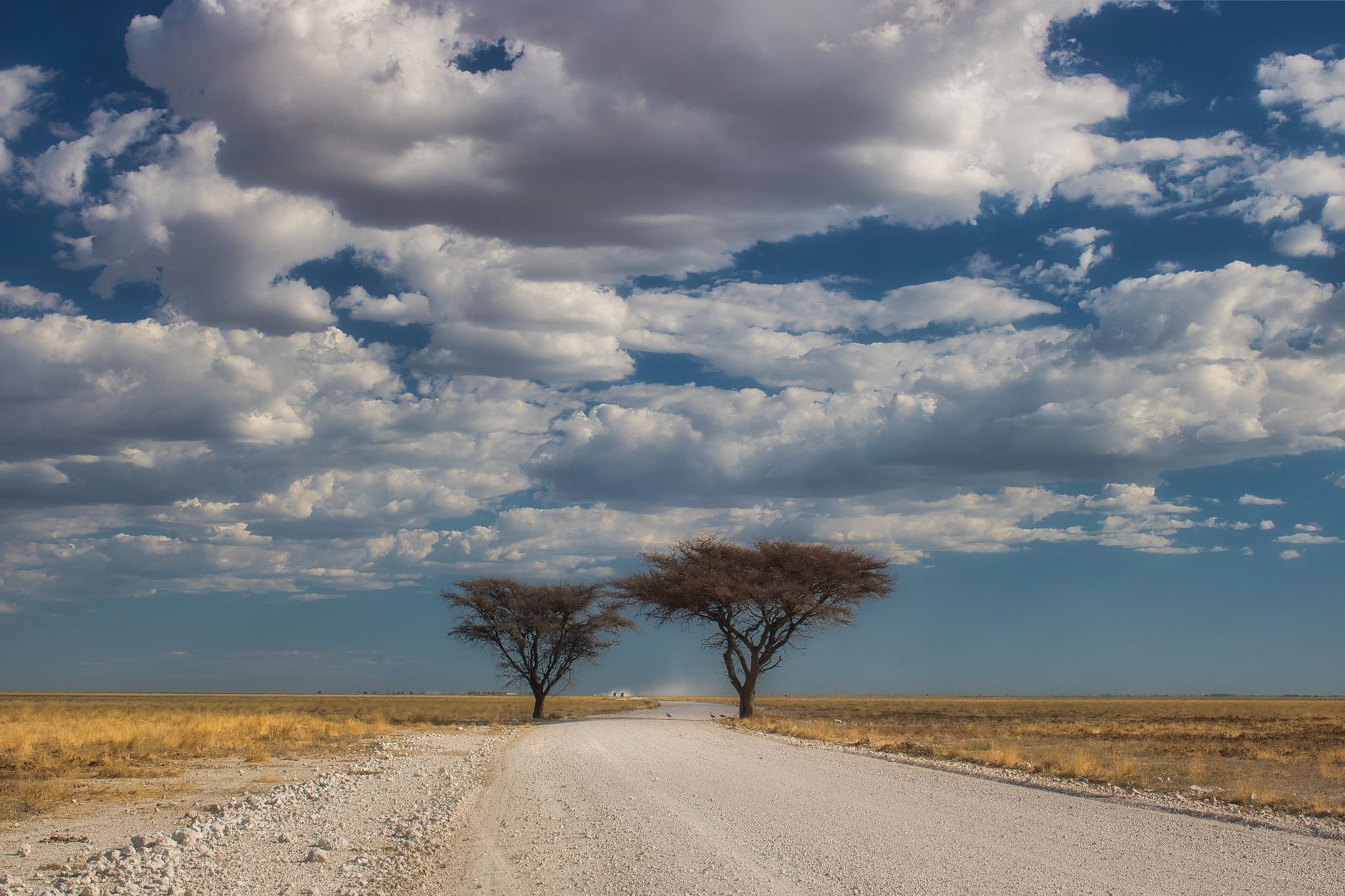
Typically running from January through May, Namibia's green season is a gift to the discerning photographer. The summer rains wash away the perpetual haze of dust, resulting in exceptionally clear air and crisp, richly saturated images. The harsh midday sun is often softened by dramatic, rolling cloud cover, which in turn creates sunsets and sunrises of breathtaking complexity.
While the dry season concentrates wildlife around scarce water sources, the green season sees animals disperse across the newly verdant plains. This can make them harder to find, but the reward is immense: images of wildlife in a lush, thriving environment, often with their young. It's a chance to capture a more holistic story of the ecosystem, one of renewal and abundance.
Furthermore, this period is generally quieter, allowing for a more intimate and unhurried connection with the landscape. You can take your time to compose the perfect shot, waiting for the light to shift and the clouds to part, without the pressure of peak-season crowds.
Etosha National Park: A Study in Contrasts
During the dry season, Etosha is a theatre of survival played out in monochrome tones of white dust and pale gold grass. But with the rains, it transforms. The immense Etosha Pan, a salt flat so large it’s visible from space, may partially fill with water, creating a vast, shimmering lake that attracts flocks of flamingos and pelicans.
The parched earth gives way to carpets of green grass and yellow flowers. This is the time of plenty, and the park’s herbivores—springbok, zebra, wildebeest, and oryx—can be seen grazing contentedly, their coats slick in the rain. It is also calving season, offering unparalleled opportunities to photograph newborns taking their first steps.
While animals are no longer tethered to the main waterholes, this encourages exploration. Driving the park's network of roads becomes a journey of discovery, seeking out zebras against a green backdrop or a lion camouflaged in the taller grasses. A stay at a lodge like Etosha Oberland Lodge provides a perfect base for exploring the park's southern entrances and capturing these unique scenes.
The Kalahari in Bloom: Red Sands and Green Life
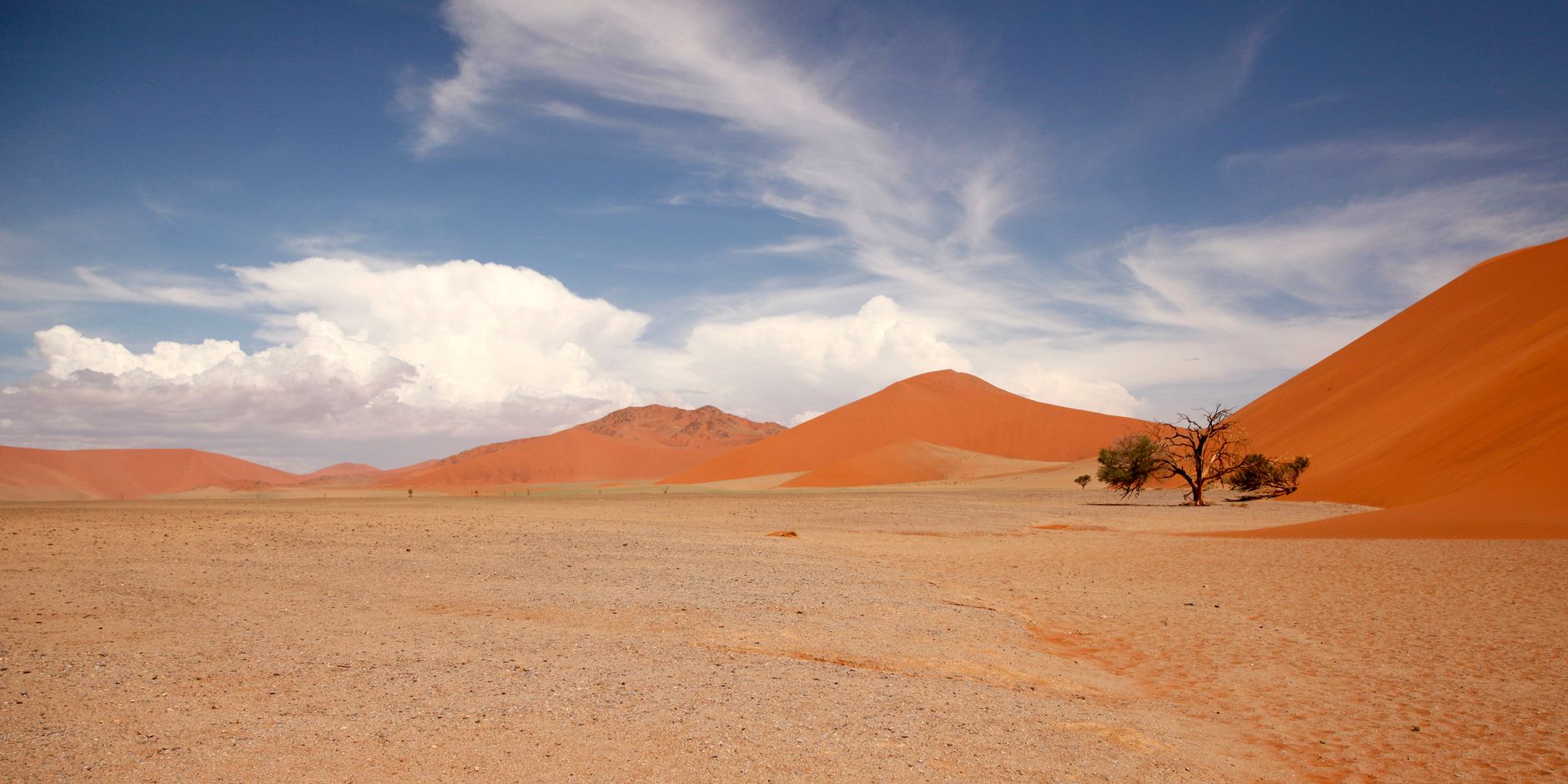
While often imagined as a static desert, the Kalahari is a living, breathing ecosystem that responds dramatically to the rains. The iconic, rust-red dunes of this ancient desert become streaked with the impossible green of ephemeral grasses, a colour contrast that is a photographer's dream.
The photographic potential here is immense and varied. This is the stage for some of Africa's most dramatic weather. Thunderstorms build in the afternoons, their towering anvil clouds providing a formidable backdrop for landscape shots. For the technically adventurous, this is a prime opportunity to capture the raw power of lightning striking over the dunes.
Look closer, and the details are just as captivating. The sandy plains will be dotted with wildflowers, inviting macro photography. The clean, post-rain air makes the red of the sand and the deep blue of the sky sing with saturation. The vast expanse of the Kalahari offers a unique solitude and a chance to capture images that feel truly primordial. Consider a unique stay at the Teufelskrallen Lodge, designed to immerse you in the landscape.
More Unmissable Green Season Photography Spots
Beyond Etosha and the Kalahari, the green season brings life to every corner of Namibia, creating pockets of photographic brilliance.
Sossusvlei and the Namib-Naukluft Park
Even in the world's oldest desert, the rains can bring about astonishing change. While a full-scale flood in Deadvlei is exceptionally rare, it's not unheard of for the Tsauchab River to flow, filling the Sossusvlei pan and creating surreal reflections of the giant dunes. More commonly, you'll find delicate grasses sprouting on the dune aprons and in the valleys, adding a layer of texture and life to this iconic landscape. The skies are often filled with clouds, providing welcome shade and beautiful, diffused light for photographing the graphic shapes of the dunes and ancient camel thorn trees.
The Zambezi Region: A Watery Paradise
In the northeast, the narrow strip of the Zambezi region becomes a lush, watery Eden. This is Namibia's tropical heart, and during the green season, its rivers and floodplains swell, creating a haven for birdlife. The bird photography here is world-class, with hundreds of species, including vibrant bee-eaters and majestic fish eagles. This is the best time to capture hippos, crocodiles, and elephants against a backdrop of verdant reeds and under vast, dramatic skies reflected in the water. A water-based safari from a lodge like Kazile Island Lodge offers a unique and intimate perspective for photographers.
Pro Tips for Your Green Season Photo Trip
To make the most of your photographic journey through Namibia's emerald season, a little preparation goes a long way.
- Protect your gear: Pack waterproof camera bags and lens hoods. Silica gel packs can help combat humidity when not shooting.
- Use a polarizing filter: A circular polarizer is essential for cutting through glare, deepening the blue of the sky, and making the cloud formations pop.
- Pack for all conditions: Bring lightweight waterproofs, but also warm layers. Rain can cool things down considerably, especially during morning and evening drives.
- Embrace the mud: Roads, particularly secondary tracks, can become muddy or flooded. Ensure you book a reliable 4x4 vehicle and be prepared for adventurous driving.
- Be patient: Wildlife photography in the green season requires more patience and skill, but the resulting images, showing animals in their vibrant, natural habitat, are well worth the effort.

As you begin to plan your 2027 adventure, think beyond the classic desert imagery. Namibia in the wet season is a land reborn, a place of astonishing contrasts, powerful skies, and tender new life. It’s an experience that challenges your perception of the desert and rewards you with images that are both unique and deeply evocative.
For the photographer seeking to capture something truly special, the journey is clear. As you research your trip, remember that the best photography spots in Namibia's green season offer a rare and fleeting beauty, a spectacular visual feast that waits for those ready to explore.
Where to stay in Sossusvlei & Namib
Browse handpicked places to stay — many with live availability and instant booking.
 4.3(249)
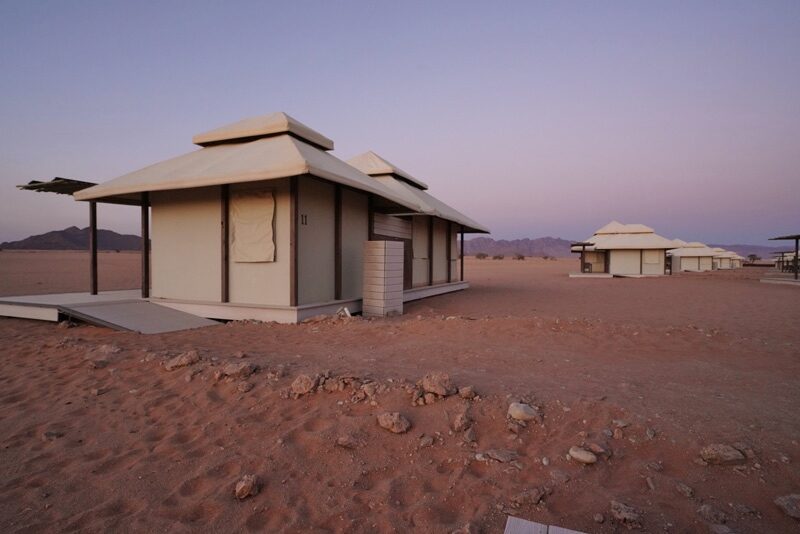
Dead Valley Lodge
Sesriem, Sossusvlei, Hardap
 4.7(325)
Desert Homestead Lodge
Sesriem, Hardap
 4.4(387)
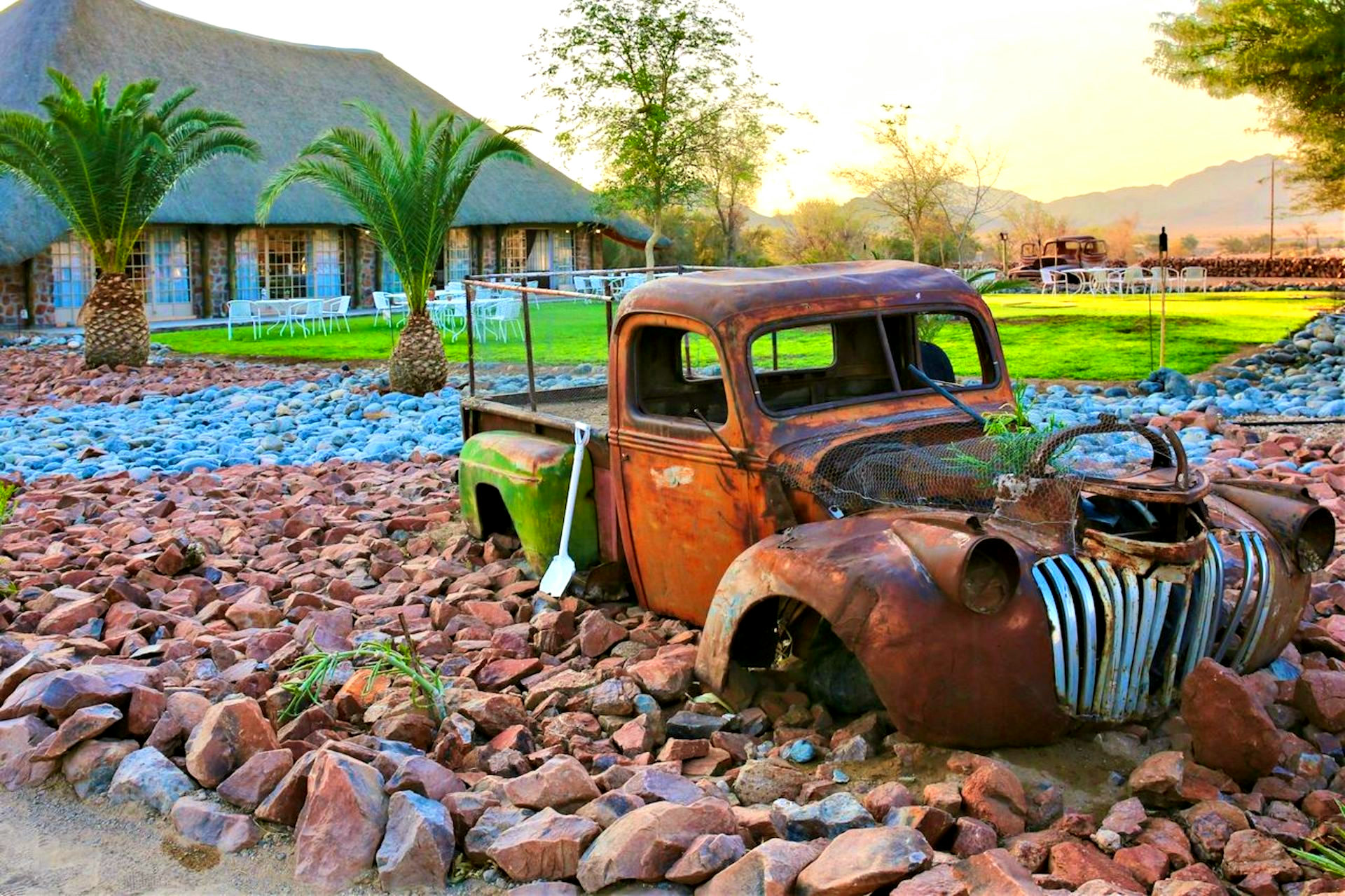
The Elegant Desert Lodge
Sesriem, Hardap
 5(3)
Reverie Kalahari Pod
Kalahari, 30 km from Mariental
 4.6(1136)
Kalahari Anib Lodge
Kalahari, 30 km from Mariental
 4.9(126)
Mukuku Oasis Lodge
Mupapama, Kavango River
Let us plan this trip for you
Send us your dates, party and budget and we'll come back with a costed itinerary — lodges, flights, transfers and activities in one place. No fee, no obligation.
Keep reading


See our safari advice first on Google
One tap tells Google you want Safari Stays shown higher when you search for safari and travel news. It takes a second and you can undo it anytime.
Make Safari Stays a preferred source on Google