A Guide to Your Kenya Self-Drive Safari Adventure
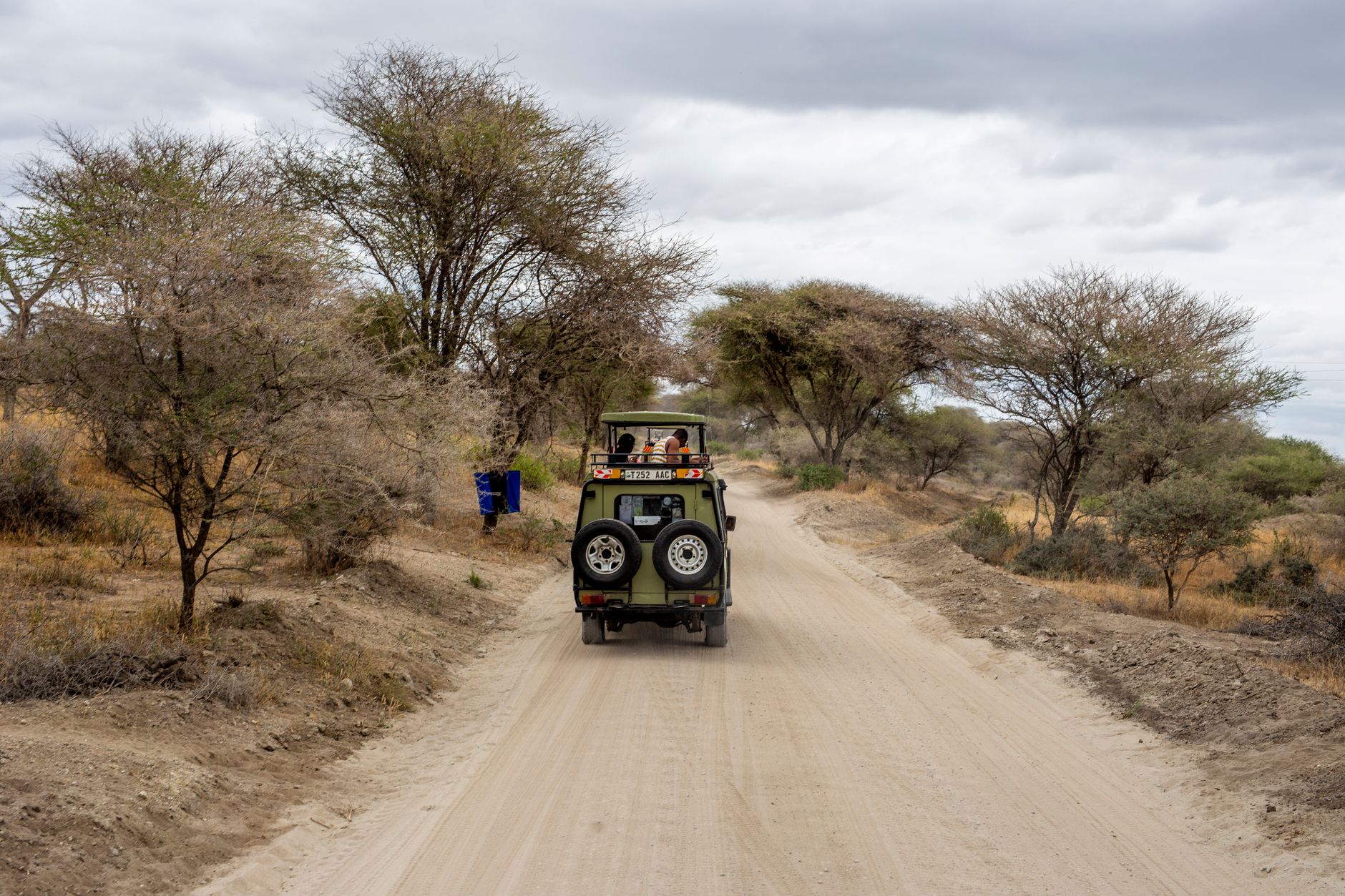
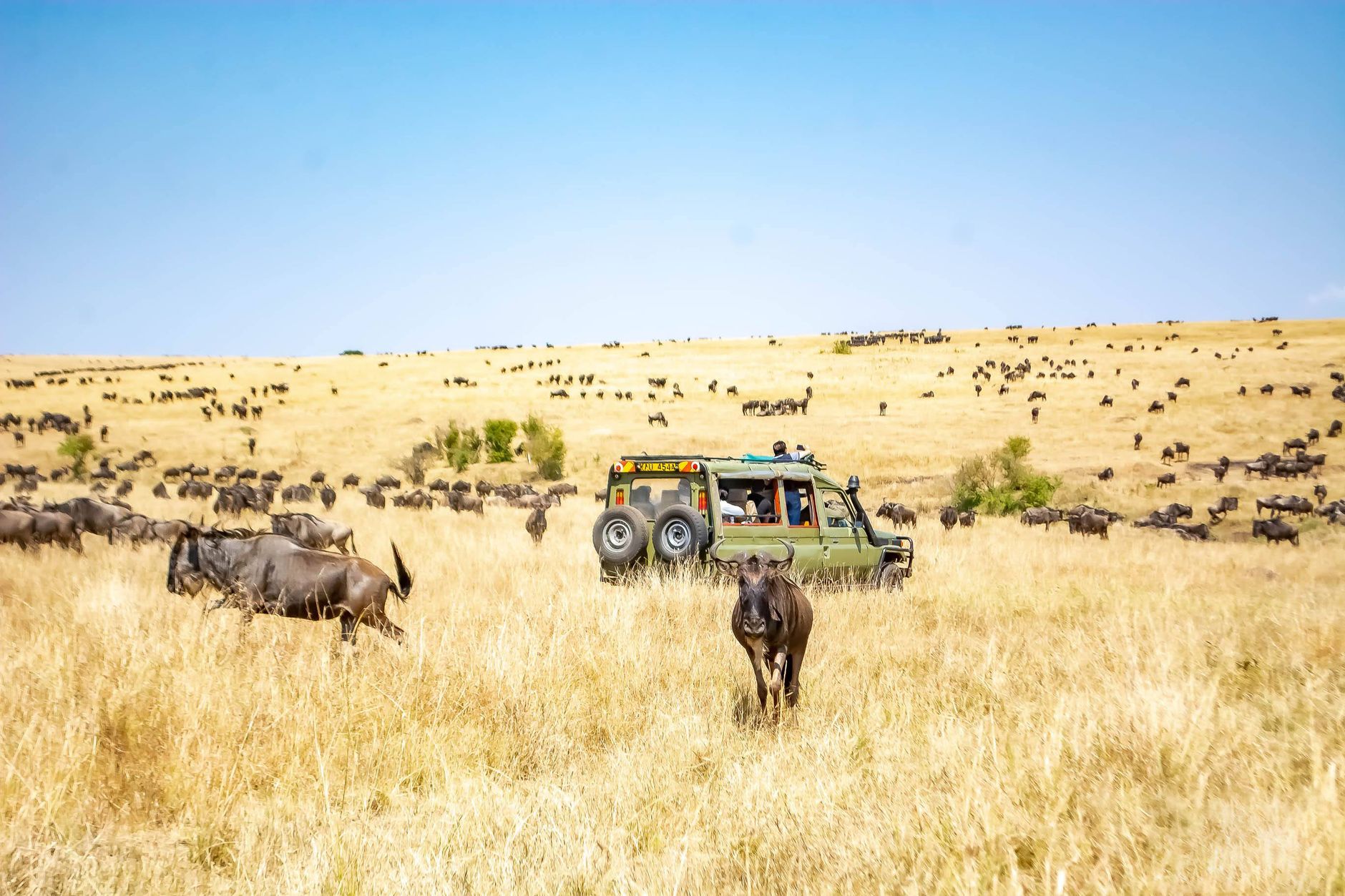
The idea of a safari in Kenya often conjures images of khaki-clad guides navigating dusty tracks in search of the Big Five. While that classic experience is undeniably magical, another kind of adventure calls to the independent traveller: the self-drive safari. The freedom of setting your own schedule, lingering with a sighting for as long as you wish, and navigating the vast landscapes on your own terms is an unparalleled experience. To help you turn this dream into a dusty, thrilling reality, this comprehensive self-drive safari Kenya guide is your first step towards the ultimate road trip.
Why Choose a Self-Drive Safari?
Opting to be your own driver and guide unlocks a different dimension of the safari experience. It’s a journey that prioritises personal discovery and flexibility over a fixed itinerary. You decide when to start your morning game drive and when to return to your lodge for a sundowner.
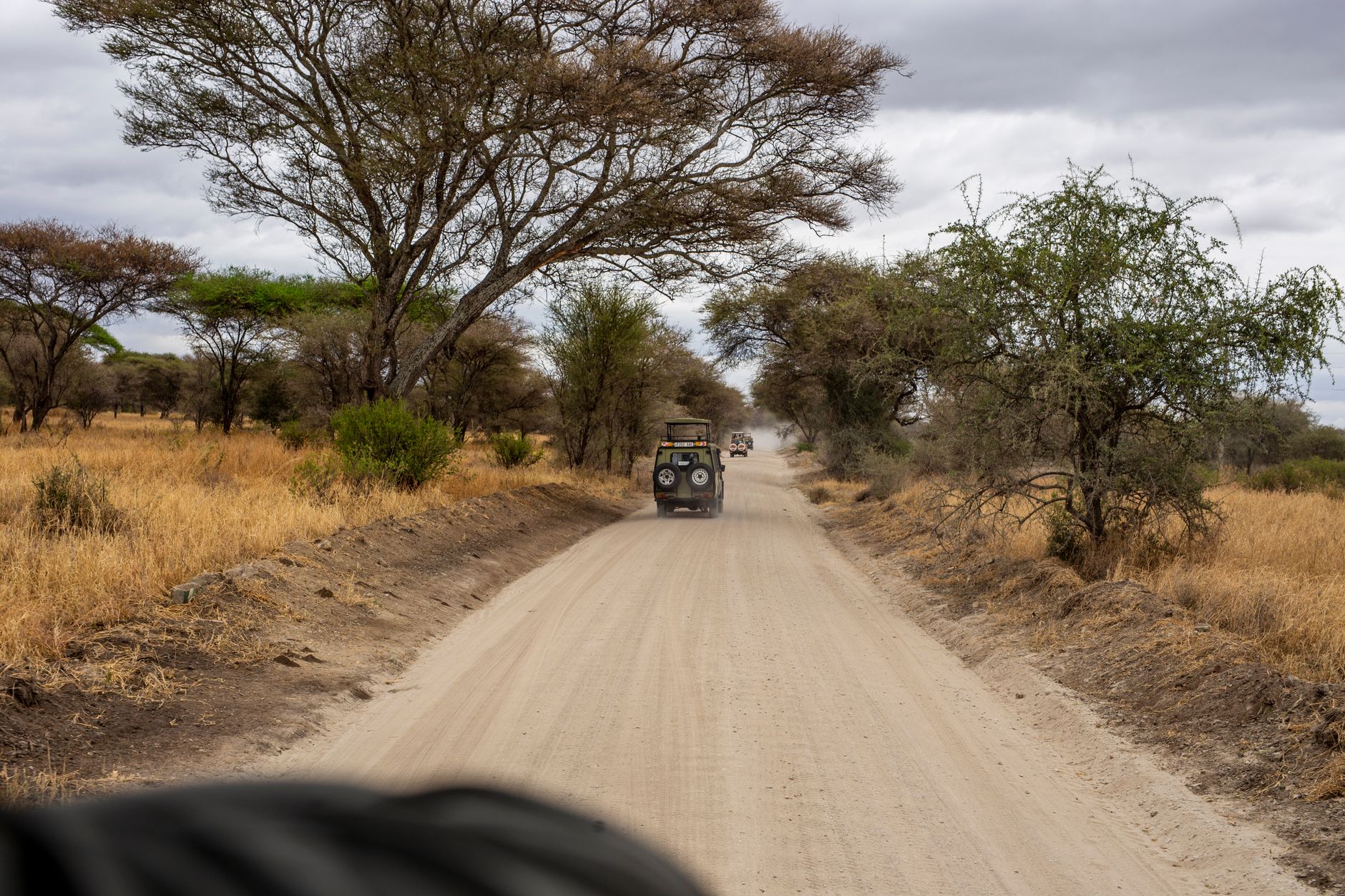
This autonomy allows for spontaneity. Did you find a quiet waterhole teeming with birdlife? You can stay for hours. Did a herd of elephants just cross the road ahead? You have all the time in the world to watch them, engine off, in respectful silence. A self-drive safari is an intimate conversation between you, your vehicle, and the wilderness. It’s about the journey as much as the destination, fostering a profound sense of accomplishment and connection to the wild.
Planning Your Self-Drive Safari Kenya Guide
Thorough preparation is the key to a successful and safe self-drive adventure. While Kenya is well-equipped for tourism, venturing into its national parks requires forethought and a respect for the environment you’re entering.
Choosing Your Vehicle
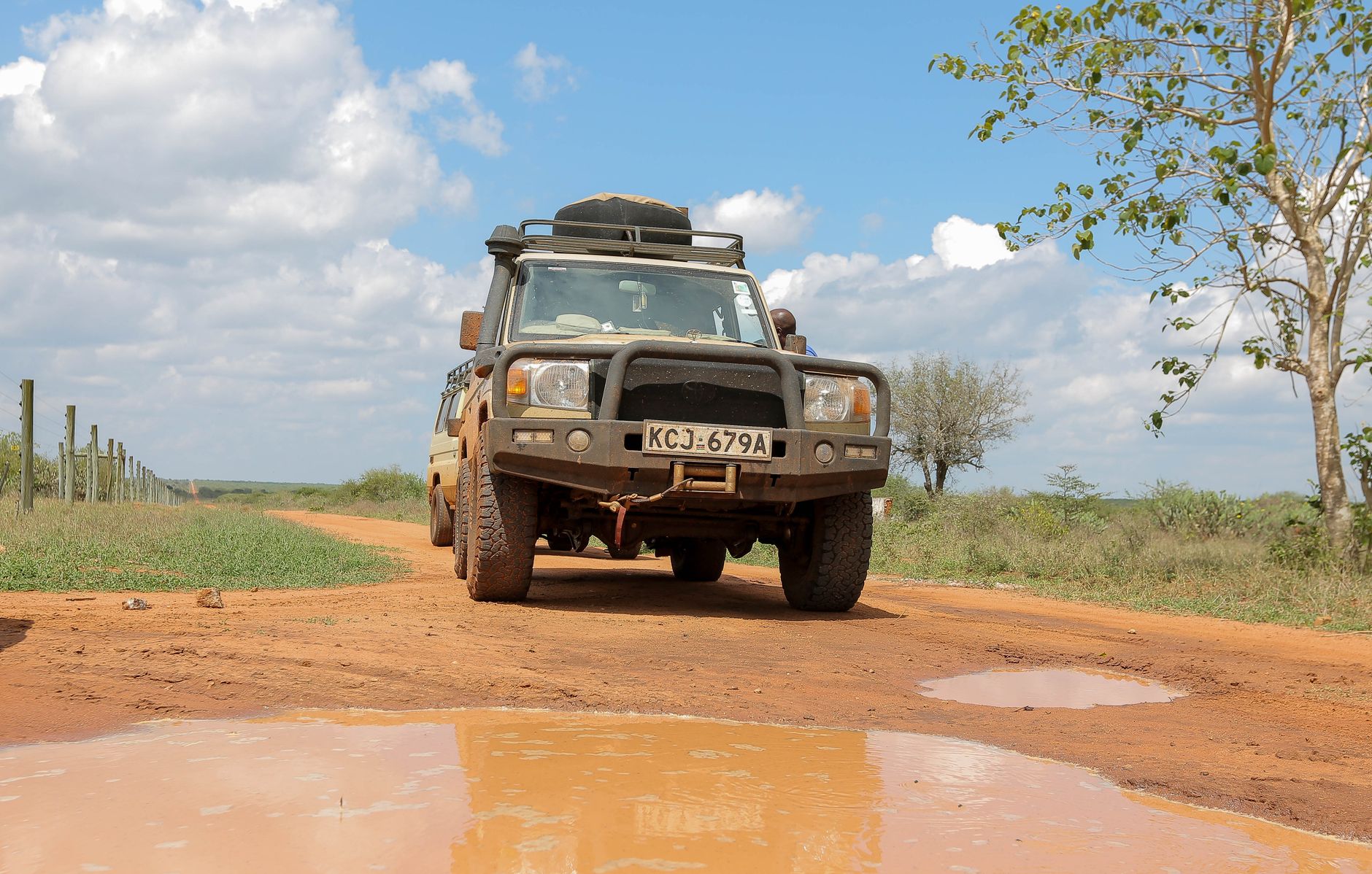
This is arguably the most critical decision you'll make. A standard sedan won't suffice. You need a reliable 4x4 with high ground clearance. Vehicles like the Toyota Land Cruiser or Land Rover Defender are safari staples for a reason. When hiring, ensure the vehicle is well-maintained and comes with two spare tyres, a jack, and a basic toolkit. Familiarise yourself with how to change a tyre before you leave the rental agency—it's a skill you'll be glad to have, even if you never need to use it.
Essential Routes and Parks
Not all of Kenya’s parks are equally suited for self-driving, especially for first-timers. It's wise to start with parks that have well-marked roads and are easily accessible.
Hell’s Gate National Park: Famous for its dramatic scenery and the fact that you can walk or cycle alongside wildlife, this is an excellent starting point. The roads are straightforward, and its proximity to Lake Naivasha makes for a perfect weekend trip from Nairobi.
Lake Nakuru National Park: Fully fenced and with a well-maintained road network, Lake Nakuru is ideal. It’s compact, making it easy to navigate, and offers incredible rhino sightings and flamboyant flamingo flocks, all set against the stunning backdrop of the Rift Valley escarpment.
Amboseli National Park: While the roads can be dusty and corrugated, the park's layout is relatively simple. The reward is one of Africa’s most iconic views: vast herds of elephants against the backdrop of a snow-capped Mount Kilimanjaro. Pre-booking a stay at a well-situated lodge can provide a comfortable base for your explorations.
Tsavo East & West: These enormous parks offer a true wilderness feel but require more careful planning. Sticking to the main routes is advisable. The sheer scale can be daunting, but the feeling of solitude is immense. Consider linking your drive to the stunning landscapes of the Great Rift Valley for a truly epic itinerary.
Navigation and Connectivity
While the romance of navigating by a tattered paper map is appealing, modern technology is your friend. Download offline maps on Google Maps for the entire region you plan to visit. For more detailed off-road tracks, an app like Tracks4Africa is indispensable. Upon arrival in Kenya, purchase a local SIM card (Safaricom is widely recommended) for data access, which can be surprisingly good even in some park areas. It's vital for communication and checking road conditions or park gate times.
Practical Tips for a Safe Journey
Safety, for both you and the wildlife, should always be your top priority. A successful self-drive is an uneventful one in terms of mishaps.
Park Rules and Etiquette
Always adhere to the Kenya Wildlife Service (KWS) rules. Stay on designated tracks—driving off-road damages fragile ecosystems and is strictly prohibited. The speed limit in most parks is 40 km/h. Never get out of your vehicle unless you are in a designated, fenced picnic spot or viewpoint. Keep a respectful distance from animals, and never, ever feed them. Remember, you are a guest in their home.
Packing Essentials
Beyond your clothing and personal items, certain supplies are non-negotiable for a self-drive trip. For more detailed advice, you can review our post on what to pack for a Kenya safari, but here is a quick list:
- Ample drinking water (at least 5 litres per person per day)
- Snacks and non-perishable food
- A comprehensive first-aid kit
- Binoculars and a good camera with a zoom lens
- A powerful torch or headlamp
- Portable power bank for charging devices
- Insect repellent and sunscreen
- A good guidebook for wildlife identification
Accommodation Along the Way
One of the joys of a self-drive is the variety of accommodation options. You can mix rustic KWS campsites with stays in more comfortable lodges. Pre-booking is essential, especially during peak season. A few nights of relative comfort after days of dusty driving can be a wonderful restorative. Planning your route around a comfortable stay at a place like Loldia House on Lake Naivasha can break up the journey beautifully, allowing you to recharge before your next adventure.
Is a Self-Drive Safari Right for You?
A self-drive expedition is an active, hands-on holiday. It requires a calm temperament, problem-solving skills, and a willingness to embrace the unexpected. If you're a confident driver, relish detailed planning, and find joy in independent exploration, it could be the trip of a lifetime.
However, if you'd rather completely switch off and leave logistics to an expert, a guided safari might be a better fit. There is no right or wrong way to experience Kenya. The key is choosing the style of travel that best suits your personality. For many, the rewards of completing a self-drive safari in Kenya are immeasurable—a collection of stories and memories forged from your own navigation and spirit of adventure.
Your journey through Kenya’s wild heart, piloted by your own hands, awaits. It promises challenges, certainly, but the profound rewards are a story you will tell for years to come. When you're ready to find those perfect places to rest your head between drives, we're here to help.
Ready to find the perfect oasis for your journey? Browse our curated collection of safari lodges and camps in Kenya to anchor your bespoke adventure.
Ready to plan your trip?
Check live availability, compare lodges and book instantly — or send us an enquiry and we'll help shape the route.