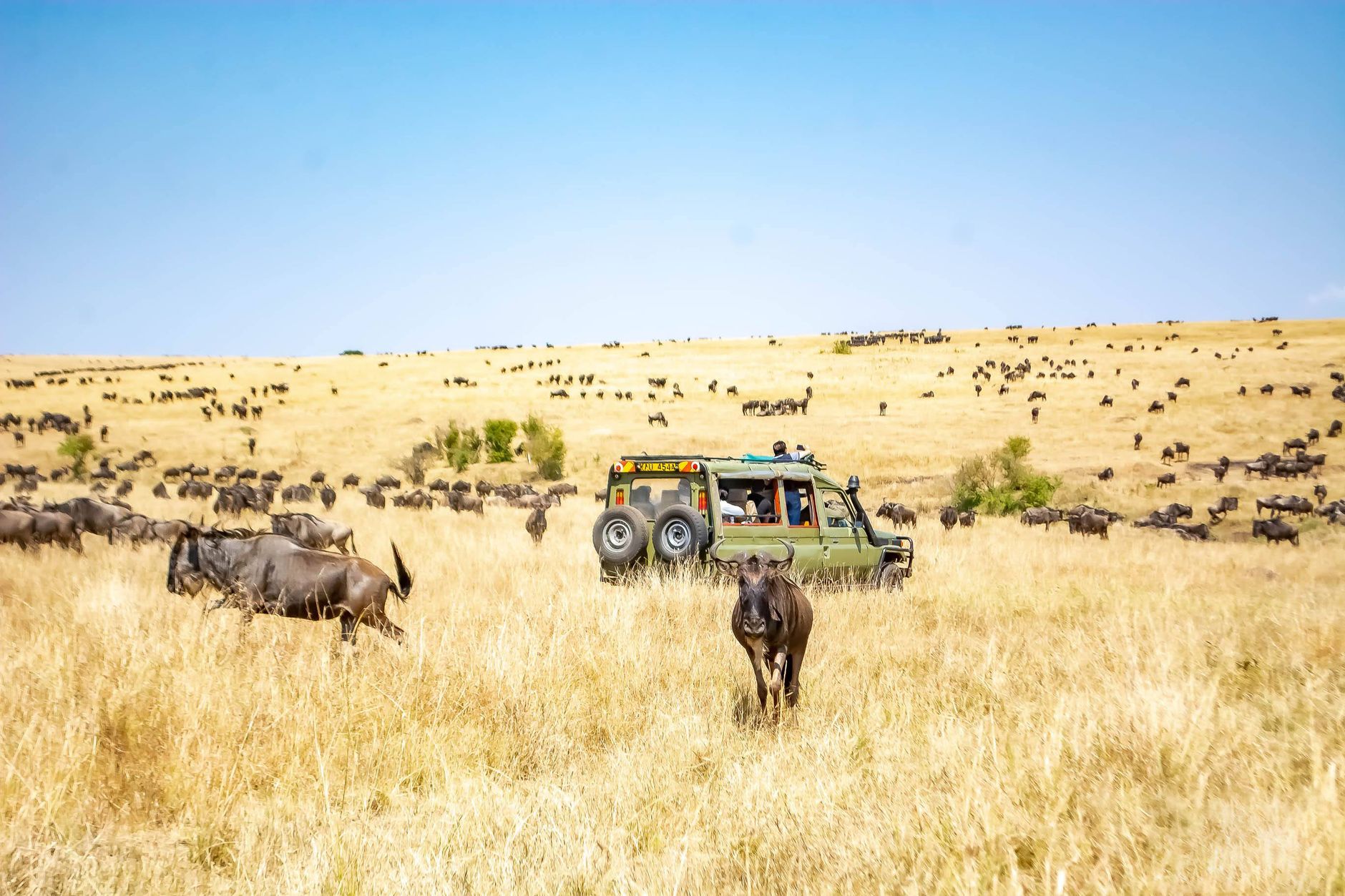
What to Do in Kenya in August: An Expert Guide
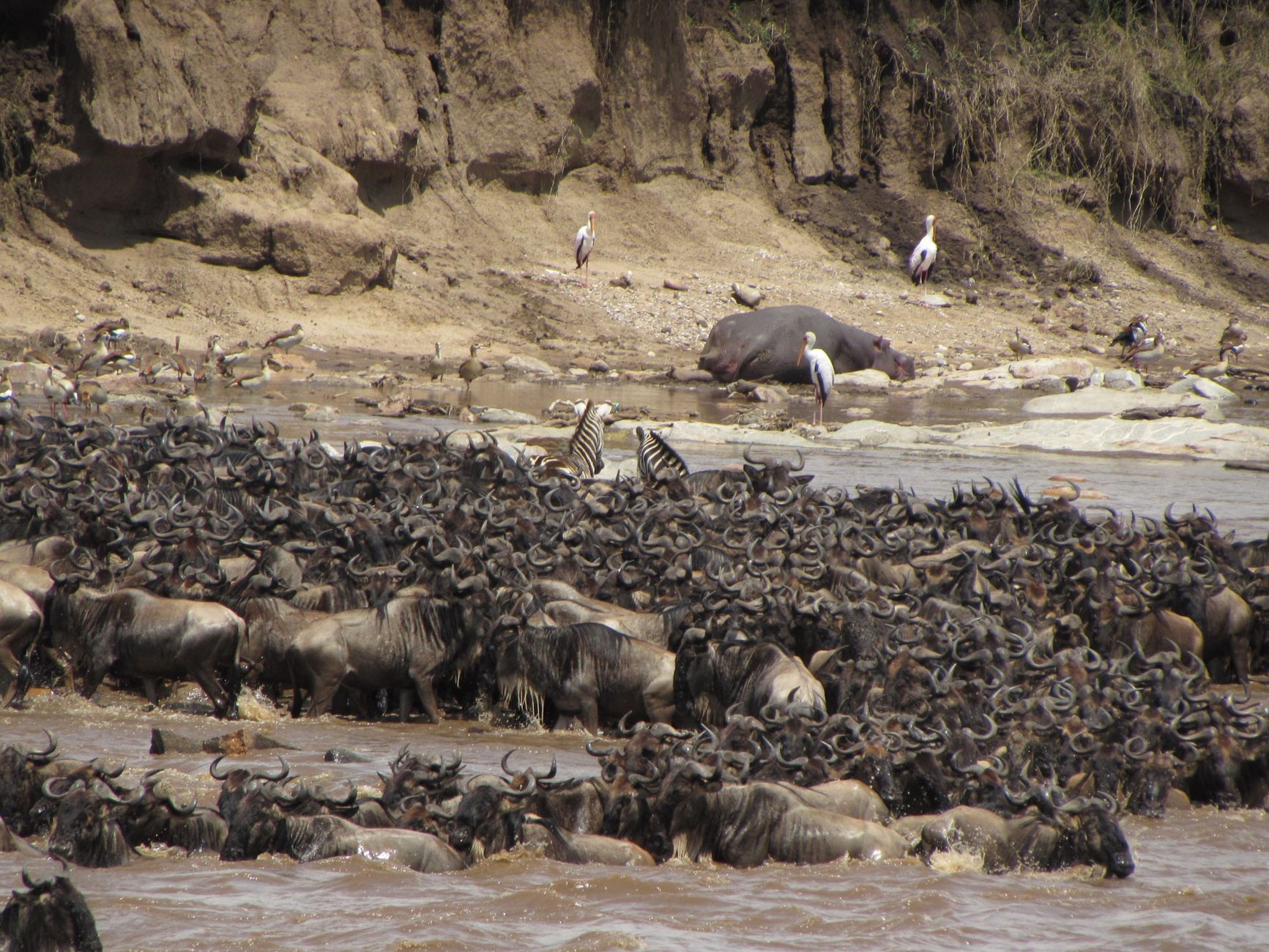
August in Kenya is a month of raw, untamed spectacle. The air is cool and crisp, the skies a vast, cloudless blue, and the golden grasslands are alive with drama. If you find yourself asking what to do in Kenya in August, the answer is as grand as the African continent itself: you come to witness one of the planet’s most staggering wildlife events.
This is the heart of Kenya’s dry season, which offers two distinct advantages for a safari. First, the vegetation is sparse and low, making it far easier to spot animals that might otherwise be hidden. Second, with water sources becoming scarce, wildlife congregates around the few remaining rivers and waterholes, creating incredible densities of game. It is, without question, the pinnacle of the safari calendar.
The Unmissable Spectacle: The Great Migration
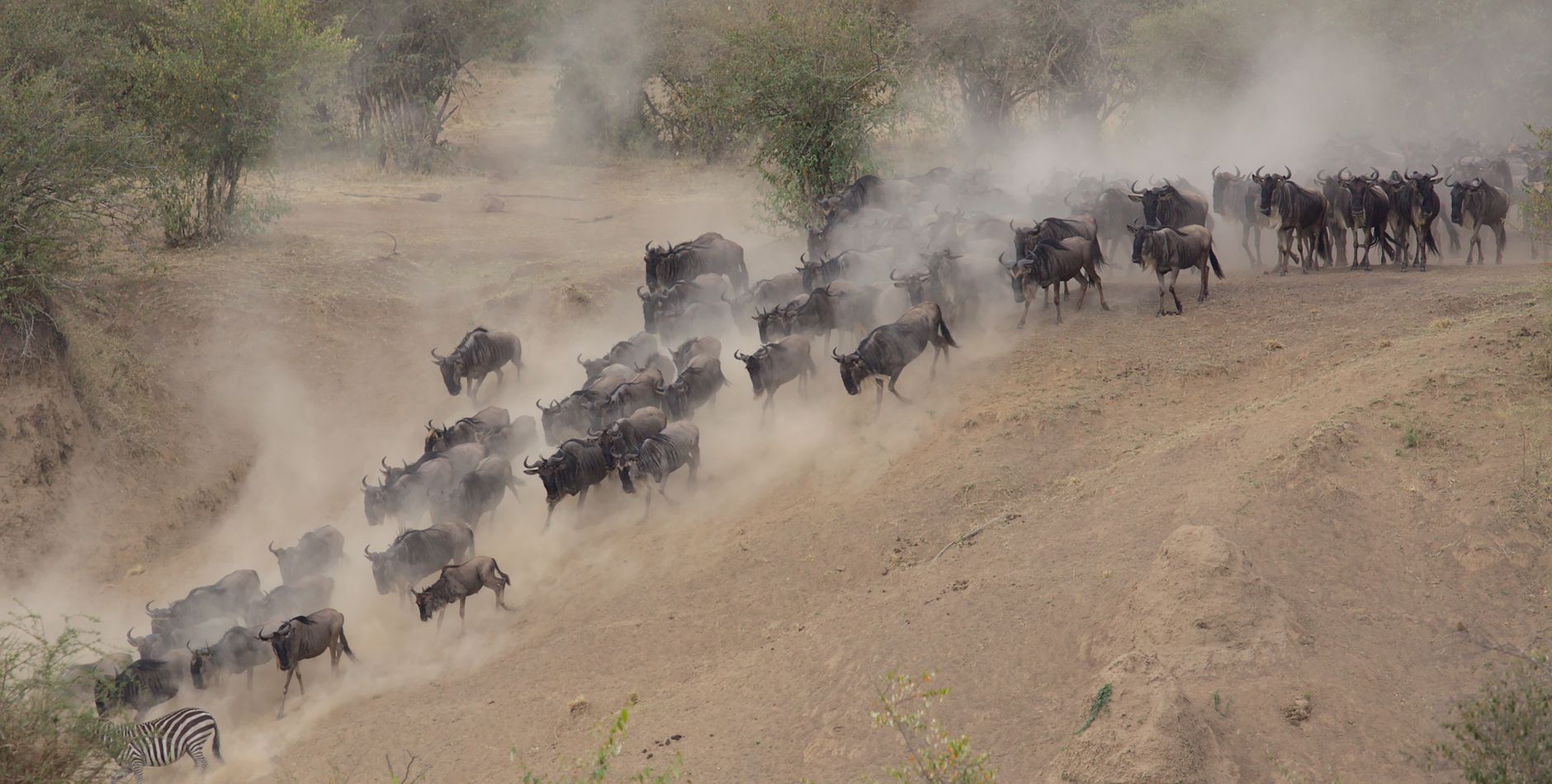
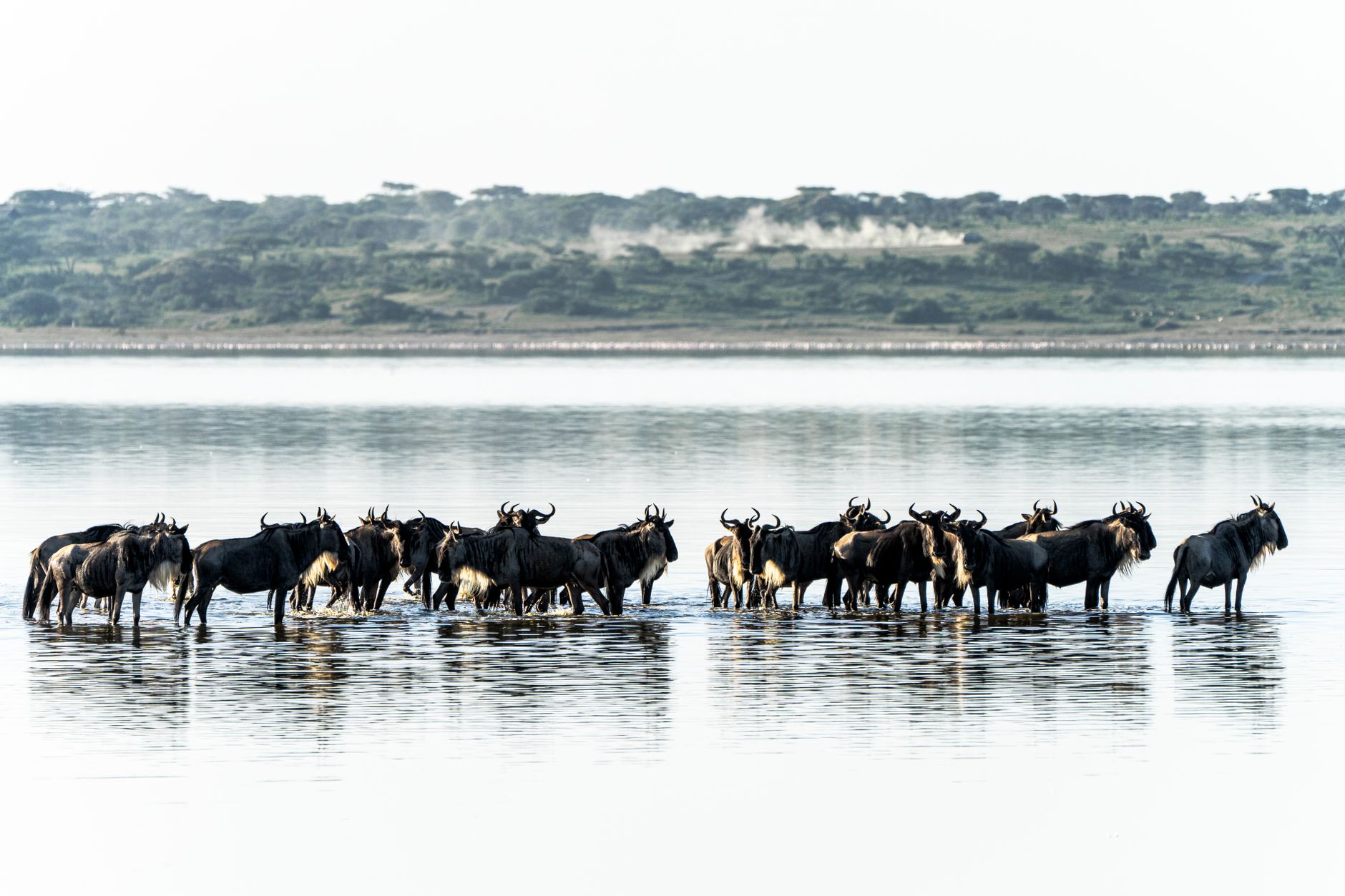
August is synonymous with the Great Migration in the Maasai Mara National Reserve. While the migration is a year-long cyclical journey, August is when the action reaches its zenith. Over a million wildebeest, accompanied by hundreds of thousands of zebras and gazelles, pour onto the Mara plains from Tanzania’s Serengeti, creating a sea of life that stretches to the horizon.
The main event, and the one that draws visitors from across the globe, is the Mara River crossing. It’s a primal scene of chaos and courage. Herds amass on the riverbanks, hesitant, before one brave individual takes the plunge, triggering a frantic stampede across the crocodile-infested waters. Pursuing them on the plains are Africa’s highest concentration of predators—lions, leopards, cheetahs, and hyenas—all taking advantage of the moving feast. It is nature at its most thrilling and unfiltered.
How to Experience the Migration
Experiencing the migration isn’t just about a single river crossing. It’s about immersing yourself in the ecosystem. Daily game drives get you close to the herds and the predators that follow. For a truly unforgettable perspective, a hot-air balloon safari at dawn is sublime. You'll float silently above the plains as the sun rises, watching the vast herds move below you—a view that puts the sheer scale of the event into perspective.
Staying in a private conservancy bordering the main reserve often provides a more exclusive experience, with fewer vehicles and the ability to partake in activities like night drives and guided walks. To understand the nuances of this incredible region, explore our guide to the Maasai Mara.
Beyond the Mara: What to Do in Kenya in August
While the Migration rightly steals the headlines, it is not the only jewel in Kenya’s crown this month. The excellent, dry conditions extend across the country, making August a phenomenal time to explore other national parks, each offering a unique safari flavour.
Amboseli National Park: The Land of Giants
Amboseli, in southern Kenya, is famous for its breathtaking views of Mount Kilimanjaro, its snow-capped peak rising majestically from across the border in Tanzania. In August, the skies are generally clear, offering the best chance of an unobstructed view.
More importantly, Amboseli is the best place in Africa to see large herds of elephants. During the dry season, the dustbowls of the park transform as these gentle giants trek to the permanent swamps and waterholes. Watching a family of elephants—from tiny, playful calves to magnificent, old tuskers—against the backdrop of the world’s tallest free-standing mountain is a memory that lasts a lifetime. The sparse vegetation makes tracking and photographing them exceptionally rewarding.
Samburu National Reserve: A Different Kind of Safari
For those seeking a safari experience that feels worlds away from the Mara, Samburu is the answer. Located in the arid north, its landscape is rugged and dramatic. The Ewaso Ng'iro River is the reserve's lifeblood, and in August, it attracts a host of wildlife unique to this region.
Here, you can find the “Samburu Special Five,” a collection of animals adapted to this harsher environment: the Grevy's zebra with its fine, elegant stripes; the long-necked gerenuk, which stands on its hind legs to browse; the Somali ostrich with its distinctive blue legs; the reticulated giraffe with its beautiful, net-like coat pattern; and the scimitar-horned Beisa oryx. A safari in Samburu feels like discovering a secret, wilder side of Kenya.
Laikipia Plateau: Cutting-Edge Conservation
Nestled between Mount Kenya and the Great Rift Valley, the Laikipia Plateau offers a different model for safari. It’s a patchwork of private and community-owned conservancies dedicated to pioneering conservation work. As a result, it’s one of the best places to see endangered species, particularly black and white rhinos and African wild dogs.
Laikipia is less about ticking off a list of sightings and more about a holistic wilderness experience. The activities on offer are more varied than in the national parks. You can go on guided bush walks, ride camels through the bush, or even spend a night sleeping out under a blanket of stars. For a taste of this unique blend of luxury and conservation, a stay at a lodge like Loisaba Tented Camp is peerless.
Practicalities for an August Trip
Planning a Kenyan safari in August requires some forethought, as it is the most popular time of year to visit.
Weather and What to Pack
The weather in August is generally beautiful: dry, sunny, and pleasant. However, it is winter in Kenya. Mornings and evenings can be surprisingly cold, especially at altitude in places like the Maasai Mara. Layering is key.
- Lightweight shirts and trousers for daytime drives.
- A warm fleece or jacket for early mornings and after sunset.
- A windbreaker or light waterproof jacket.
- A wide-brimmed hat, sunglasses, and high-SPF sunscreen.
- Comfortable, closed-toe shoes.
- Binoculars and a good camera with a zoom lens are essential.
Booking in Advance
As this is peak season, demand is extremely high. To secure your preferred lodges and internal flights, we strongly recommend booking at least nine months to a year in advance. This ensures you have the best choice of accommodation in prime wildlife viewing areas. Last-minute options are exceptionally rare and often compromised on location or quality.
Ultimately, deciding what to do in Kenya in August is a wonderful problem to have. Whether you choose to be mesmerized by the thundering herds of the Great Migration, humbled by the giant elephants of Amboseli, or captivated by the unique wildlife of the north, you are guaranteed an adventure of a lifetime. For more trip planning advice, you can read our complete guide to safari seasons.
An August safari in Kenya is more than a holiday; it’s an immersion into the powerful, cyclical rhythms of the natural world. It’s a journey that will connect you to this land in a profound way. Begin exploring our curated collection of lodges and camps to find your perfect base for this extraordinary adventure.
Ready to plan your trip?
Check live availability, compare lodges and book instantly — or send us an enquiry and we'll help shape the route.