Meru National Park vs Samburu National Reserve

Northern Kenya occupies an evocative space in the safari imagination. Characterized by stark volcanic ridges, winding river corridors, and resilient wildlife adapted to equatorial extremes, the land north of Mount Kenya offers an authentic contrast to the southern plains. When planning a trip for mid-2027, many travelers find themselves weighing meru national park vs samburu national reserve to anchor their northern journey.
While both reserves lie within striking distance of the central highlands, each possesses a distinct rhythm and visual identity. Samburu captivates with dramatic semi-arid landscapes and rare northern species, while Meru enchants with dense riverine forests, vast open plains, and a feeling of untamed solitude. Choosing between them—or deciding how to combine both—comes down to the kind of wilderness experience you wish to embrace.
Landscapes and Atmosphere: Lush Springs vs Arid Red Earth
Geographically, Meru and Samburu sit on opposite sides of the northern highland divide, creating two surprisingly disparate ecosystems.
Meru National Park is an anomaly in northern Kenya. Fed by runoff from the Nyambene Hills and Mount Kenya, it is crisscrossed by more than a dozen perennial streams that flow toward the Tana River. The landscape unfolds as a mosaic of tall green grassland, dense doum palm swamps, combretum woodland, and rocky inselbergs. This gives Meru an almost primeval, untamed atmosphere where thick foliage lines clear, rushing waterways, invoking the wild Africa famously immortalized by George and Joy Adamson.
By contrast, the Samburu ecosystem is defined by sun-baked red earth, acacia scrub, and dramatic granite hills like the sacred Mount Ololokwe rising on the horizon. Life here revolves around the languid, brown ribbon of the Ewaso Ng'iro River. Along the river's banks, groves of acacias and palms provide crucial shade and browse in an otherwise thirsty landscape. The visual drama of Samburu is immediate and graphic, offering high-contrast photography under wide desert skies.
Wildlife Encounters and the Northern Specials
Both protected areas offer exceptional game viewing, yet the wildlife profiles and sighting styles diverge significantly.
Samburu is world-famous for the 'Samburu Special Five'—species uniquely adapted to arid environments that are rarely found further south. Sightings are concentrated along the riverbanks and sand rivers, making wildlife relatively easy to locate, particularly during dry spells when animals congregate near reliable water sources.
Meru, on the other hand, delivers classic savannah wildlife alongside dedicated conservation zones. Animals here can be harder to spot through the verdant tall grass and bush, requiring patience and skilled tracking, but the rewards feel profoundly authentic.
Key Wildlife Differences
- The Arid Specialists: Samburu is unrivaled for sightings of Grevy's zebra, reticulated giraffe, Beisa oryx, Somali ostrich, and the long-necked gerenuk. Meru hosts reticulated giraffe and Grevy's zebra too, but Samburu offers far more consistent encounters.
- Rhino Conservation: Meru boasts one of Kenya's most successful rhino sanctuaries, a tightly guarded haven where both black and white rhinos thrive in substantial numbers. Samburu proper does not have a resident rhino population within the main reserve.
- Big Cats and Predators: Samburu provides frequent, open sightings of leopard resting in riverine fig trees and lion prides patrolling dry riverbeds. Meru is home to healthy populations of lion, leopard, and cheetah, but thick bush cover means you work harder for sightings, making each encounter deeply thrilling.
- Elephant Herds: Both reserves feature magnificent elephant herds, but watching them bathe among doum palms in Meru feels remarkably different from watching red-dusted herds drink at Samburu's sandbars.
Crowd Levels, Exclusivity, and Safari Pace
When evaluating Meru National Park vs Samburu National Reserve, solitude is often the deciding factor for seasoned safari travelers.
Samburu is a well-established fixture of Kenya's northern circuit. It features a varied selection of established camps and lodges, meaning that high-profile sightings—such as a leopard on a riverbank—can attract several safari vehicles. However, staying in neighboring community reserves or choosing an exceptional property such as Surana Buffalo Springs just across the river can elevate the exclusivity of your stay significantly.
Meru represents the ultimate antidote to safari traffic. Despite its historic pedigree and vast 870-square-kilometer footprint, it sees only a fraction of Samburu's visitor numbers. It is entirely common to embark on a three-hour morning game drive across Meru and never encounter another vehicle. For travelers who value quiet contemplation, slow-paced tracking, and having immense African vistas entirely to themselves, Meru is practically unmatched.

Best Seasons for Northern Kenya Travel
If you are planning an itinerary between March and August 2027, timing plays an important role in how both parks perform.
March marks the end of the short dry season, with warm temperatures and good visibility. April and May bring the 'long rains', turning Samburu bright green and filling Meru's streams to capacity. While travel during the rains requires sturdy four-wheel-drive vehicles, it offers lush backdrops, brilliant birding, and migratory activity.
From June through August, the northern regions transition into the long dry season. Dust settles across Samburu, concentrating large herds of elephants, antelopes, and predators around the Ewaso Ng'iro. In Meru, tall grasses begin to thin out, steadily improving visibility for spotting big cats and plains game.
Crafting the Ideal Northern Safari Circuit
Rather than viewing Meru and Samburu strictly as competitors, many itineraries benefit from weaving both into a larger highland-to-lowland journey. The contrasting scenery between them creates one of Kenya's most diverse safari combinations.
A classic overland route might begin in Nairobi, ascending through the cool slopes of Mount Kenya where you can recharge at Glamping Kenya Mt. Kenya Lodge. From there, you might cross into the wildlife-dense plains of Laikipia for private conservation walks and night drives, before descending northward into the untamed beauty of Samburu and Meru.
Driving between Samburu and Meru takes roughly three to four hours along scenic mountain passes, making an easy road transition between the two reserves. Alternatively, scheduled bush flights connect Samburu, Meru, and Laikipia airstrips, allowing you to maximize your time in camp.

Which Reserve Belongs on Your 2027 Itinerary?
Choose Samburu National Reserve if:
- You want reliable, open-country sightings of the rare northern species.
- You appreciate dramatic, rocky desert topography and riverside wildlife spectacles.
- You prefer a wider selection of luxury camps and established safari infrastructure.
Choose Meru National Park if:
- You seek deep wilderness, minimal vehicle traffic, and off-the-beaten-path authenticity.
- Tracking rhinos in a secure, verdant sanctuary is high on your safari wish list.
- You enjoy riverine landscapes, lush waterways, and slow-burn exploration.
Ultimately, resolving the question of meru national park vs samburu national reserve depends on the balance you wish to strike between iconic northern wildlife encounters and pure, unhurried isolation.
Both reserves represent the very best of northern Kenya's conservation story, offering experiences far removed from crowded migration routes. By defining your priorities now, you can curate an exceptional northern safari for the 2027 travel season that matches your rhythm perfectly.
Where to stay
Browse handpicked places to stay — many with live availability and instant booking.
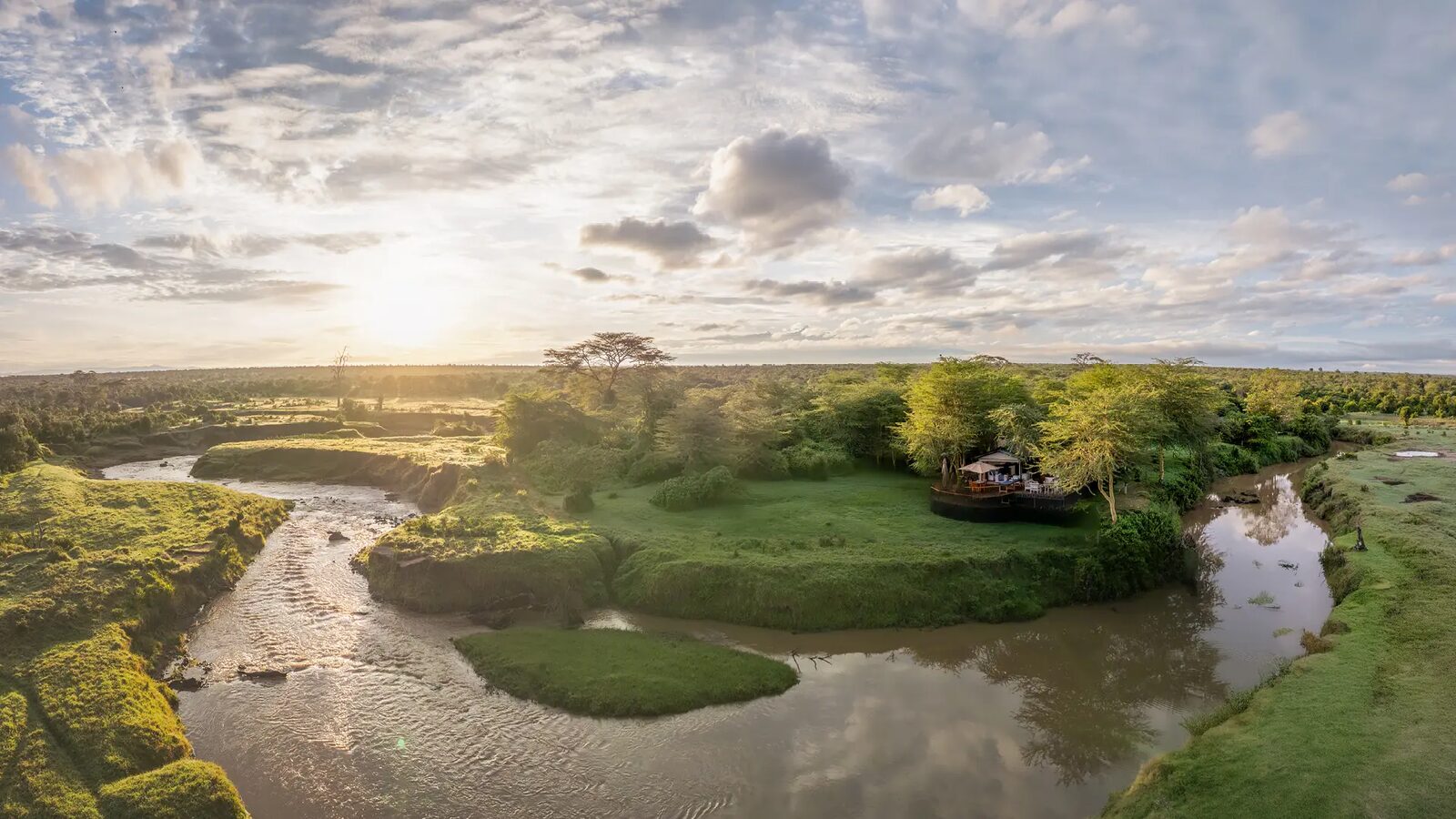 4.8(95)
Ol Pejeta Bush Camp
Ol Pejeta Conservancy, Laikipia, Kenya
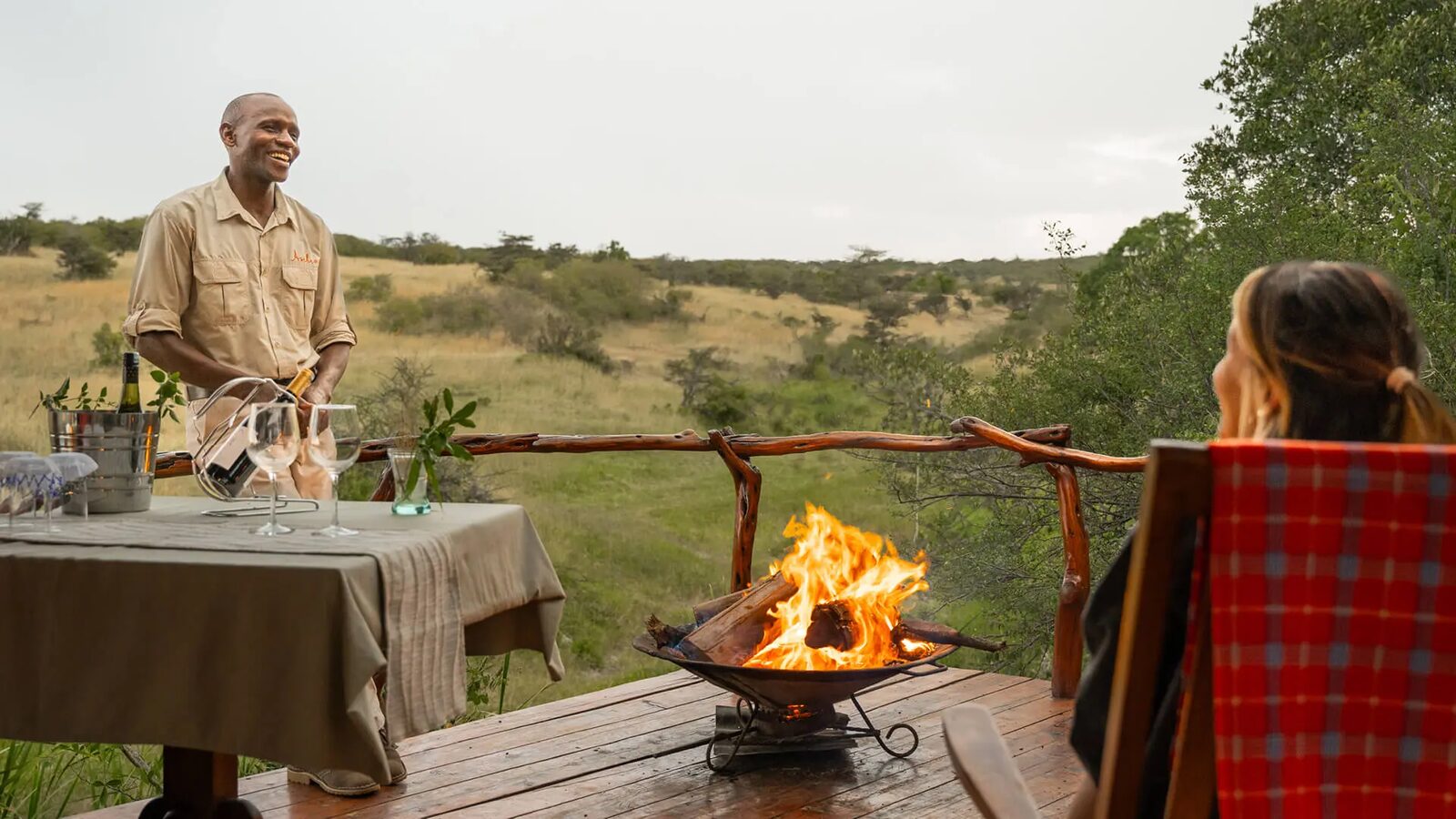 4.8(63)
Encounter Mara Camp
Mara Naboisho Conservancy, Kenya
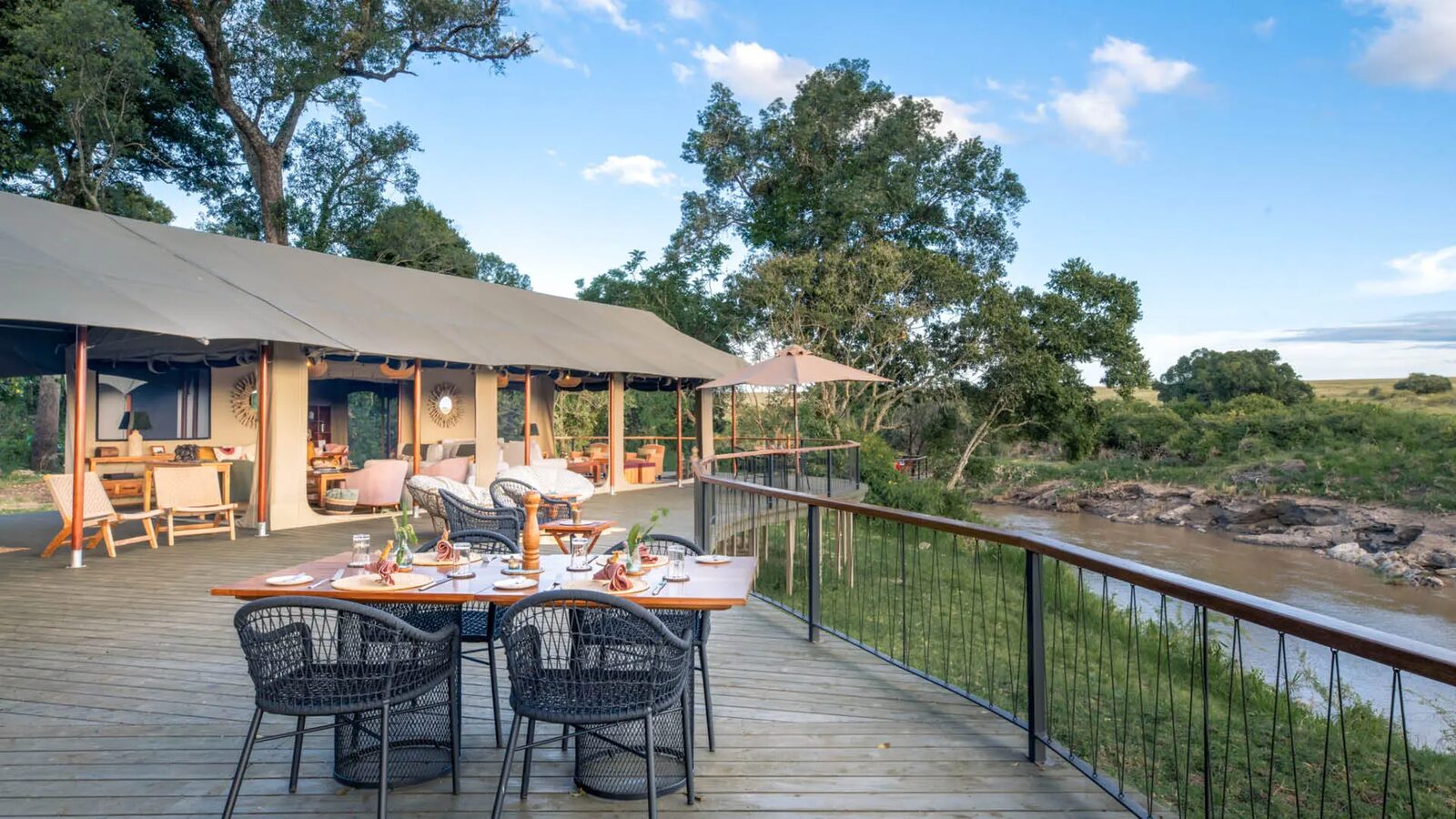 4.9(76)
Rekero Camp
Talek River, Maasai Mara National Reserve, Kenya
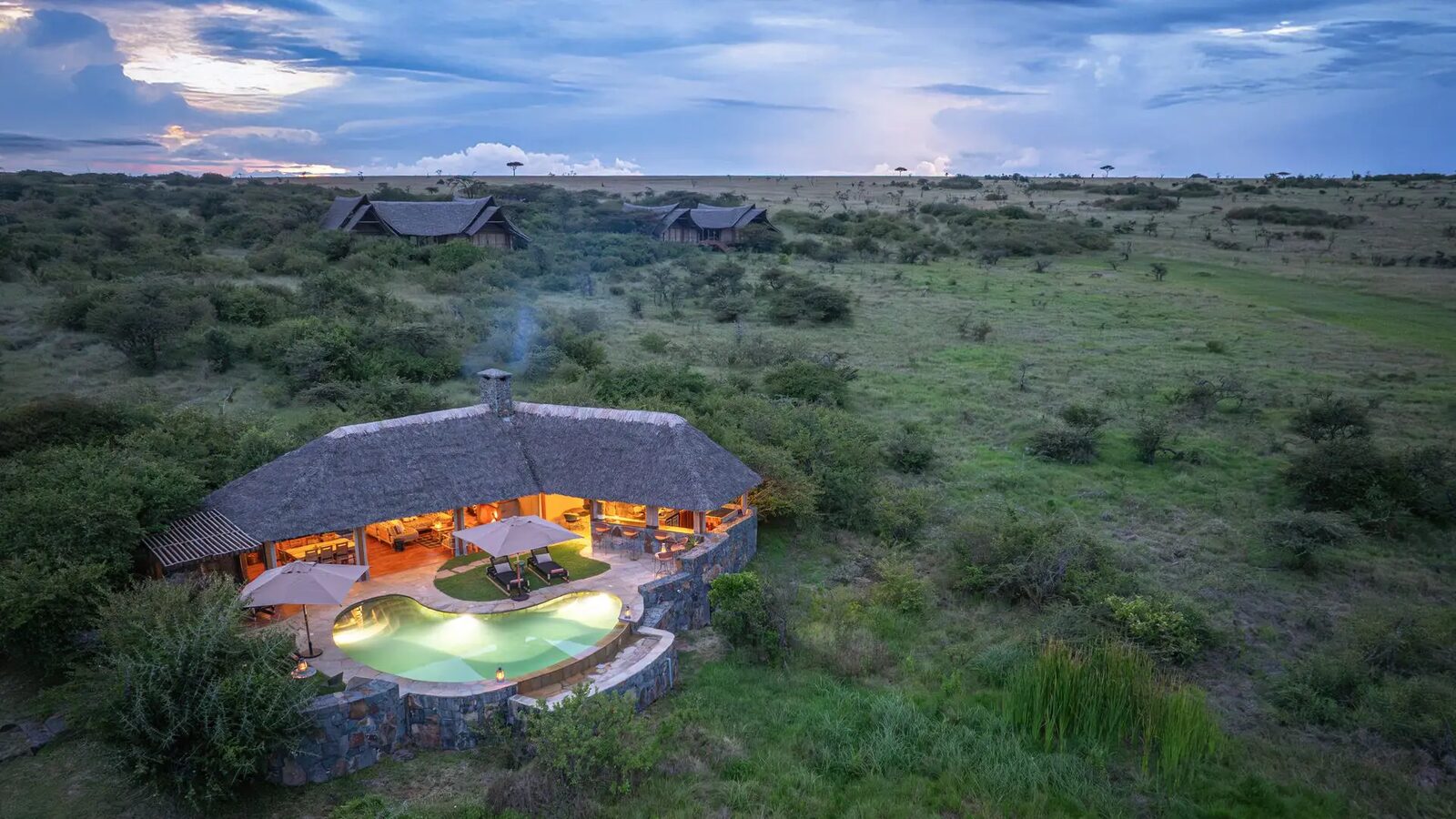 4.7(91)
Naboisho Camp
Mara Naboisho Conservancy, Kenya
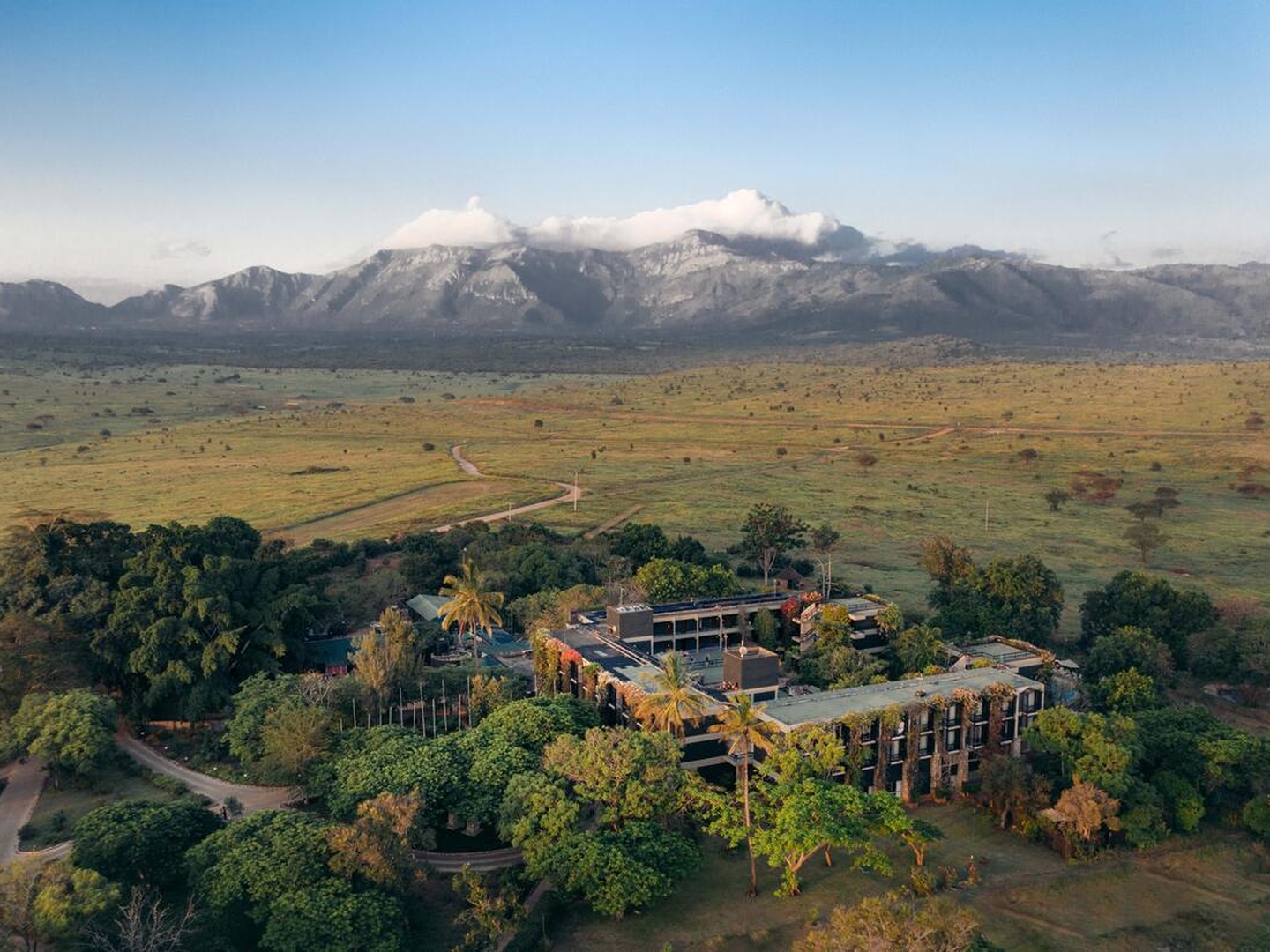 4.6(2137)
Taita Hills Safari Resort & Spa
Taita Hills, Kenya
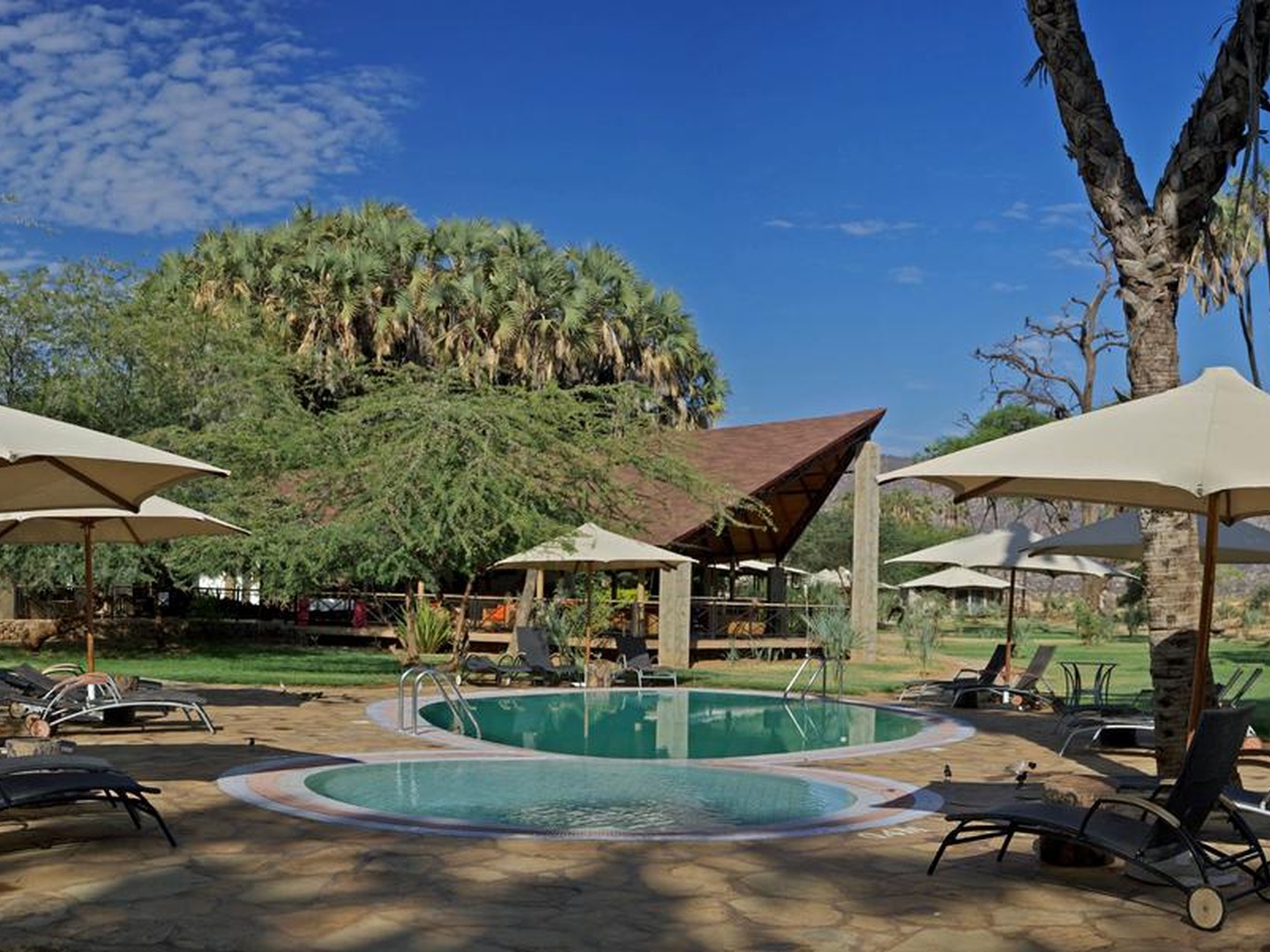 4.5(343)
Ashnil Samburu Camp
Samburu, Kenya
Let us plan this trip for you
Send us your dates, party and budget and we'll come back with a costed itinerary, with lodges, flights, transfers and activities in one place. No obligation.
Keep reading


See our safari advice first on Google
One tap tells Google you want Safari Stays shown higher when you search for safari and travel news. It takes a second and you can undo it anytime.
Make Safari Stays a preferred source on Google