A Guide to Packing for a Kenya Safari in July
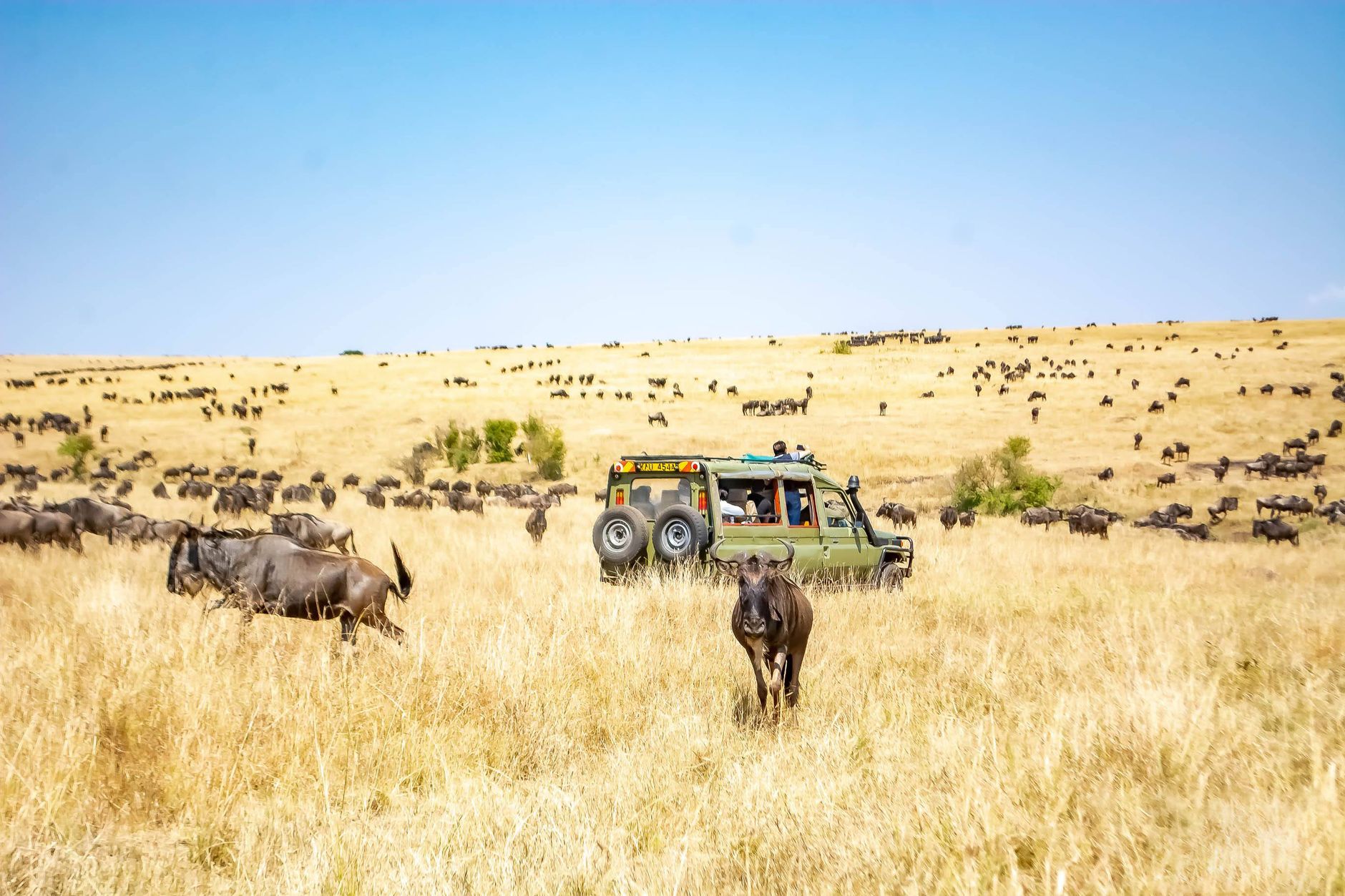
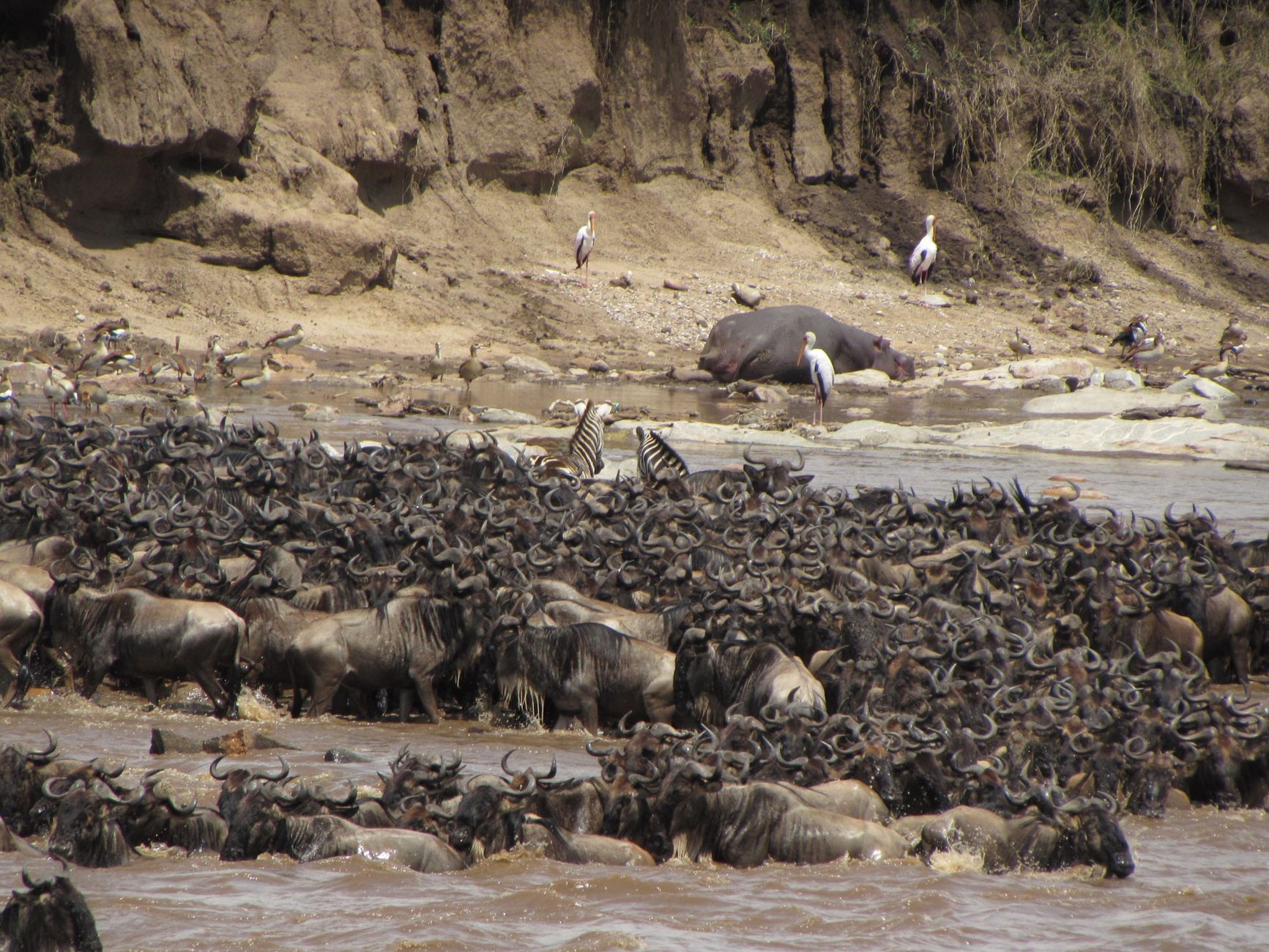
The air hums with anticipation. Vast plains, golden under the equatorial sun, are the stage for one of nature’s most magnificent spectacles. July in Kenya is a time of movement, drama, and profound beauty, as the Great Migration herds surge into the Maasai Mara. As you plan for this journey of a lifetime, the practical question of what to pack for a kenya safari in july becomes paramount. An expertly planned suitcase is the foundation of a comfortable and immersive experience, allowing you to focus purely on the magic unfolding before you.
Understanding Kenya's Climate in July
July marks the heart of Kenya’s long dry season. It is, paradoxically, also winter. This translates to a climate of lovely contradictions: the days are generally bright, sunny, and pleasantly warm, while the mornings and evenings can be surprisingly cold. Temperatures can dip into the single digits Celsius (around 45-50°F) on an early morning game drive, only to climb to a comfortable 23-28°C (73-82°F) by midday.
This temperature swing is the single most important factor to consider when packing. The key is not to pack for a single climate, but for several. Your packing strategy should revolve around one central principle: layering.
Furthermore, altitude plays a significant role. Many of our most iconic safari destinations, such as the Maasai Mara National Reserve, sit at a high elevation, which contributes to the cooler temperatures, especially after sundown. The air is crisp and clear, perfect for wildlife viewing but demanding of a warm fleece or jacket.
Your Essential Safari Wardrobe: Layering is Key
Forget the classic pith helmet and stiff safari suit of a bygone era. Modern safari style is about comfort, practicality, and respect for the environment you are entering. Think versatile, breathable pieces that can be easily added or removed as the day progresses.
Clothing for Game Drives
Your days will be built around game drives, which often start before sunrise and can extend into the late afternoon. You’ll begin bundled up against the morning chill and gradually shed layers as the sun climbs higher.
Start with a comfortable base layer, like a cotton t-shirt or a long-sleeved technical top. Add a warm mid-layer, such as a fleece jacket or a merino wool sweater. Your outermost layer should be a windproof and preferably water-resistant jacket. While rain is unlikely in July, the jacket will prove invaluable for blocking the wind in an open-sided vehicle.
For trousers, choose lightweight cotton pants, chinos, or comfortable outdoor trousers. Neutral, earth-toned colours are not just a cliché; they serve a real purpose. Khaki, beige, olive, and brown shades help you blend into the landscape, causing less disturbance to wildlife. It is also wise to avoid blue and black, as they are known to attract tsetse flies in some regions.
Evening and Lodge Attire
After a thrilling day on the plains, you’ll return to the comfort and warmth of your lodge. Evenings are a relaxed and social affair. There is no need for formal wear; smart-casual is the universal dress code. Clean trousers or chinos paired with a fresh shirt or a sweater is perfect. Many guests enjoy the cozy atmosphere of a fireside dinner, and evenings at a lodge like Angama Mara can be refreshingly cool. A pashmina, shawl, or warm jacket is essential for walking to and from your tent and for dining in open-air settings.
The Core List: A Summary
To simplify, here is a core list of clothing items to consider for a one-week safari:
- 3-4 short-sleeved shirts or t-shirts (neutral colours)
- 2 long-sleeved shirts (for sun protection and layering)
- 1-2 pairs of comfortable safari trousers or chinos
- 1 pair of shorts (for midday relaxation at the lodge)
- 1 warm fleece or merino wool mid-layer
- 1 windproof/water-resistant jacket
- Sleepwear and underwear
- Swimsuit (many lodges have beautiful pools)
- 1 smart-casual outfit for evenings
- A warm hat or beanie for early mornings
- A wide-brimmed sun hat for midday
- A scarf or buff for dust and warmth
- Comfortable, closed-toe walking shoes or trail runners
- A pair of sandals or flip-flops for the lodge

What to Pack for a Kenya Safari in July: Beyond the Clothes
Your luggage will contain more than just your wardrobe. The right gear and personal items can elevate your experience from great to unforgettable.
Essential Gear and Electronics
First and foremost: binoculars. While your guide will have a pair, having your own means you won’t miss a fleeting moment—a distant leopard in a tree or the subtle flick of a lion’s ear. An 8x42 or 10x42 magnification is ideal.
For photographers, bring your camera with a versatile zoom lens. Dust is a constant companion on safari, so a protective bag is crucial. Pack extra memory cards and batteries; you will take more photos than you can possibly imagine, especially during the dramatic river crossings of The Great Migration: A Timeless Spectacle. A portable power bank is also a lifesaver for charging phones and cameras between drives or during the occasional power outage at more remote camps.
Kenya uses Type G plugs (the three-pronged UK style), so a universal travel adapter is a must. A small headlamp or torch is incredibly useful for navigating your tent or the lodge grounds after dark.
Health and Personal Items
While our partner lodges are equipped with first-aid kits, it’s always wise to carry a small personal kit with essentials like pain relievers, antiseptic wipes, plasters, and any personal prescription medications. A high-SPF, broad-spectrum sunscreen is non-negotiable, as is a quality lip balm with SPF. The African sun is strong, even on cool days.
Insect repellent containing DEET is recommended, especially for use in the evenings. Most high-end lodges provide toiletries, but you may prefer to bring your own travel-sized products.
What to Leave Behind
What you don't pack is as important as what you do.
Leave brightly coloured clothing (especially white) at home; it stands out in the bush and gets dirty very quickly. Avoid camouflage patterns, as wearing them is illegal for civilians in Kenya.
Strict regulations govern the use of drones in national parks and reserves, so it is best to leave them behind unless you have obtained the specific, complex permits in advance.
Finally, and most importantly, Kenya has a nationwide ban on single-use plastics. Do not bring plastic bags into the country; they will be confiscated at the airport. Opt for reusable alternatives like cloth bags for your packing.
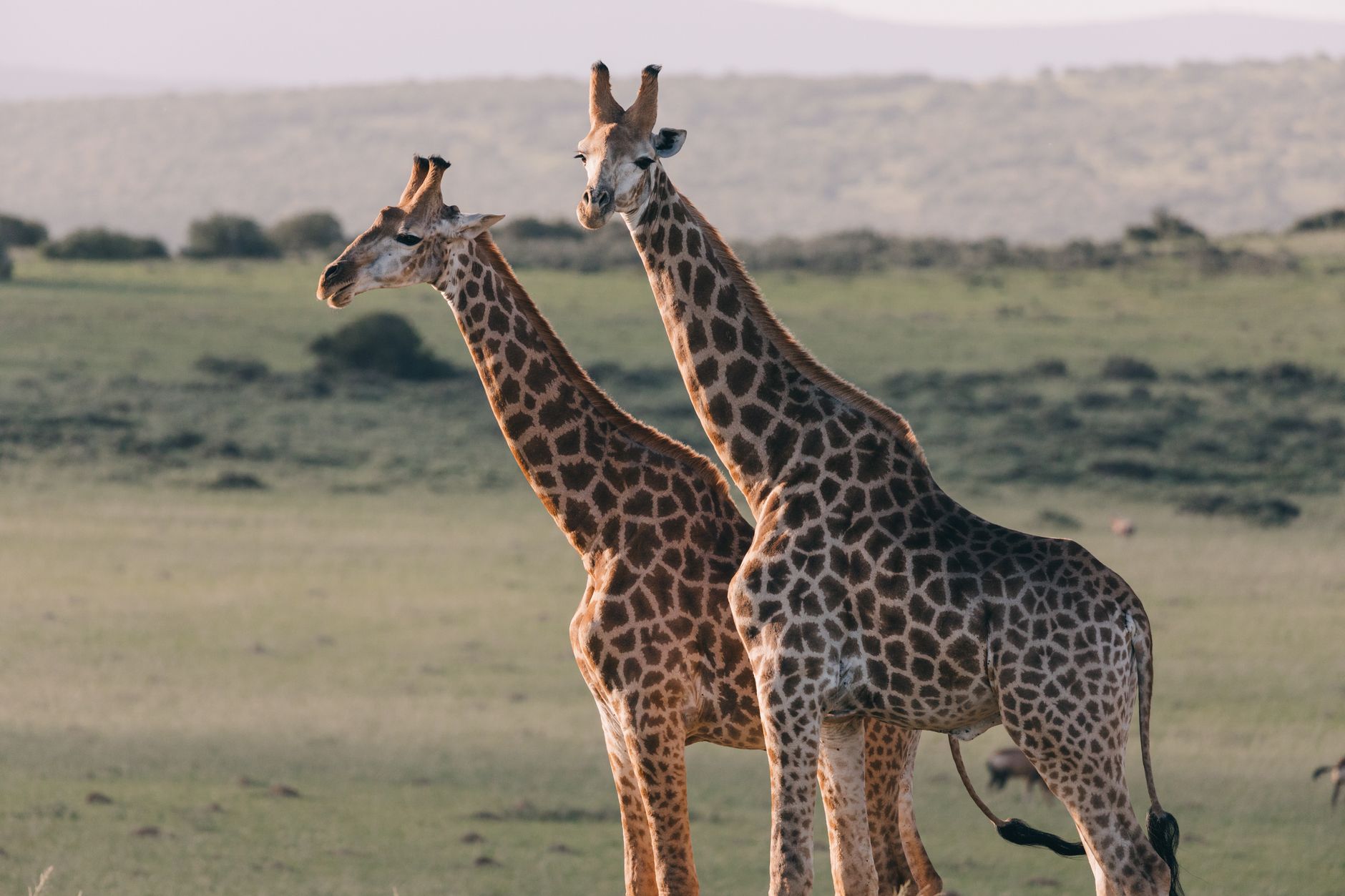
Packing for a safari is the first step in a much larger, more meaningful journey. It is an act of preparation that builds excitement for the adventure ahead. By choosing versatile, practical items, you free yourself to fully engage with your surroundings—the scent of wild sage on the morning air, the rumble of a thousand hooves on the earth, the deep gaze of an elephant. With this guide on what to pack for a kenya safari in july, you are well on your way to being perfectly prepared for the magic that awaits.
Now that your packing list is sorted, the adventure awaits. Explore our collection of handpicked lodges and camps across Kenya and start planning the journey of a lifetime. Discover Safari Stays in Kenya.
Ready to plan your trip?
Check live availability, compare lodges and book instantly — or send us an enquiry and we'll help shape the route.