Wildebeest Migration Kenya September 2026: A Guide
It is a spectacle of almost unimaginable scale: millions of wildebeest, zebras, and gazelles moving with a singular, ancient purpose across the vast plains of East Africa. To witness a chapter of this Great Migration is to connect with one of nature’s most profound rhythms. For those looking ahead, planning to experience the wildebeest migration in Kenya in September 2026 offers a unique opportunity to see this drama unfold during a magnificent, and often overlooked, window of time.
September in Kenya's Masai Mara is a month of high drama and immense beauty. The herds, having braved the treacherous Mara River crossings in July and August, are now spread across the lush grasslands, grazing voraciously. The air is thick with the sounds of the migration—the constant, low grunting of the wildebeest, the braying of zebras, and the ever-present hum of Thomson's gazelles. It is Africa at its most raw and captivating.
The Masai Mara in September: A Theatre of Nature
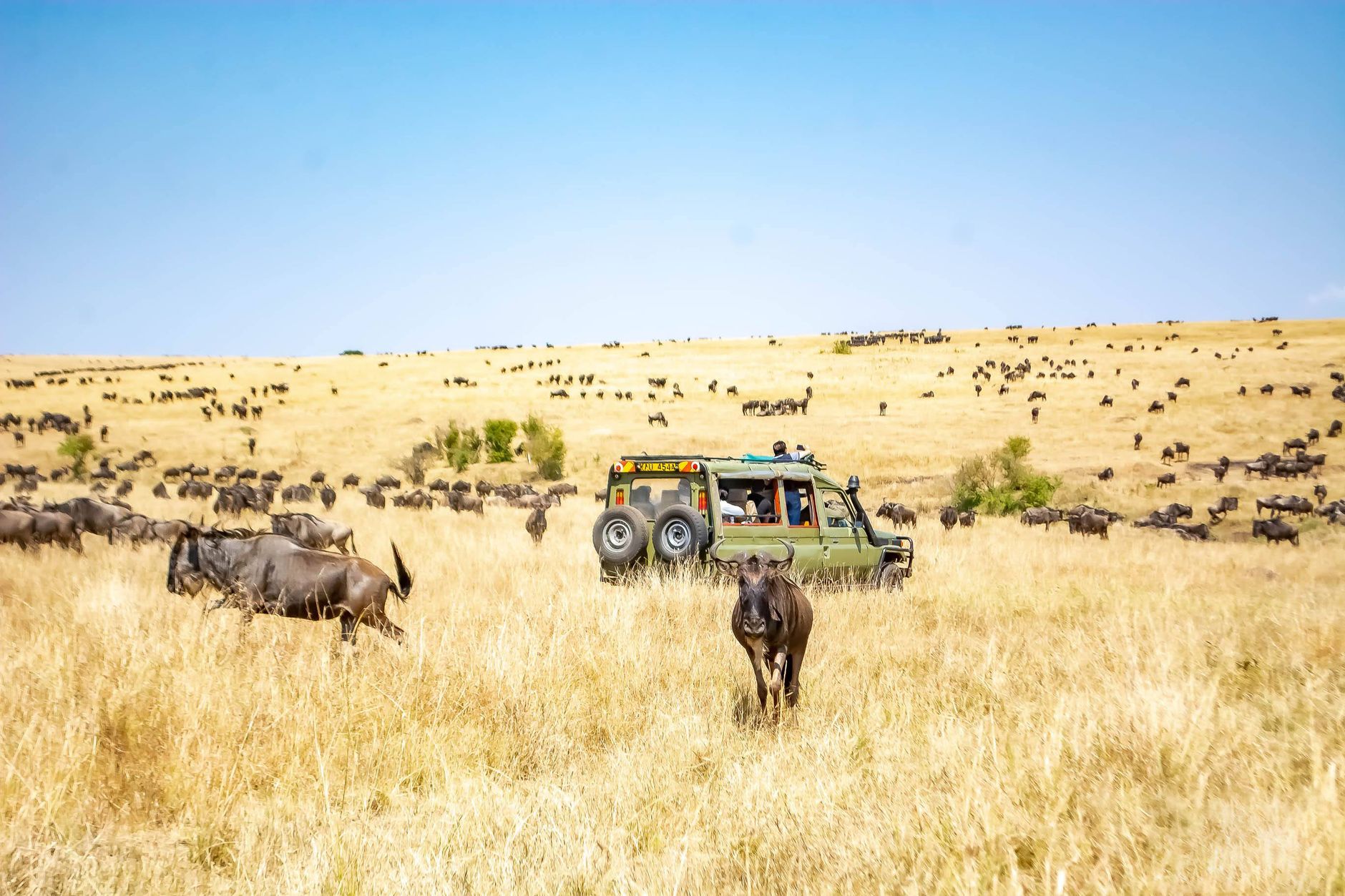
By September, the Great Migration is in full swing within the Masai Mara National Reserve. The mega-herds, numbering in the hundreds of thousands, have typically been in the Mara for several weeks. Rather than a single, cohesive movement, the herds fragment and spread out, creating a moving mosaic of life that blankets the plains from horizon to horizon.
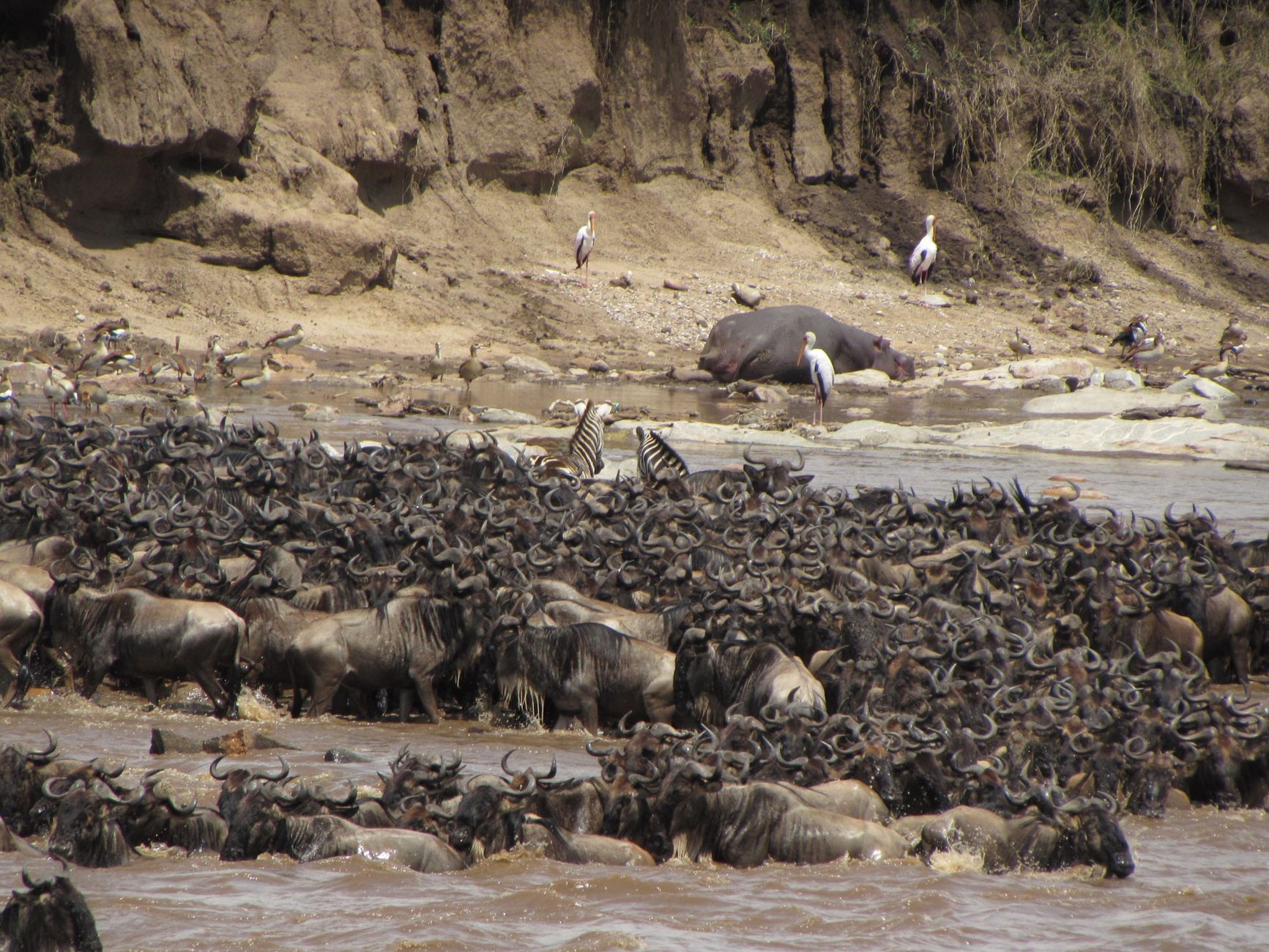
While the most frantic and concentrated river crossings often occur earlier in the season, September still holds the potential for this iconic spectacle. Herds may cross and re-cross the Mara and Talek rivers multiple times, driven by grazing pressure and the instinctual fear of predators. A September crossing is often a more intimate, less crowded event, allowing for a deeper appreciation of the life-and-death struggle faced by each animal.
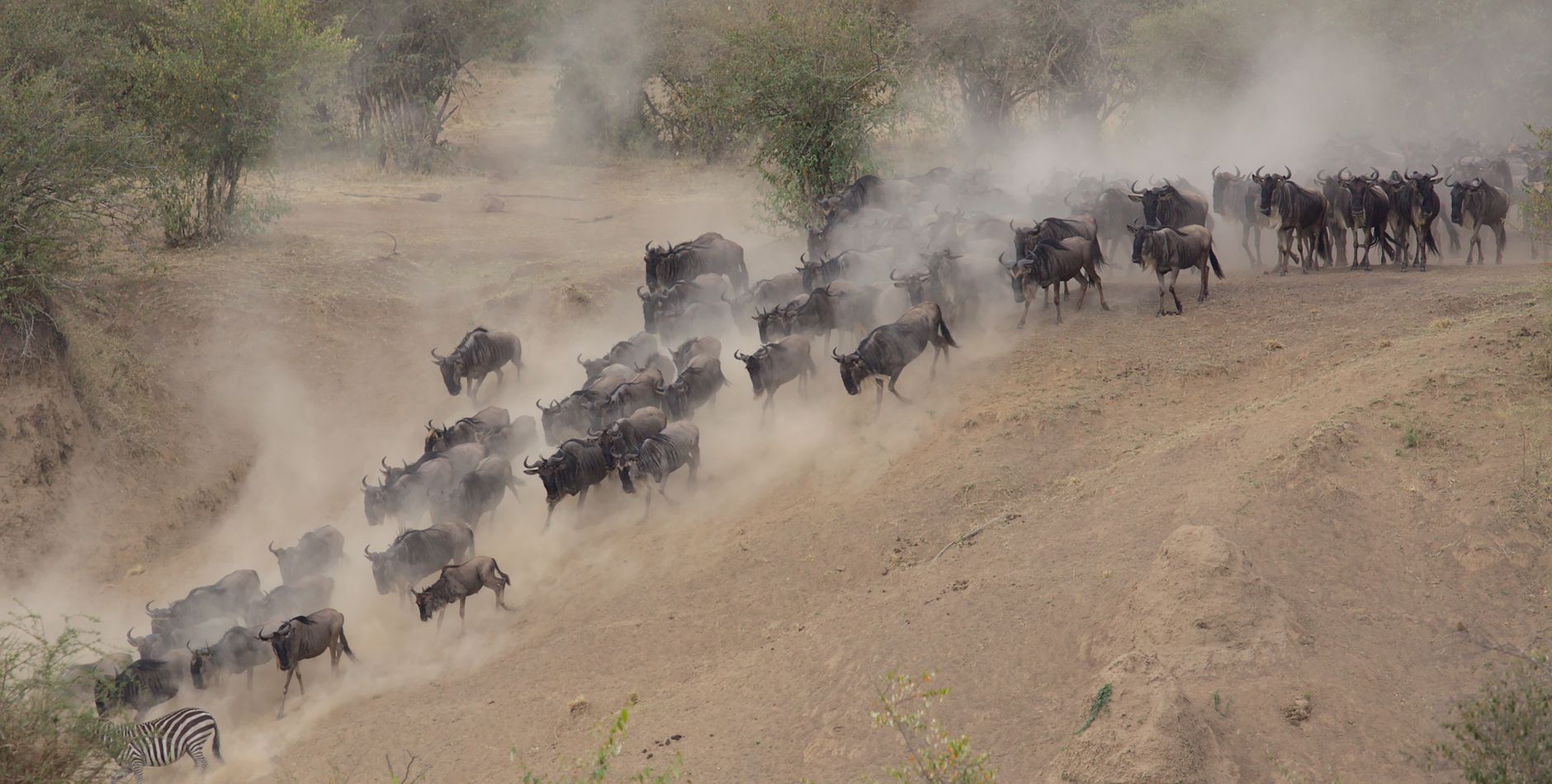
The weather during this period is typically ideal for a safari. It is the heart of the dry season, meaning clear, sunny skies, minimal rainfall, and comfortable temperatures. The sparse vegetation makes wildlife easier to spot, and the dust kicked up by the herds catches the golden light of dawn and dusk, creating sublime photographic opportunities.
Planning for the Wildebeest Migration Kenya September 2026
Strategically planning your safari is key to making the most of this experience. September sits in a sweet spot, offering the peak action of the migration with slightly fewer visitors than the preceding months. It’s a time for the discerning traveller who values both spectacle and space.
Why September is an Exceptional Month
While July and August are often marketed as the peak crossing season, September provides a more holistic and arguably richer safari experience. The crowds begin to thin, yet the wildlife action remains at its zenith. The resident predators—lions, leopards, cheetahs, and hyenas—are ever-present, taking advantage of the abundance of prey. The tension between hunter and hunted is palpable, leading to thrilling encounters and a true sense of the Mara's dynamic ecosystem.
Furthermore, the drier conditions concentrate non-migratory animals around remaining water sources, meaning you will have just as many opportunities to see elephants, giraffes, buffalo, and hippos going about their daily lives amidst the larger migration drama.
Navigating the Mara: Key Areas to Consider
Understanding the geography of the Mara is crucial. The ecosystem comprises the main Masai Mara National Reserve and a collection of surrounding private conservancies. The main reserve offers access to the famous river crossing points and the highest density of animals. However, it also has stricter rules, such as staying on designated tracks, and can experience higher vehicle traffic.
The adjoining private conservancies, such as the Mara North, Naboisho, or Olare Motorogi, offer a different, more exclusive experience. While the core of the migration is often in the main reserve, many animals spill into these areas. The conservancies permit off-road driving for special sightings, guided walking safaris, and night drives—activities not allowed in the national reserve. Staying in a conservancy often means you get the best of both worlds: access to the main reserve for a day trip and the solitude of the private lands. Learn more about the options in The Masai Mara region.
Beyond the Wildebeest: A Complete Safari Experience
It is easy to become fixated on the wildebeest, but a Mara safari in September is a rich tapestry of wildlife encounters. The migration is the headline act, but the supporting cast is just as compelling. The big cats are a significant draw, and with so much food available, they are often active and visible.
Expect a diverse and rewarding game-viewing experience that extends far beyond the migrating herds. Here are a few highlights you can anticipate:
- Exceptional Big Cat Sightings: Lions from the Mara’s famous prides patrol their territories, cheetahs scan the plains for their next meal from atop termite mounds, and the elusive leopard might be spotted resting in a sausage tree.
- Abundant Resident Game: The Mara is home to a staggering diversity of wildlife year-round. Look for large herds of elephants, journeys of graceful giraffes, and wallowing pods of hippos in the rivers.
- Superb Birdwatching: With over 500 recorded species, the Mara is a birder’s paradise. September is excellent for spotting raptors like the Bateleur and Martial Eagle circling high above the plains.
- Maasai Culture: A visit to the Mara offers a chance for authentic cultural encounters with the Maasai people, whose lives and traditions are intrinsically linked to this land. Learning about their co-existence with wildlife provides a deeper context to your safari.
Thinking about what to bring? We have prepared a helpful guide on what to pack for your Kenyan safari.
Choosing Your Safari Stay: The Safari Stays Philosophy
Where you stay profoundly shapes your safari. The right lodge or camp becomes more than just a place to sleep; it is your gateway to the wilderness, a sanctuary of comfort, and a source of expert knowledge through its guides. Choosing between a lodge inside the national reserve or one in a private conservancy depends entirely on your priorities.
A camp located near the Mara River, such as the classic Governor's Camp Collection, places you in the heart of the action, minimizing travel time to prime viewing areas. Conversely, a lodge in a conservancy offers tranquillity and a more varied range of activities, perfect for those looking to escape the crowds at the end of the day.
At Safari Stays, we believe in properties that offer not just luxury, but also a genuine connection to place. We select camps for their exceptional locations, the quality of their guiding, and their tangible commitment to conservation and community. This ensures your journey is not only memorable but also contributes positively to the preservation of the ecosystem you’ve come to admire.
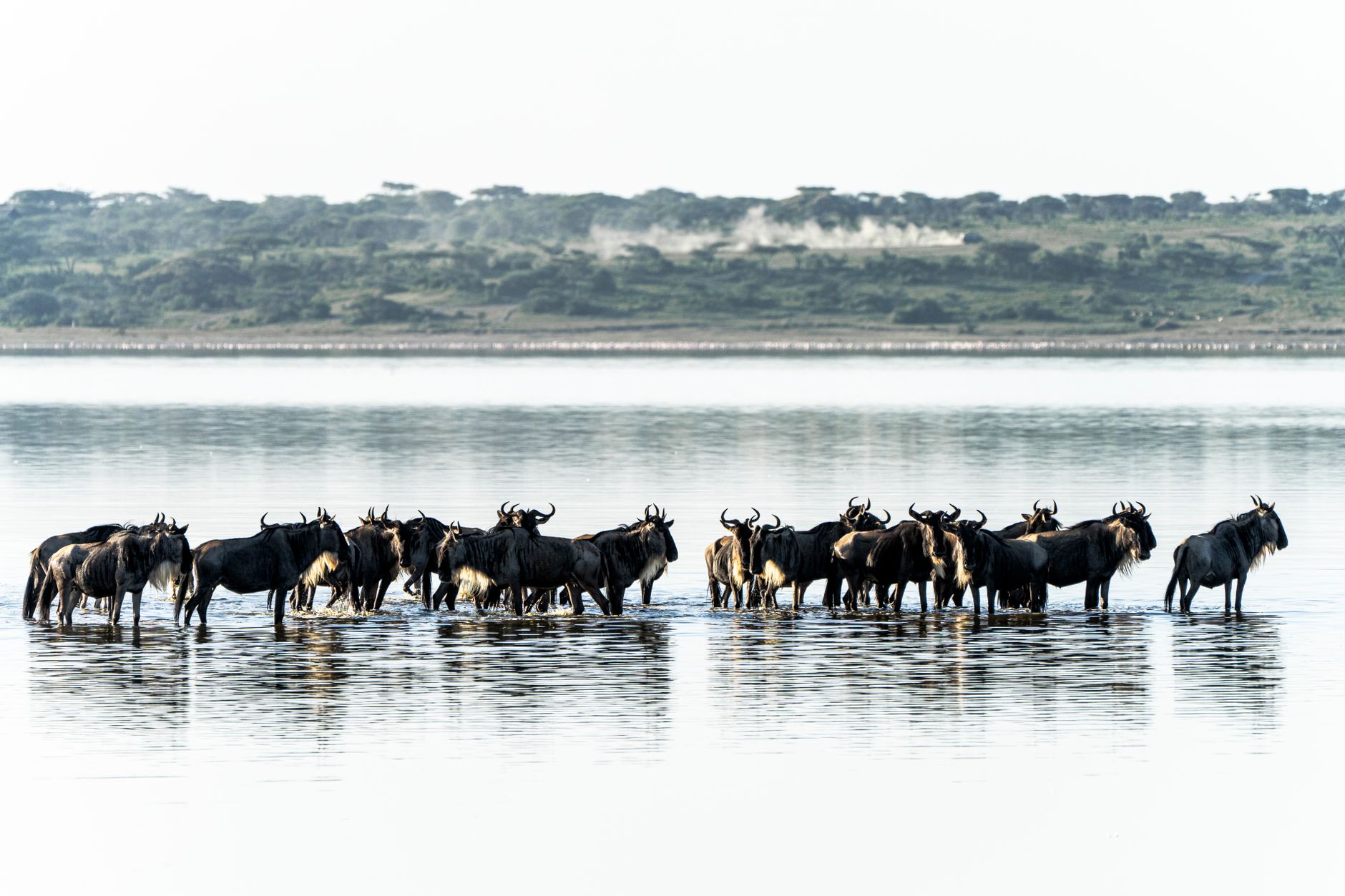
The spectacle of the wildebeest migration in Kenya in September 2026 is a travel memory that will last a lifetime. It is a powerful reminder of the wild, untamed beauty that still exists in our world, and a journey into the very heart of Africa.
As you begin to piece together your journey, explore our curated collection of lodges in Kenya. Each property is chosen for its exceptional location, expert guiding, and commitment to conservation, ensuring your safari is both breathtaking and meaningful. Begin your exploration here.
Ready to plan your trip?
Check live availability, compare lodges and book instantly — or send us an enquiry and we'll help shape the route.