Kenya Weather in July: A Safari Guide
July in Kenya is not just a month; it is a season of unparalleled wonder. It represents the heart of safari's high season, a time when the country’s vast landscapes pulse with life under comfortable, clear skies. Understanding the nuances of the Kenya weather in July is the first step in crafting an unforgettable journey, one timed to coincide with nature’s most dramatic spectacles.
This is the core of Kenya's long dry season, which typically runs from late June through October. The heavy 'long rains' of April and May are a distant memory, leaving behind a verdant landscape that is slowly turning to gold under the African sun. The air is less humid, the days are warm and pleasant, and the nights are refreshingly cool. It is, in a word, perfect.
What to Expect from Kenya Weather in July
When we speak of July, we speak of sublime safari conditions. This is the 'cool dry season', a term that perfectly encapsulates the experience. Daytime temperatures are delightfully mild, generally hovering between 23°C and 28°C (73°F - 82°F) in most safari destinations. Crucially, rainfall is at its absolute minimum. You may experience a fleeting, isolated shower, but a total washout is virtually unheard of.
This lack of rain has a profound effect on the safari experience. As seasonal waterholes begin to dry up, animals are forced to congregate around the few permanent rivers and springs. The bush, thinned by the lack of moisture, offers less cover for wildlife, making spotting everything from the smallest dik-dik to the largest elephant far easier. The light, less diffused by humidity, takes on a magical, golden quality, especially during the early morning and late afternoon 'golden hours' that photographers dream of.
Evenings and early mornings are a different story and are key to packing correctly. Temperatures can drop significantly, sometimes to a crisp 10-12°C (50-54°F). That brisk morning air as you set out on your first game drive is part of the magic, waking the senses as the sun begins to warm the savannah.
A Regional Weather Breakdown
Kenya is a country of diverse topography, from the high-altitude plateaus to the low-lying coast. The weather in July varies accordingly, though the overarching theme remains dry and pleasant.
The Maasai Mara: The Great Migration Arrives
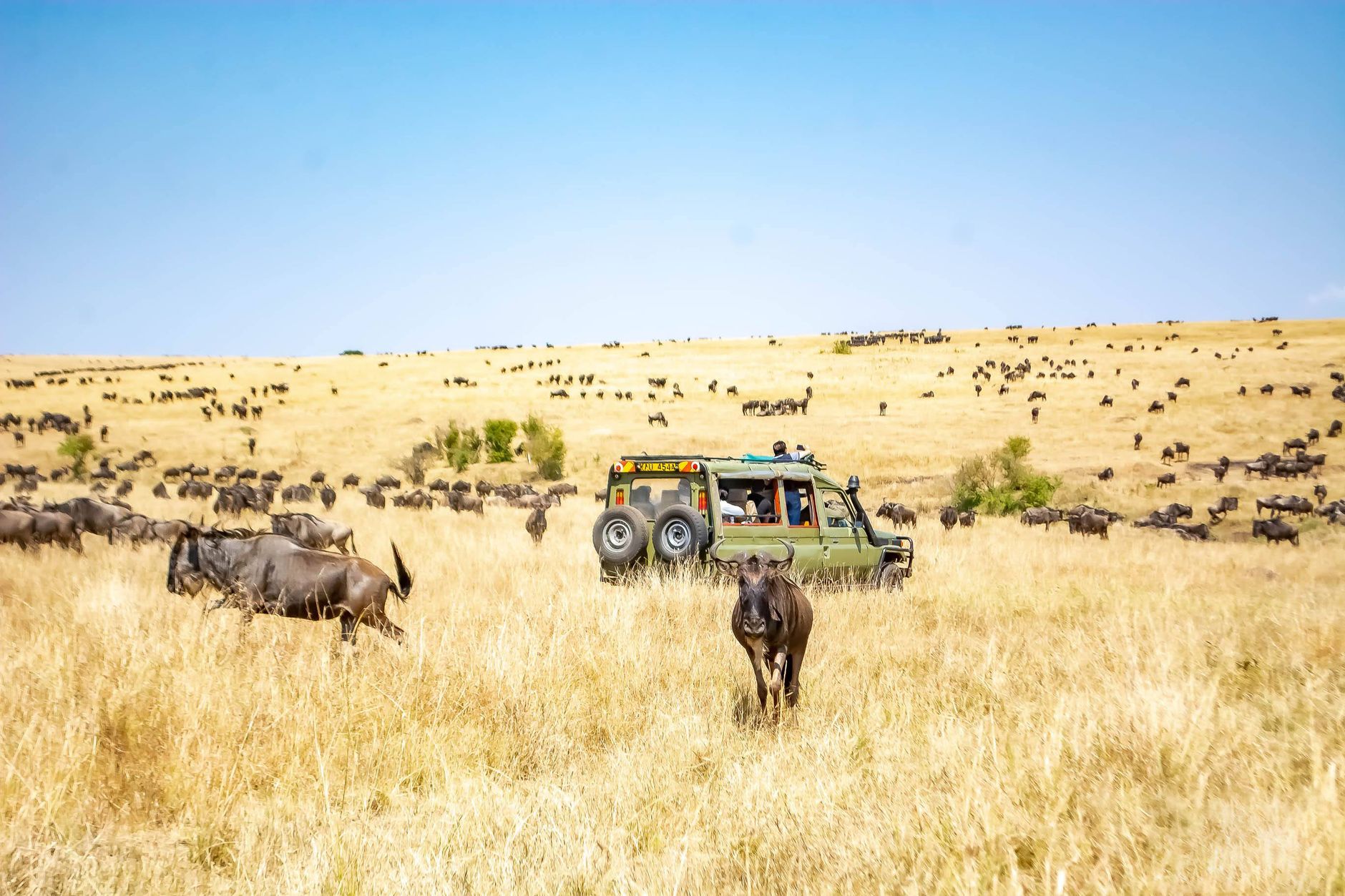
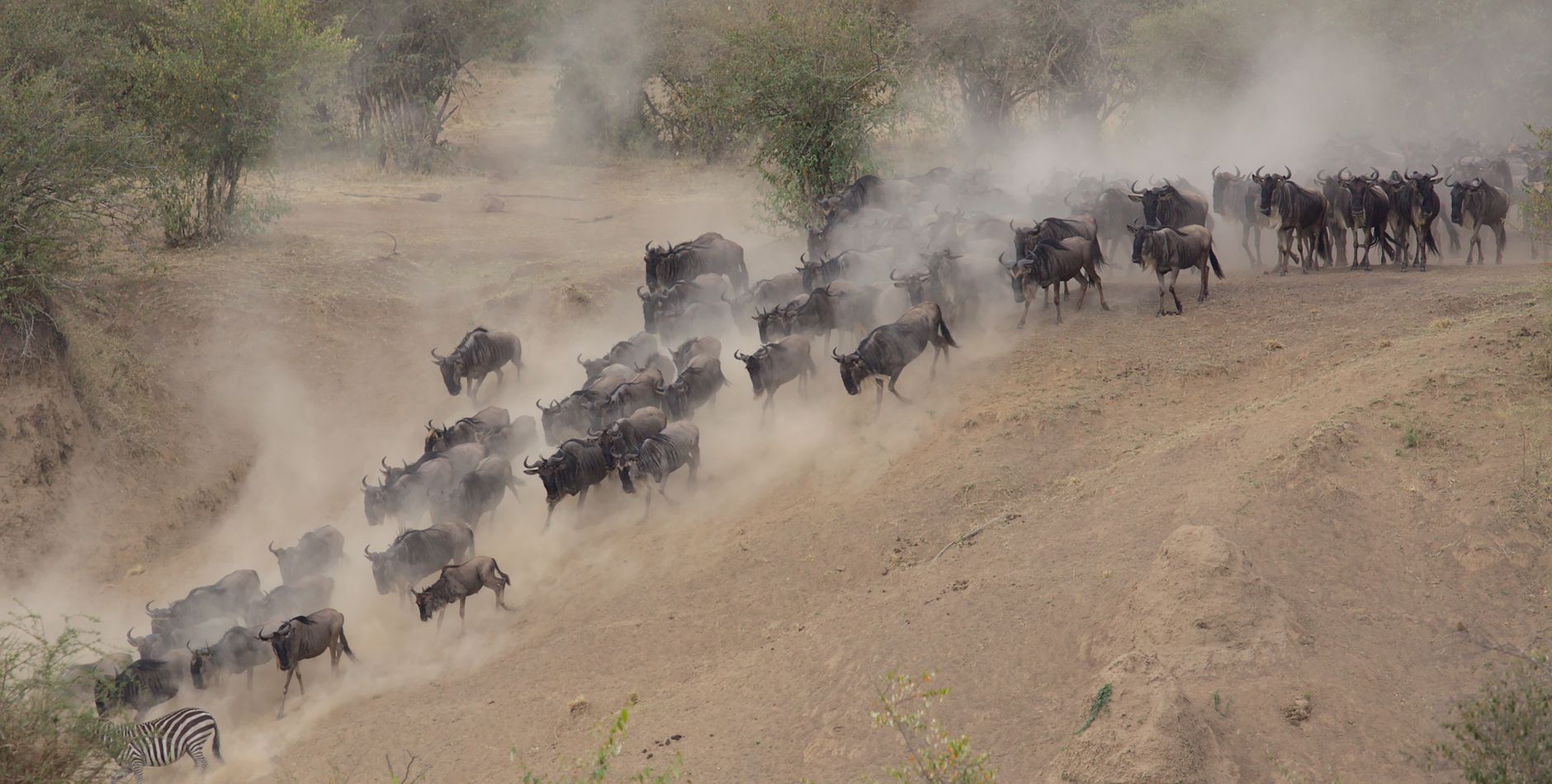
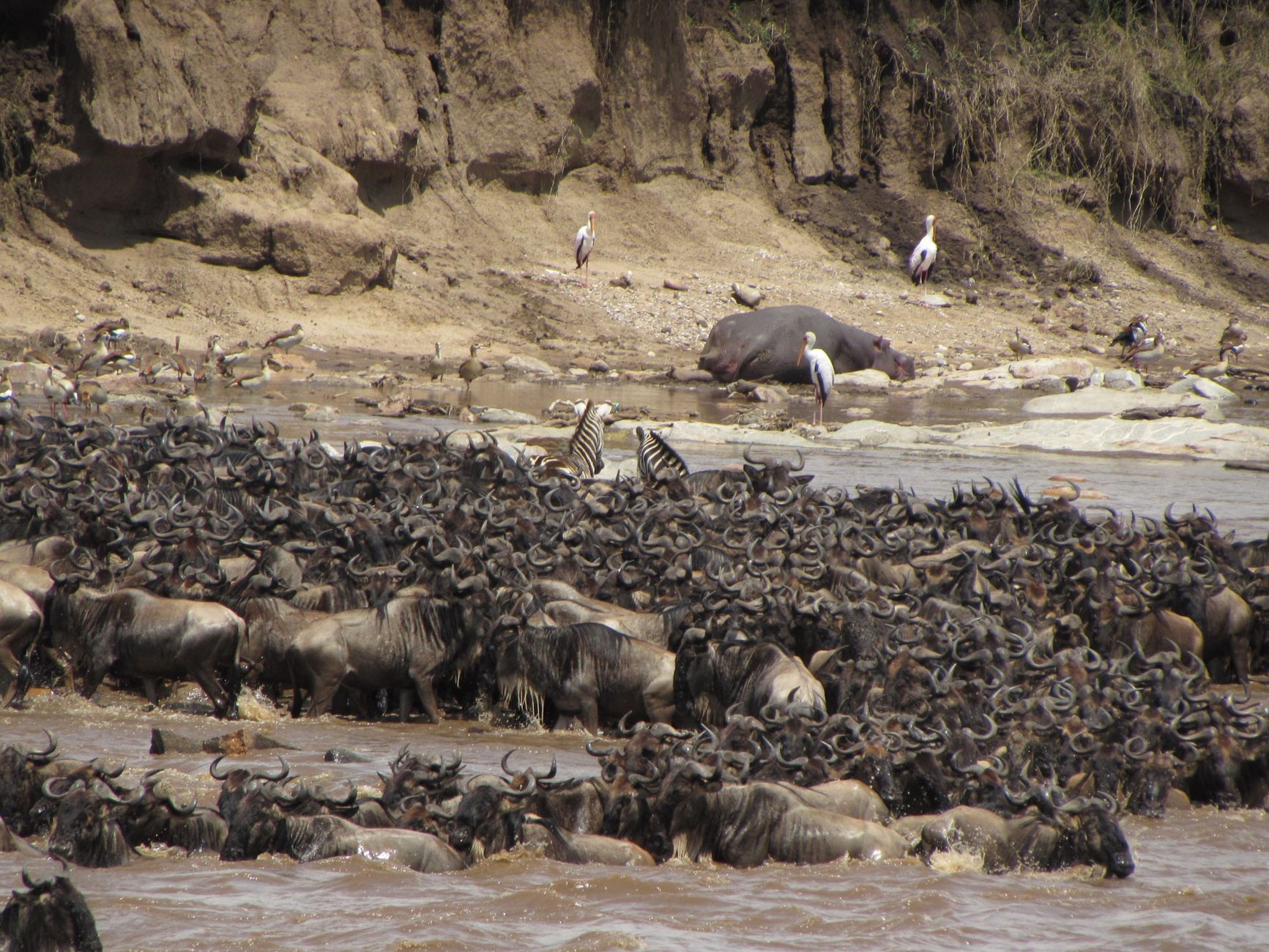
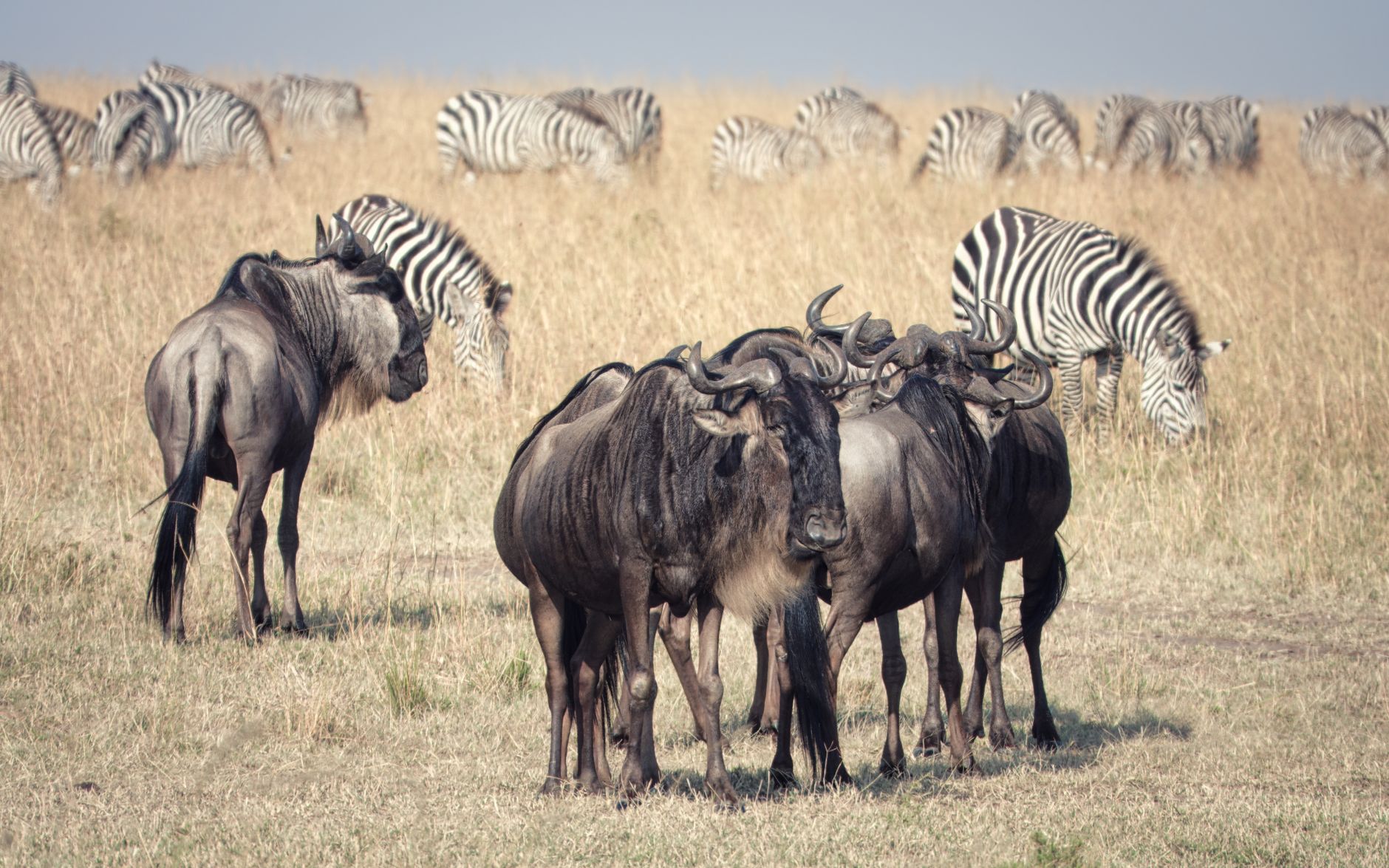
The Maasai Mara National Reserve is the epicentre of activity in July. The weather is ideal, with daily highs around 25°C (77°F) and cool, clear nights. But the real story is the arrival of the Great Migration. Depending on the year's rains, July is when the vast herds of wildebeest, zebra, and gazelle typically pour into the Mara from the Serengeti in Tanzania. The dry conditions mean the plains are easy to traverse for game drive vehicles, and the drama of the first river crossings may begin. For anyone dreaming of witnessing this iconic event, July is a prime month. Learn more about planning a trip to The Maasai Mara.
Amboseli, Tsavo, and Southern Kenya
To the south, parks like Amboseli and Tsavo enjoy similarly dry and sunny weather. Amboseli, famous for its large elephant herds, can be dusty in July, but this is often a blessing. The dry air means less atmospheric haze, offering spectacularly clear views of Mount Kilimanjaro's snow-capped peak just across the border. Daytime temperatures are warm and comfortable, perfect for long drives exploring the park's unique ecosystems. The concentration of wildlife around the swamps and springs is exceptional during this time.
The Kenyan Coast: A Perfect Beach Escape
While the interior is the focus for safari, July is arguably the best time of year to visit the Kenyan coast. Destinations like Diani, Malindi, and the Lamu Archipelago experience their most pleasant weather. The humidity drops significantly, and a steady ocean breeze, the 'Kusi' wind, keeps things comfortable. Temperatures average a lovely 28°C (82°F). The sea is calm and clear, making it an ideal time for snorkelling, diving, or simply relaxing on the white sands. It’s the perfect complement to an action-packed safari. Discover our collection of coastal retreats.
Laikipia and the Central Highlands
In the high-altitude regions of Laikipia and near Mount Kenya, July is cooler still. The days are crisp, sunny, and invigorating, but nights and early mornings can be genuinely cold, with temperatures dipping into the single digits Celsius. This is prime walking and active safari territory. The clear skies afford brilliant stargazing, and the unique climate supports a different array of wildlife and conservation activities, particularly for species like rhinos and Grevy's zebra. A stay at a lodge like Ol Donyo Lodge offers a unique perspective on these highlands.
What to Pack for a July Safari
Packing for the cool, dry season is about smart layering. Here’s a checklist to guide you:
- Layers are essential: Pack lightweight long-sleeved shirts and several t-shirts or polo shirts. Over these, you’ll want a warm fleece or mid-layer jacket. For the cold mornings and evenings, a windproof or insulated outer jacket is crucial.
- Neutral Colours: Khaki, green, beige, and brown are your friends. They help you blend in with the environment and are less conspicuous to wildlife.
- Comfortable Trousers: Lightweight safari trousers or chinos are perfect. One or two pairs will suffice.
- Sun Protection: The sun can be strong, even if the air is cool. A wide-brimmed hat, sunglasses, and high-SPF sunscreen are non-negotiable.
- Footwear: Comfortable, closed-toe walking shoes or durable trainers are ideal for game drives and any light bush walks. Heavy hiking boots are usually unnecessary unless you have specific treks planned.
- Accessories: A scarf or buff is wonderfully versatile for keeping your neck warm and protecting against dust. Binoculars are a must-have for any safari-goer.
More Than Just Weather: Embracing the July Experience
July's appeal extends beyond temperature charts. The dry season transforms the sensory experience of the bush. The sounds of animal calls travel further on the crisp, cool air. The earthy scent of dust and dry grass is the defining fragrance of the season. Photography conditions are at their peak, with the low sun casting long shadows and bathing the landscape in rich, warm light.
This is a time of action and drama. The reduced vegetation not only makes spotting game easier but also intensifies predator-prey interactions as animals compete for scarce resources. Every game drive is filled with potential and promise.
Ultimately, choosing to visit Kenya in July is a decision to experience this destination at its most classic and dramatic. The reliability of the Kenya weather in July provides a perfect foundation upon which to build a journey of a lifetime, removing the uncertainties of the rainy seasons and opening up the full spectrum of activities and wildlife encounters.
With the land at its most accessible and its wild inhabitants at their most visible, July presents the perfect canvas for your Kenyan adventure. The stage is set for breathtaking sunrises, unforgettable wildlife sightings, and tranquil evenings under a canopy of stars. Explore our curated collection of lodges and begin dreaming of your own safari story, perfectly timed for the magic of July.
Ready to plan your trip?
Check live availability, compare lodges and book instantly — or send us an enquiry and we'll help shape the route.