How to Plan a Safari in Kenya from the USA
The idea of a Kenyan safari evokes a profound sense of adventure—the rustle of acacia leaves in a warm breeze, the distant silhouette of elephants against a setting sun, the rumbling low-frequency call of a lion across the plains. It is a journey that connects us to the wild heart of our planet. For those of us in the United States, thousands of miles away, the question of how to plan a safari in kenya from usa can feel as vast as the savannah itself. This guide is here to distill that process into clear, thoughtful steps, transforming a dream into a tangible, breathtaking reality.
When to Visit Kenya for a Safari?
Kenya’s position on the equator means it doesn’t experience the four seasons in the traditional sense. Instead, its climate is defined by dry and rainy periods, each offering a unique safari experience. The “best” time to go is entirely dependent on what you wish to see and do.
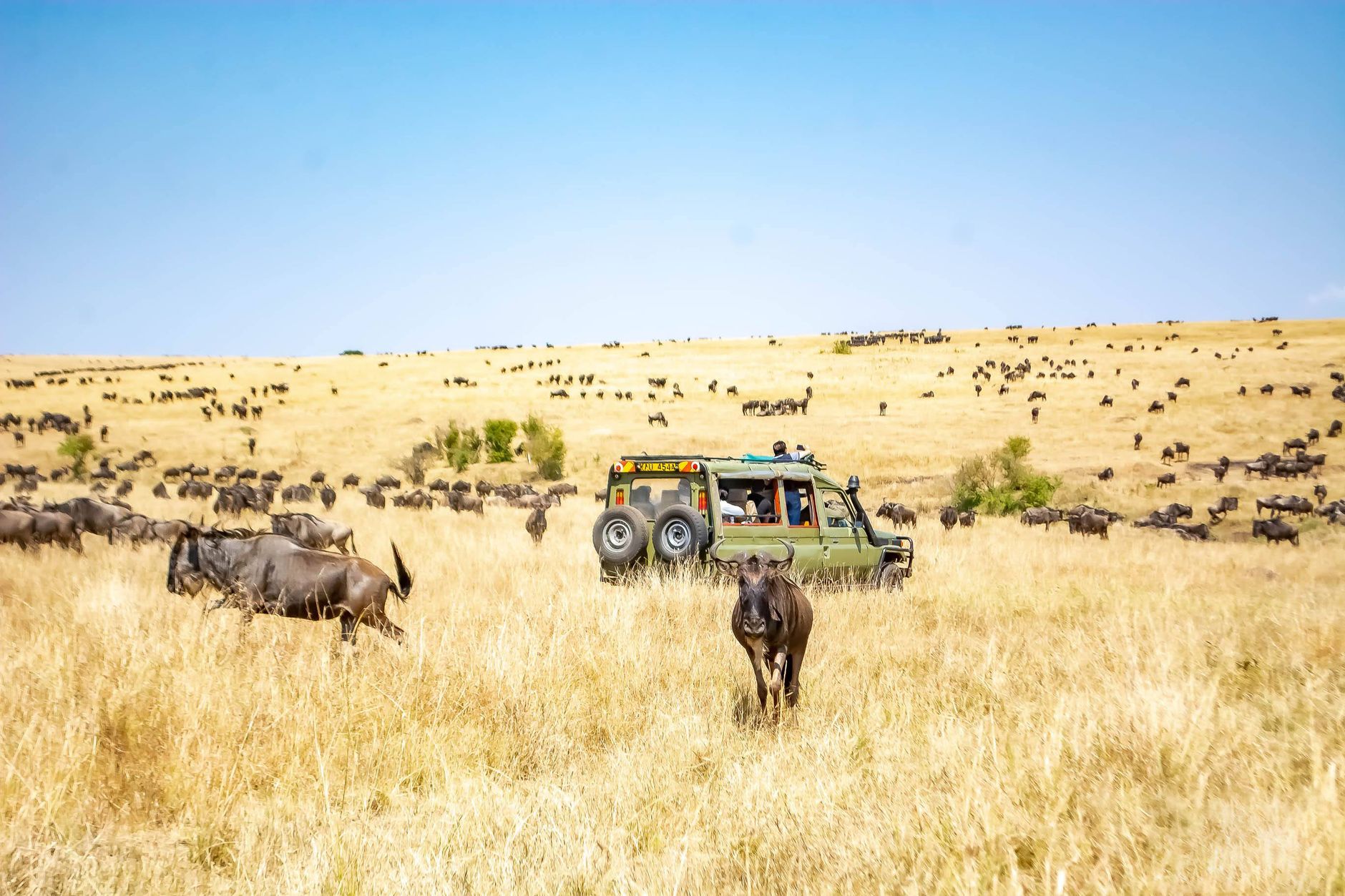
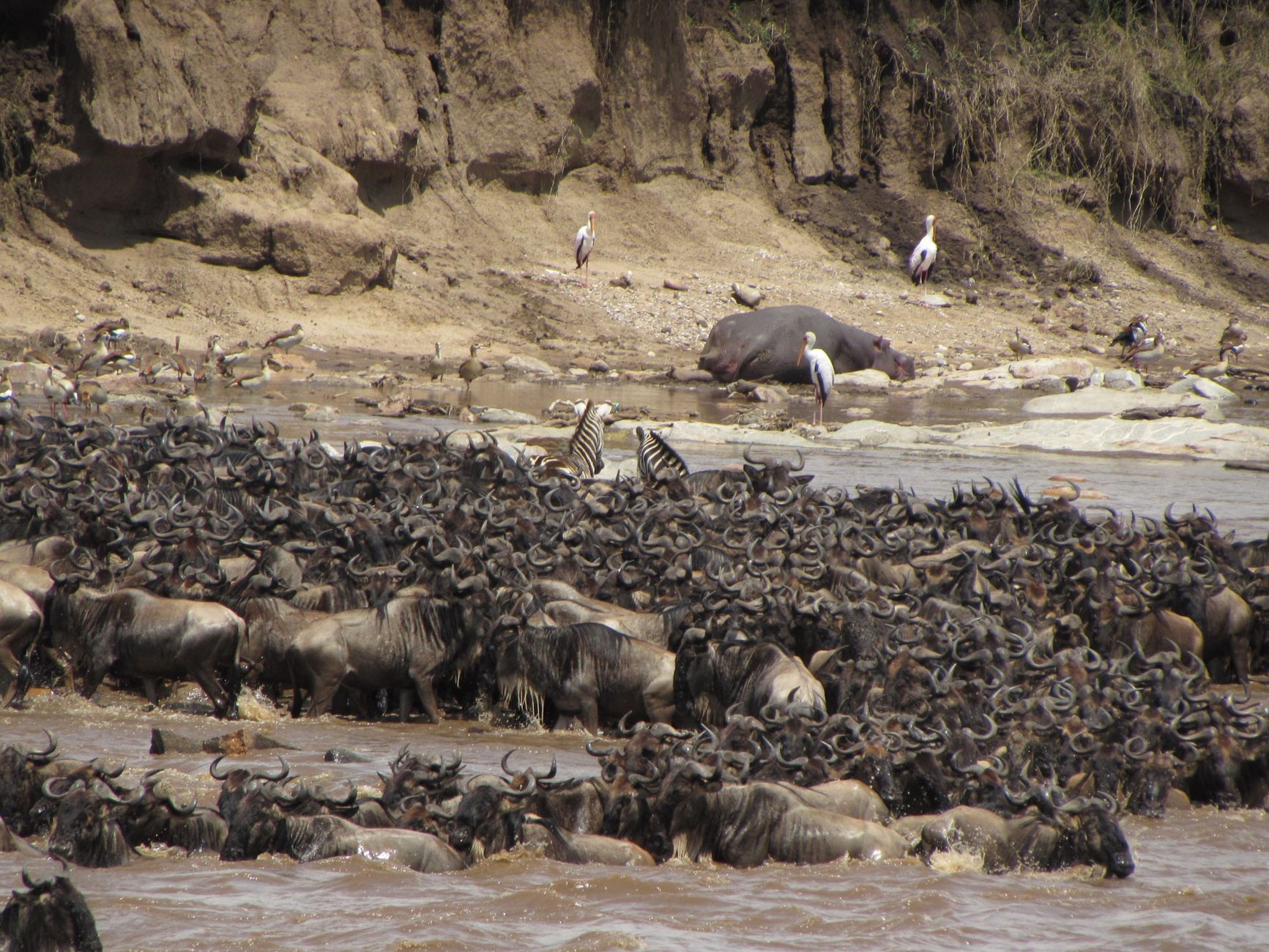
The primary dry seasons, from June to October and January to February, are widely considered the ideal time for wildlife viewing. During these months, vegetation is less dense, and animals congregate around scarce water sources like rivers and waterholes, making them easier to spot. The June to October window is particularly famous as it coincides with the Great Migration in the Maasai Mara, a spectacle of over a million wildebeest and zebra crossing the plains.
Conversely, the “green seasons” follow the rains from March to May (the long rains) and November to December (the short rains). While wildlife can be harder to spot in the lush, dense bush, these periods offer their own magic. You’ll encounter fewer travelers, witness the landscape in its most vibrant state, and enjoy stunning opportunities for birdwatching as migratory species arrive. It’s a time of renewal, with newborn animals dotting the plains.
Choosing Your Destinations: Beyond the Maasai Mara
Kenya’s conservation landscape is a rich tapestry of national parks, private conservancies, and reserves, each with a distinct character. While the Maasai Mara is rightfully iconic, venturing beyond its borders reveals the country’s incredible biodiversity.
The Iconic Plains: Maasai Mara National Reserve
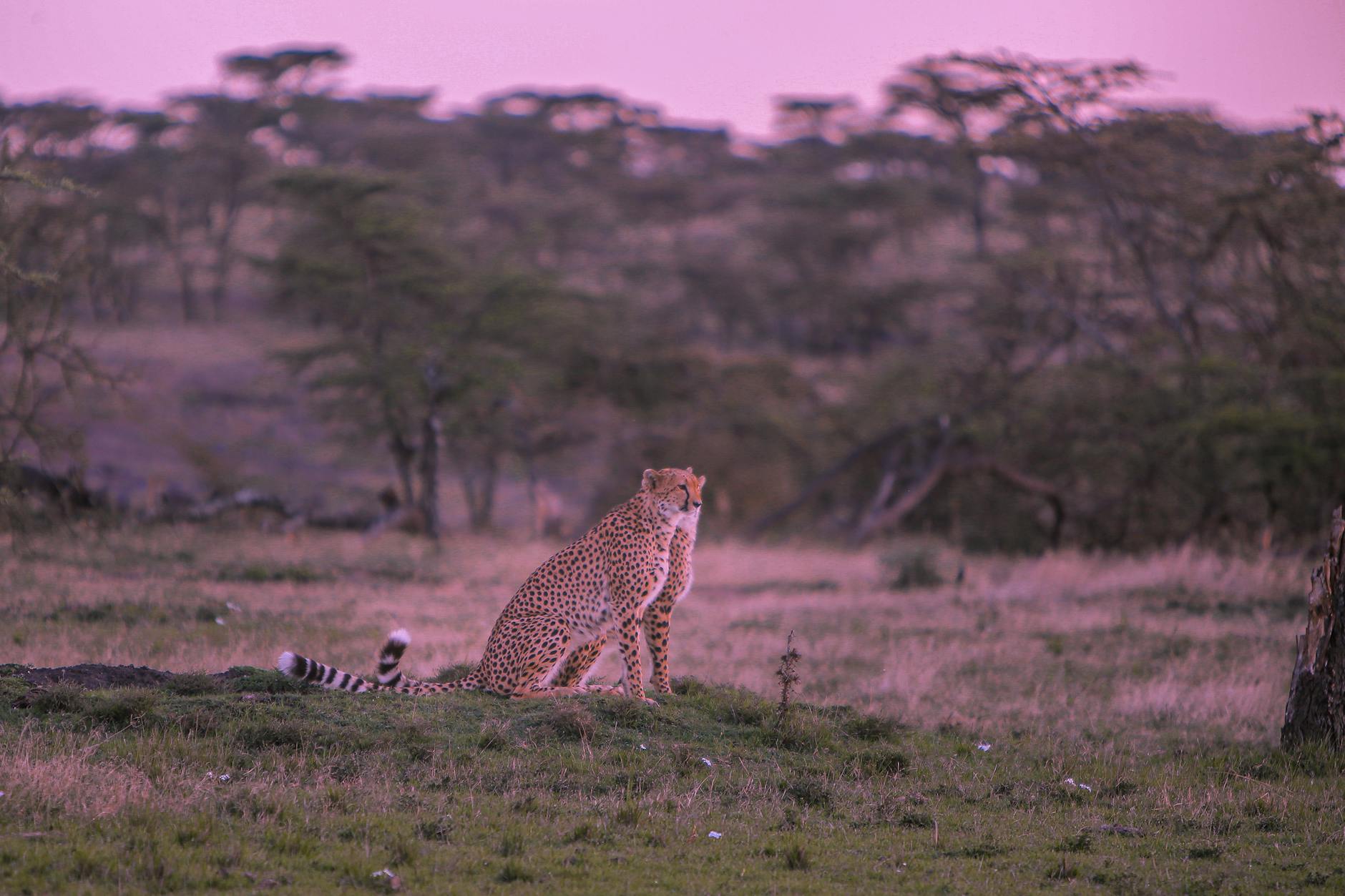
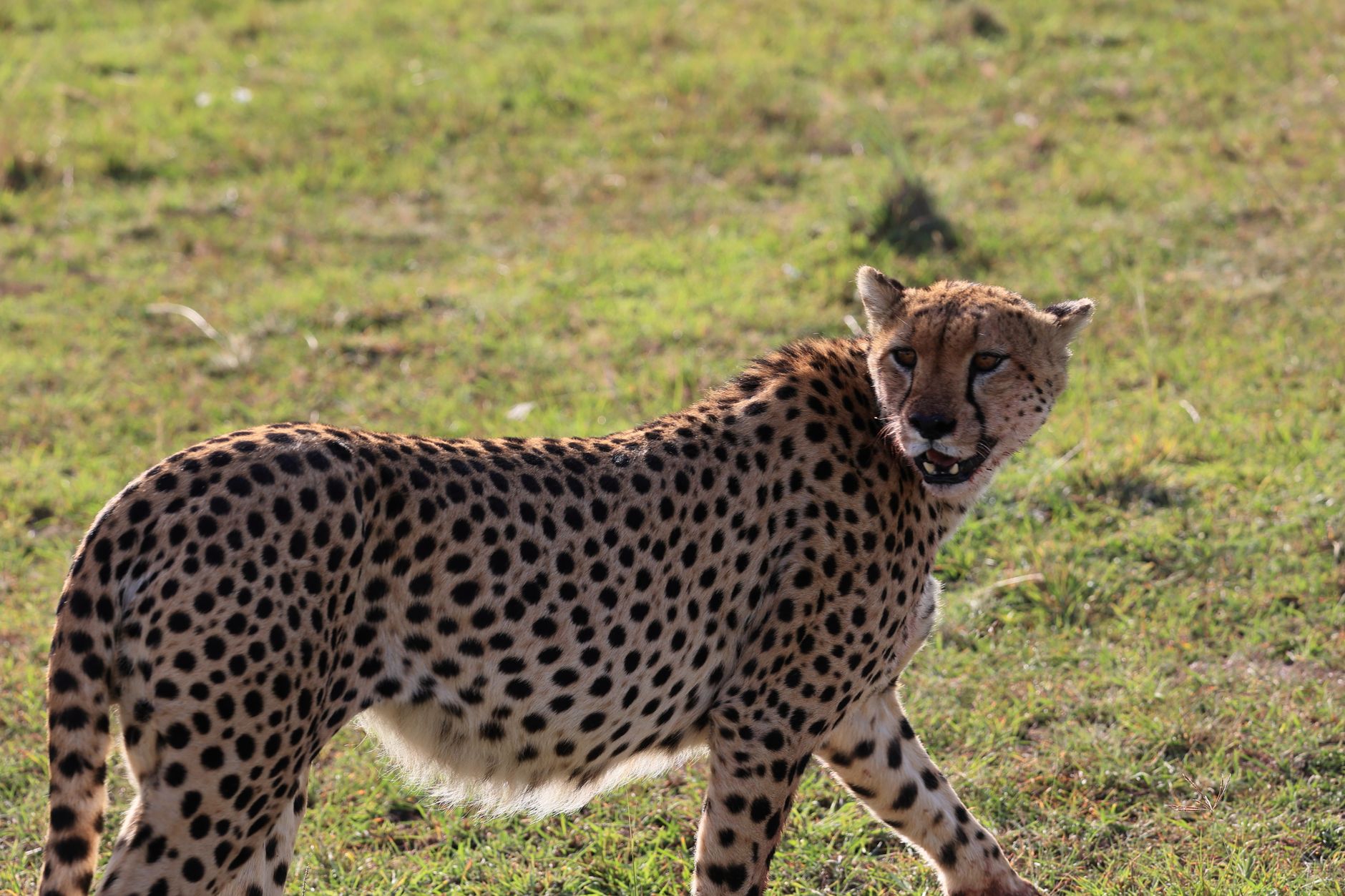
For many, the Maasai Mara is the Kenyan safari. Its wide-open grasslands teem with an astonishing concentration of life, including lions, cheetahs, leopards, elephants, and of course, the dramatic river crossings of the Great Migration. It is an essential, soul-stirring stop on any first-time itinerary.
The Land of Giants: Amboseli National Park
In southern Kenya, Amboseli offers what is perhaps Africa’s most quintessential image: vast herds of elephants moving languidly across dusty plains, with the snow-capped peak of Mount Kilimanjaro rising majestically in the background. The park’s swamps and marshes create an oasis that supports a thriving elephant population, offering unparalleled photographic opportunities. Explore our guide for more on the Amboseli region.
A Different Altitude: The Laikipia Plateau
North of Mount Kenya, the Laikipia Plateau represents a pioneering model for community-based conservation. This collection of private and community-run conservancies offers a more exclusive and diverse safari experience. Here, you can track the endangered Grevy's zebra and black rhino, or enjoy activities not always possible in national parks, like guided bush walks and night drives. The commitment to conservation is palpable in lodges like the stunning Segera Retreat, which blends luxury with a deep ecological purpose.
How to Plan a Safari in Kenya from the USA: The Practical Details
With your timeline and destinations taking shape, it's time to address the logistics that connect your home in the US to the Kenyan bush.
Flights and Visas for US Citizens
Your international journey will almost certainly begin with a flight into Nairobi’s Jomo Kenyatta International Airport (NBO). Several European and Middle Eastern carriers offer one-stop flights from major US hubs like New York (JFK), Atlanta (ATL), and Washington D.C. (IAD). Kenya Airways also operates a direct flight from New York.
US citizens require a visa to enter Kenya. The process is streamlined through an online portal for an Electronic Travel Authorisation (eTA), which you should apply for well in advance of your travel date. Always check the official government website for the most current requirements.
Health and Vaccinations
It is crucial to consult your doctor or a travel medicine clinic at least four to six weeks before your departure. They will provide personalized advice on required and recommended vaccinations, such as Yellow Fever, and discuss malaria prophylaxis depending on the specific regions you’ll be visiting. Your health and safety are paramount to enjoying your adventure.
Your Safari Packing List
Packing for a safari is an exercise in practical minimalism. Luggage restrictions on small, internal flights are often strict (typically 15 kg / 33 lbs in soft-sided bags). Focus on versatile, lightweight items.
- Clothing: Pack neutral-colored clothes (khaki, olive, brown, beige) to blend in with the landscape. Include lightweight long-sleeved shirts and trousers for sun and insect protection.
- Layers: Early morning game drives can be quite chilly, while midday can be hot. A fleece or warm jacket is essential for layering.
- Footwear: Comfortable, closed-toe walking shoes are sufficient for most lodge-based safaris. You do not need heavy hiking boots unless a specific walking safari is planned.
- Sun Protection: A wide-brimmed hat, sunglasses, and high-SPF sunscreen are non-negotiable.
- Optics: Binoculars are a must-have for every person on safari. A good camera with a zoom lens will help you capture memories to last a lifetime.
- Essentials: Bring any personal medications, a basic first-aid kit, and an effective insect repellent.
Curating Your Journey: Working with an Expert
While it’s possible to book a safari independently, the complexities of travel within Kenya—from navigating park fees to arranging reliable transfers and booking reputable guides—can be daunting from afar. Partnering with a specialist or a curated collection like Safari Stays removes the guesswork and elevates the experience.
An expert can help you craft a seamless itinerary that balances travel time with relaxation, secures access to exclusive conservancies, and matches you with lodges that align with your personal style. Their on-the-ground knowledge is invaluable, ensuring that every detail is handled with care so you can simply immerse yourself in the magic of the journey. For a deeper dive into safari life, read our post on What to Expect on Your First Game Drive.

The process of discovery is part of the adventure itself. Researching the parks, learning about the wildlife, and imagining yourself on a game drive builds an anticipation that is a joy in itself. The journey starts with a single step, and understanding how to plan a safari in kenya from usa is the most important one you’ll take before you even leave home.
When you are ready to turn these dreams into details, we invite you to explore our curated collection of lodges across Kenya. Each one is a gateway to a unique corner of this incredible country, waiting to welcome you to the adventure of a lifetime.
Ready to plan your trip?
Check live availability, compare lodges and book instantly — or send us an enquiry and we'll help shape the route.