What Makes a Botswana Safari So Expensive?
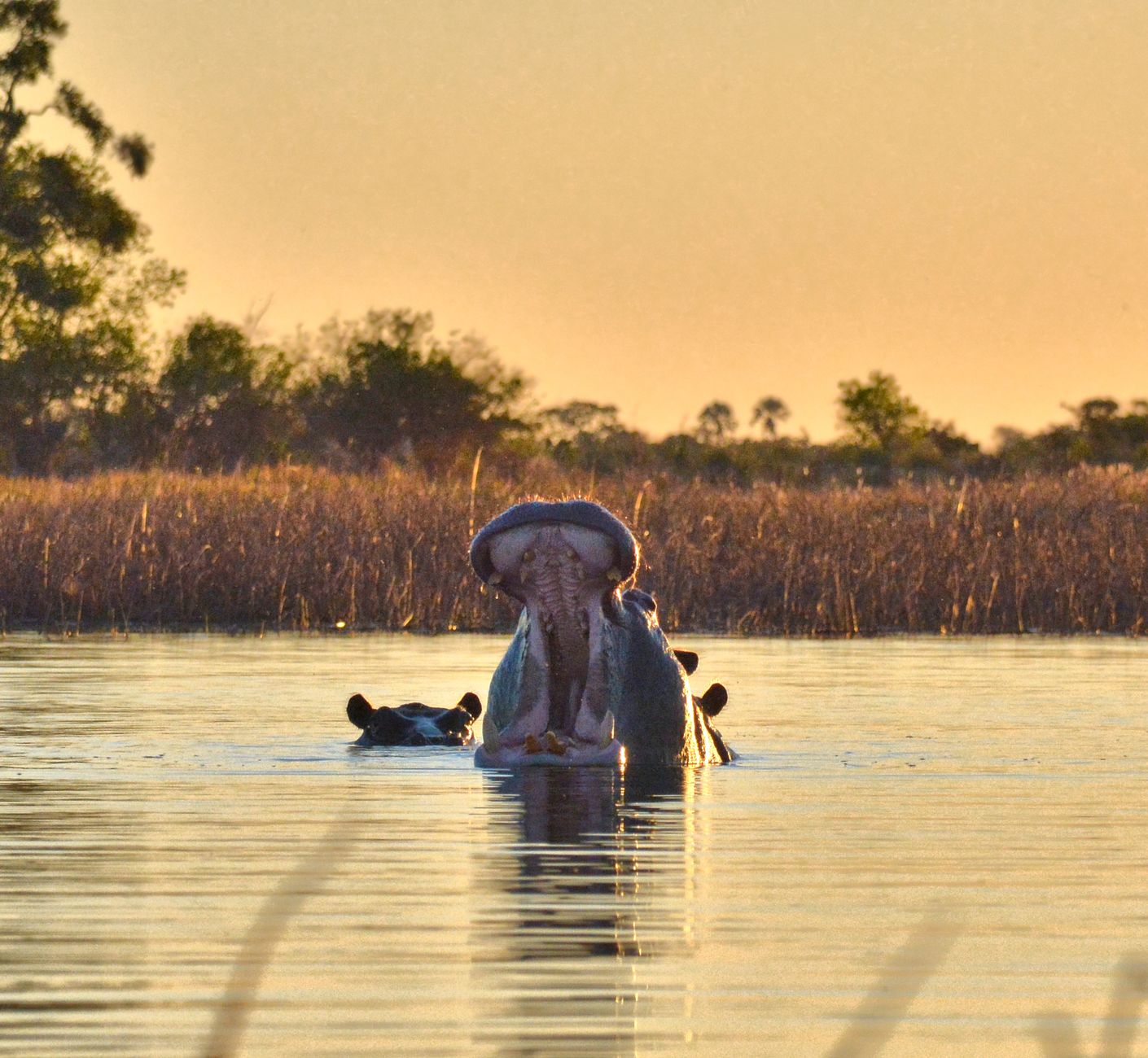
As you begin to research your 2027 safari, you'll quickly notice a pattern: Botswana often comes with a higher price tag than its neighbours. It's a common and valid question for travellers to ask: what makes a Botswana safari so expensive? The answer isn't about simple luxury, but a profound and deliberate choice by the nation to prioritise its pristine wilderness and the quality of the visitor experience.
This isn't just a holiday; it's an investment in one of the world's last great wild places. The cost reflects a philosophy of preservation that ensures the landscapes you explore remain untouched and the wildlife continues to thrive for generations to come. When you book a safari in Botswana, you are becoming a partner in conservation.
The “High Value, Low Volume” Tourism Model
At the heart of Botswana's safari pricing is its pioneering tourism policy: "High Value, Low Volume." Established decades ago, this forward-thinking strategy was designed to minimise the human footprint on its fragile ecosystems. Rather than aiming for mass tourism, the government chose to attract a smaller number of visitors who are willing to pay a premium for an exclusive and sustainable experience.
This model works by limiting the number of lodges and camps that can be built, and strictly controlling the number of beds and vehicles allowed in any given area. By doing so, Botswana avoids the crowded sightings common in other destinations. The immediate effect is a feeling of true wilderness and solitude. You can spend an hour watching a leopard in a tree without a dozen other vehicles jostling for position.
This exclusivity, however, comes at a cost. With a finite number of rooms available, especially during the popular seasons from February through July, supply and demand naturally drive up the price. The fees and leases for operating in these pristine, protected areas are also significant, and a large portion of this revenue is channelled directly back into conservation and community development projects.
What Makes a Botswana Safari So Expensive? Breaking Down the Costs
The sticker price of a safari is a comprehensive figure that bundles together numerous complex and costly operational components. Unlike a typical city break, running a remote safari camp is a masterclass in logistics. Everything, from the bed linen to the chef's ingredients, must be transported into the wilderness, often by air.
Here are some of the key factors that contribute to the overall cost:
- Remote Logistics: Most of Botswana's premier safari areas, like the inner reaches of the Okavango Delta, are inaccessible by road. This means all guests, staff, and supplies are flown in via small light aircraft. These charter flights are an essential and significant part of the expense.
- All-Inclusive Operations: The nightly rate at a lodge is almost always all-inclusive. This covers not just your luxury accommodation but also expertly guided game drives, walking safaris or mokoro excursions, park fees, conservation levies, all meals, and all drinks. It’s a seamless experience with no hidden costs.
- Sustainable Infrastructure: Lodges must be entirely self-sufficient. They generate their own power (increasingly through solar farms), manage their own water purification, and have sophisticated waste management systems to ensure they leave no trace. This eco-friendly infrastructure is expensive to build and maintain.
- Expert Guiding and Staffing: Botswana's guides are among the best in Africa, undergoing rigorous training and qualification processes. A top-tier guide dramatically enhances your safari. Furthermore, camps have high staff-to-guest ratios to ensure impeccable service, from the mechanics who keep the 4x4s running to the chefs who prepare gourmet meals miles from anywhere.
The Price of Pristine Wilderness: Location, Location, Location
Nowhere is the value proposition of a Botswana safari more evident than in its legendary locations. The country protects some of the most wildlife-rich and unique ecosystems on the planet, and gaining access to them is a privilege. The majority of top-tier camps are situated in vast, private concessions that border or lie within the national parks.
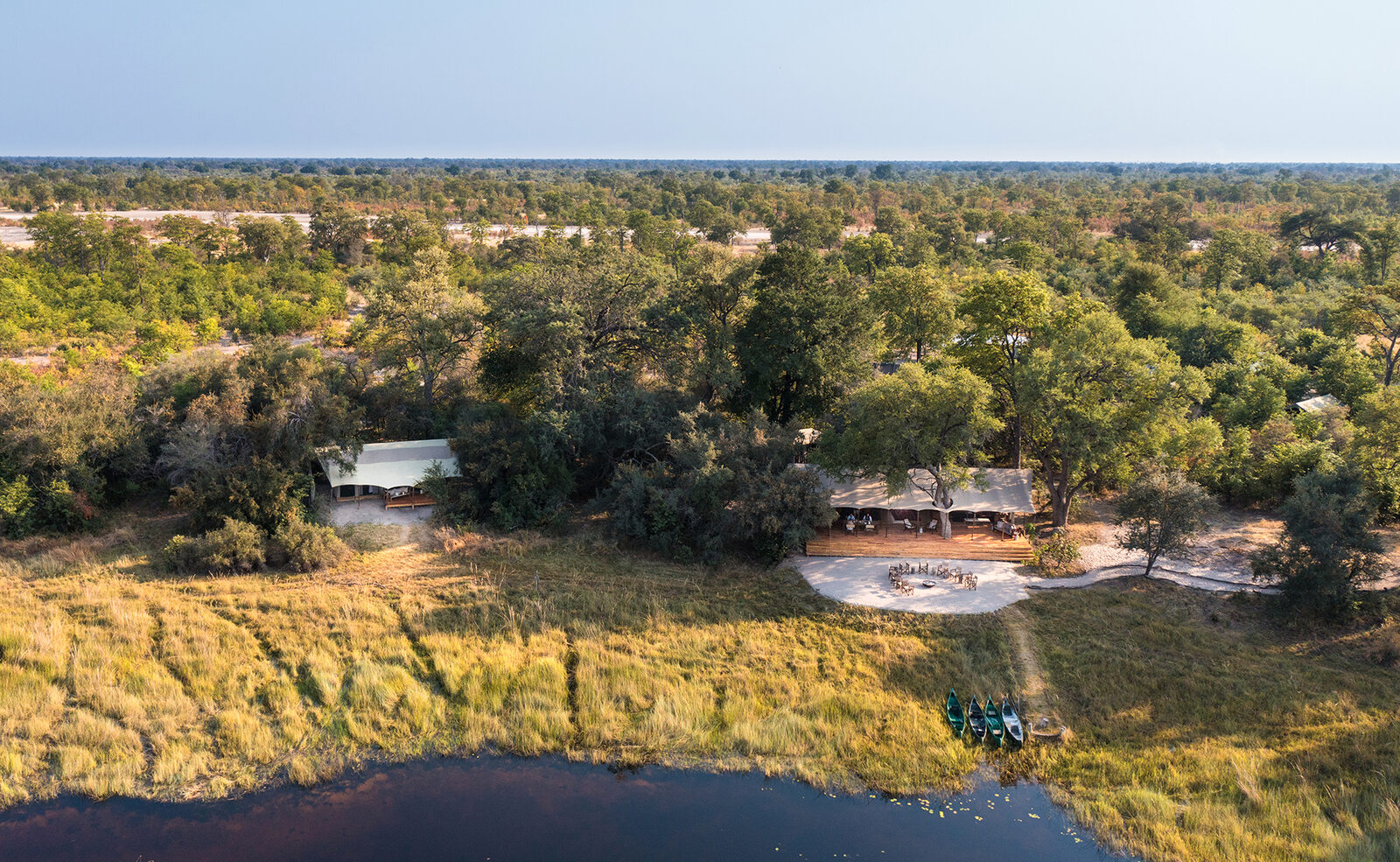
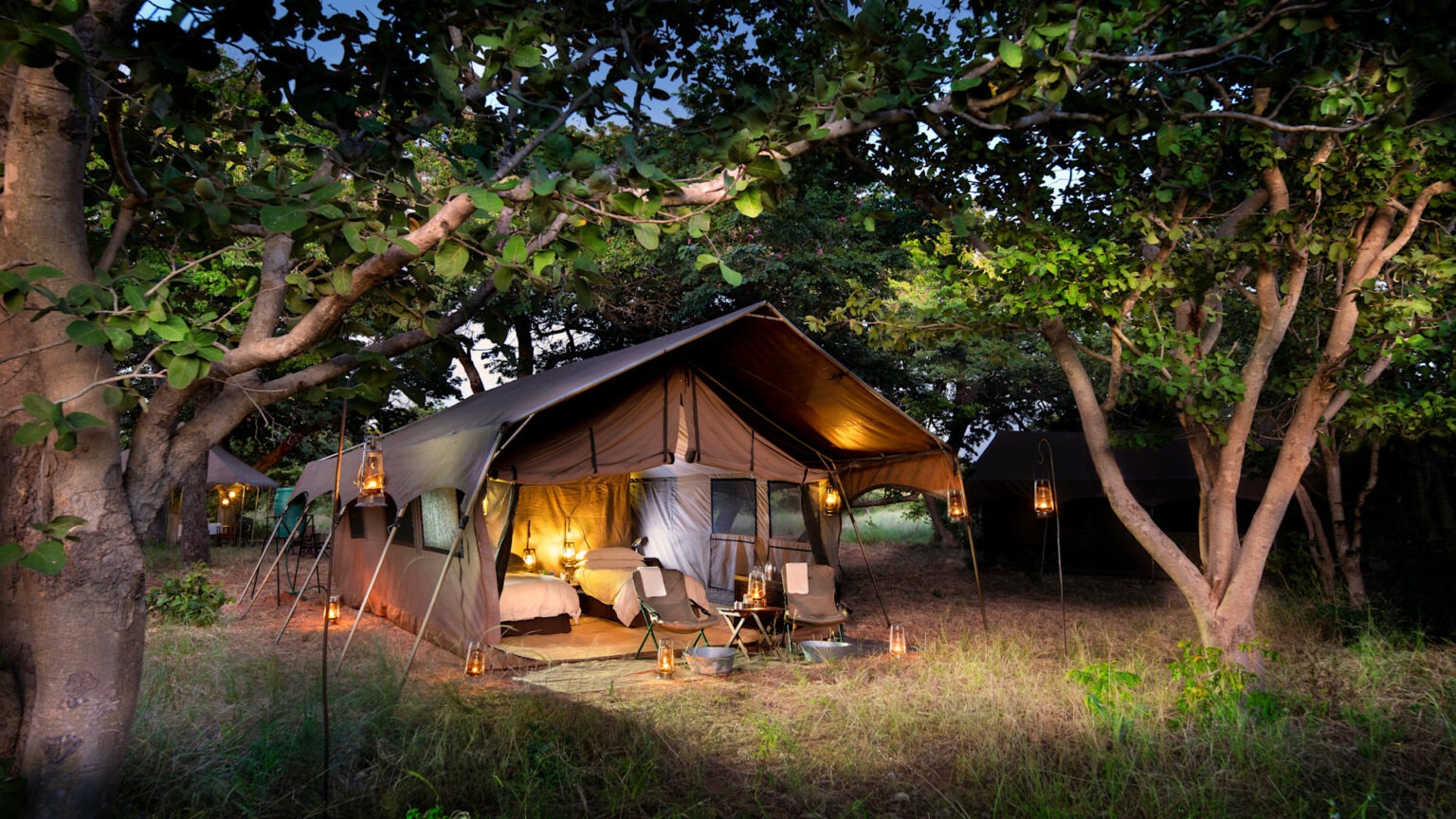
These concessions grant operators exclusive access to huge tracts of land. This means only guests of the few small camps in that concession, such as the intimate Linyanti Bush Camp in the game-rich Linyanti region, can traverse the area. This ensures an utterly private safari, allowing for activities not permitted in national parks, like night drives and guided bush walks.
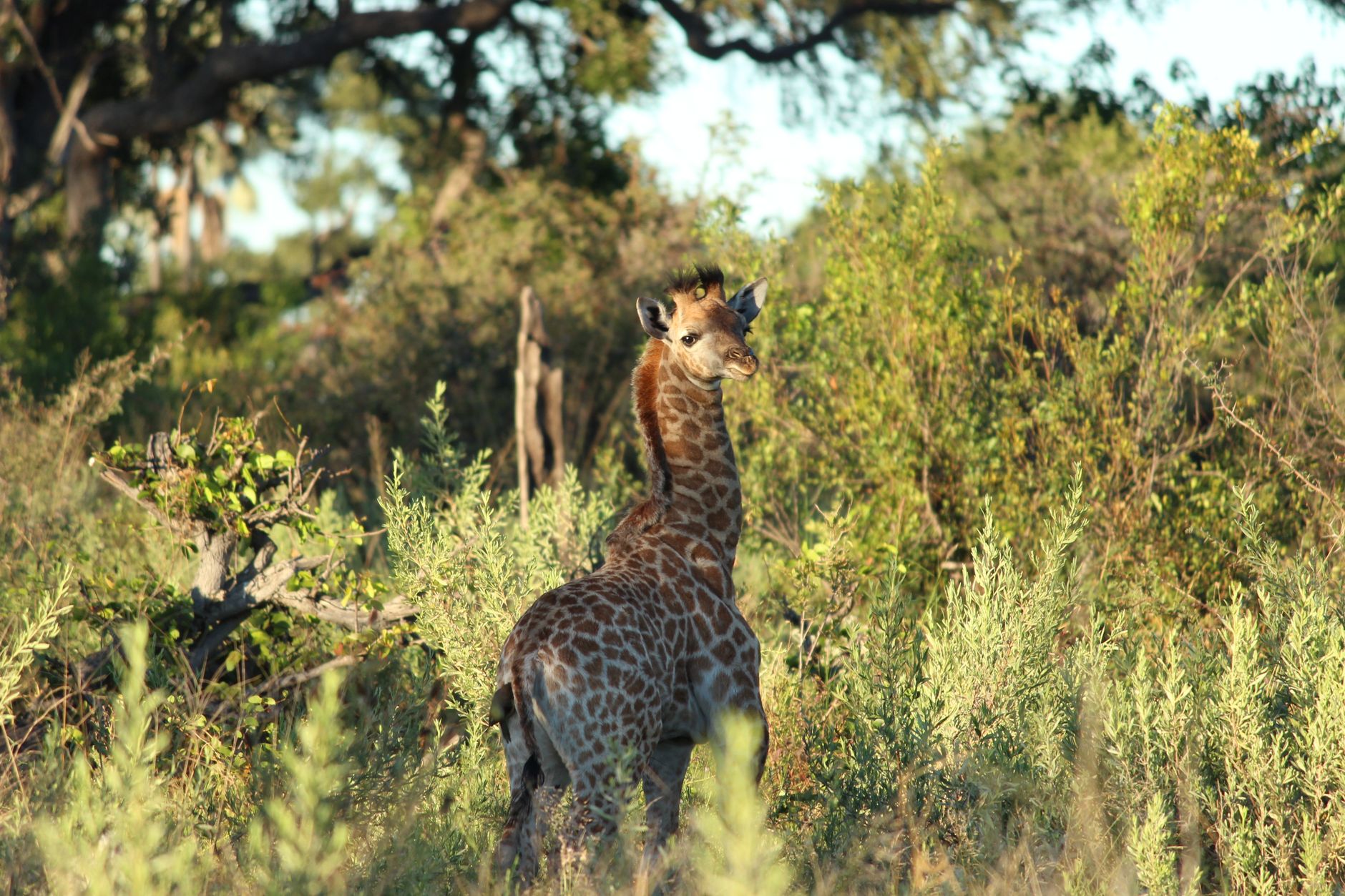
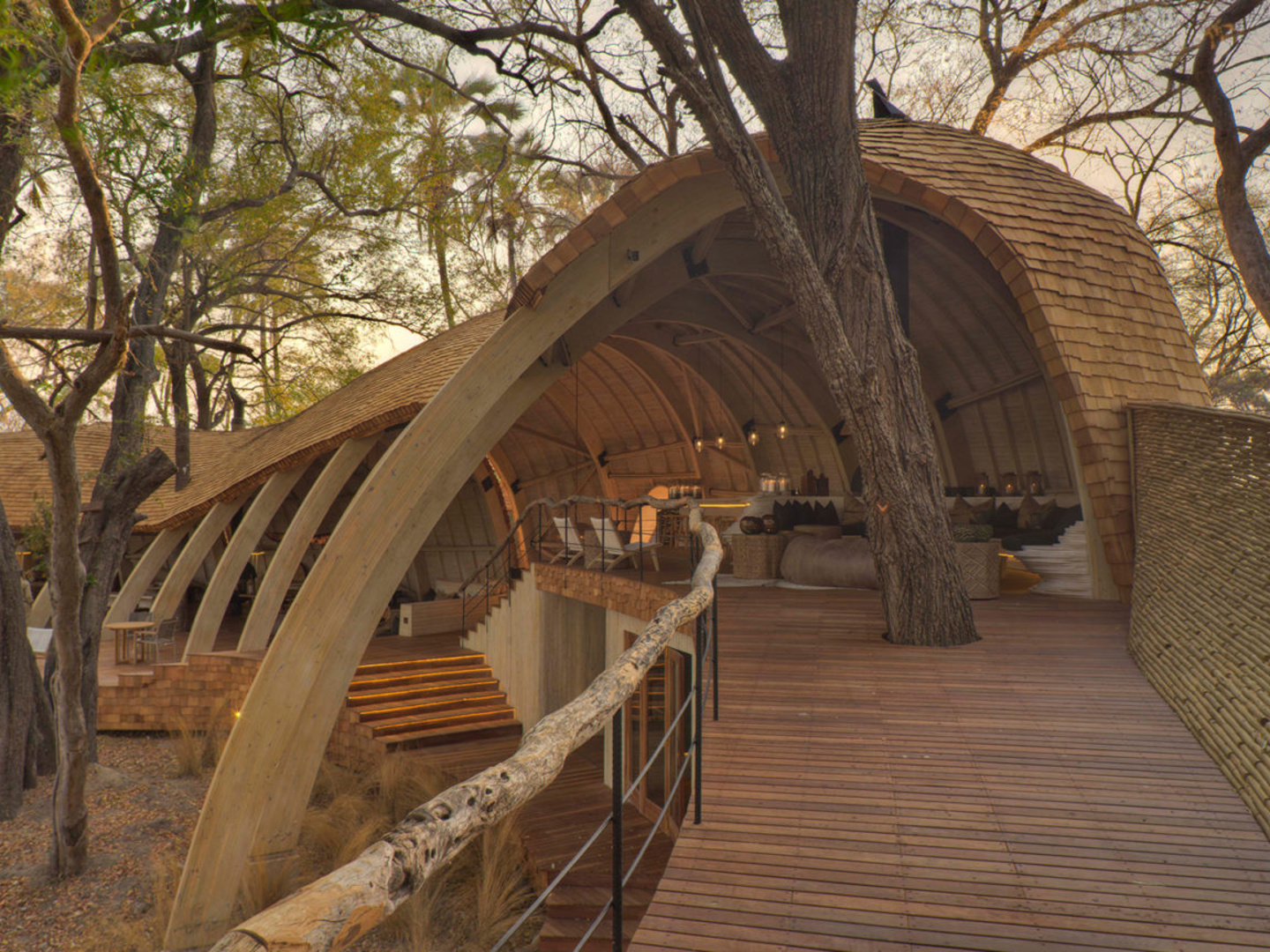
Camps like the architecturally stunning &Beyond Sandibe Okavango Safari Lodge are destinations in themselves, blending high design with a deep connection to their wild surroundings. The cost to lease, build, and operate sustainably in such sensitive and remote environments is immense, but the result is an unparalleled immersion in nature.
The Return on Your Investment: Experiences That Last a Lifetime
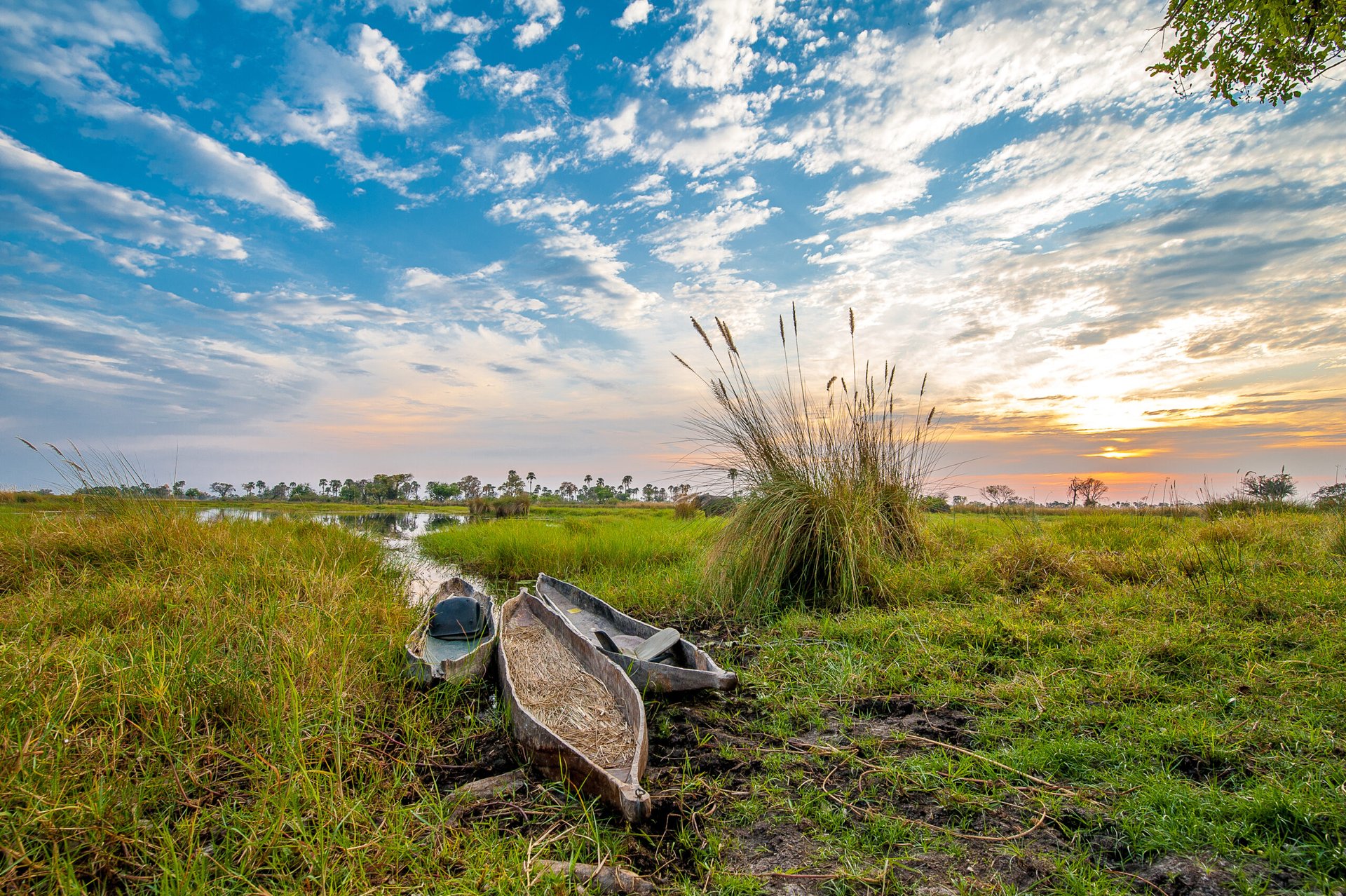
Ultimately, the price of a Botswana safari is a reflection of its quality. It's about paying for an experience that cannot be replicated. It’s the silence of the bush, broken only by the call of a fish eagle. It’s gliding silently through the reeds in a traditional mokoro, eye-level with the water. It’s the thrill of tracking lions on foot with an expert guide.
When you plan your trip for the coming year, whether it's for the lush, green season in February or the start of the flood's arrival in June, you are buying into an ethos. The cost ensures that the herd of elephants you’re watching is not stressed by human pressure, and that the local communities see a direct benefit from preserving that herd.
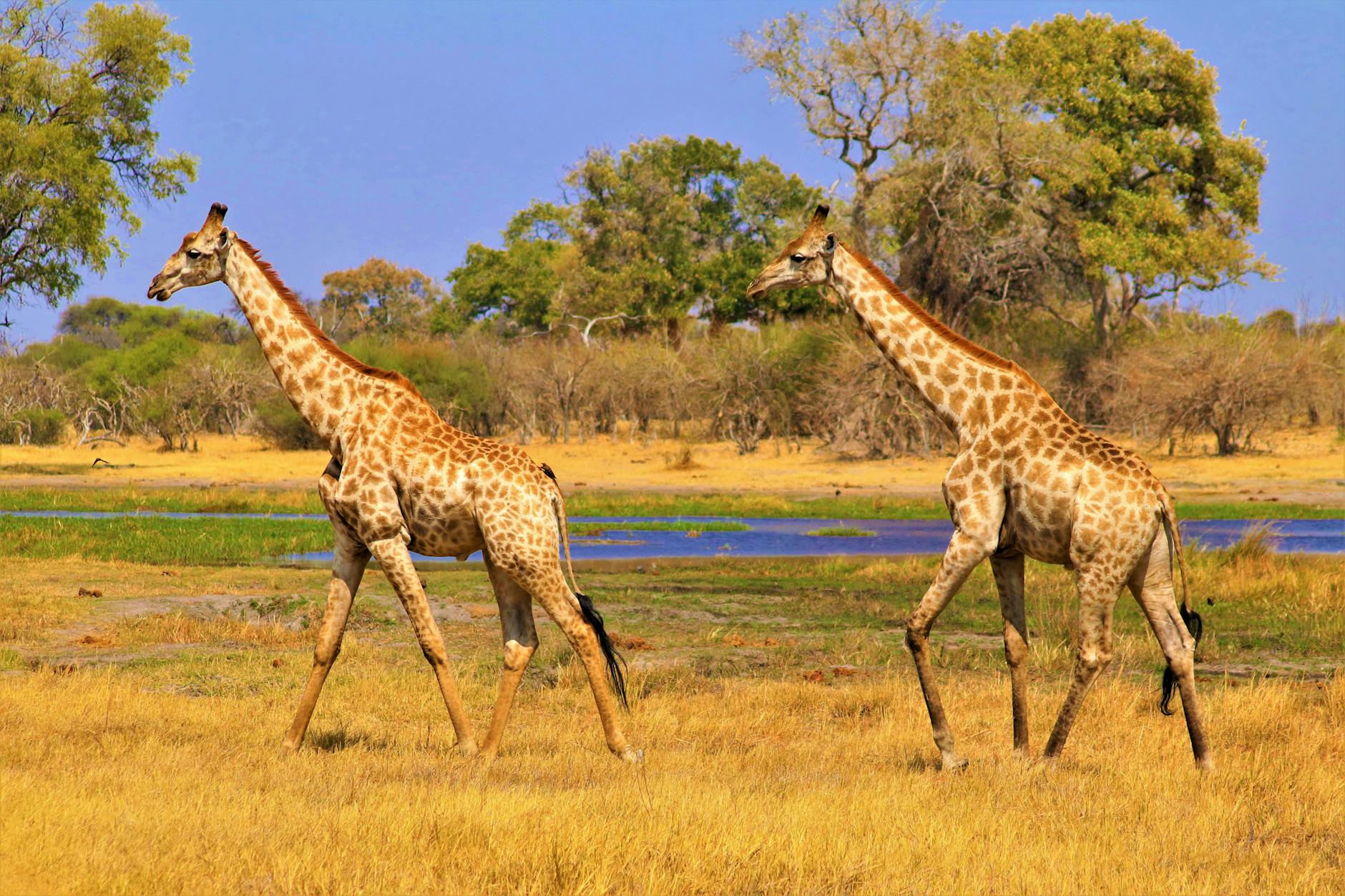
These are not fleeting moments. The memories of uncrowded, soul-stirring wildlife encounters in a truly wild place will stay with you forever. That deep connection is the true return on your investment.
So, when considering the question of 'what makes a Botswana safari so expensive', the answer lies in the value of what is being preserved. It is the cost of keeping the wilderness wild, of empowering local communities, of ensuring exclusivity and quality, and of delivering a safari experience that is, in a word, priceless.
Where to stay in Okavango Delta
Browse handpicked places to stay — many with live availability and instant booking.
 5(8)
Okavango Explorers Camp
Selinda Reserve, Okavango Delta, Botswana
 0(0)
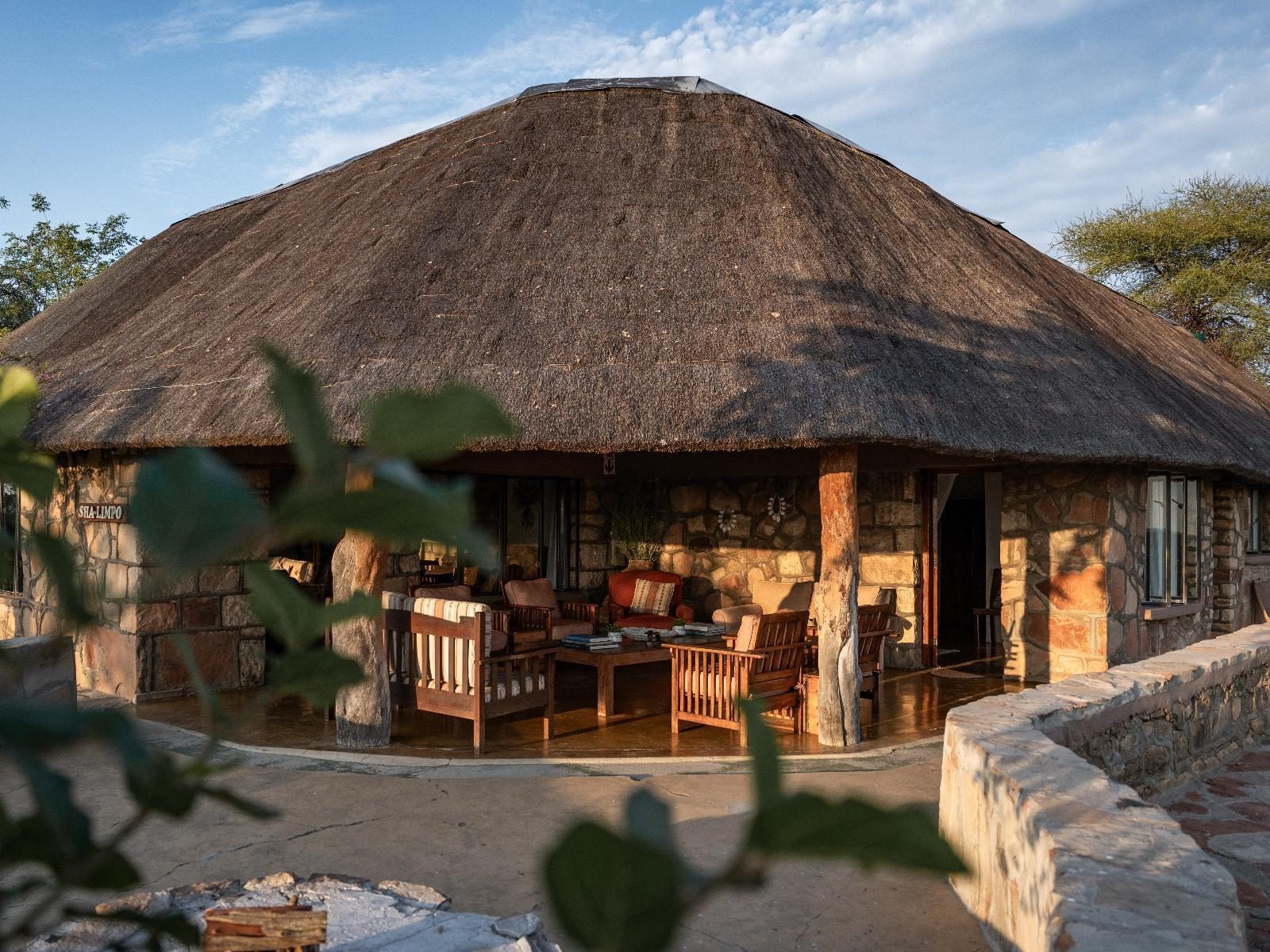
Shalimpo Safari Home
Northern Tuli Game Reserve, Botswana
 4.8(38)
Oddballs' Camp
Okavango Delta, Botswana
 4.8(61)
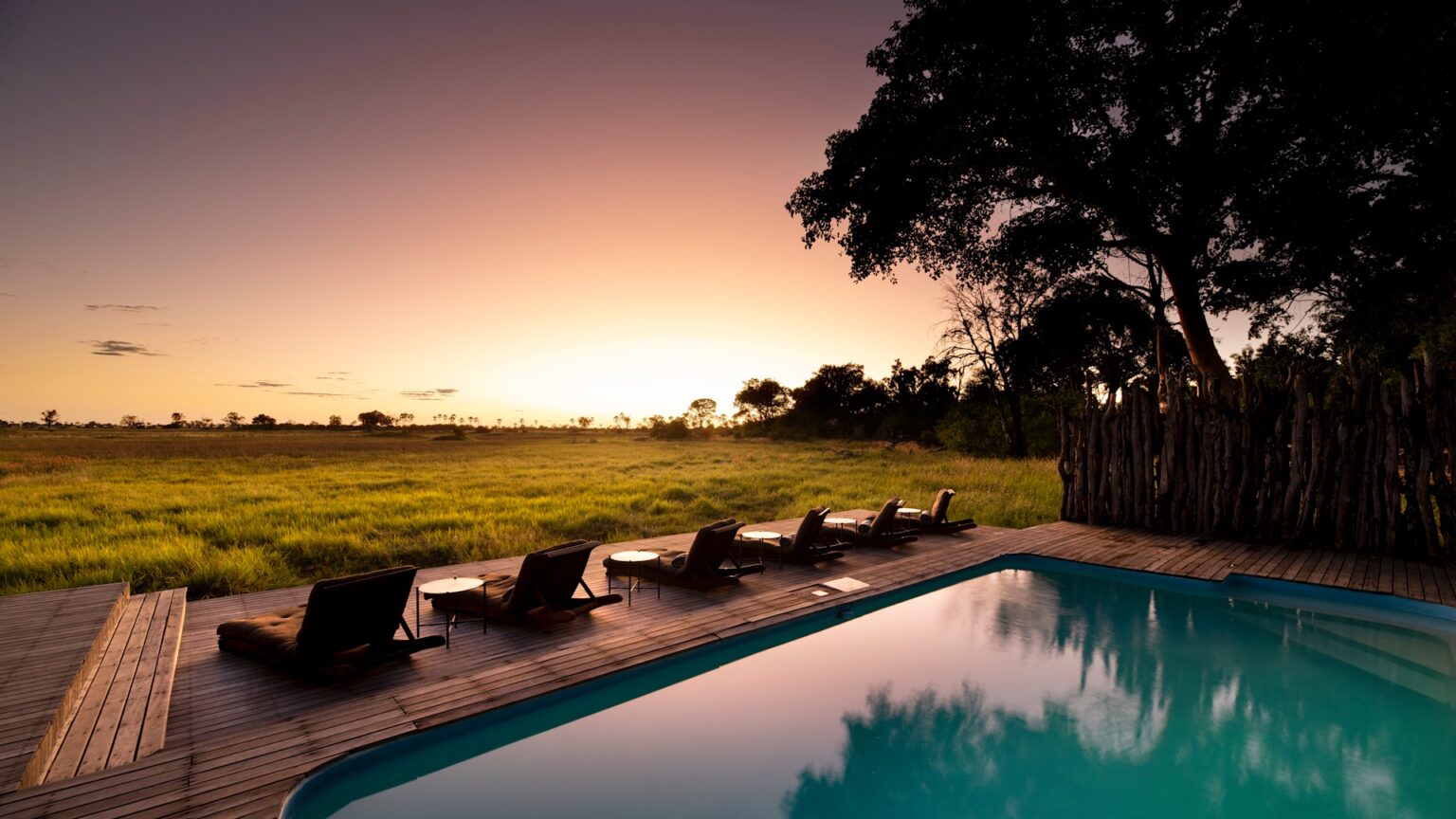
&Beyond Nxabega Okavango Tented Camp
Okavango Delta, Botswana
 4.7(70)
&Beyond Sandibe Okavango Safari Lodge
Okavango Delta, Botswana
 5(3)
&Beyond Chobe Under Canvas
Chobe National Park, Botswana
Let us plan this trip for you
Send us your dates, party and budget and we'll come back with a costed itinerary — lodges, flights, transfers and activities in one place. No fee, no obligation.
Keep reading

See our safari advice first on Google
One tap tells Google you want Safari Stays shown higher when you search for safari and travel news. It takes a second and you can undo it anytime.
Make Safari Stays a preferred source on Google