How Many Nights in Okavango Delta? An Expert Guide

Few landscapes capture the imagination quite like Botswana's great inland sea. Determining how many nights in Okavango Delta to include in your itinerary is often the pivotal question when designing an unforgettable journey. Because the Delta shifts continuously with the arrival of distant mountain waters, its rhythm demands unhurried attention rather than a hurried tick-box excursion.
Travellers planning their 2027 departures between March and August are already considering how to balance travel logistics, camp transitions, and precious field hours. The landscape unfolds across thousands of square kilometres of shimmering floodplains, palm islands, and riverine woodlands, each offering distinct wildlife encounters. Giving yourself adequate time ensures you experience both the heart-stopping adrenaline of predator action and the tranquil meditation of an afternoon on the water.
The Short Answer: Minimum vs. Ideal Duration
If you are pressed for time, three nights represents the absolute bare minimum for any visit to the Delta. Light aircraft transfers between bush airstrips dictate arrivals in the early afternoon and departures by late morning. Spending only two nights leaves you with just one full day on safari, which offers very little buffer should animal movements or sudden weather shifts alter your plans.
For a deeply rewarding safari, four to six nights is the ideal sweet spot. A stay of this length allows you to adapt to the early dawn wake-up calls, sink into the slower pace of the bush, and absorb the nuanced behaviours of resident wildlife. It also creates space to combine different concession ecosystems without feeling as though you are living out of a duffel bag.
Beyond six nights, the experience shifts from an introductory overview to an immersive natural history exploration. With a week or more dedicated to the wider northern Botswana circuit, you can explore contrasting habitats across the Okavango Delta and adjacent wilderness corridors without rushing between sightings.
How Many Nights in Okavango Delta for Different Travel Styles?
Because every traveller carries distinct priorities, there is no single template for the perfect schedule. Choosing how many nights in Okavango Delta fits your vision depends largely on your wildlife goals, photographic ambitions, and overall travel cadence.
The First-Time Safari: 3 to 4 Nights
For those embarking on their first African safari, three or four nights at a classic mixed-activity camp provides an unforgettable introduction. You will enjoy morning and evening game drives, venture out along gentle papyrus channels in a traditional mokoro canoe, and witness iconic wildlife against glowing floodplains. Choosing a single, diverse base ensures you spend maximum hours watching wildlife rather than packing bags for internal air transfers.
The Balanced Wilderness Explorer: 5 to 6 Nights
A five- to six-night itinerary allows you to divide your time between two distinct private concessions. By splitting your stay, you might spend three nights in an area famed for intense lion and wild dog activity, followed by two or three nights in a permanent water camp surrounded by open lagoons. This format delivers a comprehensive view of the Delta's dual identities without introducing unnecessary fatigue.
The Passionate Photographer or Birder: 7 or More Nights
Photographers and avid birdwatchers require patience, good light, and repeat visits to productive locations. Spending seven to nine nights—perhaps split between three specialised camps—grants the flexibility needed to wait out elusive predator interactions or track rare avian species such as Pel's fishing owl and the slaty egret. Longer stays also foster a richer connection with your private guide, who can tailor daily schedules around lighting conditions and individual animal territories.
Water Camp vs. Land Camp: Why Splitting Your Nights Matters
Understanding the ecological divide of the Delta is crucial when deciding your length of stay. The region is not a uniform swamp, but a dynamic patchwork of permanently flooded channels, seasonal floodplains, and dry mopane and acacia woodlands. Lodges generally fall into three operational categories:
- Permanent Water Camps: Situated deep in the northern and western channels, these camps prioritise boat excursions, walking safaris, and mokoro glides through clear waterways.
- Predator-Dense Land Camps: Located on drier tongues of land or outer fringes, these properties focus heavily on four-wheel-drive game drives, tracking big cats across vast savannahs.
- Mixed-Activity Camps: Properties built along boundary channels that provide a combination of water-based and land-based activities depending on seasonal flood levels.
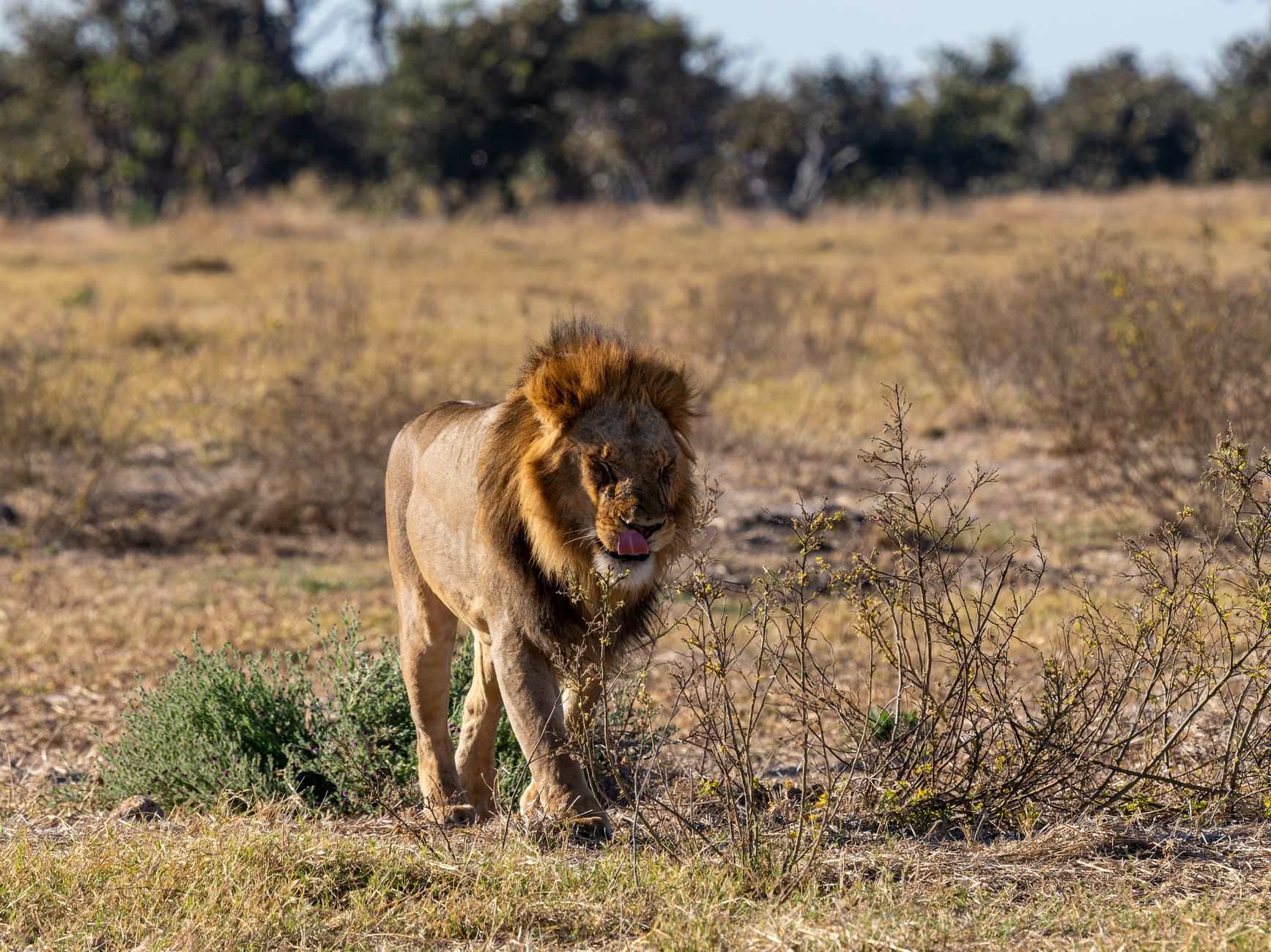
To fully appreciate this diversity, pairing two contrasting lodges is highly recommended. For instance, staying at Sitatunga Private Island immerses you in a waterborne paradise where boating safari routes uncover shy aquatic antelope like the sitatunga. In contrast, moving onward to the game-rich plains surrounding Duba Plains Camp exposes you to epic lion prides and sprawling herds of Cape buffalo traversing open plains.
Splitting four or six nights between two such properties turns an ordinary holiday into an expansive ecological journey. It prevents repetitive game drives and gives you front-row access to both terrestrial dominance and aquatic grace.

Seasonality and Pacing: Planning for 2027
When preparing for a visit between March and August 2027, the calendar dictates how water moves through the Delta. The rains that fall in the Angolan highlands during summer take months to trickle down into northern Botswana, meaning the dry winter months coincide with peak flood levels.
March to May: The Green Transition
The early months of the safari season showcase lush emerald grasses, newborn impala, and crystal-clear skies. Wildlife is dispersed, demanding thoughtful tracking, but migratory birdlife is exceptional and safari traffic is blissfully quiet. Four nights at an exclusive private concession like &Beyond Sandibe Okavango Safari Lodge during this period offers serene drives and dramatic, cinematic backdrops.
June to August: Peak Inundation and Dry Winter
As mid-year approaches, the floodwaters reach their maximum extent across the interior channels, while surrounding land dries out under cloudless skies. Thirsty herbivores gather along the flood lines, drawing apex predators into close proximity. If you plan to travel during these coveted months, five or six nights allows you to fully experience the arrival of the floodwaters alongside dry-season game viewing.
Because this window is in high demand globally, reserving flights and preferred lodges well in advance for 2027 ensures you secure properties that align with your desired balance of land and water excursions.
Beyond the Delta: Expanding Your Northern Circuit
While the Delta sits at the core of Botswana's appeal, it pairs effortlessly with neighbouring ecosystems. If you allocate four nights to the Delta itself, consider extending your itinerary by three or four nights into adjacent reserves to create a rounded regional narrative.
To the east, the game-dense riverfront of Moremi Game Reserve delivers classical woodland scenery and dense leopard populations. Further north, the woodlands and marshes of the Linyanti region offer dramatic contrast, celebrated for dry-season elephant gatherings and endangered African wild dogs. Integrating two nights in the Delta with two nights at Okavango Explorers Camp on the Selinda Spillway weaves multiple ecosystems into a seamless circuit.

When deciding how many nights in Okavango Delta will suit your safari best, remember that the bush rewards patience above all else. Rushing through this wilderness risks turning an extraordinary natural phenomenon into a blurred series of airstrips and luggage transfers. By dedicating at least four to six nights to this aquatic sanctuary, you ensure that every sunrise boat drift, heart-pounding predator trail, and tranquil starlit evening has room to settle deeply into memory.
Where to stay in Okavango Delta
Browse handpicked places to stay — many with live availability and instant booking.
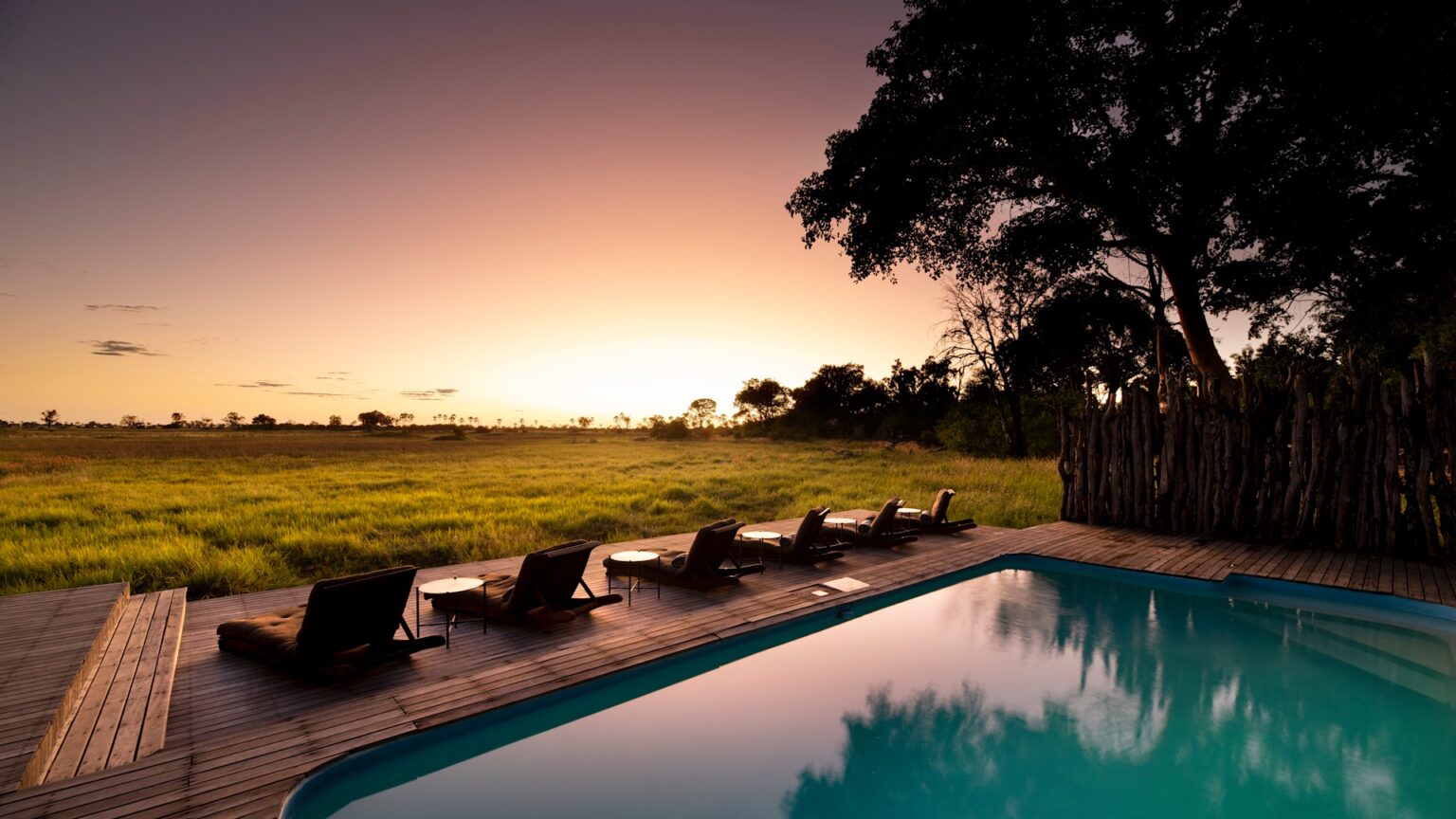 4.8(61)
&Beyond Nxabega Okavango Tented Camp
Okavango Delta, Botswana
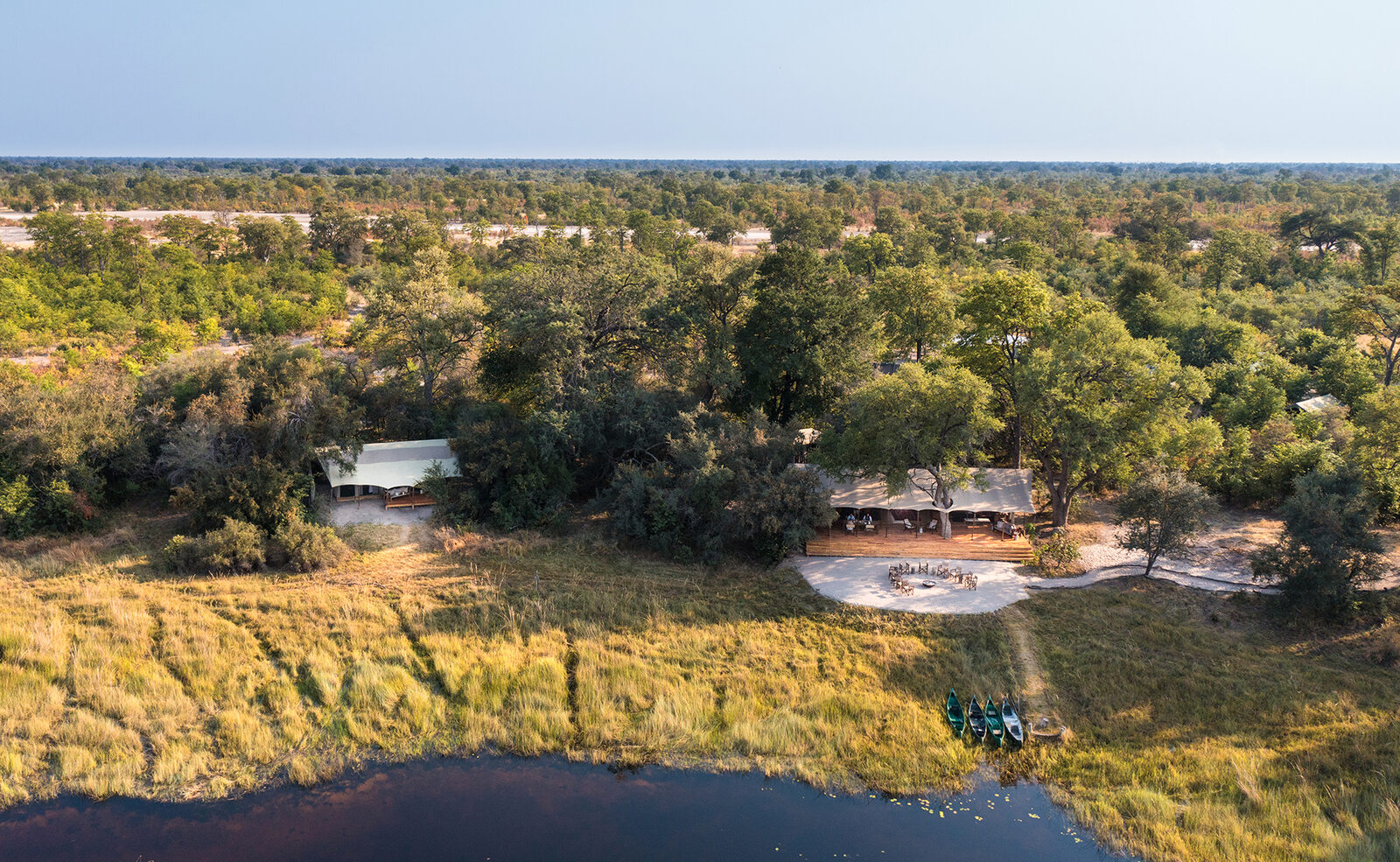 5(8)
Okavango Explorers Camp
Selinda Reserve, Okavango Delta, Botswana
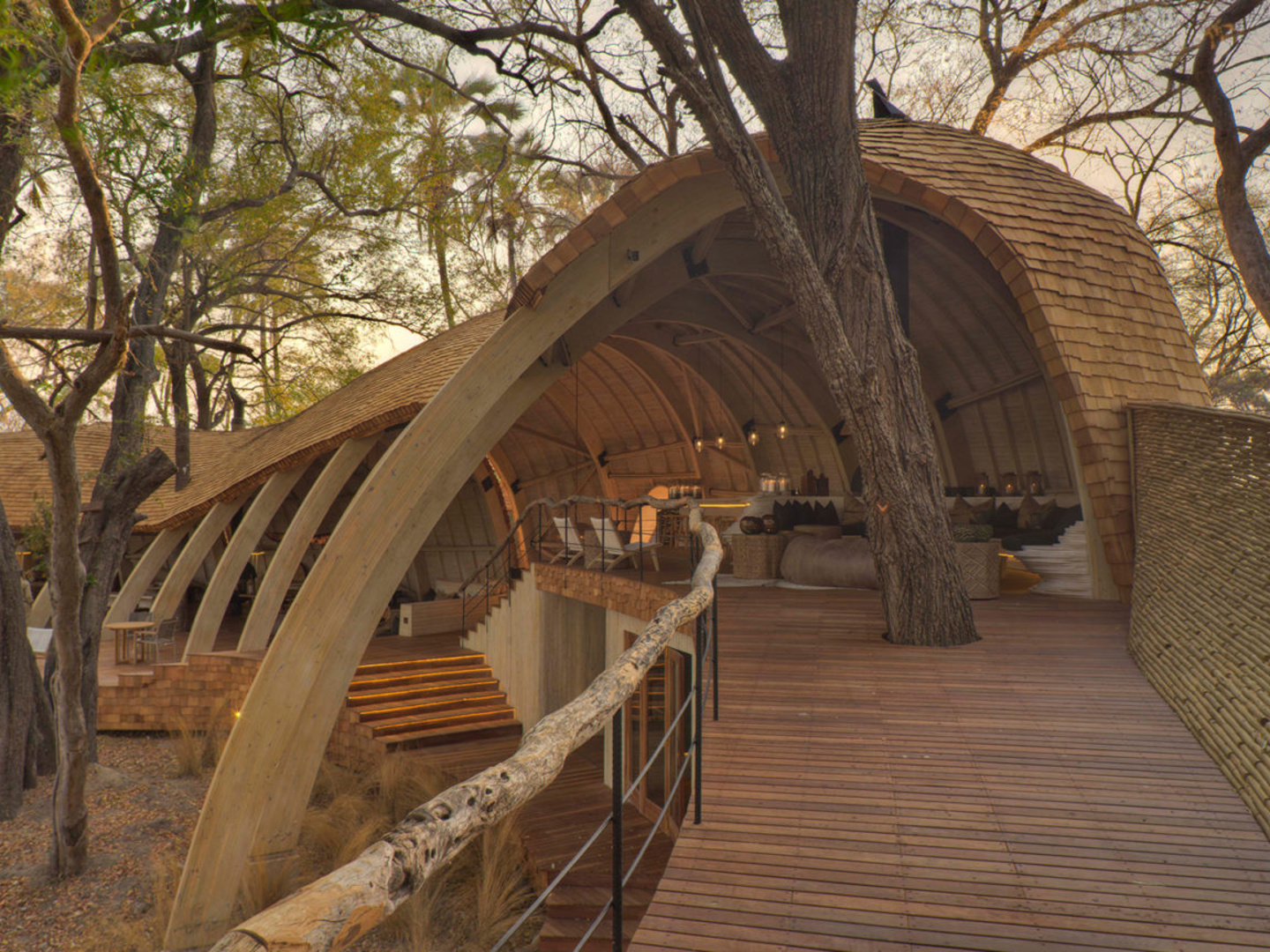 4.7(70)
&Beyond Sandibe Okavango Safari Lodge
Okavango Delta, Botswana
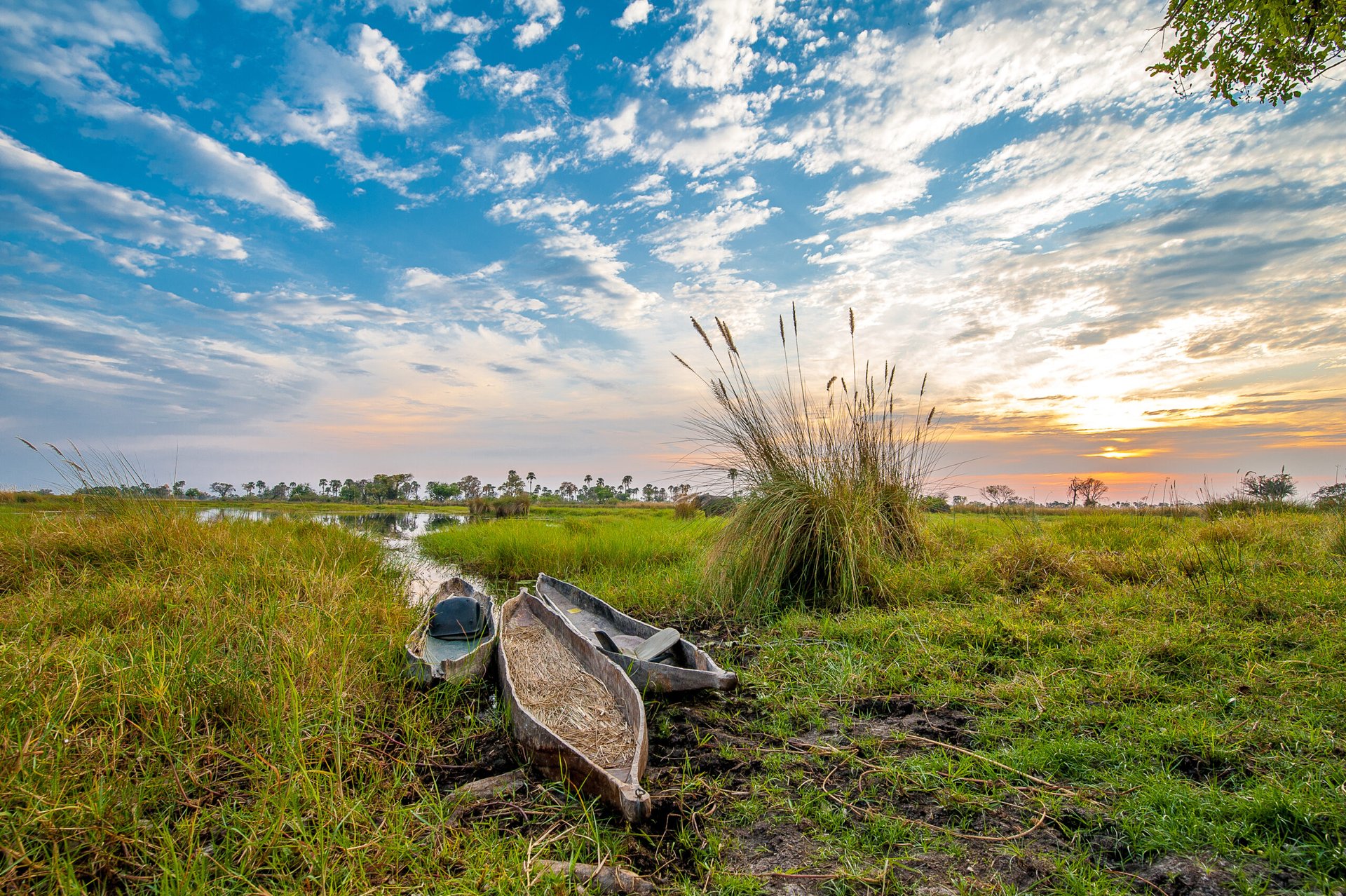 4.8(38)
Oddballs' Camp
Okavango Delta, Botswana
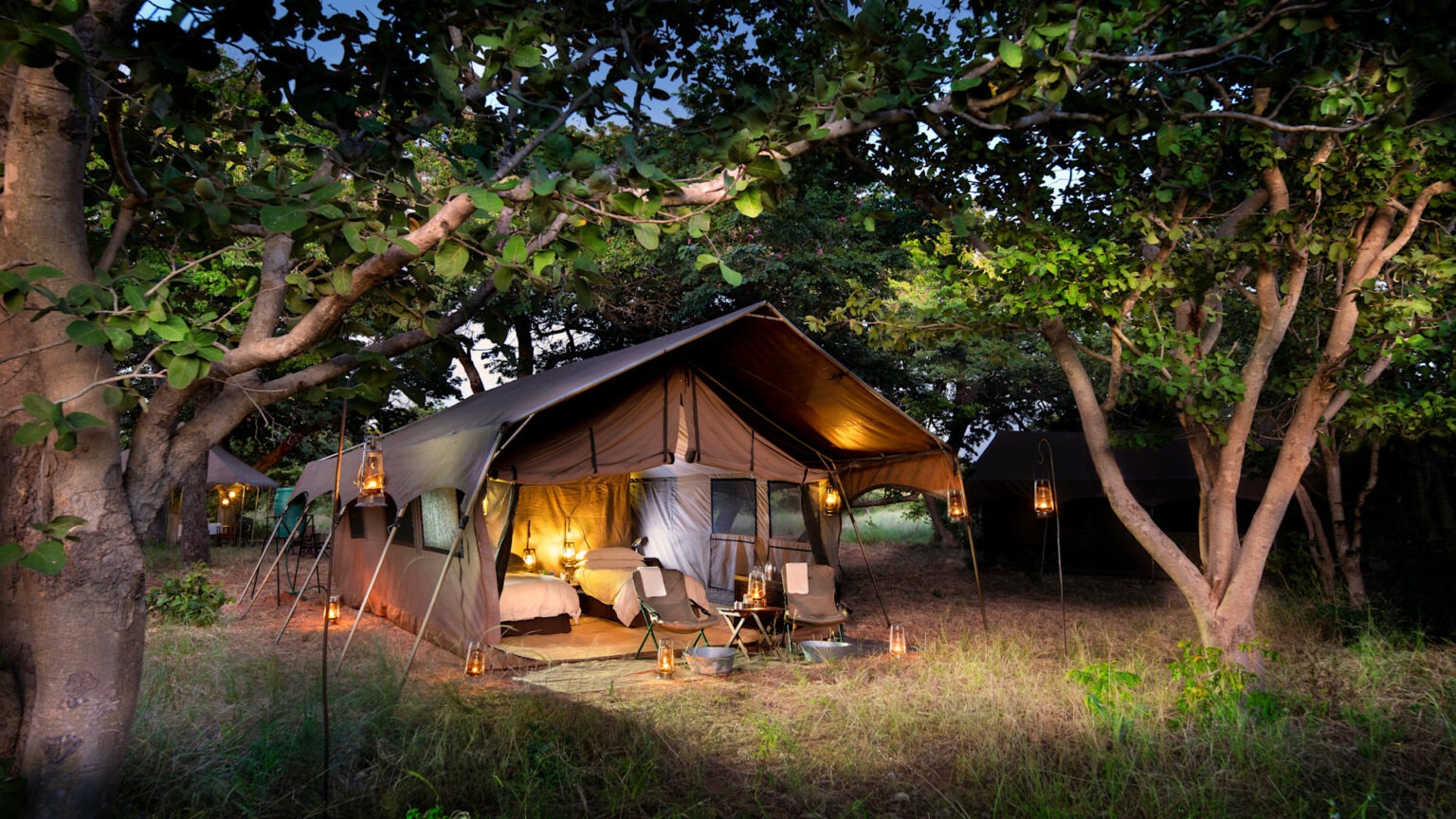 5(3)
&Beyond Chobe Under Canvas
Chobe National Park, Botswana
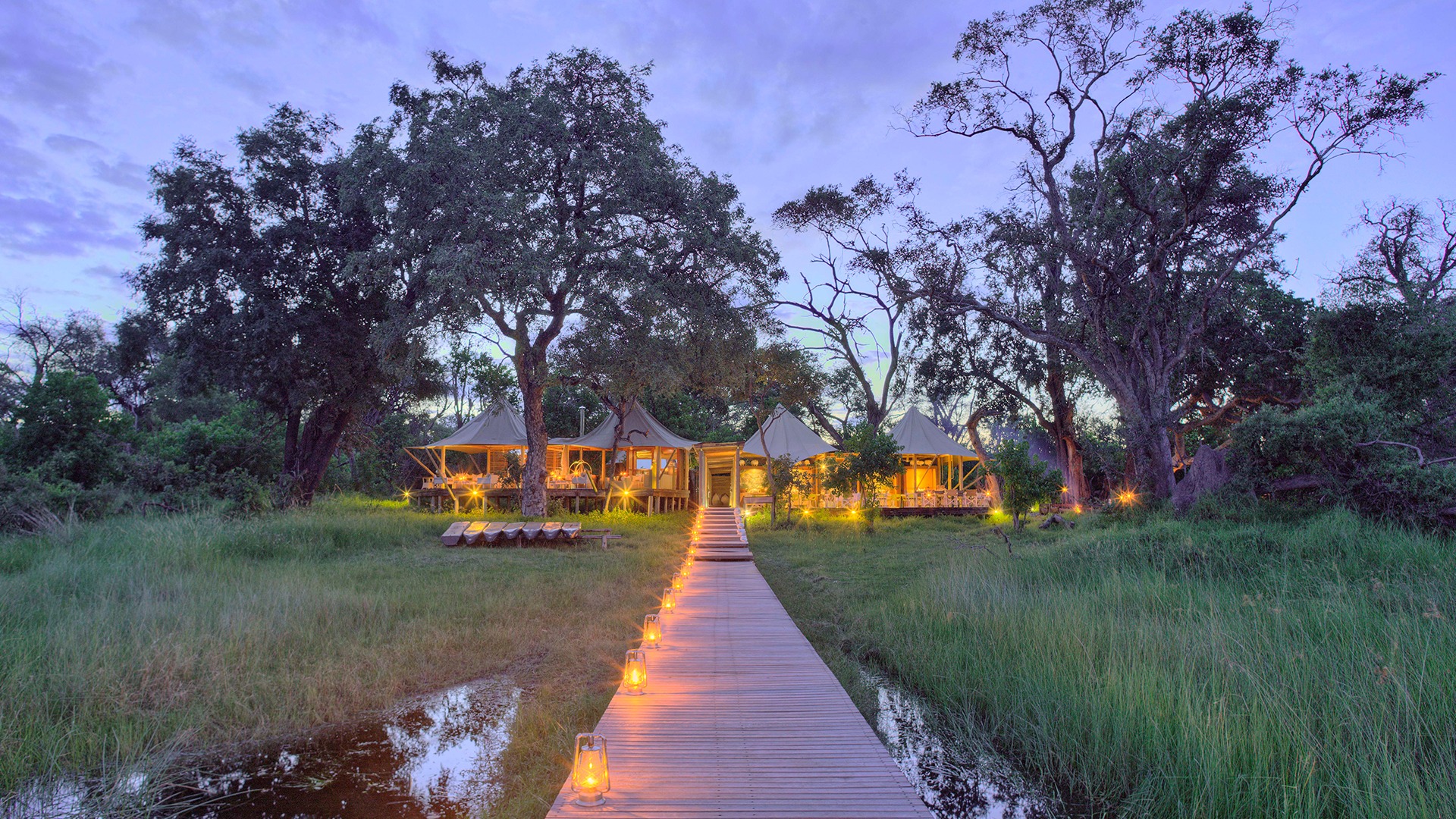 4.6(53)
&Beyond Xaranna Okavango Delta Camp
Okavango Delta, Botswana
Let us plan this trip for you
Send us your dates, party and budget and we'll come back with a costed itinerary — lodges, flights, transfers and activities in one place. No fee, no obligation.
Keep reading
See our safari advice first on Google
One tap tells Google you want Safari Stays shown higher when you search for safari and travel news. It takes a second and you can undo it anytime.
Make Safari Stays a preferred source on Google