Private Concession vs National Park Botswana
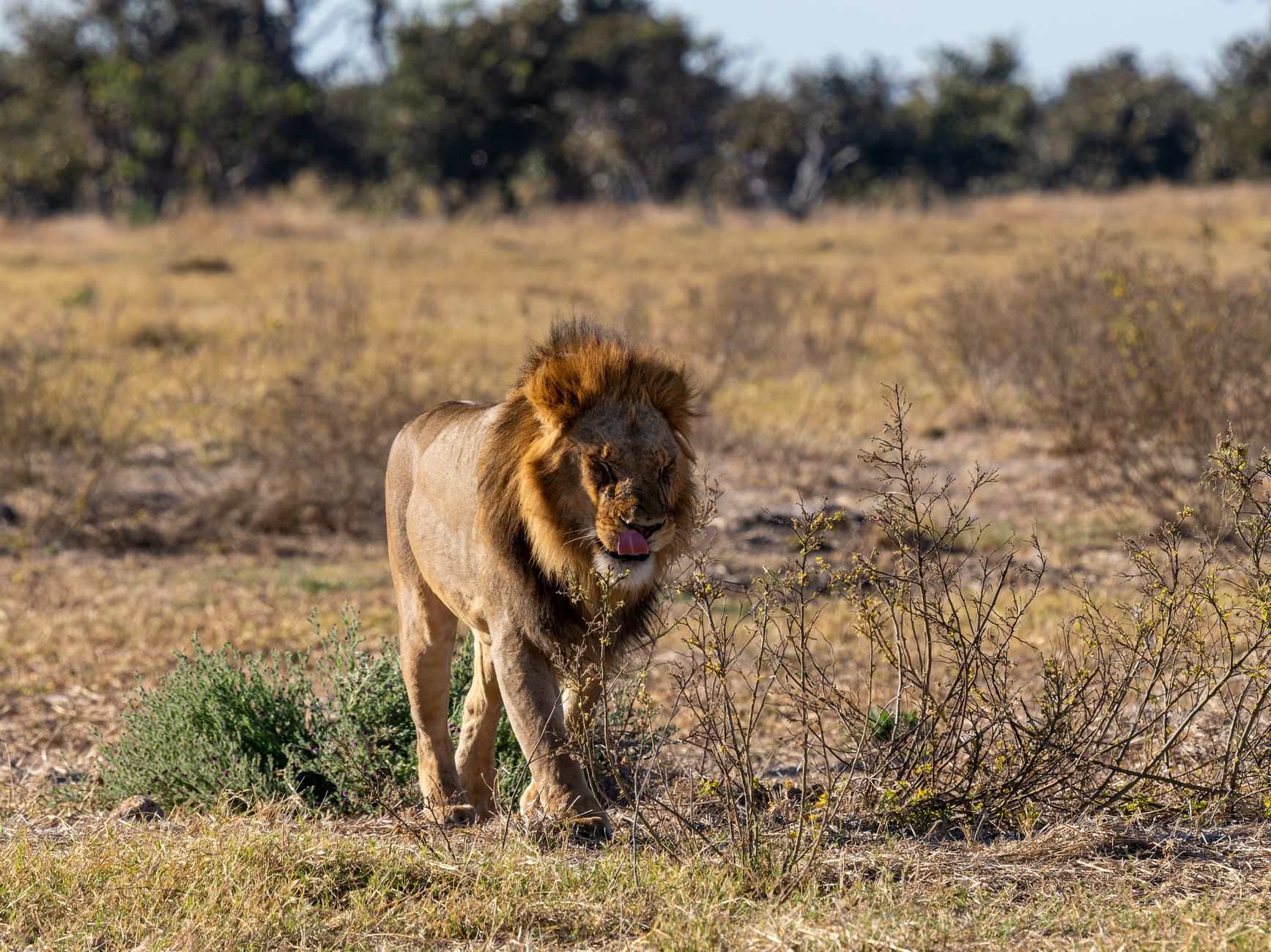
As you begin mapping out your safari for the 2027 season, one fundamental question will define how your days in the bush unfold: should you stay within a state-protected reserve or a private concession? Evaluating a private concession vs national park botswana safari comes down to how you wish to experience wildlife, the degree of exclusivity you crave, and the daily safari activities permitted on the ground.
Both models protect vital swathes of southern African wilderness, yet they deliver distinctly different rhythms in the field. Understanding these differences well before the cool, clear winter skies arrive in mid-2027 ensures you choose the landscape and camp style that best match your expectations.
Understanding Botswana's National Parks and Reserves
National parks and game reserves, such as the renowned Chobe National Park and the wildlife-rich reserve of Moremi, are state-managed conservation territories. These reserves belong to the nation, established to preserve core habitats while welcoming self-drivers, mobile operators, and day visitors alongside permanent lodge guests.
Because they serve the broader public, national parks operate under strict conservation bylaws. Vehicles must remain strictly on designated roads to prevent soil erosion and fragile flora degradation. Game drives must also conclude strictly at sunset, meaning vehicles must return to camp or exit park gates before dusk settles.
These guidelines protect the environment, but they also influence wildlife encounters. If an elusive leopard settles fifty metres into deep acacia thickets, vehicles inside a national park must wait patiently from the graded track. For travellers who value classic safari landscapes and high wildlife densities—such as the massive elephant herds traversing the riverfront—staying inside the park at mobile sanctuaries like &Beyond Chobe Under Canvas provides front-row access to historic game corridors.
The World of Private Concessions
Private concessions offer an entirely distinct operational model. These vast, unfenced parcels of wilderness directly border or buffer the national parks, allowing animals to migrate freely without human borders. Leased from tribal land boards or local communities by conservation-focused lodge operators, concessions emphasize high-value, low-density ecotourism.
In a private concession, vehicle numbers are tightly capped. Often, a single camp or small collection of boutique lodges holds exclusive traversing rights over hundreds of thousands of acres. A handful of vehicles might share an expanse the size of a European city, ensuring you rarely, if ever, encounter another safari vehicle at a sighting.
Furthermore, the management rules within private concessions allow for tailored, flexible field activities. Professional guides can venture off-road to follow fresh predator tracks, track nomadic wild dog packs, or position your vehicle for dramatic sunset lighting without gate curfew deadlines.
Private Concession vs National Park Botswana: Core Differences
When weighing your options for the upcoming travel season, consider how the operational rules govern your hours in the wild. While wildlife moves across these unfenced borders regardless of designated legal titles, your permitted activities will vary significantly.
Here is how the on-the-ground safari experience differs:
- Off-Road Driving: Prohibited in national parks to preserve underlying root systems; permitted thoughtfully in private concessions to track major predators and rare wildlife sightings.
- Night Game Drives: Conclude at dusk in national parks; fully permitted in concessions, allowing spotlights to reveal nocturnal hunters such as leopards, servals, genets, and bushbabies.
- Walking Safaris: Generally restricted within national parks; led by specialized armed guides in concessions, giving you the chance to study tracks, botany, and micro-ecosystems on foot.
- Crowd Density: Sighting limits are hard to enforce on public park roads during peak dry months; concessions maintain strict vehicle limits—typically two to three vehicles per major sighting.
- Water Activities: Parks may have communal boat launches with public river traffic; concession waterways offer silent, private mokoro trails and private boat channels.
These operational liberties profoundly shape your day. Returning to camp well after dark under an ink-black sky, with the crisp Kalahari air signalling nightfall, remains one of the greatest privileges of staying in a private concession.

Balancing Exclusivity, Wilderness, and Budget
It is no secret that private concessions carry a premium tariff. Running an entirely self-sustained camp in remote backwaters requires private airstrips, complex solar energy systems, and dedicated concession fee contributions that directly support neighbouring rural communities. In regions like the Linyanti or deep across the floodplains of the Okavango Delta, remote sanctuaries like Selinda Camp and Duba Plains Camp deliver total wilderness immersion paired with meticulous hospitality.
In contrast, camps operating within national parks often deliver an extraordinary baseline wildlife experience at a relatively lower cost. For travellers organizing an extensive itinerary for June or July 2027, blending both options can be the most rewarding strategy. Starting with two nights on the lively waterways of a national park allows you to take in the sheer volume of general game, before flying into an exclusive private reserve for intimate predator tracking and walking safaris.
Such a combination provides deep historical perspective on how community land leases and state-run conservation initiatives work hand-in-hand to safeguard northern Botswana's natural heritage.

Preparing Your 2027 Safari Strategy
When planning your safari between the emerald shoulder season of March and the dry winter peak of August 2027, consider what moments you value most. Photographers seeking uninterrupted camera angles and low-angle vehicle positioning will invariably favour private leases. Families travelling with small children might find the flexible hours and private camp leases of private reserves better suited to their unhurried tempo.
Resolving the choice between a private concession vs national park botswana comes down to finding the balance between classic big-game drama and intimate bush solitude. By pairing the public riverbanks of state parks with the boundless freedom of private concessions, you secure a comprehensive, rich narrative of this timeless wilderness.
Whether you select an off-grid river camp inside a historic reserve or an intimate tented hideaway deep within a private reserve, securing your preferred 2027 camps well in advance ensures your journey into the wild unfolds seamlessly.
Where to stay in Okavango Delta
Browse handpicked places to stay — many with live availability and instant booking.
 5(3)
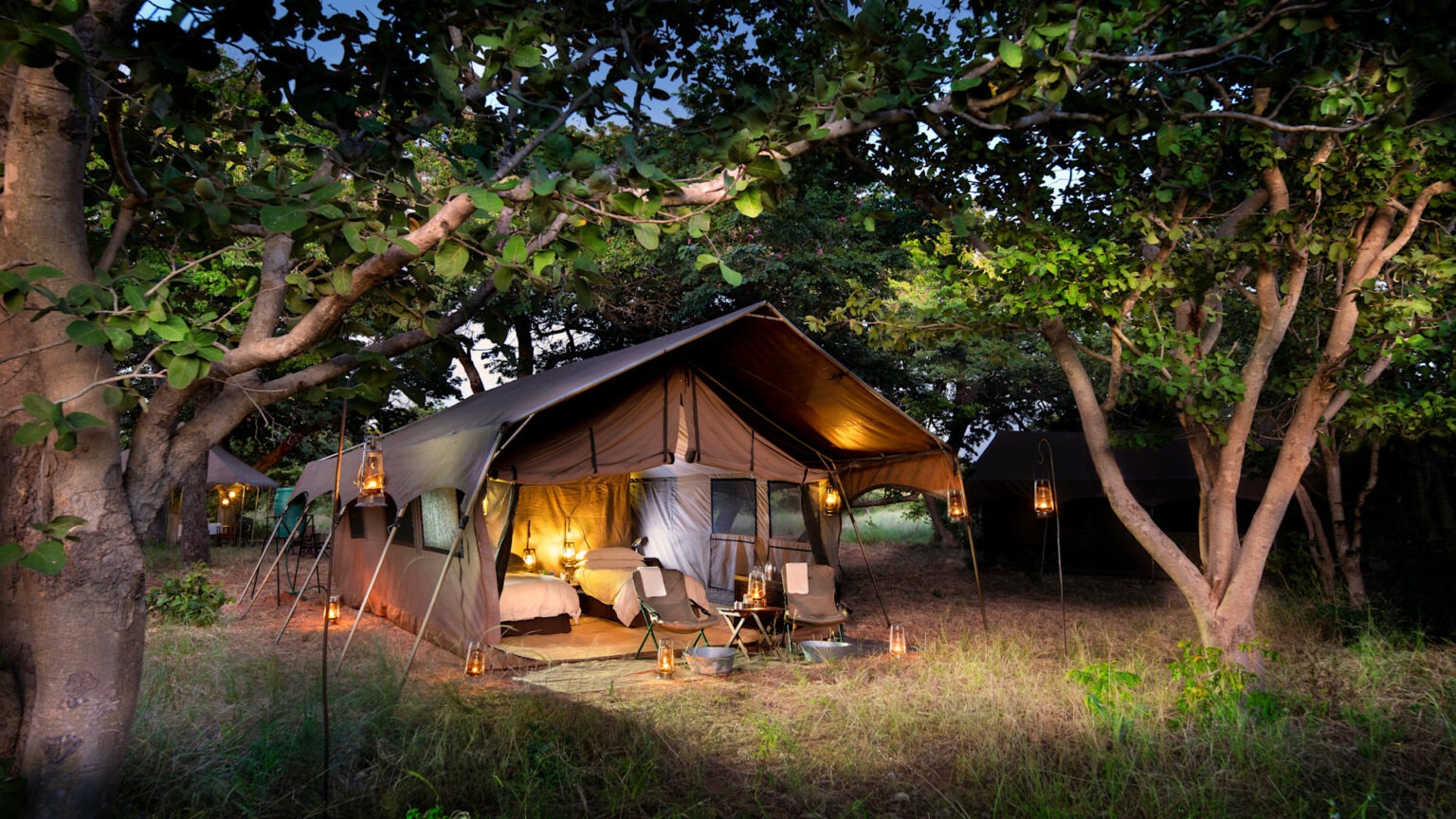
&Beyond Chobe Under Canvas
Chobe National Park, Botswana
 4.8(18)
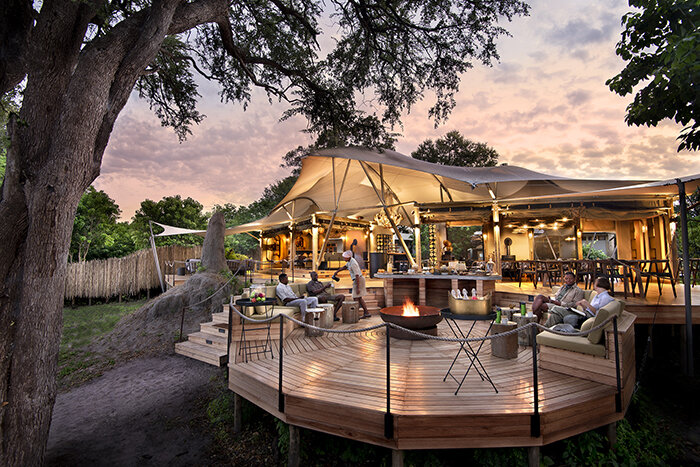
Khwai Leadwood
Khwai Community Concession, Botswana
 4.6(52)
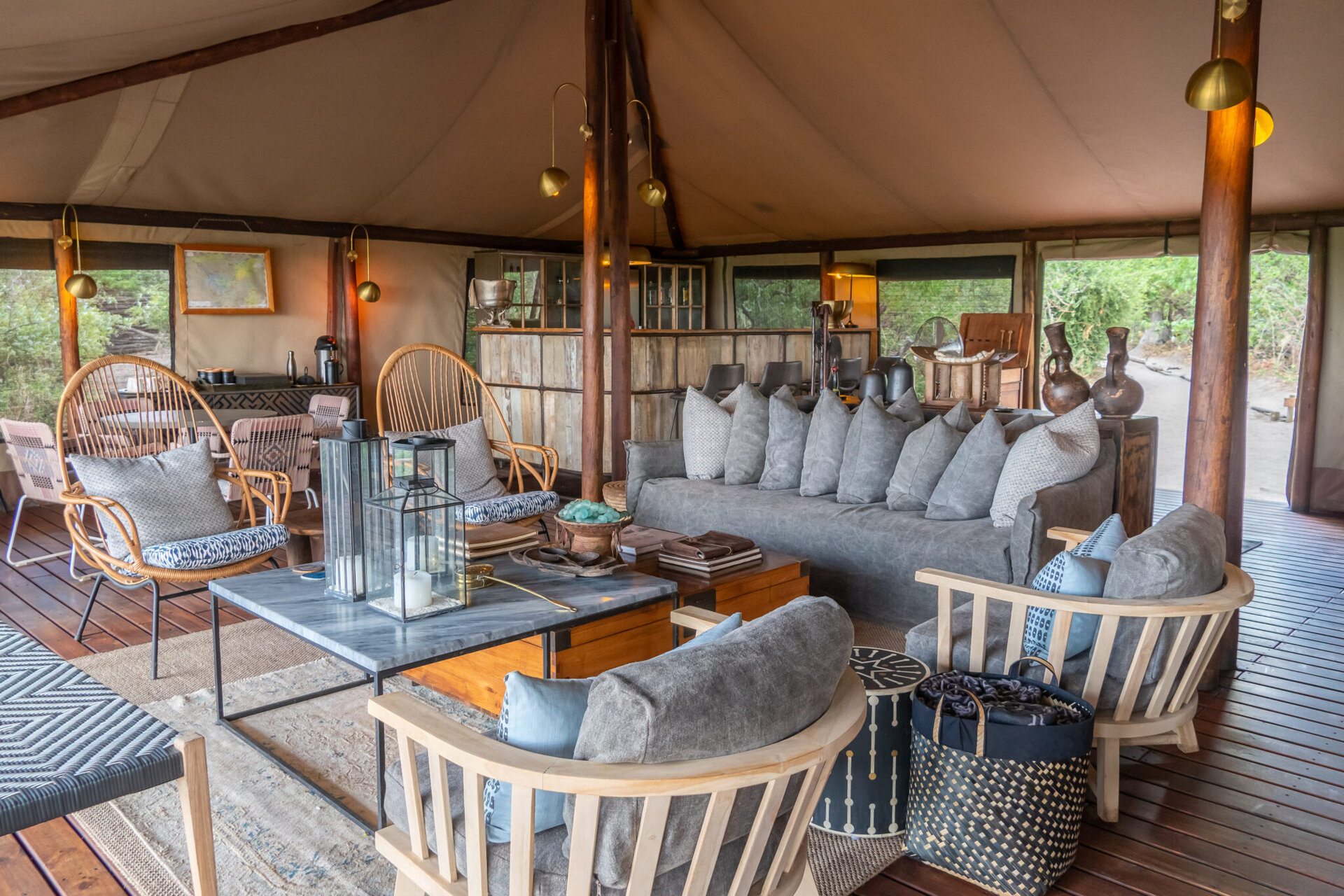
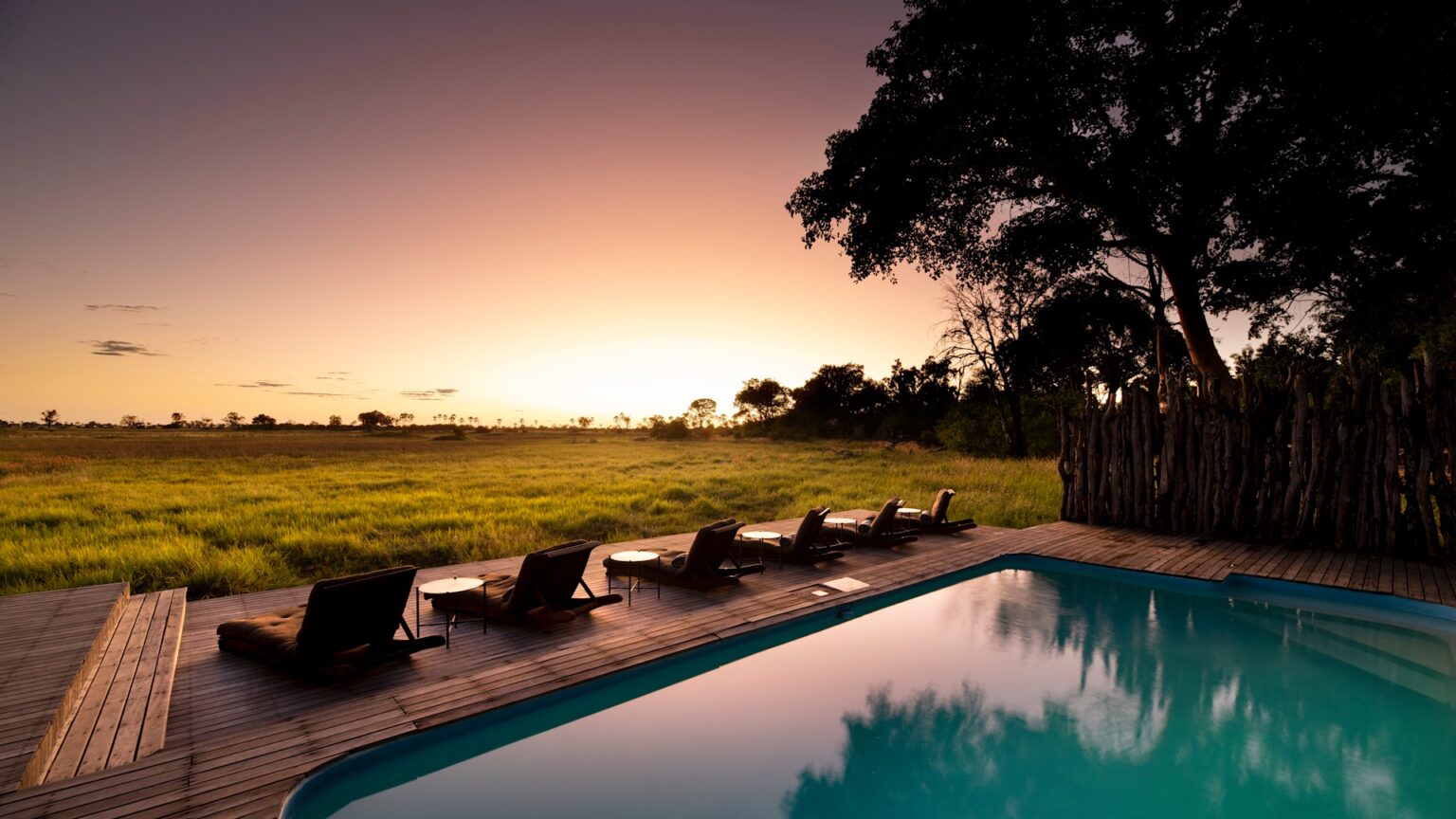
Linyanti Bush Camp
Linyanti Wildlife Reserve, Botswana
 4.8(61)
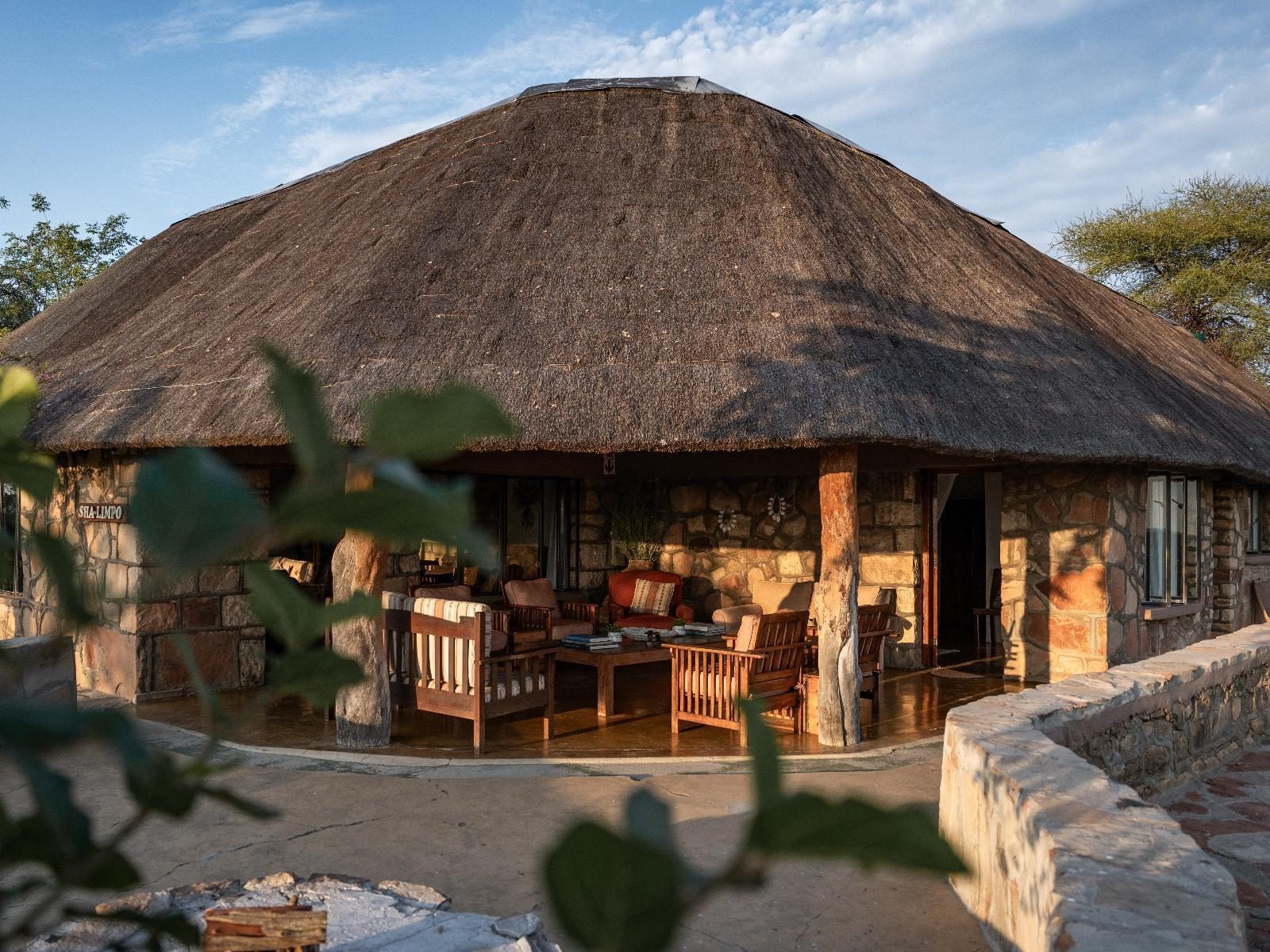
&Beyond Nxabega Okavango Tented Camp
Okavango Delta, Botswana
 0(0)
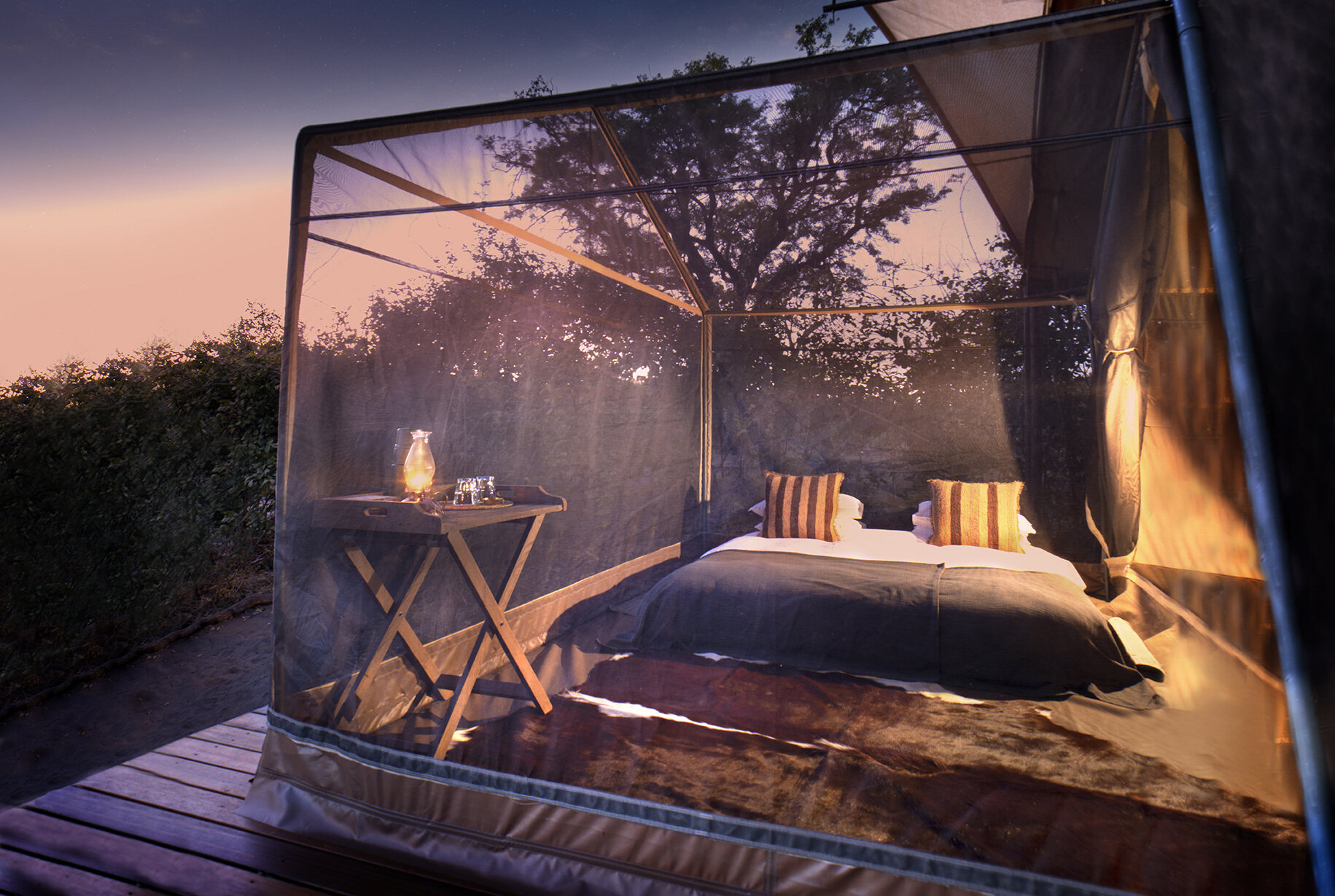
Shalimpo Safari Home
Northern Tuli Game Reserve, Botswana
 5(6)
Linyanti Expeditions
Linyanti Wildlife Reserve, Botswana
Let us plan this trip for you
Send us your dates, party and budget and we'll come back with a costed itinerary — lodges, flights, transfers and activities in one place. No fee, no obligation.
Keep reading

See our safari advice first on Google
One tap tells Google you want Safari Stays shown higher when you search for safari and travel news. It takes a second and you can undo it anytime.
Make Safari Stays a preferred source on Google