Victoria Falls Travel Guide: What to Do, When to Go & Where to Stay
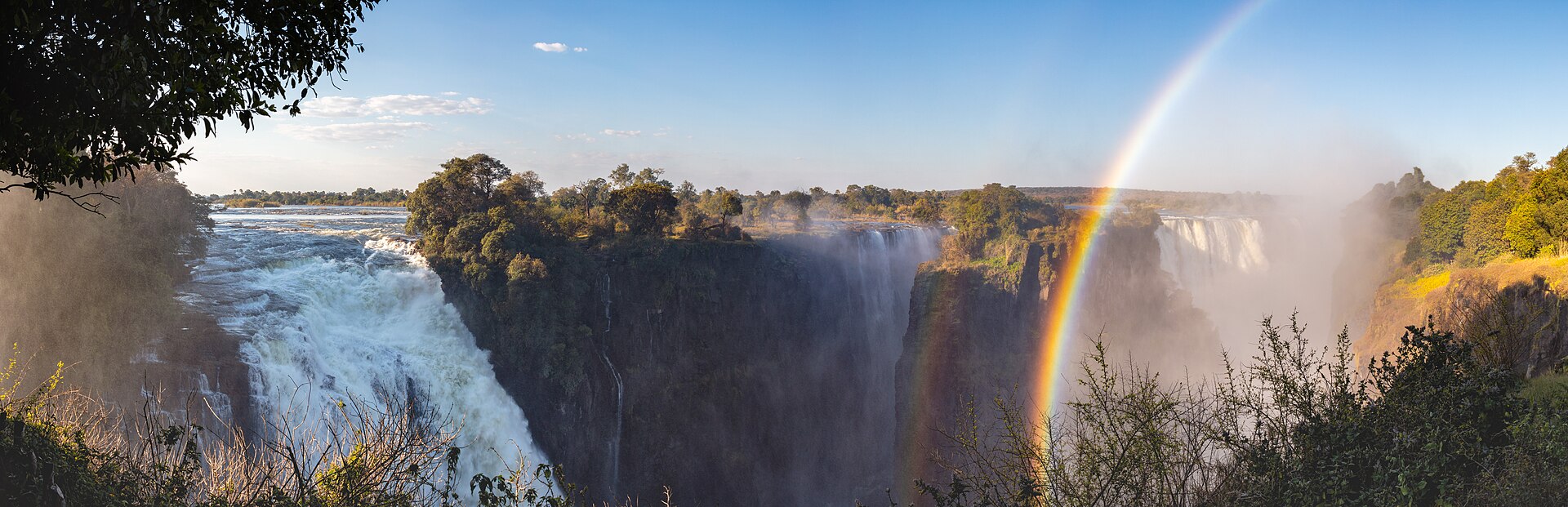
Victoria Falls — known locally as Mosi-oa-Tunya, "the smoke that thunders" — is one of the planet's defining natural spectacles. At peak flow, it is the world's largest waterfall by combined width and volume of water, stretching 1,708 metres across the Zambezi River and plunging up to 108 metres into the Batoka Gorge. The spray is visible from 50 kilometres away.
It is also a genuine adventure destination, with one of the most concentrated collections of adrenaline activities in Africa. And it sits on the border of two countries — Zimbabwe and Zambia — which shapes how you access and experience it.
Zimbabwe vs Zambia: Which Side to Visit From?
This is the first question most travellers ask, and the honest answer is that the best visits combine both sides.
Recommendation for most travellers: Stay on the Zimbabwe side, cross into Zambia for a half-day or full day (a KAZA UniVisa covers both countries for most nationalities), and combine with a safari in Hwange or Chobe.
- Zimbabwe (Victoria Falls town): Well-developed tourist infrastructure, excellent falls viewing — most of the main falls visible. Easy safari access to Hwange (1.5–3 hrs) and Chobe Botswana (1 hr).
- Zambia (Livingstone): Good facilities with a slightly rawer feel. Best for the Eastern Cataract view, Livingstone Island, and Devil's Pool. Safari access to South Luangwa and Lower Zambezi.
The Falls Themselves
The falls are divided into several named sections along their width:
- Devil's Cataract — the westernmost and smallest section, but dramatically powerful
- Main Falls — the central and tallest section, the defining image of Victoria Falls
- Horseshoe Falls and Rainbow Falls — central sections often wreathed in spray
- Eastern Cataract — best viewed from the Zambian side
A well-maintained rainforest path on the Zimbabwe side runs along the lip of the gorge opposite the falls, passing 16 viewpoints over approximately 1.5 km. In peak flow (April–May), the spray is so intense that rain gear is essential — you will be soaked. In low flow (September–October), the gorge structure and the falls' full geology are visible in detail.
Lunar rainbows — rainbows formed by moonlight on the spray — are visible on clear nights around full moon from the Zimbabwe viewing path. A genuinely rare natural phenomenon.
Activities at Victoria Falls
White-water rafting: The Zambezi below the falls offers Grade 4–5 rapids through a dramatic basalt gorge — widely regarded as one of the world's top white-water rafting experiences. Full-day and half-day trips operate year-round, though the put-in point changes seasonally as water levels shift.
Bungee jumping: The Victoria Falls bridge, spanning the gorge between Zimbabwe and Zambia, has a 111-metre bungee jump operated by Shearwater. One of the more dramatic bungee settings in the world.
Helicopter flights: The "Flight of Angels" — a 15-minute helicopter circuit over the falls and gorge — offers the only way to see the full scale of the falls from above. Highly recommended, particularly at peak flow when the spray column is visible for kilometres.
Zambezi sunset cruises: Flat-bottomed pontoon boats cruise the upper Zambezi above the falls, with hippos, crocodiles, and abundant birdlife. Sundowner cruises with drinks and snacks are a Victoria Falls staple.
Elephant encounters and walking with lions: Several operators near Victoria Falls offer structured elephant interaction and lion walking experiences. These vary considerably in animal welfare standards — research operators carefully before booking.
Devil's Pool: On the Zambian side, at low water (September to January), a natural rock pool forms at the very lip of the falls. Swimmers can lie at the edge and peer over into the gorge 100 metres below. Accessed by boat from Livingstone Island; operated by Tongabezi Lodge.
How to Get to Victoria Falls
By air: Victoria Falls airport receives direct scheduled flights from Johannesburg (approximately 1.5 hours) on South African Airways, Airlink, and FlySafair. Connections from Nairobi, Addis Ababa, and Dubai are available via regional hubs. The airport is 20 minutes from the town centre.
By road from Botswana: Kasane and Chobe are approximately 80 km from Victoria Falls via the Kazungula border crossing or Kazungula Ferry. A popular combination for self-drive travellers.
By road from Zambia (Livingstone): The border crossing at the Victoria Falls bridge takes 30–60 minutes. Most KAZA UniVisa holders cross freely.
Practical Information
Visas: A KAZA UniVisa (USD 50) covers both Zimbabwe and Zambia and allows multiple crossings between the two countries. Available on arrival at Victoria Falls airport and the land border. Not all nationalities are eligible — confirm before travel.
Currency: The Zimbabwe Gold (ZiG) is the official currency but USD is universally accepted and preferred for tourism transactions. Carry USD cash; card acceptance is improving but not universal outside hotels.
Getting around town: Victoria Falls town is small and walkable. The falls entrance is a 10-minute walk from the main hotel area. Taxis are available for activities further afield.
Frequently Asked Questions
How many days do you need at Victoria Falls?
Two to three nights is standard for most itineraries. This gives time to see the falls at different times of day, do one or two activities, and take a sunset cruise. Victoria Falls works well as a standalone destination or as part of a Zimbabwe/Botswana circuit.
Is Victoria Falls better in high water or low water?
Neither is objectively better — they're different. High water (April–May) is overwhelming in scale and power; low water (September–October) lets you see the geology clearly and access Devil's Pool. Most visitors find mid-season (June–August) the best balance — substantial flow with good visibility.
Is it worth crossing to the Zambian side?
Yes, for a half or full day. The Zambian side gives access to Livingstone Island, Devil's Pool (in season), and the Eastern Cataract viewpoint. Most Zimbabwe-based travellers cross for a day trip rather than basing themselves in Livingstone.
What should I wear at the falls in peak flow?
Rain gear or clothes you don't mind soaking. Many visitors buy cheap ponchos at the gate. Sandals or shoes that can get wet are practical. Waterproof camera protection is strongly recommended.
Browse Victoria Falls accommodation on our Zimbabwe accommodation page.
Ready to plan your trip?
Check live availability, compare lodges and book instantly — or send us an enquiry and we'll help shape the route.