Victoria Falls High Water Season Guide 2027

It is a spectacle that defies simple description. Long before you see it, you feel it—a deep, resonant tremor through the soles of your feet. Then you hear it: a roar that grows from a whisper to a thunderous ovation. This is Mosi-oa-Tunya, ‘The Smoke that Thunders’. Witnessing this natural wonder is a profound experience at any time of year, but to see it during its peak flow is to witness the unbridled power of nature. If you are planning a journey for the upcoming year, this comprehensive Victoria Falls high water season guide 2027 is designed to help you prepare for an adventure of breathtaking scale.
Understanding the Zambezi’s Rhythm
The spectacle of Victoria Falls is dictated by the rhythm of the Zambezi River, which is in turn governed by seasonal rainfall far upstream. The high water season is not caused by local rains in the town of Victoria Falls, but by the immense volume of water arriving from the Angolan highlands, where the rainy season runs from November to April.
This great pulse of water travels over a thousand kilometres, slowly swelling the Zambezi. The river begins to rise noticeably at the falls around February, building steadily towards a dramatic peak. Typically, the climax occurs in April or May, when an astonishing volume of water—sometimes over 500 million litres per minute—plunges into the Batoka Gorge below.
This is not a gentle cascade; it is a display of raw, kinetic energy. The force of the water creates a plume of spray that can rise over 400 metres into the air, visible from kilometres away. This constant ‘rain’ sustains a unique rainforest ecosystem on the cliffs opposite the falls, and it is this very spray that will drench you to the skin, baptising you in the spirit of the Zambezi.
What to Expect: Planning Your Victoria Falls High Water Season Guide 2027 Trip
Visiting during high water is less about seeing the full length of the rock face and more about immersing yourself in the sheer force of the water. The experience is visceral, multi-sensory, and utterly unforgettable. Here’s what you can anticipate as you plan your trip.
The View from the Precipice
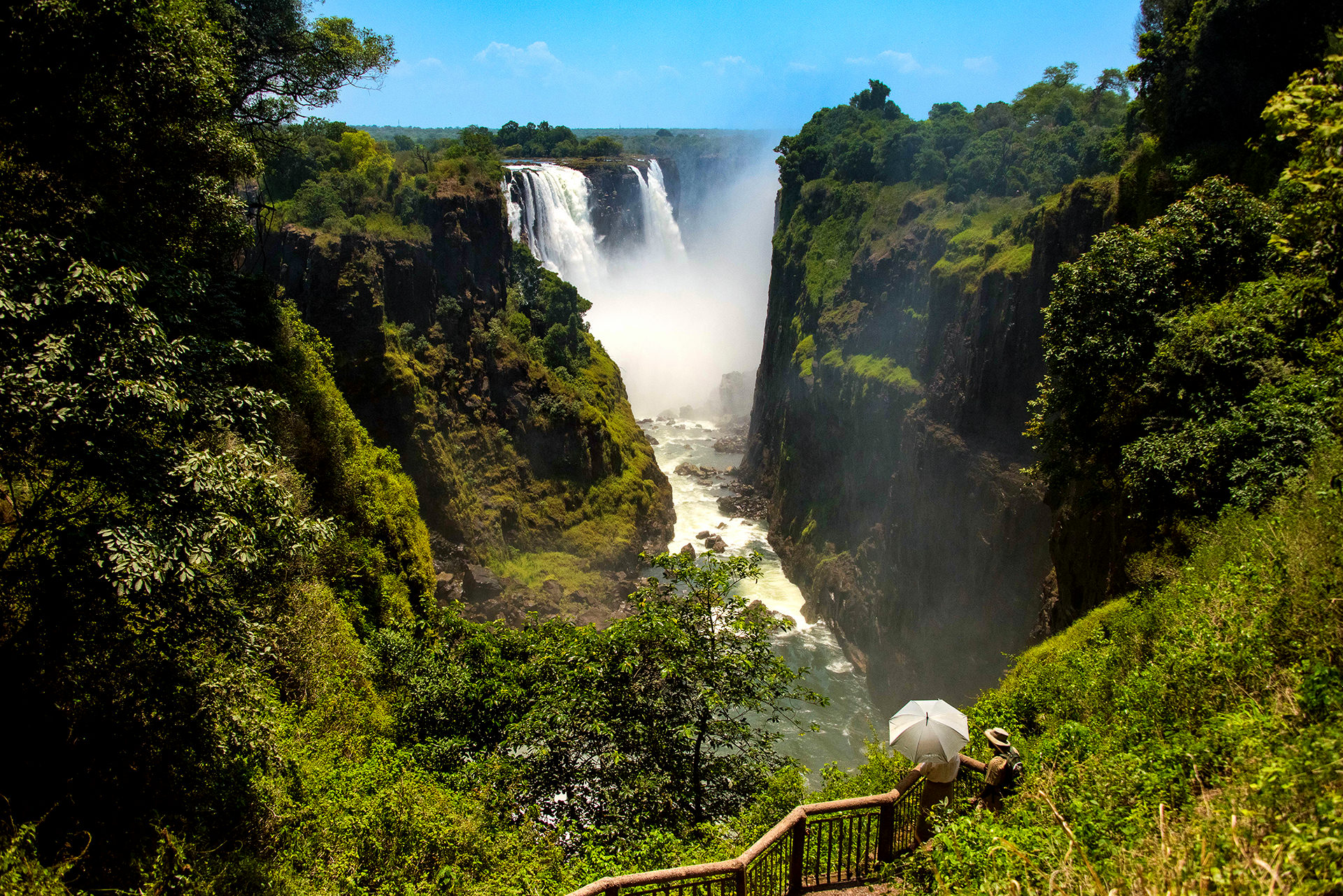
From the Zimbabwean side, a network of trails winds through the lush Victoria Falls National Park, offering a series of spectacular viewpoints. During peak flow, the Eastern Cataract is often a wall of white spray, and the Main Falls are partially obscured by the immense cloud of mist. But this is the very essence of the high water experience. You will be enveloped in the spray, feel the roar reverberate in your chest, and witness a scene of magnificent chaos.
Be prepared to get completely soaked. A good quality raincoat is essential, but embracing the drenching is part of the fun. The air is thick with moisture and the constant rainbows that dance in the mist are nothing short of magical.
High-Water Activities
While the view from the ground is overwhelming, the best way to comprehend the sheer scale of the falls during this season is from the air. The 'Flight of Angels' helicopter or microlight flights provide a god’s-eye perspective, revealing the full, mile-wide crescent of the falls and the vast expanse of the upper Zambezi snaking towards the precipice.
Some water-level activities are impacted by the powerful currents. The famous Devil's Pool on the Zambian side is closed for safety reasons. White-water rafting continues but operates on a 'high-water run', which starts further down the gorge, bypassing the most turbulent rapids. However, activities on the serene upper Zambezi, upstream of the falls, are at their most beautiful. A sunset cruise on the wide, placid river is an essential experience, offering tranquil moments before the water begins its dramatic descent. Lodges like the elegant Zambezi Sands by Batoka offer a perfect base for exploring this calmer, wildlife-rich stretch of the river.
Practical Tips for Your High-Water Visit
Proper preparation can make the difference between a good trip and a truly great one. The high water season has its own unique set of considerations, from what you should pack to how far in advance you should book.
What to Bring
Your packing list for the falls themselves should prioritise staying comfortable and protecting your valuables. A lightweight, waterproof jacket or poncho is non-negotiable. Here are a few other essentials:
- Waterproof protection: A dry bag or waterproof case for your phone and camera is crucial.
- Quick-dry clothing: Lightweight fabrics will dry much faster after a walk through the spray.
- Non-slip footwear: The paths can be slippery, so shoes with good grip are recommended.
- Lens cloth: For photographers, a microfibre cloth is vital for constantly wiping spray from your lens.

Photography and Logistics
Photographing the falls in high water presents a challenge and an opportunity. The sheer amount of spray can make it difficult to get a clear shot, but it also creates incredibly atmospheric and dramatic images. Early morning light is often best, before the sun gets too high and the spray becomes backlit and hazy. A wide-angle lens is useful for capturing the scale, while a telephoto can isolate dramatic details in the churning water.
The high water season, particularly around the Easter holidays, is a popular time to visit. It is highly recommended to book your accommodation and key activities well in advance to avoid disappointment. Securing a room at a landmark property like The Victoria Falls Hotel ensures you are at the heart of the action, steeped in the history of this iconic destination.
Beyond the Falls: The Green Season Safari
A trip to Victoria Falls is often just the beginning of a Zimbabwean adventure. The high water season coincides with what is known in the safari world as the 'green season'—a time of incredible beauty, abundance, and new life across the country's national parks.
Following the summer rains, the landscape is transformed. The bush is thick, lush, and verdant. This is the time when many antelope species give birth, and the plains are filled with wobbly-legged fawns. For birders, it is paradise, as migratory species are present in their breeding plumage.
Combining your falls visit with a safari in Hwange National Park offers a wonderful contrast. While the dense vegetation can make wildlife slightly harder to spot than in the dry season, the photography is spectacular and the game viewing is deeply rewarding. The sense of a landscape revitalised and teeming with life is palpable.
For those planning a trip toward the end of the high water season, in June or July, the safari options expand even further. As the land begins to dry out, a visit to the legendary floodplains of Mana Pools National Park becomes an incredible addition to your itinerary, offering a different but equally iconic Zimbabwean wilderness experience.
Witnessing Victoria Falls at its peak is to be humbled by the planet's power. It’s an experience that fills the senses and stays with you forever. By planning ahead and knowing what to expect, your journey will be as seamless as it is spectacular. We hope this victoria falls high water season guide 2027 helps you craft the journey of a lifetime to the heart of Southern Africa.

Where to stay
Browse handpicked places to stay — many with live availability and instant booking.
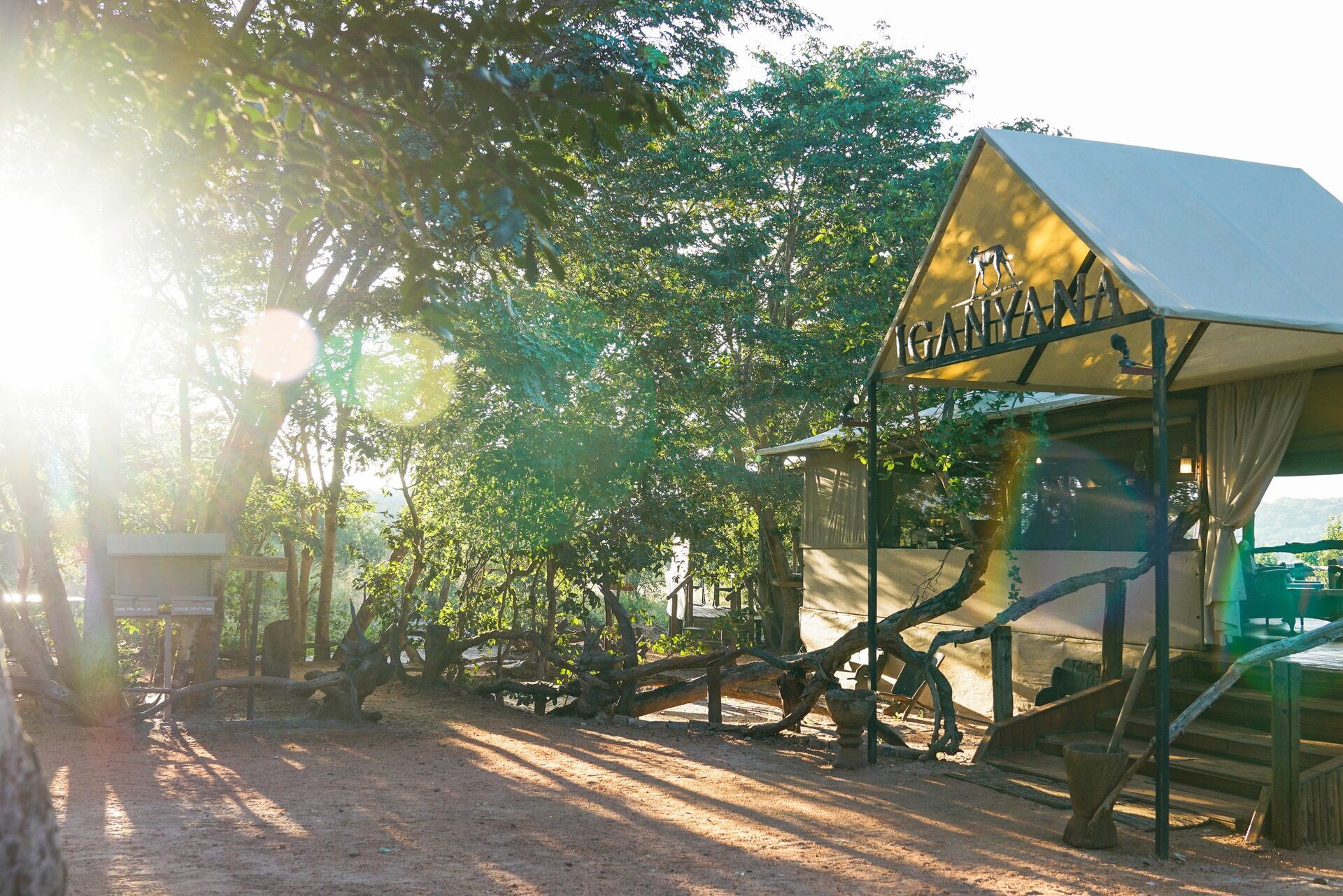 4.5(84)
Iganyana Tented Camp
Dete Vlei, Hwange, Zimbabwe
 4.4(7)
Mpala Jena
Zambezi National Park, Victoria Falls, Zimbabwe
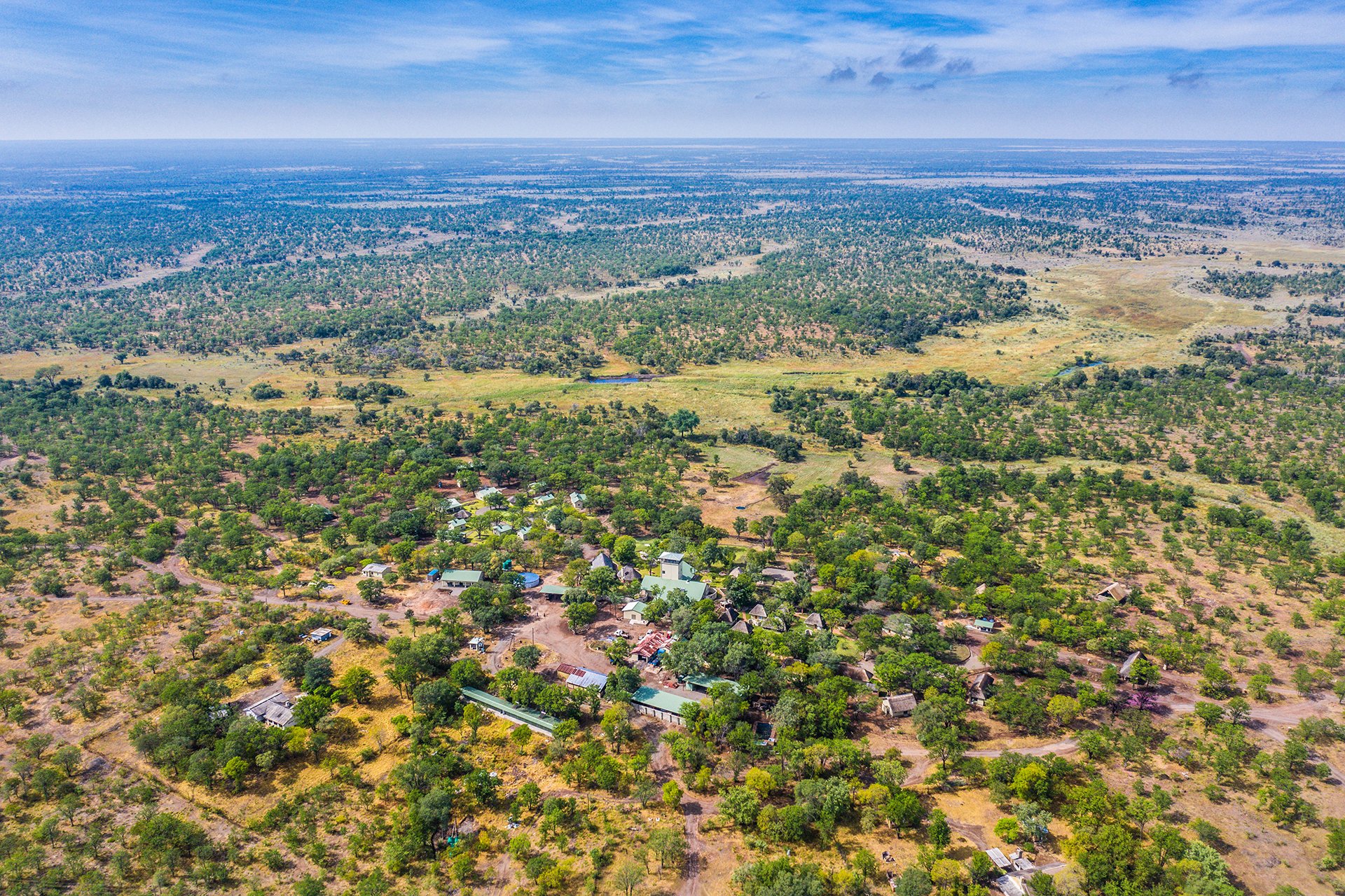 4.4(167)
Robins Camp
Hwange National Park, Zimbabwe
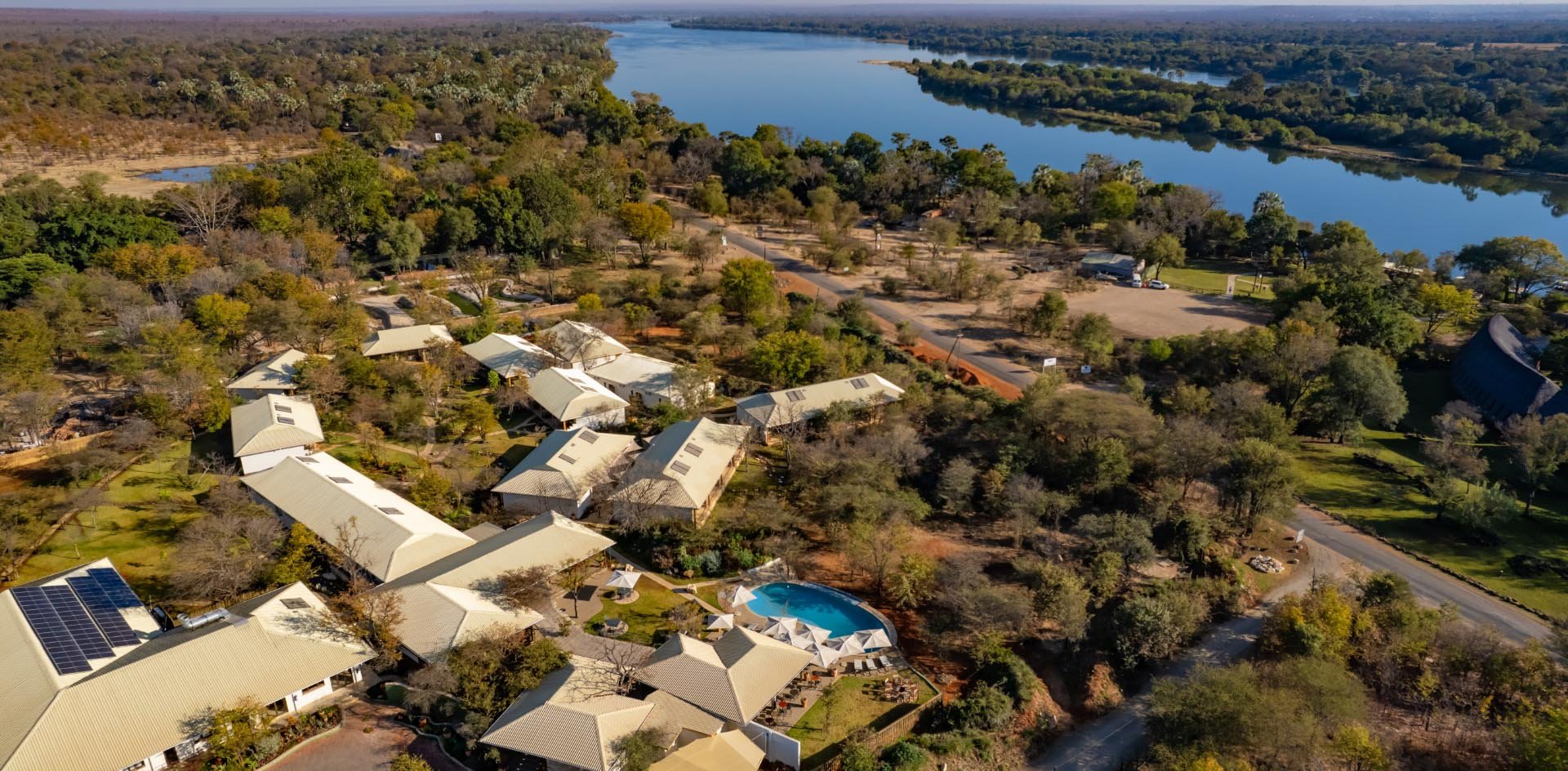 4.7(178)
Insika Lodge
Victoria Falls, Zimbabwe
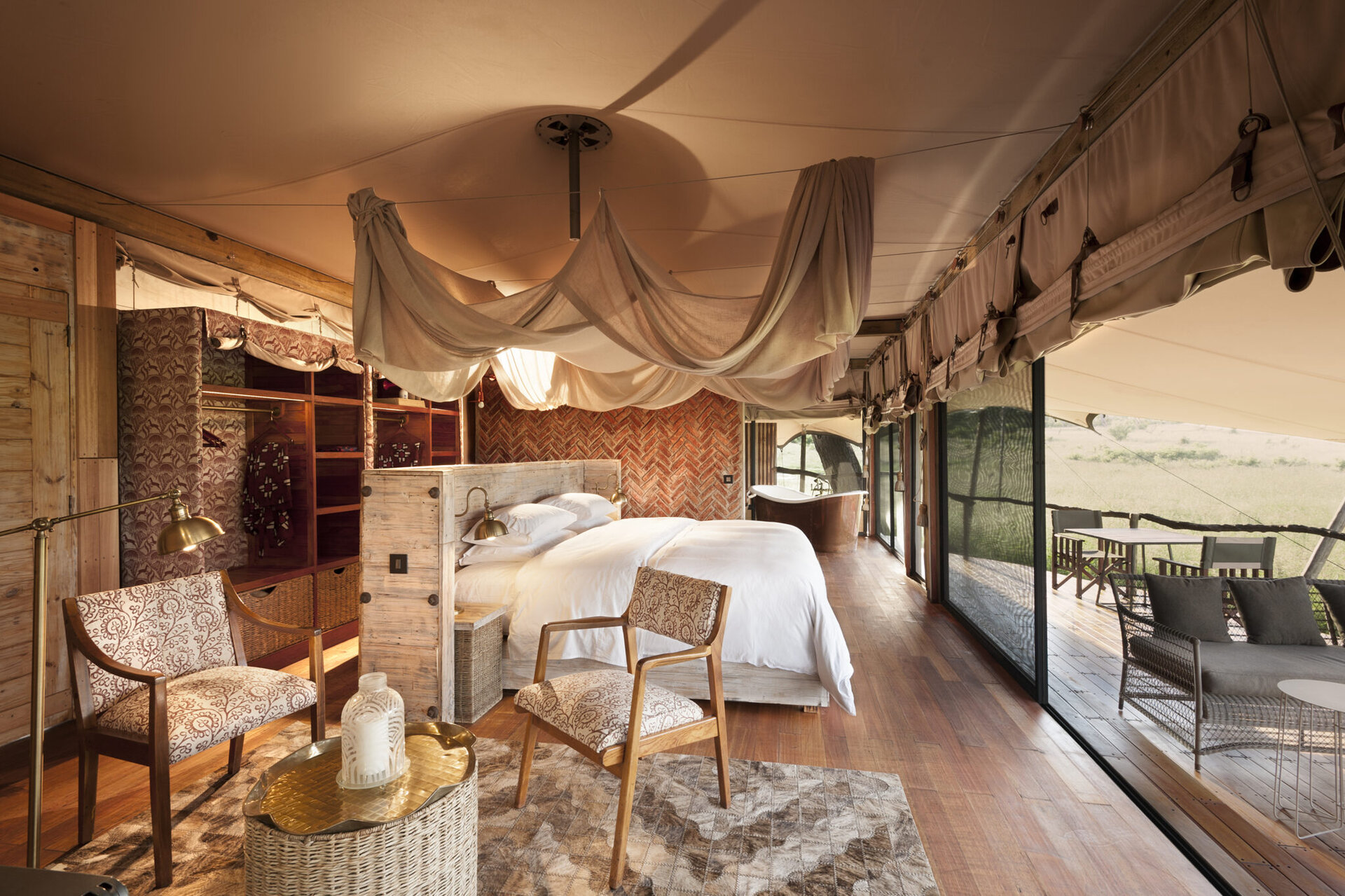 4.9(66)
Somalisa Camp
Hwange National Park, Zimbabwe
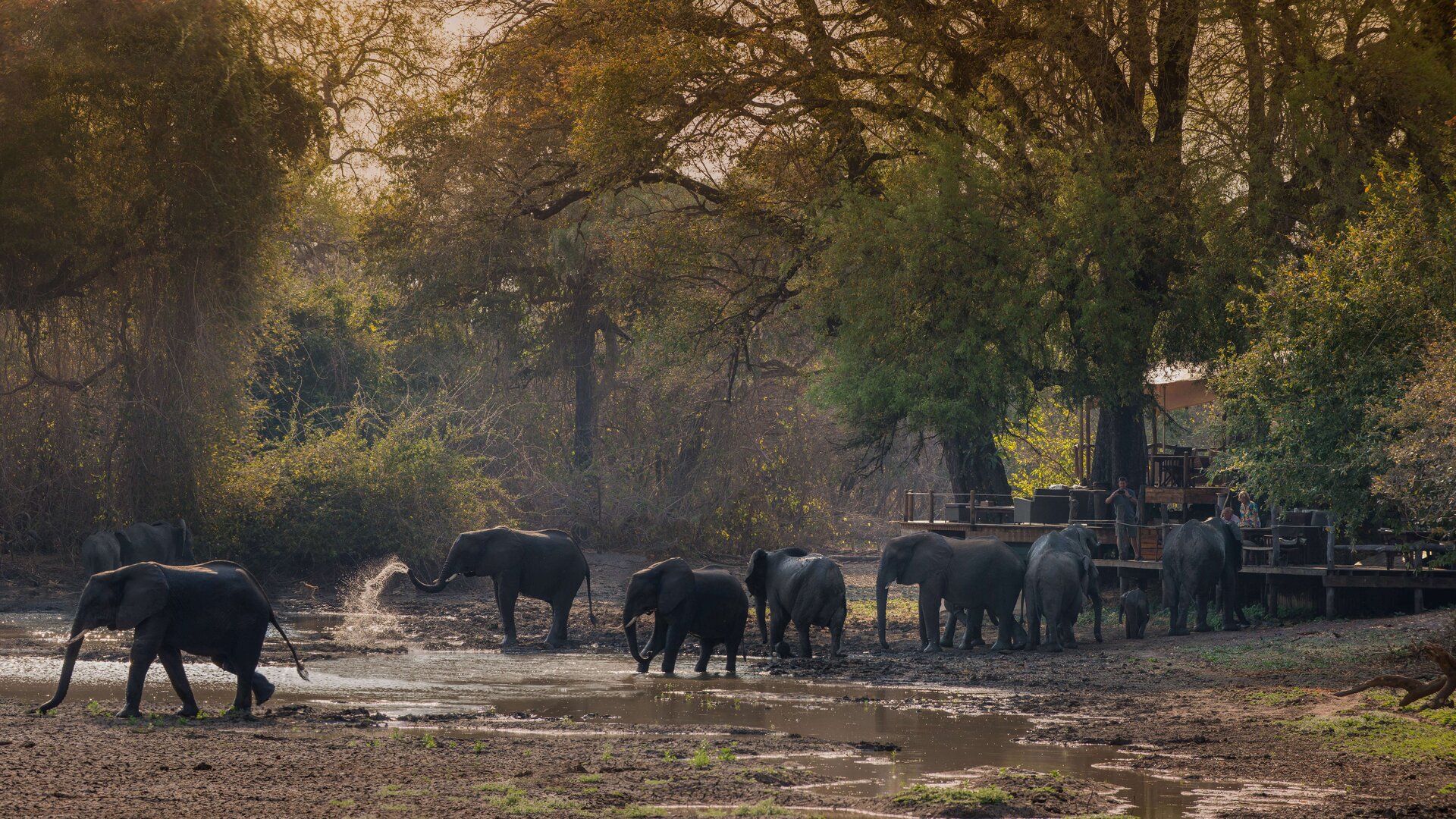 4.8(27)
Kanga Expeditions
Mana Pools National Park, Zimbabwe
Let us plan this trip for you
Send us your dates, party and budget and we'll come back with a costed itinerary — lodges, flights, transfers and activities in one place. No fee, no obligation.
Keep reading

See our safari advice first on Google
One tap tells Google you want Safari Stays shown higher when you search for safari and travel news. It takes a second and you can undo it anytime.
Make Safari Stays a preferred source on Google