Internal Flight Costs for Zimbabwe Safari: 2027 Guide
When curating a journey through southern Africa's most storied wildernesses, calculating internal flight costs for zimbabwe safari itineraries is often the single most critical step in shaping your route. Zimbabwe's premier wildlife areas are separated by vast expanses of rugged terrain, winding escarpments, and untamed rivers. While overland driving connects some western reserves, air transfers remain the standard way to bridge classic safari regions seamlessly.
Travellers preparing for the 2027 safari season—which begins in earnest with the green season awakenings of March and carries through the peak dry winter of August—will find that understanding aviation logistics unlocks an effortless trip. Bush flying is not simply a transit necessity; it provides an aerial perspective of dramatic geological fault lines, winding Zambezi channels, and herds wandering below.
The Dynamics of Flying Between Zimbabwe's Wilderness Areas
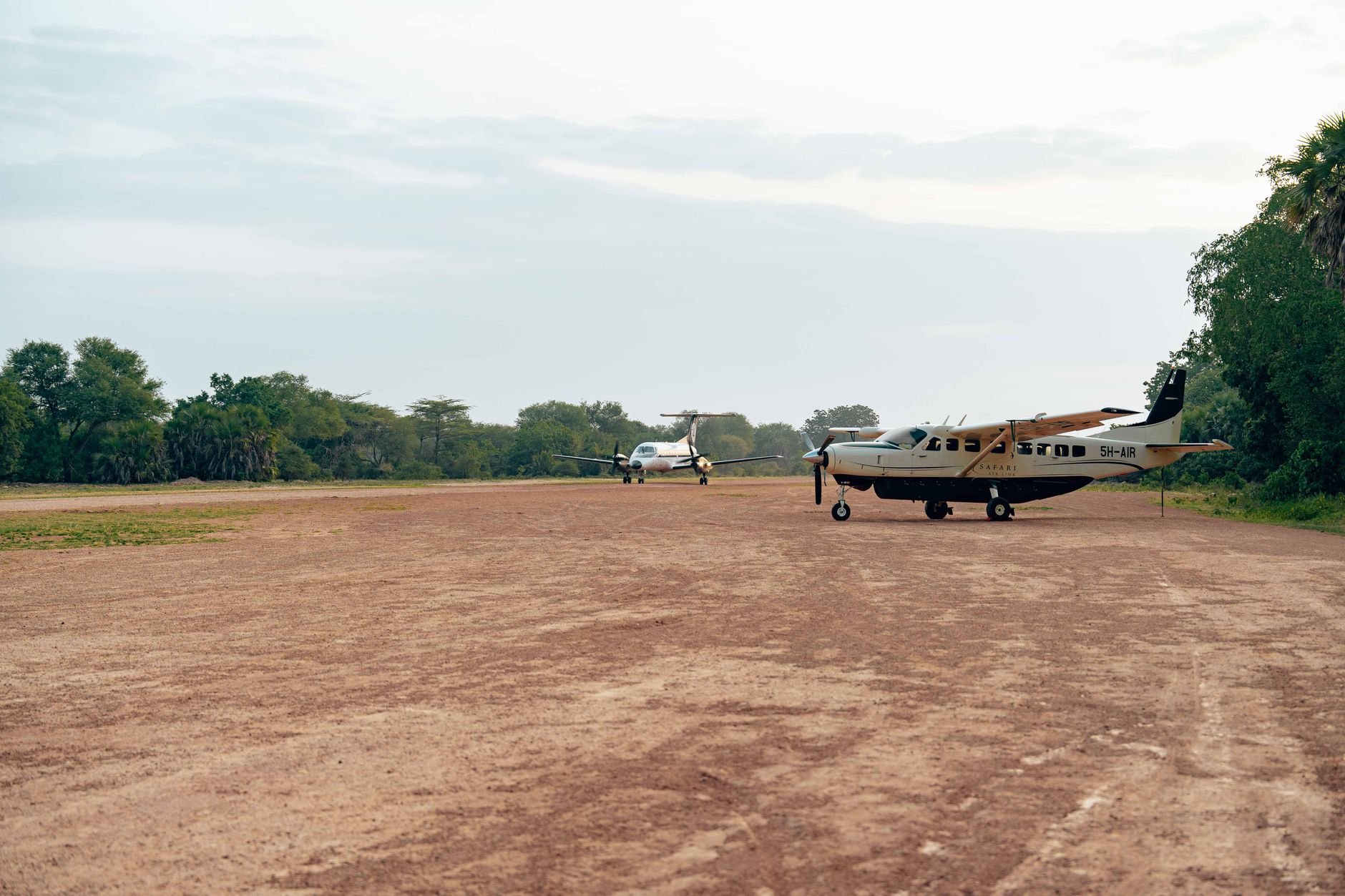
Unlike traditional commercial aviation, safari flights in Zimbabwe operate within a specialised network of bush airstrips and regional hubs. Most itineraries link through two key gateways: Victoria Falls International Airport in the west and Robert Gabriel Mugabe International Airport in Harare in the east. From these entry points, light aircraft fan out across national park airstrips that range from paved runways to packed earth strips in remote floodplains.
Bush flights are primarily operated using rugged, dependable turboprop aircraft such as the Cessna Grand Caravan. These high-wing workhorses seat between eight and twelve passengers, offering excellent visibility over the changing landscape. Because passenger numbers are intimate and remote fuel staging requires precise planning, airfare calculation differs substantially from booking standard commercial tickets.
Air travel in the bush operates under two distinct models: scheduled seat rates and private charters. Knowing which model suits your travel party will dramatically influence your overall transport spend.
Internal Flight Costs for Zimbabwe Safari Circuits
Seat rates on scheduled flight circuits provide the most cost-effective option for couples and solo travellers. Operators run daily or regular hops connecting the major safari destinations, charging per person per leg regardless of whether the remaining seats are filled.
For itineraries planned for the upcoming 2027 season, typical scheduled seat-rate flight costs generally fall into predictable ranges depending on distance:
- Short hops (e.g., Victoria Falls to Hwange): Expect costs between $280 and $420 per person, one way, for flight times lasting roughly thirty to forty minutes.
- Mid-range legs (e.g., Hwange to Lake Kariba): Rates generally range from $420 to $600 per passenger, covering wide tracts of untamed backcountry.
- Longer cross-country connectors (e.g., Victoria Falls or Hwange to Mana Pools): These extended flights typically run between $600 and $850 per person, reflecting the longer distances across the central plateau.
- Eastern connections (e.g., Mana Pools to Harare): A common finishing leg that usually costs between $380 and $550 per passenger.
These rates reflect seat-in-plane services where the aircraft may make one or two brief en-route stops at intermediate airstrips to collect or drop other lodge guests. For example, guests traveling out to Somalisa Camp may land at Manga or Libuti airstrip before the aircraft continues on to another corner of the park.
Scheduled Seat Rates vs Private Air Charters
While seat rates work well for independent travellers and couples, private air charters become increasingly attractive—and often more economical—for families or groups of four or more. When you charter an entire aircraft, you pay for the machine and the pilot rather than individual seats, giving you complete autonomy over departure times and routing.
A dedicated private charter for a family of four flying from Victoria Falls into Mana Pools might cost between $2,800 and $4,200 for the aircraft, depending on the plane type and repositioning requirements. Divided among four or five passengers, the per-person cost frequently matches or beats scheduled seat rates while delivering an entirely bespoke schedule.
Private charters also unlock direct connections between remote reserves that lack scheduled inter-lodge links. If your route includes secluded sanctuaries like Nyamatusi Camp alongside western camps, chartering eliminates intermediate refuelling stops and ensures you spend your afternoon on a game drive rather than waiting on an apron.

Additional Airstrip Fees and Departure Levies
When budgeting flight legs, remember that base ticket prices do not always include local civil aviation taxes or national park airstrip landing fees. In Zimbabwe, international or domestic departures from major airports include nominal passenger service charges, while bush airstrips maintained by conservation authorities often carry an infrastructure fee.
These supplementary fees typically range from $15 to $50 per person, per departure. Some luxury lodge operators roll these levies directly into their flight packages, but it is wise to confirm with your itinerary designer whether airstrip fees are prepaid or settled on arrival.
Practical Baggage and Airstrip Logistics
Light aircraft operate under strict weight and balance restrictions to guarantee safety on short, unpaved runways. These limitations directly govern what you can pack for your safari, and failing to adhere to them can lead to costly logistical headaches.
- Weight limits: Standard luggage allowances on scheduled bush flights are generally capped at 15 to 20 kilograms (33 to 44 pounds) per person, inclusive of hand luggage and camera equipment.
- Soft-sided bags only: Hard-shell suitcases with internal frames cannot squeeze into the narrow belly pods of bush aircraft. Duffel bags made of pliable canvas or nylon are mandatory.
- Passenger weights: Light aircraft charter operators require the body weight of each passenger prior to departure to calculate fuel load and aircraft trim accurately.
- Excess baggage options: If you carry heavy professional photography gear, you can often purchase an additional "freight seat" on scheduled flights, guaranteeing extra payload capacity.
Fortunately, virtually every premier bush camp offers complimentary daily laundry service, making it simple to pack light even for multi-week expeditions.
Designing an Efficient Multi-Park Safari Route
Flight costs are shaped heavily by how logically your journey flows across the map. A poorly planned route that zig-zags back and forth across the country accumulates empty repositioning fees and unnecessary flight legs.
A classic linear flow avoids backtracking entirely. Many travellers begin in Victoria Falls, take a short hop into Hwange, fly eastward over the water to Bumi Hills Safari Lodge on the Kariba shoreline, continue downstream into Mana Pools, and finally exit through Harare for their international journey home.
By following this natural geographic progression from west to east, you keep internal flight costs for zimbabwe safari journeys as lean and efficient as possible, reserving more of your investment for world-class guiding and unforgettable wilderness stays.

Careful advance planning is the cornerstone of any seamless African journey. As you assemble your travel plans for the mid-year wilderness season, balancing flight paths with unhurried stays will ensure that every hour in the sky feels like part of the adventure.
Where to stay
Browse handpicked places to stay — many with live availability and instant booking.
 4.5(84)
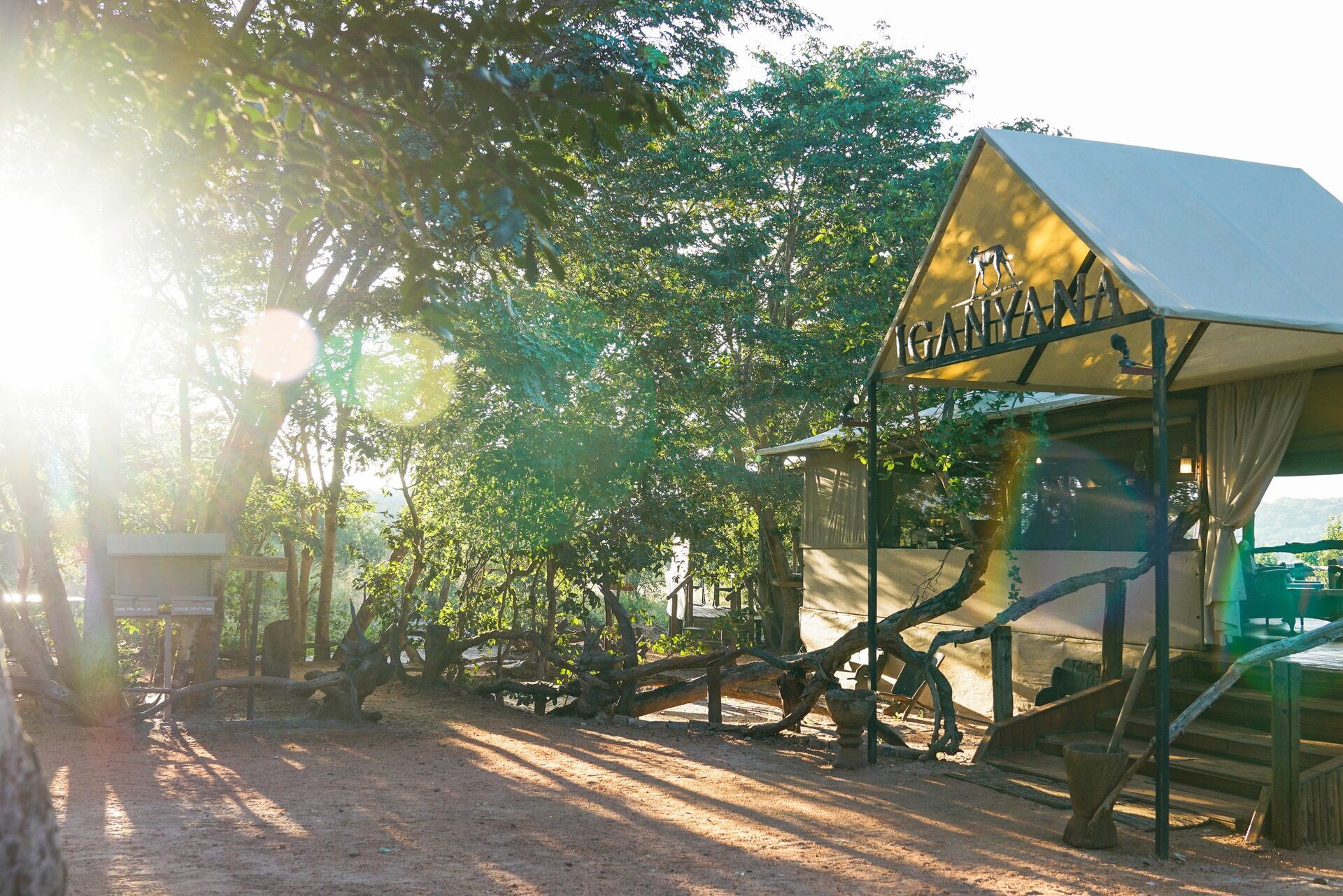
Iganyana Tented Camp
Dete Vlei, Hwange, Zimbabwe
 4.4(167)
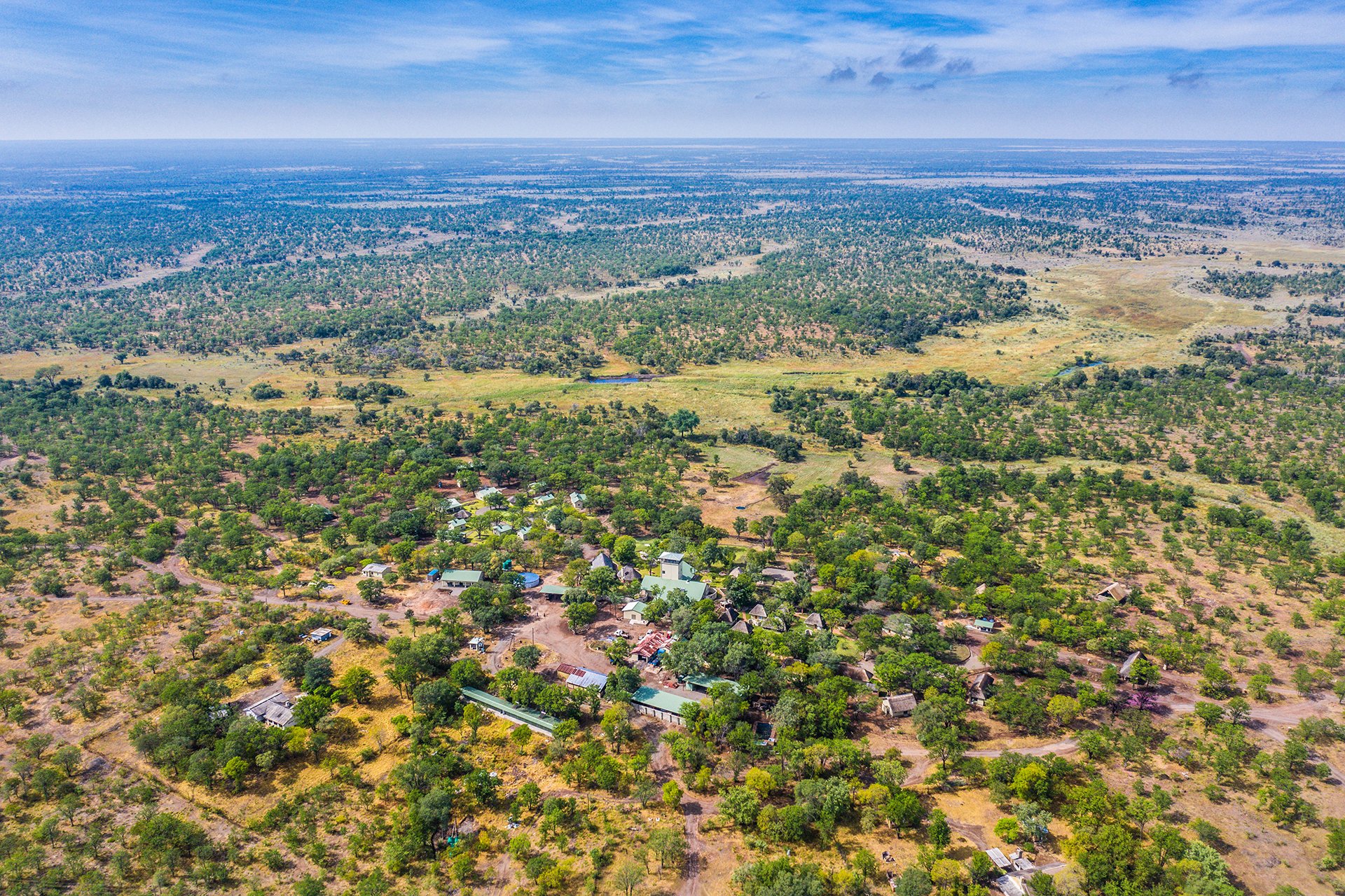
Robins Camp
Hwange National Park, Zimbabwe
 4.4(7)
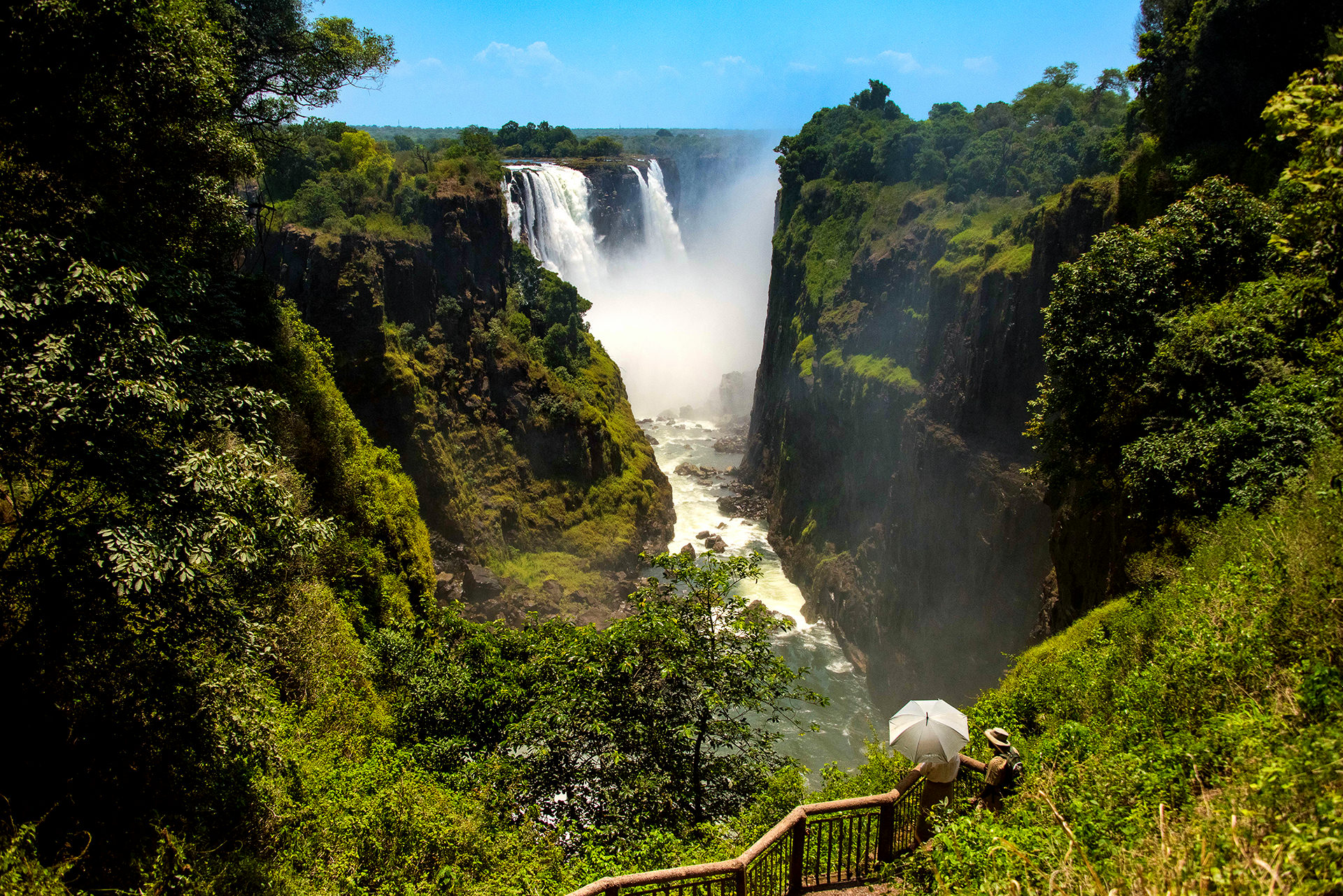
Mpala Jena
Zambezi National Park, Victoria Falls, Zimbabwe
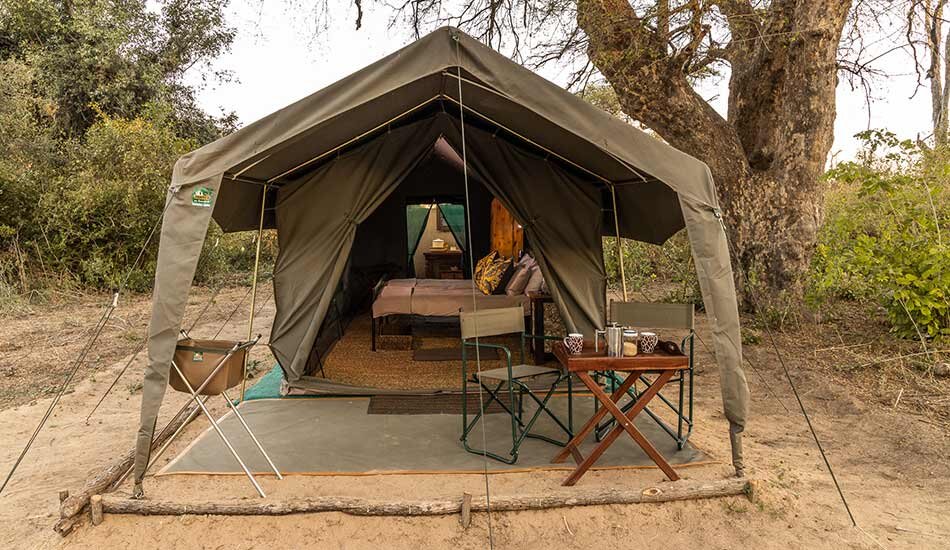 4.4(9)
Sango Expedition Camp
Savé Valley Conservancy, Zimbabwe
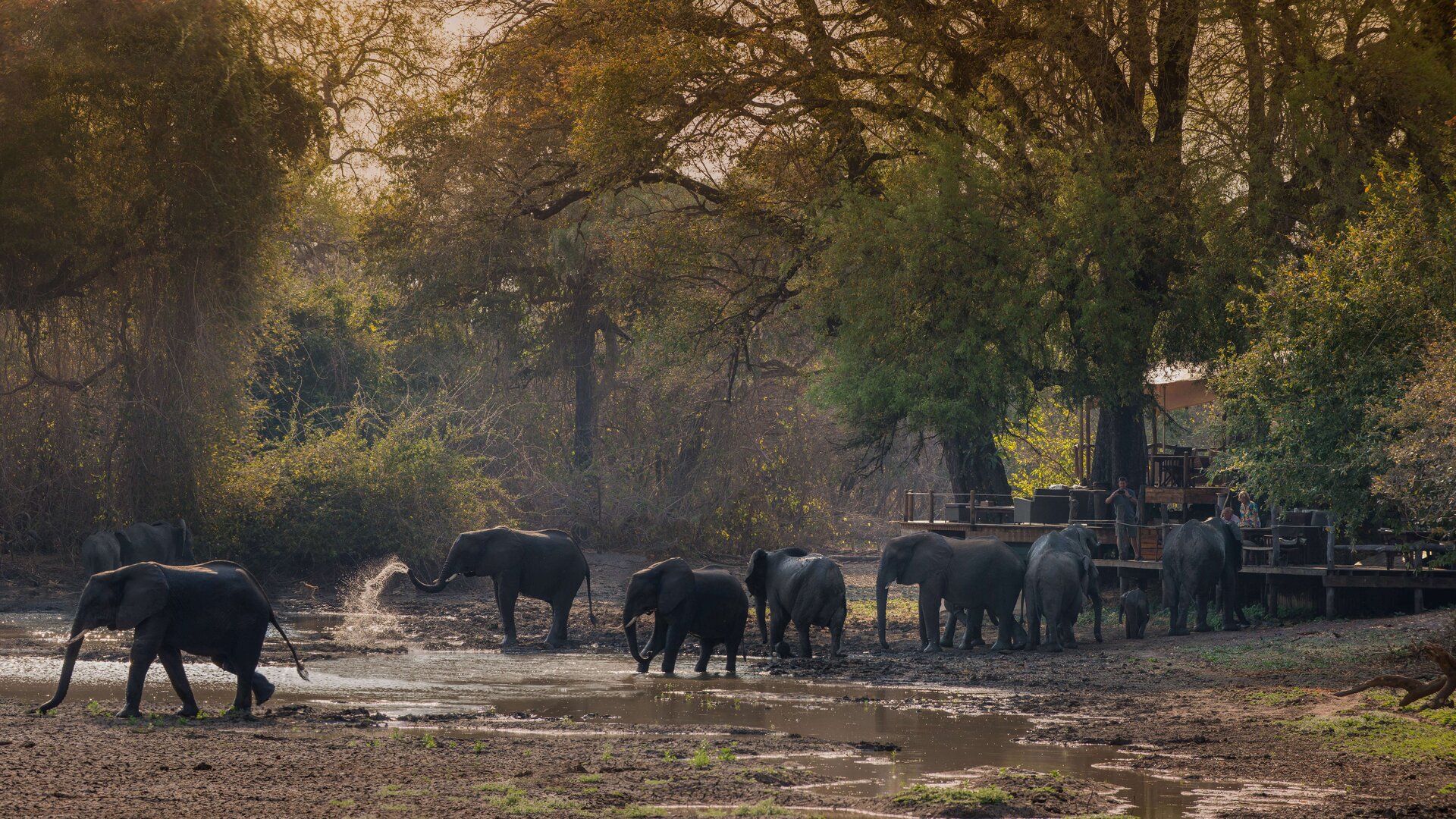 4.8(27)
Kanga Expeditions
Mana Pools National Park, Zimbabwe
 4.6(49)
Mana Pools Safari Lodge
Mana Pools National Park, Zimbabwe
Let us plan this trip for you
Send us your dates, party and budget and we'll come back with a costed itinerary, with lodges, flights, transfers and activities in one place. No obligation.
Keep reading

See our safari advice first on Google
One tap tells Google you want Safari Stays shown higher when you search for safari and travel news. It takes a second and you can undo it anytime.
Make Safari Stays a preferred source on Google