Zanzibar Travel Guide: Beaches, Stone Town & When to Visit
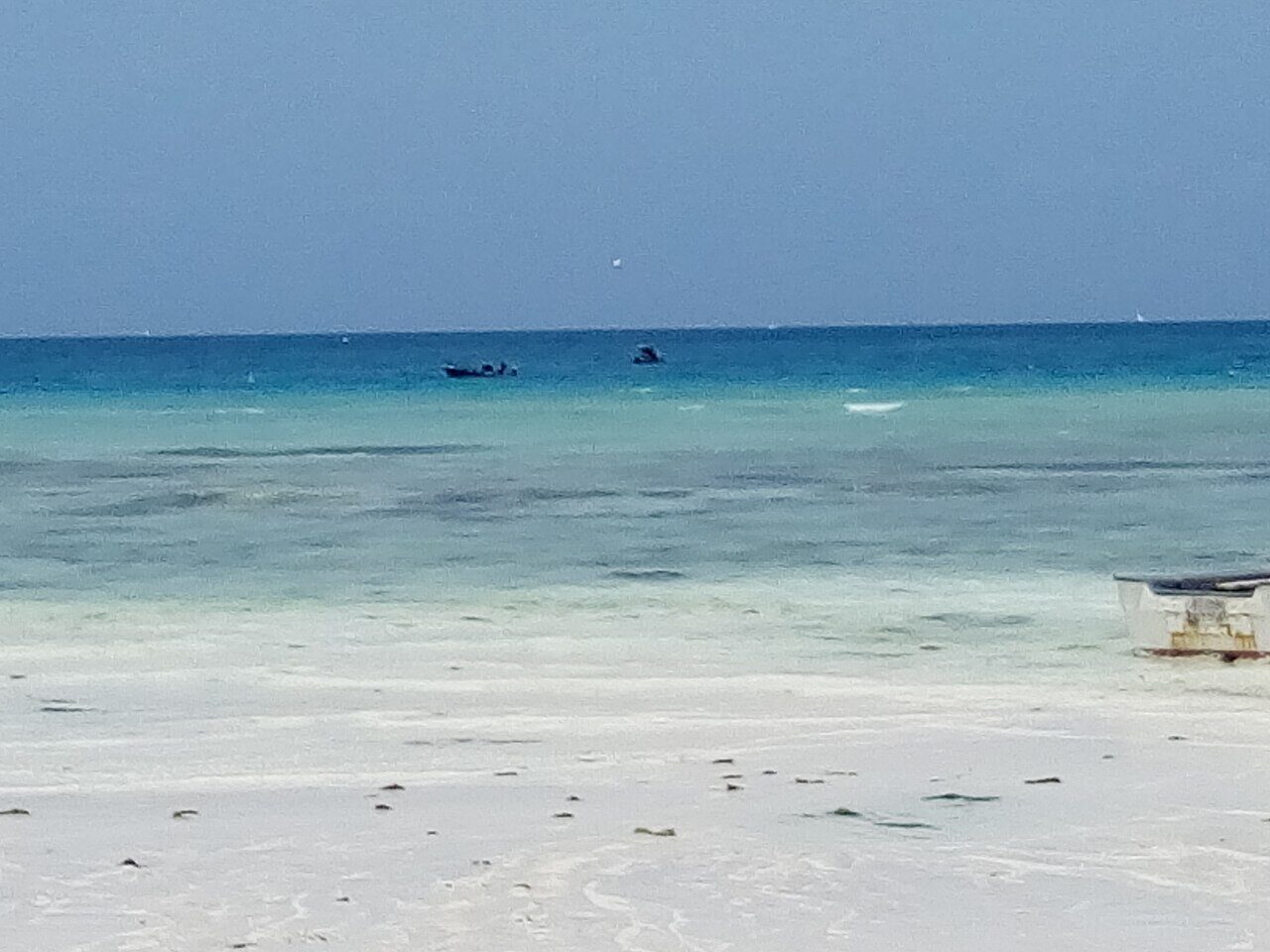
Zanzibar is one of the Indian Ocean's most compelling destinations — a spice island with a complex history, coral-fringed beaches, and a UNESCO-listed old town that has absorbed centuries of Arab, Persian, Indian, and Portuguese influence. For most Tanzania safari visitors, it serves as the perfect beach finale to a game-heavy mainland itinerary. But Zanzibar also stands entirely on its own merits.
What Is Zanzibar?
Zanzibar is a semi-autonomous archipelago off the coast of Tanzania, comprising the main island of Unguja (what most people call "Zanzibar") and the smaller island of Pemba to the north. The capital, Stone Town, sits on the western coast of Unguja and was designated a UNESCO World Heritage Site in 2000. The island's history as a centre of the spice and slave trades has left an architectural and cultural legacy unlike anywhere else in East Africa.
Stone Town
Stone Town is the beating heart of Zanzibar and warrants at least one to two days of exploration. The old town's labyrinthine streets — designed to be narrow enough to provide shade while wide enough for a laden donkey — open unexpectedly onto grand mansions, crumbling palaces, and carved wooden doors that are the island's architectural signature.
Key sites:
- The House of Wonders (Beit al-Ajaib): The largest building in Stone Town, a former sultan's palace now undergoing restoration
- The Old Fort (Ngome Kongwe): A 17th-century Arab fort, now used as a cultural centre
- The Slave Memorial and Chambers: A sobering and essential stop — the site of East Africa's last open slave market
- Darajani Market: The main food market, best visited early morning for spices, fish, and tropical fruit
- Forodhani Gardens: The waterfront night market where locals and visitors gather for grilled seafood at dusk
Stone Town is best explored on foot with a local guide. The street layout is genuinely disorienting — a guide also provides historical context that transforms the experience.
Zanzibar's Beaches
Zanzibar's beaches vary considerably in character depending on which coast you choose.
East Coast (Paje, Jambiani, Bwejuu)
The most popular beach stretch. Long, powdery white sand beaches with turquoise water — but the eastern coast is significantly affected by tides. At low tide, the sea retreats dramatically, leaving exposed seagrass flats. The best swimming is around high tide. Paje is also the island's kitesurfing hub, with consistent southeast trade winds from June to October.
North Coast (Nungwi, Kendwa)
The most reliably swimmable beaches. The northern tip of the island benefits from a different tidal pattern — water remains at the shore throughout the day. Nungwi and Kendwa are the busiest parts of the island, with the most developed hotel and bar scene. Better for travellers who want company and activity; less suitable for those seeking quiet.
Southeast Coast (Kizimkazi)
Quieter, less developed, and the departure point for dolphin-watching excursions in the bay. A good option for travellers wanting to escape the more crowded north and east.
West Coast (Stone Town area)
Not a beach destination in itself — the western coast faces the mainland and has murkier water. Accommodation here is Stone Town-based, suited to cultural immersion rather than beach time.
Activities in Zanzibar
Spice tours: Zanzibar was once the world's leading clove producer and is still called the Spice Island. Half-day tours to working spice farms outside Stone Town let you see and smell vanilla, nutmeg, cinnamon, black pepper, and cardamom growing. A genuinely enjoyable few hours.
Snorkelling and diving: The reefs around Zanzibar, particularly near Mnemba Atoll on the northeast coast, are among East Africa's best. Visibility is typically 15–30 metres in good conditions. Mnemba is a marine protected area managed by &Beyond, with reliable coral and abundant reef fish.
Swimming with whale sharks: Between October and February, whale sharks aggregate in the waters off the southeast coast near Dende and Kizimkazi. Snorkelling (not diving) with whale sharks in their natural habitat is one of Zanzibar's bucket-list experiences. Choose operators who follow responsible guidelines — maintaining a safe distance and not touching the animals.
Dhow sailing: Traditional Arab dhow sailing is a Zanzibar staple, ranging from sunset cruises to full-day excursions to nearby islands. The northern sandbar at Kendwa is a popular day trip destination.
When to Visit Zanzibar
Zanzibar is most enjoyable from June to October (long dry season — warm, dry, excellent visibility for diving) and January to February (short dry season — hot, calm seas). The long rains (March to May) bring heavy and persistent rain. The short rains (November to December) are more variable — brief showers interspersed with sun, and the sea can be rough on the eastern coast.
How to Get to Zanzibar
From mainland Tanzania: Flights from Dar es Salaam to Zanzibar take approximately 20 minutes and run frequently throughout the day. Coastal Aviation and Auric Air also connect Zanzibar to Arusha and several safari airstrips. A ferry from Dar es Salaam takes approximately 2 hours and is a budget-friendly option, though sea conditions vary.
From Europe: Several charter airlines operate direct seasonal flights to Zanzibar from European cities (particularly the UK and Germany) between November and April. Scheduled routes connect via Nairobi, Addis Ababa, or Doha year-round.
Frequently Asked Questions
How many days do you need in Zanzibar? Three nights is the minimum for a meaningful visit — one day in Stone Town and two days at the beach. Five to seven nights is comfortable for a proper holiday. Most safari-plus-beach itineraries allocate four to five nights on the island.
Is Zanzibar suitable for families? Yes, with some planning. The calmer north coast beaches (Nungwi, Kendwa) are better for families with young children than the tidal east coast. Stone Town is compact and child-friendly. Water sports, dhow trips, and spice tours all work well with older children.
Do I need a visa for Zanzibar separately from Tanzania? No. Zanzibar is part of Tanzania; a single Tanzanian visa covers both. However, you must carry your passport — Zanzibar maintains its own immigration checkpoints at the airport and ferry terminal.
Is Zanzibar expensive? It ranges widely. Budget guesthouses in Stone Town start at around USD 50–80 per night. Mid-range beach hotels on the east or north coast run USD 150–300 per night. Luxury beachfront resorts can exceed USD 500 per night. Food at local restaurants is very affordable; seafood at tourist-facing restaurants is moderately priced by European standards.
Browse Zanzibar accommodation — from Stone Town guesthouses to beachfront lodges — on our Tanzania accommodation page.
Ready to plan your trip?
Check live availability, compare lodges and book instantly — or send us an enquiry and we'll help shape the route.