Why Visit Pemba Island in 2027: A Guide
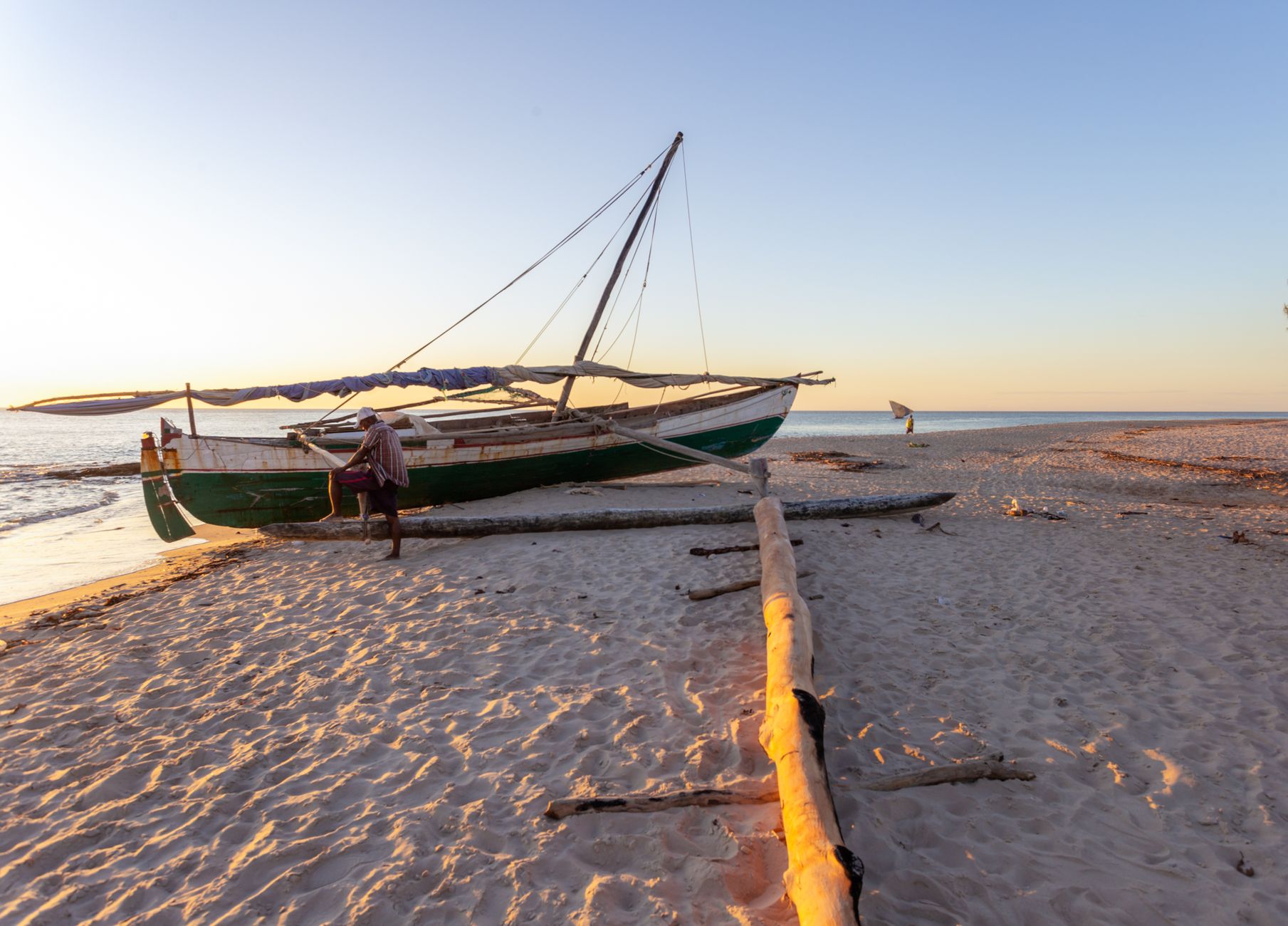
As you begin to dream up your travels for the year ahead, the question of where to find a truly unique and restorative escape comes to the forefront. While Tanzania is world-renowned for its epic safaris, its coastline holds treasures of a different kind. For those in the know, the ultimate answer is found floating in the turquoise waters of the Indian Ocean. If you are asking yourself why visit Pemba Island in 2027, the answer lies in its untouched beauty, its vibrant marine life, and a sense of discovery that has become rare in our modern world.
Known to locals as 'Al Khudra' or 'the Green Island,' Pemba is the quieter, wilder sister to the more frequented Unguja, the main island of the Zanzibar Archipelago. It is a place defined by rolling hills, dense clove plantations, and secretive mangrove forests that line its intricate coastline. Here, the rhythm of life is dictated by the monsoon winds and the fishing tides, not the tourist calendar. This is an island for the discerning traveller, one who seeks authenticity over amenities and connection over crowds.
The Unspoiled Heart of the Indian Ocean
Unlike the flat, palm-fringed shores of its southern neighbour, Pemba’s topography is undulating and lush. Its fertile red soils support a tapestry of agriculture, most famously the aromatic cloves that have defined its economy and culture for centuries. Driving through the island’s interior is a journey through a fragrant landscape of spice farms, mango groves, and banana plantations, interspersed with small, welcoming villages.
This verdant interior gives way to a coastline of secluded coves, pristine sandbanks that appear as if by magic at low tide, and dense mangrove forests that are a vital nursery for the ocean's young. The island is not a destination of sprawling resorts but of intimate lodges and eco-conscious hideaways that blend seamlessly into the natural environment.
For those planning a journey in early 2027, the period from January to March offers excellent weather, with dry, sunny days perfect for both land and sea exploration. It’s an ideal time to experience the island at its most serene, before the longer rains of April and May begin to refresh the green landscapes.
Why Visit Pemba Island in 2027? An Ocean of Discovery
The primary draw for many visitors to Pemba is what lies beneath the waves. The island is almost completely encircled by coral reefs, and the deep Pemba Channel, which separates it from the mainland, creates nutrient-rich upwellings that support a staggering diversity of marine life. This makes for some of the most spectacular and healthy diving and snorkelling in all of East Africa.
Unlike many popular reef destinations, Pemba’s dive sites are uncrowded, allowing for a profound and personal connection with the underwater world. The west coast is protected from the open ocean, offering calmer conditions and beautiful coral gardens teeming with colourful reef fish. The dramatic drop-offs and wall dives of the Pemba Channel to the east and south attract more pelagic species, including reef sharks, giant trevally, and seasonal visitors like humpback whales and whale sharks.
Whether you are an experienced diver or a first-time snorkeler, the marine world here is accessible and awe-inspiring. A typical day might involve:
- Drifting over vast plateaus of cabbage coral, alive with clouds of anthias.
- Searching for macro life like leaf fish, ribbon eels, and nudibranchs hidden in the reef’s crevices.
- Swimming alongside graceful sea turtles as they glide through the blue.
- Watching pods of bottlenose or spinner dolphins play in the bow wave of your dhow.
The commitment to marine conservation is strong here, with protected areas like the Pemba Channel Conservation Area (PECCA) working to ensure these aquatic ecosystems thrive for generations to come. Planning your visit for early 2027 means you'll be experiencing these pristine waters in their prime.
A Tapestry of Culture and Spice
Pemba’s allure extends far beyond its natural beauty. The island possesses a rich and complex history, a blend of Swahili, Omani Arab, and mainland African influences that have created a unique and fascinating culture. It has long been a centre for traditional healing and spirituality, adding a layer of mystique to its character.
Exploring a spice farm is an essential Pemba experience. Here, you can walk through plantations and have your senses ignited by the scents of cloves, cinnamon, vanilla, and nutmeg. Local guides will explain the uses of these spices not just in cooking, but in traditional medicine and daily life, offering a window into the island’s soul.
A visit to the main town of Chake Chake, with its bustling market and crumbling colonial-era buildings, provides a glimpse into the island's commercial heart. The smaller town of Wete in the north serves as another important port, where you can watch traditional wooden dhows being built by hand, a craft passed down through centuries.
This rich cultural fabric offers a beautiful counterpoint to a classic wildlife safari. Many travellers choose to combine the wild solitude of Pemba with the epic landscapes of the Serengeti, creating a holistic Tanzanian journey that encompasses both bush and beach.

Beyond the Beach: Forests, Ruins, and Authentic Encounters
While the ocean calls loudly, Pemba’s land-based attractions are equally captivating. In the north of the island lies the Ngezi Forest Reserve, a protected remnant of pristine indigenous forest. A walk beneath its canopy offers a chance to see the Pemba Flying Fox, a massive fruit bat endemic to the island, as they roost in towering trees. The forest is also home to vervet monkeys and a rich variety of birdlife.
History buffs will be drawn to the Ras Mkumbuu ruins on the western peninsula. These 14th-century ruins, including the remnants of a large mosque and several pillar tombs, whisper of a time when Pemba was a powerful trading post in the Indian Ocean network. Exploring these quiet, overgrown sites feels like stepping back in time.
Combining these explorations with a tranquil island stay offers a profound sense of escape. It’s a different kind of luxury from the beautifully crafted safari experience you might find at a lodge like Roho ya Selous in the vast wilderness of Nyerere National Park, or the architectural marvel of a retreat like The Highlands. Pemba’s luxury is one of simplicity, privacy, and an uninterrupted connection with nature.
It is an island that rewards the curious and the patient. It’s found in the smile of a child in a village, the taste of a freshly picked mango, and the silence of a deserted beach at dawn.

As you consider your travel plans, think of what you truly seek from a destination. If the answer is a place that feels real, that offers adventure without fanfare, and that provides a genuine escape from the pace of modern life, then you have your answer for why visit Pemba Island in 2027. It remains one of Tanzania’s most precious, and rewarding, secrets.
Where to stay in Selous / Nyerere
Browse handpicked places to stay — many with live availability and instant booking.
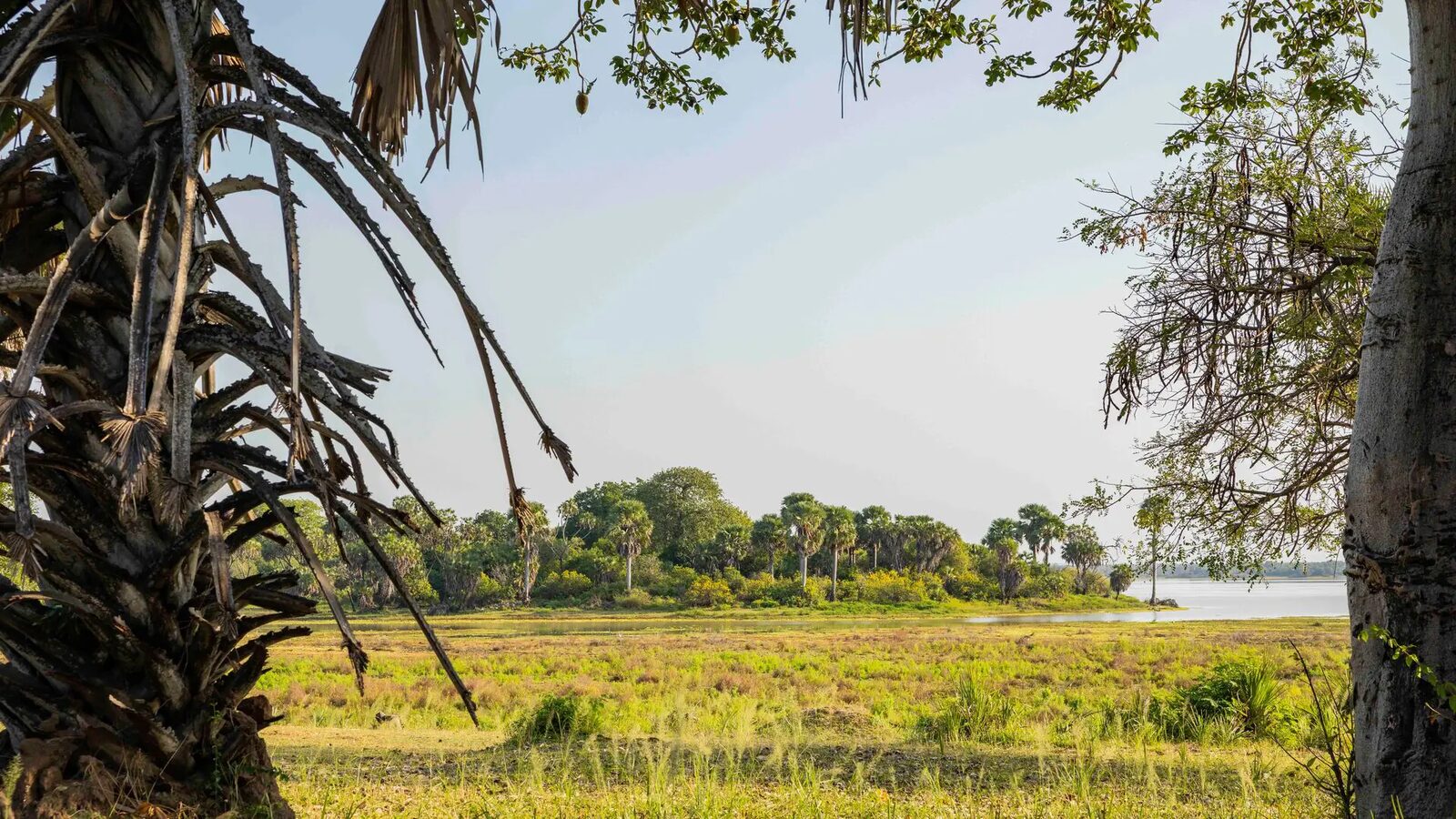 5(11)
Roho ya Selous
Nyerere National Park (Selous), Tanzania
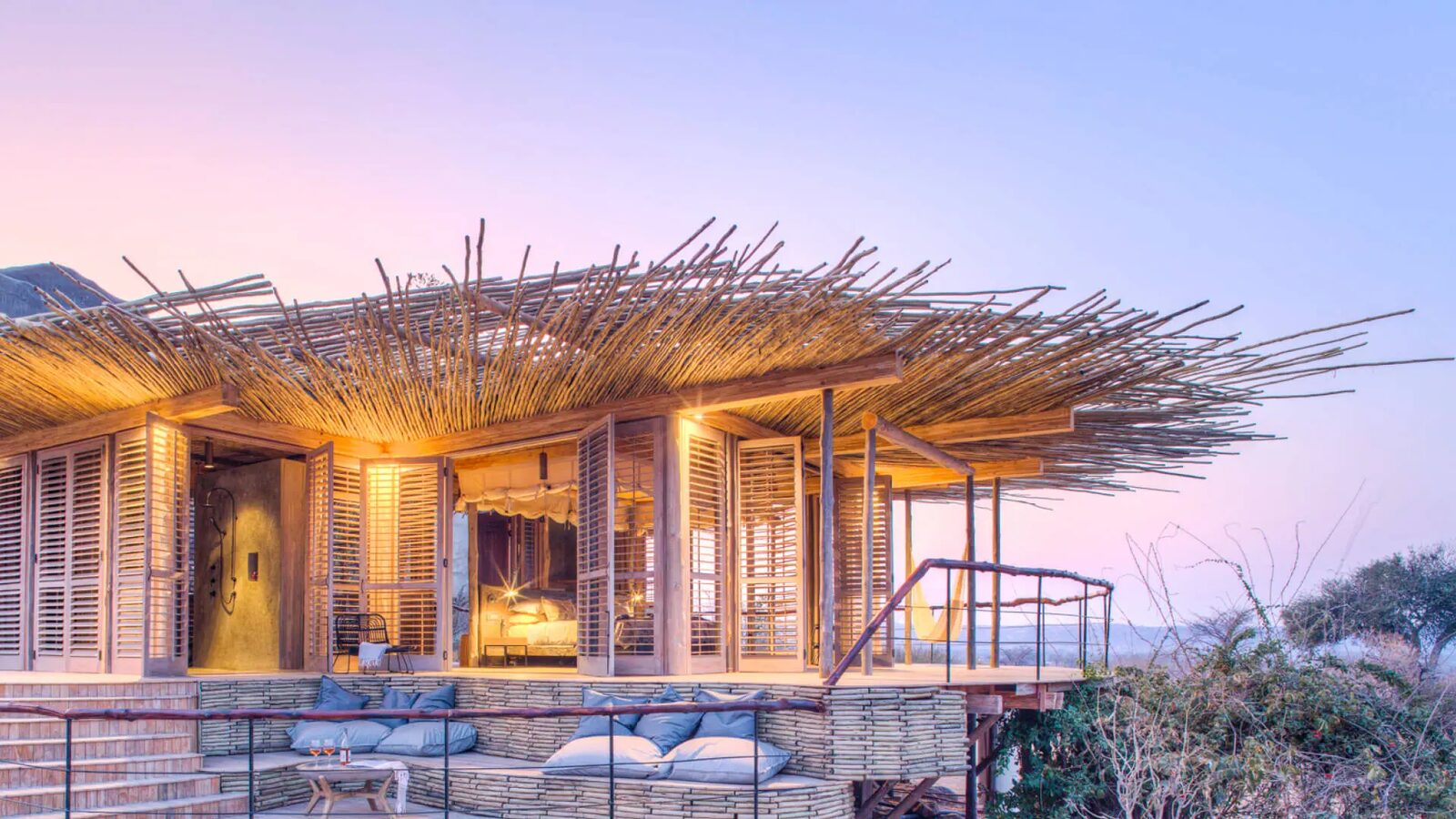 4.9(72)
Jabali Ridge
Ruaha National Park, Tanzania
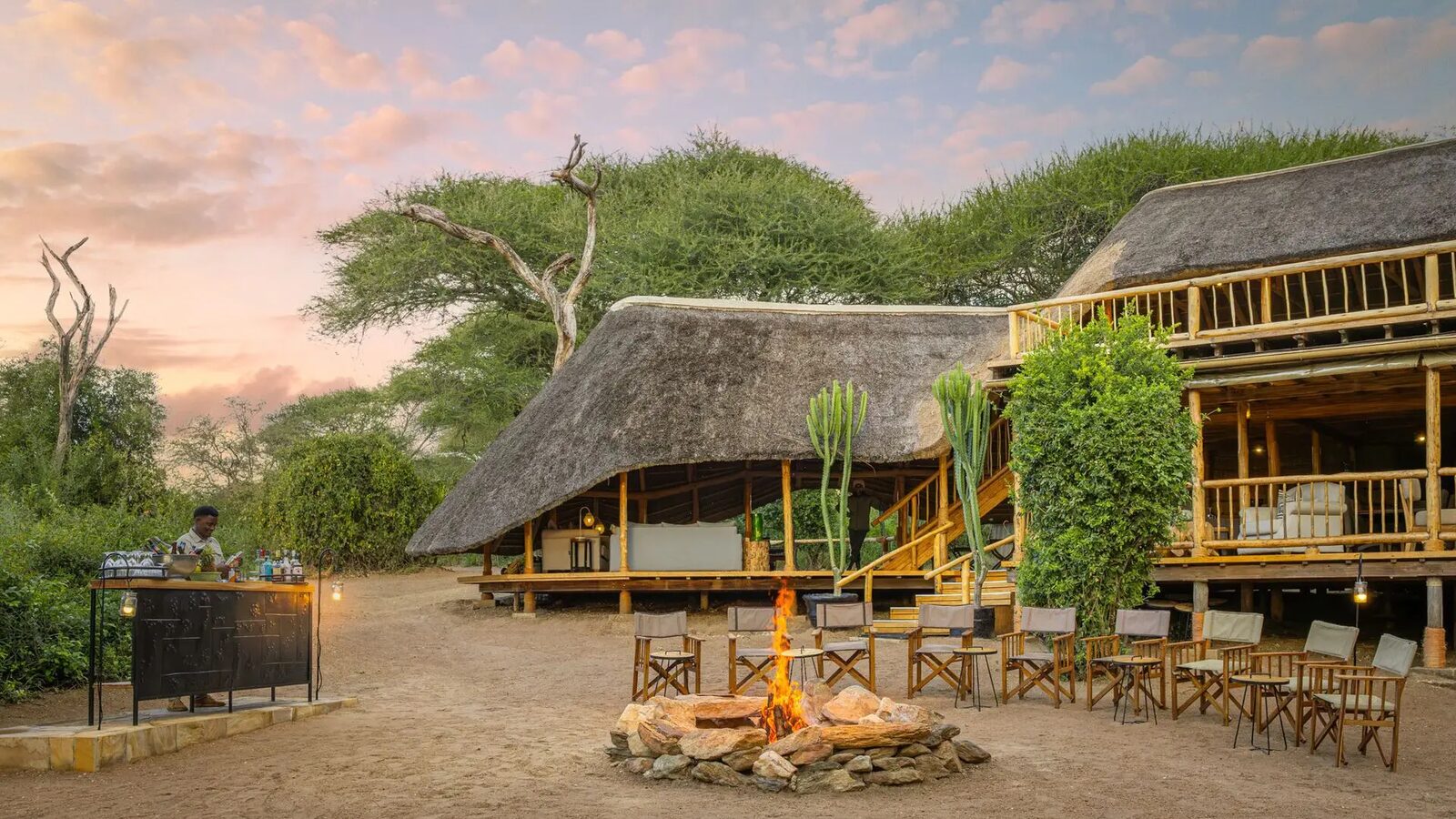 4.9(74)
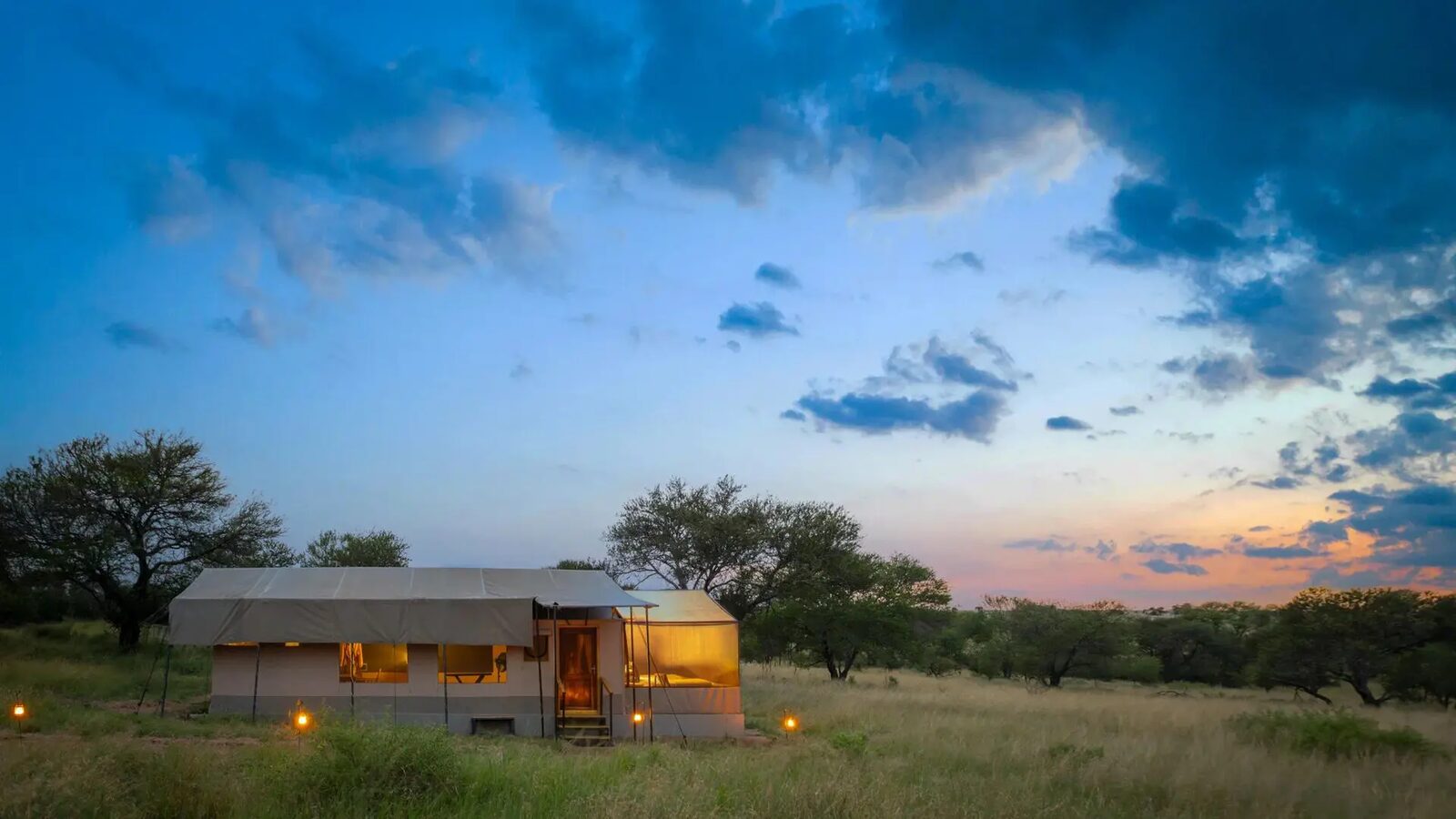
Oliver's Camp
Eastern Tarangire National Park, Tanzania
 4.8(9)
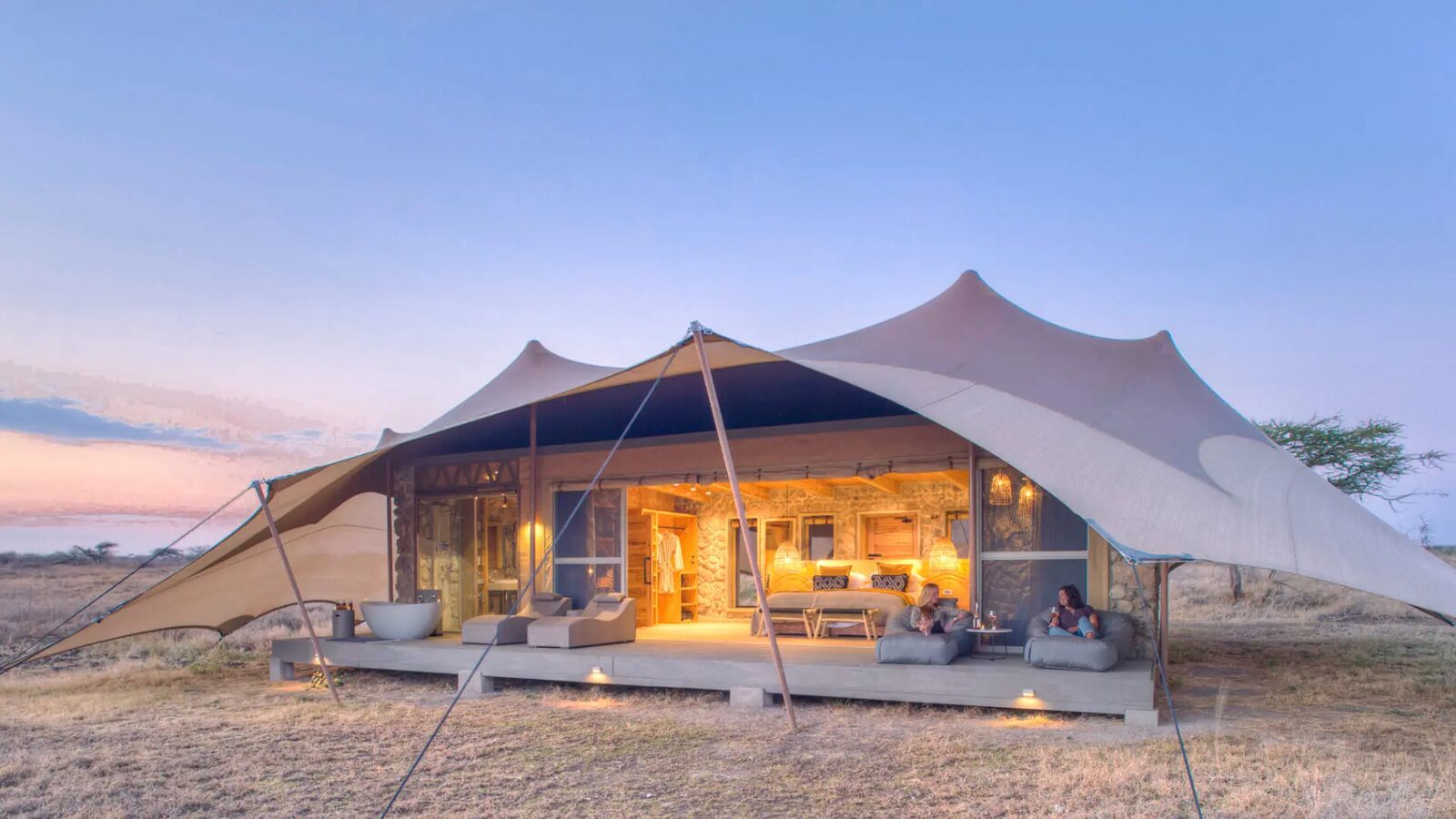
Olakira Migration Camp
Kogatende (Jun–Oct) & Ndutu (Dec–Mar), Serengeti, Tanzania
 0(0)
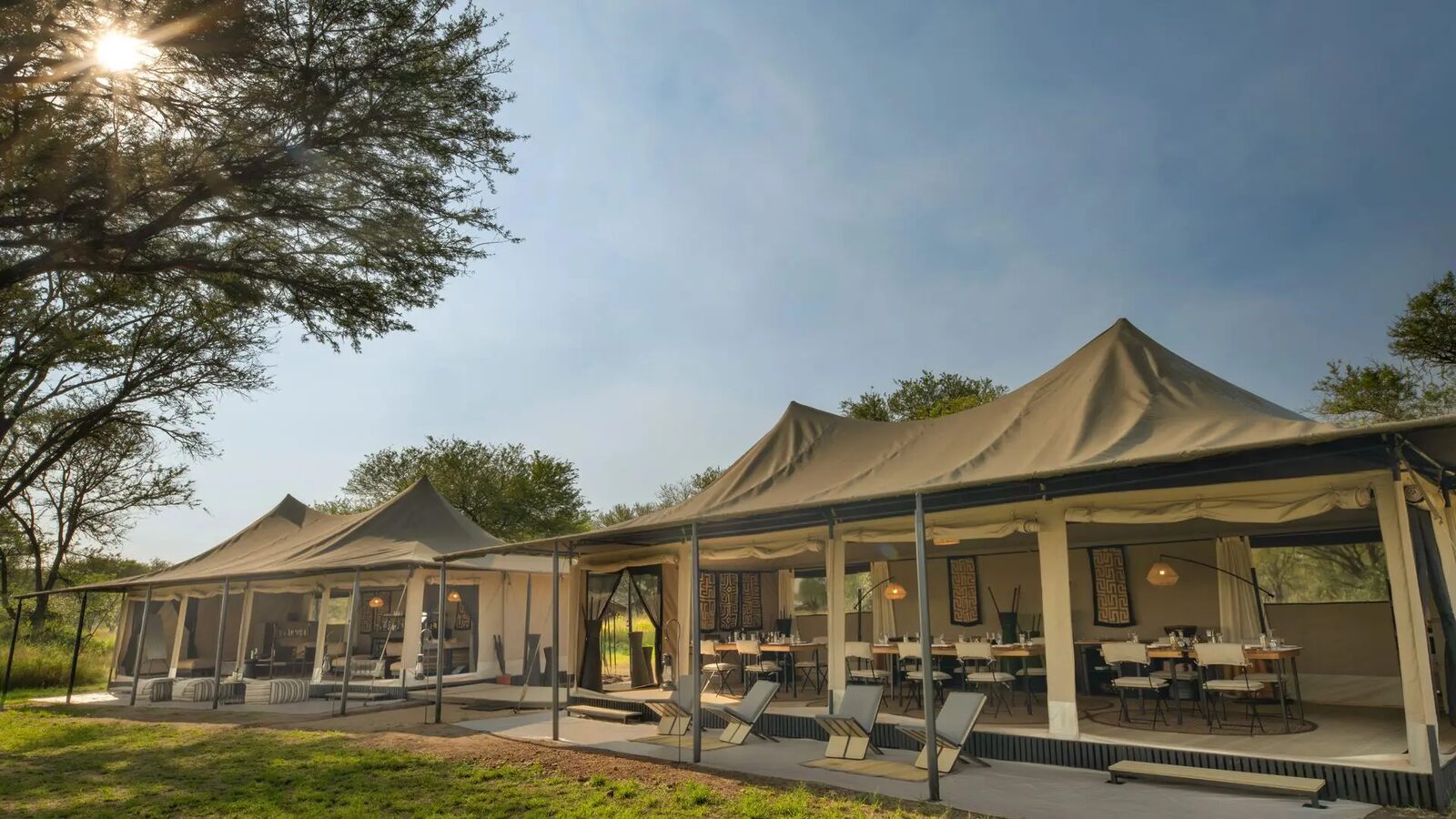
Namiri Plains
Soit le Motonyi, Eastern Serengeti, Tanzania
 4.8(52)
Ubuntu Migration Camp
Ndutu (Dec–Mar) & Northern Serengeti (Jun–Oct), Tanzania
Let us plan this trip for you
Send us your dates, party and budget and we'll come back with a costed itinerary — lodges, flights, transfers and activities in one place. No fee, no obligation.
Keep reading

See our safari advice first on Google
One tap tells Google you want Safari Stays shown higher when you search for safari and travel news. It takes a second and you can undo it anytime.
Make Safari Stays a preferred source on Google