How to Combine Ruaha and Nyerere Parks for a Safari

While the great migration herds of the Serengeti capture the popular imagination, a different kind of Tanzanian safari awaits in the south—a journey into a wilder, more elemental Africa. For travellers seeking vast landscapes, profound solitude, and an authentic bush experience, learning how to combine Ruaha and Nyerere parks is the key to unlocking an extraordinary adventure. This is a safari of dramatic contrasts, moving from the dry, rugged heart of Ruaha to the life-giving waterways of Nyerere.
As you begin to plan your travels for the coming year, particularly for the window between February and July 2027, this guide will walk you through the character of each park and the logistics of crafting a seamless Southern Circuit itinerary.
Why Choose Tanzania's Southern Circuit?
Tanzania’s Southern Circuit offers a safari experience that feels worlds away from the well-trodden northern routes. The primary allure is the sense of immense space and exclusivity. Here, you are more likely to be the sole vehicle at a sighting, allowing for quiet, unhurried observation of wildlife behaving naturally.
The landscapes themselves are a core part of the appeal. This is a region of ancient baobabs, winding river systems, and sprawling wetlands. The ecosystems in Ruaha and Nyerere support different but equally impressive biodiversity, including species that are harder to find in the north, such as the endangered African wild dog and majestic sable and roan antelope.
Furthermore, the activities on offer are more varied. While game drives are the foundation of any safari, Nyerere introduces the magic of water-based exploration, with boat safaris and fishing expeditions providing a completely different perspective of the bush.
Ruaha National Park: A Land of Giants and Predators
Welcome to Ruaha, Tanzania's largest national park. It's a raw and rugged landscape where ancient baobab trees stand like sentinels over a sun-baked terrain. The park is defined by the Great Ruaha River, which shrinks to a vital lifeline during the dry season, drawing immense concentrations of wildlife to its banks and sandy riverbeds.
Ruaha is renowned for its giants. It is home to one of East Africa’s largest elephant populations, and seeing vast herds navigate the sparse woodlands is a truly humbling sight. The park’s predator populations are equally impressive, with a particularly strong concentration of lions. Prides of over twenty are not uncommon, and their dynamics provide endless fascination.
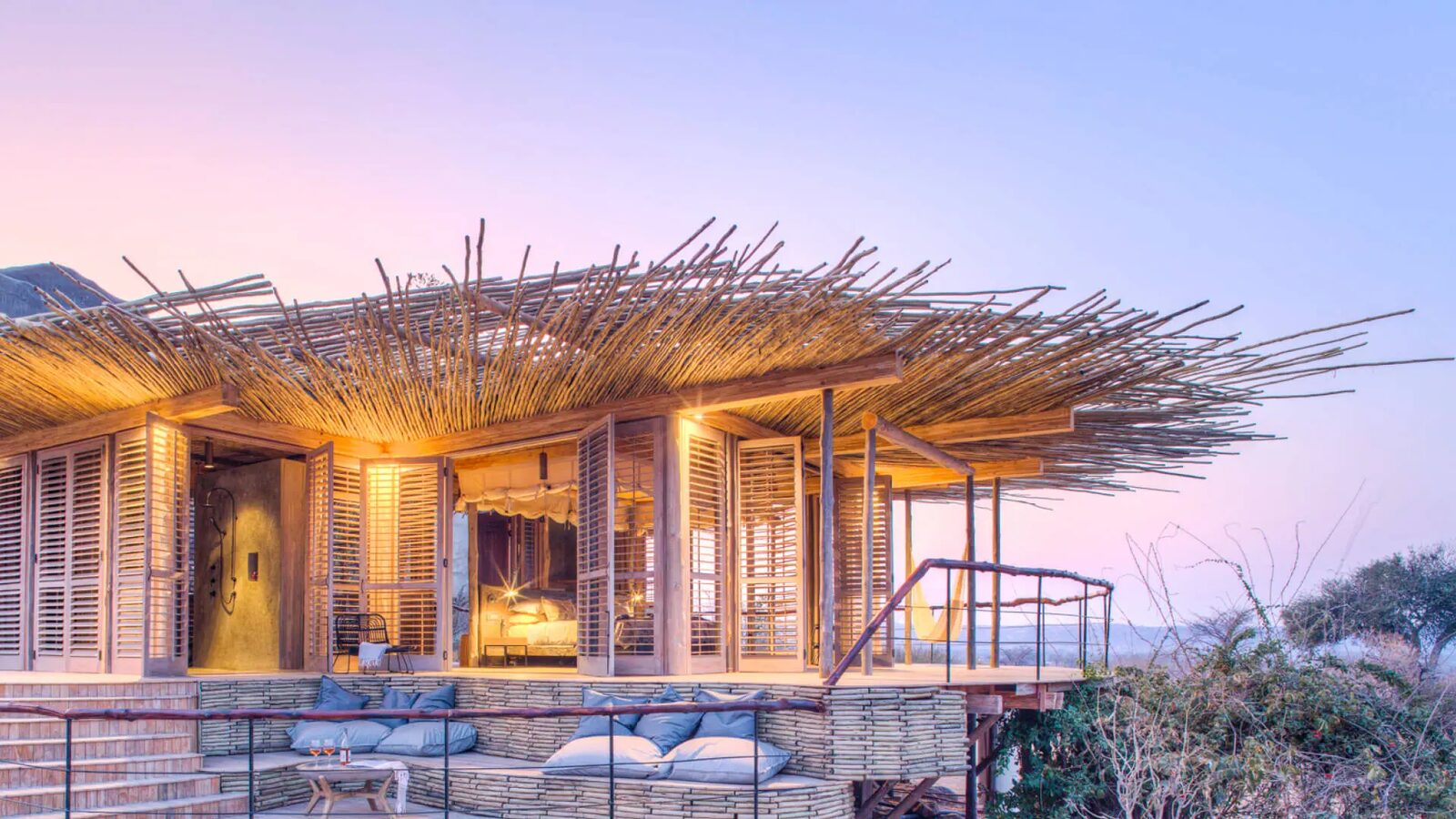
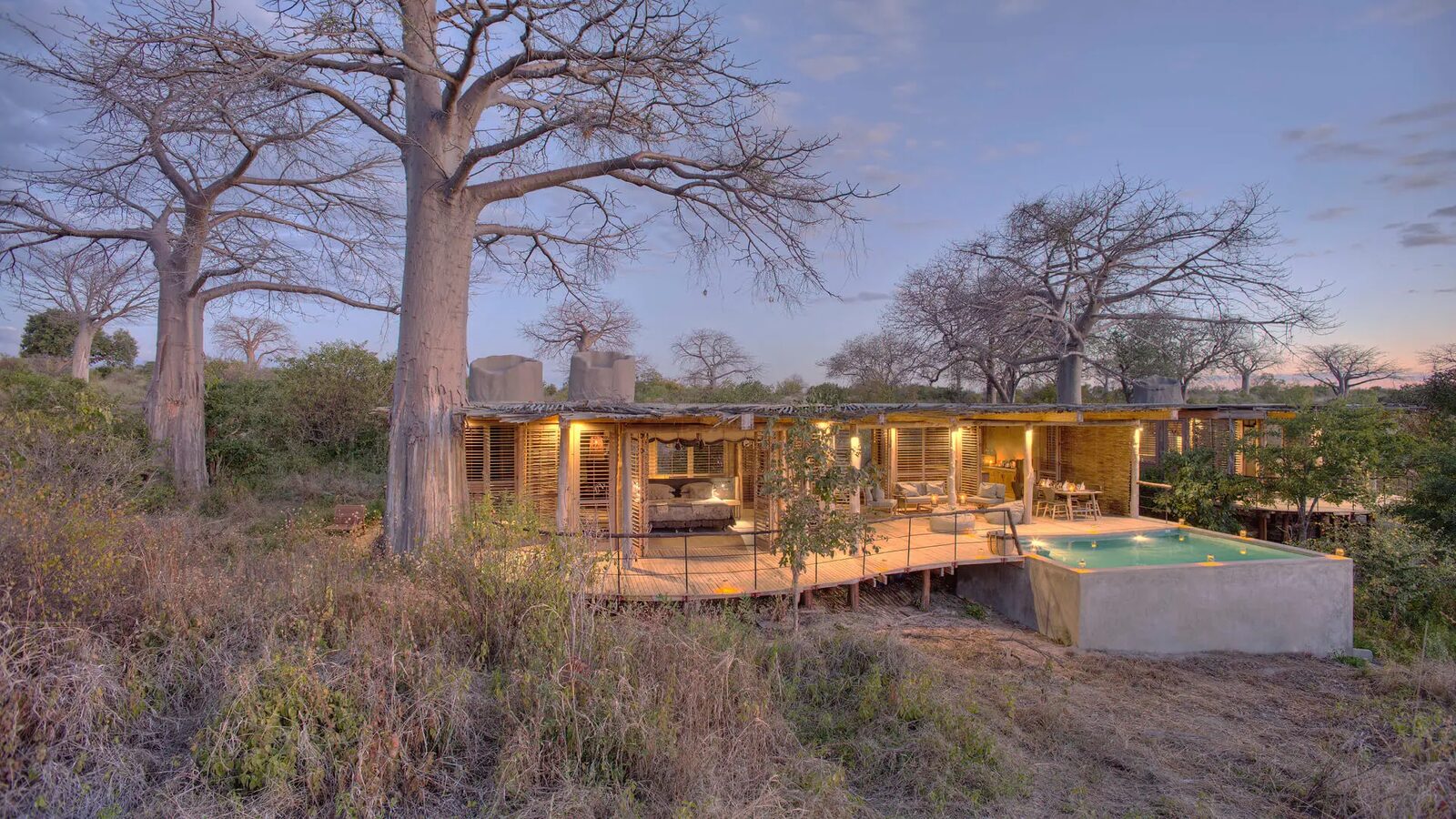
During your stay, you can explore from exceptional camps that blend seamlessly with the environment. A lodge like Jabali Ridge is ingeniously built among a cluster of granite boulders, offering breathtaking views across the plains. For a different perspective, consider the unique wetlands of the greater Ruaha ecosystem, where camps like Usangu Expedition Camp are pioneering conservation research and offering guests a chance to be part of it.
Nyerere National Park: Water, Wild Dogs, and Wilderness
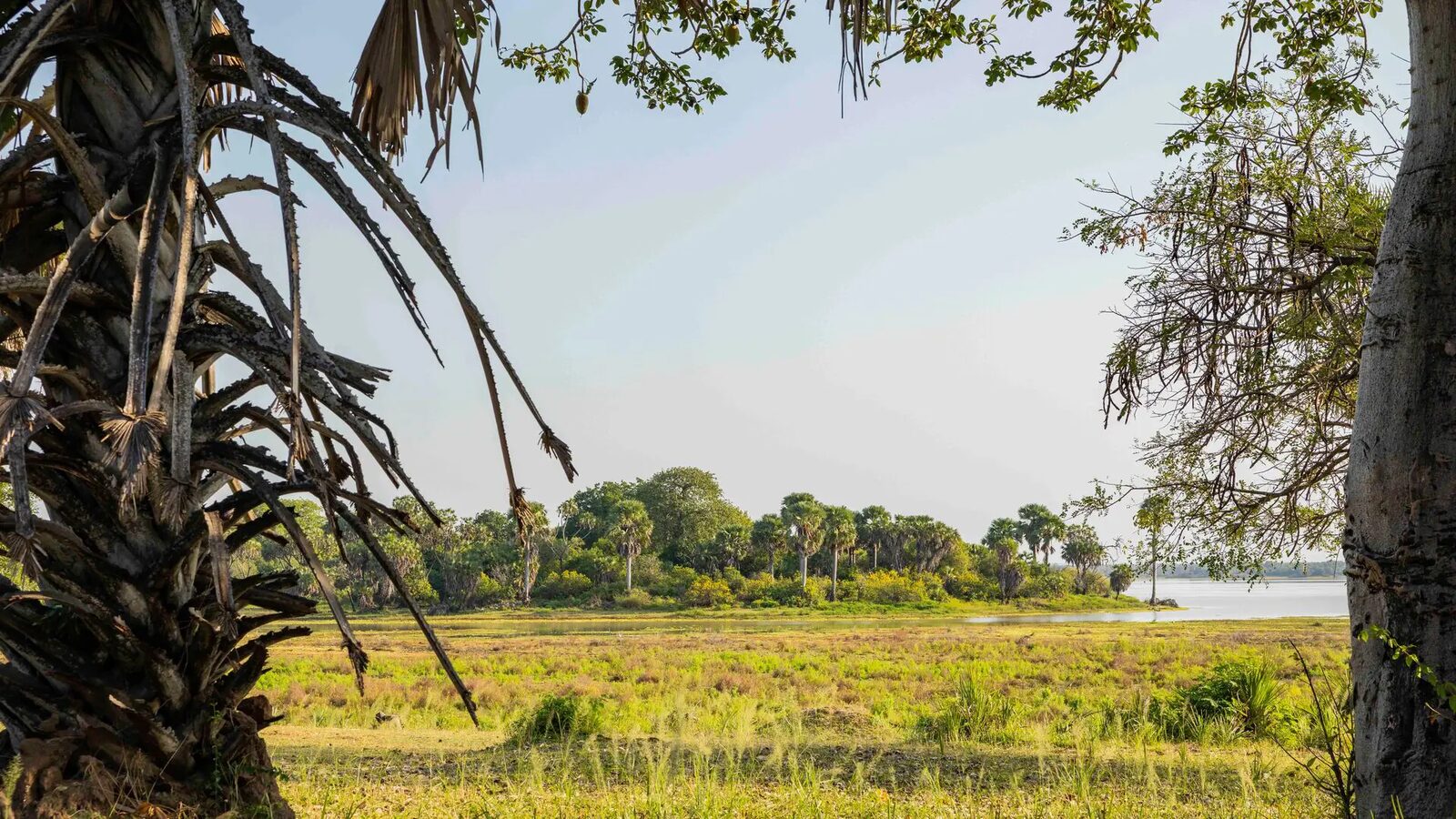
Leaving the arid beauty of Ruaha behind, your journey continues to the lush, riverine landscapes of Nyerere National Park. Formerly the northern part of the Selous Game Reserve, Nyerere is one of the world's largest wildlife sanctuaries, a vast wilderness threaded by the mighty Rufiji River and its network of channels, lakes, and lagoons.
Here, water is life. The defining experience is a boat safari, gliding silently past pods of hippos and basking crocodiles. Birdlife is spectacular, with fish eagles, kingfishers, and herons decorating the banks. This water-level view offers a peaceful and photogenic contrast to the classic game drive.
Nyerere is also one of the most important strongholds for the African wild dog. The park’s sheer size and varied terrain provide the perfect habitat for these wide-roaming, highly social predators. A sighting of a pack on the hunt is a rare and thrilling safari highlight. Lodges such as Roho ya Selous, meaning ‘heart of Selous’, are perfectly positioned to access the park’s best game-viewing areas and offer guided walks and boating alongside traditional drives.
How to Combine Ruaha and Nyerere Parks: Logistics and Timing for 2027
Connecting these two immense parks may seem daunting, but it is made simple by Tanzania's excellent network of bush flights. Understanding the logistics and the best time to travel is the first step in crafting your perfect southern safari.
Getting Between the Parks
The most efficient and scenic way to travel between Ruaha and Nyerere is by small propeller plane. Scheduled and charter flights connect the airstrips within each park, turning a transfer day into a breathtaking aerial safari over the Tanzanian wilderness. Most itineraries start and end in Dar es Salaam, which serves as the primary gateway to the Southern Circuit.

Best Time to Travel (February–July 2027)
This six-month period covers two distinct seasons, each offering a unique experience:
- The Green Season (February – March): Following the short rains, the landscape is vibrant, lush, and green. This is a beautiful time for photography, with dramatic skies and clear air. It's calving season for many antelope species, meaning predators are active. Birding is at its absolute peak, with migrant species present. The bush is thicker, which can make game-spotting more of a fun challenge.
- The Transition and Early Dry Season (June – July): After the main rains of April and May (when many camps close), the bush begins to dry out. June and July offer a perfect balance: the landscape is still beautiful and green, but the thinning vegetation and receding water sources start to concentrate wildlife, making for easier viewing. The weather is clear, sunny, and pleasant.
Sample Itinerary Structure
A typical combination involves flying from Dar es Salaam and spending 3 to 4 nights in each park. This allows enough time to explore their distinct ecosystems without feeling rushed.
- Day 1: Arrive in Dar es Salaam, fly to Nyerere National Park.
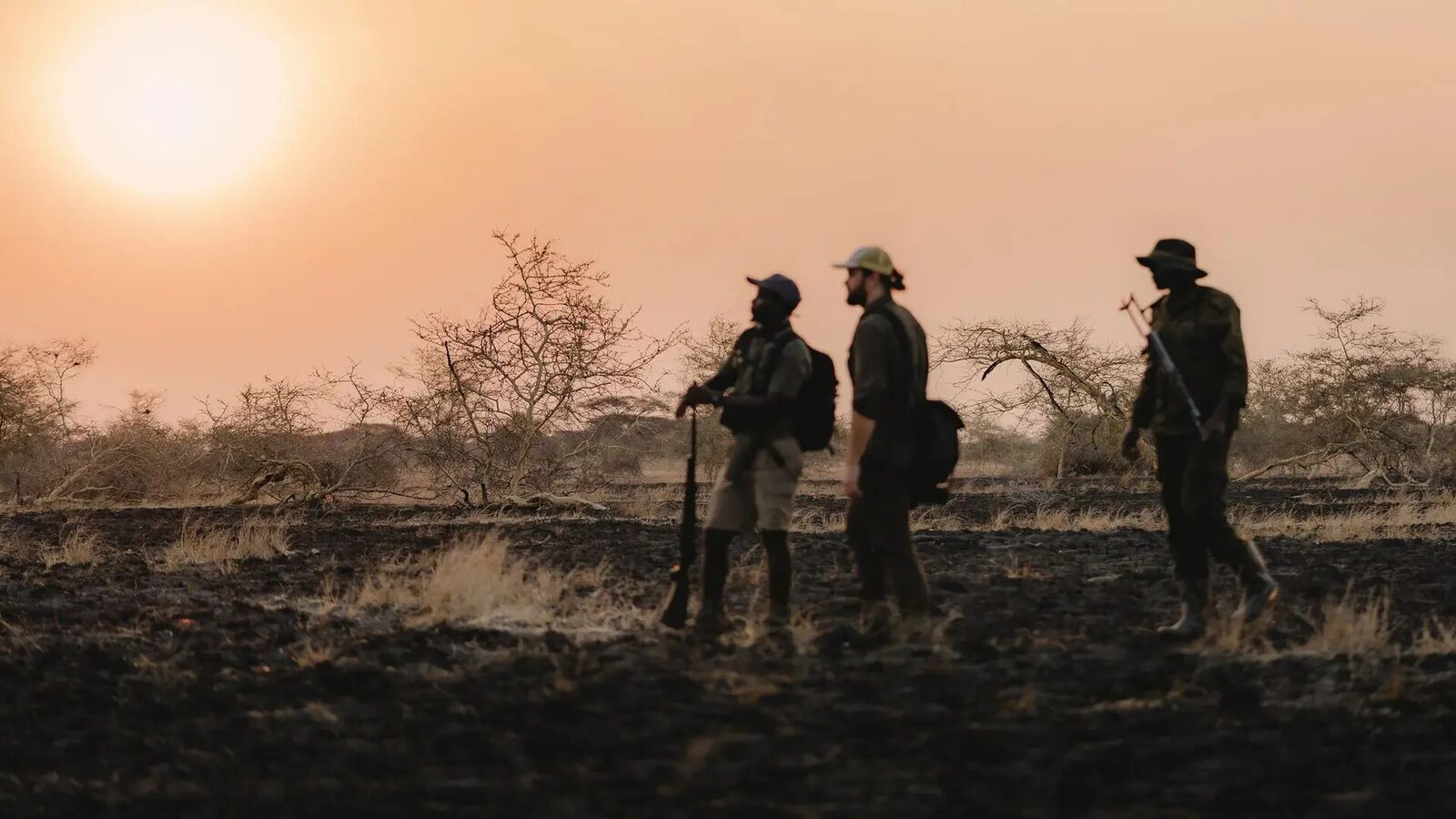
- Days 2-3: Explore Nyerere with a mix of game drives, boat safaris, and guided walks.
- Day 4: Morning bush flight from Nyerere to Ruaha National Park.
- Days 5-7: Discover the rugged landscapes and predator action of Ruaha on game drives.
- Day 8: Morning flight from Ruaha back to Dar es Salaam for your journey home, or onward to the coast.
Crafting Your Southern Adventure
While Ruaha and Nyerere form the core of a southern itinerary, there is always room for customisation. For a truly unforgettable trip, consider extending your safari with a few days of relaxation on the coast.
After a week in the bush, the turquoise waters and white sands of the Swahili coast are a welcome sight. A short flight from either park can connect you to Zanzibar, where you can unwind, snorkel, and reflect on your wildlife encounters before heading home. This classic ‘bush and beach’ combination is the perfect finale to a Tanzanian holiday.

Ultimately, the beauty of a southern safari lies in its wildness and the profound sense of connection to nature it provides. It is an itinerary for the discerning traveller, one who values solitude as much as sightings. Understanding how to combine Ruaha and Nyerere parks is not just about logistics; it’s about piecing together a journey that will stay with you long after you return home, a memory of Africa at its most untamed and magnificent.
Where to stay in Selous / Nyerere
Browse handpicked places to stay — many with live availability and instant booking.
 5(11)
Roho ya Selous
Nyerere National Park (Selous), Tanzania
 4.9(72)
Jabali Ridge
Ruaha National Park, Tanzania
 4.9(74)
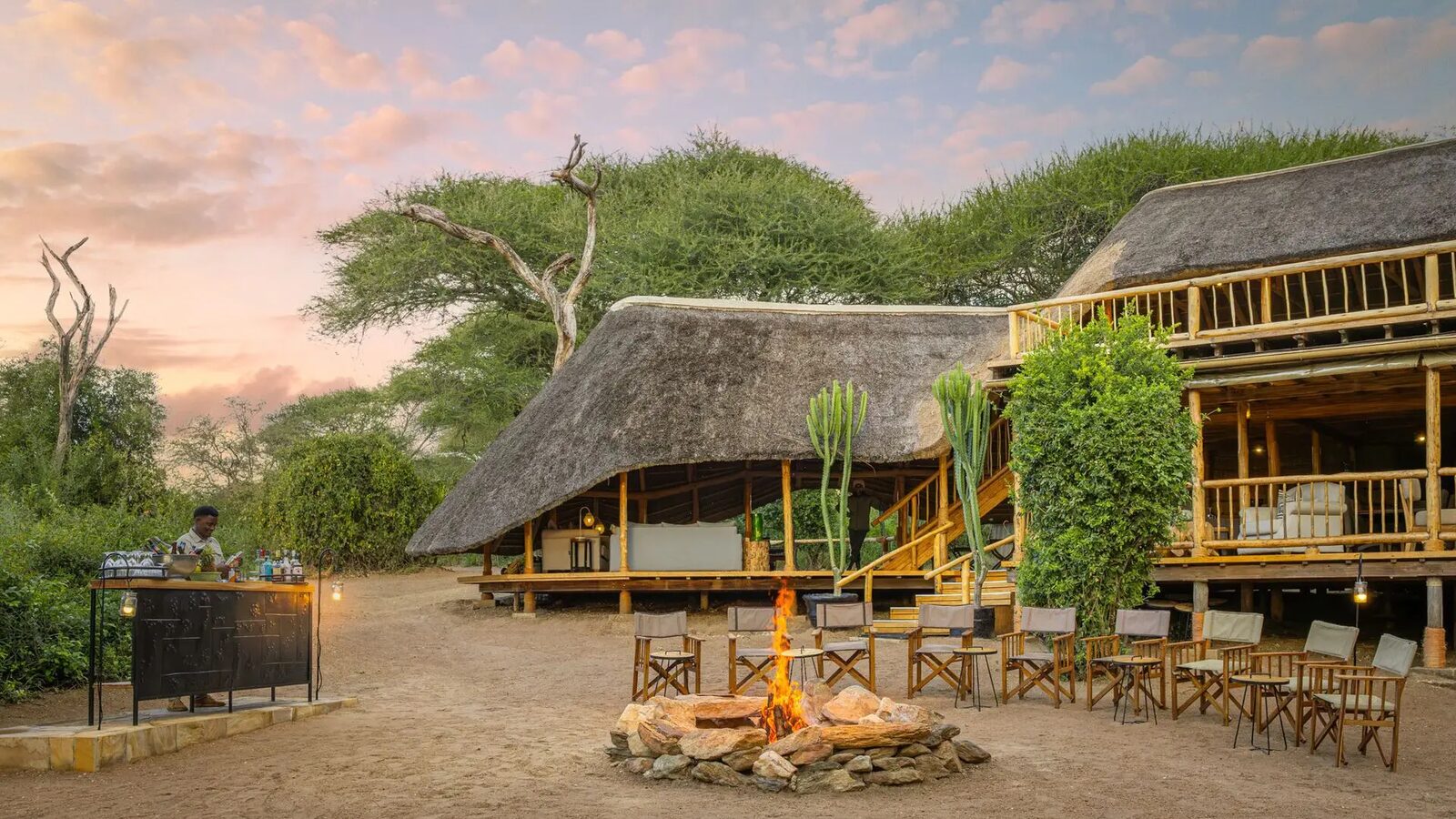
Oliver's Camp
Eastern Tarangire National Park, Tanzania
 4.8(9)
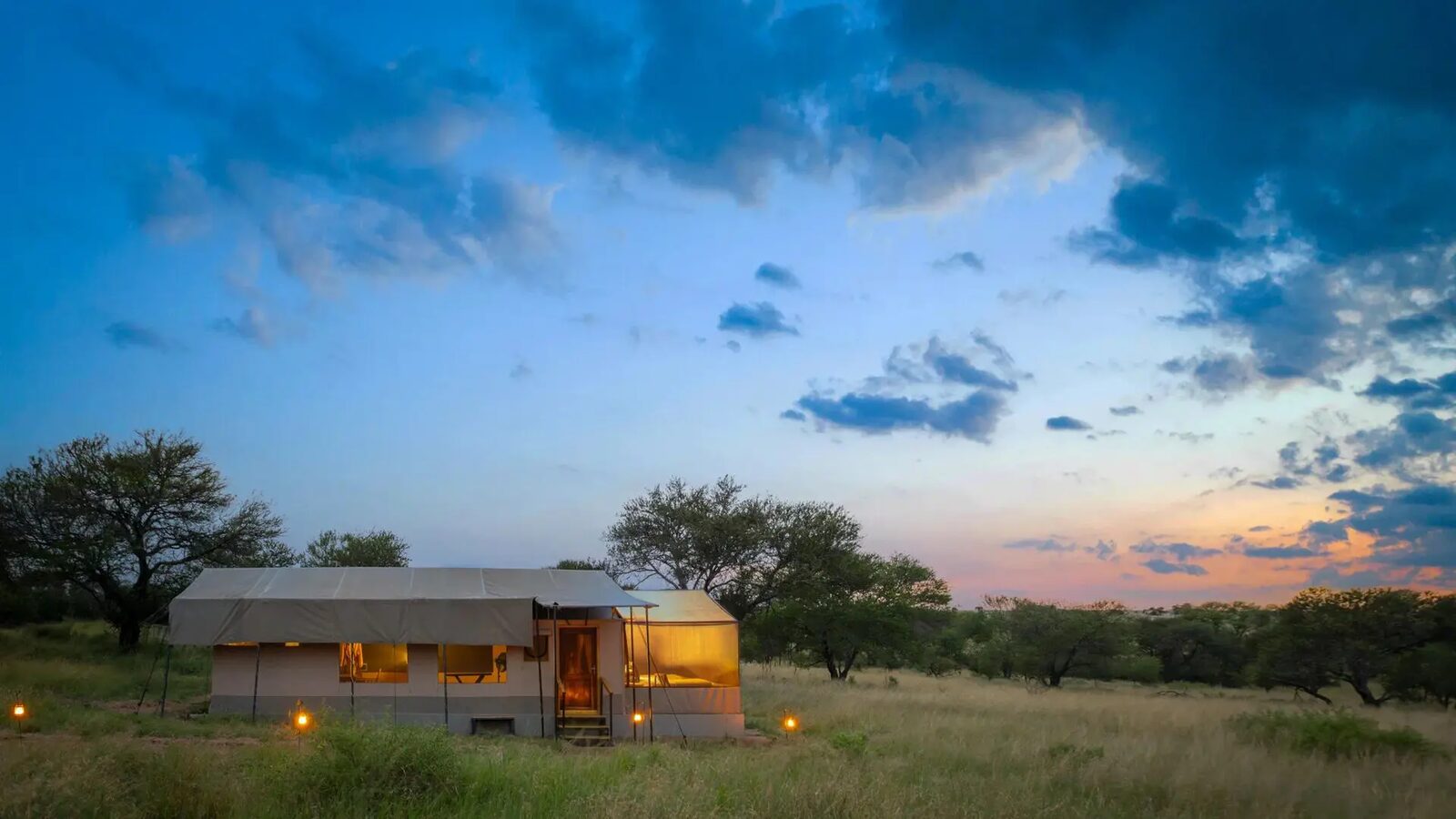
Olakira Migration Camp
Kogatende (Jun–Oct) & Ndutu (Dec–Mar), Serengeti, Tanzania
 4.9(65)
Usangu Expedition Camp
Usangu Wetlands, Greater Ruaha, Tanzania
 4.9(72)
Jabali Private House
Ruaha National Park, Tanzania
Let us plan this trip for you
Send us your dates, party and budget and we'll come back with a costed itinerary — lodges, flights, transfers and activities in one place. No fee, no obligation.
Keep reading
See our safari advice first on Google
One tap tells Google you want Safari Stays shown higher when you search for safari and travel news. It takes a second and you can undo it anytime.
Make Safari Stays a preferred source on Google