Usangu Expedition Camp

    Lodge in Usangu Wetlands, Greater Ruaha, Tanzania

    Usangu Expedition Camp

    Reviews Coming Soon

    Overview

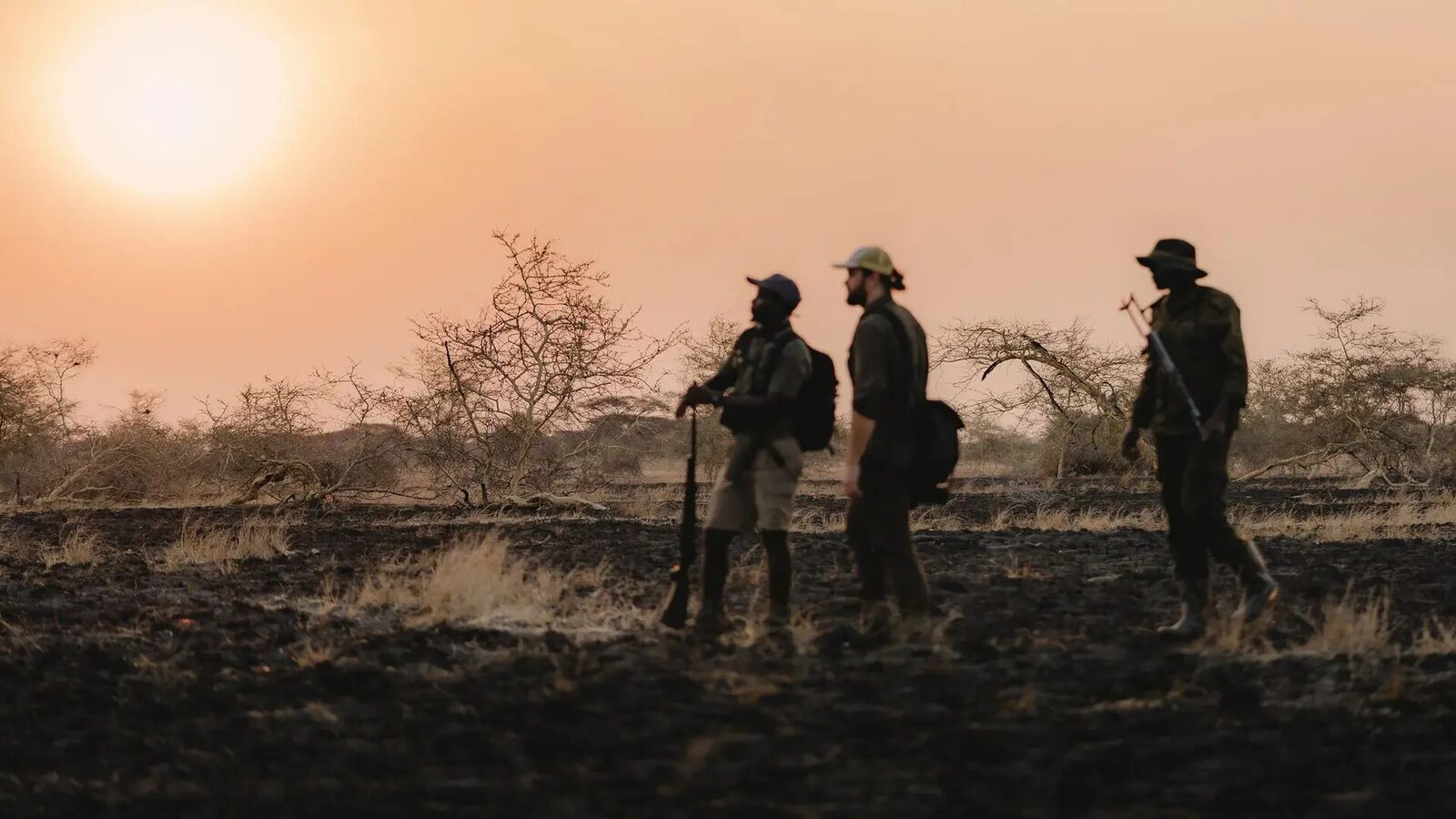
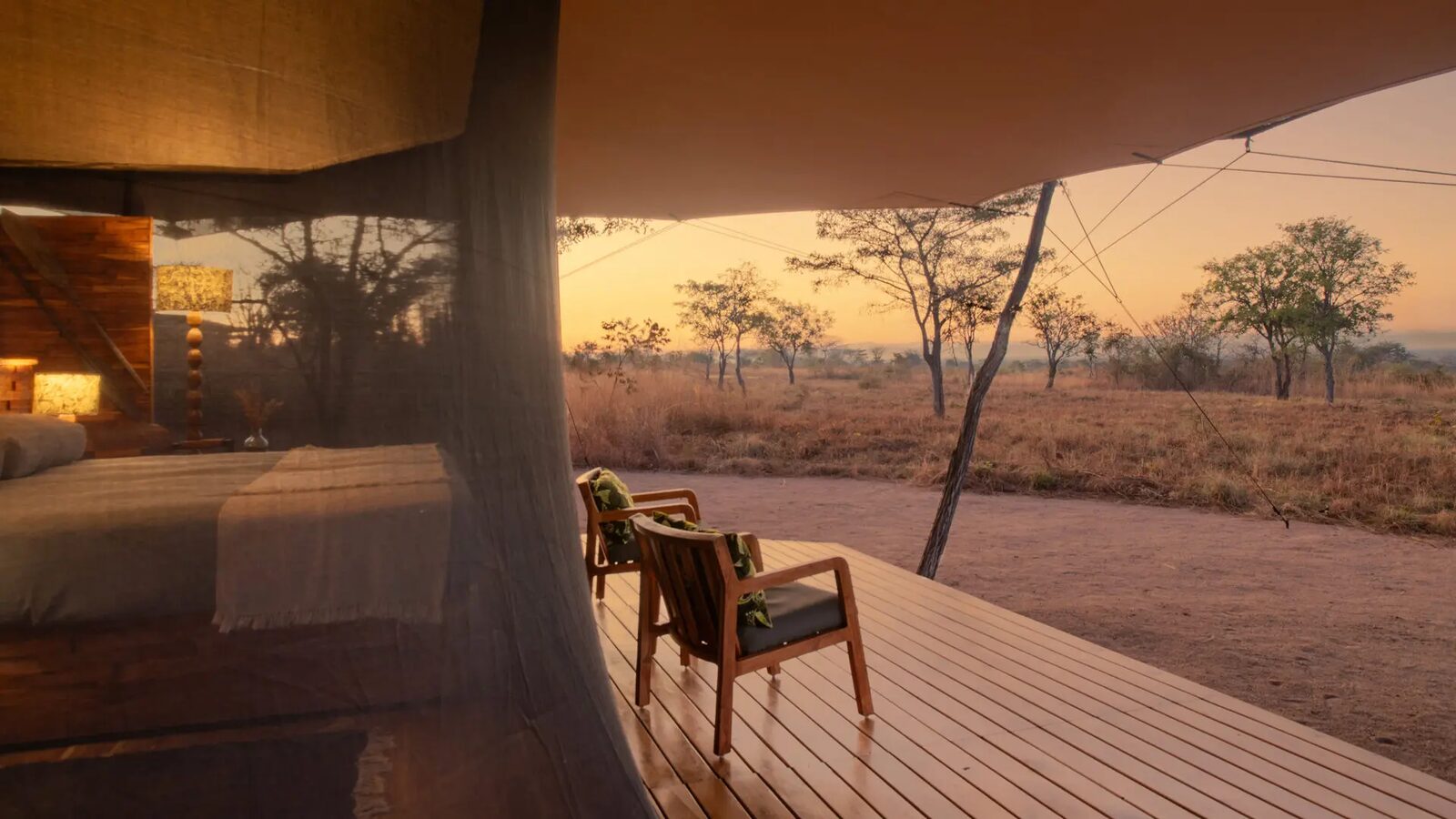
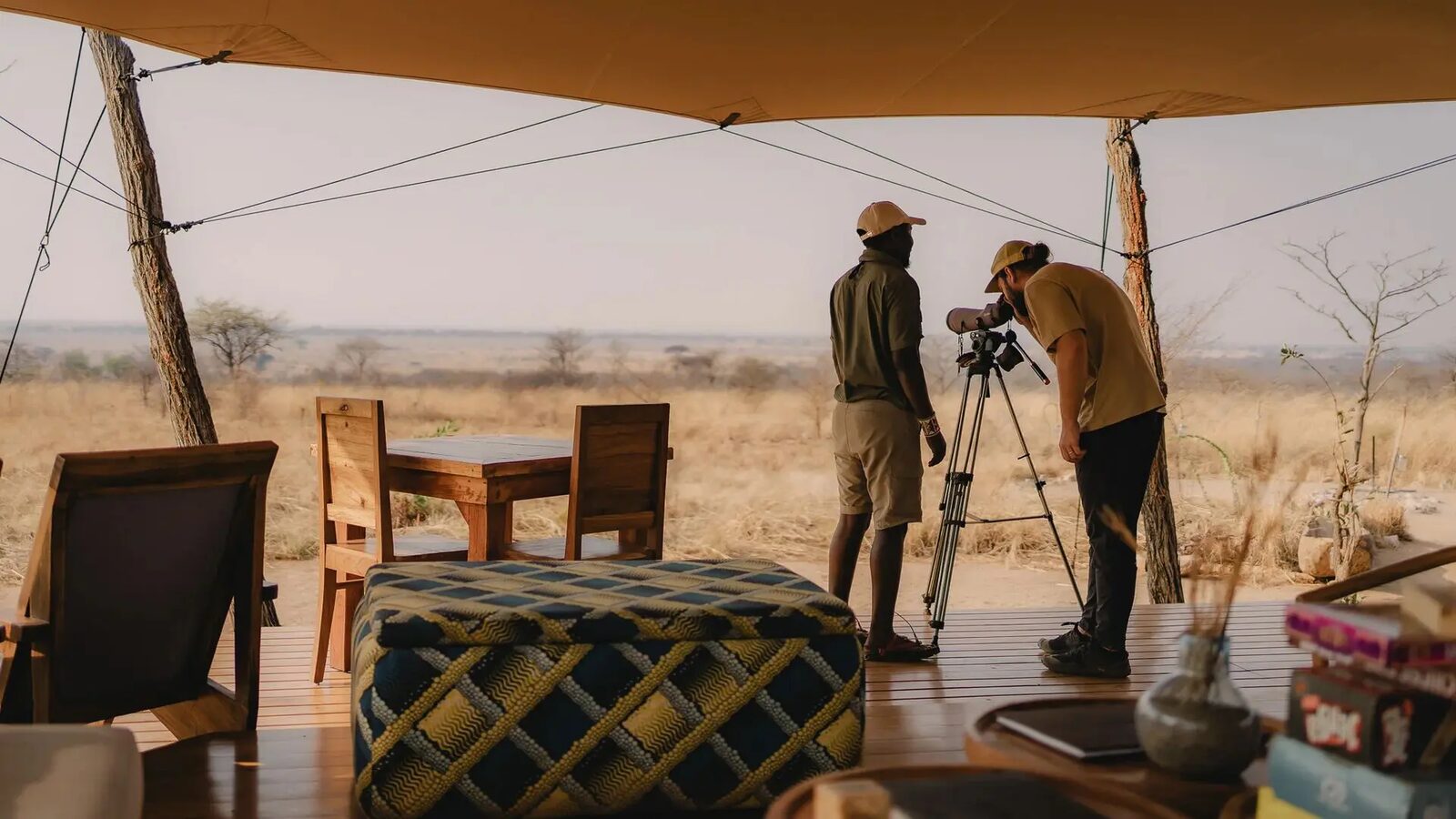
    The Usangu Wetlands are a vast and ecologically significant part of the Greater Ruaha ecosystem, only recently opened to tourism. For years, this area was inaccessible, its future uncertain. Asilia established this camp to help secure the region's conservation, creating a base for both research and low-impact tourism. The camp's ethos is rooted in discovery and preservation. With just six guest tents, the experience is intimate and exclusive by design. Guests are not just observers; their stay directly contributes to ongoing biodiversity audits and other research projects. An on-site information centre provides context on the area's complex history and the efforts being made to protect it. Daily life at Usangu is shaped by its wild surroundings and exploratory purpose. Activities go beyond conventional game drives, which here explore riverine forest in search of big cats, elephant, and giraffe. There are opportunities to explore on foot across seasonal floodplains, go boating on the waterways, and participate in camera trapping with the research team. The area is a stronghold for rare sable and roan antelope and is an important habitat for wild dogs. The camp itself is simple but comfortable, built just above the high-water mark in the shade of miombo trees. Each tent has an en-suite bathroom with hot water and a private deck. Evenings are a focal point, with meals prepared over an open fire and served under the stars, recalling the classic expedition style of early safaris.

    A remote, six-tent expeditionary camp
    Located in the little-explored Usangu Wetlands
    Conservation-focused, with guest research participation
    Walking, boating, and night drives with thermal cameras
    Private vehicle and guide included for each booking
    Stronghold for rare sable and roan antelope

    Your stay protects Tanzania's nature

    Booking on SafariStays helps fund Serengeti rangers and community conservancies. It's the same stay — with a quiet ripple of good. Book with us to promote impact tourism.

    See where it goes →

    Activities & Excursions

    8 experiences available at or near Usangu Expedition Camp

    Safari Night Game Drives
    on enquiry
    Walking Safaris
    on enquiry
    Boating Safaris
    on enquiry

    Amenities

    Charging facilities
    En-suite bathrooms
    Hot water
    Private guide & vehicle
    WiFi
    Restaurant
    Bar
    Guided game drives

    Rooms

    Expedition Tent

    Expedition Tent

    Full Board

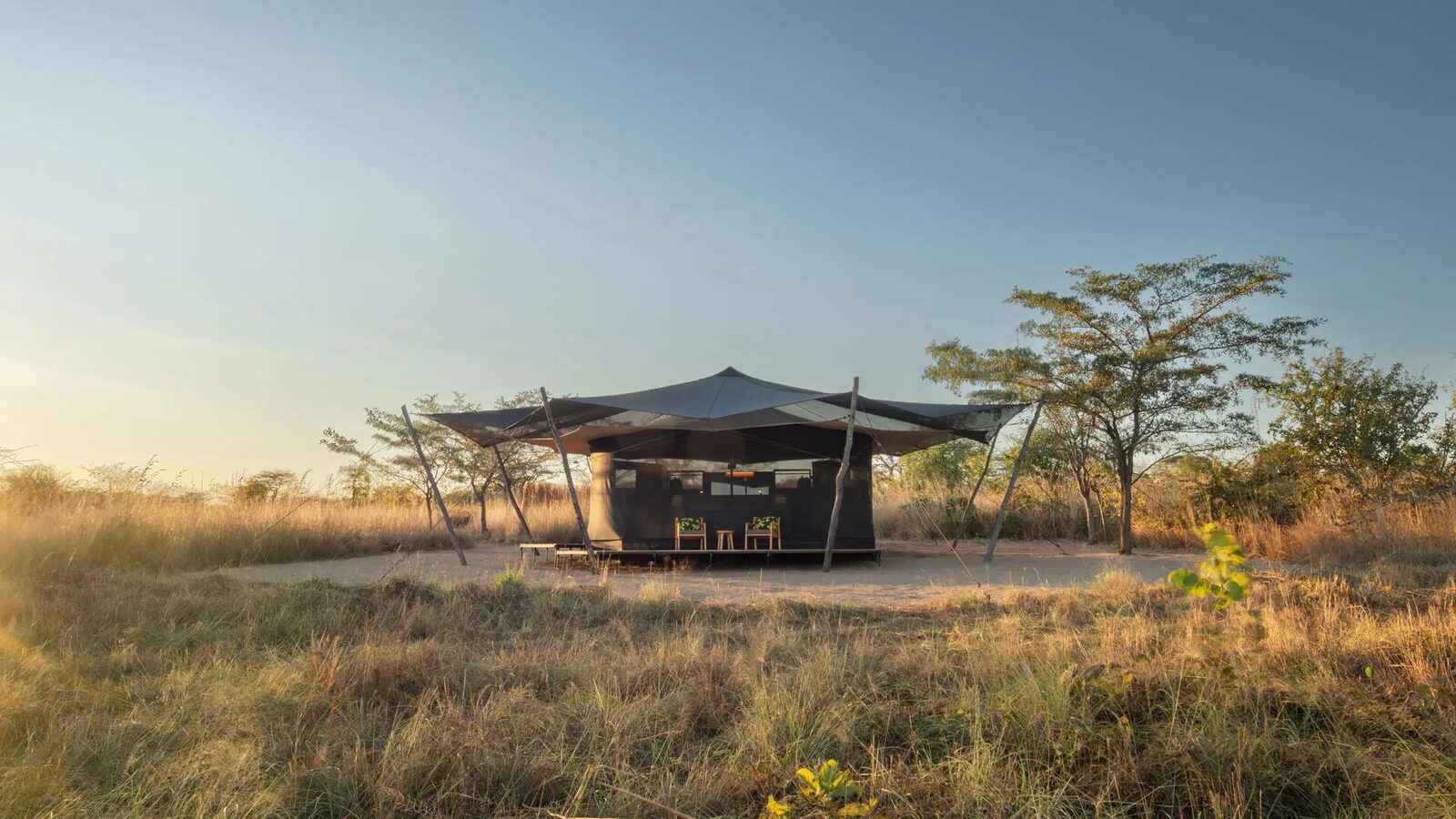
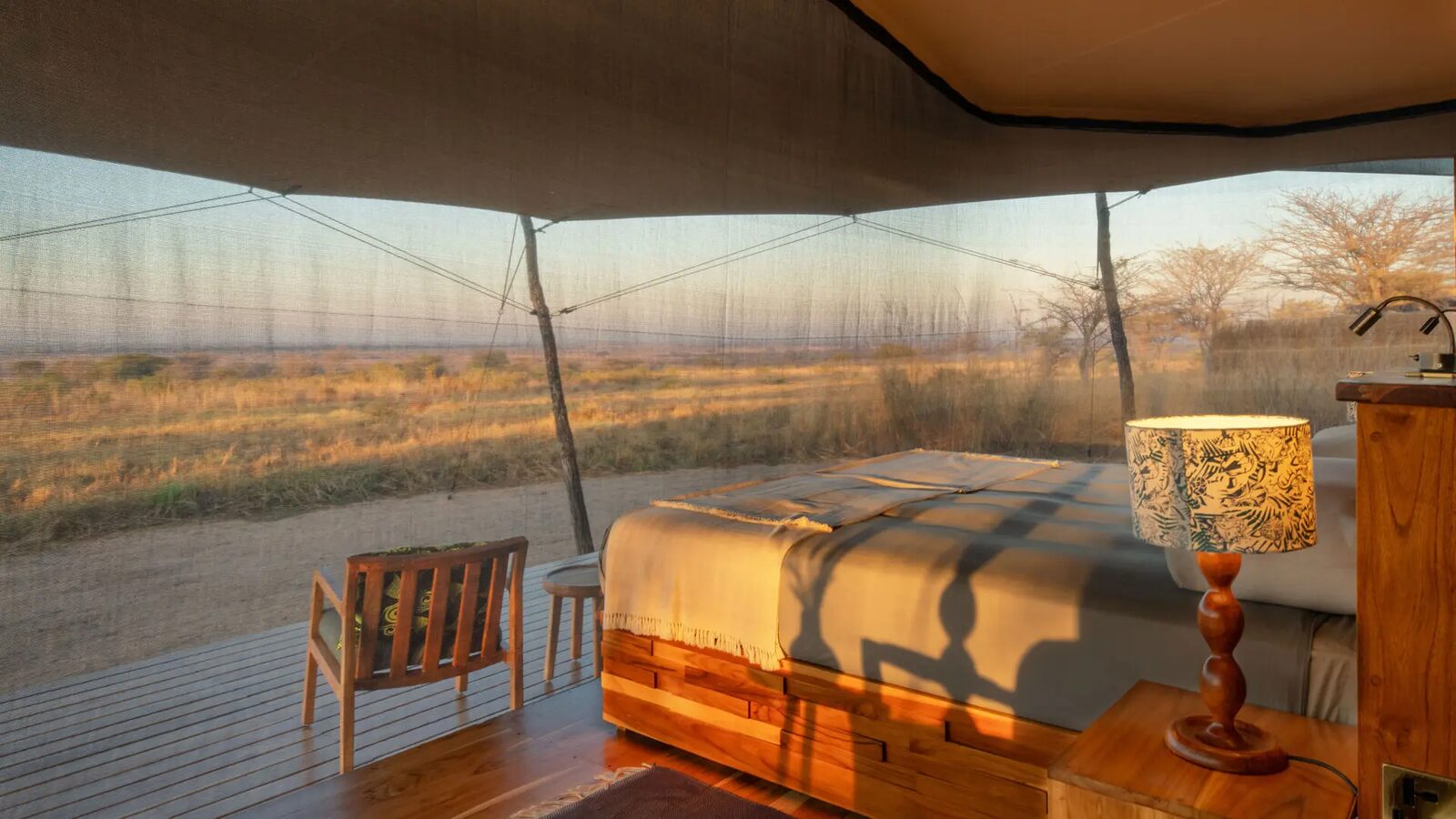
    Accommodation consists of just six spacious canvas tents, positioned for privacy under the shade of miombo trees.

    Sleeps 2
    on enquiry
    Send an enquiry

    Guest Reviews

    Reviews Coming Soon

    Guest reviews will be available shortly.

    Location

    Usangu Wetlands, Greater Ruaha, Tanzania

    More about Usangu Expedition Camp

    The stay

    The experience here is one of immersion in a truly wild place. The camp's small size, with only six tents, ensures a quiet and personal atmosphere. It operates with a clear conservation purpose, and guests are invited to participate in the research work, from setting camera traps to contributing to biodiversity data. This adds a unique dimension to the safari. Activities are tailored to the environment and include vehicle safaris, walking, boating, and night drives using thermal imaging cameras. The pace is unhurried, allowing time to appreciate the subtleties of the wetland ecosystem. Evenings are simple and sociable, centred around the campfire where meals are cooked. The overall feeling is one of authentic, purposeful exploration rather than passive observation.

    The location

    Usangu is situated in a vast, remote sector of Ruaha National Park known as the Usangu Wetlands. This area functions as a critical water source for the entire Ruaha-Rungwa ecosystem. The landscape is a mix of expansive floodplains, grassy marshes, and the great Ihefu Swamp, bordered by miombo woodland. For a long time, this region was off-limits to tourism, and its unique character remains largely unexplored. The diversity of habitats supports a rich array of wildlife. It is a particularly good area for sighting rare roan and sable antelope, and is also home to wild dog, lion, leopard, and elephant. The wetlands are also a haven for birdlife, with hundreds of resident and migratory species recorded.

    Where you'll sleep

    Accommodation consists of just six spacious canvas tents, positioned for privacy under the shade of miombo trees. The design is simple and functional, intended to keep the focus on the surrounding wilderness. Each tent has its own en-suite bathroom with a flush toilet and a hot-water shower, along with a shaded private veranda for relaxing between activities. Inside, the furnishings are comfortable but minimal. For a more direct connection with the environment, guests have the option of spending a night in the 'Star Cube'. This is a simple, raised structure with a comfortable bed and protective mesh walls, allowing for a secure night sleeping out under the open sky.

    Eating and drinking

    The dining experience reflects the camp's expeditionary style. There is no formal dining room; instead, meals are a relaxed and communal affair, often served outdoors. Much of the cooking is done over an open campfire, adding to the authentic bush atmosphere. Evenings typically begin with drinks around the fire before dinner is served under the stars. The food is wholesome and freshly prepared. The rate is on a full-board basis and includes all meals and house drinks, such as soft drinks, local beers, and a selection of wines and spirits. The focus is on simple, well-made dishes that provide a satisfying end to a day of exploration.

    Who it suits

    This camp is well suited to seasoned safari travellers and anyone with a keen interest in conservation and wild, remote places. It offers a very different experience to lodges in more developed safari circuits. The focus on research and exploration will appeal to inquisitive guests who want to understand an ecosystem on a deeper level. The accommodation is comfortable but not luxurious; the appeal lies in the authenticity of the experience and the exclusivity of the location. Those looking for a hands-on, active safari with walking and boating will find it particularly rewarding. It is less suitable for first-time safari visitors or families with very young children, due to its remoteness.

    Usangu Expedition Camp — frequently asked questions

    The camp is open from June to the end of November. The dry season from June to October is considered the best time for game viewing, as wildlife concentrates around remaining water sources. October offers prime conditions for both wildlife and walking, just before the rains begin.

    Other places to stay within easy reach, plus the region guide and travel chapter most useful for this part of the country.