What to Pack for a Tanzania Safari: Our Expert Guide
The anticipation of a Tanzanian safari is a feeling unlike any other. It’s a mix of excitement and wonder as you imagine dust-gilded sunsets, the low rumble of a lion’s call, and the endless plains teeming with life. As you plan this trip of a lifetime, one practical question inevitably comes to the forefront: what to pack for a Tanzania safari? Thoughtful packing is not about bringing everything; it's about bringing the right things to ensure your comfort, safety, and ability to fully immerse yourself in the magic of the bush.
At Safari Stays, we believe preparation is the first step toward a truly transformative journey. This guide is built on decades of collective experience from our guides, lodge partners, and safari experts to help you pack with purpose and confidence.
The Safari Wardrobe: Layering and Earth Tones
Your clothing choices are about more than just style; they are a key part of your safari experience. The guiding principles are comfort, practicality, and blending in with the natural environment.
Neutral, earthy colors are the unofficial uniform of the safari world for good reason. Shades of khaki, beige, olive green, and brown help you blend into the landscape, making you less conspicuous to wildlife. Avoid bright colors, which can startle animals, and pure white, which stands out and shows dirt instantly. It’s also wise to avoid dark blue and black, as these colors are known to attract tsetse flies in certain areas.
The secret to staying comfortable throughout the day is layering. Early morning game drives are often surprisingly chilly, but as the sun climbs higher, the African heat builds. A fleece or warm jacket over a long-sleeved shirt, which can then be shed for a T-shirt underneath, is the perfect combination. Whether you're exploring the vast plains of the Serengeti or the unique caldera of the Ngorongoro Crater, this approach will serve you well.
Clothing Essentials Checklist
- Long-sleeved shirts (2-3): Crucial for sun protection and for cooler mornings and evenings.
- T-shirts or polo shirts (3-4): Lightweight and breathable options for midday warmth.
- Fleece, warm puff jacket, or heavy sweater (1): Essential for cold mornings and nights around the campfire.
- Comfortable trousers or convertible pants (2-3 pairs): Quick-drying and durable fabrics are ideal.
- Shorts (1 pair): Best for relaxing at the lodge rather than on game drives, to protect from sun and insects.
- A smart-casual outfit: For dinner at the lodge. There’s no need for formal wear, but a clean shirt or a simple dress is a nice touch. Many of our partner lodges like the exclusive Mwiba Lodge offer a wonderfully refined atmosphere in the evenings.
- Swimsuit: Many lodges have beautiful pools for a refreshing midday dip.
- Socks and underwear: Ample pairs for the duration of your stay, though laundry services are often available.
Footwear for Every Terrain
When it comes to footwear on safari, comfort is king. Unless you are embarking on a dedicated multi-day walking safari, heavy, technical hiking boots are generally unnecessary.
The majority of your time will be spent in a vehicle on game drives. For this, a pair of sturdy, comfortable, and broken-in walking shoes or trail runners is perfect. They provide enough support for getting in and out of the vehicle and for any short, guided walks you might take.
Back at the lodge, you’ll appreciate having a pair of comfortable sandals or flip-flops to wear as you relax by the pool or on your veranda. Always choose closed-toe shoes for evening meals or walks around the camp at night.
Essential Gear and Electronics
Beyond clothing, the right gear can elevate your safari from a great trip to an unforgettable one. From capturing the perfect photo to simply being able to see wildlife up close, these items are non-negotiable.

Capturing the Moment: Camera and Optics
A quality pair of binoculars is arguably the most important piece of equipment you can bring. They bring distant animals into sharp focus, allowing you to appreciate the flick of an ear on a leopard or the intricate patterns of a giraffe’s coat. We recommend a magnification of 8x42 or 10x42 for a great balance of power and field of view.
For photography, your smartphone can capture wonderful landscape shots, but for wildlife, a camera with a good zoom lens (200mm or longer) is a game-changer. Remember to pack extra batteries and a high-capacity memory card—you will take more photos than you think. Don't forget a dust-proof bag to protect your gear from the fine African dust.
Staying Powered and Connected
While most lodges have charging facilities in common areas or in the rooms, they are often run on generators that operate at specific times. A portable power bank is invaluable for keeping your phone and camera batteries topped up. Tanzania uses Type G (UK-style) and Type D plugs, so a universal travel adapter is a must-have.
Wi-Fi is available at many lodges, but it can be slow and unreliable. We encourage guests to see this as an opportunity to disconnect from the digital world and connect more deeply with the wilderness around them.
Health, Safety, and Personal Items
Your well-being is paramount. A small, personal medical kit is a wise addition to your luggage. Include basics like antiseptic wipes, plasters, pain relievers, antihistamines for bites or allergies, and any personal prescription medication. It's also a good idea to pack motion sickness tablets, as some bush tracks can be bumpy.
Before you travel, consult your doctor or a travel clinic for advice on recommended vaccinations and malaria prophylaxis. Protecting yourself from the sun is also critical. Pack a high-SPF, broad-spectrum sunscreen, a wide-brimmed hat, and quality sunglasses.
A good insect repellent containing DEET is also essential, especially for use during the dawn and dusk hours.
Finally, keep your important documents—passport, visa, flight details, and travel insurance information—in a safe, accessible place. It’s smart to have both physical and digital copies.
What to Pack for a Tanzania Safari: Luggage Considerations
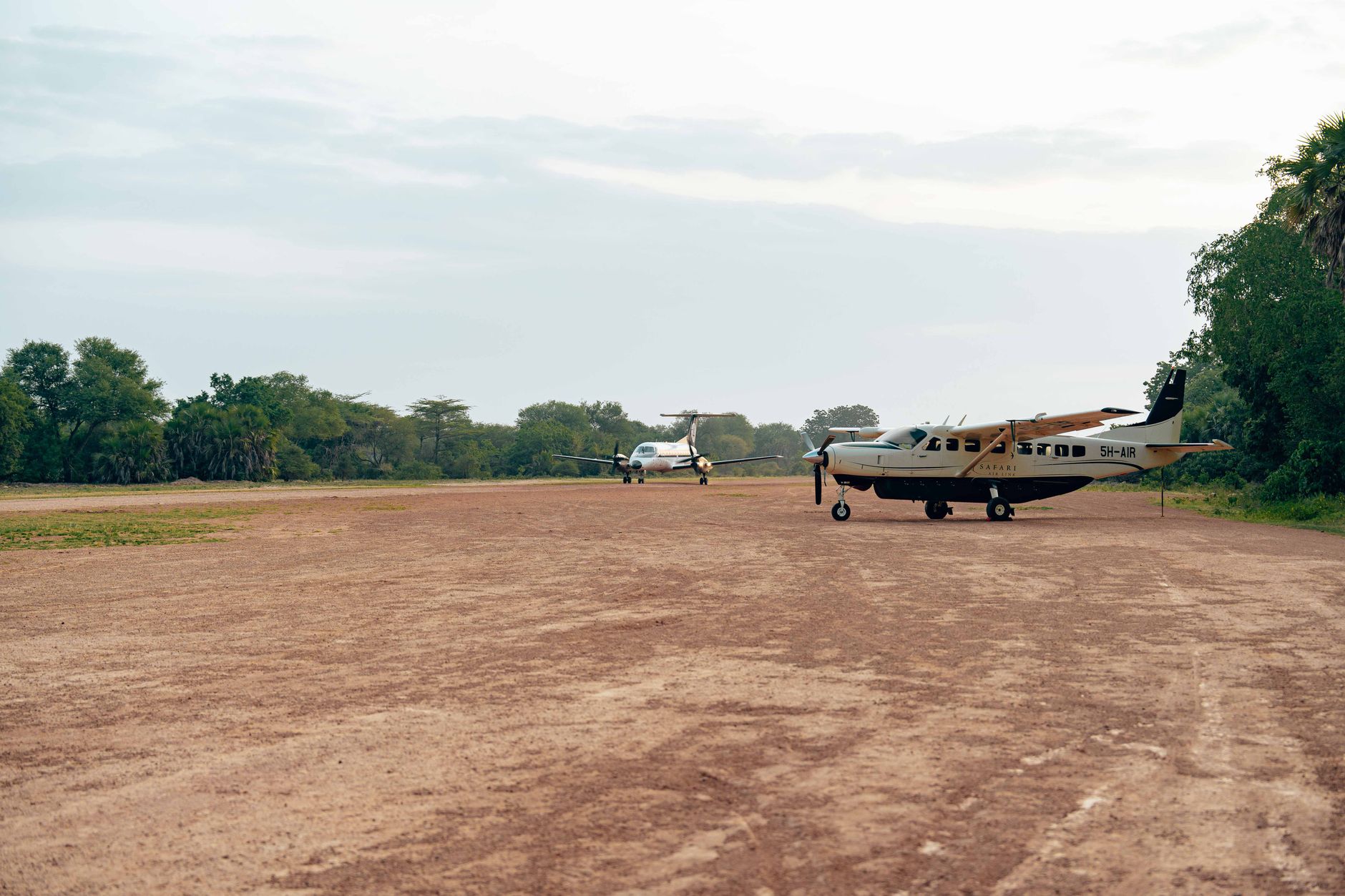
One of the most critical packing constraints for a Tanzanian safari involves your luggage itself. If your itinerary includes flights on small bush planes to get between parks and lodges, you will be subject to strict weight and size limits—typically 15 kg (33 lbs) per person, including hand luggage.
More importantly, the luggage must be soft-sided. Hard-shell suitcases cannot be loaded into the small aircraft holds. A soft-sided duffel bag or a frameless backpack is the required standard. This allows the pilots to fit everyone's luggage into the limited, irregular space.
We also highly recommend bringing a small daypack to carry on game drives. This can hold your camera, binoculars, sunscreen, a jacket, and a water bottle, keeping your essentials close at hand.
What Not to Pack
Equally important as what to bring is what to leave at home. Tanzania has a nationwide ban on single-use plastic bags, so ensure none find their way into your luggage. Drones are also heavily restricted and require complex permits, so it's best to leave them behind. Finally, avoid packing flashy jewelry, expensive watches, or strong perfumes.
Understanding what to pack for a Tanzania safari is about preparing for an experience that is comfortable, safe, and distraction-free. By packing light and packing smart, you free yourself to focus on the extraordinary beauty and wildness that awaits. You are not just packing a bag; you are preparing for an adventure that will stay with you forever.
When you're ready to find the perfect setting for your adventure, explore our curated collection of Tanzania's finest lodges and camps at /tanzania/listings.
Ready to plan your trip?
Check live availability, compare lodges and book instantly — or send us an enquiry and we'll help shape the route.