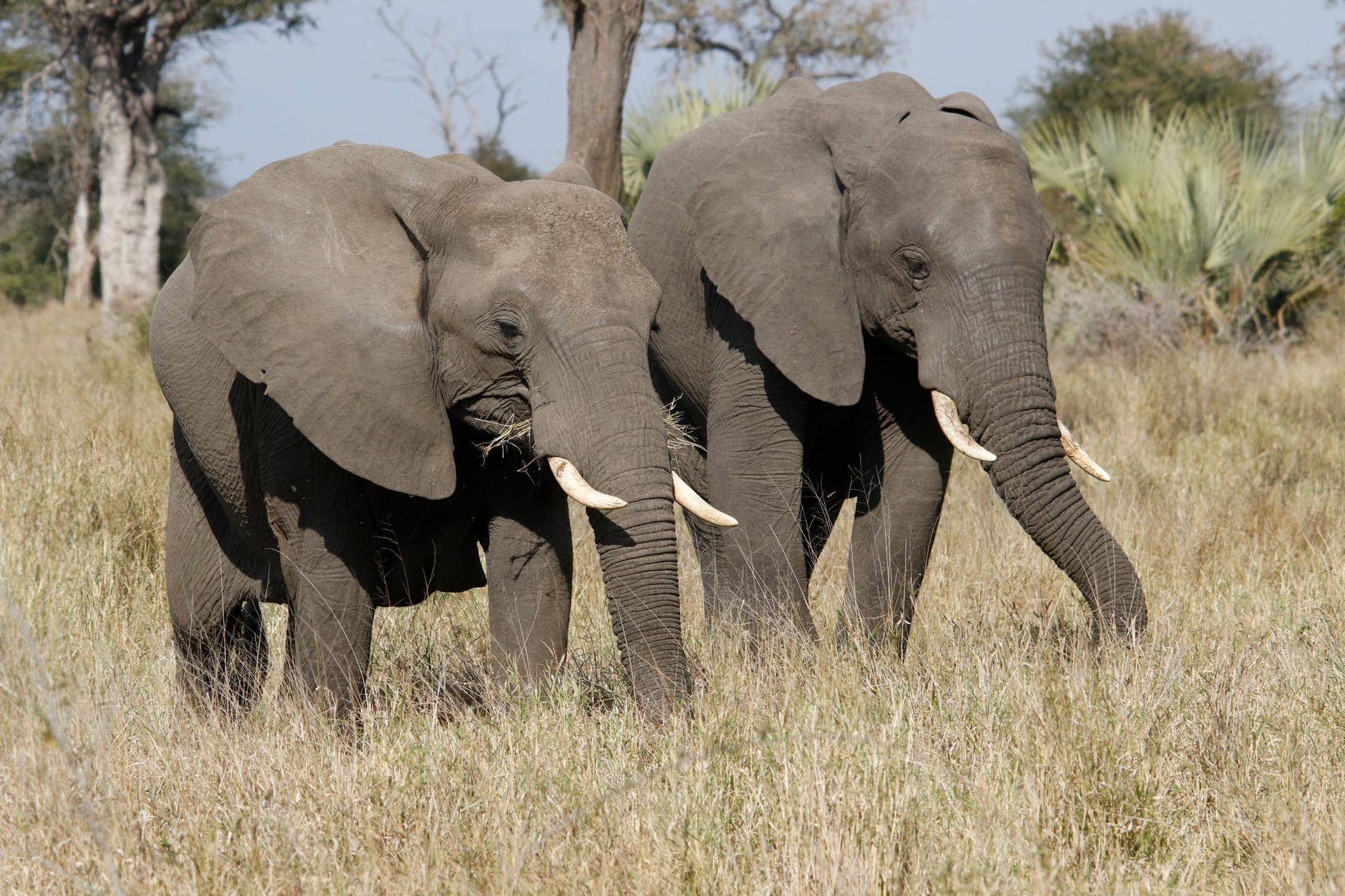
Is It Safe to Travel to Tanzania in 2026? An Expert Guide
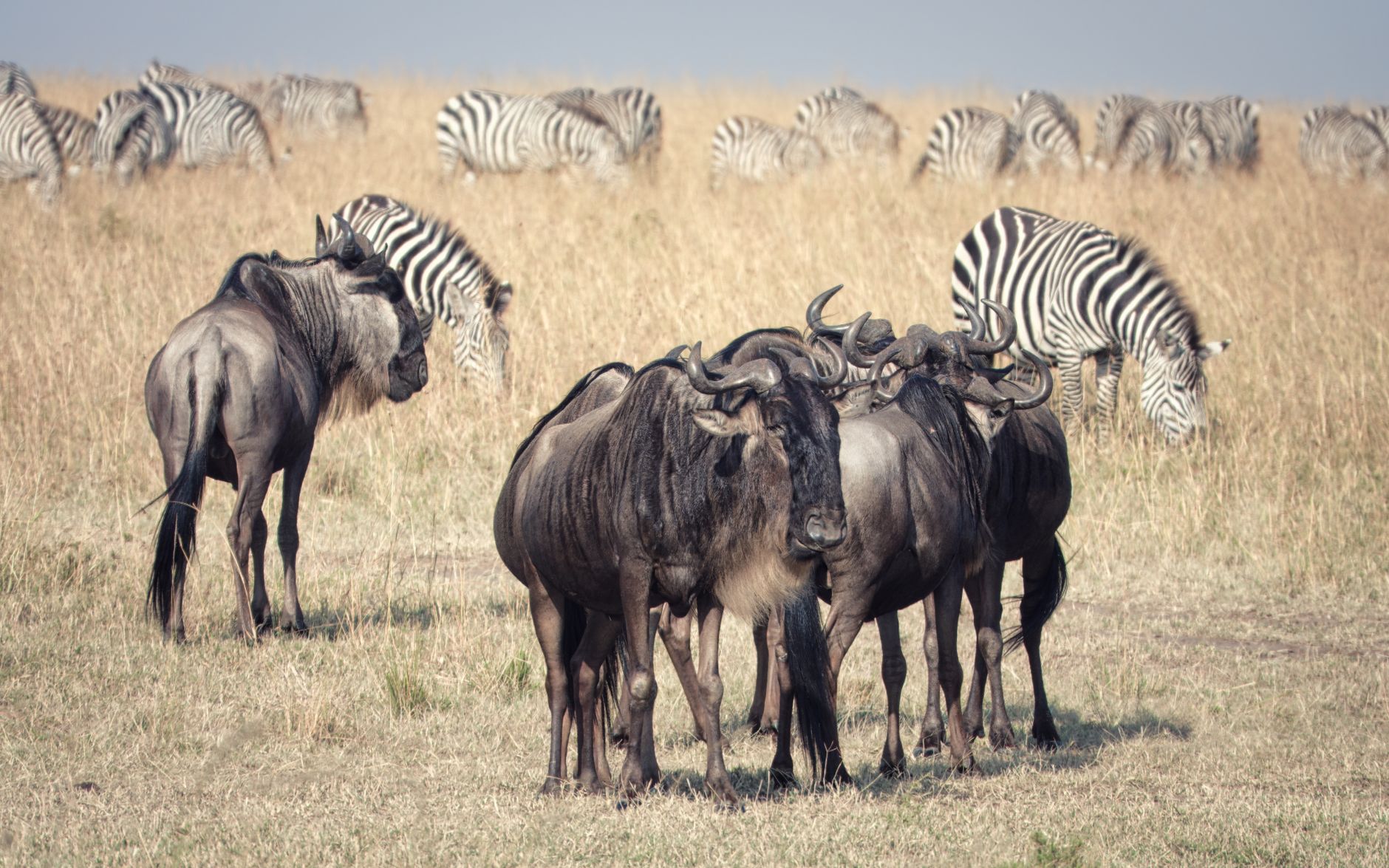
As you begin to dream of vast savannahs teeming with wildlife and the snow-capped peak of Kilimanjaro piercing the African sky, a practical question naturally arises: is it safe to travel to Tanzania 2026? It’s a question we hear often, and it is a sensible and important one to ask when planning any international journey. The simple answer is a reassuring one: yes, Tanzania remains one of the safest and most rewarding travel destinations in Africa, especially for visitors on a planned safari itinerary.
For decades, Tanzania has built a reputation not just for its unparalleled natural beauty—from the endless plains of the Serengeti to the breathtaking caldera of the Ngorongoro Crater—but also for its political stability and welcoming culture. When your travel is thoughtfully arranged, the risks are minimal and the rewards are immeasurable. This guide will walk you through the real picture of safety in Tanzania, providing peace of mind and practical advice for your adventure.
Gauging the Real Risks: Is it Safe to Travel to Tanzania 2026?
Understanding safety is not about finding a destination with zero risk, but about understanding and mitigating the specific risks that do exist. In Tanzania, the security infrastructure for tourism is robust, and the primary travel circuits are far removed from the few isolated areas that might warrant caution.
General Security and Political Stability
Tanzania has long been a beacon of stability in East Africa. The country has a functioning democracy and has been fortunate to avoid the widespread civil conflicts that have affected some of its neighbours. The government places a high value on tourism as a key pillar of its economy, and as such, there is a strong focus on ensuring the safety of visitors.
The main tourist areas, collectively known as the Northern Circuit (which includes the Serengeti, Ngorongoro Crater, Tarangire, and Lake Manyara), as well as Zanzibar, are exceptionally safe. Travel within these regions is well-managed, with established routes and a high density of reputable lodges and tour operators. Any travel advisories that may occasionally be issued by foreign governments typically pertain to remote border regions far from any tourist activity.
Health and Medical Guidance
Health is a crucial component of travel safety. A trip to a tropical destination like Tanzania requires some preparation, but the precautions are straightforward and effective. The primary health concern for most travellers is malaria. However, it is preventable with prophylactic medication, and the risk can be further reduced by taking simple measures.
Before you travel, it is essential to consult with your doctor or a travel medicine clinic at least 4-6 weeks before your departure. They will provide the most up-to-date advice for you. In general, here are the key health steps to consider:
- Consult a Physician: Discuss your itinerary and personal health history to get tailored medical advice.
- Vaccinations: Check if your routine vaccinations are up to date. A yellow fever vaccination may be required if you are arriving from a country with risk of yellow fever transmission.
- Malaria Prophylaxis: Your doctor will prescribe the best antimalarial medication for you.
- Insect Repellent: Pack a good quality insect repellent containing DEET to use during dawn and dusk, when mosquitoes are most active.
- Food and Water: Stick to bottled water (always provided at high-quality lodges) and eat at reputable lodges and restaurants. The food preparation standards at the properties in the Safari Stays collection are exceptionally high.
By taking these sensible precautions, health risks can be effectively managed, allowing you to focus on the incredible experience ahead.
Safety on Your Safari Adventure
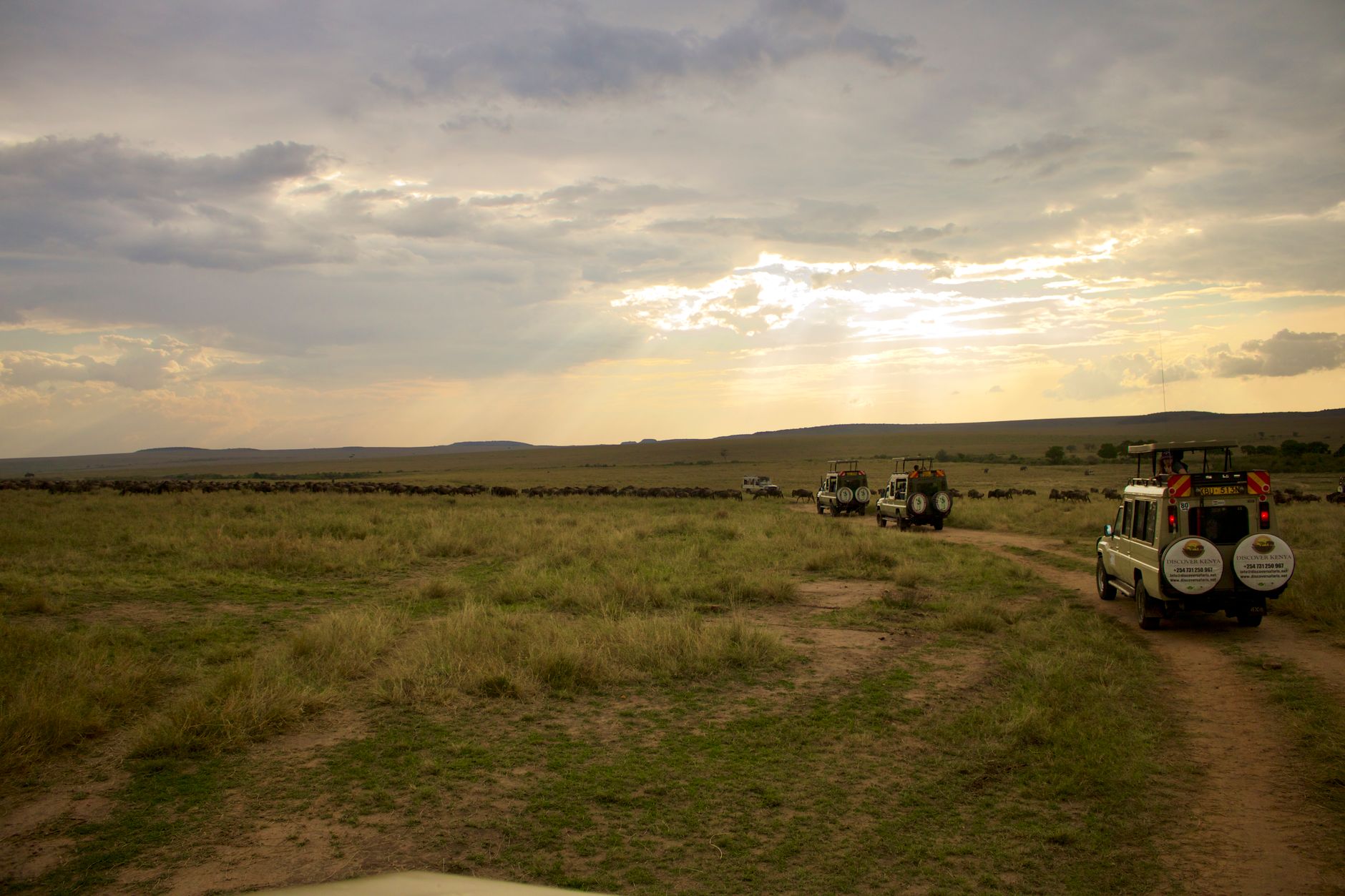
Being in the wild, surrounded by iconic African animals, is the very heart of a Tanzanian safari. This experience is designed to be awe-inspiring, not alarming. The safari industry operates under strict safety protocols honed over many years.
The Expertise of Your Guide
Your safari guide is the single most important element of your safety in the bush. At Safari Stays, we partner with lodges that employ only the most professional and highly trained guides. They are not just drivers; they are qualified experts in animal behaviour, conservation, first aid, and vehicle mechanics. They understand the nuances of the wild and know how to position a vehicle for the best photo without disturbing the wildlife or compromising your safety. Their golden rule is the one you must follow: always listen to your guide.
Respecting the Wildlife
Encounters with the Big Five are thrilling, but it's vital to remember these are wild animals. The key to safe and ethical wildlife viewing is respect. Animals in the national parks are generally accustomed to the presence of safari vehicles and perceive them as non-threatening. To maintain this, a few simple rules are always followed:
- Stay inside the vehicle at all times, unless in a designated picnic or walking area with your guide.
- Do not make loud noises or sudden movements that could startle an animal.
- Never attempt to feed any animal.
- At unfenced lodges, like the stunning Mwiba Lodge, you will always be escorted to and from your room after dark by a trained staff member or Maasai askari.
These protocols ensure that your encounters are magical and, above all, safe for both you and the animals.
Urban Areas and Independent Exploration
While most of your time will likely be spent in a safari vehicle or a secluded lodge, you may pass through cities like Arusha or Dar es Salaam, or spend time in Stone Town on the island of Zanzibar. As with any city in the world, it is wise to exercise common sense.
Petty crime, such as pickpocketing or bag-snatching, can occur in crowded markets or busy streets. To avoid this, simply be aware of your surroundings, do not flash expensive jewellery or large amounts of cash, and keep your valuables secure. It is advisable to use taxis arranged by your hotel or tour operator rather than hailing one on the street, especially at night. Exploring the rich culture of a place like Zanzibar's Stone Town is a highlight for many, and doing so with these simple precautions in mind ensures a positive experience.
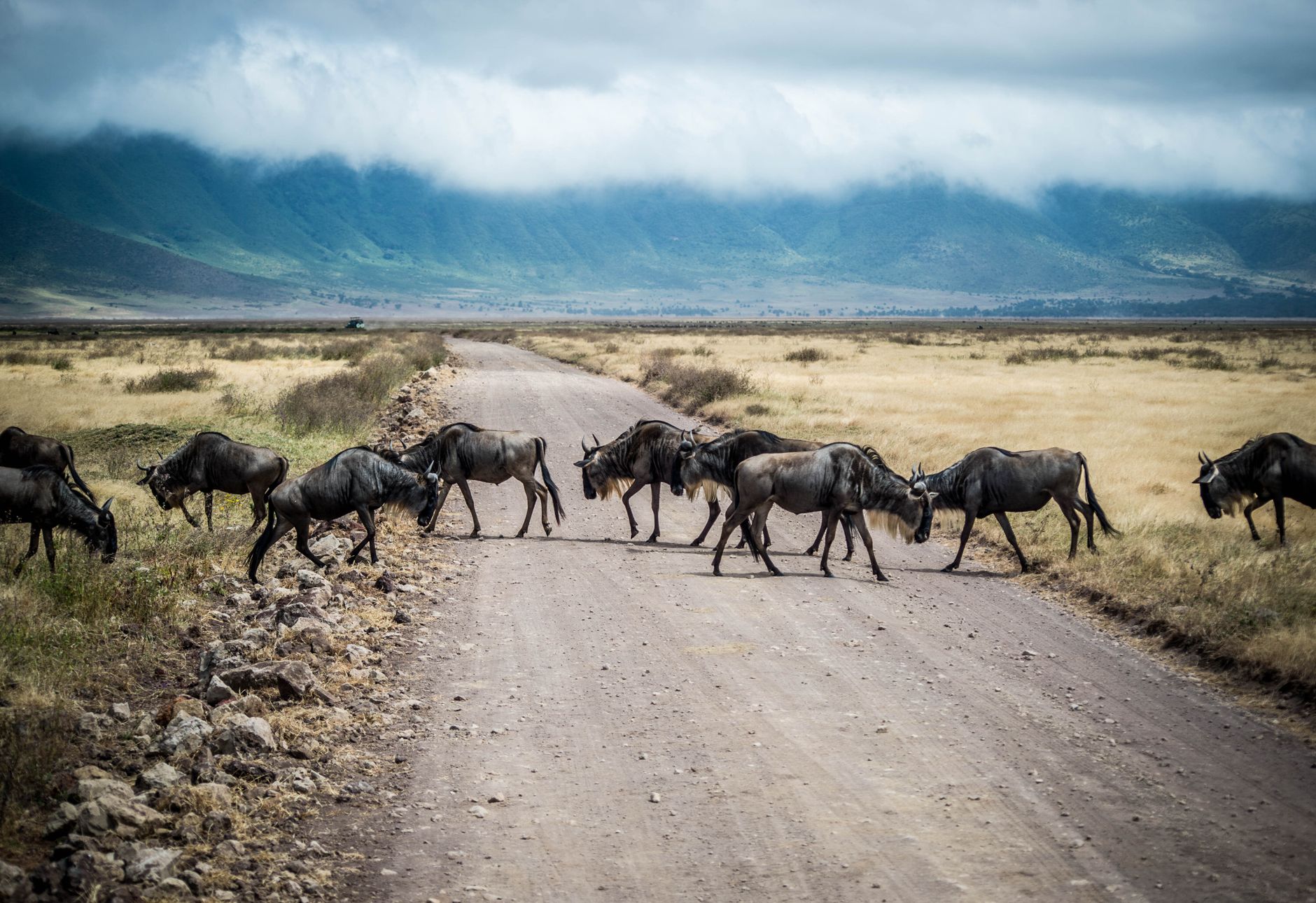
Ultimately, Tanzania’s reputation as a premier safari destination is built on a foundation of safety, service, and unparalleled natural wonder. Choosing a well-vetted operator who handles your ground logistics, partners with high-end properties, and provides expert guides is the best way to ensure a seamless and secure journey. To learn more about how to structure your trip, you might find our guide on planning a first-time safari helpful.
So, when you find yourself asking, is it safe to travel to Tanzania 2026?, you can feel confident that with thoughtful planning and sensible precautions, the answer is a resounding 'yes'. The magic of the Great Migration, the warmth of the Swahili culture, and the serenity of the African wilderness await you.
Your journey begins with a single step. We invite you to explore our curated collection of Tanzania’s finest lodges and camps, each one a gateway to an unforgettable and secure adventure. Peruse our recommended Tanzania listings and let the dream take shape.
Ready to plan your trip?
Check live availability, compare lodges and book instantly — or send us an enquiry and we'll help shape the route.