Serengeti vs Ngorongoro: How Many Days Do You Need?

Deciding between Tanzania's headline acts is one of the most exciting parts of planning a safari. The Serengeti and the Ngorongoro Crater are neighbours on the famed Northern Circuit, yet they offer profoundly different experiences. This often leads to one of the most common planning questions we hear: how many days in Serengeti vs Ngorongoro?
There is no single right answer, as the perfect split depends entirely on your interests, your timeframe, and the rhythm of your ideal journey. One is a vast, unfolding epic, while the other is a concentrated, geological marvel. Understanding their unique characters is the first step to crafting an itinerary that you will remember for a lifetime.
Understanding the Core Differences
At first glance, both destinations promise world-class wildlife viewing in northern Tanzania. But their scale and spirit are distinct. The Serengeti is defined by its seemingly infinite space, while Ngorongoro is defined by its dramatic confinement.
The Ngorongoro Crater: A Self-Contained World
The Ngorongoro Conservation Area is home to the Ngorongoro Crater, the world’s largest intact and unfilled volcanic caldera. Descending 600 metres to the crater floor is like entering a lost world—a 260-square-kilometre natural enclosure teeming with life. The density of wildlife here is staggering, making it one of the most reliable places on earth to see the Big Five in a single day.
It’s an intense, spectacular, and somewhat contained experience. You can see a huge amount in a relatively short time, as the animals are concentrated within the crater walls. Think of it as a breathtaking wildlife snow globe, offering near-guaranteed sightings of lion, elephant, hyena, and the endangered black rhino against a truly epic backdrop.
The Serengeti: The Endless Plains
The Serengeti, whose name means ‘endless plains’ in the Maasai language, is the complete opposite. Spanning 14,750 square kilometres, its essence is boundless space and the constant movement of life. It is the stage for the Great Wildebeest Migration, a cyclical journey of over 1.5 million wildebeest and zebra following the rains.
A safari in the Serengeti is about the journey, not just the destination. It’s about patience, the thrill of the chase, and witnessing the grand drama of predator and prey play out across vast, open grasslands, acacia-studded woodlands, and rocky kopjes. Because of its scale and the mobile nature of its star attraction, the Serengeti demands and rewards more of your time.
How Many Days in Serengeti vs Ngorongoro: A Detailed Breakdown
With these differences in mind, let's talk about the practicalities of time allocation for your trip, especially if you are planning for the period between February and July 2027.
For the Ngorongoro Crater: One to Two Days
For most visitors, a single, spectacular day is sufficient for the Ngorongoro Crater itself. An early morning descent onto the crater floor allows for a full day of exploration, covering the different habitats from the Lerai Forest to Lake Magadi. By late afternoon, you can have an incredibly comprehensive game-viewing experience.
Allocating a second day is not for more time on the crater floor, but to explore the wider Ngorongoro Conservation Area. This allows for activities like a guided hike along the crater rim or a visit to the Olmoti Crater. Lodges like The Highlands are perfectly positioned for these wider explorations, offering a different perspective on this highland region.
For the Serengeti: Three to Five Days (or more)
To truly appreciate the Serengeti, you need a minimum of three days. Anything less and you will spend a disproportionate amount of time simply travelling to and from your lodge. The park is vast, and where you stay is crucial, especially when it's timed to the Great Migration.
For those travelling between February and July 2027, the migration offers distinct opportunities:
- February - March: This is calving season. The great herds congregate on the nutrient-rich short-grass plains of the southern Serengeti and Ndutu region. This is a phenomenal time to witness new life and the attendant predatory action. A mobile camp like Ubuntu Migration Camp places you right in the heart of this spectacle.
- April - May: As the long rains begin, the herds start their journey northwest. This “green season” is stunningly beautiful, with lush landscapes and fewer visitors. The wildlife is still abundant, though more dispersed.
- June - July: The migration pushes through the Western Corridor and into the Central Serengeti. This is when the famous Grumeti River crossings may occur, as crocodiles lie in wait for the herds. The action is moving north, and the landscape is a classic golden savanna.
A four or five-day stay allows you to explore two different regions of the park or to spend more time immersing yourself in one area, tracking wildlife and absorbing the sheer scale of it all.

Crafting Your Ideal Itinerary: Sample Timings
To put it all together, here are a few simplified itinerary structures. Remember, these don't include international travel days.
The Express Safari (5 Days on the ground)
This is a fantastic option if you're short on time but want to see both icons.
- Day 1: Arrive at Kilimanjaro Airport (JRO), transfer to your lodge near the Ngorongoro Conservation Area.
- Day 2: Full-day game drive in the Ngorongoro Crater. Overnight on the rim or in nearby Karatu.
- Day 3: Drive to the Central Serengeti, enjoying a game drive en route. Settle into your camp.
- Day 4: Full day exploring the plains of the Central Serengeti.
- Day 5: Morning game drive, then fly from a Serengeti airstrip back to JRO for your departure.
The Migration Seeker (7 Days on the ground)
This itinerary provides a deeper dive, focusing on the Serengeti's seasonal movements.
- Day 1: Arrive at JRO, transfer to your lodge near the parks.
- Day 2: Full-day Ngorongoro Crater game drive.
- Day 3: Drive to the Southern Serengeti/Ndutu (for Feb/March travel) or Central Serengeti (for May-July travel).
- Day 4 & 5: Two full days dedicated to exploring your chosen region of the Serengeti, tracking the herds and other resident wildlife.
- Day 6: Enjoy a final morning game drive in the Serengeti.
- Day 7: Fly from a Serengeti airstrip to JRO for your departure.
The Northern Circuit Complete (10+ Days)
For a truly comprehensive safari, you can add other parks into the mix. A popular choice is to start in Tarangire National Park, famous for its elephants and baobab trees, for two days before proceeding to Ngorongoro and then dedicating a luxurious five or more days to the Serengeti, potentially staying in two different locations to maximise your experience.

Ultimately, the question of how many days in Serengeti vs Ngorongoro comes down to a balance of pace and priorities. If you want to see an incredible concentration of wildlife in a geologically unique setting, one or two days at Ngorongoro is perfect. But if your heart is set on the epic scale, the endless horizons, and the profound drama of the Great Migration, the Serengeti will reward every extra day you can give it. Whichever you choose, you are preparing for an adventure that will stay with you forever.
Where to stay in Serengeti National Park
Browse handpicked places to stay — many with live availability and instant booking.
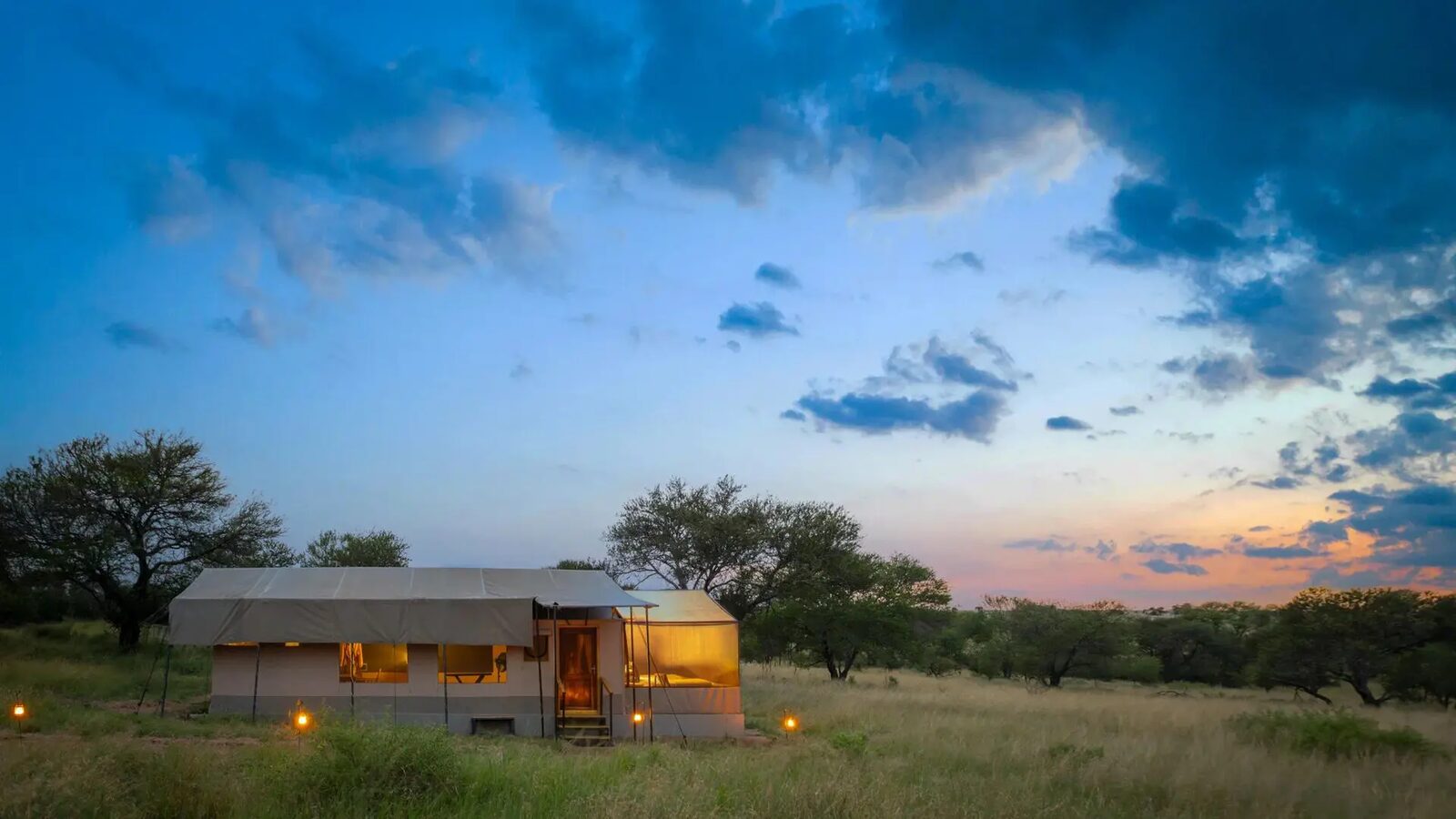 4.8(9)
Olakira Migration Camp
Kogatende (Jun–Oct) & Ndutu (Dec–Mar), Serengeti, Tanzania
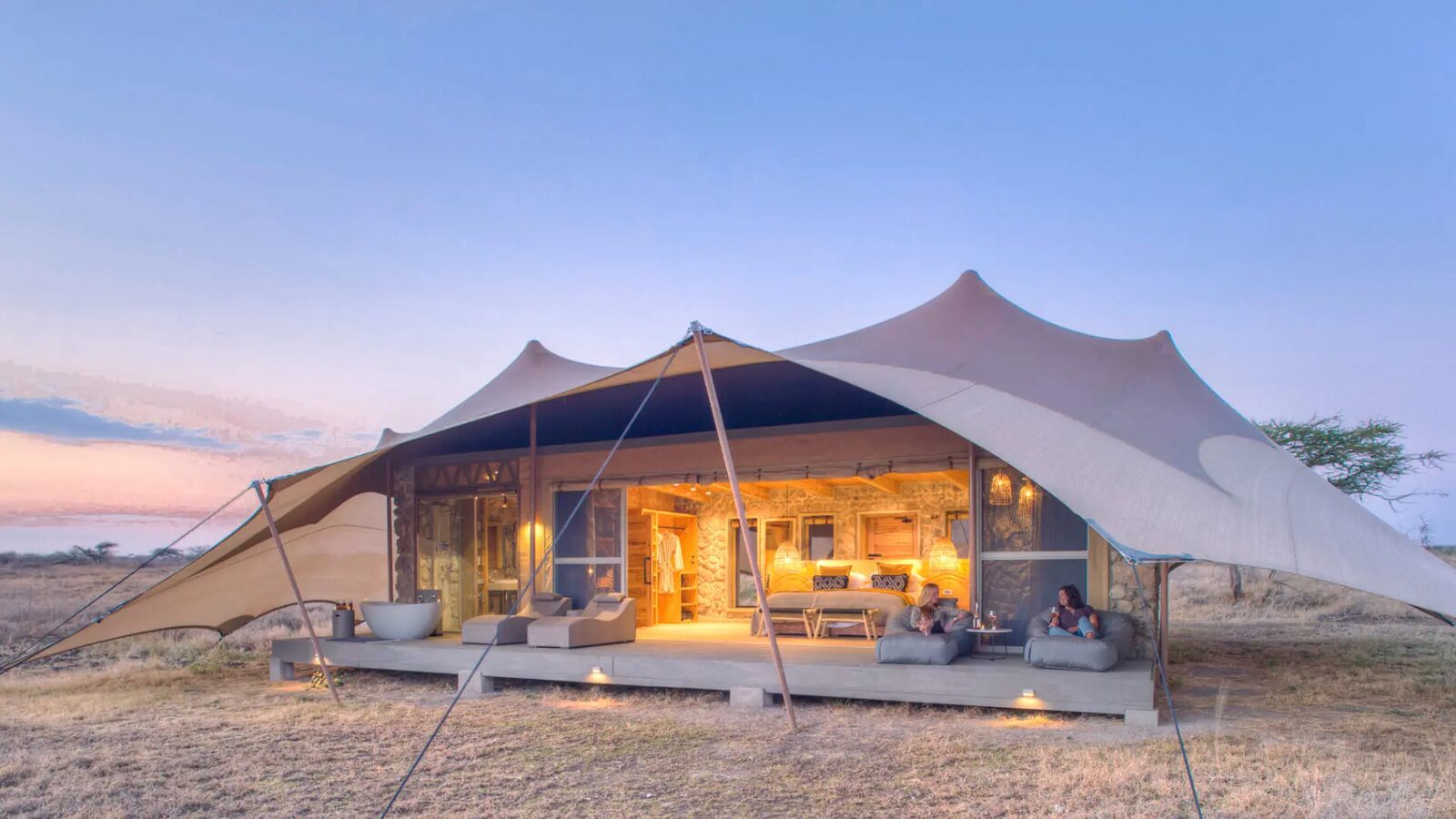 5(2)
Namiri Plains
Soit le Motonyi, Eastern Serengeti, Tanzania
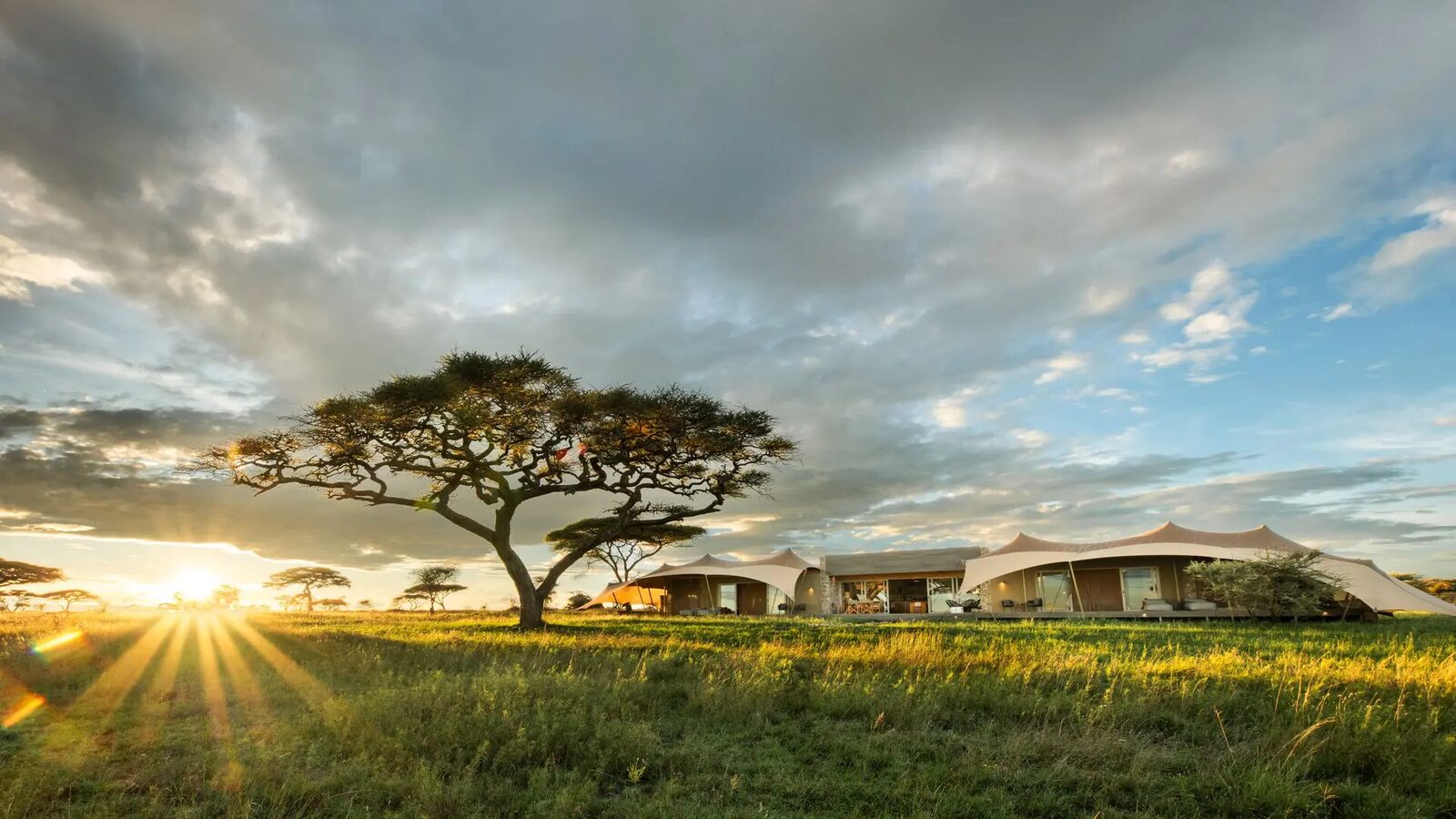 5(2)
Namiri Plains Retreats
Soit le Motonyi, Eastern Serengeti, Tanzania
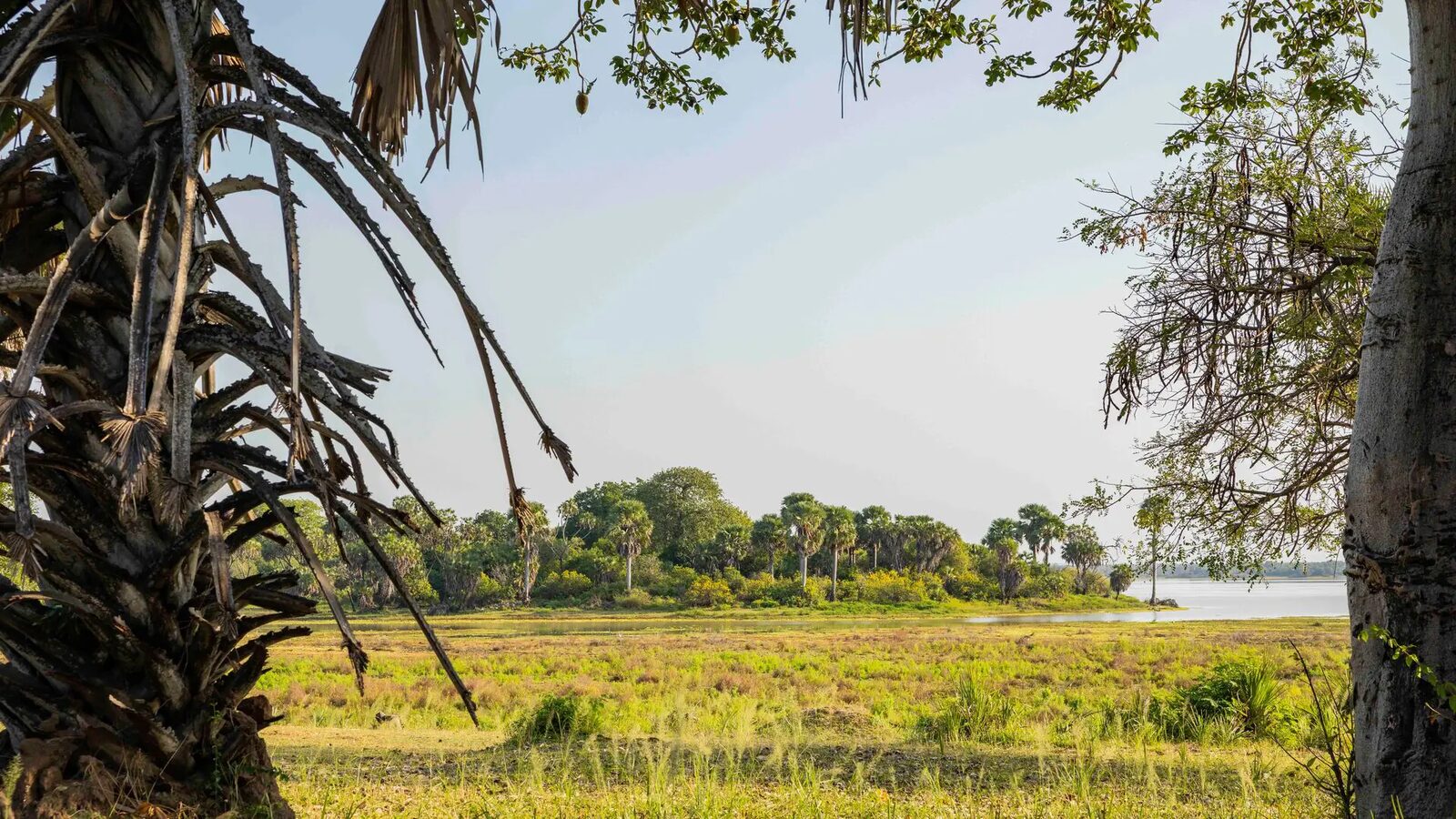 5(11)
Roho ya Selous
Nyerere National Park (Selous), Tanzania
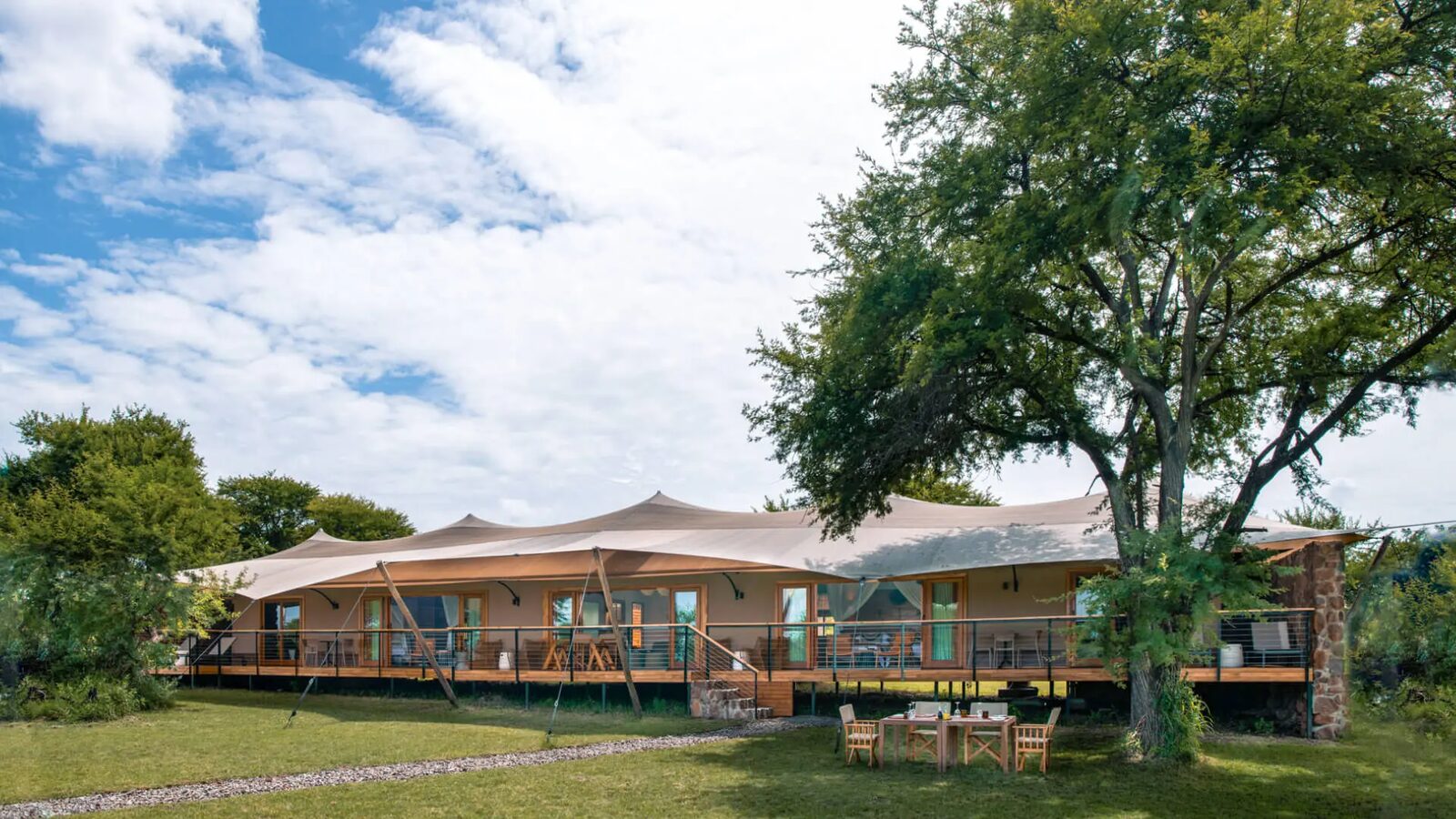 4.8(50)
Sayari Retreats
Lamai Wedge, Northern Serengeti, Tanzania
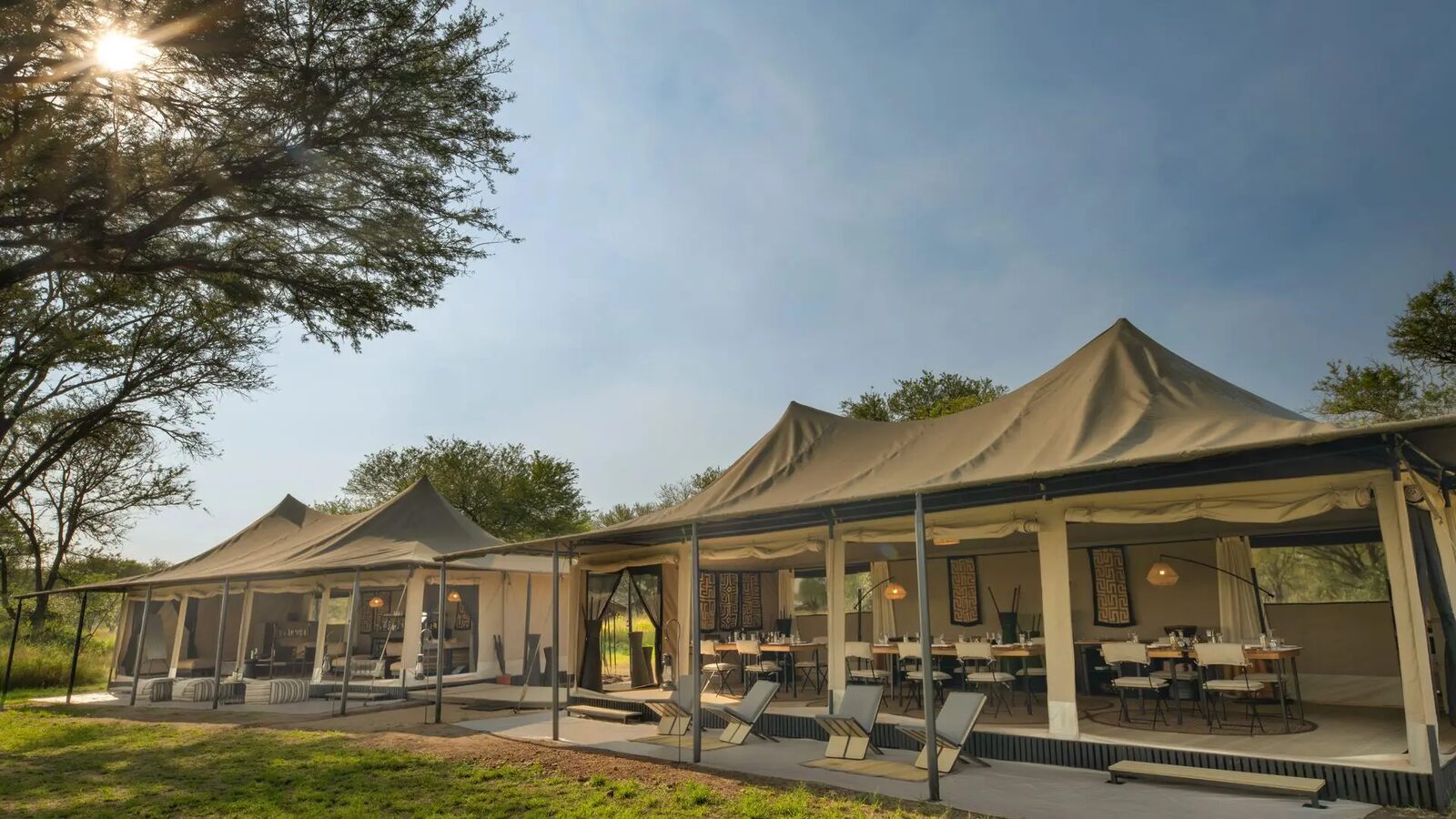 4.8(52)
Ubuntu Migration Camp
Ndutu (Dec–Mar) & Northern Serengeti (Jun–Oct), Tanzania
Let us plan this trip for you
Send us your dates, party and budget and we'll come back with a costed itinerary, with lodges, flights, transfers and activities in one place. No obligation.
Keep reading


See our safari advice first on Google
One tap tells Google you want Safari Stays shown higher when you search for safari and travel news. It takes a second and you can undo it anytime.
Make Safari Stays a preferred source on Google