Best Time to Visit Tanzania: A Month-by-Month Safari & Travel Guide
Tanzania is a year-round destination, but timing matters enormously. The difference between visiting the Serengeti in February versus August is the difference between watching a million wildebeest calve on open plains and watching a million wildebeest cross the Mara River in a frenzied stampede. Both are extraordinary — they're just completely different experiences.
This guide breaks down every month across Tanzania's main destinations: the northern safari circuit, the southern parks, and Zanzibar.
Tanzania's Seasons at a Glance
Tanzania has two rainy seasons and two dry seasons, creating four distinct travel windows.
| Season | Months | Character | Best For |
|---|---|---|---|
| Long dry season | June – October | Excellent wildlife, cool nights | Safari, Migration crossings |
| Short rains | November – December | Brief afternoon showers, green bush | Value, birding, fewer crowds |
| Long rains | March – May | Heavy rain, some camps closed | Budget travel, photography |
| Short dry season | January – February | Hot, dry, clear skies | Calving season, Zanzibar |
Month-by-Month Breakdown
January – February
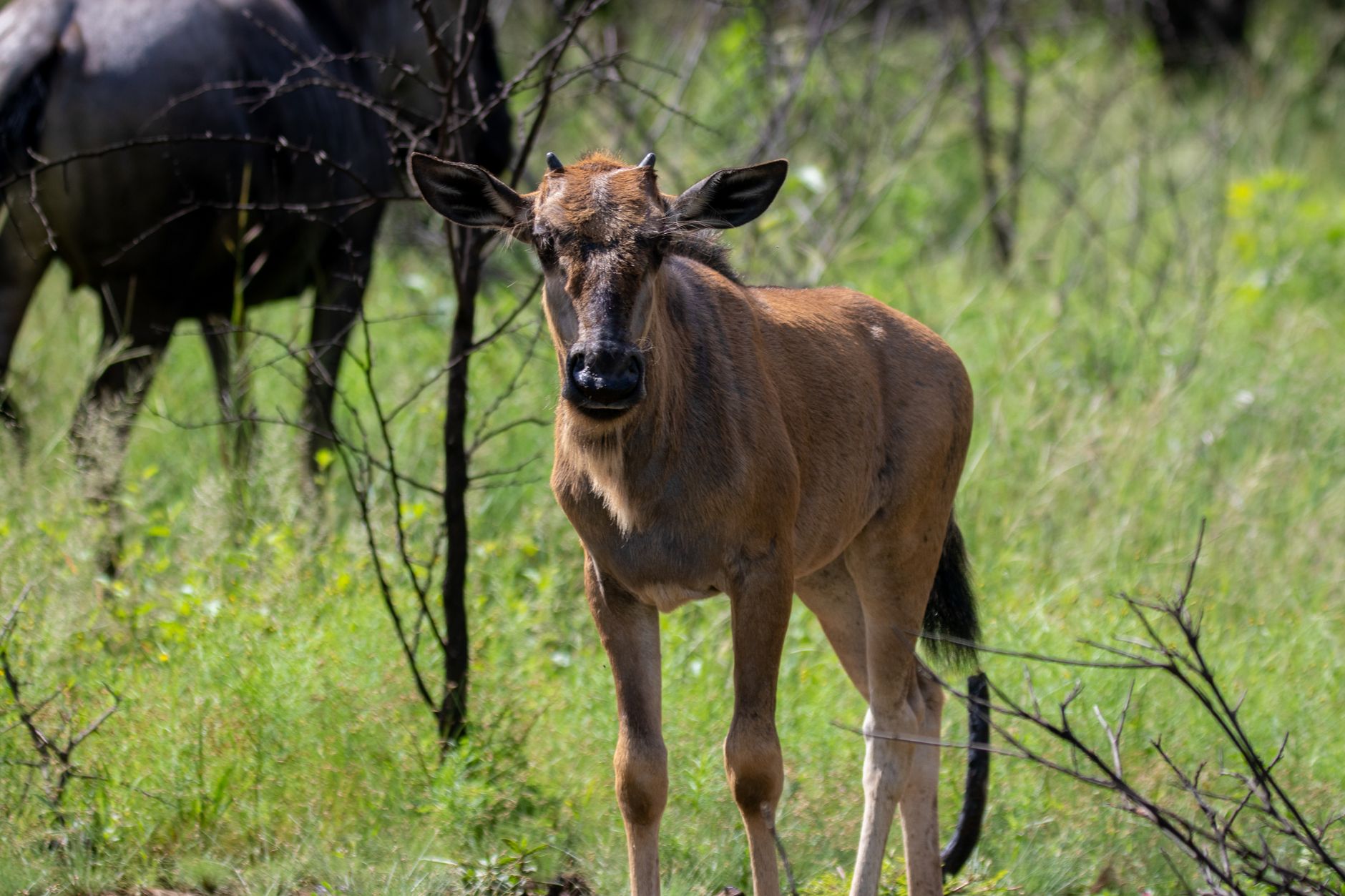
The short dry season. Hot and clear, with excellent game viewing across the northern circuit. This is calving season in the southern Serengeti — hundreds of thousands of wildebeest calves are born within a few weeks, drawing massive predator concentrations. One of the most dramatic wildlife spectacles in Africa, and significantly less visited than the July–August crossing season. Zanzibar is sunny and warm with calm seas.
March – May
The long rains. Many camps in the Serengeti and Ruaha close or reduce operations. Roads in the southern parks (Selous/Nyerere, Ruaha) can become impassable. However, this is Tanzania's cheapest period — rates drop 30–50% — and the landscape is extraordinarily lush. Birdwatching peaks as migrants are present. Suitable for experienced travellers who prioritise value and don't mind rain.
June – July
The long dry season begins. Wildlife concentrates around permanent water. The wildebeest herd moves north through the central Serengeti toward the Mara River in Kenya. Temperatures are pleasant — warm days and cool evenings. Ngorongoro Crater is excellent year-round but particularly productive now. This is peak booking season; reserve well in advance.
August – September
Peak season. The Mara River crossings are at their most spectacular and unpredictable — herds mass on the southern bank, a crocodile-filled river lies between them and fresh grass, and the crossing can happen at any moment. Prices are at their highest. Zanzibar is dry and ideal. The southern parks are also excellent as water sources shrink.
October
The long dry season ends. The wildebeest begin moving south. Slightly fewer crowds than August–September, with wildlife still excellent and some early-season discounts appearing. A strong month for the northern circuit.
November – December
The short rains arrive — usually brief afternoon thunderstorms rather than all-day rain. The landscape greens quickly. Migratory birds arrive. Rates drop meaningfully. Many travellers consider November and December underrated — the wildlife is good, the bush is photogenic, and the parks are quiet. Zanzibar's seas can be rougher in November.
Best Time by Destination
| Destination | Peak Season | Good Year-Round? |
|---|---|---|
| Serengeti (Migration crossings) | July – September | Yes, but crossings are seasonal |
| Serengeti (Calving) | January – February | No — calving is specific |
| Ngorongoro Crater | June – September | Yes |
| Ruaha & Nyerere (Selous) | June – October | No — some closure in long rains |
| Zanzibar | June – October, Jan – Feb | Mostly yes |
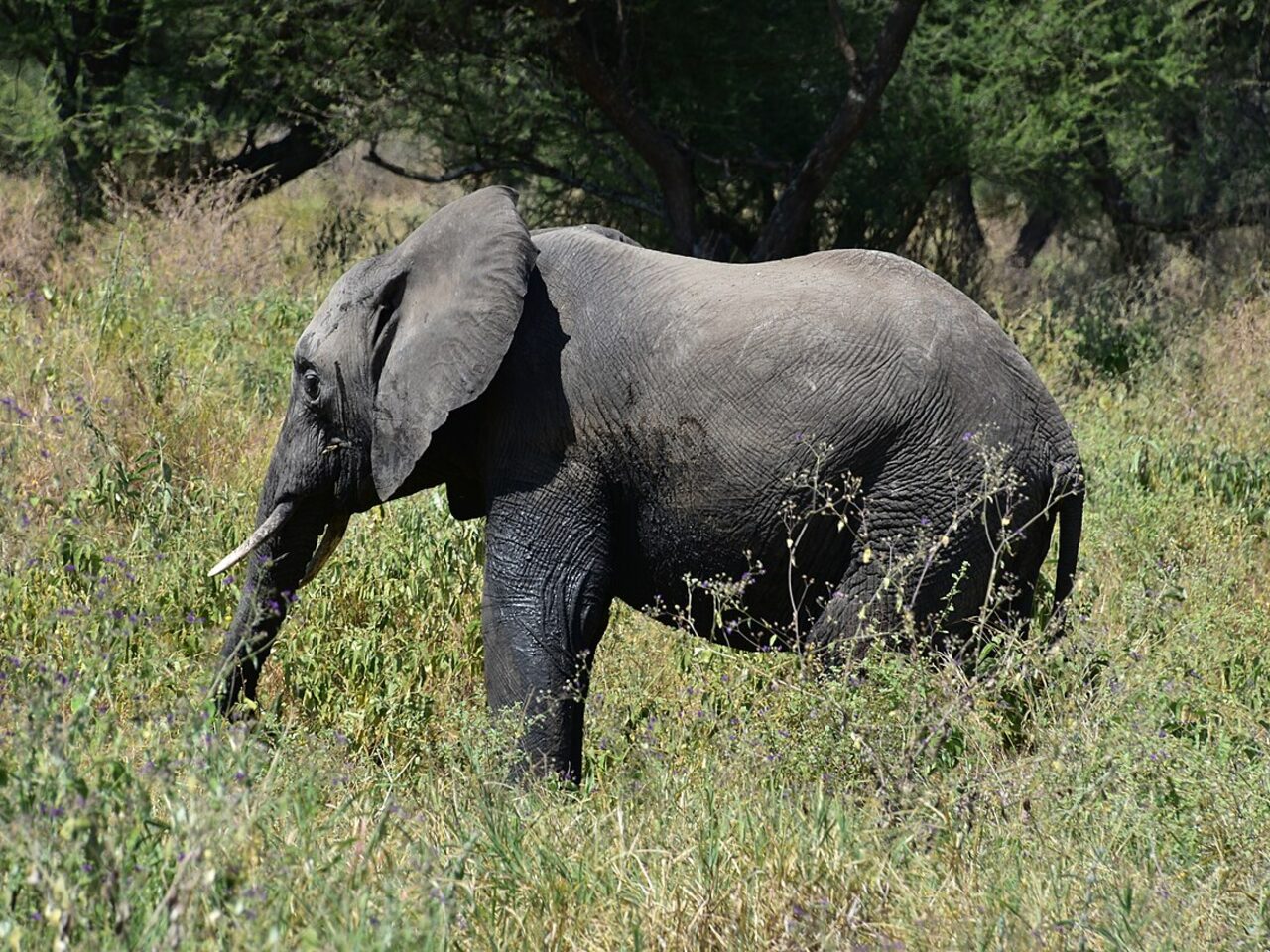
| Tarangire | June – October (elephant concentrations) | Yes |
Frequently Asked Questions
What is the absolute best month to visit Tanzania? For the Mara River wildebeest crossings, August is the peak month. For calving and dramatic predator activity, February is exceptional. For overall value without sacrificing quality, June or November offer excellent conditions at lower prices.
Is Tanzania good to visit in December? Yes. The short rains produce brief showers rather than persistent rain. Wildlife is good, the bush is green and photogenic, rates are lower than peak, and Zanzibar is sunny. A solid choice for travellers with flexibility on timing.
When is Tanzania cheapest to visit? March to May (long rains) is the cheapest period, with some camps offering discounts of 30–50%. November and early December offer a middle ground — lower than peak but without the wet-season limitations.
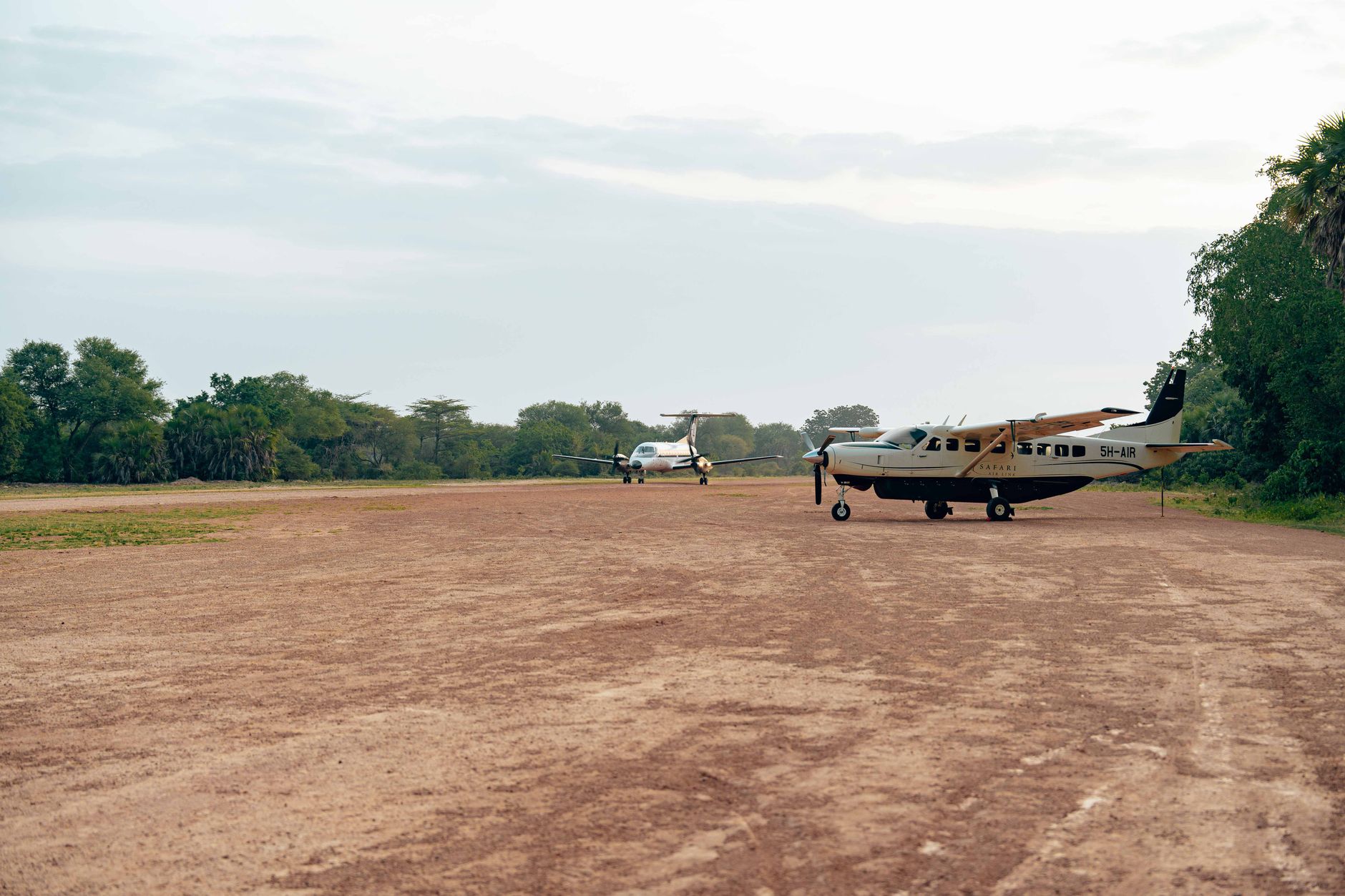
Can you visit both the Serengeti and Zanzibar in one trip? Yes — a classic combination. Most travellers do 5–7 nights on safari in the northern circuit, then fly to Zanzibar for 3–5 nights of beach time. The contrast is part of the appeal. Flights from the Serengeti airstrips to Zanzibar connect via Arusha or Dar es Salaam.
Planning a Tanzania safari? Browse lodges, tented camps, and accommodation options on our Tanzania page.
Ready to plan your trip?
Check live availability, compare lodges and book instantly — or send us an enquiry and we'll help shape the route.