Your Guide: What to Pack for a Safari in South Africa

The thrill of planning a South African safari is almost as intoxicating as the adventure itself. As you start to picture the vast landscapes and incredible wildlife, one practical question inevitably comes to mind: what to pack for safari in south africa? Getting your luggage right is the first step towards a comfortable, seamless, and truly unforgettable journey, especially when you're planning for the wonderfully varied seasons between February and July.
This guide is designed to help you prepare for your 2027 trip, whether you're heading to the iconic Kruger National Park or exploring other magnificent reserves. The period from February to July sees a beautiful transition from the end of summer into the crisp, dry days of winter, and your suitcase should reflect this change.
The Golden Rule of Safari Packing: Layers and Neutral Colours
If you remember just one thing, let it be this: pack in layers. A typical safari day involves dramatic temperature swings. An early morning game drive in July might start near freezing, only for the midday sun to warm things up considerably. By the time your evening drive begins, the chill will start to return.
Layering allows you to adapt effortlessly. Think a t-shirt, a long-sleeved shirt, and a warm fleece or jacket. You can peel them off as the sun climbs higher and put them back on as it sets, ensuring you're always comfortable while tracking a leopard or enjoying a sundowner.
Your colour palette is just as important. Opt for neutral, earthy tones like khaki, beige, olive, and brown. These colours help you blend into the natural environment, making you less conspicuous to wildlife. Bright colours, on the other hand, can be distracting to animals. It's also wise to avoid white, which gets dusty very quickly, and dark blue or black, which can attract certain insects in some regions.
Your Safari Clothing Checklist (February-July)
As you prepare for a trip between late summer and early winter, your clothing choices should prioritise comfort, protection, and versatility. The key is to be ready for both warm days and chilly mornings.
For Early Morning and Evening Game Drives
These are often the coldest parts of the day, but also the most magical for game viewing. You'll be in an open vehicle, so wind chill is a factor.
A warm, windproof fleece or insulated jacket is non-negotiable, especially from April onwards. A soft beanie, a scarf or buff, and a pair of gloves will make a world of difference to your comfort as you watch the sunrise over the bushveld.
For Daytime Wear
As the day warms up, you'll want lighter options. Lightweight, long-sleeved shirts made from cotton or technical fabric are perfect. They offer protection from the sun without being too hot and can help guard against insect bites.
Pair these with comfortable t-shirts or tops. For your lower half, a mix of durable shorts and full-length trousers is ideal. Convertible trousers that zip off into shorts offer great flexibility. This versatility is key whether you're on a classic game drive or embarking on a guided bush walk at a specialised lodge like Simbavati Trails Camp, where being properly attired is essential for the experience.
Footwear and Accessories
Comfortable, closed-toe shoes are essential. You don't need heavy-duty hiking boots unless your itinerary includes serious trekking, but a sturdy pair of walking shoes or trail runners is perfect for game drives and any walking you might do around the lodge.
Back at camp, a pair of sandals or casual shoes is great for relaxing. Don't forget a wide-brimmed hat for sun protection—the African sun is strong year-round. A quality pair of sunglasses and a swimsuit for the lodge pool complete the list; even in cooler months, a dip can be refreshing under the midday sun.
Beyond the Bush: Combining Your Safari
Many travellers extend their adventure beyond the game reserves, and for good reason. South Africa's diversity is one of its greatest assets. If your itinerary includes a few days exploring the vibrant culture and stunning scenery of Cape Town, you’ll need a few extra items.
The city has a Mediterranean climate, meaning the months from May to July are its cooler, wetter winter season. Pack a waterproof jacket and some warmer layers. Capetonians are stylish but casual, so a couple of smart-casual outfits with a nice pair of shoes or boots will be perfect for evenings out at world-class restaurants or exploring the city's art galleries. Staying somewhere chic like Villa Claybrook can put you right in the heart of the action.
Similarly, if you're planning to self-drive the picturesque Garden Route, be prepared for variable weather. The route is known for its "four seasons in one day" character, so having your layers and a light rain jacket handy is always a good idea.

Essential Gear and Tech: What to Pack for a Safari in South Africa
Beyond clothing, a few key items will elevate your safari from a great trip to the journey of a lifetime. This is where you can truly fine-tune your packing.
- Binoculars: Perhaps the single most important piece of gear you can bring. While your guide will have a pair, having your own means you won't miss a thing, from a distant eagle to the subtle twitch of a lion's ear.
- Camera and Lenses: Bring your camera, a telephoto lens if you have one, and plenty of extra memory cards and batteries. The photo opportunities are endless, and you don’t want to be caught with a full card or a dead battery.
- Health & First Aid: Pack a small personal kit with essentials like pain relievers, antiseptic wipes, plasters, and any personal medication. High-SPF sunscreen and a quality insect repellent are crucial. Lip balm with SPF is also highly recommended.
- Electronics: A power bank is a lifesaver for charging devices on the go. South Africa uses the Type M plug, so bring a universal adapter. A headlamp or small torch is very useful for navigating your way around the lodge after dark, especially in more remote camps in regions like the Waterberg.
- Documents: Keep digital and physical copies of your passport, visa (if needed), flight itineraries, and travel insurance documents.
What to Leave at Home
Just as important as what you pack is what you don't. Luggage space, especially on small charter flights to lodges, is often limited.
Leave the brightly coloured clothing behind, as well as any camouflage patterns, which are reserved for military personnel in some African countries. Unless specified by your city hotel, formal wear is unnecessary; safari lodges are relaxed environments.
Heavy perfumes and scented lotions can attract insects and interfere with the natural scents of the bush. Many lodges, like the exclusive &Beyond Phinda Homestead, are also moving towards being plastic-free, so avoid bringing disposable plastic bags. Finally, drones are strictly prohibited in national parks and private game reserves to protect the wildlife and the guest experience.
Packing correctly is an act of preparation that pays dividends from the moment you arrive. By choosing versatile, comfortable, and appropriate items, you free yourself to focus completely on the incredible experience unfolding before you. This list of what to pack for safari in south africa is your foundation for an adventure filled with comfort, discovery, and awe.

Where to stay
Browse handpicked places to stay — many with live availability and instant booking.
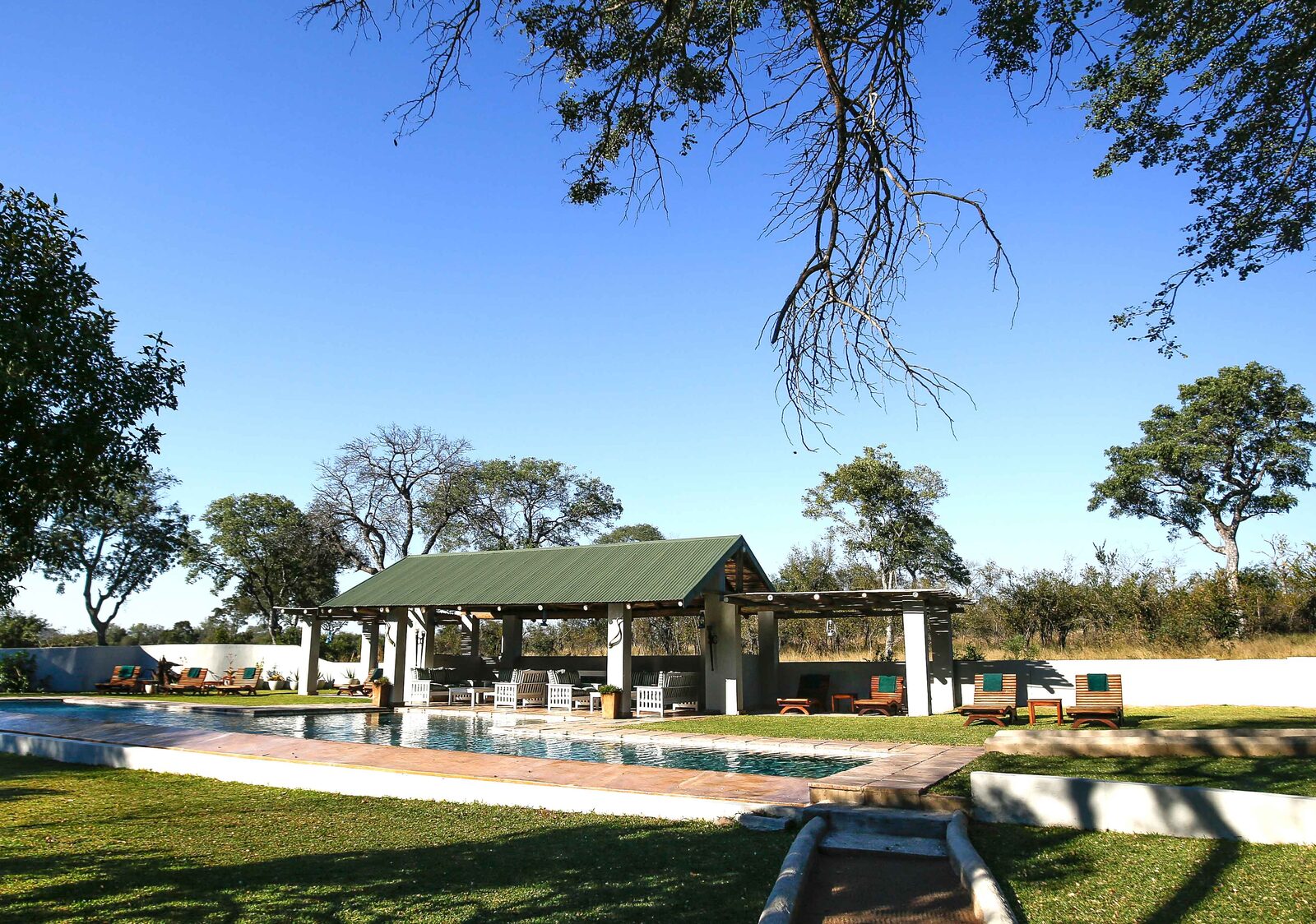 5(151)
Notten's Bush Camp
Sabi Sand Game Reserve, Greater Kruger, Mpumalanga
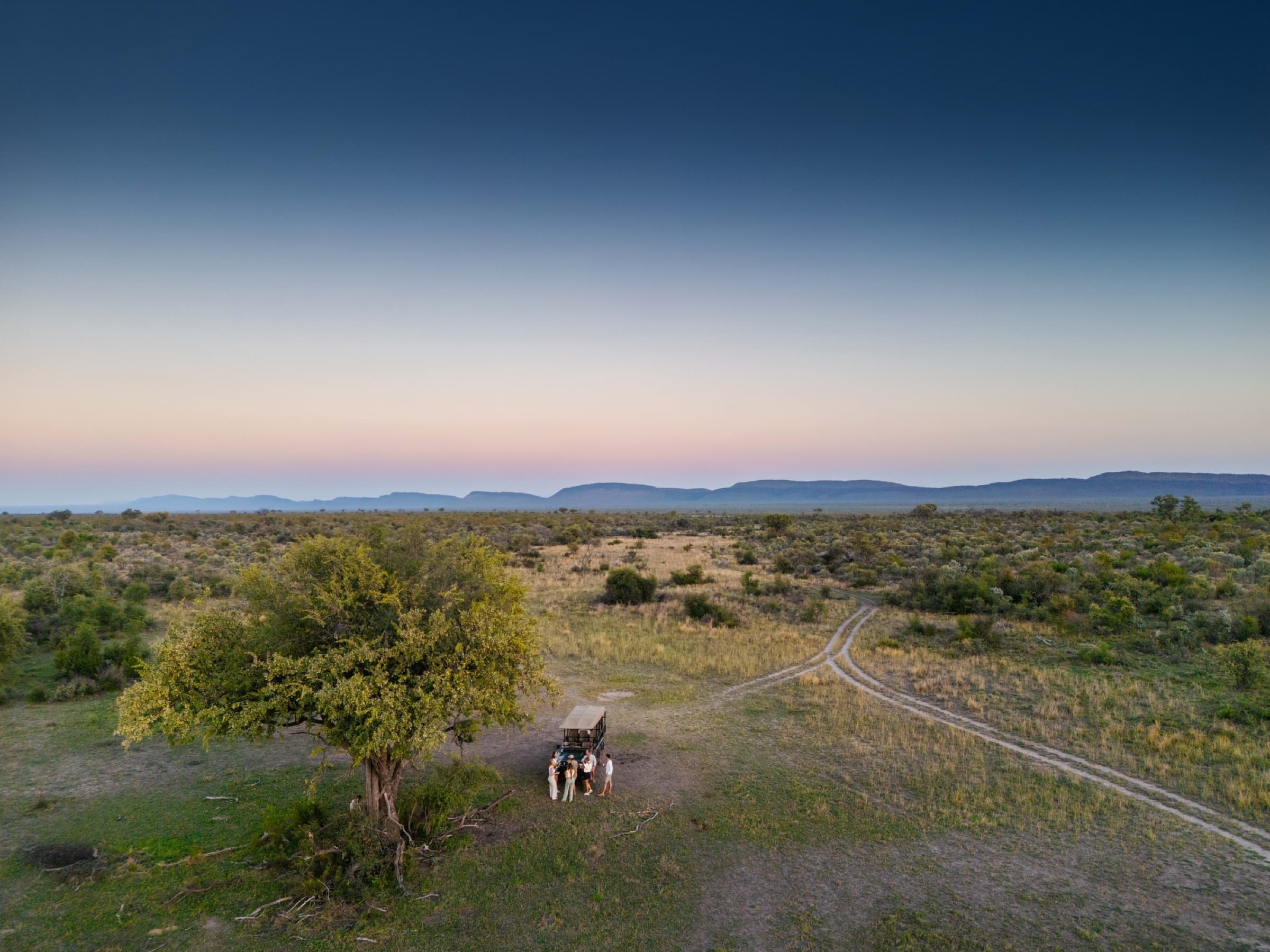 4.7(147)
Jaci's Private Lodge
Madikwe Game Reserve, North West Province
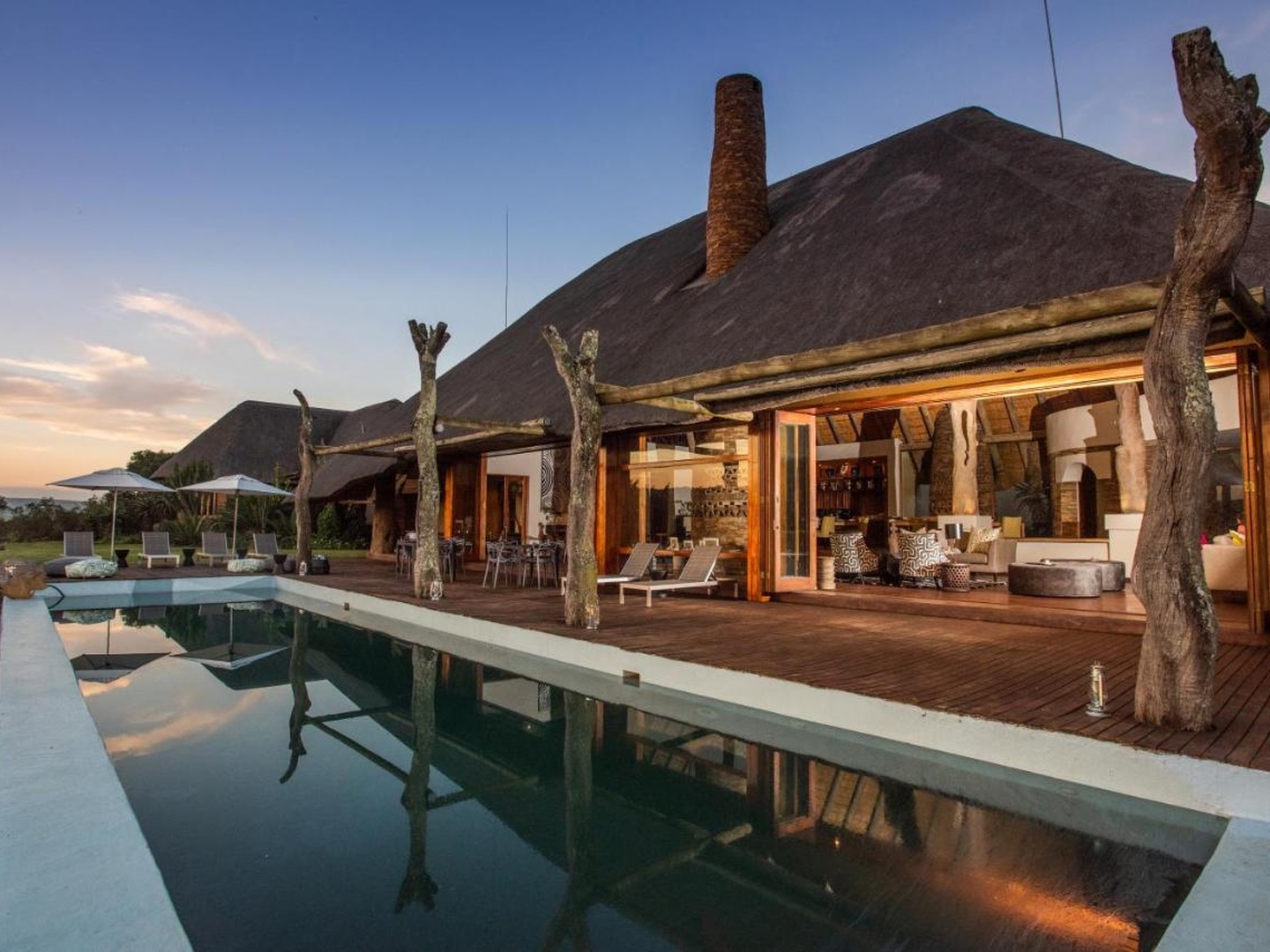 4.3(1609)
Tala Collection Private Game Reserve
Tala Game Reserve, South Africa
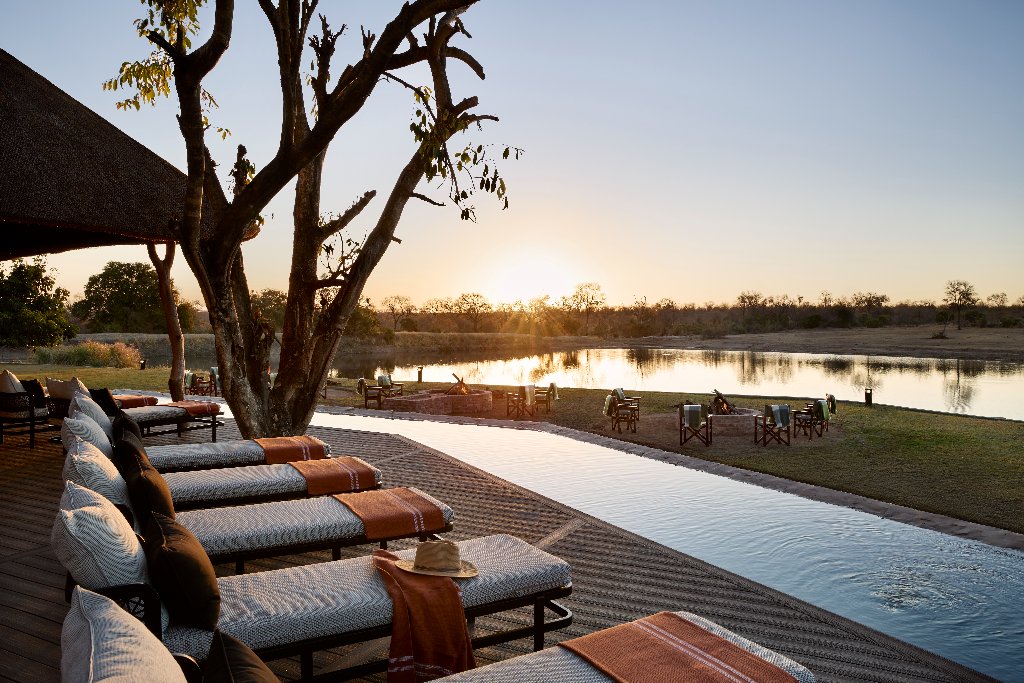 4.8(190)
Arathusa Safari Lodge
Sabi Sand Game Reserve, Mpumalanga
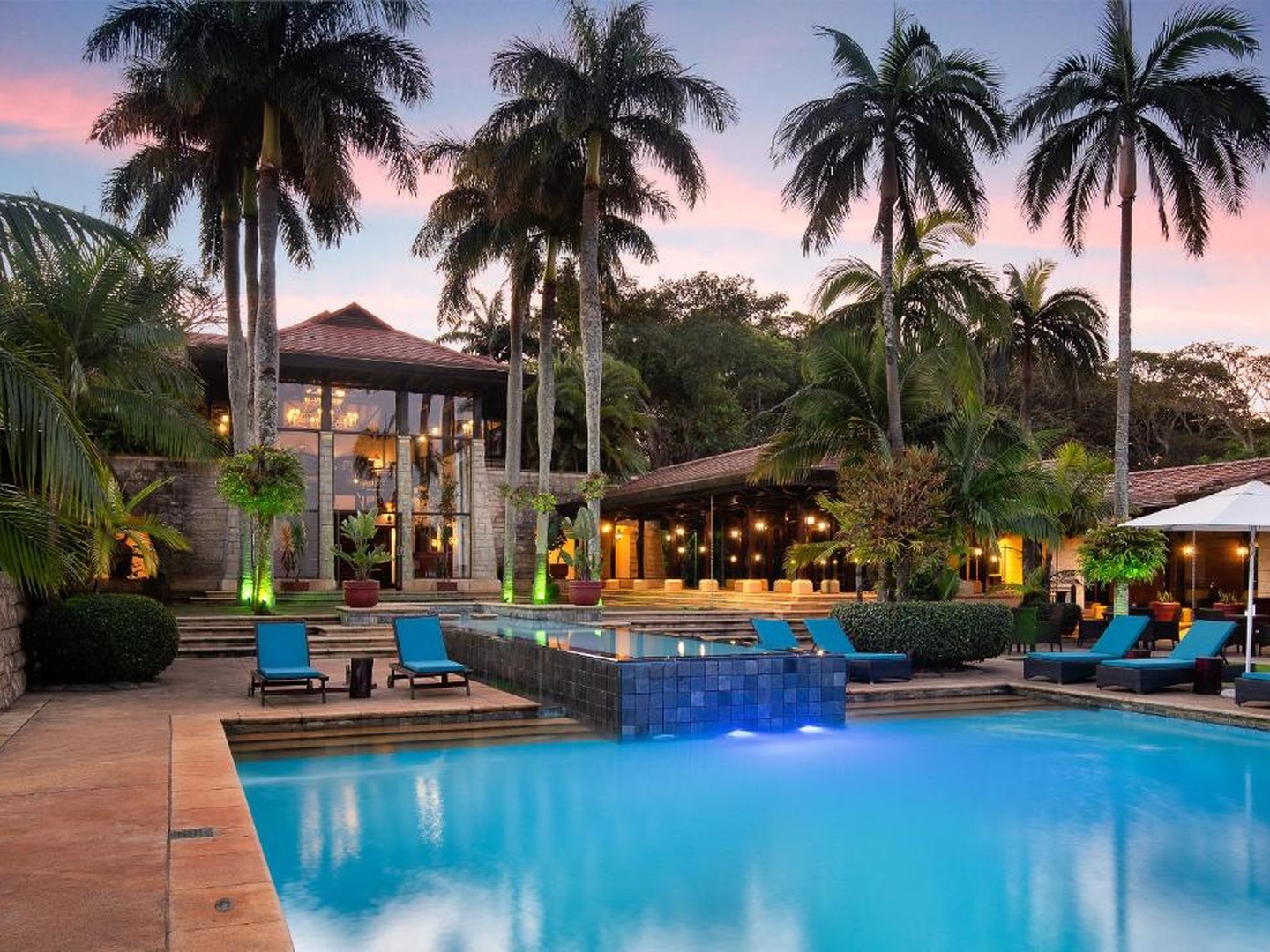 4.5(1274)
Zimbali Lodge
Ballito, South Africa
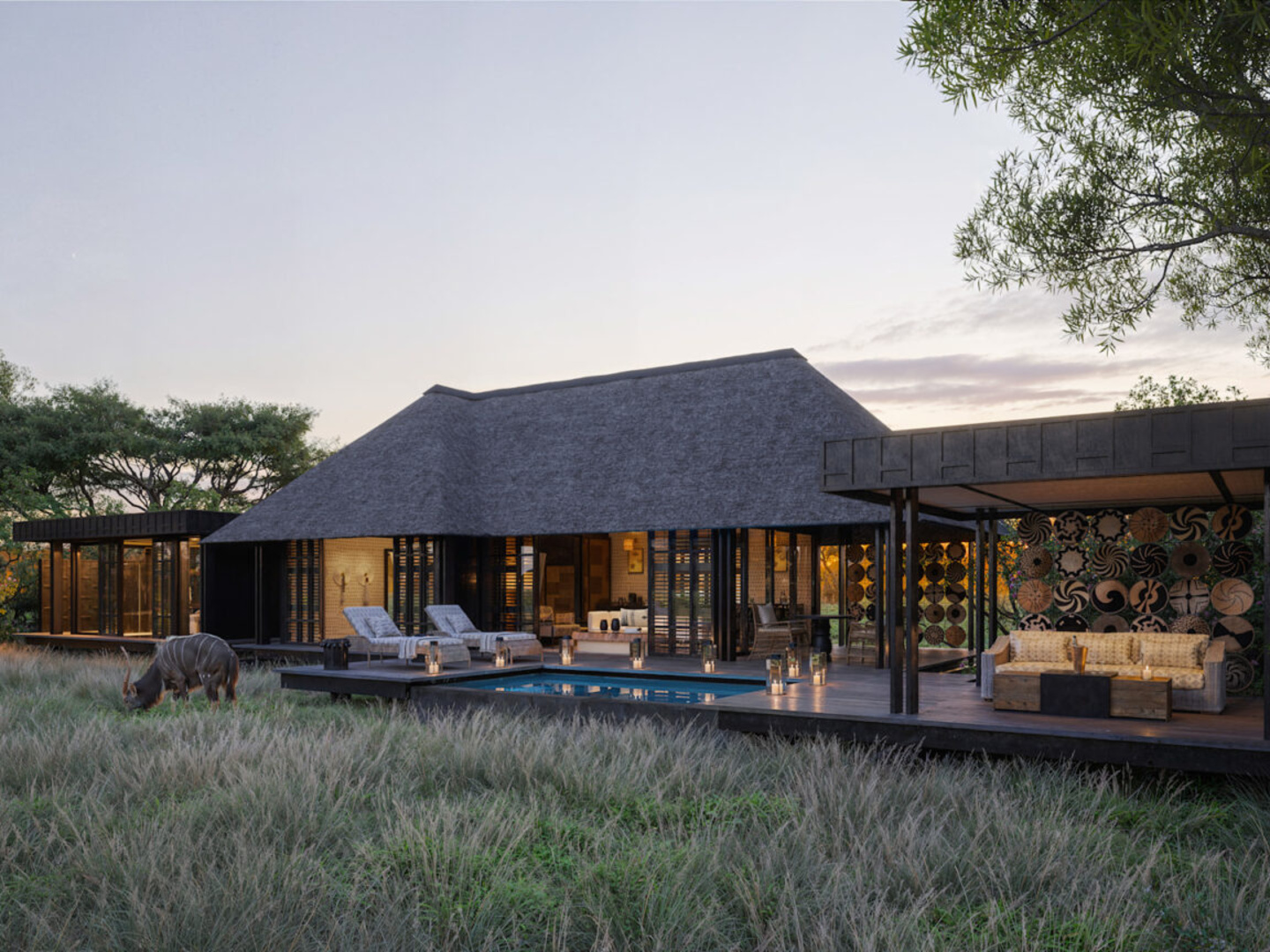 4.9(52)
&Beyond Phinda Vlei
Phinda Private Game Reserve, KwaZulu-Natal, South Africa
Let us plan this trip for you
Send us your dates, party and budget and we'll come back with a costed itinerary, with lodges, flights, transfers and activities in one place. No obligation.
Keep reading

See our safari advice first on Google
One tap tells Google you want Safari Stays shown higher when you search for safari and travel news. It takes a second and you can undo it anytime.
Make Safari Stays a preferred source on Google