What to Pack for a Summer Safari in South Africa

The thrill of a South African safari often begins long before you see your first elephant. It starts with the planning, the anticipation, and the satisfying task of gathering your gear. As you prepare for your journey in the upcoming summer season, from January to June 2027, one of the most common questions we hear is, "What to pack for a summer safari in South Africa?" A well-packed bag is the foundation of a comfortable, safe, and unforgettable adventure.
South Africa’s summer is a time of lush landscapes and vibrant life, but it also brings specific weather patterns that vary across the country. This guide is designed to help you pack intelligently, ensuring you’re perfectly prepared for everything the African bush has to offer, from a misty morning game drive to a sun-drenched afternoon by the pool.
Understanding South Africa’s Summer Climate
First, it’s crucial to understand that a South African “summer” isn’t a single, uniform experience. The country has several distinct climate zones. Your packing list will depend heavily on which regions you plan to visit.
For the primary safari destinations in the north, such as the iconic Kruger region and the broader provinces of Limpopo and Mpumalanga, summer is the rainy season. Expect hot, humid days, often culminating in spectacular late-afternoon thunderstorms. Temperatures can easily soar above 30°C (86°F). This humidity means lightweight, breathable fabrics are your best friend.
In contrast, the Western Cape, home to Cape Town and the Winelands, experiences a hot, dry summer. Here, rain is rare, and the days are typically long, sunny, and sometimes windy. While your safari might be further north, if your itinerary includes a few days exploring the coast, you'll need to pack for a different kind of heat.
No matter where you go, game drives are scheduled for the coolest parts of the day: early morning and late afternoon into the evening. Even in the height of summer, these times can be surprisingly cool, especially in an open-air vehicle. The golden rule of safari packing is, therefore, to think in layers.
Your Essential Safari Clothing Checklist
When it comes to safari clothing, function trumps fashion. The goal is to be comfortable, protected, and to blend in with your environment as much as possible. Neutral, earth-toned colours are the standard for a reason—they are less conspicuous to wildlife and don't show dirt as quickly as white.
Think shades of khaki, beige, stone, olive green, and brown. It's best to avoid bright colours like red and yellow, as well as stark white. It’s also wise to steer clear of black and dark blue, particularly in areas where tsetse flies are present, as these colours can attract them. While not a major issue in most of South Africa, it's a good general practice. Camouflage clothing is also not recommended, as it's associated with military personnel in some African countries.
Here is a core list of items to build your safari wardrobe around:
- Lightweight Long-Sleeved Shirts (x2-3): Essential for sun protection during the day and mosquito protection at dawn and dusk. Choose breathable fabrics like cotton or technical blends that wick moisture.
- T-shirts or Polo Shirts (x3-4): Form the base of your layered outfits.
- A Warm Fleece or Mid-Layer Jacket: This is non-negotiable for chilly morning game drives. As the sun climbs, you can easily shed it.
- A Lightweight Waterproof Windbreaker: Crucial for the summer rainfall in the north. It can protect you from sudden downpours and cut the wind on a fast-moving vehicle.
- Comfortable Shorts (x2): Ideal for warm afternoons around the lodge. Some lodges, like the exclusive Simbavati Trails Camp, focus on walking safaris where long trousers are mandatory for protection.
- Lightweight Long Trousers (x2-3): Perfect for evening meals and essential for protection against insects and thorny bushes on game drives or walks.
- Swimsuit: Most safari lodges have a pool, offering a welcome respite from the midday heat.
- A Wide-Brimmed Hat: To protect your face, neck, and ears from the strong African sun.
- Smart Casual Evening Wear: A fresh shirt or a simple dress is perfect for dinner. There's no need for formal attire; the atmosphere is usually relaxed and convivial.
Beyond the Basics: Footwear, Health, and Accessories
With your clothing sorted, it’s time to consider the other essentials that will make your trip smooth and enjoyable. These items are just as important as your khaki shirts.
Footwear for the Bush
Your choice of shoes can make or break your comfort. For game drives and general lodge life, a pair of comfortable, closed-toe walking shoes, like trail runners or light hiking boots, is ideal. They provide support and protect your feet from dust, insects, and thorns. If you plan on any walking safaris, sturdy and broken-in shoes are an absolute must. For relaxing at your lodge, such as the serene LoWes Africa in the Waterberg, a pair of sandals or flip-flops will be perfect for trips to the pool.
Health and Toiletries
While most lodges are well-stocked, it’s best to bring your personal items and a small medical kit. Sun protection is paramount. Pack a high-SPF, broad-spectrum sunscreen and apply it liberally. A good insect repellent containing DEET is also essential for use in the mornings and evenings.
Your basic first-aid kit should include antiseptic wipes, plasters, pain relievers, antihistamines for bites or allergies, and any prescription medication you take. Remember to carry enough of your personal medication for the entire trip, along with a copy of your prescription.
Gadgets and Gear
A safari is a photographer's dream. Bring your camera, whether it's a DSLR or a high-quality phone. A zoom lens will be invaluable for capturing distant wildlife. Don't forget extra batteries and memory cards, as well as a power bank to keep your devices charged, as electricity can sometimes be limited to certain hours.
Perhaps the most important piece of equipment, after your camera, is a good pair of binoculars. While your guide will have a pair, having your own means you won't miss a fleeting moment—a leopard in a distant tree or a rare bird taking flight. Lastly, pack a good book or download a few podcasts for quiet afternoons between game drives.
What to Pack for a Summer Safari in South Africa: Special Considerations
Finally, a few practical tips can help you pack with even greater efficiency, ensuring you’re ready for the specific logistics of safari travel.
Luggage Limitations
If your itinerary involves flights on small charter planes to get to your lodge, you will face strict luggage restrictions. These typically include a weight limit of 15-20 kg (33-44 lbs) per person and a requirement for soft-sided bags (duffel bags or frameless backpacks). Hard-shell suitcases often cannot fit into the small luggage pods of these aircraft. Always check the specific restrictions with your airline or tour operator ahead of time. Most lodges offer laundry services, so you can pack light without worry.
The Bush and Beach Combination
Many travellers combine a safari in a region like Mpumalanga with a visit to the vibrant city of Cape Town or the beautiful Garden Route. If this is part of your plan, your packing list needs to be more diverse. While your neutral safari wear is the priority, add in a few more stylish outfits, swimwear for the beach, and perhaps a light jacket for breezy evenings by the ocean. The key is versatile pieces that can work in both environments.
What to Leave at Home
Just as important as what to pack is what not to pack. Leave expensive jewellery and unnecessary valuables at home. Avoid strong perfumes and colognes, as strong scents can attract insects and may be distracting to both wildlife and your fellow passengers on the game viewer. Drones are also prohibited in all national parks and most private reserves.
Ultimately, preparing for your adventure is part of the joy. By packing thoughtfully, you ensure that once you arrive, your focus can be entirely on the incredible experience unfolding before you. With your layers, sun protection, and sense of wonder packed, you are ready for your South African summer safari. This checklist for what to pack for a summer safari in South Africa will help you feel prepared, allowing you to immerse yourself fully in the magic of the bush. For more inspiration and to explore our curated collection of lodges, visit our main blog.
Where to stay
Browse handpicked places to stay — many with live availability and instant booking.
 5(151)
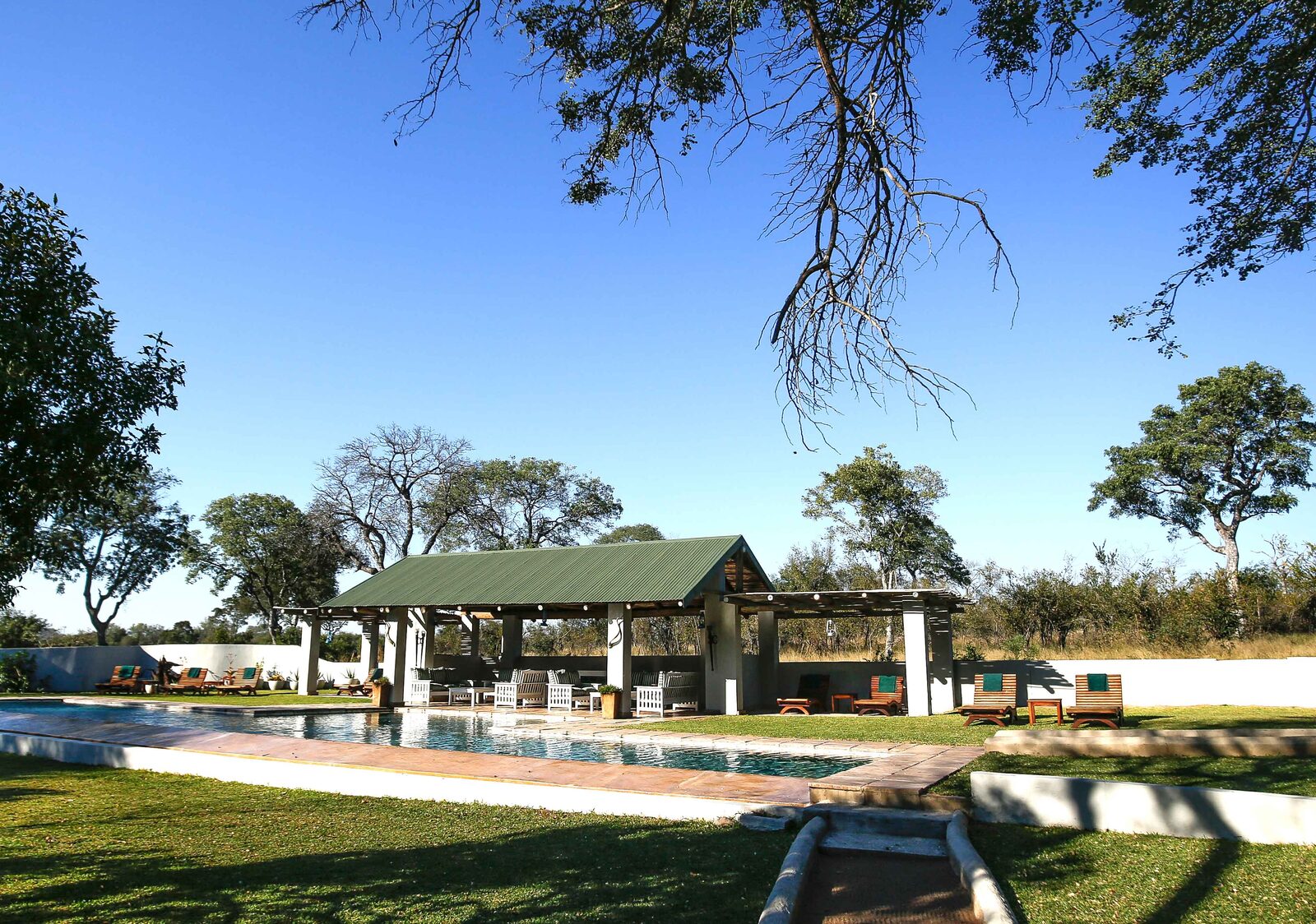
Notten's Bush Camp
Sabi Sand Game Reserve, Greater Kruger, Mpumalanga
 4.8(190)
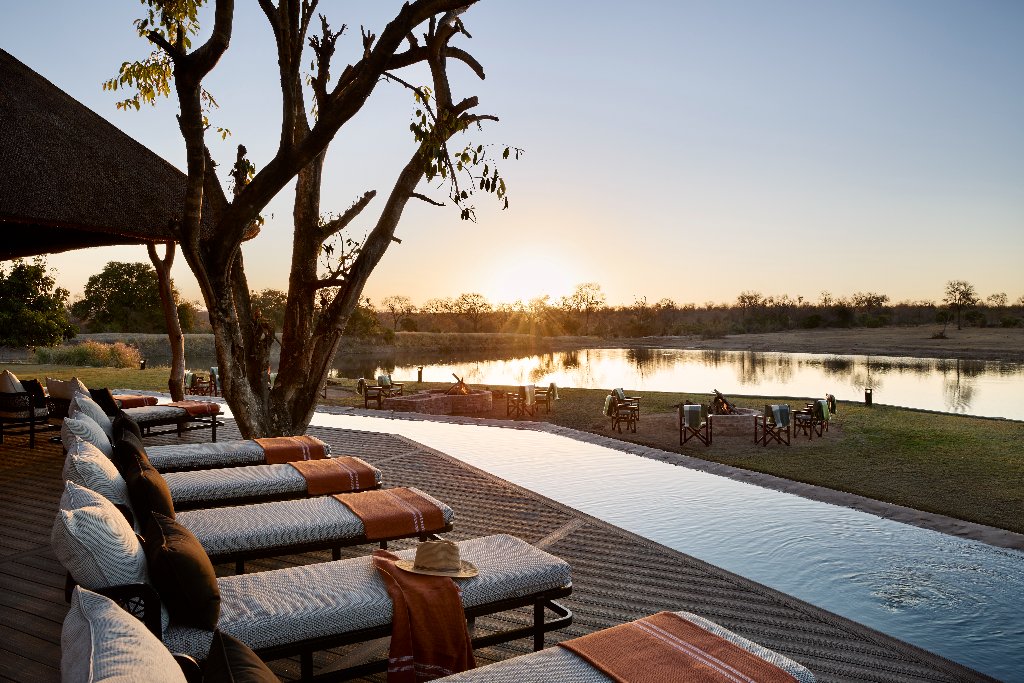
Arathusa Safari Lodge
Sabi Sand Game Reserve, Mpumalanga
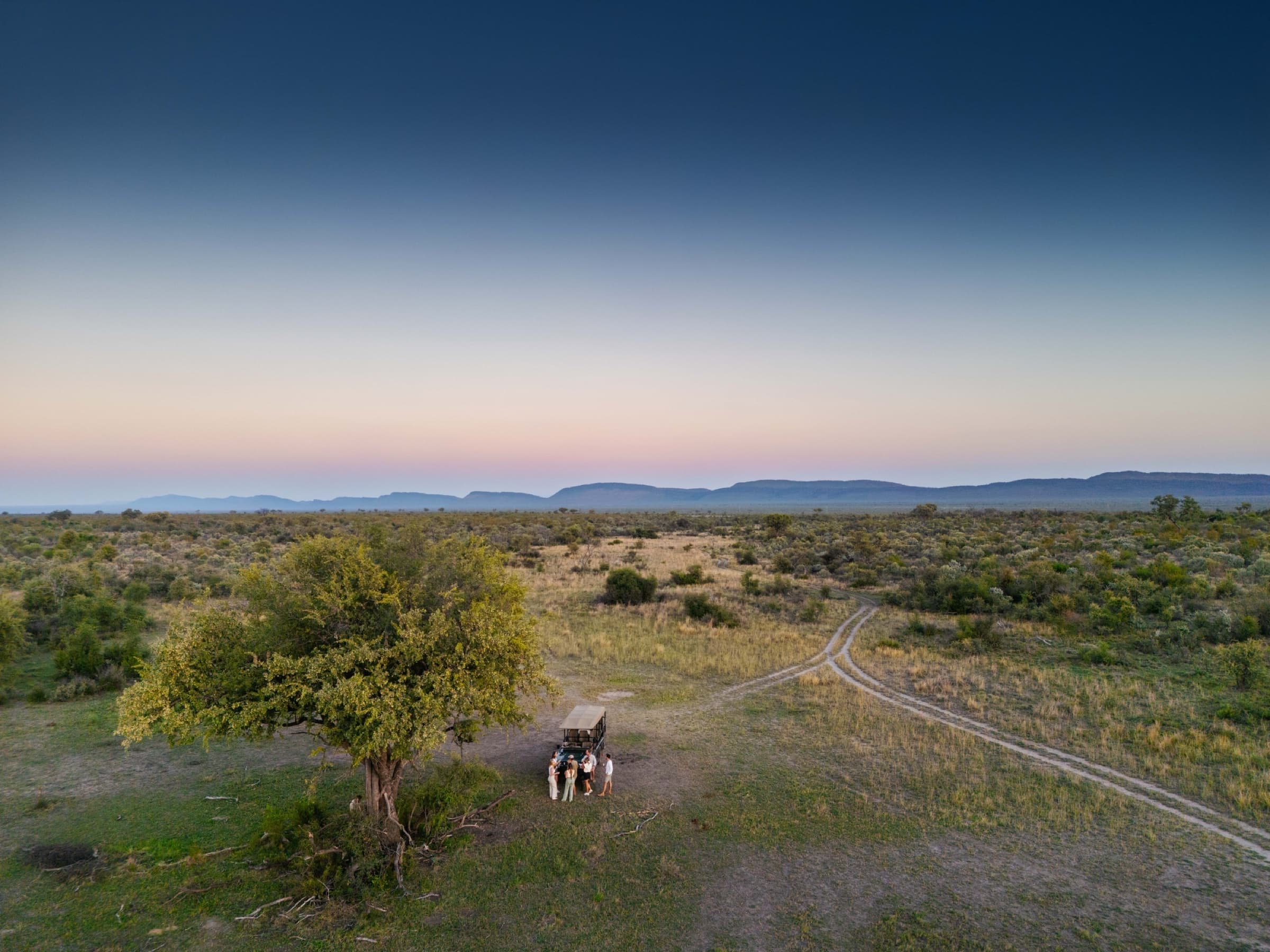 4.7(147)
Jaci's Private Lodge
Madikwe Game Reserve, North West Province
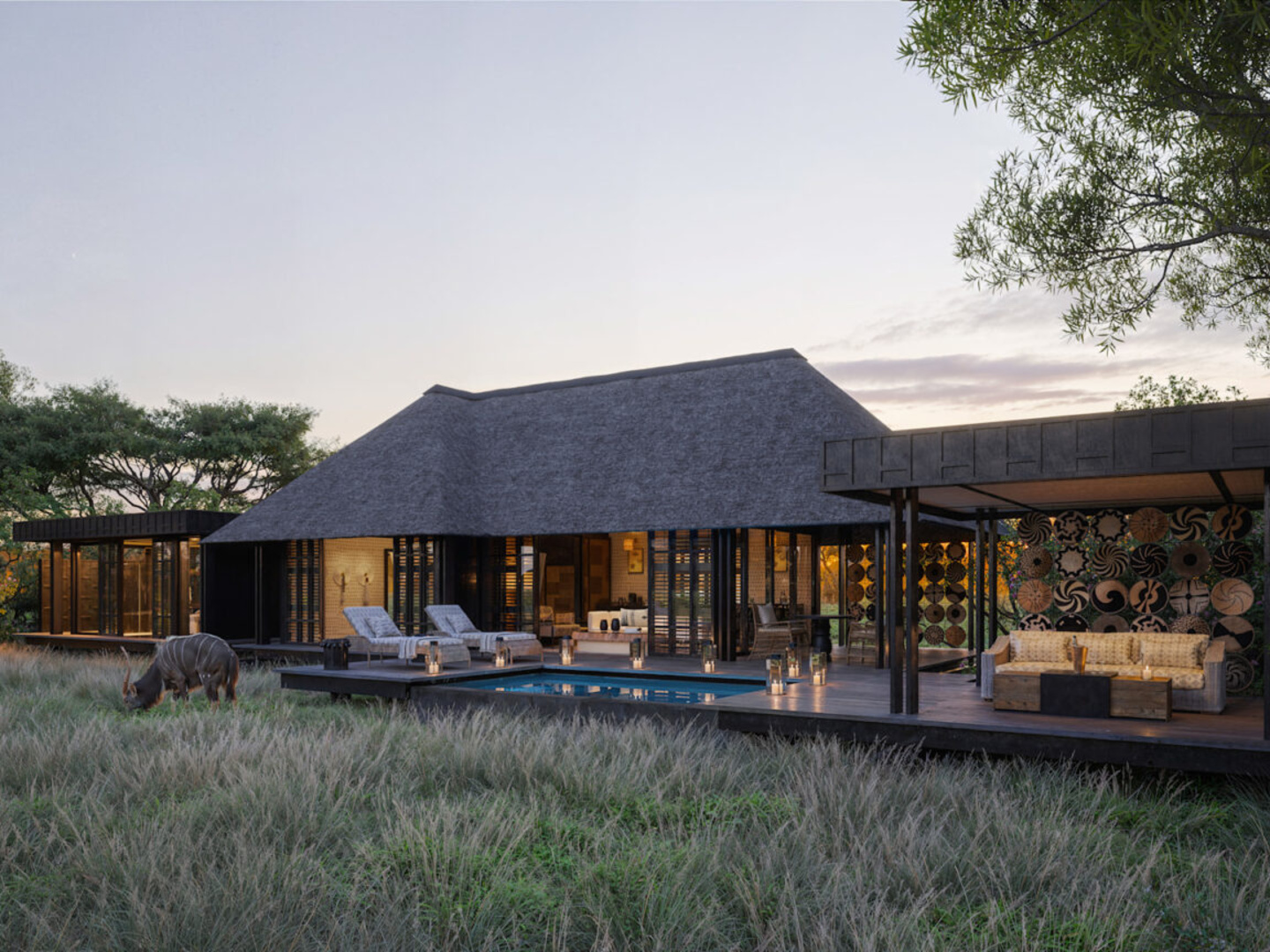 4.9(52)
&Beyond Phinda Vlei
Phinda Private Game Reserve, KwaZulu-Natal, South Africa
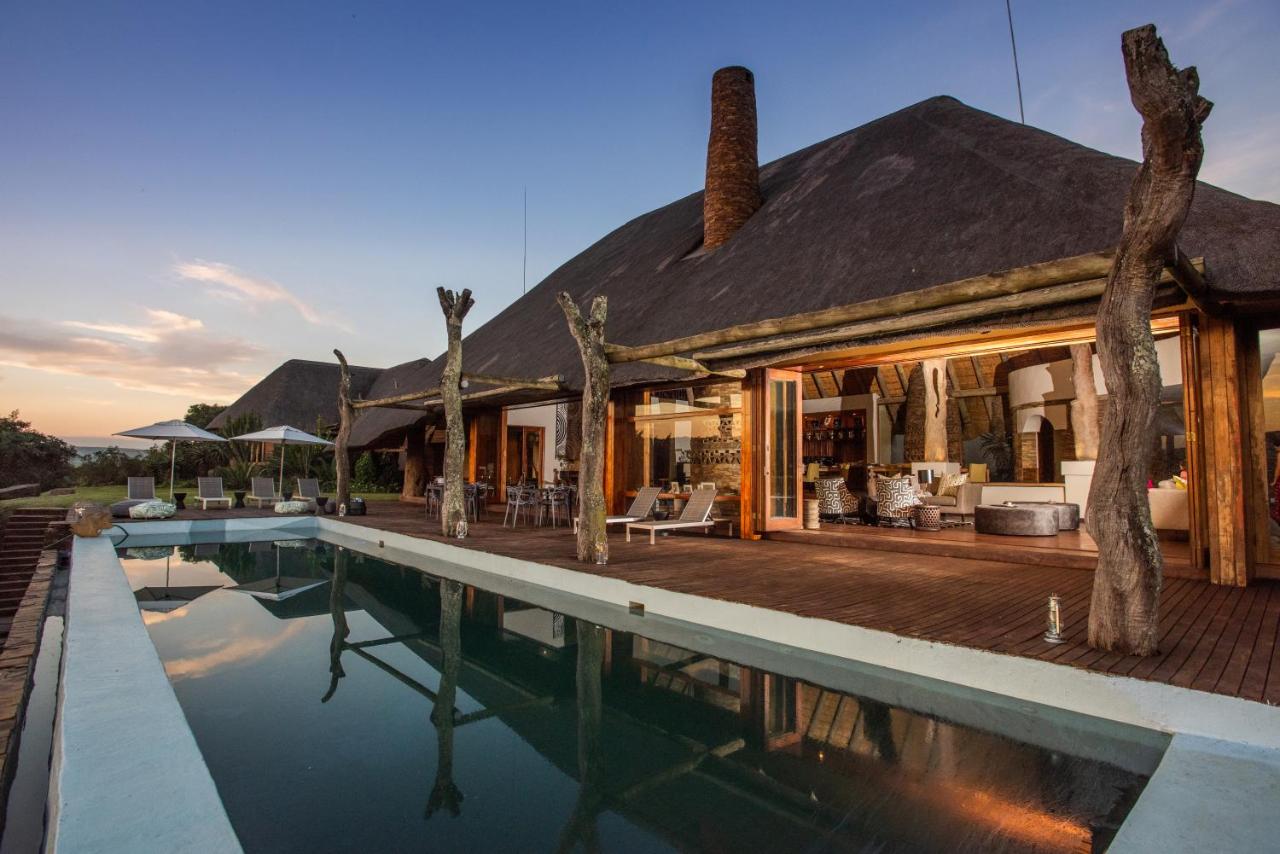 4.3(1598)
Tala Collection Private Game Reserve
Tala Game Reserve, South Africa
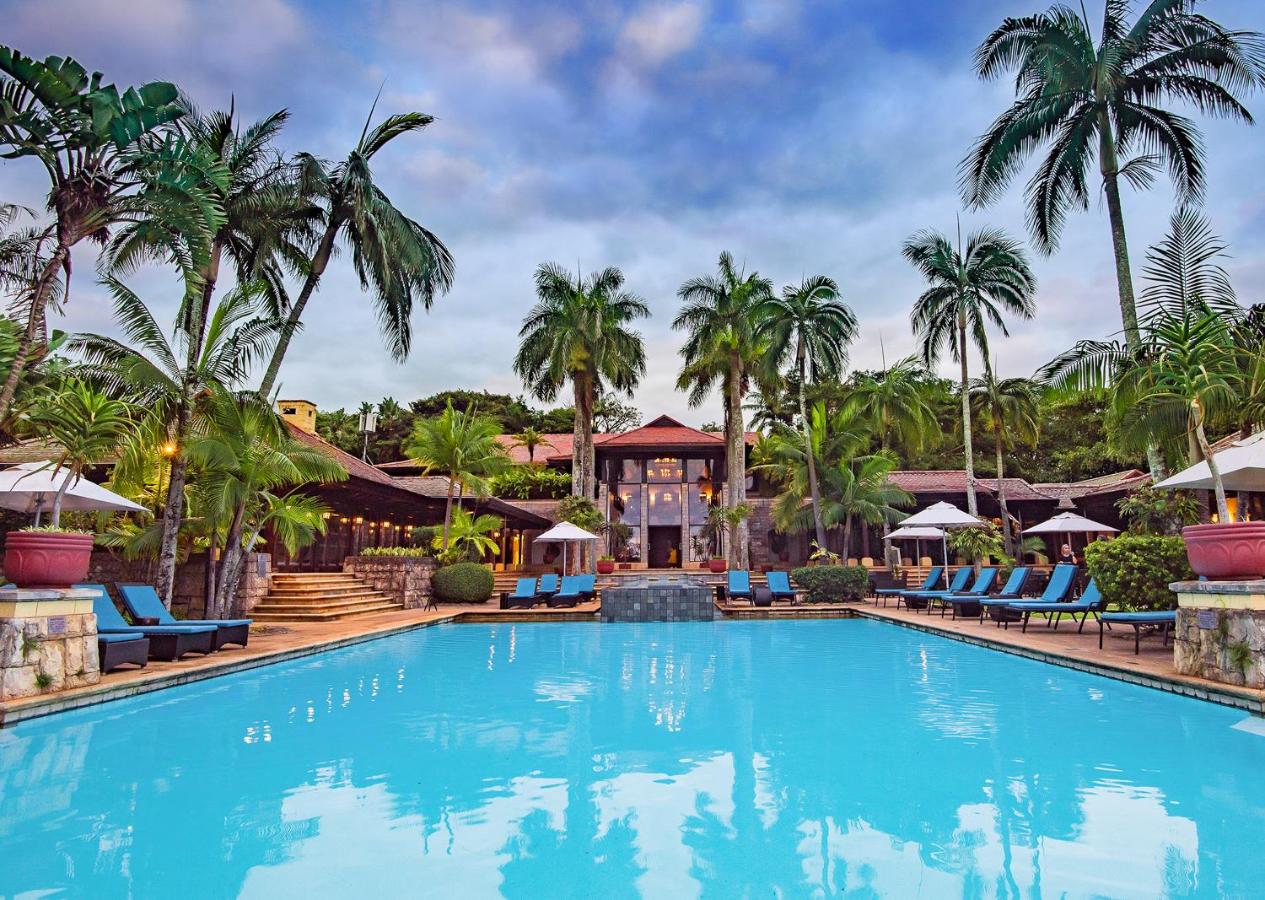 4.5(1274)
Zimbali Lodge
Ballito, South Africa
Ready to plan your trip?
Check live availability, compare lodges and book instantly — or send us an enquiry and we'll help shape the route.
Keep reading

See our safari advice first on Google
One tap tells Google you want Safari Stays shown higher when you search for safari and travel news. It takes a second and you can undo it anytime.
Make Safari Stays a preferred source on Google