Your Expert Kgalagadi Transfrontier Park Guide
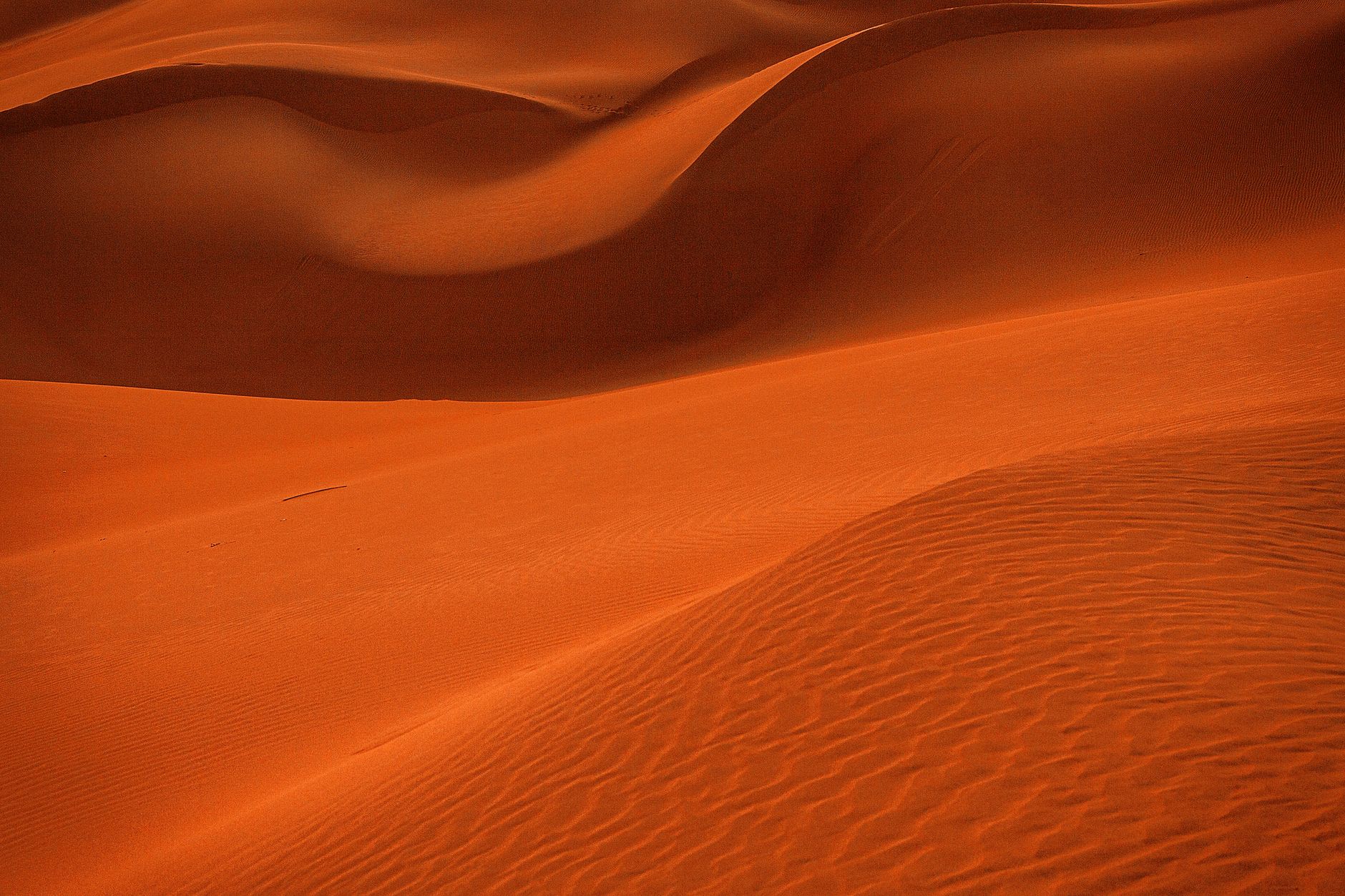
There is a place where horizons stretch into infinity, where silence is broken only by the bark of a gecko or the distant roar of a lion. This is the Kgalagadi, a vast wilderness of fossilised riverbeds and flame-red dunes that pulsates with a raw, untameable energy. For the discerning traveller seeking an escape from the ordinary, a journey into this semi-desert is less a holiday and more a pilgrimage. This comprehensive kgalagadi transfrontier park guide is born from a deep love for this unique corner of Southern Africa, designed to help you navigate its stark beauty and uncover its hidden treasures.
What is the Kgalagadi Transfrontier Park?
Straddling the border between South Africa and Botswana, the Kgalagadi Transfrontier Park was Africa's first officially declared peace park. It unites South Africa’s former Kalahari Gemsbok National Park with Botswana’s Gemsbok National Park into a single, seamless ecosystem of over 38,000 square kilometres. This lack of internal fences allows wildlife to follow ancient migratory routes, roaming freely across the border in search of scarce water and grazing.
The name 'Kgalagadi' translates to 'place of thirst' in the San language, a fitting description for this arid landscape. Its lifeblood is the two dry riverbeds, the Auob and the Nossob, which flow only in times of exceptional rain. Yet, life here has adapted with remarkable ingenuity. The sparse vegetation and open pans mean that while animal concentrations may be lower than in wetter reserves, the viewing is often spectacular and unobstructed.
An Essential Kgalagadi Transfrontier Park Guide to Wildlife
While the landscapes are mesmerising, it's the wildlife that truly defines the Kgalagadi experience. The park is renowned for its predators, particularly the magnificent big cats that have become symbols of this stark wilderness.
Predators of the Pans
The Kgalagadi is arguably one of the best places in the world to view cheetahs, which use the open pans to their advantage when hunting. But the undisputed king is the Kalahari lion. These magnificent beasts are larger in stature than their bushveld cousins, with the dominant males sporting distinctive, almost entirely black manes. Seeing one stride across a red dune at sunrise is a memory that stays with you forever.
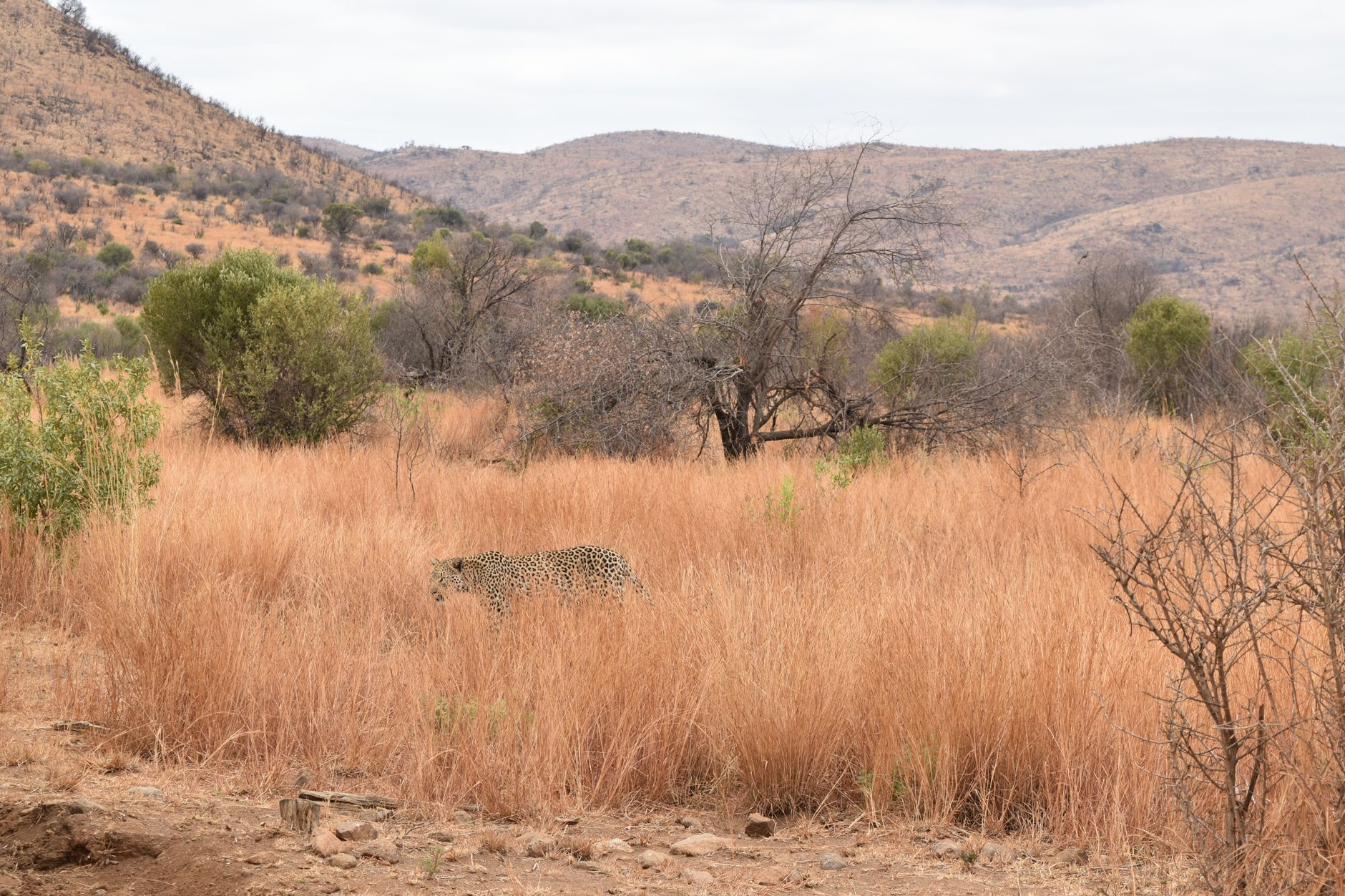
Leopards, though more elusive, are frequently spotted resting in the boughs of camel thorn trees that line the riverbeds. The park also hosts a healthy population of smaller carnivores. Brown and spotted hyenas are a common sight, as are the ever-watchful suricates (meerkats) and sleek, black-backed jackals.
Desert-Adapted Antelopes and Avian Wonders
The most iconic herbivore of the region is the gemsbok (oryx), a statuesque antelope with rapier-like horns, perfectly adapted to survive in extreme heat. They are a constant presence, often seen silhouetted against a dune at sunset. Great herds of springbok, blue wildebeest, and red hartebeest also traverse the plains.
The Kgalagadi is also a birder's paradise, especially for raptors. The park is home to an incredible density of birds of prey, including the Bateleur, Martial Eagle, and the diminutive Pygmy Falcon. Sociable Weavers build colossal nests in the camel thorn trees, some of which are centuries old and house hundreds of birds.
Planning Your Kgalagadi Adventure
Preparation is key to a successful Kgalagadi safari. The park's remoteness and harsh environment demand a level of self-sufficiency.
When to Go
There is no 'bad' time to visit, as each season offers a different experience. The dry winter months, from May to October, are generally considered the best for game viewing. The climate is pleasant during the day, though nights are freezing. Animals congregate around the man-made waterholes in the riverbeds, making sightings easier.
The summer, from November to April, brings intense heat and dramatic afternoon thunderstorms that transform the landscape. It is the time of new life, with many antelope species giving birth. While game can be more dispersed due to available surface water, the photographic opportunities with brooding skies and lush green grasses are unparalleled. For more on timing your trip, see our post on the best time for a safari in South Africa.
Navigating the Park
The park's main artery roads run along the Auob and Nossob riverbeds and are generally accessible to sedan vehicles, though a high-clearance vehicle is recommended. A 4x4 is essential if you wish to explore the wilderness trails, cross between the two riverbeds, or use the border crossings into Botswana.
The main rest camps—Twee Rivieren at the entrance, Mata-Mata on the Namibian border, and Nossob deep in the park—offer chalets, camping, fuel, and basic shops. Booking accommodation well in advance (often up to a year) is essential.
What to Pack
A trip to this remote region requires careful packing. Here are some essentials:
- High-quality binoculars for each person
- A camera with a good zoom lens
- High-SPF sunscreen, a wide-brimmed hat, and sunglasses
- Warm jackets, beanies, and gloves for cold nights and morning drives, even in summer
- Ample drinking water (carry more than you think you will need)
- Snacks and provisions for in-between meals
- A reliable park map and GPS device
- Patience and a sense of wonder

Beyond the Main Camps
For those wanting a deeper immersion, the park offers unfenced wilderness camps, which provide a rustic and truly wild experience. However, an alternative is to base yourself just outside the park gates, combining the raw adventure of the Kgalagadi with exceptional comfort and guided experiences.
Lodges in the surrounding conservancies offer a touch of luxury and expert knowledge, often with private access to stunning tracts of the Kalahari. Imagine returning from a dusty day of game viewing to a gourmet meal under the stars. Exploring the incredible lodges of the Northern Cape can add an element of refined comfort to your rugged adventure. Staying at a curated property like the fictional Kalahari Sundowner Lodge allows you to experience the park's magic with the added benefit of expert guides and superb hospitality.
The Kgalagadi is not just a destination; it's an experience that strips away the non-essential and connects you to the rhythms of an ancient land. It rewards the patient observer with moments of profound beauty and thrilling wildlife encounters. This kgalagadi transfrontier park guide is just the beginning of your journey.
Ready to heed the call of the Kalahari? Explore our curated collection of Safari Stays lodges across South Africa and find your perfect desert escape. Begin your journey at /southafrica/listings.
Ready to plan your trip?
Check live availability, compare lodges and book instantly — or send us an enquiry and we'll help shape the route.