Spitzkoppe Camping: A Guide to Namibia's Granite Giant

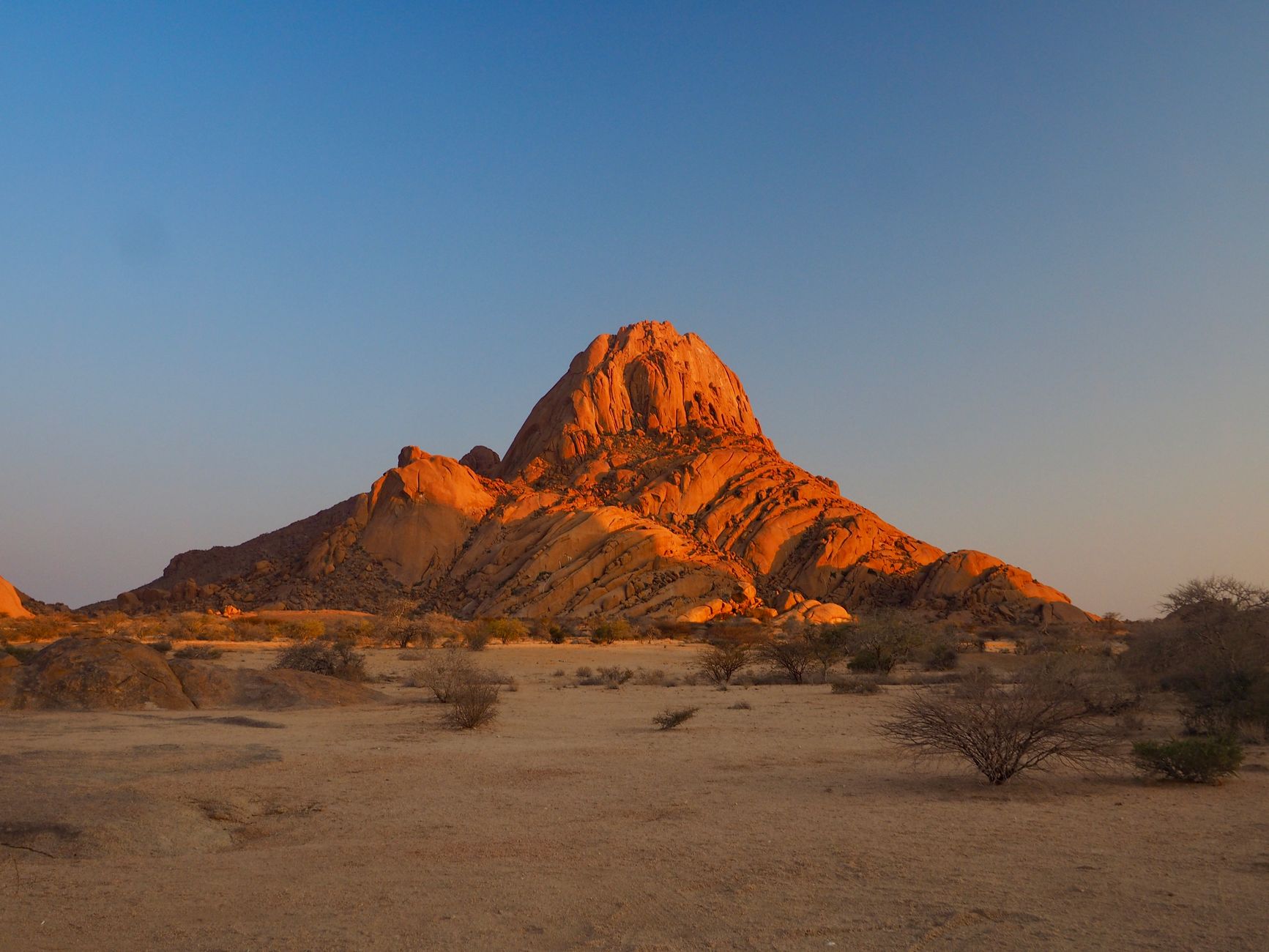
Rising abruptly from the pro-Namib plains, the granite peaks of Spitzkoppe are an unforgettable sight. Known as the 'Matterhorn of Namibia,' this ancient geological wonderland is more than just a mountain; it's an experience that etches itself into the memory of all who visit. For many travellers, spending a night under its star-dusted sky is a quintessential part of any Namibian journey. This comprehensive Spitzkoppe camping guide is designed to help you prepare for an adventure that is as raw and profound as the landscape itself.
The Soul of Spitzkoppe: More Than Just Rock
To truly appreciate Spitzkoppe, one must understand its dual nature. Geologically, it is a 120-million-year-old granite pluton, the exposed and weathered heart of a long-extinct volcano. The smooth, sweeping lines of its boulders and domes have been sculpted by millennia of wind and sun, creating a playground of surreal shapes and hidden arches.
Culturally, this is sacred ground. For thousands of years, the San (Bushmen) people used these rock overhangs for shelter, leaving behind a rich legacy of rock art. These delicate ochre paintings depict animals and shamanistic rituals, offering a silent connection to the area's earliest human inhabitants. To camp here is to sleep in a place of immense history and spiritual significance, where the silence is broken only by the whisper of the wind and the distant call of a gecko.
Your Essential Spitzkoppe Camping Guide
Camping at Spitzkoppe is not about luxurious amenities; it's about immersion. The experience is managed by the local community, ensuring that tourism benefits the people who call this starkly beautiful land home. Here’s what you need to know to plan your stay.
Choosing Your Campsite
Unlike structured national park campgrounds, Spitzkoppe offers a wilder, more private experience. After checking in at the reception near the main entrance, you are free to drive through the designated area and choose your own secluded spot. The campsites are not numbered plots but rather vast, private clearings nestled amongst the granite boulders.
Each site is unique. Some offer dramatic views of the main peak, others are tucked into fortress-like rock formations, and some provide prime position for watching the sunset. Facilities are deliberately minimal to preserve the wilderness feel. Most sites have a long-drop toilet and a basic 'braai' (barbecue) area, but there is no electricity or running water. It’s a beautifully simple setup that encourages self-sufficiency and a deeper connection with your surroundings.
We recommend arriving in the early afternoon to give yourself plenty of time to explore and find the perfect spot before the sun begins to dip towards the horizon.
What to Bring: Gearing Up for the Granite
Success at Spitzkoppe hinges on preparation. You must be entirely self-sufficient. Forgetting a key item can mean a long drive to the nearest town. Here is a checklist of essentials:
- Water: This is non-negotiable. Bring at least 5-7 litres of drinking and cooking water per person, per day. The desert is unforgivingly dry.
- Food and Cooking Supplies: Pack all your meals, snacks, and the gear to cook them on. A gas cooker is often easier than relying on a fire.
- Firewood: Do not collect wood from the environment. You can purchase firewood at the reception, which supports the community and protects the fragile ecosystem.
- Lighting: The nights are profoundly dark. A good headlamp is essential for cooking, navigating your campsite, and late-night bathroom trips.
- Power: Bring a fully charged power bank for your phone and camera batteries. There are no charging points.
- Sun Protection: A wide-brimmed hat, high-SPF sunscreen, and sunglasses are vital. The Namibian sun is intense, even in winter.
- Warm Clothing: Desert temperatures plummet after sunset. Pack warm layers, including a fleece or insulated jacket, a beanie, and warm socks.
- Sturdy Footwear: You’ll be walking and scrambling over rock, so comfortable, closed-toe shoes with good grip are a must.
- Camera and Tripod: Spitzkoppe is a photographer's dream, both day and night. A tripod is crucial for capturing the magnificent starry skies.
Activities Around the Peaks
While the main activity is simply being there, Spitzkoppe offers several avenues for exploration.
Hiking and Scrambling
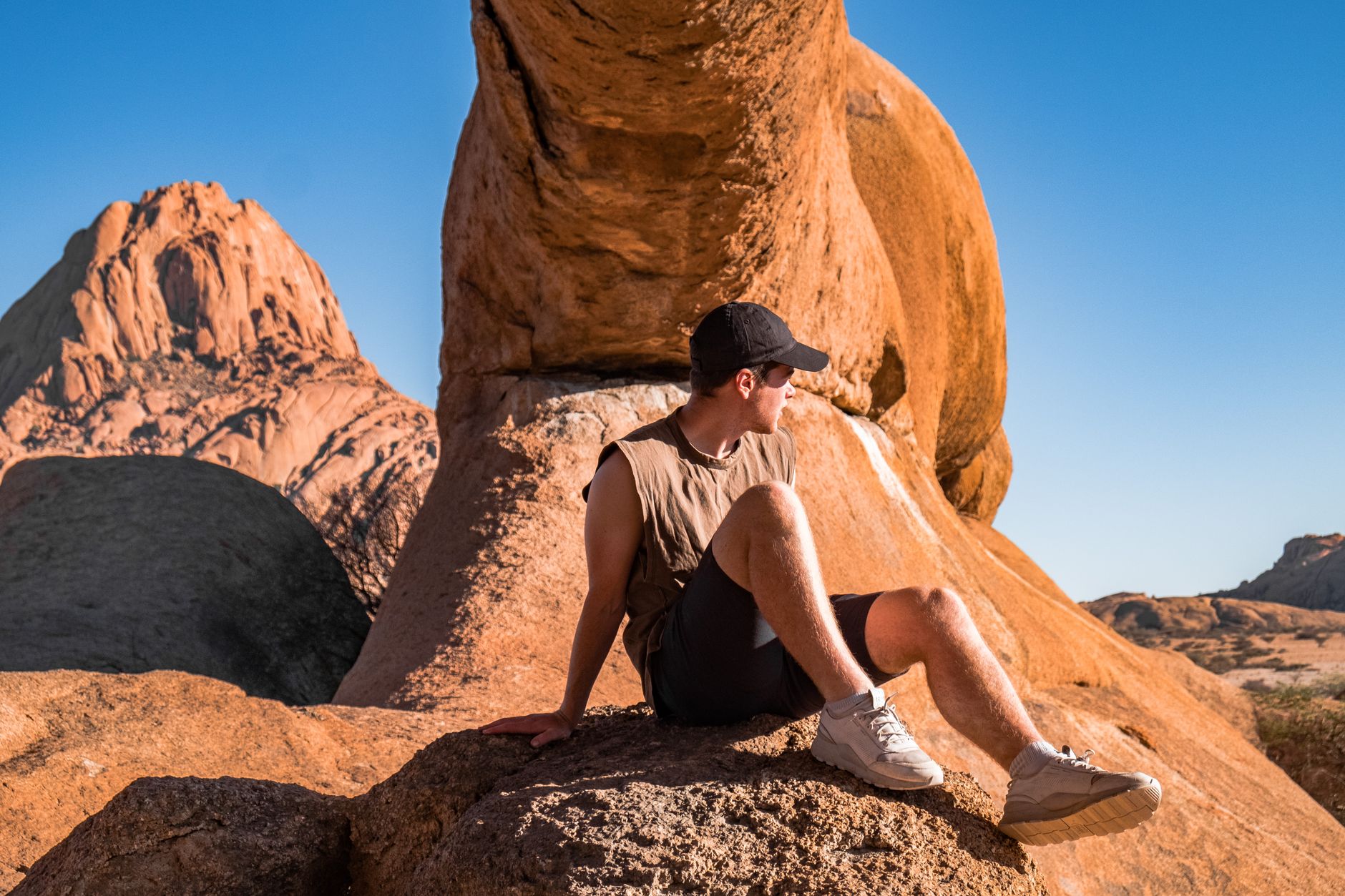
There are few marked trails here; instead, you have the freedom to wander. Follow natural pathways between the boulders, discover hidden pools after a rare rain, and find your own vantage point. The most popular activity is the walk to the famous Rock Arch. It's a relatively easy scramble that rewards you with one of Namibia’s most iconic photo opportunities, especially at sunrise or sunset. For access to the 'Bushman's Paradise' collection of rock art, you will need to hire a local guide from reception, which we highly recommend to gain insight into the paintings' meanings.
Stargazing
As darkness falls, Spitzkoppe reveals its greatest spectacle. With zero light pollution, the night sky is breathtaking. The Milky Way arches across the heavens in brilliant detail, and the sheer number of visible stars is astounding. Lying on a still-warm granite boulder and contemplating the cosmos is a humbling and unforgettable experience. Bring a star chart or use a stargazing app to identify constellations you’ve never seen before.
Practicalities and Etiquette
Getting There
Spitzkoppe is located in the Erongo Region, roughly 150km northeast of Swakopmund. The turn-off is from the B2 main road onto the D1918 gravel road. While a 4x4 vehicle provides peace of mind, a high-clearance 2WD vehicle can typically handle the journey in the dry season. Take it slow on the gravel roads and be mindful of wildlife. For more advice on navigating the country's roads, see our tips for planning your own Namibian adventure.
Respecting the Environment
Adherence to the 'Leave No Trace' principle is paramount. Pack out everything you pack in, including all of your rubbish. Do not deface the rocks or touch the ancient rock art. Remember that your campsite fees are a vital source of income for the local Gaingu community, who have protected this land for generations. Be a courteous and respectful guest.
Beyond the Campsite: Nearby Wonders
A trip to Spitzkoppe fits perfectly into a larger Namibian itinerary. It serves as an excellent stopover between the coastal town of Swakopmund and the rugged landscapes of Damaraland, a region famous for its desert-adapted elephants and stunning scenery. After a few nights of rustic camping, you might consider balancing the experience with a touch of comfort at a nearby lodge. The Erongo region offers exceptional properties like the beautiful Erongo Wilderness Lodge, which provides a different perspective on these granite-strewn landscapes.
Camping at Spitzkoppe is a return to something essential. It’s about the simple joy of a campfire, the overwhelming scale of the landscape, and the profound silence of the desert night. This Spitzkoppe camping guide is just the start; the real magic lies in discovering its silent corners for yourself.
While the raw beauty of camping at Spitzkoppe is a must-do, Namibia offers a spectrum of experiences, from rustic campsites to unparalleled luxury. Explore our curated collection of lodges and begin crafting your complete Namibian journey with Safari Stays.
Ready to plan your trip?
Check live availability, compare lodges and book instantly — or send us an enquiry and we'll help shape the route.