Capturing the Light: Sossusvlei Photography Tips
The Namib is a land of mirages, of impossible scale and primeval beauty. At its heart lies Sossusvlei, a landscape so sublime it feels like a dream painted onto the earth. For photographers, it is a pilgrimage site—a place of searing reds, stark whites, and shadows that sculpt the sand. To truly do it justice, however, requires more than just pointing a camera. It demands an understanding of light, patience, and a willingness to embrace the elements. These are our essential sossusvlei photography tips, curated from years of exploring this magical corner of Namibia.
Understanding Sossusvlei's Light
Everything in Sossusvlei revolves around the sun. The magic happens during the ‘golden hours’—the first hour after sunrise and the last hour before sunset. During these brief windows, the low-angled sun ignites the iron-rich dunes, turning them a fiery spectrum of orange, apricot, and deep crimson.
This is when the shadows are at their longest and most dramatic, stretching across the landscape and carving out the elegant curves and sharp ridges of the dunes. These shadows are not just darkness; they are an active element in your composition, providing depth, contrast, and a sense of three-dimensionality that is lost in the flat light of midday.
Midday, from roughly 10 a.m. to 4 p.m., is notoriously challenging. The sun is directly overhead, bleaching the colours and creating harsh, unflattering shadows. While this is an excellent time to retreat to the shade or explore the cooler confines of Sesriem Canyon, it can also be an opportunity for creative high-contrast black and white photography, where form and texture take precedence over colour.
Essential Sossusvlei Photography Tips & Techniques
With the light understood, let's turn to the practical side of capturing your vision. Success in Sossusvlei is a marriage of preparation and creative intuition.
The Right Gear for the Job
While the best camera is the one you have with you, certain equipment will undoubtedly help you make the most of your time in the dunes. Think of your gear as tools to translate the immense scale and delicate details of the Namib onto your sensor.
- Wide-Angle Lens (e.g., 16-35mm): Essential for capturing the vast, sweeping landscapes and emphasizing the scale of the dunes against the sky. Perfect for shots from the floor of Deadvlei, looking up at the surrounding sand mountains.
- Telephoto Lens (e.g., 70-200mm or 100-400mm): Perhaps the most versatile lens in Sossusvlei. Use it to compress the perspective, making distant dunes appear stacked against each other. It's also perfect for isolating details—the graceful curve of a single dune ridge, the texture of wind-blown sand, or an oryx traversing a distant crest.
- A Sturdy Tripod: Non-negotiable for golden hour and blue hour photography. It allows you to use low ISO for clean images and slow shutter speeds to capture the shifting light without camera shake.
- Polarizing Filter: This will be your best friend. A good circular polarizer cuts through atmospheric haze, deepens the blue of the sky for a striking contrast with the red dunes, and reduces glare on the sand itself, saturating the colours.
- Essentials: Bring more than you think you need. Extra batteries are a must, as cooler morning temperatures can drain them faster. Ample memory cards are crucial. And don't forget lens cloths and a blower to combat the inevitable fine dust.
Compositional Keys
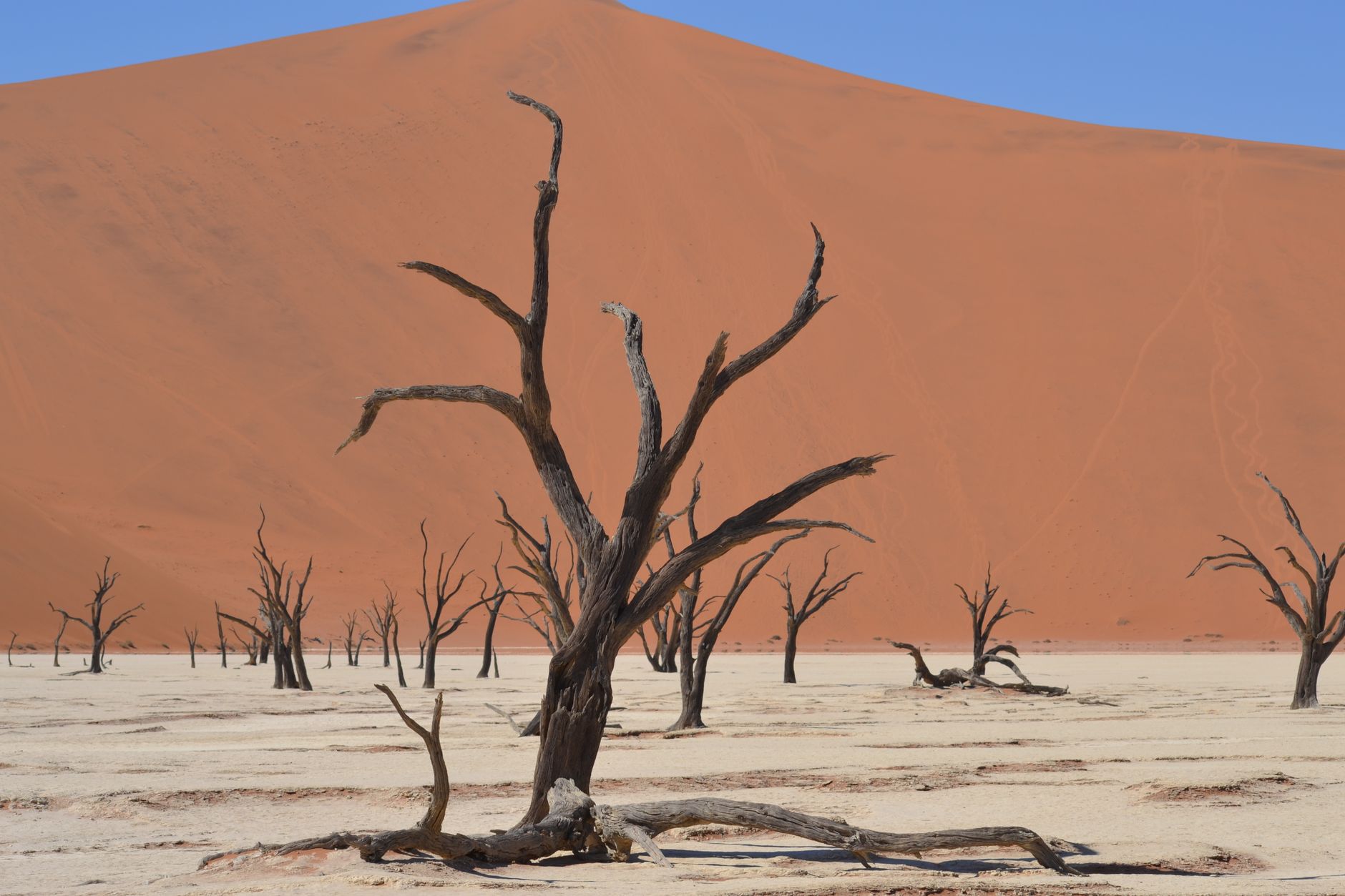
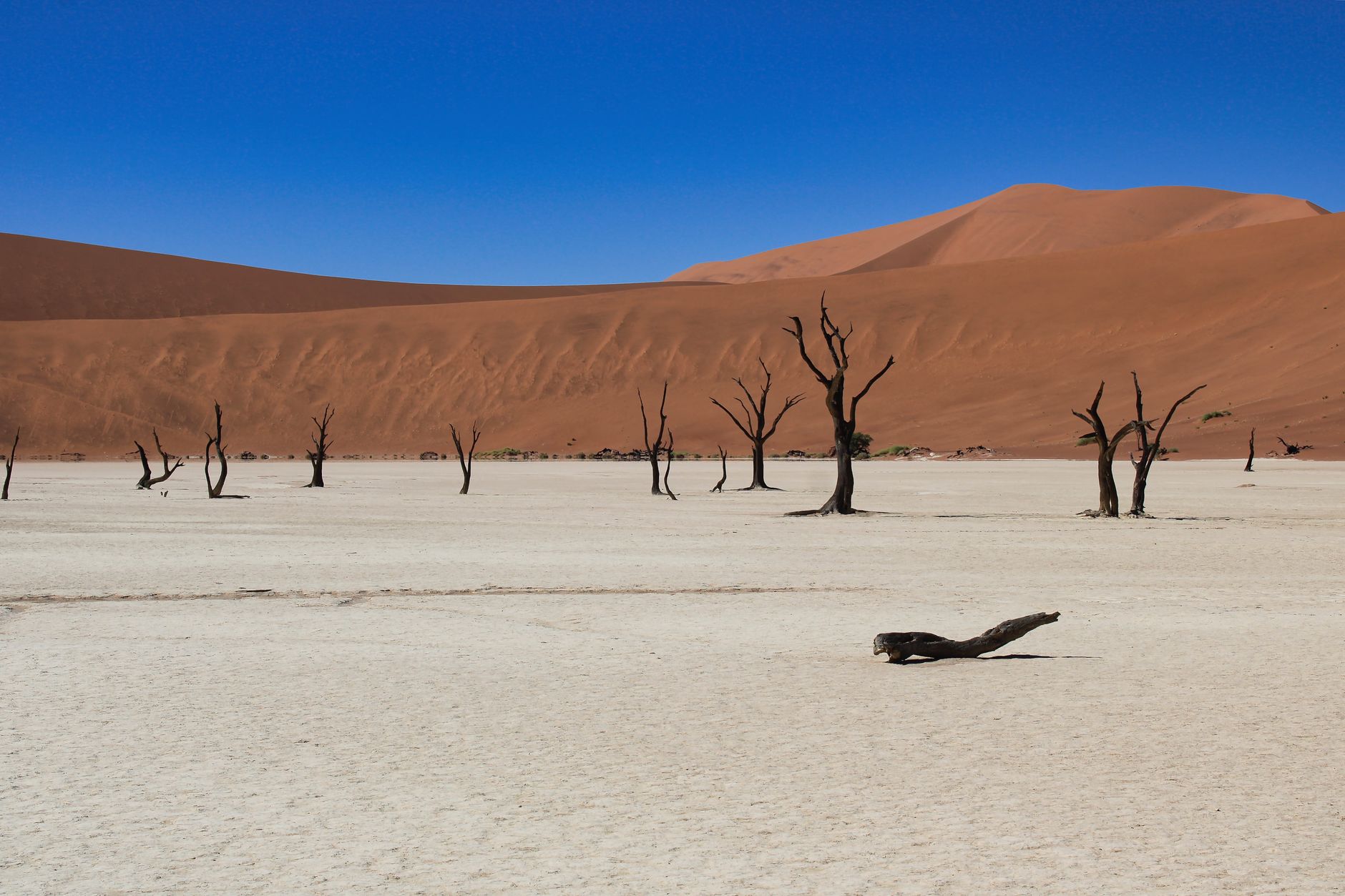
Sossusvlei offers endless compositional opportunities. Move beyond the classic postcard shot and look for what makes the landscape unique. Use leading lines created by the sharp dune ridges to guide the viewer’s eye through the frame. Place a lone camel thorn tree or a person in your shot to give a sense of the monumental scale. Look down; the patterns and ripples in the sand, created by the wind, can make for beautiful abstract photographs. The contrast between the cracked white clay of Deadvlei and the gnarled, black skeletons of the trees is a powerful subject in itself.
Iconic Locations and When to Shoot Them
Deadvlei: The star of the show. Aim to be here for sunrise. The morning light creeps over the eastern dunes, first illuminating Big Daddy and then slowly moving across the white pan. The race is to capture the stark, skeletal trees against the shaded, deep-blue face of the western dunes while the sunlit red dunes provide a backdrop. The contrast is breathtaking.
Dune 45: Named for being 45km from the Sesriem gate, this is a classic sunrise spot. You can choose to climb it for panoramic views as the park awakens, or photograph its elegant S-curve from the base as the morning light catches its eastern flank.
Big Daddy: As one of the tallest dunes in the area, climbing it is a rite of passage. The reward is an unparalleled view over the entire vlei system. For photographers, capturing the tiny figures of other climbers ascending its ridge is a fantastic way to illustrate its immense size.
Sesriem Canyon: Your best friend during the harsh midday sun. As you descend into the canyon, the temperature drops, and the light becomes softer and more diffused. It’s a great place to photograph geological details and abstract patterns in the rock.
Beyond the Famous Dunes
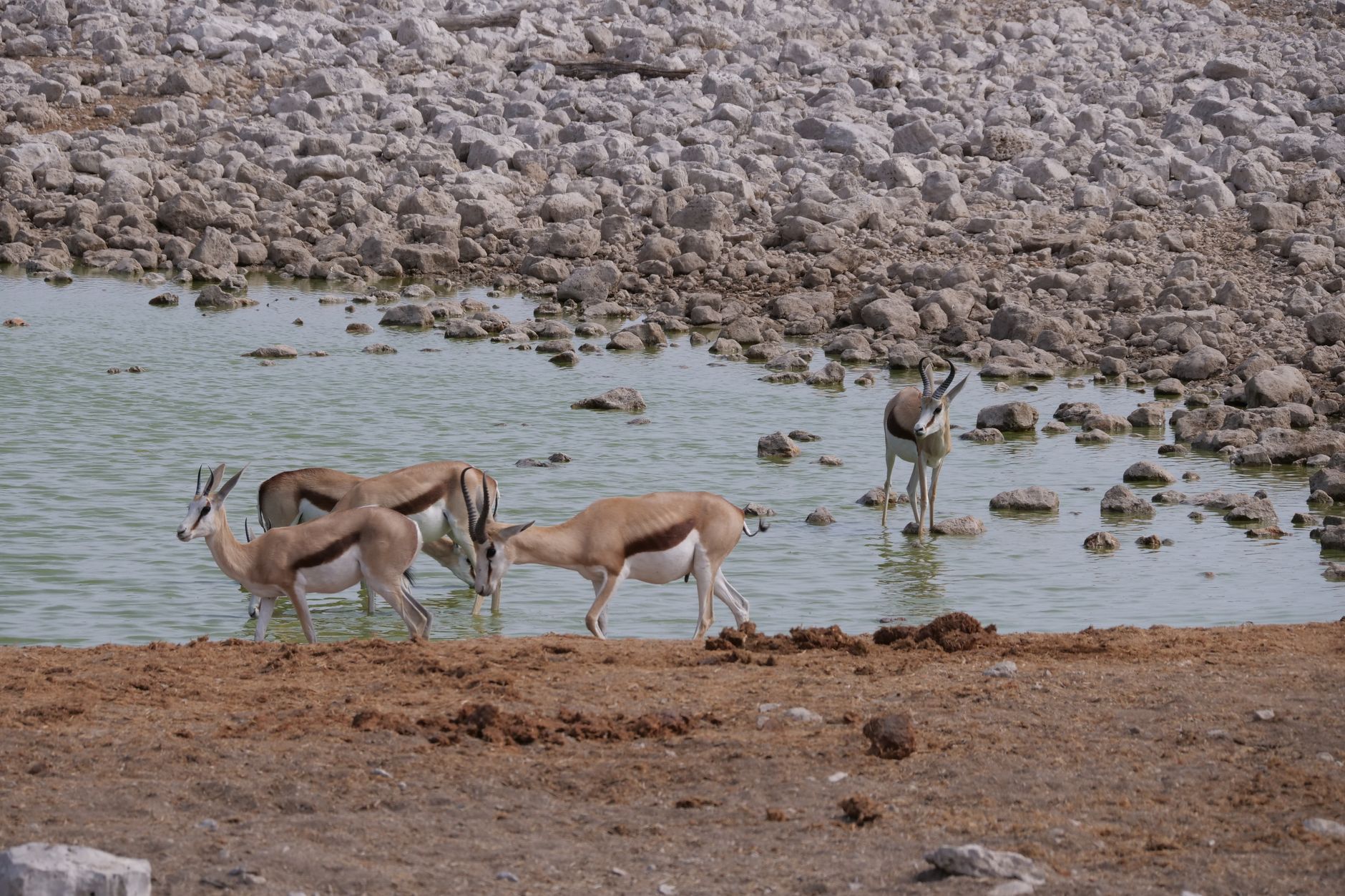
While the dunes are the main draw, the surrounding environment is rich with photographic potential. Keep your telephoto lens ready for the remarkably adapted wildlife. A solitary oryx standing atop a dune crest is a truly iconic Namibian image. Springbok, ostriches, and even the elusive brown hyena can be spotted.
As night falls, the show continues. The NamibRand Nature Reserve, adjacent to the park, is one of Africa's first International Dark Sky Reserves. The lack of light pollution reveals the Milky Way in astonishing clarity. To learn more about this pristine environment, you can explore the NamibRand region on our site. A tripod and a fast, wide lens (e.g., f/2.8) are essential for capturing the cosmos. You can even find more astrophotography tips on our blog.

Finally, the most important piece of advice is to stay inside the park if possible. Lodges inside the gates, or those with exclusive access like the magnificent Desert Whisper, allow you to depart for the dunes an hour before the general public. This head start is the difference between witnessing sunrise from a prime location and watching it from the car.
Ultimately, Sossusvlei rewards the patient photographer. Take your time, observe the changing light, and move slowly. We hope these Sossusvlei photography tips help you not only to take better pictures, but to more deeply connect with one of the most astonishing places on Earth.
The right accommodation is key to making the most of your photographic journey. Find your perfect basecamp, from lodges inside the park to exclusive desert retreats, by exploring our curated collection of Safari Stays in Namibia.
Ready to plan your trip?
Check live availability, compare lodges and book instantly — or send us an enquiry and we'll help shape the route.