A Guide to Sossusvlei & Deadvlei: The Namib's Heart
In the vast, silent expanse of the Namib Desert lies a landscape that feels borrowed from a dream. Here, the world’s oldest desert has sculpted mountains of sand, painted them in fiery shades of apricot and rust, and set them against a piercing blue sky. To witness this spectacle is to witness the heart of Namibia itself. This comprehensive sossusvlei and deadvlei travel guide is born from countless journeys into that heart, designed to help you navigate its profound beauty and create memories that will last a lifetime.
Sossusvlei is more than just a destination; it's a geological marvel, a photographer's muse, and a testament to the patient, powerful artistry of nature. It’s a place that demands a slow pace, an early start, and an open heart.
First, What Are Sossusvlei and Deadvlei?
Though often used interchangeably, Sossusvlei and Deadvlei are two distinct, yet related, wonders nestled within the Namib-Naukluft National Park. The name 'Sossusvlei' translates roughly to 'dead-end marsh'. It refers specifically to a large, white salt and clay pan that marks the final resting place of the Tsauchab River. This ephemeral river flows from the Naukluft Mountains, but its journey is almost always halted by the colossal dunes, preventing it from reaching the Atlantic Ocean. Only in years of exceptional rainfall does the vlei fill with water, creating a breathtaking turquoise lake surrounded by red dunes—a rare and coveted sight.
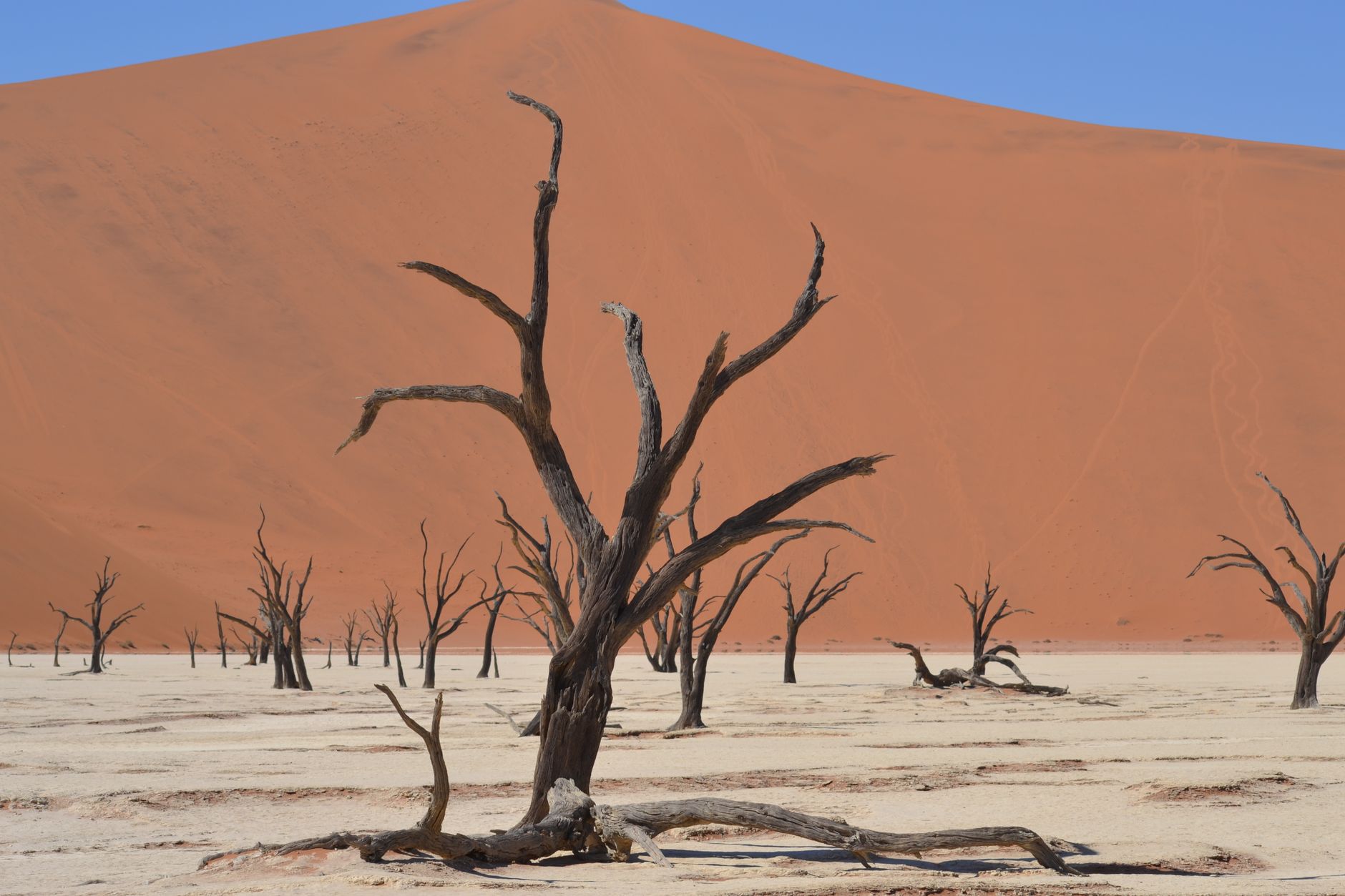
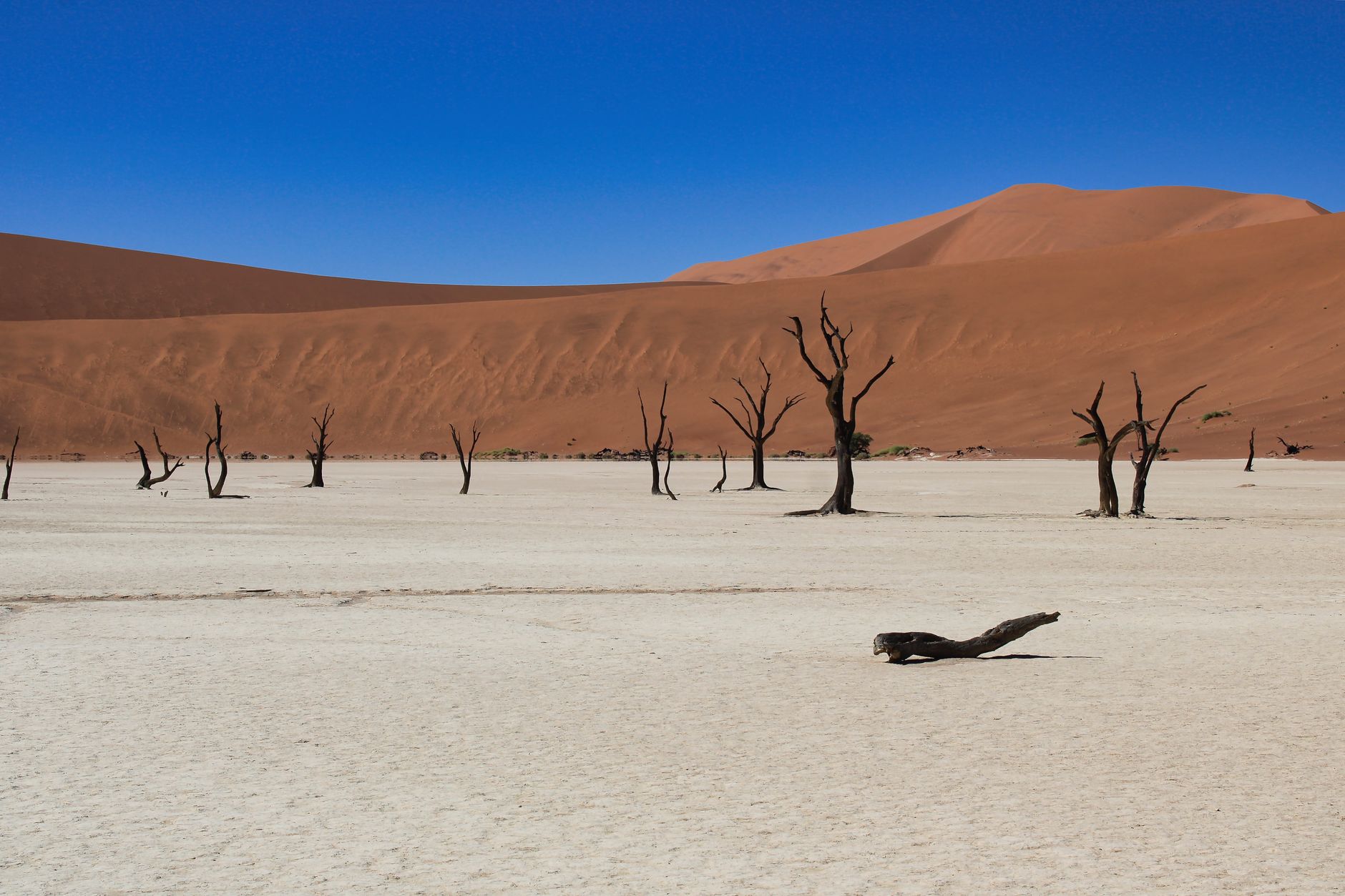
Deadvlei, or 'dead marsh', is the more famous of the two. It is another clay pan, cut off from the river centuries ago when the dunes shifted. The pan is now a stark, white canvas punctuated by the skeletal remains of camel thorn trees, estimated to be over 900 years old. Scorched black by the sun, these ancient trees cannot decompose in the intensely dry climate, standing as silent, gnarled sculptures against the backdrop of 'Big Daddy', one of the area's tallest dunes. The visual contrast is staggering and undeniably one of Africa's most iconic scenes.
The Essential Sossusvlei and Deadvlei Travel Guide
Navigating this primeval landscape requires some planning. From park gates to dune climbs, understanding the logistics is key to a seamless and memorable experience.
Getting There and Park Entry
Sossusvlei is located in the southern part of the Namib Desert, with the small outpost of Sesriem serving as its gateway. The journey from Windhoek or Swakopmund is a stunning road trip, primarily on well-maintained gravel roads that showcase the country's dramatic, changing scenery.
The Namib-Naukluft Park has two main gates at Sesriem. The outer gate allows entry to the park itself, while a second, inner gate, located 60 kilometres further in, opens one hour before sunrise and closes one hour after sunset. The key decision for any visitor is whether to stay inside or outside this inner gate.
Lodges located within the park concession, such as Dead Valley Lodge or NWR's Sesriem Campsite, offer the incredible advantage of accessing the dunes before sunrise, allowing you to witness the day's first light painting the sand from atop a dune. Visitors staying outside the gate at one of the many excellent lodges in the greater Sesriem area can enter at sunrise, which is still a magical time to arrive.
The Best Time to Visit
Namibia is a year-round destination, but the most comfortable time to visit Sossusvlei is during the cooler, dry winter months, from May to October. The temperatures are more moderate, making dune climbing and desert exploration pleasant.
The summer months (November to April) bring higher temperatures, often exceeding 40°C (104°F). While visits are still very possible, all activity must be concentrated in the very early morning and late afternoon.
Regardless of the season, the time of day is crucial. The 'golden hours' of early morning and late afternoon are non-negotiable. Not only is the heat less oppressive, but the low sun casts dramatic, deep shadows, defining the dunes' elegant curves and bringing their colours to life. Midday is best spent relaxing at your lodge or exploring the cool confines of Sesriem Canyon.
Exploring the Key Sights
From the 2x4 car park (60 km from the Sesriem gate), the final 5 km stretch to Sossusvlei and the Deadvlei trailhead is thick sand, requiring a 4x4 vehicle. You can either drive your own 4x4 or take the convenient 4x4 shuttle service that runs continuously throughout the day.
Here are the must-see highlights of the area:
- Dune 45: Named for its location 45 kilometres from the Sesriem gate, this iconic, 85-meter-high star dune is one of the most accessible and photographed in the world. Its elegant shape and relatively manageable climb make it the most popular choice for a sunrise expedition.
- Deadvlei: The star of the show. From the shuttle drop-off point, a 1.1 km walk across the flat, sandy ground brings you over a small dune ridge and into the pan. The first sight of the white clay floor and its ancient, skeletal trees is a moment you will never forget. Take your time, walk among the trees, and feel the profound silence.
- Big Daddy Dune: For the adventurous, Big Daddy looms over Deadvlei, beckoning with a challenge. At approximately 325 meters, it's a strenuous climb that takes 1-2 hours. The reward is an unparalleled, panoramic view across the entire sand sea, followed by a thrilling, joyous run down its steep slip-face directly into Deadvlei.
- Sossusvlei: The namesake pan is a further kilometre from the Deadvlei parking area. While less visually dramatic than Deadvlei on a typical day, it’s a vast, peaceful pan worth visiting. If you are lucky enough to visit after a significant rainfall, you will be one of the few to see it transformed into a reflective oasis.
- Sesriem Canyon: Located just inside the main park gate, this narrow gorge carved by the Tsauchab River is a hidden gem. It offers a cool respite from the midday sun and a chance to explore the geological layers of the desert on foot.
Where to Stay
Choosing your accommodation is a vital part of the experience. For those prioritising photography and early access, staying inside the park gates is ideal. For those seeking unique luxury and exceptional service, the private reserves surrounding the park offer some of Namibia's most spectacular properties, like the exclusive Desert Whisper Lodge, where solitude and style meet the sand sea. Each offers a different perspective on this incredible environment.

The Namib Desert is a place of profound stillness and subtle power. It reminds us of the grandeur of geological time and the resilience of life in the harshest of places. Standing in the quiet of Deadvlei, you connect with something ancient and elemental. We hope this sossusvlei and deadvlei travel guide helps you begin to plan your own encounter with this extraordinary landscape, a journey that is fundamental to understanding the soul of Namibia. As you plan, consider reading more on the best time to visit Namibia to round out your itinerary.
Ready to experience the ancient sands for yourself? Explore Safari Stays’ curated collection of lodges throughout Namibia and find the perfect base for your desert adventure. Our team is ready to help you craft an unforgettable journey. Find your stay in our Namibian listings.
Ready to plan your trip?
Check live availability, compare lodges and book instantly — or send us an enquiry and we'll help shape the route.