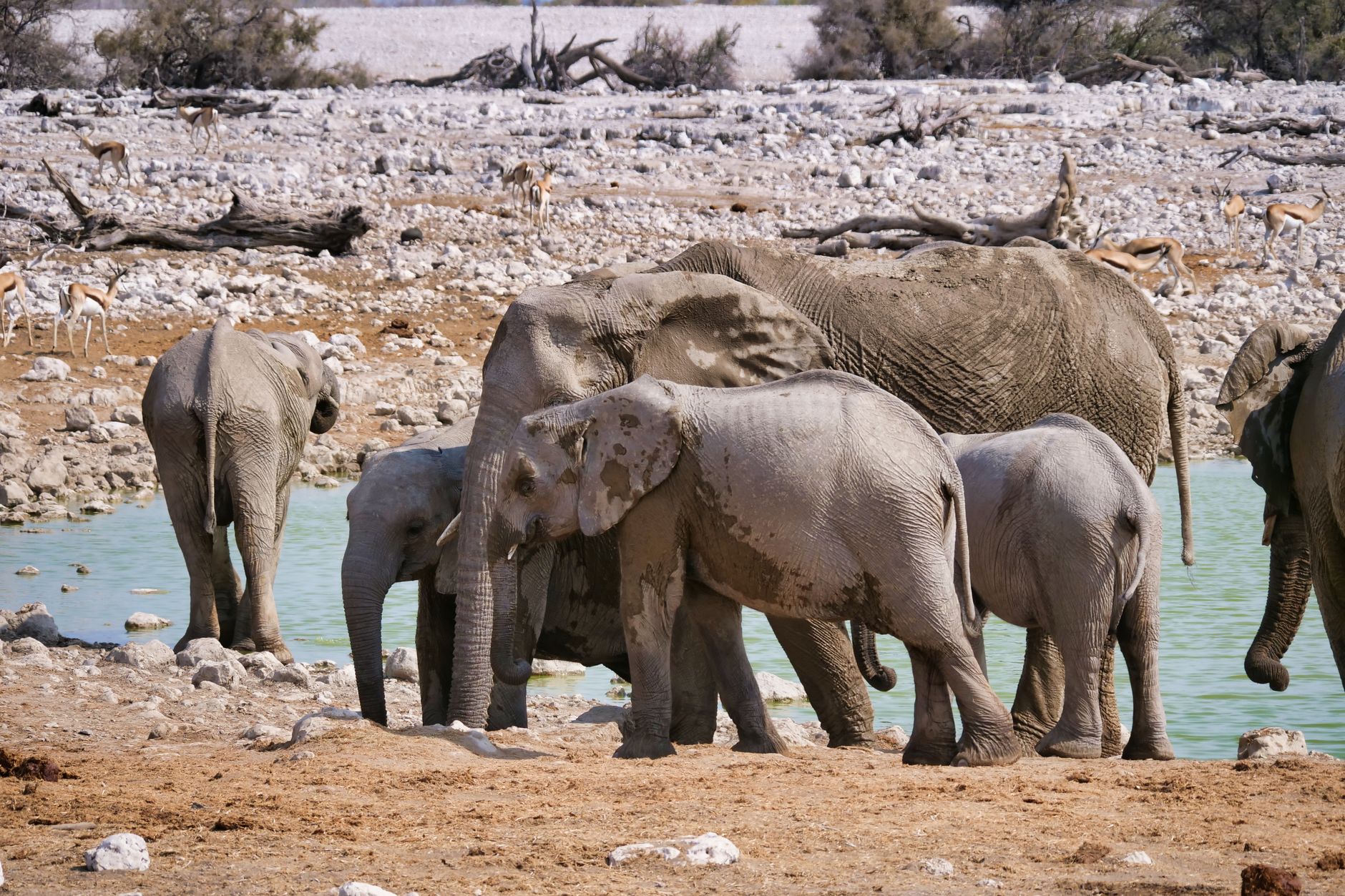
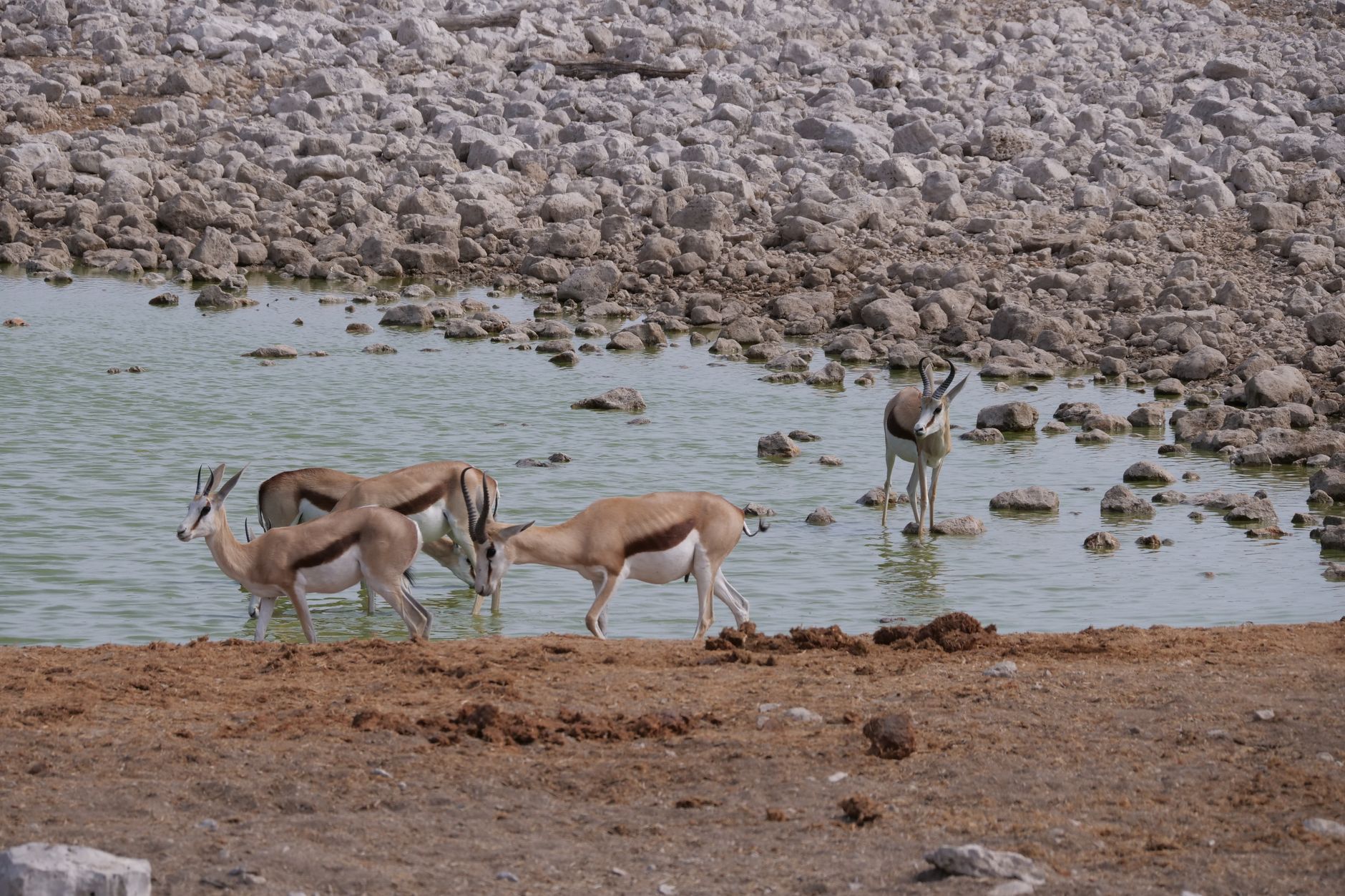
In Search of Damaraland Desert Elephants

In the vast, ochre-hued landscapes of northwest Namibia, a story of extraordinary resilience unfolds. It is the story of the Damaraland desert elephants, iconic and enigmatic figures that drift like ghosts through ancient, sun-scorched riverbeds. Their presence here is a testament to the power of adaptation, a quiet miracle in one of the world's oldest and most arid environments. To seek them out is not just a safari activity; it is an immersion into the very soul of this wild and untamed corner of Africa.
At Safari Stays, we believe that travel should be transformative. An encounter with these remarkable creatures, set against the backdrop of Damaraland's staggering beauty, is just that. It is a lesson in survival, patience, and the delicate balance between life and the land.
Are They a Different Species?
One of the first questions visitors ask is whether these elephants are a distinct subspecies. The answer, scientifically, is no. They are African bush elephants (Loxodonta africana), the very same species you might see in the lush wetlands of the Zambezi Region or the plains of Etosha. Their uniqueness is not born of genetics, but of learned behaviour and subtle physical adaptations passed down through generations.
Living where water and food are scarce, they have evolved to thrive where other elephants could not.
Physical Adaptations for a Harsh Land
Observe them closely, and you’ll notice the differences. The desert-adapted elephants are leaner, with a taller, rangier build. Their legs are often longer and their feet appear larger and more splayed—a clever adaptation that helps them traverse an endless terrain of soft sand without sinking. It’s a natural snowshoe for the desert.
Behavioural Adaptations and Incredible Memory
It is their behaviour, however, that is most fascinating. They travel in smaller family groups to lessen the pressure on scarce resources. Their home ranges are immense, sometimes covering thousands of square kilometres, as they follow ancient routes to remembered water sources. These elephants possess an incredible spatial and generational memory, a mental map of underground springs and ephemeral rivers that may only flow once every decade. The herd's matriarch is a living library of survival knowledge, a skill set upon which the entire family depends.
The Heart of the Matter: Tracking the Damaraland Desert Elephants
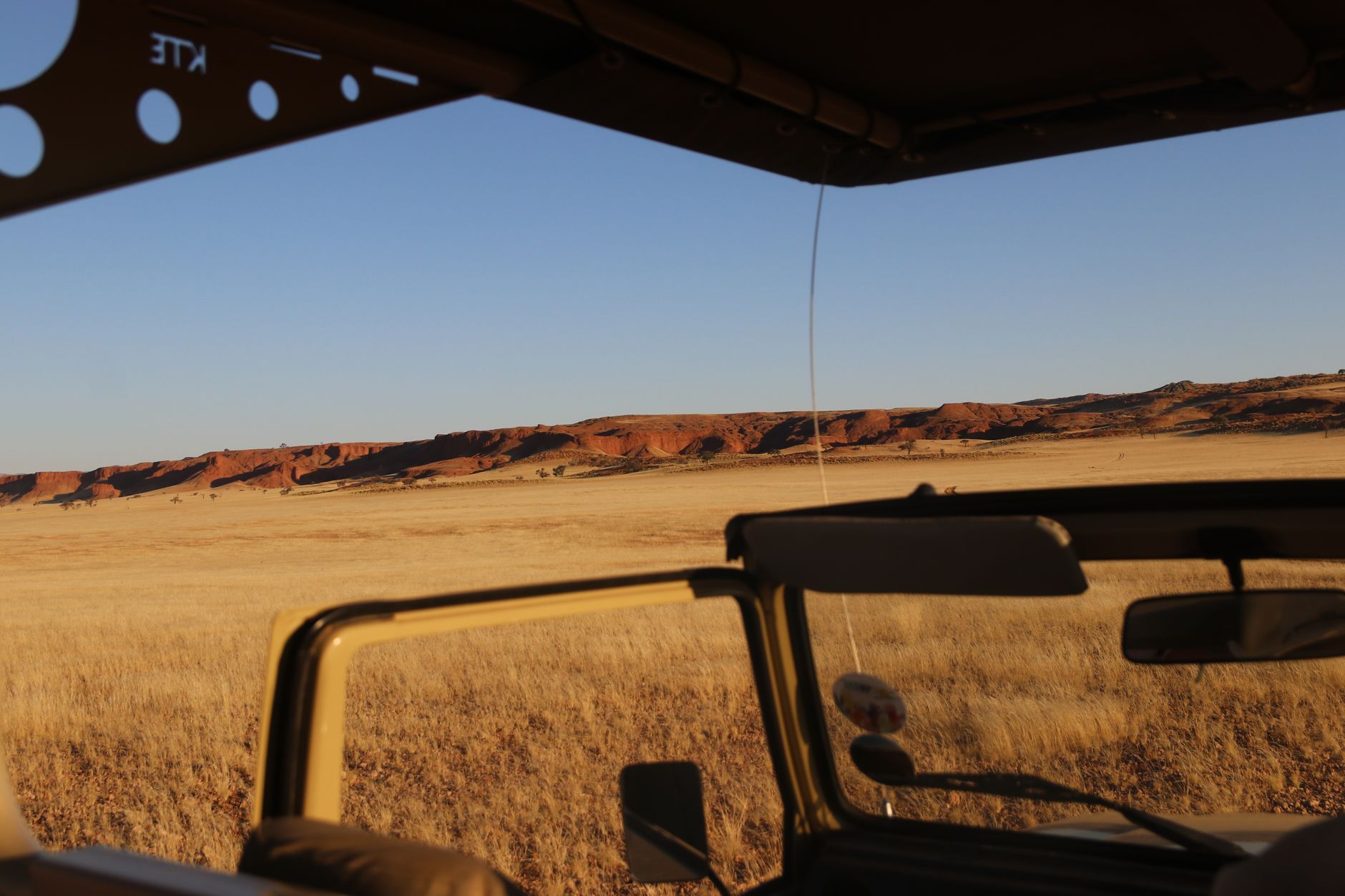
Finding these elephants is a journey of patience and skill. Unlike their park-bound cousins, they are not confined by fences. The search takes place in the vast, unfettered wilderness of the Damaraland region, often focusing on the dry riverbeds of the Huab, Ugab, and Hoanib rivers.
This is not a drive-by sighting. It is an immersive tracking experience, best undertaken with a knowledgeable guide who understands the landscape and respects the animals. A guide can read the signs—a freshly broken branch, a deep footprint in the sand, the subtle scent on the air—and interpret the story of the elephants' recent movements.
What to Expect on a Tracking Excursion
An excursion to find the desert elephants is a highlight of any Namibian safari. While sightings are never guaranteed, the pursuit itself is an adventure. You can typically expect:
- An early morning start to take advantage of cooler temperatures when the elephants are most active.
- Travel in a specialized 4x4 open vehicle, equipped to handle the rugged, sandy terrain.
- Learning from your guide about the tracks, signs, and unique flora of the region.
- Long periods of driving and scanning the horizon, punctuated by the thrill of discovering fresh tracks.
- A deep respect for the animals. Ethical guiding principles mean maintaining a safe and non-intrusive distance, never crowding the elephants or altering their natural behaviour.
A Fragile Coexistence: Conservation in the Communal Lands
The survival of desert elephants is a remarkable conservation success story, though one that remains fragile. They live predominantly outside national parks, sharing their territory with local communities. This proximity inevitably leads to human-elephant conflict, particularly around water points and sparse crops.
However, Namibia's pioneering approach to community-based conservation has been crucial. By empowering local communities through conservancies, the people who live alongside wildlife have become its foremost protectors. Revenue from responsible tourism, offered at exceptional lodges like those in the Hoanib Valley, provides a direct economic incentive for conservation. This model helps fund projects that protect water points and supports local livelihoods, turning potential conflict into a shared mission of coexistence. For more on this, you can read our guide to Namibia's conservancies.

The future of the Damaraland desert elephants depends on this delicate, ongoing collaboration between conservationists, communities, and conscientious travellers.
An encounter with these giants is a profoundly moving experience. Watching a herd move silently across the stark plains, their colossal forms dwarfed by the sheer scale of the landscape, is a humbling reminder of nature's tenacity. It’s a moment that stays with you, a memory etched as deeply as the elephants' footprints in the desert sand. Choosing to visit them responsibly supports their continued existence, ensuring their legendary journey can continue for generations to come.
If you are feeling inspired to witness this spectacle for yourself, the first step is to find the right base. Our curated collection of lodges in Damaraland offers the perfect gateway to this unforgettable wildlife experience. Explore our Namibian lodges and camps to begin planning your own desert adventure.
Ready to plan your trip?
Check live availability, compare lodges and book instantly — or send us an enquiry and we'll help shape the route.